How to Lower Your Electric Bill: 15 Proven Ways (2026)


The fastest way to lower your electric bill is to attack heating and cooling first — it’s roughly half of a typical home’s electricity use. Adjusting your thermostat a few degrees, sealing air leaks, and switching to LED lighting are the highest-return moves, and they cost little or nothing. The average US household now pays about $165 a month (around 18.8¢/kWh for ~875 kWh), so a 20–30% cut is worth $400–$600 a year. Here are 15 proven ways to get there, ranked by payoff.
Quick answer: the five biggest wins
Where Your Electricity Actually Goes
You can’t cut what you don’t understand. In a typical US home, heating and cooling dominate, followed by water heating and appliances. Lighting — the thing people obsess over — is a relatively small slice, though LEDs are still one of the cheapest fixes available.
The lesson is simple: a change that shaves 10% off your heating and cooling saves more than eliminating your lighting entirely. Prioritise accordingly.
Know your rate and your usage
The 15 Proven Ways to Lower Your Electric Bill
Ranked roughly by return on effort, with real figures from the US Department of Energy and ENERGY STAR.

1. Adjust your thermostat (saves 1–3% per degree)
The single cheapest change you can make. Every degree you shift your thermostat saves roughly 1–3% of heating or cooling costs. Aim for about 78°F in summer and 68°F in winter, and set it back further while you’re asleep or out. Since heating and cooling is nearly half your bill, a 4-degree shift can easily save 5–10% overall — for free.
2. Seal air leaks and add insulation (10–20% of heating/cooling)
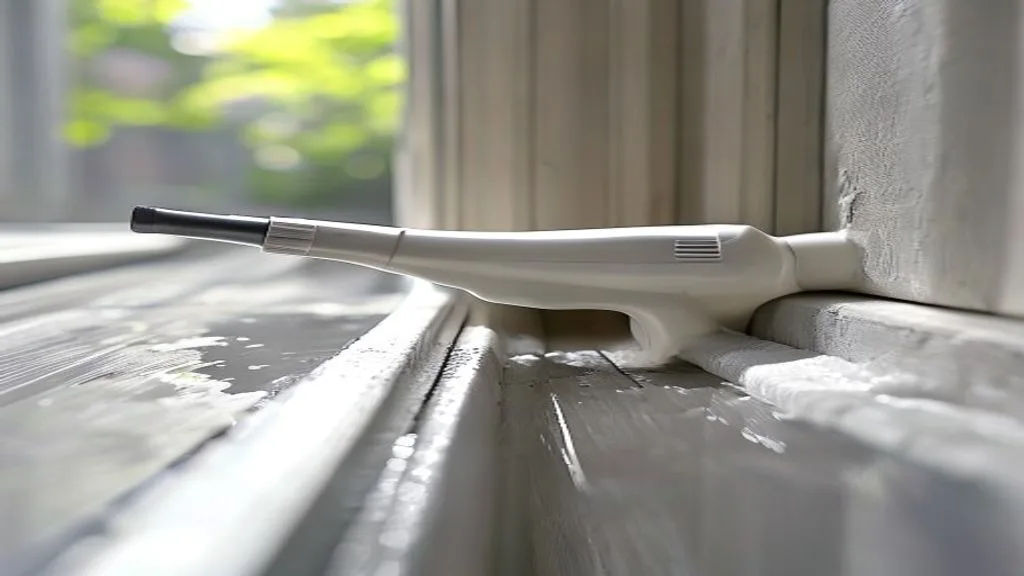
Air escaping around windows, doors, attic hatches and outlets forces your system to run constantly. The DOE estimates that caulking and weatherstripping leaks saves the average household 10 to 20 percent on annual heating and cooling bills — up to about $166 a year. A tube of caulk costs a few dollars and pays back within weeks. For a deeper fix, see our home insulation guide.
3. Switch every bulb to LED (75% less energy)
According to the DOE, LED bulbs use at least 75% less energy and last up to 25 times longer than incandescents. If you still have older bulbs anywhere — closets, basements, outdoor fixtures — replacing them is a one-time cost with a permanent return. Prioritise the lights you leave on longest.
4. Kill phantom loads (5–10% of your bill)
Devices that are “off” but still plugged in — TVs, game consoles, chargers, coffee makers, set-top boxes — draw standby power around the clock. The DOE puts this phantom load at 5 to 10 percent of a home’s energy use, or $100 to $200 a year. Smart TVs with wake features alone can pull up to 40 watts while off. Group electronics on switchable power strips and cut them at the wall.
5. Wash in cold water and air-dry (up to 0/year)
About 90% of a washing machine’s energy goes into heating water, so switching to cold cycles can save up to $200 a year. Modern detergents clean perfectly well in cold. Air-drying instead of tumble-drying cuts energy per load by roughly 60% — and the dryer is one of the hungriest appliances in the house.
6. Install a smart thermostat (about 8% savings)
ENERGY STAR-certified smart thermostats save users an average of 8% on utility bills by learning your schedule and avoiding heating or cooling an empty house. At roughly $130–$250 installed, most pay for themselves within one to two years. See our comparison of the best smart thermostats.
7. Maintain your HVAC system and change filters
A clogged filter makes your system work harder for the same result. Change filters every 1–3 months, keep outdoor condenser units clear of debris, and get an annual service. Neglected systems can lose a significant share of their efficiency — and fail early, which costs far more than the maintenance.
8. Upgrade to a heat pump water heater (saves ~0/year)
Water heating is around 14% of the bill. An ENERGY STAR certified heat pump water heater uses about 70% less energy than a standard electric model and saves a family of four roughly $550 a year — more than $5,600 over its lifetime. It’s one of the highest-value appliance upgrades available. Related: how air-to-air heat pumps work.
9. Switch electricity providers (saves 0–0/year)
If you live in a deregulated market — Texas, Ohio, Pennsylvania, Illinois, Massachusetts and others — you can shop for your supply rate. Switching to a competitive plan can save $200 to $500 a year without changing anything in your home. Compare rates on your state’s official comparison site, watch for teaser rates that jump after a few months, and check early-termination fees.
10. Run big appliances off-peak
If your utility offers time-of-use pricing, electricity can cost several times more during peak hours (typically late afternoon and early evening). Shifting the dishwasher, laundry and EV charging to overnight or midday can cut those loads’ cost substantially. Check whether you’re on a time-of-use plan — many households are without realising it.
11. Use fans instead of air conditioning where you can
A ceiling fan uses a tiny fraction of the power an air conditioner does. Fans don’t cool rooms, they cool people — so a fan lets you raise the thermostat about 4°F with no loss of comfort, which is a 4–12% cut in cooling costs. Just turn fans off when you leave the room; cooling an empty room is pure waste.
12. Fix the fridge (and don’t buy a second one)
Your refrigerator runs 24/7, making it one of the largest single appliance loads. Set it to about 37–40°F (freezer 0°F), clean the coils annually, check the door seal with a dollar bill, and keep it reasonably full. An old spare fridge in the garage can quietly cost $100–$150 a year on its own — unplug it if it’s half empty.
13. Use smart power strips and timers
Smart power strips automatically cut power to peripherals when the main device turns off — killing phantom loads without you thinking about it. Timers on water heaters, pool pumps, space heaters and outdoor lighting stop them running when nobody benefits. Cheap hardware, permanent savings.
14. Seal and insulate ducts
In homes with forced-air heating and cooling, leaky ducts can waste a large share of the conditioned air you paid to produce — especially where ducts run through unconditioned attics or crawlspaces. Sealing accessible joints with mastic or foil tape (never cloth duct tape) and insulating exposed runs is a high-return weekend job.
15. Consider solar — but only after the cheap fixes
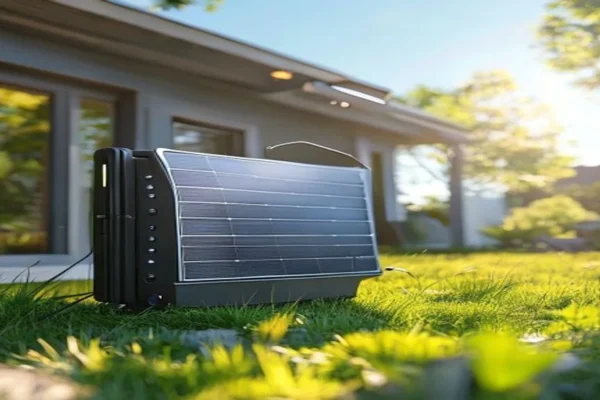
Solar can eliminate most of an electric bill, but it’s the last step, not the first: it’s far cheaper to reduce the load than to generate power for a wasteful home. Do the efficiency work first, then size a system to your new, lower usage. Note that the federal residential clean-energy credit (25D) expired on 31 December 2025 under the OBBBA, so run the numbers on current state and utility incentives only. See is solar worth it and how many solar panels you need.
Savings Summary: What Each Change Is Worth
Here’s every tip ranked by typical annual saving, with the up-front cost and how fast it pays back. Figures are national averages — multiply by your own rate for a personal estimate.

| Change | Typical annual saving | Up-front cost | Payback |
|---|---|---|---|
| Heat pump water heater | ~$550 | $1,500–$3,000 | 3–5 yrs |
| Switch provider (deregulated states) | $200–$500 | $0 | Immediate |
| Cold-water washing + air-drying | Up to $200 | $0 | Immediate |
| Seal air leaks + weatherstrip | Up to $166 | $20–$50 | Weeks |
| Eliminate phantom loads | $100–$200 | $0–$40 | Immediate |
| Smart thermostat (~8%) | ~$160 | $130–$250 | 1–2 yrs |
| Thermostat setback (4°F) | $80–$200 | $0 | Immediate |
| Unplug spare garage fridge | $100–$150 | $0 | Immediate |
| LED bulb conversion | $50–$150 | $20–$100 | Months |
| Duct sealing | $50–$150 | $30–$300 DIY | 1–3 yrs |
| HVAC maintenance + filters | $50–$120 | $20–$150/yr | Immediate |
| Fans instead of AC | $50–$100 | $0–$150 | 1 season |
Stack them and the numbers get serious
Your 30-Day Plan to Cut the Bill
Do it in this order and you’ll see the difference on your next statement.
- Week 1 (free): Reset your thermostat to 78°F/68°F with setbacks. Unplug or power-strip your electronics. Switch laundry to cold.
- Week 2 (under $50): Caulk and weatherstrip the leaks. Replace any remaining non-LED bulbs. Change your HVAC filter.
- Week 3 (audit): Read your bill — note your rate and kWh. Check if you’re on time-of-use, and if you’re in a deregulated state, compare supply rates.
- Week 4 (invest): Clean the fridge coils and unplug the spare. Price a smart thermostat, and if your water heater is aging, get quotes on a heat pump model.
Frequently Asked Questions
The Bottom Line
Lowering your electric bill isn’t about one dramatic upgrade — it’s about attacking the biggest loads first with changes that cost little or nothing. Heating and cooling is nearly half your bill, so the thermostat, air sealing and HVAC maintenance deliver more than anything else. Add LEDs, kill phantom loads, and switch to cold-water washing, and most households cut 20–30% — roughly $400–$600 a year — for under $100 spent.
Once the cheap wins are banked, the bigger investments make sense in order of payback: a smart thermostat (~8%), duct sealing, a heat pump water heater (~$550/year), and finally solar sized to your new, lower usage. Work the 30-day plan above, then compare your next bill — the numbers are usually more convincing than any article.
Going further? See our guides to home insulation, the best smart thermostats, and whether solar is worth it.
Lower your electric bill — the 5-point recap
Savings figures are US national averages from the Department of Energy and ENERGY STAR; your results depend on your rate, climate and home.
You May Also Like

Do Smart Thermostats Really Save Money? (Honest Answer)

Spray Foam Insulation: Cost, Pros, Cons & Alternatives (2026)
Lithium vs Lead-Acid Solar Batteries: Which Is Best? (2026)