Spray Foam Insulation: Cost, Pros, Cons & Alternatives (2026)

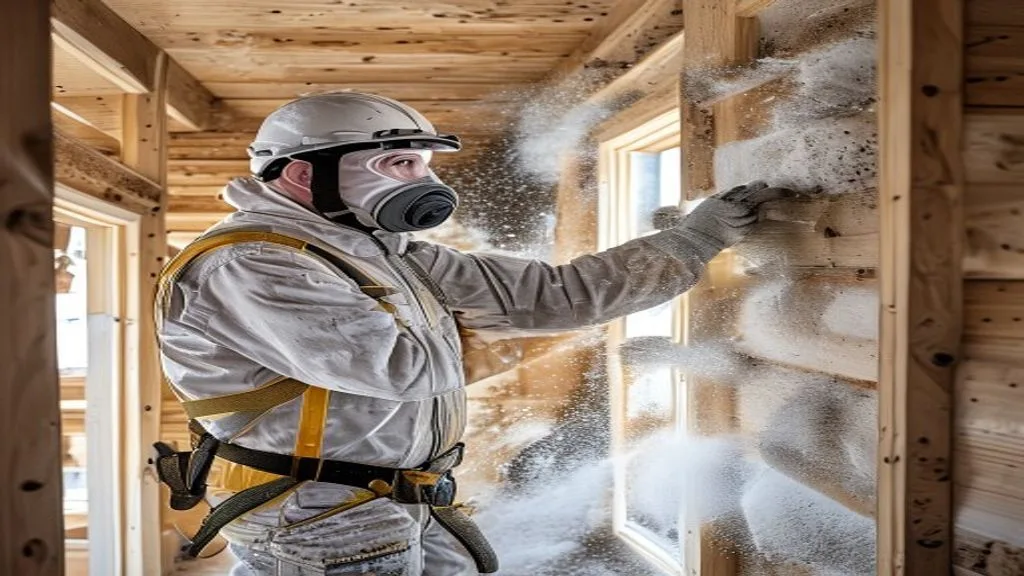
Spray foam insulation costs roughly $1.00–$3.50 per square foot for open-cell and $1.50–$5.00 for closed-cell installed, and it’s the only common insulation that air-seals and insulates in a single step. Done right, it can cut heating and cooling costs by 30–50% versus poor or degraded insulation. Done wrong, it can trap moisture, grow hidden mould and complicate a future home sale. Here’s the balanced picture — costs, open vs closed cell, the real risks, and when a cheaper alternative is the smarter buy.
Quick answer: is spray foam worth it?
Open-Cell vs Closed-Cell Spray Foam
These are two genuinely different products that happen to share a name. Choosing the wrong one is the most expensive mistake in this category.
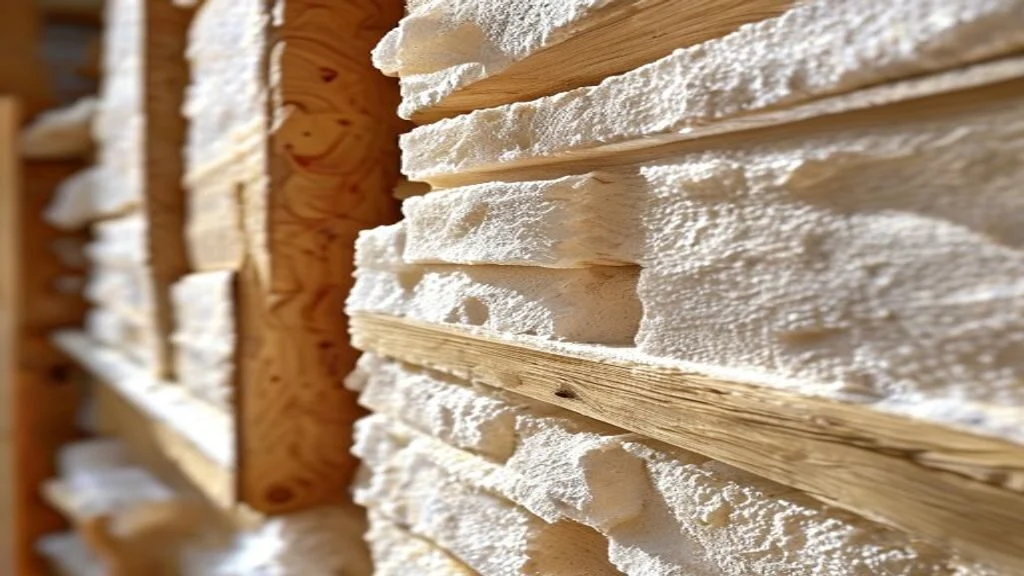
| Open-cell | Closed-cell | |
|---|---|---|
| R-value per inch | 3.5–3.6 | 6–7 |
| Installed cost | $1.00–$3.50/sq ft | $1.50–$5.00/sq ft |
| Cost per board foot | $0.60–$1.60 | $1.30–$3.10 |
| Density | Light, spongy | Rigid, dense |
| Air barrier | Yes | Yes |
| Vapour barrier | No — permeable | Yes at sufficient thickness |
| Water resistance | Absorbs water | Resists water |
| Adds structural rigidity | No | Yes |
| Sound dampening | Better | Good |
| Best for | Interior walls, attics (mild climates) | Rim joists, crawlspaces, roofs, flood-prone areas |
Closed-cell delivers nearly double the R-value per inch, which matters enormously where cavity depth is limited — a 2×4 wall or a shallow rafter bay. Where you have plenty of depth, open-cell is cheaper per unit of insulation and lets the assembly dry.
How Much Does Spray Foam Insulation Cost?
Costs vary by foam type, thickness, access difficulty and region. Here’s what to expect for common jobs.
| Project | Typical area | Open-cell cost | Closed-cell cost |
|---|---|---|---|
| Rim joists / band joists | 200–300 sq ft | $200–$1,000 | $300–$1,500 |
| Crawlspace | 800–1,200 sq ft | $800–$4,200 | $1,200–$6,000 |
| Attic (roof deck) | 1,000–1,500 sq ft | $1,000–$5,250 | $1,500–$7,500 |
| Walls (new build/gut reno) | 1,200–2,000 sq ft | $1,200–$7,000 | $1,800–$10,000 |
| Whole house | 2,000–3,000 sq ft | $2,000–$10,500 | $3,000–$15,000 |
Where spray foam earns its premium
Pros and Cons of Spray Foam Insulation
Pros
- Air-seals and insulates in one step
- Highest R-value per inch (closed-cell)
- Can cut heating/cooling costs 30–50% vs poor insulation
- Fills irregular gaps batts can’t
- Closed-cell resists water and adds rigidity
- Doesn’t sag or settle over time
- Blocks air leaks that carry moisture and pests
Cons
- Expensive — 2–3× the cost of alternatives
- Improper installation can trap moisture and grow hidden mould
- Off-gassing during and shortly after installation requires vacating the home
- Can make the envelope too tight without added ventilation
- Very difficult to remove, and complicates roof repairs
- Hard to recycle — clings to sheathing
- Can raise questions with surveyors and mortgage lenders
- Must be professionally installed for reliable results
The Real Problems With Spray Foam (What Installers Rarely Mention)
Spray foam works well when specified and installed correctly. The problems almost all trace back to bad application or the wrong product for the assembly — and because the material is permanent, those mistakes are expensive.
1. Hidden moisture and mould
If foam is applied unevenly and leaves a gap between the insulation and the sheathing, moist air can reach a cold surface and condense in a space you cannot see or inspect. Mould can grow behind the foam for years before anyone notices — typically only when rot appears in the structure. This is the single most serious risk, and it is almost always an installation-quality failure rather than a material failure.
2. Off-gassing during and after installation
The chemicals in spray foam release vapours and particles during application and curing, and can cause respiratory irritation, skin irritation and headaches without proper protection. Installers wear full respirators for a reason. Occupants are normally required to vacate the property for 24–72 hours depending on the product. A badly mixed batch can cure improperly and continue emitting odours long after — a defect that sometimes requires complete removal.
3. An envelope that’s too tight
Sealing a house tightly is only beneficial if you add controlled ventilation. Without it, humidity, cooking moisture, CO₂ and VOCs accumulate indoors. Modern practice is “build tight, ventilate right” — if you spray-foam a home, budget for mechanical ventilation such as an HRV or ERV, or at minimum good extract fans.
4. It’s effectively permanent
Spray foam bonds to whatever it touches. Removing it is labour-intensive and expensive, it complicates roof repairs and re-roofing, and it makes recycling roof materials very difficult. If a rafter later needs inspection or replacement, the foam has to be cut away.
5. Resale and lending complications
Because surveyors cannot visually inspect roof timbers hidden beneath foam, some buyers, surveyors and lenders raise questions about spray-foamed roofs — occasionally affecting mortgage approval or sale price. Keep your installer’s documentation, product data and any warranty paperwork; being able to show what was installed and by whom makes a considerable difference at sale.
How to avoid almost all of these problems
Spray Foam Alternatives: Cheaper Options That Often Win
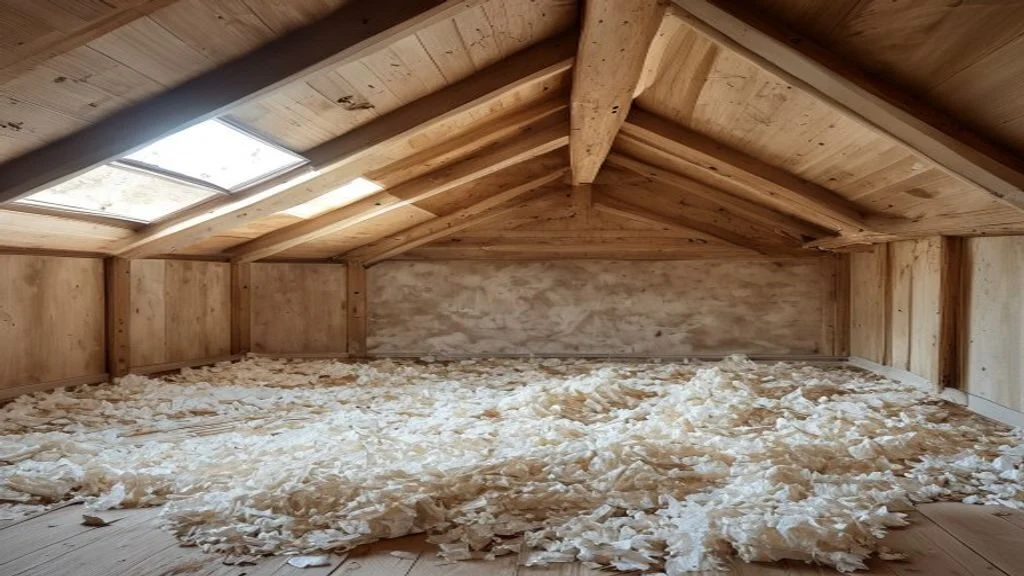
For large, accessible, regular spaces, conventional insulation plus separate air sealing frequently delivers better value than spray foam. Here’s how the alternatives compare.
| Insulation | R-value/inch | Cost/sq ft | Air seals? | Best for |
|---|---|---|---|---|
| Closed-cell foam | 6–7 | $1.50–$5.00 | Yes | Rim joists, crawlspaces, tight cavities |
| Open-cell foam | 3.5–3.6 | $1.00–$3.50 | Yes | Interior walls, sound control |
| Fiberglass batts | ~3.2 | $0.30–$1.50 | No | Budget walls and attics, DIY |
| Blown-in cellulose | ~3.6 | $0.60–$2.30 | Partially | Attics — best value, eco-friendly |
| Mineral wool | ~4.2 | $1.00–$3.00 | No | Fire resistance and soundproofing |
| Rigid foam board | 4–6.5 | $0.70–$2.50 | With taped seams | Basement walls, exterior sheathing |
The value play most homeowners miss
Should You Use Spray Foam? A Straight Answer
Yes, for targeted applications — rim joists, crawlspaces, cantilevered floors, awkward cavities and anywhere air sealing is the main goal. Its ability to seal and insulate at once genuinely outperforms batts in these spots, and the areas are small enough that the cost stays reasonable.
Be more cautious about whole-roof or whole-house foam, particularly in older homes that were designed to breathe, if you’re on a tight budget, or if you may sell within a few years. In those cases, air sealing plus conventional insulation delivers most of the performance, costs far less, stays inspectable and avoids the permanence problem.
Whichever route you take, insulation is one of the highest-return home-energy investments available. For the wider picture, see our home insulation guide covering types, R-values and costs, and how to lower your electric bill for the cheap wins to do first.
Frequently Asked Questions
The Bottom Line
Spray foam is a genuinely excellent product used in the right place: it air-seals and insulates in one step, closed-cell gives the highest R-value per inch of any common insulation, and it fills gaps no batt ever will. Used on rim joists, crawlspaces and awkward cavities, it’s often the best tool for the job.
But it is expensive, effectively permanent, and unforgiving of poor installation — the mould, off-gassing and resale problems people report almost always trace back to bad workmanship or the wrong product for the assembly. For large, simple areas, air sealing plus blown-in cellulose or fiberglass captures most of the benefit for a fraction of the price and keeps the structure inspectable.
Spray foam in one line
Costs are US averages and vary by region, access and installer; get multiple detailed quotes.
You May Also Like

Do Smart Thermostats Really Save Money? (Honest Answer)
Lithium vs Lead-Acid Solar Batteries: Which Is Best? (2026)
What Is a Solar Generator? (And Do You Really Need One?)