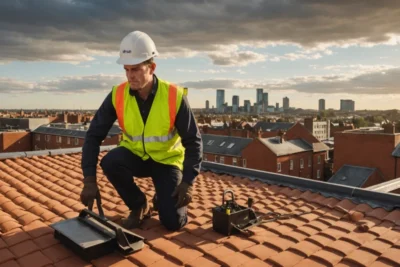
Home Insulation Guide (2026): Types, R-Value, Cost & Savings

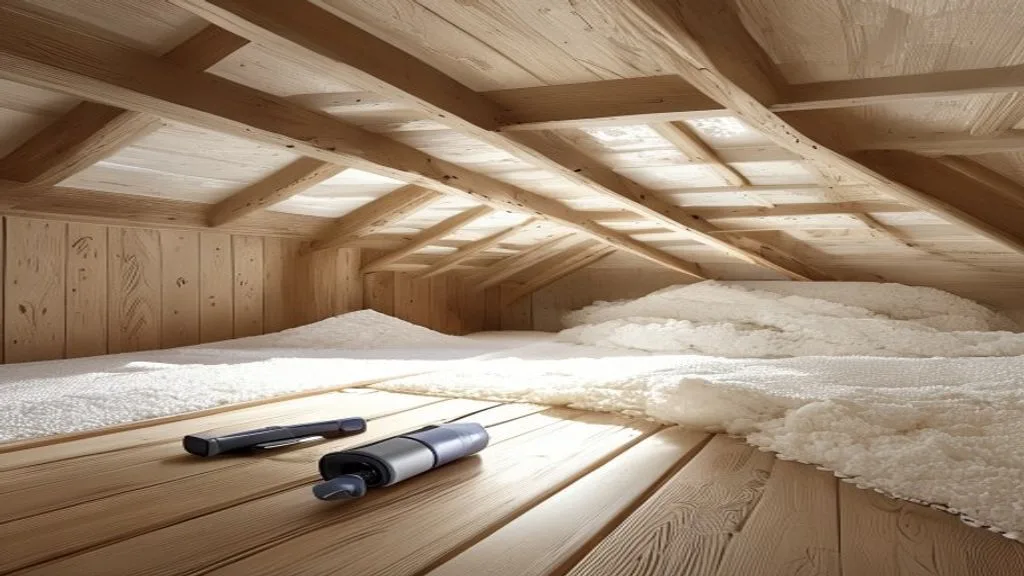
Insulation is the quiet workhorse of a comfortable, efficient home. It slows the heat that escapes in winter and pours in during summer, so your heating and cooling run less — cutting bills, steadying temperatures, and quieting drafts. Yet most homes are under-insulated, especially in the attic. This 2026 guide explains the main types of home insulation and their R-values, how much you need for your climate, what it costs to insulate an attic or walls, whether to DIY or hire a pro, and how much you can expect to save.
Quick answer
Why Home Insulation Matters
Insulation resists heat flow, and its effectiveness is measured by R-value — the higher the R-value, the better it insulates. Because heat rises, the attic is where most homes lose the most energy, which is why it’s the top priority. According to ENERGY STAR, sealing air leaks and adding insulation in the attic, floors and basement saves the average household about 15% on heating and cooling costs (around 11% of total energy). Beyond savings, good insulation means fewer drafts, more even room temperatures, less outside noise, and a smaller carbon footprint.
Types of Home Insulation (Compared)
Each material has a different R-value per inch, cost, and ideal use. Here’s how the main options stack up — costs are typical installed prices per square foot in 2026.
| Type | R-value / inch | Cost / sq ft | Best for |
|---|---|---|---|
| Fiberglass batts | R-3.0–3.8 | $0.30–$1.50 | Walls & floors; cheapest, DIY-friendly |
| Blown-in cellulose | R-3.2–3.8 | $0.60–$2.30 | Attics; eco (recycled), great value |
| Blown-in fiberglass | R-2.2–2.7 | $0.60–$2.00 | Attics; won’t settle, fire-resistant |
| Mineral wool (rock wool) | R-3.0–3.3 | $1.00–$2.50 | Fire & soundproofing, walls |
| Open-cell spray foam | R-3.5–3.7 | ~$0.45–$1.50/bd ft | Interior walls; air seal + sound |
| Closed-cell spray foam | R-6.0–7.0 | $1.50–$5.00 | Highest R; air & moisture barrier |
| Rigid foam board | R-5.0–6.5 | $2.26–$3.77 | Basement/exterior walls, rim joists |
R-value isn’t everything — installation quality matters
How Much Insulation Do You Need? (R-Value by Climate Zone)
The right amount depends on your climate. The U.S. is divided into eight climate zones (1 = hottest, 8 = coldest), and recommended R-values rise as it gets colder. The attic needs the most.
| Climate zone | Attic | Walls |
|---|---|---|
| Zone 1 (hot — S. Florida, Hawaii) | R-30 | R-13 |
| Zones 2–3 (warm — South) | R-49 | R-13–19 |
| Zones 4–5 (mixed — mid-US) | R-49–60 | R-19–21 |
| Zones 6–8 (cold — North) | R-60 | R-21+ |
As a rule of thumb, most homes should have R-49 to R-60 in the attic and R-13 to R-21 in the walls. ENERGY STAR generally recommends going one tier above local code for the best comfort and savings.
Where to Insulate (In Priority Order)
If you’re improving an existing home, tackle the biggest, cheapest wins first:
- 1. Attic — the number-one priority, since most heat is lost through the roof. Topping up attic insulation is usually the cheapest, highest-return job.
- 2. Air sealing — seal gaps around wiring, plumbing, and the attic hatch before adding insulation; leaks undermine any R-value.
- 3. Floors over unconditioned spaces — above crawl spaces and garages.
- 4. Basement & rim joists — rigid foam or spray foam here stops a surprising amount of loss.
- 5. Exterior walls — hardest to retrofit, but blown-in (dense-pack) can be added through small holes.
How Much Does Home Insulation Cost in 2026?
Insulation is priced per square foot, and the total depends on the area, material, and whether you DIY. Here are typical 2026 installed costs.
| Project | Typical installed cost |
|---|---|
| Attic (to R-49–60) | $1.00–$2.50 / sq ft (~$1,500–$3,500) |
| Walls | $1–$4 / sq ft |
| Whole-home average | $1.26–$2.78 / sq ft |
| Typical whole-home total | $2,130–$6,700 |
| Closed-cell spray foam (premium) | $1.50–$5.00 / sq ft |
The federal insulation tax credit ended in 2025
DIY vs. Professional Installation
Some insulation is genuinely DIY-friendly; some really isn’t. Here’s the honest breakdown.
| Type | DIY-friendly? | Notes |
|---|---|---|
| Fiberglass / mineral-wool batts | Yes | Easy; wear a mask, gloves and goggles |
| Blown-in cellulose/fiberglass | Yes (moderate) | Rent a blower from Home Depot/Lowe’s; a two-person job |
| Rigid foam board | Yes (moderate) | Good for basements and rim joists |
| Spray foam — small kits | Small areas only | DIY cans/kits for gaps and rim joists |
| Spray foam — whole rooms | No — hire a pro | Needs pro equipment, ratios and safety gear |
DIY batts or a rented blower can cut costs sharply for an attic top-up. But whole-house spray foam, tricky wall retrofits, or anything involving knob-and-tube wiring or moisture problems is best left to a licensed installer.
Signs Your Home Needs More Insulation
- High heating and cooling bills relative to similar homes.
- Rooms that are hard to heat or cool, or that swing hot and cold.
- Cold walls, floors or drafts in winter; a hot upstairs in summer.
- Ice dams on the roof in winter (a classic sign of attic heat loss).
- You can see the joists in your attic — insulation should sit above them.
Insulation works hand-in-hand with the rest of your home-energy setup. Pair it with a smart thermostat to automate savings, and if you’re weighing bigger upgrades, see whether panels pay off in Is Solar Worth It in 2026?
How to Choose: Buyer’s Checklist
- Start with the attic and air sealing — the biggest, cheapest wins.
- Match R-value to your climate zone (R-49–60 attic for most homes).
- Pick the material for the job — batts for open walls, blown-in for attics, spray/rigid foam for air-sealing and tricky spots.
- Budget by square foot and get 2–3 quotes for pro work.
- Check state and utility rebates now that the federal credit has ended.
Frequently Asked Questions
The Bottom Line
Insulation is one of the highest-return upgrades you can make to a home — and for most houses, the single best move is simply topping up the attic to R-49–60 and air sealing the leaks first. That alone can trim around 15% off heating and cooling, pay for itself over a few years, and make every room more comfortable.
Choose the material for the job — batts for open walls, blown-in for attics, spray or rigid foam for air sealing and tricky spots — match the R-value to your climate zone, and install it carefully (or hire a pro for the hard parts). With the federal credit gone for 2026, check state and utility rebates to soften the cost.
Home insulation checklist
You May Also Like
Do Smart Thermostats Really Save Money? (Honest Answer)
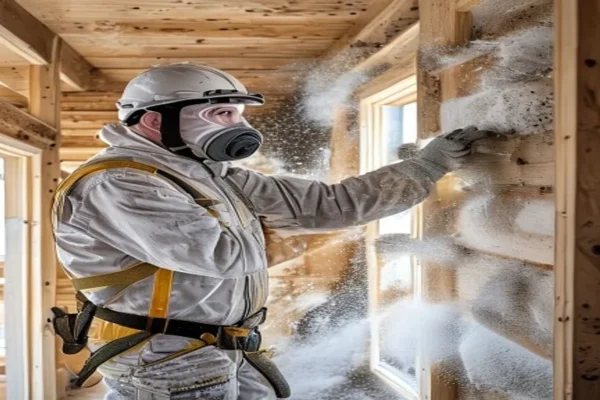
Spray Foam Insulation: Cost, Pros, Cons & Alternatives (2026)
Lithium vs Lead-Acid Solar Batteries: Which Is Best? (2026)