Lithium vs Lead-Acid Solar Batteries: Which Is Best? (2026)

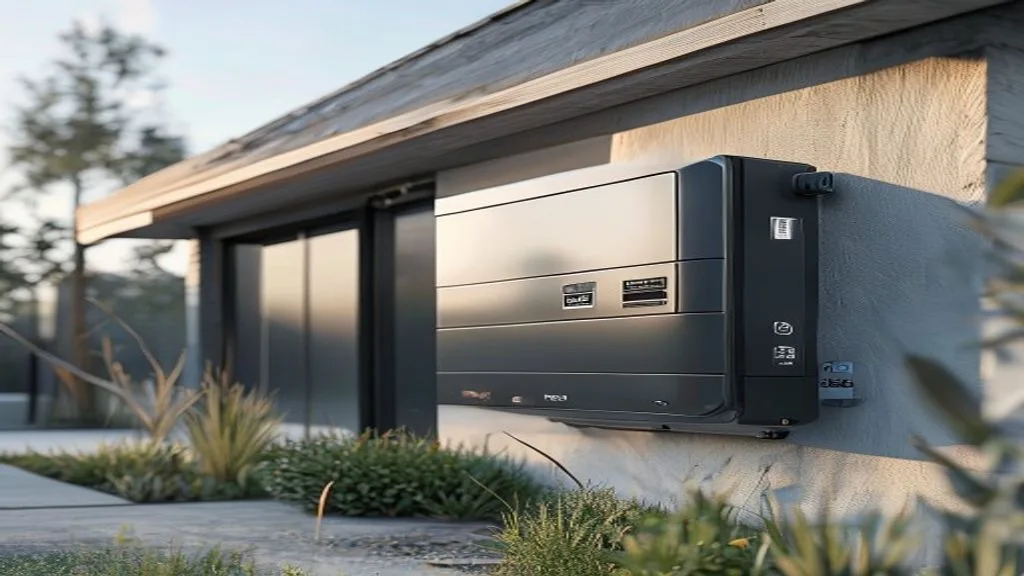
For almost every solar setup in 2026, lithium (LiFePO4) is the better battery — it lasts 3–10× longer, delivers roughly twice the usable energy per rated kilowatt-hour, and works out far cheaper per kWh actually delivered over its life. Lead-acid still costs about a third as much up front, which is why it survives in low-cycle and tight-budget builds. Here’s the honest comparison, including the cases where lead-acid genuinely still wins.
Quick answer: lithium vs lead-acid
The Key Difference Nobody Explains: Usable Capacity
This is the single most misunderstood point in battery shopping, and it changes every price comparison. A battery’s rated capacity is not the energy you can actually use.
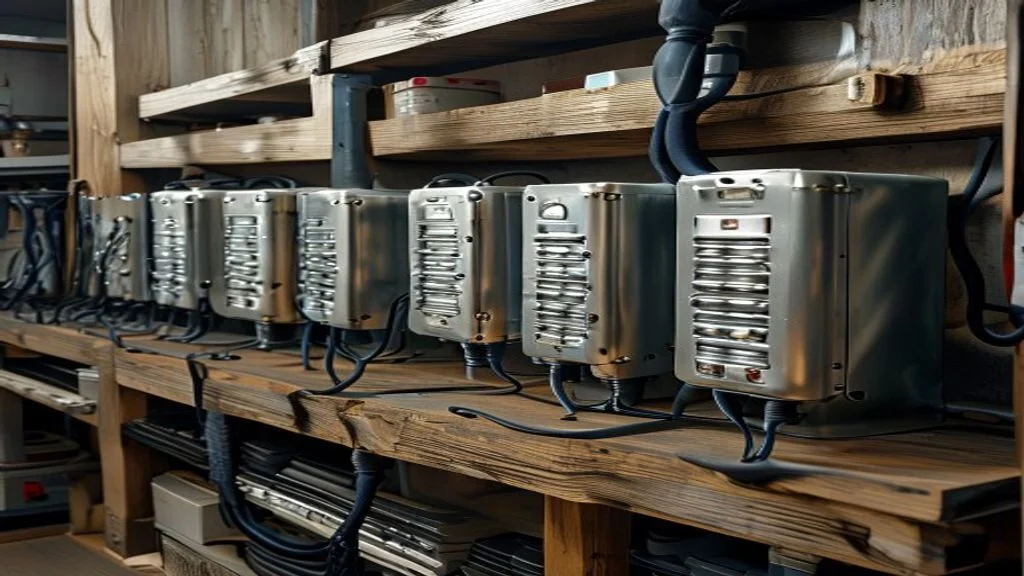
Lead-acid batteries should only be discharged to about 50% before damage accumulates and cycle life collapses. Lithium (LiFePO4) can safely be run down to 80–100% of its rating. So a 10 kWh lead-acid bank gives you roughly 5 kWh of usable energy, while a 5 kWh lithium pack gives you 4–5 kWh — nearly the same, from half the nameplate capacity.
Compare usable kWh, never nameplate kWh
Lithium vs Lead-Acid: Full Comparison
| Factor | Lithium (LiFePO4) | AGM lead-acid | Flooded lead-acid |
|---|---|---|---|
| Cycle life | 3,000–5,000+ | 300–700 | 500–1,000 |
| Usable depth of discharge | 80–100% | ~50% | ~50% |
| Round-trip efficiency | ~95% | 80–85% | 80–85% |
| Weight (100Ah) | ~25–30 lbs | ~60 lbs | ~60–65 lbs |
| Maintenance | None | None | Water top-ups required |
| Ventilation needed | No | No | Yes — vents hydrogen |
| Charge speed | Fast | Slow (absorption stage) | Slow |
| Cold-weather charging | Needs low-temp protection | Tolerant | Tolerant |
| Up-front cost | Highest (~3×) | Moderate | Lowest |
| Cost per usable kWh delivered | Lowest | High | High |
| Typical warranty | 5–10 years | 1–3 years | 1–2 years |
Cycle life is where the gap becomes enormous
A quality LiFePO4 pack is rated for 3,000–5,000 full cycles at 80% depth of discharge, with premium cells tested beyond 6,000. AGM manages 300–700. In a system cycled daily, that means you will replace your lead-acid bank three to five times before a single lithium bank reaches end of life — and each replacement costs money, labour and disposal.
Efficiency quietly costs you panels
Lithium returns about 95% of what you put in; lead-acid returns 80–85%. That missing 10–15% is energy your solar panels harvested and your battery threw away as heat. On short winter days, or in an off-grid system where every kilowatt-hour is scarce, that difference can force you to buy extra panels to compensate — a hidden cost that rarely appears in the sticker comparison.
The Real Cost: A 10-Year Comparison
Sticker price is misleading. What matters is the cost of every kilowatt-hour the battery actually delivers over its lifetime. Here’s a like-for-like example: a system needing 5 kWh of usable storage, cycled daily for 10 years.
| Lithium (LiFePO4) | AGM lead-acid | |
|---|---|---|
| Nameplate capacity needed | ~5–6 kWh | ~10 kWh (only 50% usable) |
| Up-front cost | ~$2,500–$3,500 | ~$1,200–$1,800 |
| Cycle life | 3,000–5,000 | 300–700 |
| Replacements over 10 years | 0 (still in service) | 3–5 banks |
| Total 10-year hardware cost | ~$2,500–$3,500 | ~$4,800–$9,000 |
| Energy lost to inefficiency | ~5% | 15–20% |
| Maintenance & labour | None | Replacement labour, disposal, water top-ups |
| Cost per usable kWh delivered | Lowest — roughly a third | 2–3× higher |
The payback is faster than most people expect
The maths flips only when the battery is rarely cycled. If your bank sits fully charged and is used a handful of times a year for outages, lead-acid may never reach its cycle limit — so its low purchase price is the dominant factor and lithium’s longevity advantage never gets a chance to pay off.
When Lead-Acid Still Makes Sense
Lithium wins most comparisons, but not all. Lead-acid remains the sensible choice when:
- You cycle it rarely. Occasional-use backup that sits on float charge may outlive its cycle rating regardless of chemistry.
- Your budget is genuinely fixed. If $1,200 is what you have, a working lead-acid bank beats a lithium bank you can’t afford.
- You charge in sub-freezing conditions. LiFePO4 must not be charged below about 32°F/0°C without a heater or low-temp protection; lead-acid is more tolerant (though it loses capacity in cold).
- Your existing charger or inverter is lead-acid only. Some older equipment lacks a lithium charge profile, and replacing it erodes the savings.
- You need a cheap, heavy ballast bank in a fixed installation where weight and size don’t matter at all.
Flooded vs AGM vs gel — the lead-acid family
Which Should You Buy? Quick Decision Guide
| Your situation | Best choice | Why |
|---|---|---|
| Daily-cycling off-grid or solar storage | Lithium (LiFePO4) | Cycle life and usable capacity dominate |
| Grid-tied home battery / self-consumption | Lithium | Cycles daily — lead-acid dies fast |
| RV, van or boat | Lithium | Half the weight, twice the usable energy |
| Rarely used emergency backup | AGM lead-acid | Low cycles; up-front price dominates |
| Very tight budget, low usage | Flooded lead-acid | Cheapest working option |
| Sub-freezing unheated charging | Lead-acid, or lithium with heating | LiFePO4 needs low-temp charge protection |
| Portable power station | Lithium (built in) | All current models use LiFePO4 |
If you’re still specifying your system, size the storage before you choose the chemistry — see our guides to solar battery storage, how many solar panels you need, and solar panels for off-grid living. For portable setups, every unit in our best portable power station comparison already uses LiFePO4.

Frequently Asked Questions
The Bottom Line
If your battery gets cycled regularly — off-grid living, daily solar self-consumption, an RV or a boat — lithium (LiFePO4) is the clear winner. It gives you nearly twice the usable energy per rated kilowatt-hour, three to five times the cycle life, better efficiency, half the weight and zero maintenance. The higher sticker price typically pays back in three to four years and is far cheaper per kilowatt-hour delivered thereafter.
Lead-acid still earns its place in rarely cycled backup banks, genuinely fixed budgets, and unheated sub-freezing installations. Just be sure you’re comparing honestly: price the two on usable capacity and total ten-year cost, not on nameplate kilowatt-hours, or lead-acid will look far cheaper than it really is.
Lithium vs lead-acid in one line
Prices vary by brand, capacity and region — confirm current costs and warranty terms before buying.
You May Also Like

Do Smart Thermostats Really Save Money? (Honest Answer)

Spray Foam Insulation: Cost, Pros, Cons & Alternatives (2026)
What Is a Solar Generator? (And Do You Really Need One?)