
5201314 Meaning: Chinese Number Code for ‘I Love You Forever’

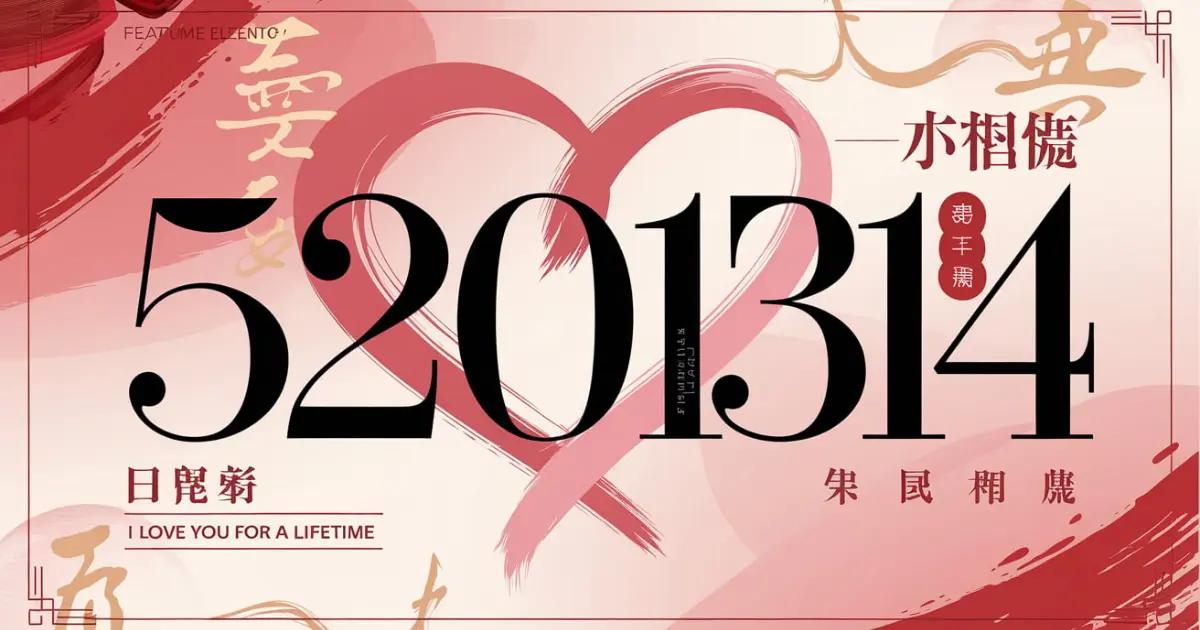
If you’ve been scrolling through Instagram, TikTok, or WhatsApp and stumbled upon the mysterious number sequence 5201314, you’re not alone. This Chinese number code has taken social media by storm, appearing in captions, comments, and direct messages worldwide. The 5201314 meaning translates to “I love you for a lifetime” in English—a romantic declaration that’s become the digital love language of millions. This numerical expression combines two powerful Chinese number codes: 520 (I love you) and 1314 (for a lifetime), creating one of the most heartfelt messages you can send in the digital age. Understanding this code opens the door to a fascinating world of Chinese internet culture where numbers speak louder than words.
What Does 5201314 Mean? The Direct Translation
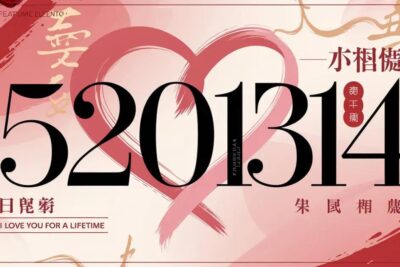
The 5201314 meaning is beautifully simple yet profoundly romantic: “I love you for a lifetime.” This seven-digit code isn’t random—it’s a carefully constructed phrase based on how numbers sound in Mandarin Chinese. When you break it down, 520 means “I love you” and 1314 means “for a lifetime” or “forever.” Together, they form a complete romantic declaration that’s become one of the most popular ways to express eternal love in Chinese digital communication.
This Chinese number code works because of phonetic similarity. In Mandarin, the pronunciation of these numbers closely resembles the sounds of romantic phrases. The number 5 (wǔ) sounds like “I” (wǒ), 2 (èr) approximates “love” (ài), 0 (líng) sounds like “you” (nǐ), while 1314 phonetically mirrors “yī shēng yī shì” meaning “one life, one world” or simply “forever.” This linguistic coincidence has made numerical expressions an integral part of modern Chinese romance.
The beauty of 5201314 meaning in chat is its versatility. You can use it as a standalone message, incorporate it into longer texts, or even use it as a caption for romantic photos on Instagram. It’s become so widespread that even non-Chinese speakers recognize it as a symbol of eternal love, transcending language barriers through the universal language of numbers.
Why Chinese Number Codes Work: The Pronunciation Connection
The foundation of Chinese number codes lies in the tonal nature of Mandarin Chinese and the phenomenon of homophones—words that sound alike but have different meanings. Mandarin is a tonal language with four main tones plus a neutral tone, which means the same syllable can have multiple meanings depending on how it’s pronounced. This linguistic feature creates countless opportunities for wordplay, and numbers are no exception.
When Chinese internet users began communicating online in the early 2000s, typing Chinese characters was more cumbersome than it is today. Number codes emerged as a faster, more efficient way to express common phrases. The 520 meaning Chinese culture embraced so enthusiastically came from this practical need combined with creative linguistic play. Young people discovered they could convey complex emotions using simple number sequences that everyone understood.
The phonetic similarities aren’t perfect matches, but they’re close enough that native speakers immediately recognize the intended meaning. For example, “wǔ èr líng” (5-2-0) sounds remarkably similar to “wǒ ài nǐ” (I love you), especially when spoken quickly or casually. This approximation is what makes the system work—it relies on the listener’s cultural knowledge and context to fill in the gaps.
What makes these codes particularly powerful is their dual nature. They function as both a secret language among those in the know and a public declaration of affection. When someone posts 5201314 meaning in English “I love you for a lifetime,” they’re participating in a shared cultural practice that feels both intimate and universal. The numbers carry emotional weight precisely because they require cultural literacy to decode.
Breaking Down 5201314: Character by Character
To fully appreciate the 5201314 meaning, let’s dissect each component and understand how the phonetics work. The first part, 520, is perhaps the most famous Chinese number code globally. Here’s how it breaks down:
- 5 (wǔ) sounds like 我 (wǒ), meaning “I” or “me”
- 2 (èr) approximates 爱 (ài), meaning “love”
- 0 (líng) sounds similar to 你 (nǐ), meaning “you”
When you say “wǔ èr líng” quickly, it phonetically resembles “wǒ ài nǐ” (I love you). The 520 meaning love has become so embedded in Chinese culture that May 20th (5/20) is celebrated as an unofficial “Internet Valentine’s Day” in China, with couples exchanging gifts and declarations of love.
The second component, 1314 meaning, represents eternity and lifelong commitment:
- 1314 sounds like 一生一世 (yī shēng yī shì), which literally translates to “one life, one world” or “for a lifetime”
- The number 1 (yī) means “one,” 3 (sān) approximates 生 (shēng) meaning “life,” 1 (yī) again for “one,” and 4 (sì) sounds like 世 (shì) meaning “world” or “generation”
Interestingly, the number 4 is typically considered unlucky in Chinese culture because it sounds like 死 (sǐ), meaning “death.” However, in the context of 1314, this negative connotation is completely overridden by the romantic meaning of the complete phrase. This shows how context and combination can transform the meaning of individual elements.
When you combine 520 and 1314, you get a complete romantic statement: “I love you for a lifetime.” The 5201314 meaning in Chinese carries the weight of eternal commitment, making it perfect for marriage proposals, anniversaries, or expressing deep, lasting love. Some variations include 52013, which drops the final 4 to avoid any unlucky associations while still conveying “I love you forever.”
How 5201314 Went Viral on Instagram and TikTok
The journey of 5201314 from Chinese internet forums to global social media platforms is a testament to how digital culture transcends borders. While these number codes have been popular in China since the early 2000s, their explosion on Western platforms like Instagram and TikTok is a relatively recent phenomenon, gaining massive traction around 2020-2023.
The viral spread began when Chinese influencers and K-pop fans started using these codes in their posts and comments. TikTok, which originated as Douyin in China, became a natural bridge for this cultural exchange. Users would post videos explaining the 5201314 meaning love represents, often with romantic visuals or couple content. These explainer videos garnered millions of views, introducing the concept to audiences who had never encountered Chinese number codes before.
Instagram played a crucial role in popularizing the aesthetic use of these numbers. Couples began incorporating 5201314 into their anniversary posts, engagement announcements, and romantic captions. The numbers appeared in photo captions, stories, and even as text overlays on images. What made it particularly appealing was its mysterious quality—followers who didn’t know the meaning would ask, creating engagement and spreading awareness organically.
The hashtag #5201314 accumulated millions of posts across platforms, with users from diverse cultural backgrounds adopting the code. K-pop and C-drama fans were particularly instrumental in spreading these codes, as they were already familiar with Asian internet culture. The romantic, somewhat secretive nature of the code appealed to younger generations who enjoy inside jokes and coded language.
Celebrity usage further amplified the trend. When Asian celebrities and influencers used 5201314 in their posts, their international fanbases quickly adopted it. The code became a way for fans to express their love for their favorite artists, for couples to communicate publicly yet privately, and for anyone wanting to add a touch of romantic mystery to their social media presence.
Other Popular Chinese Number Codes You Should Know
Once you understand the 5201314 meaning, you’ll want to know the other Chinese number codes that dominate digital conversations. These codes form a complete vocabulary of emotions, greetings, and expressions that go far beyond romance.
Romantic Number Codes:
- 520 – “I love you” (wǒ ài nǐ) – The most basic and widely used love code
- 521 – Also means “I love you” but with slightly different pronunciation, sometimes used as a response to 520
- 1314 – “Forever” or “for a lifetime” (yī shēng yī shì)
- 1314520 – “I love you forever” – The reverse order of 5201314, equally popular
- 3344520 – “Love you forever, I love you” (shēng shēng shì shì wǒ ài nǐ)
- 5201314 – “I love you for a lifetime” – The complete romantic declaration
- 5291314 – “I love you for a lifetime” with slight variation
- 520134 – A shortened version meaning “I love you forever”
- 5201312 – “I love you for a lifetime and beyond”
Friendship and Casual Codes:
- 88 – “Bye bye” (bā bā sounds like “bye bye”)
- 886 – “Bye bye now” (bā bā liù sounds like “bye bye liao”)
- 987 – “Don’t be angry” (jiǔ bā qī sounds like “bù yào qì”)
- 995 – “Help!” or “Save me!” (jiǔ jiǔ wǔ sounds like “jiù jiù wǒ”)
- 748 – “Go to hell” (qī sì bā sounds like “qù sǐ ba”)
Practical Communication Codes:
- 666 – “Cool!” or “Awesome!” (liù liù liù, where 6 sounds like “smooth” or “skilled”)
- 233 – Laughter, similar to “lol” (from an emoticon number on Chinese forums)
- 555 – Crying sound (wǔ wǔ wǔ sounds like sobbing)
- 7456 – “I’m so angry” (qī sì wǔ liù sounds like “qì sǐ wǒ le”)
- 9494 – “Exactly!” or “That’s right!” (jiǔ sì jiǔ sì sounds like “jiù shì jiù shì”)
Understanding these codes gives you insight into Chinese internet culture and allows you to participate in a global digital language. The 520 meaning and its variations have become so universal that they’re recognized even in non-Chinese speaking communities, particularly among younger, internet-savvy demographics.
How to Use 5201314 in Messages and Social Media
Now that you know the 5201314 meaning in chat, let’s explore practical ways to incorporate it into your digital communication. The versatility of this code makes it suitable for various contexts, from casual flirting to serious relationship milestones.
In Direct Messages:
The most straightforward use is sending 5201314 as a standalone message to your romantic partner. It works particularly well as a good morning or goodnight text, adding a sweet, coded element to your daily communication. You can also use it mid-conversation to spontaneously express your feelings without the formality of typing out “I love you for a lifetime.”
For example: “Just thinking about you 5201314 💕” or “Can’t wait to see you tonight 5201314 ✨” The numbers add a playful, modern twist to romantic messaging while maintaining genuine sentiment.
On Instagram and TikTok:
Instagram captions are perfect for incorporating 5201314. Use it in anniversary posts, couple photos, or romantic travel pictures. The code adds an element of mystery that encourages engagement—people will comment asking what it means, increasing your post’s visibility. Try captions like: “Three years together and counting 5201314 ❤️” or “Found my forever 5201314 🌟”
On TikTok, you can create content explaining the meaning, use it in couple videos, or incorporate it into text overlays. The hashtag #5201314 connects you to a global community of users who appreciate this romantic code.
Creative Applications:
- Phone passwords or PINs – Use 5201314 as a romantic reminder every time you unlock your device
- Special dates – Plan dates on 5/20 (May 20th) or 13/14 (January 14th in some date formats)
- Gift messages – Include 5201314 in greeting cards, gift tags, or custom jewelry
- Profile bios – Add it to your Instagram or TikTok bio to signal you’re in a committed relationship
- Usernames and handles – Incorporate the numbers into couple accounts or shared usernames
Responding to 5201314:
When someone sends you 5201314, appropriate 5201314 reply options include sending it back, using 520 or 1314 separately, or responding with other romantic number codes like 3344520. You can also reply with heart emojis, “forever and always,” or simply “me too.” The key is acknowledging the sentiment with equal warmth.
Remember that context matters. While 5201314 is romantic and sweet between partners, using it with someone you’ve just started dating might feel too intense. Gauge the relationship stage and use 520 first if you’re unsure about committing to “lifetime” language.
The Cultural Significance of Number Codes in Chinese Romance
The phenomenon of Chinese number codes extends far beyond simple digital shorthand—it represents a unique intersection of language, technology, and cultural expression. Understanding the 5201314 meaning in Chinese culture requires appreciating the broader context of how numbers function in Chinese society.
In Chinese culture, numbers carry profound symbolic meaning. The preference for certain numbers and avoidance of others influences everything from phone number selection to real estate prices. The number 8 is considered extremely lucky because it sounds like 发 (fā), meaning “prosperity” or “wealth.” The number 6 represents smoothness and success. Conversely, 4 is avoided because it sounds like “death.” This cultural numerology creates a foundation where numbers naturally carry emotional and symbolic weight.
The use of number codes in romance specifically taps into Chinese communication styles that often favor indirect expression. Traditional Chinese culture values subtlety and implicit communication, especially in matters of the heart. Directly saying “I love you” (wǒ ài nǐ) can feel too bold or forward in some contexts. Number codes provide a middle ground—they’re clear enough to convey the message but indirect enough to maintain a sense of playfulness and emotional safety.
The rise of these codes also coincides with China’s rapid digital transformation. As the country leapfrogged into mobile-first internet usage, young people developed their own digital language. Number codes became part of a broader internet slang ecosystem that includes abbreviations, emoticons, and memes. They represent digital native creativity—taking the constraints of early mobile typing and transforming them into a rich expressive vocabulary.
May 20th (5/20) has become an unofficial holiday in China, rivaling traditional Valentine’s Day in commercial significance. On this day, couples exchange gifts, restaurants offer special menus, and marriage registries see a surge in applications. The date 5/20/13 (May 20, 2013) was particularly popular for weddings, combining both 520 and 13 (which sounds like “lifetime” in some dialects). This shows how digital codes have influenced real-world behavior and cultural practices.
The global spread of these codes reflects China’s growing cultural influence. As Chinese social media platforms, entertainment, and digital culture reach international audiences, these number codes travel with them. Non-Chinese speakers adopting 5201314 represents a form of cultural appreciation and exchange, where the romantic sentiment transcends linguistic barriers.
5201314 vs 520 vs 1314: What's the Difference?
While all three number sequences express love and commitment, understanding the nuances between 5201314, 520, and 1314 helps you choose the right code for different situations and relationship stages.
520 – “I Love You”
The 520 meaning is the most straightforward and casual of the three. It’s equivalent to saying “I love you” without additional qualifiers. This code is perfect for:
- New relationships where you’re expressing love for the first time
- Casual, everyday expressions of affection
- Situations where you want to keep it simple and sweet
- Responding quickly to a partner’s message
- Social media posts that don’t require the weight of “forever”
520 carries less commitment pressure than the full 5201314. It’s the digital equivalent of a casual “love you!” rather than a serious “I will love you forever.” Many couples use 520 in daily communication and save 5201314 for special occasions.
1314 – “For a Lifetime” or “Forever”
The 1314 meaning focuses specifically on duration and commitment. It emphasizes the “forever” aspect without explicitly stating “I love you.” This code works well for:
- Anniversary messages emphasizing longevity
- Marriage-related contexts
- Reaffirming long-term commitment
- Responding to 520 with an emphasis on permanence
- Situations where you want to highlight the “forever” element
Using 1314 alone assumes the love is already established and focuses on the eternal nature of that love. It’s less about the initial declaration and more about the promise of continuity.
5201314 – “I Love You For a Lifetime”
The complete 5201314 meaning combines both elements into the ultimate romantic declaration. It’s the most serious and comprehensive of the three, appropriate for:
- Marriage proposals or engagement announcements
- Significant anniversaries (especially milestone years)
- Moments of deep emotional connection
- Reaffirming commitment during challenging times
- Public declarations of eternal love on social media
5201314 carries the weight of both present love and future commitment. It’s not something you’d use casually or frequently—its power comes from its completeness and the seriousness of the promise it represents.
Variations and Alternatives:
The reverse sequence 1314520 (“Forever I love you” or “I love you forever”) is equally popular and carries the same meaning with slightly different emphasis. Some people prefer this order because it places the commitment first, suggesting that the “forever” quality is the foundation of the love.
The number 521 is sometimes used interchangeably with 520, though some interpret it as a response—if someone sends you 520, you might reply with 521. The slight pronunciation difference (wǔ èr yī vs. wǔ èr líng) gives each a distinct identity while maintaining the same essential meaning.
Shorter variations like 52013 (dropping the final 4 to avoid unlucky associations) or 520134 represent compromises between the full expression and practical concerns about the number 4’s negative connotations. These variations show how the codes continue to evolve based on user preferences and cultural sensitivities.
Understanding these distinctions allows you to communicate with precision and appropriateness. Just as you wouldn’t say “I’ll love you forever” on a first date, you probably wouldn’t use 5201314 in early-stage relationships. The graduated system of 520 → 1314 → 5201314 mirrors the natural progression of romantic relationships from initial love to committed partnership to lifelong devotion.
The beauty of these Chinese number codes lies in their ability to convey complex emotions through simple digits. Whether you’re sending a quick 520 to brighten your partner’s day or posting 5201314 on your wedding anniversary, these numbers have become a universal language of love that transcends cultural and linguistic boundaries. As social media continues to connect people globally, codes like 5201314 remind us that love, commitment, and romance are truly universal experiences—even when expressed through the seemingly mundane language of numbers.
Frequently Asked Questions
What is meant by 5201314?
5201314 means “I love you for a lifetime” in Chinese. This number code combines 520 (which sounds like “I love you” in Mandarin) and 1314 (which sounds like “for a lifetime” or “forever”). The 5201314 meaning has become a popular way for couples to express eternal love through text messages and social media posts.
What does 1314520 mean in love?
1314520 is the reverse of 5201314 and means “forever I love you” or “a lifetime of loving you.” While 5201314 emphasizes loving someone for a lifetime, 1314520 puts “forever” first to emphasize the eternal nature of the commitment. Both number codes are used interchangeably by couples to express lasting romantic devotion.
Why is 5201314 so popular on social media?
5201314 has gone viral because it offers a discreet, romantic way to express deep feelings across language barriers. The code works perfectly for Instagram captions, TikTok videos, and text messages where people want to share affection without being overly explicit. Its mysterious appearance also sparks curiosity, encouraging people to learn and share the 5201314 meaning with others.
What do 520 and 1314 symbolize separately?
520 symbolizes “I love you” because in Mandarin Chinese, it sounds like “wǔ èr líng,” which phonetically resembles “wǒ ài nǐ” (I love you). 1314 symbolizes “forever” or “for a lifetime” because it sounds like “yī sān yī sì,” similar to “yī shēng yī shì” (one life, one world). Together, they create the complete romantic message of eternal love.
What is the Chinese number for "I love you"?
The Chinese number for “I love you” is 520. This has become so popular in Chinese culture that May 20th (5/20) is celebrated as an unofficial Valentine’s Day in China. People exchange gifts, confess their feelings, and post romantic messages using 520 on this special date each year.
How do you reply to 5201314?
You can reply to 5201314 with the same number to reciprocate the feeling, or use 1314520 to say “forever I love you” back. Other romantic responses include 520 (I love you), 5211314 (I love you for a lifetime too), or simply expressing your feelings in words. The most important thing is responding authentically to show you appreciate the sentiment.
What does 5201314 mean in texting and chat?
In texting and chat, 5201314 is a shorthand romantic declaration meaning “I love you for a lifetime.” It’s commonly used in WhatsApp messages, Instagram DMs, WeChat conversations, and text messages between couples. The 5201314 meaning in chat contexts allows people to express deep emotions quickly and with a touch of playful mystery.
What does 666 mean in China?
In China, 666 means “smooth” or “skillful” and is used to compliment someone’s performance or abilities. It comes from the phrase “liù liù liù,” which sounds like “溜溜溜” (liū liū liū), meaning smooth or slick. This is completely different from Western associations with the number 666 and is considered positive in Chinese internet culture.
Is 5201314 only used in Chinese culture?
While 5201314 originated in Chinese culture, it has now spread globally through social media platforms like Instagram, TikTok, and WhatsApp. People from all cultural backgrounds use this number code to express romantic feelings, especially in international relationships or when they want to add a unique, meaningful touch to their messages. The universal appeal of the 5201314 meaning has made it a cross-cultural phenomenon.
What does 530 mean in Chinese slang?
530 means “I miss you” in Chinese slang. The pronunciation “wǔ sān líng” sounds similar to “wǒ xiǎng nǐ” (I miss you). This is another example of Chinese number codes used to express emotions, similar to how 520 means “I love you” and forms part of the longer 5201314 code for eternal love.
You May Also Like
LARP Meaning Slang: What “Larping” and “Larper” Mean (2026 Guide)
Text Slang Meanings: 47 Abbreviations Explained (OFC, TBH, HMU)
What Does 6-7 Mean? Real Meaning, Origin and Why Kids Say It







1 Comment
[…] 5201314 meaning: how Chinese internet users turned a number sequence into a love message. […]