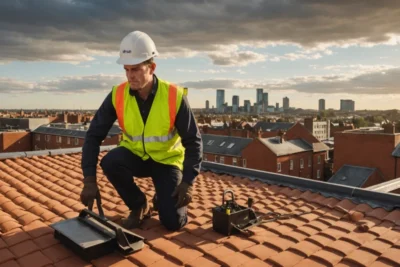
Solar Panel Cleaning in 2026: Cost, DIY Guide & Best Services

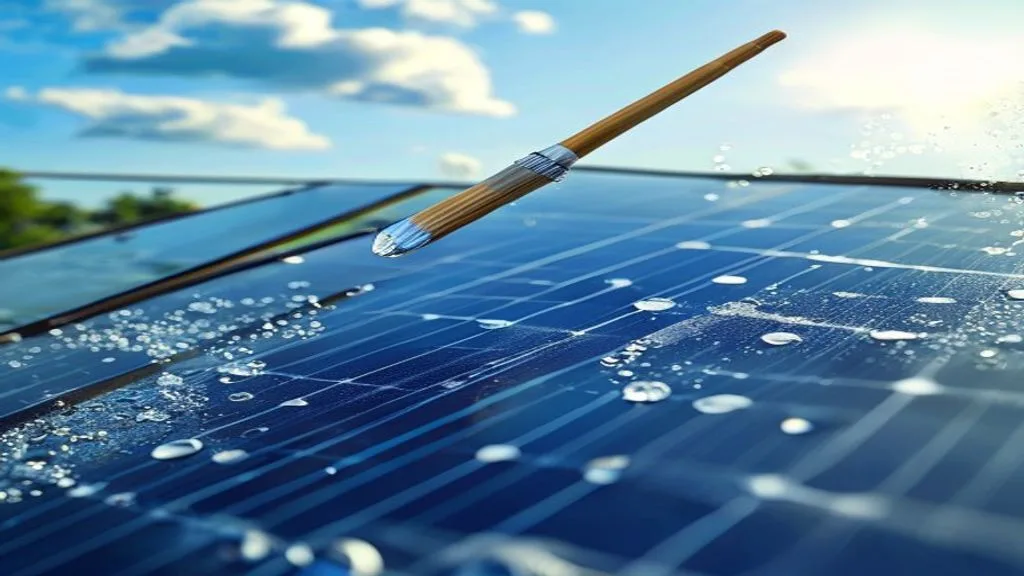
Solar panels have no moving parts, but they do have one simple maintenance need: they have to stay clean to work well. Dust, pollen, bird droppings, and wildfire ash all block sunlight, and a dirty array can quietly lose anywhere from a few percent to 20%+ of its output. The good news is that cleaning is cheap and often something you can do yourself. This 2026 guide covers exactly what solar panel cleaning costs, how to do it safely, how often it’s needed, the best tools and kits, when to hire a pro, and whether robotic cleaners are worth it.
Quick answer
Why Cleaning Solar Panels Matters
A photovoltaic panel makes electricity from the light that reaches its cells. Anything sitting on the glass — a film of dust, a dusting of pollen, a bird dropping — blocks some of that light and drops output. In rainy climates the loss is small (rain rinses the panels), typically 2–5% a year. In dry, dusty, high-pollen, coastal, or wildfire-prone areas it can climb past 15–20% between cleanings. Cleaning simply recovers energy you’ve already paid to install.
How Much Does Solar Panel Cleaning Cost in 2026?
Professional cleaners price the job one of two ways: a flat rate per visit or a per-panel rate. Nationally in 2026, expect roughly $10–$20 per panel (up to $25–$35 for hard-to-reach arrays), or $150–$500 per visit, with the average around $325. Ground-level or single-story systems sit at the low end; steep roofs, skylights, vents, and complex layouts add to the price.
| System size | Panels (approx.) | Typical cleaning cost / visit |
|---|---|---|
| Small (up to 5 kW) | 10–15 | $130–$250 |
| Average (6–9 kW) | 16–24 | $150–$350 |
| Large (10–12 kW) | 25–32 | $300–$500 |
| Per-panel rate | — | $10–$20 (up to $35 hard access) |
| DIY (your own labour) | — | ~$0–$30 in supplies |
What changes the price
How Often Should You Clean Solar Panels?
For most homes, once or twice a year keeps panels near peak output. Your climate decides where you land: rainy regions may only need an annual rinse, while dry, dusty, or high-pollen areas benefit from 3–4 cleanings. The smartest approach is to watch your monitoring app — if clear-day output drops about 10% or more, it’s time.
| Environment | Cleaning frequency |
|---|---|
| Rainy / temperate | 1× per year |
| Average suburban | 2× per year |
| Dry / dusty / high pollen | 3–4× per year |
| After wildfire smoke or a dust storm | As needed |
This is one piece of the wider upkeep picture — for the whole-system routine (inverter, wiring, monitoring), see our solar panel maintenance guide.
How to Clean Solar Panels Yourself (DIY)
For a single-story home with ground-reachable panels, DIY cleaning is simple and safe. The golden rule: if you can’t reach the panels safely from the ground, hire a professional — a fall is far more expensive than a cleaning.
- Pick a cool, overcast time — early morning or evening. Never spray cold water on hot glass in midday sun; thermal shock can crack panels.
- Shut the system down following your inverter’s procedure.
- Rinse first with plain water from a hose to float off loose grit.
- Wash gently with a soft brush or microfibre cloth on a telescoping pole, using plain water or a drop of mild dish soap. Deionised water leaves no spots.
- Rinse again and let it air-dry.
Never do this
Best solar panel cleaning tools & kits
You don’t need much. A basic kit pays for itself after one skipped service call.
- Soft-bristle brush or microfibre head on a telescoping/water-fed pole (reach from the ground).
- Garden hose or, better, a deionised-water system for spot-free drying.
- Mild soap (a drop of dish soap) — only if plain water isn’t enough.
- A dedicated solar cleaning kit (brush + squeegee + concentrate) if you’ll clean regularly.
DIY vs. Professional Cleaning
Hiring a Solar Panel Cleaning Service
Searching “solar panel cleaning service near me” turns up plenty of options, but they vary in quality. A good service uses purified/deionised water and soft equipment, is insured for roof work, and gives you before/after output or photos. Ask a few questions before booking:
- Are you licensed and insured for working at height on my roof?
- Do you use deionised water and soft brushes (no pressure washers or chemicals)?
- Will you share before/after photos or output data?
- Does your method preserve my panel warranty?
- Is it a flat visit rate or per-panel, and what’s included?
Robotic & Automated Solar Panel Cleaning
Automated cleaning is growing, especially for larger or hard-to-reach arrays. Robotic cleaners (waterless brushes that crawl the array) and sprinkler-style rinse systems can keep panels clean with little effort. For a typical home they’re usually overkill and expensive versus an occasional wash, but they can make sense for big ground-mount systems, dusty regions, or roofs that are unsafe to access.
Common Mistakes to Avoid
- Cleaning in the midday heat — cold water on hot glass can crack panels.
- Using a pressure washer — high pressure damages seals.
- Abrasive pads or harsh chemicals — they scratch the coating and can void the warranty.
- Climbing a steep/wet roof — not worth the fall risk; hire a pro.
- Over-cleaning — in rainy climates you may barely need to; let your output data decide.
Clean panels are only part of getting your money’s worth from solar — see whether the whole system pays off in Is Solar Worth It in 2026? and the upfront numbers in Solar Panel Installation Cost.
Frequently Asked Questions
The Bottom Line
Solar panel cleaning is one of the cheapest, highest-return bits of home maintenance there is. For most households a wash once or twice a year — either a careful DIY job from the ground or a $150–$350 professional visit — keeps your array producing close to its full potential. Match the frequency to your climate, watch your monitoring app, and use soft tools and plain water to protect the glass and your warranty.
Clean-panel checklist
You May Also Like
Do Smart Thermostats Really Save Money? (Honest Answer)
Spray Foam Insulation: Cost, Pros, Cons & Alternatives (2026)
Lithium vs Lead-Acid Solar Batteries: Which Is Best? (2026)