Solar Panels for Off-Grid Living: Complete 2026 Guide

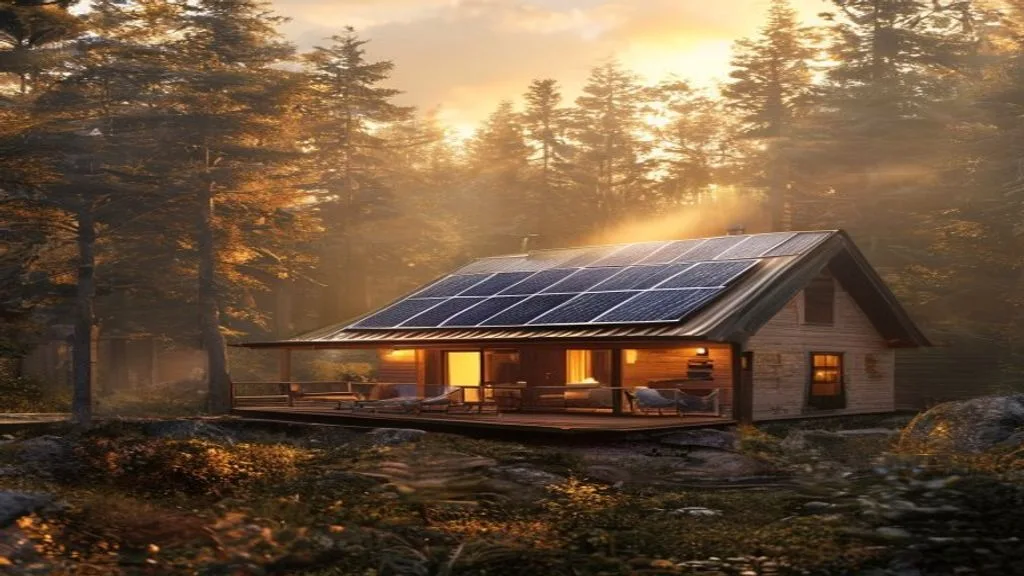
Going off-grid with solar means cutting the cord entirely — generating and storing all your own electricity, with no utility bill and no power lines. It’s the dream for remote cabins, homesteads, vans and anyone tired of the grid, but it’s also a serious engineering project: get the sizing wrong and you’ll be sitting in the dark on a cloudy week. This 2026 guide covers exactly how solar panels for off-grid living work, the components you need, how to size a system for your home (with worked examples), real costs, batteries, and whether off-grid solar is actually worth it for you.
Quick answer
What Is Off-Grid Solar? (vs Grid-Tied & Hybrid)
An off-grid solar system is completely independent of the utility grid — it must produce and store every watt your home uses. That’s the key difference from the two grid-connected options, and it changes everything about how you size and pay for it.
| System type | Grid connection | Battery | Best for |
|---|---|---|---|
| Off-grid | None | Required (large) | Remote sites, energy independence |
| Grid-tied | Yes (exports surplus) | Optional | Homes with grid access, lowest cost |
| Hybrid | Yes (+ backup) | Yes | Grid access + outage protection |
Because there’s no grid to fall back on, off-grid systems need more panels, a big battery bank, and often a backup generator — which is why they cost more per kWh than a grid-tied system. If you have grid access, a grid-tied or hybrid setup is usually cheaper; off-grid makes sense mainly when connecting to the grid is impractical or expensive.
Components of an Off-Grid Solar System
Five core components move energy from the sun to your outlets. Understanding each makes sizing and budgeting far easier.
- Solar panels generate DC electricity. Off-grid arrays are typically 3–15 kW depending on home size.
- Charge controller regulates panel output to safely charge the batteries. MPPT controllers are 15–30% more efficient than cheaper PWM ones — worth it for any real system.
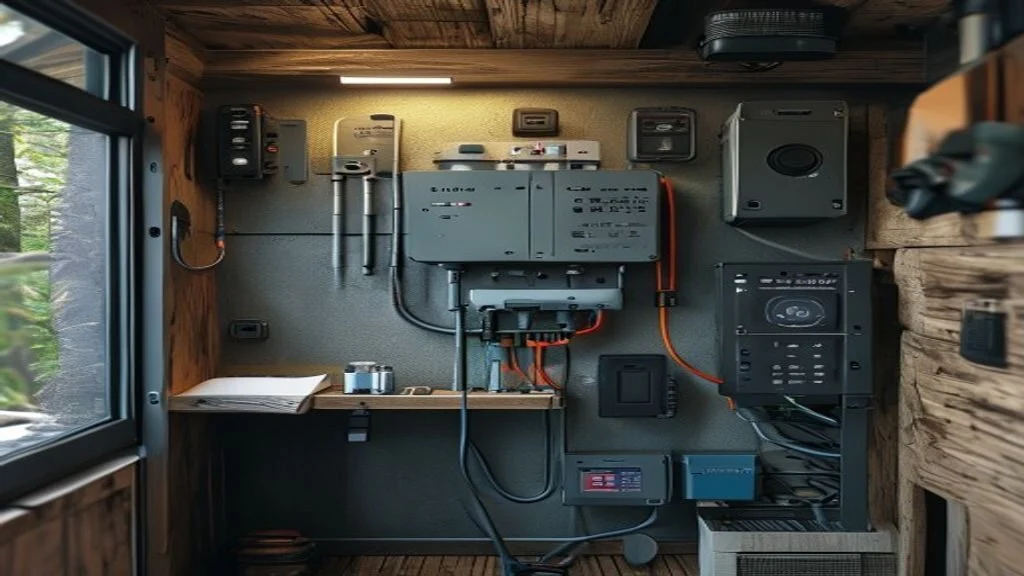
- Battery bank stores energy for night and cloudy days — the heart (and biggest cost) of an off-grid system. LiFePO4 is now standard.
- Inverter converts stored DC into the 120/240V AC your appliances use. Size it to your peak simultaneous load.
- Backup generator (optional but common) covers long overcast stretches so you don’t have to oversize the whole system for the worst week of the year.
How to Size an Off-Grid Solar System
Sizing is where off-grid systems succeed or fail. Work through it in order — from your energy use outward.
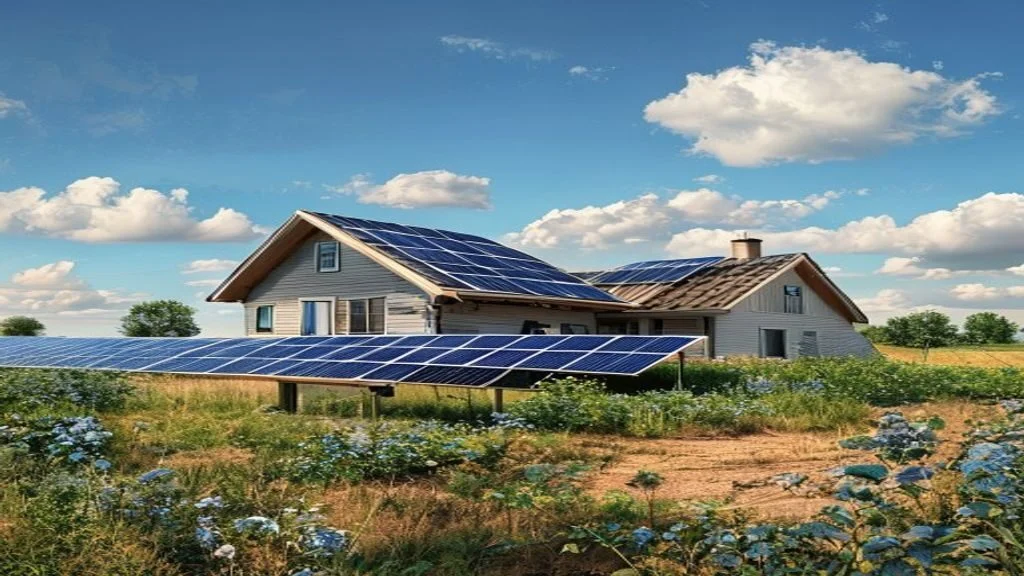
- Add up your daily energy use (kWh/day). Total the watt-hours of everything you run. Off-grid homes are usually efficient by necessity — many land at 5–20 kWh/day.
- Size the solar array. Array kW ≈ (daily kWh ÷ local peak sun hours) × 1.25 for losses. In ~4.5 sun-hours, a 20 kWh/day home needs roughly 5.5 kW of panels.
- Size the battery bank. Multiply daily use by your desired days of autonomy (1–3 for most homes), divided by usable depth of discharge. 20 kWh/day × 1.5 days ≈ 30 kWh of LiFePO4.
- Size the inverter to your peak simultaneous load (e.g., 6–12 kW for a whole home).
- Match the charge controller to the array’s voltage and current (MPPT recommended).
| Home type | Daily use | Solar array | Battery bank | Inverter |
|---|---|---|---|---|
| Cabin / tiny home | 3–6 kWh | 1.5–2 kW | 10–15 kWh | 2–3 kW |
| Homestead / medium home | 8–15 kWh | 3–6 kW | 20–30 kWh | 5–8 kW |
| Full home | 18–30 kWh | 6–12 kW | 30–50 kWh | 8–12 kW |
The reliability trade-off (backed by research)
Two more research-backed rules: don’t size on average sun and load — account for cloudy spells and demand spikes, or you’ll fall short in real conditions (Quiles et al., 2020); and remember that battery size drives cost while panel size drives reliability, so tune them separately (Zieba Falama et al., 2022).
How Much Does an Off-Grid Solar System Cost?
Off-grid costs scale with your energy use and battery size. Here are typical 2026 installed ranges — DIY can cut these substantially, while professional installation can double or triple component costs.
| System size | Panels / storage | DIY cost | Installed cost |
|---|---|---|---|
| Small cabin | 1–2 kW / 10–15 kWh | $5,000–$10,000 | $12,000–$20,000 |
| Medium homestead | 3–6 kW / 20–40 kWh | $12,000–$25,000 | $15,000–$35,000 |
| Full home | 8–15 kW / 40+ kWh | $25,000–$45,000 | $40,000–$80,000 |
| Component: panels | — | $2.50–$3.50 / watt | — |
| Component: LiFePO4 | — | $400–$800 / kWh | — |
No federal solar credit in 2026
Batteries for Off-Grid Solar
The battery bank is the most important — and expensive — part of an off-grid system, because it carries you through every night and cloudy day. Two chemistries dominate:
| Factor | LiFePO4 (recommended) | Lead-acid |
|---|---|---|
| Lifespan | 10–15+ yrs (3,000–6,000+ cycles) | 3–5 yrs |
| Usable depth of discharge | 80–100% | ~50% |
| Upfront cost | $400–$800 / kWh | Lower |
| Maintenance | None | Regular (flooded types) |
| Best for | Almost all off-grid homes | Tight budgets, backup only |
For days of autonomy, most homes size for 1–3 days without meaningful sun; more if you have no backup generator or long overcast winters. Because you can safely use 80–100% of LiFePO4 (versus ~50% of lead-acid), LFP gives you far more usable storage per dollar over its life. For a deeper comparison of home batteries, see our best solar batteries guide.
Off-Grid Solar Kits & DIY
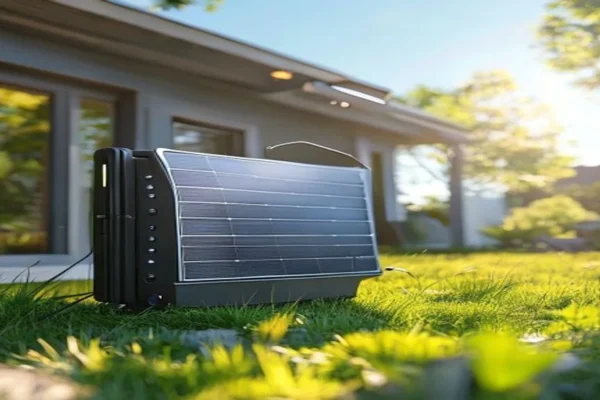
Pre-built off-grid solar kits bundle matched panels, a LiFePO4 battery, an inverter and a charge controller, which removes the guesswork of pairing components. They range from about $800 for a 200W portable setup to $11,000 for a 5 kW homestead system. Kits are the easiest DIY route; for anything powering a full home, though, budget for a qualified electrician to handle the wiring, panel and any generator integration safely and to code. If you just want portable or backup power without a full install, a portable power station is a simpler, plug-and-play alternative.
Is Off-Grid Solar Worth It?
Off-grid solar is about independence more than pure economics. Where you have grid access, a grid-tied system almost always delivers cheaper electricity because you don’t pay for a big battery bank. Off-grid wins when the alternative is worse or impossible.
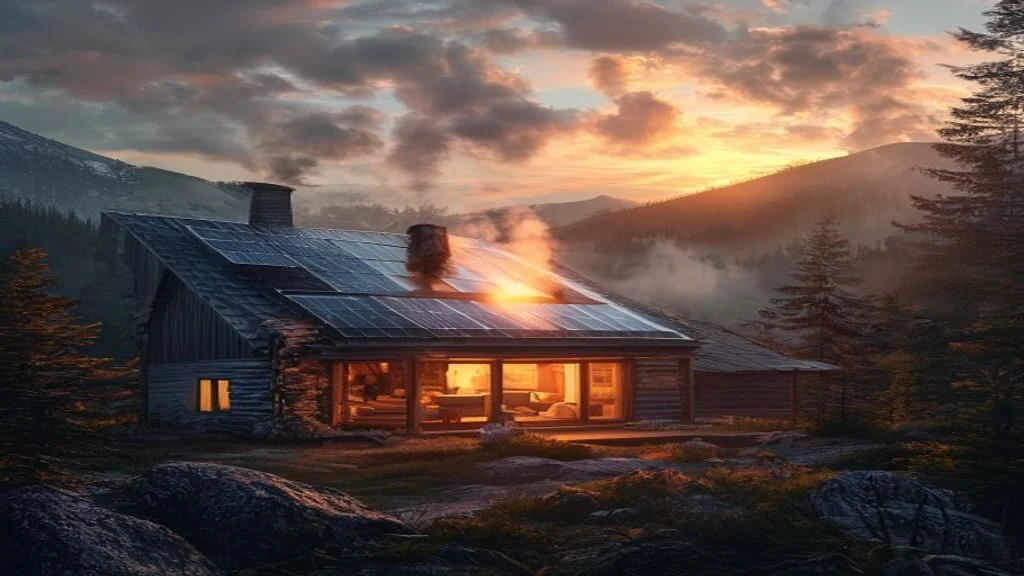
A common tell: if bringing a power line to your property would cost tens of thousands of dollars, off-grid solar often pays for itself against that connection cost alone. If the grid is already at your door, weigh it against a grid-tied system in Is Solar Worth It in 2026? and check your array size with how many solar panels you need.
Maintenance & Backup Power
- Clean the panels a few times a year so soiling doesn’t cut output — see our solar panel cleaning guide.
- Check batteries and connections periodically; LiFePO4 is low-maintenance, flooded lead-acid needs watering.
- Keep a backup generator serviced and fuelled for extended cloudy spells — cheaper than oversizing the whole system.
- Monitor your system via its app; watch state of charge and daily production against expectations.
Frequently Asked Questions
The Bottom Line
Solar panels for off-grid living can free you from the utility grid entirely — but only if the system is sized and built properly. For most homes that means 3–5 kW of panels, 10–20 kWh of LiFePO4 storage, an MPPT charge controller, a suitably sized inverter, and usually a backup generator, for roughly $25,000–$35,000 installed (much less for a cabin, more for a large home).
Start from your daily energy use, size the array to your local sun hours, the battery to a day or two of autonomy, and — crucially — don’t try to engineer away every cloudy week; a generator is cheaper than that last slice of reliability. Off-grid solar is a bigger investment than grid-tied, but where the grid is far away or you simply want independence, it delivers something no utility can: power that’s entirely your own.
Off-grid solar checklist
You May Also Like
Do Smart Thermostats Really Save Money? (Honest Answer)

Spray Foam Insulation: Cost, Pros, Cons & Alternatives (2026)
Lithium vs Lead-Acid Solar Batteries: Which Is Best? (2026)