Best Portable Power Stations for Home Backup (2026): Tested Picks & Buyer’s Guide

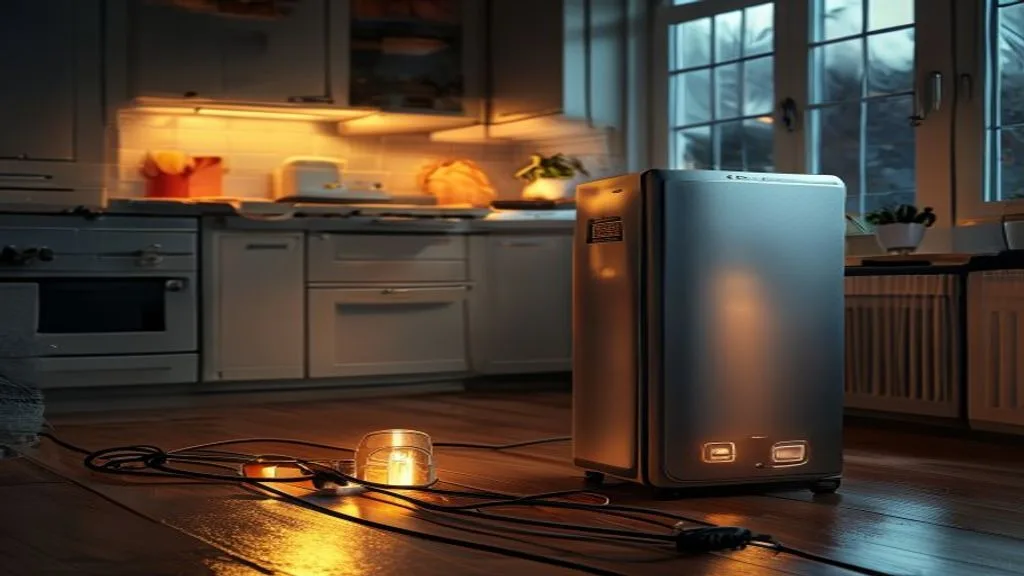
When the power goes out, a portable power station keeps your fridge cold, your phone charged, and your CPAP running — quietly, indoors, with no fumes and no pull-cord. These big lithium batteries in a box have become the go-to backup for outages, and they double as clean power for camping, RVs, and off-grid work. But capacities span 300Wh to 4,000Wh+, prices run from $300 to $4,000, and the specs are easy to misread. This in-depth 2026 guide compares the best portable power stations for home backup, explains exactly how to size one for your appliances, and walks through everything that actually matters — battery chemistry, surge watts, solar recharging, and more.
Quick picks
Best Portable Power Stations for Home Backup: 2026 Comparison
Here’s how the leading 2026 models compare on the specs that matter for backup power. All the units below use long-life LiFePO4 batteries (more on why that matters shortly). Prices are approximate list prices and are frequently discounted.
| Model | Capacity | Output (cont. / surge) | Cycles | Max solar | Weight | ~Price |
|---|---|---|---|---|---|---|
| EcoFlow Delta 3 Plus | 1,024 Wh | 2,400W / 3,600W | 4,000 | 500W | ~28 lb | ~$999 |
| Anker SOLIX C1000 | 1,056 Wh | 1,800W / 2,400W | 3,000 | 600W | ~28 lb | ~$999 |
| Jackery Explorer 2000 v2 | 2,042 Wh | 2,200W / 4,400W | 4,000 | 1,400W | ~38 lb | ~$1,399 |
| Bluetti Elite 200 V2 | 2,073 Wh | 2,600W / 3,900W | 6,000 | 1,000W | ~53 lb | ~$1,699 |
| EcoFlow Delta Pro 3 | 4,096 Wh | 4,000W | 4,000 | 1,600W | ~113 lb | ~$3,199 |
| Anker SOLIX F3800 | 3,840 Wh | 6,000W | 3,000 | 2,400W | ~132 lb | ~$3,999 |
| Jackery Explorer 1000 v2 | 1,070 Wh | 1,500W / 3,000W | 4,000 | 400W | ~24 lb | ~$799 |
What Is a Portable Power Station (and How Does It Work)?
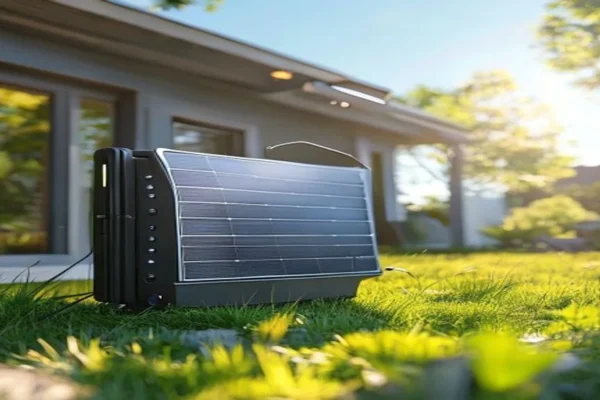
A portable power station is a rechargeable lithium battery combined with an inverter and a set of outlets in a single, carryable unit. The battery stores energy (measured in watt-hours, Wh); the built-in inverter converts that stored DC power into the AC power your household devices use, delivered through standard wall sockets, USB ports, and a 12V car socket. You recharge it from a wall outlet, your car, or solar panels — pair it with panels and it becomes a “solar generator.”
Unlike a gas generator, it produces no fumes and almost no noise, so it’s safe to run indoors during an outage. Unlike a fixed home battery, it’s plug-and-play — no installation, and you can take it camping.
Key Specs Explained
- Capacity (Wh) — how much energy it stores. A 1,000Wh unit theoretically delivers 1,000 watts for one hour, or 100 watts for ten hours (minus ~10–15% inverter losses). This is the number that decides how long it runs your gear.
- Continuous output (W) — how much it can run at once. Add up the running watts of everything you’ll plug in; it must stay under this figure. A 1,800W unit won’t run a 1,500W heater and a microwave together.
- Surge / peak output (W) — the brief spike. Motors (fridges, pumps, power tools) draw 3–5× their running watts for a split second at start-up. If the surge rating is too low, the unit trips.
- Battery chemistry — LiFePO4 vs NMC. LiFePO4 (LFP) lasts far longer and is safer; NMC is lighter but wears out sooner (see below).
- Cycle life — how many charges before it fades. LFP units are rated 3,000–6,000 cycles (10+ years of regular use); NMC around 500–1,000.
- Recharge speed & solar input. Fast AC charging (0–80% in under an hour on some models) and high solar input let you top up quickly between or during outages.
- UPS / EPS switchover. Many double as an uninterruptible power supply, switching to battery in milliseconds so desktops and routers never blink.
- Expandability. Larger models accept add-on battery packs, scaling a 4kWh unit up to 12–27kWh for true whole-home backup.
How to Size a Portable Power Station
Sizing comes down to two questions: what do you need to run at once (that sets the output watts you need) and for how long (that sets the capacity). Start by listing your must-run devices and their wattage.
| Appliance | Running watts | Start-up surge |
|---|---|---|
| LED lights (a few) | ~20–40W | — |
| Wi-Fi router + modem | ~10–30W | — |
| Phone / tablet charging | ~10–25W | — |
| Laptop | ~50–100W | — |
| CPAP (no humidifier) | ~30–60W | — |
| CPAP (with humidifier) | ~60–90W | — |
| Refrigerator | ~100–200W | ~600–1,200W |
| TV | ~50–150W | — |
| Gas furnace blower | ~300–600W | ~800–1,200W |
| Sump pump (1/3 hp) | ~800W | ~1,300–2,900W |
| Microwave / coffee maker | ~900–1,200W | — |
| Space heater | ~1,500W | — |
Now match capacity to how long you need it. Because a fridge cycles on and off (running maybe a third of the time), real-world runtimes are longer than a naive “watts ÷ capacity” sum suggests.
| Capacity | Essentials (fridge, Wi-Fi, phones, lights) | + CPAP overnight | Whole-home essentials |
|---|---|---|---|
| ~1,000 Wh | ~half a day | 1 night | No |
| ~2,000 Wh | ~1 day | 1–2 nights | Partial |
| ~4,000 Wh+ (expandable) | 1–2 days | Several nights | Yes — fridge, freezer, outlets |
A simple rule of thumb
The Best Portable Power Stations: Detailed Reviews
Best Portable Power Station by Use Case
The “best” size depends on what you’re powering. Here’s a quick map from common needs to a sensible capacity.
| Use case | Recommended capacity | Why |
|---|---|---|
| CPAP overnight | 500–1,000 Wh | 30–90W draw runs all night with margin |
| Fridge + essentials (outage) | 1,000–2,000 Wh | Covers a fridge, Wi-Fi, phones and lights for a day |
| Whole-home essentials, 24h+ | 3,000–5,000 Wh (expandable) | Fridge, freezer and several circuits |
| RV / van / camping | 1,000–2,000 Wh + solar | Recharges by day, powers by night |
| Starlink + laptop (remote work) | 500–1,000 Wh | ~50–100W keeps you online for hours |
| Gas furnace blower (winter heat) | 1,000–2,000 Wh | Check the surge rating handles the motor start |
Mind the surge on motors
Recharging with Solar: Turning It into a Solar Generator
Pair a portable power station with solar panels and you have a “solar generator” that can run indefinitely in a long outage or off-grid. The unit’s maximum solar input (in watts) sets how fast it refills: a 1,000Wh unit with 400W of panels tops up in roughly 3–4 hours of good sun. For backup that outlasts the battery, size your panels to replace what you use each day.
This is the portable cousin of a rooftop system — if you’re weighing a bigger, permanent solution, compare it with a fixed home battery in our guide to the best solar batteries of 2026, and see whether panels pay off in Is Solar Worth It?
LiFePO4 vs NMC: Which Battery Chemistry?
The single most important durability spec is the battery chemistry. For home backup, LiFePO4 (lithium iron phosphate, “LFP”) is the clear winner over the older NMC chemistry.
| Factor | LiFePO4 (LFP) | NMC |
|---|---|---|
| Cycle life | 3,000–6,000+ | 500–1,000 |
| Lifespan (regular use) | 10+ years | 3–5 years |
| Safety | Very stable, low fire risk | Higher fire risk |
| Hot-weather tolerance | Better | Poorer |
| Weight | Heavier | Lighter |
| Best for | Home backup, frequent use | Occasional, ultra-light needs |
Bottom line on chemistry
Portable Power Station vs Home Battery vs Generator
A portable power station is one of three main ways to keep the lights on. Here’s how it stacks up against a fixed home battery and a traditional fuel generator.
| Portable power station | Home battery (installed) | Gas generator | |
|---|---|---|---|
| Energy source | Battery (+ solar) | Battery (+ solar) | Petrol / propane |
| Indoor use | Yes — no fumes | N/A (wall-mounted) | No — fumes |
| Noise | Silent | Silent | Loud |
| Typical capacity | 0.3–5 kWh | 10–40 kWh | Fuel-limited |
| Install | Plug & play | Professional | None |
| Portable? | Yes | No | Somewhat |
| Typical cost | $300–$4,000 | $10k–$16k installed | $500–$2,000 |
In short: a portable power station is the most flexible and affordable option for essentials and portability; a fixed home battery is for whole-home, everyday energy storage; and a generator offers long runtime on fuel but with noise, fumes, and outdoor-only use.
Safety, Care & What to Avoid
- Match the load to the output — don’t exceed the continuous or surge watts, or the unit will shut off to protect itself.
- Store it charged and cool. Keep LFP units around 50–80% if storing for months, out of direct heat.
- Top it up periodically. Recharge every few months so it’s ready when an outage hits.
- Use quality cables and rated panels for solar input; check voltage limits before connecting panels.
- Don’t block the vents — inverters and fast charging generate heat.
- It won’t hard-wire itself — for whole-circuit backup you need a compatible transfer switch and, ideally, an electrician.
How to Choose: Buyer’s Checklist
- List your must-run devices and add up their running and surge watts.
- Pick capacity by runtime — 1–2kWh for essentials, 3–5kWh (expandable) for whole-home.
- Insist on LiFePO4 for longevity and safety.
- Check output & surge clear your biggest motor load.
- Value fast charging & high solar input if outages are long or frequent.
- Consider weight & expandability — portability for camping, or stackable batteries for backup.
Frequently Asked Questions
The Bottom Line
A portable power station is the simplest, most flexible way to keep the essentials running when the grid goes down — and it earns its keep the rest of the year for camping, RVs and remote work. For most homes, a 1,000–2,000Wh LiFePO4 unit like the EcoFlow Delta 3 Plus or Anker SOLIX C1000 covers a fridge, internet, phones and lights through a typical outage. If you want to back up a fridge, freezer and whole circuits for days, step up to an expandable 3,000–5,000Wh system such as the EcoFlow Delta Pro 3.
Whatever you choose, size it around your real appliances — add up running and surge watts, insist on LiFePO4, and leave headroom. Get that right and you’ll have quiet, clean, fume-free backup power ready the moment you need it.
Portable power station checklist
You May Also Like

Do Smart Thermostats Really Save Money? (Honest Answer)

Spray Foam Insulation: Cost, Pros, Cons & Alternatives (2026)
Lithium vs Lead-Acid Solar Batteries: Which Is Best? (2026)