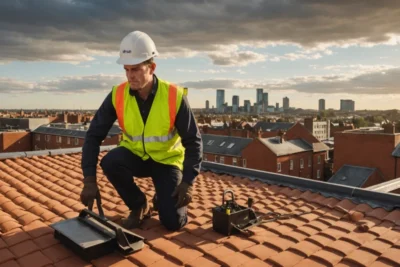
Solar Panel Maintenance in 2026: How Often, What It Costs & a Simple Checklist

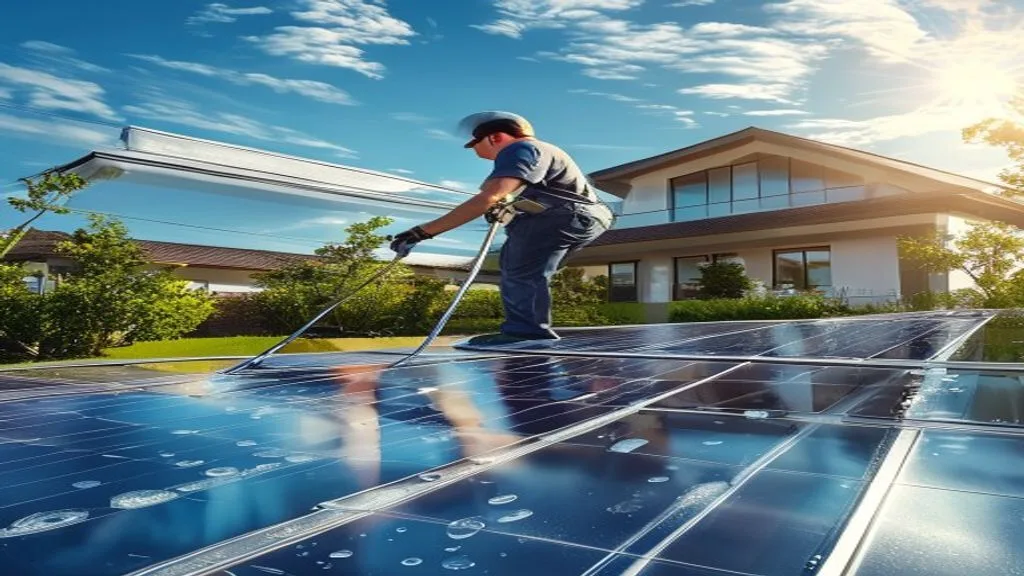
Solar panels are famously low-maintenance — no moving parts, no fuel, nothing to oil or refill. But “low-maintenance” is not the same as “no-maintenance.” A panel that quietly loses 5–20% of its output to dust, an inverter that fails in year 12, or a loose connector that nobody inspects can cost you hundreds of dollars a year in lost generation and repairs. This guide walks through exactly what solar maintenance involves in 2026: how often to do it, what it costs, how to clean panels safely yourself, and a season-by-season checklist you can actually follow.
The short answer
How Solar Panels Lose Output Over Time
Before you can decide how much maintenance is worth, it helps to know where the losses come from. A solar system underperforms for four main reasons, and only some of them are fixable with maintenance.
Panel degradation is the slow, permanent decline in a panel’s ability to convert sunlight — typically about 0.5% per year for modern modules. You cannot clean this away; it is built into the chemistry. Over 25 years that adds up to roughly 12–15% total loss, which is why most panels are still warrantied to produce 80%+ of their original output at year 25. (For the full picture, see our guide on how long solar panels last.)
Soiling — dust, pollen, bird droppings, leaves, salt spray, and wildfire ash — is the loss you can fix. In rainy climates soiling typically costs 2–5% a year because rain rinses panels naturally. In dry, dusty, or high-pollen regions it can quietly climb past 15–20% between cleanings. Shading from a newly grown tree branch and inverter or wiring faults round out the list.
The takeaway: maintenance mostly targets soiling, shading, and component faults. Cleaning and a yearly inspection recover the losses you have control over — often the difference between a system that performs as designed and one that silently underdelivers for years.
How Often Should You Maintain Solar Panels?
There is no single answer, because the right cleaning and inspection schedule depends almost entirely on your environment. A rooftop in rainy Seattle needs far less attention than one in dusty Phoenix or pollen-heavy Atlanta. Use the table below as a starting point, then adjust based on what you actually see on the panels.
| Environment | Cleaning frequency | Why |
|---|---|---|
| Rainy / temperate (Pacific NW, Northeast) | 1× per year | Rain rinses most soiling naturally |
| Average suburban | 2× per year | Light dust + seasonal pollen and leaves |
| Dry / dusty (Southwest, high desert) | 3–4× per year | Little rain to self-clean; dust builds fast |
| High pollen / tree cover | 3× per year | Spring pollen and falling debris |
| Coastal | 2–3× per year | Salt spray film reduces transmission |
| Wildfire-prone | As needed after smoke events | Ash is sticky and blocks light |
| Agricultural / industrial | 3–4× per year | Airborne particulates and grime |
Let the data decide
Professional inspection is different from cleaning. Regardless of climate, a once-a-year professional or careful DIY inspection of wiring, mounting, the inverter, and the monitoring data is good practice — ideally heading into your sunniest season so you catch problems before peak production.
The Complete Solar Panel Maintenance Checklist
Here is the whole job broken into seasonal tasks. Most of it takes minutes and can be done from the ground with binoculars or your monitoring app — you do not need to climb on the roof for the majority of it.
Quick reference: by frequency
| Frequency | Tasks |
|---|---|
| Monthly (2 min) | Glance at monitoring app; compare output to similar past days |
| Quarterly / seasonal | Visual check for soiling, debris, shading, visible damage |
| 2–4× per year | Clean panels (frequency depends on climate — see table above) |
| Annually | Professional or thorough DIY inspection of inverter, wiring, mounts, battery |
| Every 10–15 years | Budget for inverter replacement (the main wear component) |
How to Clean Solar Panels Safely (DIY)
For most homeowners, cleaning is the only hands-on maintenance you will ever do. Done right it is simple; done wrong it can scratch the glass, void a warranty, or put you in the hospital from a roof fall. The single most important rule: if you cannot clean the panels safely from the ground, hire a professional.
- Pick the right time. Early morning or evening, on a cool, overcast day. Never spray cold water on hot glass in midday sun — the thermal shock can crack panels.
- Turn the system off first, following your inverter’s shutdown procedure.
- Rinse first with plain water from a hose to float off loose grit before you touch the surface.
- Use a soft tool. A soft brush or microfiber cloth on a telescoping pole, with plain water or a drop of mild dish soap. Deionized water leaves no spots.
- Skip the pressure washer — high pressure can breach the seals around the cells.
- Never use abrasive pads, harsh detergents, or metal scrapers. For stuck-on bird droppings, soak and gently wipe.
Roof safety is not optional
Don’t Forget the Rest of the System
The panels get all the attention, but they are the most reliable part of the system. The components around them are where maintenance budgets actually go — and where a quiet failure can cost you the most generation.
| Component | Typical lifespan | Maintenance action |
|---|---|---|
| Solar panels | 25–30+ years | Clean 1–4×/yr; annual visual check |
| String inverter | 10–15 years | Keep vents clear; expect 1 replacement in system life |
| Microinverters / optimizers | 20–25 years | Monitor per-panel data for outliers |
| Wiring & connectors | 25+ years | Annual check for corrosion, rodent damage, loose joints |
| Mounting / racking | 25+ years | Check bolts & roof sealant yearly |
| Battery (lithium) | 10–15 years | Keep firmware updated; watch state-of-health |
| Monitoring system | Ongoing | Keep app/firmware current; check alerts |
The inverter is the part that will fail first
What Solar Panel Maintenance Costs in 2026
Routine solar maintenance is cheap relative to what the system generates. The costs below are typical 2026 U.S. ranges; your local labor market and roof complexity will move them. Most homeowners spend very little in a normal year, with one larger expense (the inverter) somewhere in the middle of the system’s life.
| Service | Typical 2026 cost | How often |
|---|---|---|
| Panel cleaning (professional) | $150–$400 per visit | 1–4×/yr by climate |
| DIY cleaning | ~$0–$30 (supplies) | As needed |
| Annual inspection | $150–$300 | Yearly |
| Inverter replacement (string) | $1,000–$2,500 | Once in ~10–15 yrs |
| Monitoring subscription (if any) | $0–$150/yr | Ongoing |
| Minor repairs (connector, sealant) | $100–$400 | Rare |
A useful rule of thumb: budget roughly $150–$300 per year averaged over the life of the system. That covers occasional cleaning, a yearly inspection, and a reserve for the eventual inverter swap. Against a system that may generate thousands of dollars of electricity a year, maintenance is a small line item — see our full breakdown in Is Solar Worth It in 2026? and Solar Panel Installation Cost.
DIY vs. Hiring a Maintenance Company
Searching “solar panel maintenance near me” turns up plenty of companies, but you do not always need one. Use this decision guide to figure out whether to handle it yourself or call a pro.
What a maintenance plan or contract should cover
If you opt for a recurring maintenance plan, make sure it is worth the fee. A good contract typically includes scheduled cleanings, an annual full-system inspection, monitoring with alerts, and priority service if something fails. Before signing, ask a few questions:
- Are they licensed and insured for roof work?
- Does the plan include the inverter and wiring, or just panel cleaning?
- Will they provide before/after output data so you can see the benefit?
- Does their work preserve your existing manufacturer warranties?
- Is there a per-visit option, or only an annual contract?
Troubleshooting: Common Problems & Warning Signs
Maintenance is also about catching problems early. If your monitoring shows an unexplained drop, or you notice any of the signs below, use this table to narrow down the cause before you call anyone.
| Symptom | Likely cause | What to do |
|---|---|---|
| Gradual output decline on sunny days | Soiling build-up | Clean the panels; recheck output |
| Sudden drop to zero / partial | Inverter fault or tripped breaker | Check inverter display & breaker; call installer |
| One panel underperforming | Shading, soiling, or a bad cell | Inspect that panel; check for new shade |
| Brown/discolored patch on a panel | Hot spot (cell damage) | Stop use of that module; warranty claim |
| Inverter error code / red light | Grid, ground, or hardware fault | Note the code; contact installer |
| Visible cracks on glass | Impact / hail / thermal shock | Document & file insurance/warranty claim |
| Output drops in heat waves | Normal temperature derating | See note below — usually not a fault |
That last one trips people up: panels actually produce less per degree as they heat up, so a dip during a heat wave is often normal physics, not a fault. We cover exactly why in how temperature affects solar panel efficiency.
Weather & Seasonal Care
Extreme weather is when solar systems take the most abuse and when bad maintenance decisions do the most damage. A few specifics worth knowing:
Snow
Panels are dark and angled, so they often shed snow on their own once the sun hits them — and lost winter production is usually small. If you do clear snow, use a soft roof rake or a foam brush from the ground and pull downward; never use a metal shovel or hot water, both of which crack glass. Climbing an icy roof to clear snow is rarely worth the risk.
Storms, hail & heat
Quality panels are rated to survive substantial hail, but after any major storm do a ground-level inspection (binoculars work) for cracks, shifted modules, or loose mounting. In extreme heat, the best “maintenance” is simply understanding that reduced midday output is expected, and making sure inverter vents and airflow are unobstructed.
After a wildfire-smoke event
Warranties & When Maintenance Is Free
Maintenance and warranties are linked in two important ways. First, much of what can go wrong is covered — if you understand which warranty applies. Second, neglecting basic maintenance can void that coverage, so keeping simple records protects you.
| Warranty type | Typically covers | Typical term |
|---|---|---|
| Product / equipment | Panel defects in materials & workmanship | 12–25 years |
| Performance / power | Output staying above a guaranteed % (e.g. 80% @ 25 yr) | 25–30 years |
| Inverter | Inverter hardware failure | 10–12 yrs (extendable) |
| Workmanship / installer | Installation & roof penetrations | 5–25 years (varies) |
Protect your coverage
Frequently Asked Questions
The Bottom Line
Solar panels really are one of the lowest-maintenance investments you can put on a house — but “low” is not “none.” The panels need an occasional clean and a yearly look; the inverter and supporting hardware need a little attention and one eventual replacement. Do that much and your system will quietly deliver close to its full potential for decades.
Keep it simple: watch your monitoring app each month, clean the glass a couple of times a year (more in dusty or dry climates), book one annual inspection, and set aside a small reserve for the inverter. That is the entire job — a few hundred dollars a year against a system generating far more in electricity.
Your 60-second maintenance plan
Wondering whether the whole investment pays off once you factor in this upkeep? We run the full numbers in Is Solar Worth It in 2026?. If you are still planning a system, see how many solar panels you need and the current installation cost breakdown.
You May Also Like
Do Smart Thermostats Really Save Money? (Honest Answer)
Spray Foam Insulation: Cost, Pros, Cons & Alternatives (2026)
Lithium vs Lead-Acid Solar Batteries: Which Is Best? (2026)