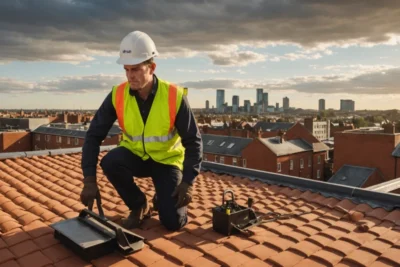
How to Install Solar Panels at Home: Step-by-Step Guide + Costs (2026)

With electricity prices high and the technology cheaper than ever, more homeowners are installing solar panels than at any point in history. Whether you’re weighing a full do-it-yourself build or just want to understand what you’re paying a professional for, this 2026 guide walks through the entire process — from first assessment to flipping the switch — plus what it really costs, the incentives that slash the price, and how to know if solar is worth it for your home. Cutting your own power bill is also one of the most direct ways individuals can push back against the broader energy crisis.
Quick Answer: How Do You Install Solar Panels?
Key Takeaways
Can You Install Solar Panels Yourself?
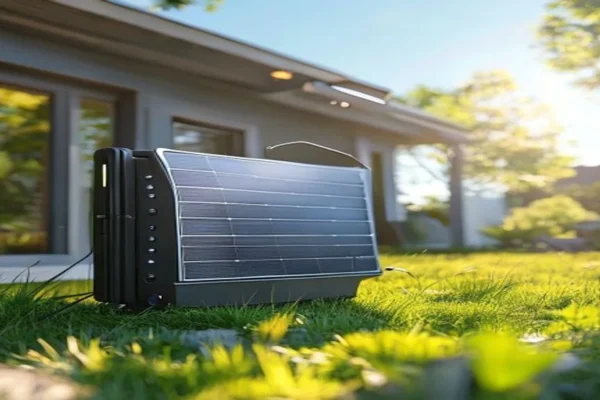
Yes — but with important caveats. A handy homeowner can absolutely install a small off-grid or ground-mounted system, and doing so can cut costs dramatically by removing labor (often 10% of the total) and installer margin. DIY kits are widely available and the mechanical work — mounting racking and panels — is within reach of a confident DIYer.
The complications come with grid-tied systems, which is what most homes want. Connecting solar to your home’s electrical panel and the utility grid typically requires a licensed electrician, building permits, an electrical inspection, and formal “permission to operate” from your utility. Mistakes carry real risk — electrical hazards, roof leaks, voided warranties, or a failed inspection that stalls the whole project. That’s why the large majority of homeowners hire a certified installer, even though DIY is technically allowed in many areas. The table below lays out the trade-offs.
| Factor | DIY install | Professional install |
|---|---|---|
| Cost | ~$1.50–$2 / watt (~$9k–$15k for 6 kW) | ~$3 / watt (~$18k–$25k before credit) |
| Install time | Days to weeks (incl. learning) | Usually 1–3 days |
| Skill needed | High — electrical & roofing | None — handled for you |
| Permits & inspection | You manage it all | Installer handles it |
| Warranty | Limited; DIY errors can void coverage | Full workmanship + equipment warranty |
| Tax credit eligible? | Yes (equipment counts) | Yes (equipment + labor) |
| Best for | Off-grid, small, RV, or skilled DIYers | Most homeowners, grid-tied systems |
How Much Does It Cost to Install Solar Panels in 2026?
Cost is the first question almost everyone asks — and the good news is that solar is far cheaper than it used to be. In the U.S., a professionally installed home system runs roughly $3 per watt before incentives. That means a typical 6–8 kW system costs about $18,000–$24,000 up front, dropping to roughly $13,000–$17,000 with a solar lease or PPA, which still earns the 30% credit (the credit for purchased systems expired at the end of 2025). DIY installs can fall to $1.50–$2 per watt by removing labor and installer margin.
Your final price depends on system size, panel quality, roof complexity, your location, and whether you add battery storage (which can add $8,000–$15,000). The chart shows typical total costs by system size, before and after the federal credit.
Approximate U.S. pricing at ~$3/watt before incentives; based on EnergySage and NREL cost benchmarks. Actual quotes vary by region and installer.
Where Your Money Actually Goes
It surprises many homeowners that the panels themselves are less than a third of the total. A large share goes to the inverter, mounting hardware, electrical work, permits, and the installer’s design, sales, and overhead. Here’s a typical breakdown for an 8 kW (~$24,000) system.
| Component | Share of cost | Typical cost (8 kW) |
|---|---|---|
| Solar panels | ~30% | ~$7,200 |
| Inverter | ~10% | ~$2,400 |
| Racking & mounting | ~8% | ~$1,920 |
| Wiring & electrical | ~7% | ~$1,680 |
| Labor / installation | ~10% | ~$2,400 |
| Permits & inspection fees | ~5% | ~$1,200 |
| Design, sales & overhead | ~30% | ~$7,200 |
This breakdown also explains the DIY savings: by handling design, sales, and labor yourself, you can eliminate roughly half the ‘soft costs’ — though you take on the permitting, electrical work, and risk in return.
Is Your Home Right for Solar? A Pre-Install Checklist
Before spending a cent, check whether your home is a good candidate. The right roof and sun exposure make the difference between a system that pays for itself quickly and one that disappoints. Run through the checklist below first.
| Factor | Ideal | Why it matters |
|---|---|---|
| Roof condition & age | Sound roof with 10+ years of life left | Panels last 25+ years; re-roofing later means removing them. |
| Orientation | South-facing (Northern Hemisphere) | South roofs capture the most sunlight; east/west still work, north is poor. |
| Roof pitch | ~15–40° | Affects production and how easily panels mount. |
| Shading | Little to none, 9am–3pm | Trees, chimneys, or buildings can sharply cut output. |
| Available space | ~60–100 sq ft per kW | An 8 kW system needs roughly 480–800 sq ft of clear roof. |
| Sun hours | 4+ peak sun hours/day | Sunnier regions produce more power and pay back faster. |
| Electrical panel | 200-amp service (typical) | Older/smaller panels may need an upgrade to add solar. |
| Rules & permits | Solar-friendly area / HOA | Local codes, permits, and HOA rules can affect or delay installs. |
Two factors matter most: sunlight and roof health. A south-facing roof with minimal shading in a sunny climate is ideal — though modern panels perform well even in cooler or partly cloudy regions (and, interestingly, run more efficiently in cold weather; see our guide on how temperature affects solar panel efficiency). Just as important, make sure your roof won’t need replacing soon — because panels are built to last 25 years or more, as we cover in how long solar panels last.
If your roof isn’t suitable, you still have options: ground-mounted arrays, solar carports, or community solar programs let you go solar without using your roof at all.
How to Install Solar Panels: Step-by-Step
Whether you hire a pro or do it yourself, every solar installation follows the same seven stages. Understanding each one helps you plan the project, ask installers the right questions, and avoid the delays that trip up most first-timers. Here’s the full process at a glance, then a detailed walk-through of each step.
Step 1: Assess Your Home and Design the System
Everything starts with an assessment. You (or your installer) review your roof’s size, angle, orientation, and condition, check for shading across the day, and analyze your past electricity bills to size the system to your usage. The output is a system design: how many panels, what wattage, where they’ll sit, and where the inverter and wiring will run. Getting this right is the single biggest factor in how well your system performs — an undersized system won’t cover your bills, while an oversized one wastes money.
Step 2: Handle Permits and Paperwork
Before any hardware goes up, the project needs approvals. This usually means a building permit and an electrical permit from your local authority, plus an interconnection application to your utility so you’re allowed to feed power back to the grid. If you’re claiming incentives or net metering, the paperwork starts here too. Professional installers handle all of this for you; DIYers must navigate it themselves, and it’s often the most time-consuming part — permitting can take a few weeks even when the install itself takes days.
Step 3: Order Your Panels and Equipment
With a design finalized, it’s time to buy. The core components are the solar panels, an inverter (which converts the panels’ DC electricity into the AC your home uses), racking and mounting hardware, wiring and connectors, and optionally a battery for storing power. Lead times vary, so order early. We break down each component in the equipment section below.
Step 4: Install the Mounting and Racking
Installation begins with the racking — the metal rails and brackets that hold the panels. Installers locate your roof rafters, fix mounting feet into them, seal every penetration against leaks (this is critical), and bolt the rails on. Proper flashing and waterproofing here is what separates a clean install from one that leaks two winters later. The rails must be level and correctly spaced for your specific panels.
Step 5: Attach the Solar Panels
Next, the panels are carried up and clamped onto the rails, one by one, then secured with mid- and end-clamps. Panels are wired together in ‘strings’ as they go up, using weatherproof MC4 connectors. This is the most visible stage and often the fastest — a crew can mount a typical residential array in a day once the racking is set.
Step 6: Wire the Inverter and Electrical System
Now the system is connected together: the panel strings run to the inverter (a single string inverter, or microinverters mounted under each panel), and the inverter ties into your home’s main electrical panel, usually through a dedicated breaker and an AC disconnect. If you have a battery or monitoring system, it’s wired in here too. This stage involves working with live household current and must meet electrical code — it’s the part that legally requires a licensed electrician in most areas.
Safety first
Step 7: Inspection and Grid Connection
Finally, before you can switch on, a local inspector verifies the install meets building and electrical codes. Once it passes, your utility installs a net meter (if needed) and issues Permission to Operate (PTO) — the green light to turn the system on. From that moment, your panels start cutting your electricity bill, and any surplus you export can earn credits through net metering. Start to finish, the whole project typically spans a few weeks, most of it waiting on permits and utility approval rather than the install itself.
Equipment You Need to Install Solar Panels
A home solar system is more than just panels. Here are the core components, what each one does, and roughly what it costs.
| Component | What it does | Typical cost |
|---|---|---|
| Solar panels | Convert sunlight into DC electricity. | ~$0.70–$1.00 per watt |
| Inverter (string or micro) | Convert DC into the AC your home uses. | $1,000–$3,000 |
| Racking & mounting | Secure panels to the roof at the right angle. | $1,000–$2,000 |
| Wiring & connectors | Link panels, inverter and electrical panel safely. | $300–$800 |
| Battery storage (optional) | Store power for night use or outages. | $8,000–$15,000 |
| Monitoring system | Track production and spot problems. | $200–$500 (often included) |
The two biggest performance decisions are panel type (monocrystalline panels are the most efficient and popular) and inverter type — microinverters or power optimizers handle shading and per-panel monitoring better than a single string inverter, at a higher price.
Solar Incentives and Tax Credits in 2026
2026 update: the federal solar tax credit changed
Incentives can cut your net cost by a third or more, so factor them in before judging whether solar is affordable. The federal tax credit changed in 2026 (see the note above); many states, utilities, and local programs stack on top.
| Incentive | What it gives you | Notes |
|---|---|---|
| Federal tax credit (25D) | 30% — but expired Dec 31, 2025 for purchased systems | Now only via solar leases/PPAs (Section 48E) through 2027. |
| Net metering | Bill credits for surplus power you export | Rules vary by utility and state. |
| State tax credits / rebates | Extra % or fixed-dollar savings | Availability varies widely by state. |
| SRECs | Income from selling renewable-energy credits | Offered in select states only. |
| Property & sales tax exemptions | No added property tax; sales-tax waiver | Common in many states. |
| Local utility rebates | Upfront cash rebates | Check your specific utility. |
Incentives change and vary by location. Always confirm current programs for your state and utility (the U.S. DSIRE database is a good starting point) before you buy.
Is Solar Worth It? Payback, ROI and Savings
For most homeowners, yes — solar pays for itself and then keeps paying. After the upfront cost (minus incentives), the system steadily erases your electricity bill. The key number is the payback period: how long until your savings equal what you spent. In the U.S. that’s typically 7–10 years, after which you enjoy 15+ more years of nearly free electricity, since quality panels last 25 years or more.
How fast you break even depends mostly on three things: how much sun you get, how expensive your grid electricity is, and how many incentives you capture. The sunnier your location and the higher your utility rates, the faster the payback.
Illustrative payback ranges with the 30% credit applied (via lease/PPA); based on typical EnergySage/NREL scenarios. Your result depends on local rates, sun, and incentives.
Over a 25-year lifespan, a typical home system saves $20,000–$50,000+ in avoided electricity costs — often far more as utility rates rise. Solar can also raise a home’s resale value. The main factors that improve your ROI:
| Factor | Speeds up payback when… |
|---|---|
| Electricity price | Your local utility rates are high (and rising). |
| Sunlight | You get more peak sun hours per day. |
| Incentives | You capture the 30% credit + state/utility programs. |
| System cost | You get competitive quotes or install DIY. |
| Net metering | Your utility pays well for exported power. |
| Financing | You pay cash or get a low-interest solar loan. |
The clearest sign solar is worth it: if your monthly loan or cash-equivalent payment is less than your current electricity bill, you’re saving money from day one — while protecting yourself from future rate hikes and grid energy-crisis shocks.
Maintenance and Safety
One of solar’s best features is how little upkeep it needs. With no moving parts, panels mostly just sit and work — but a little attention keeps production high and the system safe.
| Task | How often | Why |
|---|---|---|
| Clean the panels | 1–2× per year | Dust, pollen and bird droppings cut output. |
| Check the monitoring app | Monthly | Spot a drop in production early. |
| Visual inspection | Yearly | Look for damage, loose mounts, or debris. |
| Professional check-up | Every 3–5 years | Verify wiring, inverter and connections. |
| Trim nearby trees | As needed | Prevent new shading and falling debris. |
Inverters are the part most likely to need replacing — string inverters typically last 10–15 years, so budget for one replacement over the system’s life. Otherwise, maintenance costs are minimal. On safety: never clean panels with a pressure washer or walk on them, avoid roof work in wet or icy conditions, and never open the inverter or touch wiring while the system is live.
Common Solar Installation Mistakes to Avoid
Most solar disappointments trace back to a handful of avoidable errors. Watch for these:
| Mistake | Why it hurts |
|---|---|
| Installing on an old roof | You’ll pay to remove and reinstall panels when the roof fails. |
| Ignoring shading | Even partial shade can slash a whole string’s output. |
| Undersizing (or oversizing) | Too small won’t cover bills; too big wastes money. |
| Poor roof sealing | Improper flashing leads to leaks and water damage. |
| Skipping permits | Can mean fines, forced removal, or blocked utility connection. |
| Choosing on price alone | Cheap panels/inverters or unvetted installers cost more long-term. |
| Not getting multiple quotes | Solar prices vary widely — always compare at least three. |
Avoid these and your installation should deliver clean, low-cost power for decades with almost no fuss.
Frequently Asked Questions
Conclusion: Is It Time to Go Solar?
Installing solar panels is no longer the complex, premium-priced project it once was. The process boils down to seven clear steps — assess, permit, order, mount, wire, inspect, connect — and while grid-tied systems are best left to a licensed professional, the path is well-trodden and predictable. With hardware cheaper than ever and strong incentives still available (and a 30% credit for leases/PPAs through 2027), the economics are compelling for most homeowners: a typical payback of 7–10 years followed by 15+ years of nearly free power.
The smartest move is to start with the fundamentals: confirm your roof and sun exposure are suitable, get at least three quotes, and run the payback math with your local electricity rates and incentives. Whether you DIY a small array or hire a pro for a full rooftop system, going solar locks in lower bills and shields you from the next price shock.
The bottom line
Going solar is also a personal answer to a global problem. As we explain in our guide to the energy crisis, local, home-grown power is exactly what makes households and economies more resilient. To dig deeper into the technology, see how long solar panels last and how temperature affects solar panel efficiency.
You May Also Like
Do Smart Thermostats Really Save Money? (Honest Answer)

Spray Foam Insulation: Cost, Pros, Cons & Alternatives (2026)
Lithium vs Lead-Acid Solar Batteries: Which Is Best? (2026)