EV Charging at Home: Cost, Setup & Best Chargers (2026)

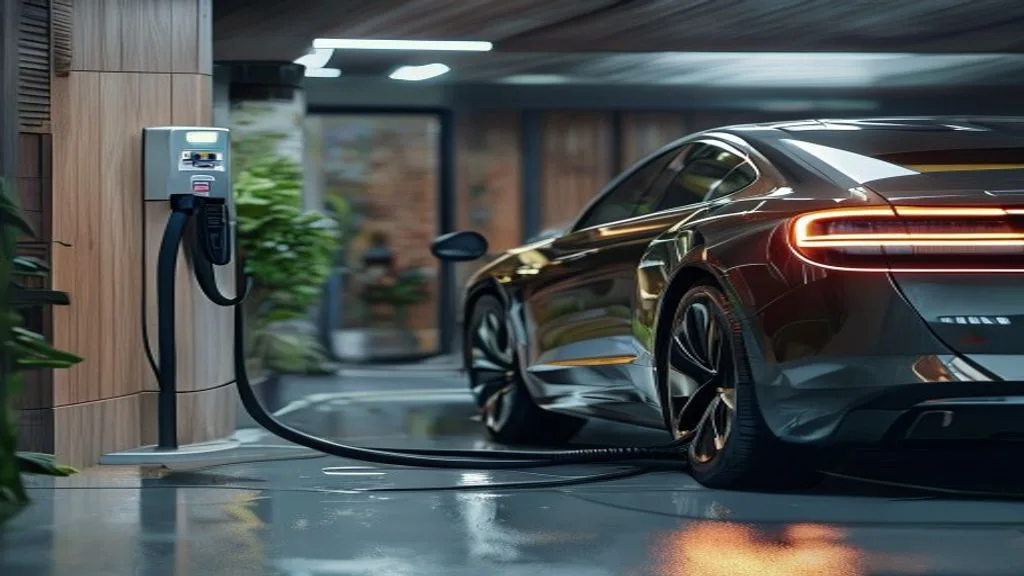
Installing a Level 2 EV charger at home costs $800 to $2,500 in 2026, including the unit and professional installation — more if your electrical panel needs upgrading. Charging at home is dramatically cheaper than public fast charging: at the US average rate of about 18.8¢/kWh, a full charge on a typical 75 kWh battery costs roughly $14, versus $30–$45 at a public DC fast charger. Here’s what to install, what it really costs, and which charger to buy.
The federal EV charger credit expired on 30 June 2026
Level 1 vs Level 2 Charging: What’s the Difference?
Every EV comes with a Level 1 cable that plugs into a standard household outlet. It works, but slowly. Level 2 uses a 240V circuit — the same kind of supply as an electric dryer — and is what most owners eventually install.
| Level 1 | Level 2 | DC fast charging | |
|---|---|---|---|
| Power supply | 120V standard outlet | 240V dedicated circuit | Commercial only |
| Range added per hour | 3–5 miles | 20–30 miles | 100–250+ miles |
| Full charge time | 40–50+ hours | 6–10 hours (overnight) | 20–45 minutes |
| Equipment cost | $0 (included) – $600 | $300–$1,000+ | Not home-installable |
| Installation | None | $400–$1,500+ | N/A |
| Best for | Plug-in hybrids, low daily miles | Most EV owners | Road trips |
The rule of thumb: if you drive less than about 30–40 miles a day and can leave the car plugged in overnight, Level 1 may genuinely be enough. Anyone with a longer commute, a bigger battery, or two EVs should install Level 2 — it turns charging into something you never think about, because the car is always full each morning.
How Much Does It Cost to Install an EV Charger at Home?
Total cost splits into the charger itself and the electrical work. Most homeowners land between $800 and $2,500 all-in, but the range widens fast if your panel is old or the run to the garage is long.
| Cost item | Typical range | Notes |
|---|---|---|
| Level 2 charger (hardware) | $300–$1,000+ | Smart, higher-amp units cost more |
| Basic plug-in install (existing 240V outlet) | $0–$400 | Cheapest path if the outlet exists |
| Standard hardwired install | $400–$1,500 | Dedicated circuit + labour |
| Long conduit run / detached garage | +$500–$1,500 | Distance from panel drives this |
| Electrical panel upgrade | $800–$2,000 | Needed if panel lacks spare capacity |
| Permit & inspection | $150–$200 | Required in most jurisdictions |
| Typical all-in total | $800–$2,500 | Plug-in ~$800–$1,200; hardwired ~$1,200–$2,500 |
Get the panel checked first
How Much Does It Cost to Charge an EV at Home?
This is where EVs pay you back. At the US average residential rate of about 18.8¢ per kWh, here’s what a full charge costs by battery size — and how it compares to public charging.
| Battery size | Full charge at home (18.8¢/kWh) | Approx. range | Cost per 100 miles |
|---|---|---|---|
| 40 kWh (small EV) | ~$7.50 | ~150 mi | ~$5.00 |
| 60 kWh (compact) | ~$11.30 | ~230 mi | ~$4.90 |
| 75 kWh (mid-size) | ~$14.10 | ~280 mi | ~$5.00 |
| 100 kWh (large SUV/truck) | ~$18.80 | ~330 mi | ~$5.70 |
| Public DC fast charging | $30–$45 per session | — | ~$12–$18 |
Charging at home costs roughly $5 per 100 miles — about a third of public fast charging and less than half the fuel cost of a 30 mpg gas car. If your utility offers time-of-use rates, scheduling charging for overnight off-peak hours can cut that further, sometimes to half. That’s the single biggest lever on your charging costs, and every smart charger can automate it.
Best Home EV Chargers in 2026
Level 2 chargers are more alike than marketing suggests — the real differences are amperage, connector type, smart features and warranty. Here are the units that consistently top testing.
| Charger | Max amps | Connector | Standout feature | Best for |
|---|---|---|---|---|
| ChargePoint Home Flex | 50A (~12 kW) | J1772 or NACS | Plug-in or hardwired, mature app | Best overall |
| Emporia Level 2 | 48A | J1772 / NACS | Smart scheduling at a much lower price | Best value |
| Tesla Wall Connector Gen 3 | 48A | NACS | 4-year warranty (longest available) | Tesla owners |
| Grizzl-E Classic | 40A | J1772 | Rugged, weatherproof, simple | Budget / outdoor |
| Autel MaxiCharger | 50A | J1772 / NACS | Load management, solid build | Panel-limited homes |
NACS vs J1772 — which connector?
What amperage do you actually need?
More amps means faster charging, but only up to what your car accepts and your circuit allows. A 40A charger on a 50A circuit delivers about 9.6 kW — roughly 30 miles of range per hour, which fully charges nearly any EV overnight. Going to 48–50A only helps if your car’s onboard charger supports it and your panel can carry a 60A circuit. For most homes, 40A is the sweet spot of speed, cost and electrical simplicity.
How to Set Up EV Charging at Home: Step by Step
- Check your electrical panel. Have an electrician confirm your service size and spare capacity. This determines whether you need an upgrade — the single biggest cost variable.
- Decide plug-in or hardwired. Plug-in (NEMA 14-50) is cheaper and portable; hardwired is required outdoors in some codes, supports higher amperage, and looks tidier.
- Choose the charger. Match connector (NACS or J1772) to your car, pick 40–48A, and prefer a smart unit so you can schedule off-peak charging.
- Pick the location. Close to the panel keeps costs down. Make sure the cable comfortably reaches your car’s port on the side you park.
- Pull permits and hire a licensed electrician. Permits run $150–$200 and inspection protects your insurance. Do not DIY a 240V circuit unless you are qualified.
- Set up smart scheduling. Configure the app to charge during off-peak hours — this is where the ongoing savings come from.
- Check state and utility rebates. With the federal 30C credit expired, local incentives are the remaining money on the table — some utilities offer several hundred dollars or discounted off-peak rates.
Is a Home EV Charger Worth It?
For most EV owners, yes — the payback comes from avoiding public charging, not from the charger itself.
- Cost avoided: If you drive 1,000 miles a month, home charging costs about $50 versus roughly $150 at public fast chargers — a $100/month difference that repays a $1,500 installation in about 15 months.
- Convenience: You leave every morning with a full battery and never plan a charging stop for daily driving.
- Battery health: Slower Level 2 charging is gentler on the pack than frequent DC fast charging.
- Home value: A installed Level 2 charger is increasingly a selling point for buyers.
When Level 1 is genuinely enough
Pair It With Solar for Near-Free Miles
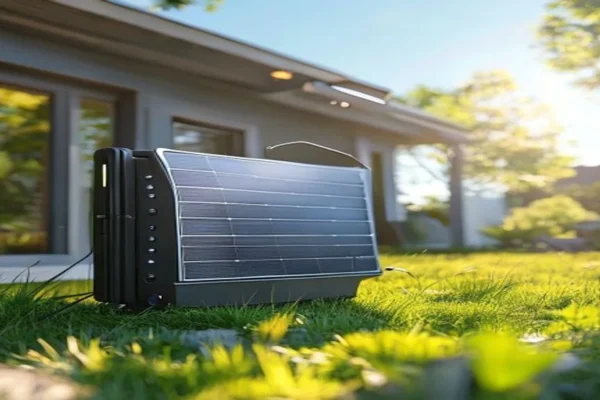
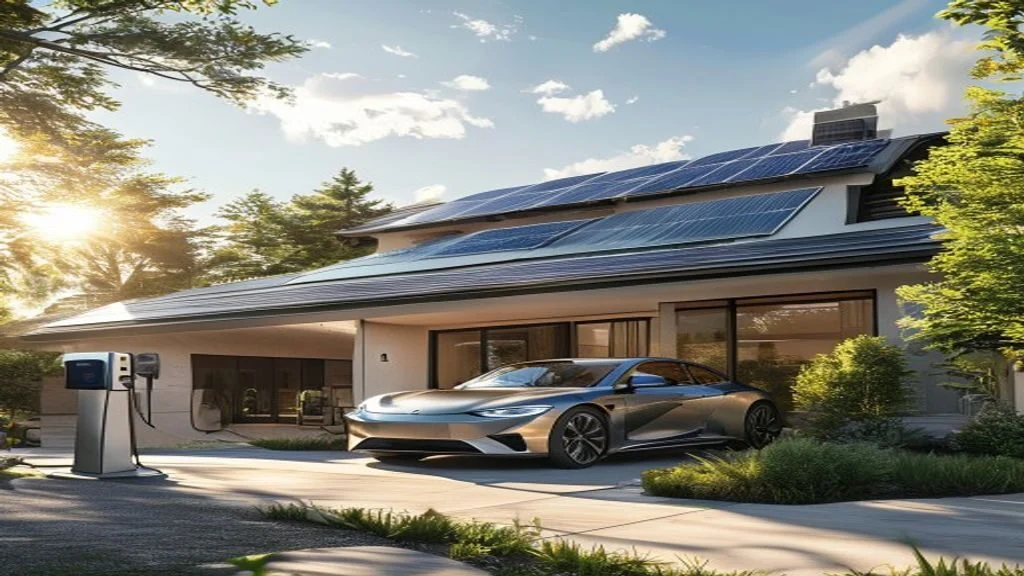
If you already have or are considering solar, an EV becomes far cheaper to run — you’re effectively fuelling from your roof. Charging during the day on surplus solar production can cut the marginal cost of driving close to zero, and several smart chargers can be configured to charge only on excess solar. Sizing matters: an EV adds roughly 3,000–4,000 kWh a year to household usage, which is a meaningful bump when specifying a system. See how many solar panels you need and whether solar is worth it.
Whatever you install, remember that the cheapest kilowatt-hour is the one you never buy — see our guide to lowering your electric bill before adding a large new load to the house.
Frequently Asked Questions
The Bottom Line
Home charging is the main reason running an EV is cheap. A Level 2 charger costs $800–$2,500 installed, and at about $5 per 100 miles it typically repays that within a year or two of avoided public-charging costs — while giving you a full battery every morning.
Get an electrician to check your panel first, choose a 40–48A smart charger with the right connector for your car, budget for permits, and set it to charge off-peak. And be aware that the federal 30C credit expired on 30 June 2026 — despite what many older articles still claim — so build your budget around state and utility rebates instead.
EV home charging in one line
Costs are US averages and vary by state, home and installer; confirm current incentives before purchasing.
You May Also Like

Do Smart Thermostats Really Save Money? (Honest Answer)

Spray Foam Insulation: Cost, Pros, Cons & Alternatives (2026)
Lithium vs Lead-Acid Solar Batteries: Which Is Best? (2026)