Best Portable Power Station 2026: EcoFlow vs Jackery vs Anker vs Bluetti

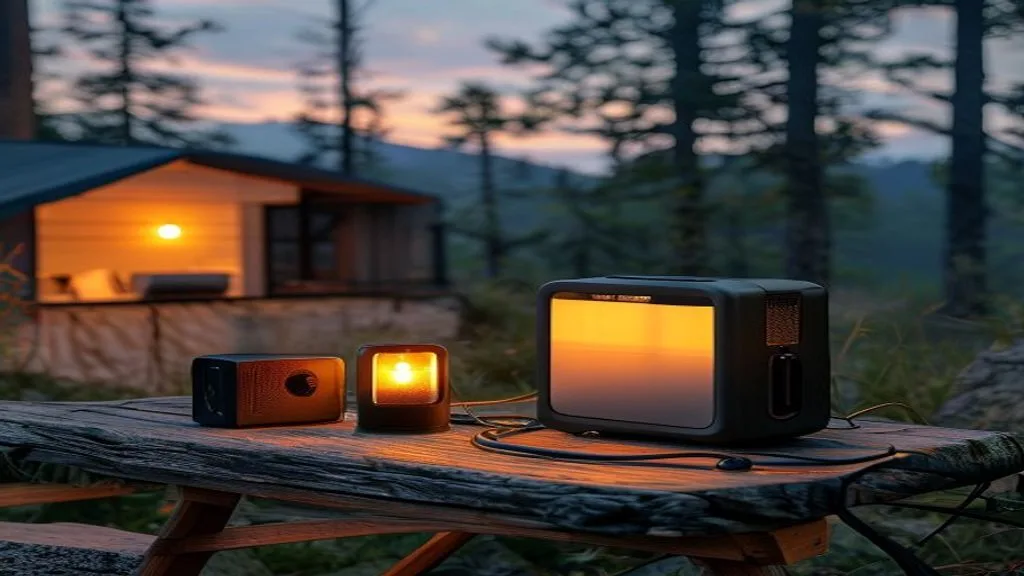
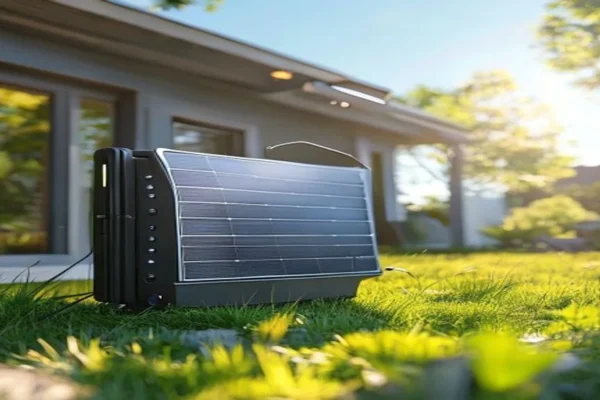
The best portable power station for most people in 2026 is the EcoFlow Delta 3 Plus — it pairs a 1,024Wh battery (expandable to 5,120Wh), a fast-charging LiFePO4 pack rated for 4,000 cycles, and the widest port selection in its class. But the “best” unit depends on what you’re powering: the Anker SOLIX C1000 charges fastest, the Jackery Explorer 1000 v2 is the simplest and lightest, and Bluetti offers the best value. Below we compare all four brands on real specs, charging, durability and price.
Quick answer: our 2026 picks
How to Choose a Portable Power Station
Before comparing brands, it helps to know the six specs that actually matter. Ignore the marketing and look at these.
- Capacity (Wh) — how much energy it stores, and so how long it runs your gear. 500Wh charges phones and laptops for a weekend; 1,000Wh runs a mini-fridge for ~10–14 hours; 3,000Wh+ backs up a home for a day or more.
- Inverter output (W) — the biggest device it can run at once. A 1,500W unit handles most electronics; you need 1,800–2,000W+ for a full-size fridge, microwave or power tools.
- Battery chemistry — LiFePO4 (LFP) is the standard now: 3,000–4,000+ charge cycles and safer than the older NMC lithium (~800–1,000 cycles). All four brands here use LFP in their current models.
- Recharge speed — how fast it refills from a wall outlet or solar. Fast AC charging (1,500W+) means a full top-up in under an hour; solar input matters for off-grid use.
- Expandability — whether you can bolt on extra battery packs later. Only EcoFlow (in this group) lets you grow a 1kWh unit toward whole-home capacity.
- Weight & ports — how easy it is to carry, and whether it has enough AC outlets and USB-C ports for your devices.
Watt-hours vs watts — the one thing people mix up
EcoFlow vs Jackery vs Anker vs Bluetti: Full Spec Comparison
Here are the four leading ~1,000Wh models head-to-head — the most popular size for camping, RVs and home backup. All four use LiFePO4 batteries with a 5-year warranty.
| Spec | EcoFlow Delta 3 Plus | Anker SOLIX C1000 Gen2 | Jackery Explorer 1000 v2 | Bluetti AC180 |
|---|---|---|---|---|
| Capacity | 1,024 Wh | 1,024 Wh | 1,070 Wh | 1,152 Wh |
| Expandable to | 5,120 Wh | Not expandable | Not expandable | Not expandable |
| Inverter (continuous) | 1,800 W | 2,000 W | 1,500 W | 1,800 W |
| Peak surge | 3,600 W | 3,000 W | 3,000 W | 2,700 W |
| AC charge speed | 1,500 W (~0.8 hr) | 1,600 W (~49 min) | 700 W (~1.8 hr) | 1,440 W (~1 hr) |
| Solar input | 1,000 W | 600 W | 400 W | 500 W |
| Battery cycles (to 80%) | 4,000 | 3,000 | 3,000 | 3,000 |
| UPS switchover | 10 ms | 10 ms | 20 ms | 20 ms |
| AC outlets | 6 | 5 | Multiple | 4 |
| Weight | 27.6 lbs | 24.9 lbs | 23.8 lbs | 36.2 lbs |
| Warranty | 5 years | 5 years | 5 years | 5 years |
| Comparison score | 68/100 | 66/100 | 59/100 | 67/100 |
The gap in charging speed is the single biggest practical difference. The Anker SOLIX C1000 Gen 2 and EcoFlow Delta 3 Plus refill in well under an hour, while the Jackery Explorer 1000 v2 takes nearly two hours from the wall — a real drawback during a short grid window in an outage.
What Size Power Station Do You Need?
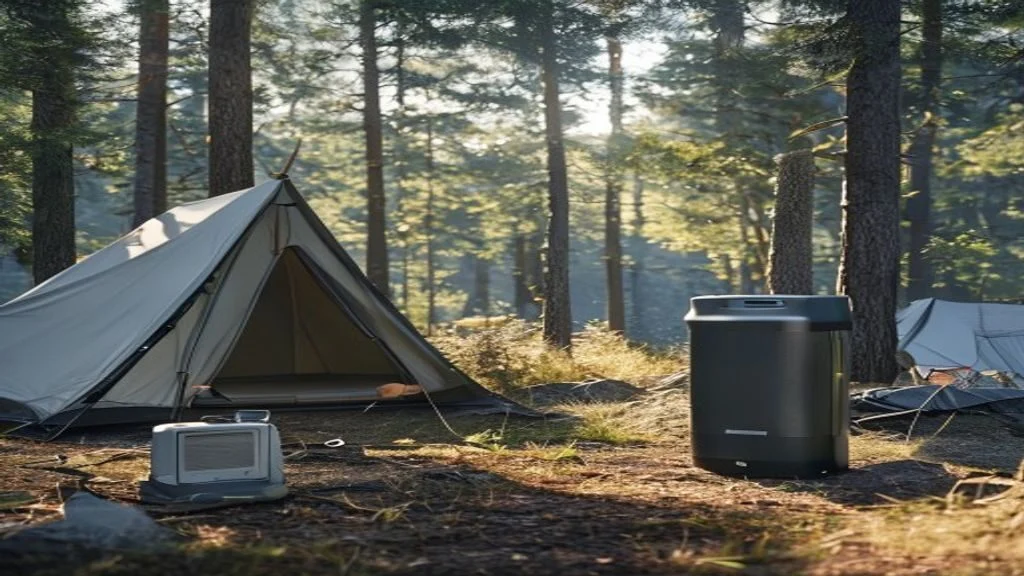
Match the capacity to the job. Bigger isn’t always better — a 3,000Wh unit is heavy and expensive overkill if you only charge devices. Here’s a rough guide to what each tier runs and what it costs.
| Capacity | Best for | Runs | Typical price |
|---|---|---|---|
| 300–500 Wh | Day trips, phones/laptops | Phone ~30x, laptop ~6–8x, lights | $200–$400 |
| 700–1,000 Wh | Camping, CPAP, short outages | Mini-fridge ~10–14 hrs, CPAP 1–2 nights | $400–$700 |
| 1,000–2,000 Wh | RVs, longer outages | Full fridge ~1 day, tools, TV | $700–$1,300 |
| 3,000 Wh+ | Whole-home backup | Fridge + essentials for 1–3 days | $1,500–$4,000+ |
How to size it yourself
How Long Will It Run Your Devices?
Using a typical 1,000Wh unit (about 850Wh usable after conversion losses), here’s roughly how long common devices will run.
| Device | Power draw | Runtime on ~1,000Wh |
|---|---|---|
| Smartphone | ~10 Wh/charge | 80+ charges |
| Laptop | ~50 W | 12–15 hours |
| CPAP machine | ~40 W | 1–2 nights |
| Mini-fridge | ~60 W (cycling) | 10–14 hours |
| Full-size fridge | ~150 W (cycling) | 6–10 hours |
| LED lights | ~10 W | 80+ hours |
| TV (LED, 50″) | ~90 W | 8–9 hours |
| Microwave (1,000W) | 1,000 W | ~45 min (needs 1,800W+ inverter) |
| CPAP + phone + lights | ~60 W | 12–14 hours |
Brand-by-Brand: Strengths & Weaknesses
EcoFlow — best all-round and most expandable
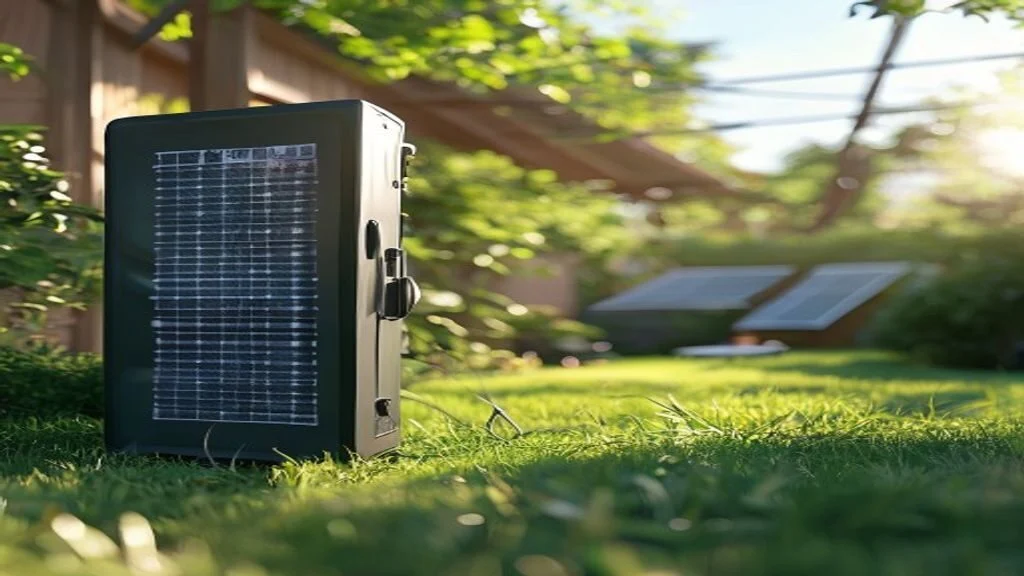
EcoFlow leads the pack in 2026. The Delta 3 Plus is the class winner: it’s the only 1kWh unit here that expands (to 5,120Wh), it has the fastest solar input (1,000W), the longest-lived battery (4,000 cycles), the most ports, and a 10ms UPS for seamless outage backup. For whole-home needs, the Delta Pro 3 adds 120/240V output. EcoFlow’s app is polished and its charging is genuinely fast.
Pros
- Expandable to whole-home capacity
- Fastest solar input (1,000W)
- Longest battery life (4,000 cycles)
- Most outlets + 10ms UPS
Cons
- Pricier than value brands
- App occasionally needed for full control
Anker — fastest charging and most compact
Anker’s SOLIX C1000 Gen 2 holds a Guinness-verified record for the fastest full recharge in its class — roughly 49 minutes — and packs the highest continuous output here (2,000W) into the second-lightest body (24.9 lbs). The trade-off: this generation drops the expandable-battery option of the original C1000. If you want the quickest top-ups and highest output in a grab-and-go size, Anker wins.
Pros
- Record-fast ~49-minute recharge
- Highest output (2,000W continuous)
- Compact and light (24.9 lbs)
- Reliable LiFePO4, strong build
Cons
- Not expandable (Gen 2)
- Fewer AC outlets than EcoFlow
Jackery — simplest and most beginner-friendly
Jackery is the most recognisable name and the easiest to live with. The Explorer 1000 v2 is the lightest here (23.8 lbs), dead simple to use, and now uses a LiFePO4 battery (a big upgrade over older NMC Jackerys). The catch is slow charging — about 1.8 hours from the wall and modest 400W solar input — and no expandability. Perfect for casual campers who value plug-and-play simplicity over cutting-edge specs.
Pros
- Lightest 1kWh unit (23.8 lbs)
- Simplest, most intuitive to use
- Trusted brand, good support
- Now LiFePO4 (3,000 cycles)
Cons
- Slow AC charging (~1.8 hrs)
- Lowest solar input (400W)
- Lower inverter output (1,500W)
Bluetti — best value and most capacity per dollar
Bluetti consistently offers the most watt-hours for the money. The AC180 packs the largest battery in this group (1,152Wh) plus a wireless charging pad and app control, typically at a lower price than EcoFlow or Anker. It’s heavier (36.2 lbs) and charges a touch slower, but for buyers who want maximum stored energy per dollar, Bluetti is the value pick. The larger Elite 200 v2 steps up for off-grid and home-backup use.
Pros
- Most capacity per dollar
- Largest battery here (1,152Wh)
- Wireless charging pad + app
- Strong LiFePO4 durability
Cons
- Heaviest unit (36.2 lbs)
- Slightly slower recharge
- Not expandable (AC180)
Which Portable Power Station Should You Buy?
Pick by your primary use, not by brand loyalty:
| Your situation | Best pick | Why |
|---|---|---|
| Best all-rounder / future-proof | EcoFlow Delta 3 Plus | Expandable, best ports, 4,000 cycles |
| Fastest charging in an outage | Anker SOLIX C1000 Gen 2 | ~49-min recharge, 2,000W output |
| Simple camping & emergencies | Jackery Explorer 1000 v2 | Lightest, easiest to use |
| Most energy for the money | Bluetti AC180 | Largest battery, lowest cost/Wh |
| Whole-home multi-day backup | EcoFlow Delta Pro 3 | 120/240V, expandable to multi-day |
| Just phones & laptops | 300–500Wh unit (any brand) | Lighter and cheaper — don’t overbuy |
Frequently Asked Questions
The Bottom Line
In 2026 the portable power station market has matured: every leading brand now uses long-life LiFePO4 batteries with 5-year warranties, so the decision comes down to charging speed, expandability, ports and price. For the best overall package, the EcoFlow Delta 3 Plus is our top pick — expandable, fast-charging, and built to last 4,000 cycles.
If your priority is different, the choice is easy: Anker SOLIX C1000 for the fastest charging and highest output, Jackery Explorer 1000 v2 for the simplest, lightest experience, and Bluetti AC180 for the most stored energy per dollar. Whatever you pick, size it to your actual loads — a 1,000Wh unit covers most camping and outage needs, while whole-home backup calls for an expandable 3,000Wh+ system.
Setting up backup or off-grid power? See our guides to the best power stations for home backup, solar panels for off-grid living, and solar battery storage to build a complete system.
2026 picks in one line
Specifications and prices change frequently — always confirm the current model and price before buying.
You May Also Like
Do Smart Thermostats Really Save Money? (Honest Answer)

Spray Foam Insulation: Cost, Pros, Cons & Alternatives (2026)
Lithium vs Lead-Acid Solar Batteries: Which Is Best? (2026)