Planning Rural Sheds Australia: A-Line Building Systems Guide

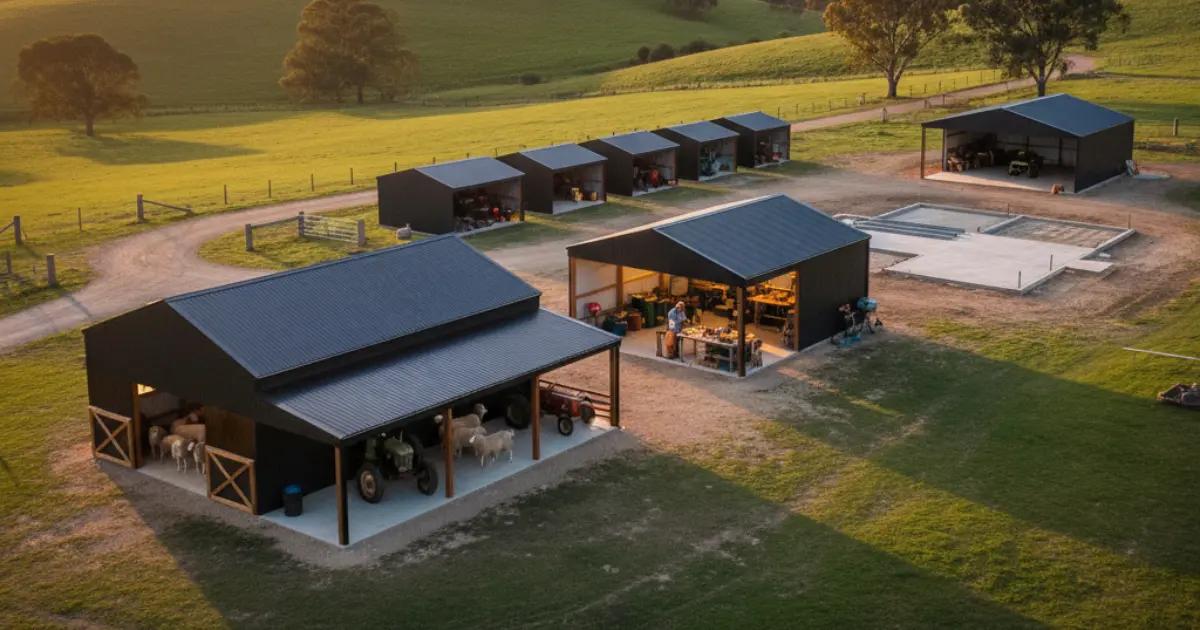
When planning rural sheds Australia property owners face unique challenges that urban builders never encounter—from remote access issues and varying soil conditions to complex council regulations that differ dramatically across states. Whether you’re establishing a machinery storage facility, livestock shelter, or multi-purpose farm building, understanding the specific requirements for rural shed construction can mean the difference between a smooth project and costly delays. This comprehensive guide walks you through every critical consideration when planning your rural shed, with particular focus on how experienced rural shed builders Australia like A-Line Building Systems navigate these challenges to deliver exceptional results for property owners across the continent.
What Makes Rural Sheds Different from Urban Builds
Rural shed construction presents fundamentally different challenges compared to suburban or urban building projects. The isolation factor alone creates logistical complexities that urban builders rarely face—delivery trucks navigating unsealed roads, limited access to utilities, and the need for self-sufficient construction approaches that don’t rely on nearby infrastructure.
The scale of rural sheds typically exceeds residential garage dimensions significantly. Farm shed planning requirements often involve structures spanning 15 to 30 meters or more, designed to accommodate large machinery, hay storage, livestock housing, or workshop facilities. These larger footprints require more substantial engineering, particularly in areas prone to cyclonic winds, bushfire risk, or seismic activity.
Environmental exposure represents another critical distinction. Rural sheds face unobstructed wind loads, intense UV exposure without surrounding structures for shade, and often extreme temperature fluctuations. The materials and design must account for these harsher conditions, requiring higher-grade steel, superior corrosion resistance, and engineering that exceeds standard residential specifications.
Soil variability across rural properties creates foundation challenges rarely encountered in developed areas. Where urban sites typically feature relatively consistent, tested ground conditions, rural properties may have reactive clay in one section, sandy loam in another, and rock outcrops elsewhere—all within the proposed building footprint. This variability demands thorough geotechnical assessment and flexible foundation solutions.
Pre-Planning Checklist: Is Your Property Shed-Ready?
Before engaging builders or submitting permit applications, rural property owners should conduct a systematic assessment of their land’s readiness for shed construction. This preliminary evaluation saves time, prevents costly surprises, and ensures realistic project planning from the outset.
Start by identifying your intended shed location and measuring the available space. Consider not just the building footprint but also the clearance required for construction equipment, material storage during the build, and future operational needs. A machinery shed needs adequate maneuvering space for large equipment, while a livestock shelter requires consideration of animal movement patterns and drainage away from housing areas.
Evaluate existing access routes to your proposed site. Can concrete trucks reach the location? Will steel delivery vehicles navigate your driveway and internal farm tracks? Many rural shed projects encounter unexpected costs when access improvements become necessary—widening gates, reinforcing creek crossings, or clearing vegetation to create delivery paths.
Assess utility availability and requirements. Does your shed need electrical power, water supply, or telecommunications connectivity? The distance from existing services to your proposed shed location directly impacts connection costs. Some rural property owners discover that running power 500 meters to a remote shed location costs more than the building itself.
Document existing site conditions through photographs and notes. Record current drainage patterns, vegetation that may require removal, existing structures that might affect placement, and any obvious ground features like rock outcrops or wet areas. This documentation proves invaluable when discussing your project with builders and engineers.
Consider seasonal factors and timing. Some rural areas become inaccessible during wet seasons, while others face bushfire restrictions during summer months. Understanding these constraints helps establish realistic construction timelines and may influence your decision about when to commence the project.
Boundary Setbacks and Easements
Rural properties often have less restrictive setback requirements than urban lots, but they’re not without limitations. Check your property title for registered easements—these legal rights-of-way may restrict building in certain areas regardless of council regulations. Common easements include pipeline corridors, electricity transmission lines, and access routes for neighboring properties.
Even without formal easements, practical considerations may dictate setbacks. Building too close to boundary fences can create maintenance access issues, complicate future fence repairs, and potentially strain neighbor relations. Most experienced rural shed builders recommend maintaining at least a 3-meter setback from boundaries where possible, even when regulations permit closer placement.
Council Approvals and Building Permits for Rural Sheds
Navigating australian shed building permits requires understanding that regulations vary significantly between states, councils, and even specific rural zones within the same local government area. What’s exempt in one region may require full development approval in another, making blanket advice unreliable without specific local knowledge.
In New South Wales, planning rural sheds australia nsw regulations generally allow farm buildings as exempt development under certain conditions—typically when used for farming purposes on land zoned for agriculture. However, size limits, setback requirements, and height restrictions apply. Sheds exceeding 200 square meters often trigger certification requirements even when development consent isn’t needed.
Victorian regulations present different considerations. Residential shed regulations Victoria distinguish between farm sheds on agricultural land and residential sheds on rural-residential blocks. The shed size without permit Victoria threshold typically sits at 10 square meters for residential properties, though farm sheds on working agricultural land enjoy more generous exemptions. Always verify current shed size without permit Victoria PDF documentation from your local council, as these thresholds update periodically.
Western Australian property owners face shed regulations WA that emphasize bushfire attack level (BAL) ratings in many rural areas. Sheds in bushfire-prone zones require specific construction standards, materials ratings, and sometimes defendable space clearances that significantly impact design and cost. The WA planning system also considers Aboriginal heritage sites, with some rural areas requiring heritage surveys before development approval.
Queensland’s building regulations for rural sheds focus heavily on cyclone ratings in northern regions and flood resilience in areas with inundation history. The state’s development assessment process may require hydraulic modeling for sheds in flood-prone areas, adding both time and cost to approval processes.
Regardless of location, engaging with your local council early proves invaluable. Many councils offer pre-lodgment meetings where planning officers provide guidance on likely approval pathways, potential issues, and required documentation. This investment of time upfront prevents costly redesigns after formal application submission.
The Compliance Consequences
Some property owners consider bypassing approval processes entirely, but the risks far outweigh any perceived savings. The penalty for living in a shed in Australia serves as a stark example—councils actively enforce regulations against unauthorized habitation, with fines reaching tens of thousands of dollars and potential orders to remove or modify structures. Even sheds not used for habitation face compliance action when built without required permits.
Unapproved structures create problems beyond immediate penalties. They complicate property sales, as conveyancing solicitors identify unauthorized improvements during title searches. Insurance companies may refuse claims related to non-compliant buildings, leaving owners financially exposed. Banks sometimes decline lending against properties with unauthorized structures, affecting both purchase financing and equity access.
Site Assessment: Ground Conditions and Foundation Requirements
Professional site assessment forms the foundation—literally—of successful rural shed construction. The ground beneath your shed determines structural integrity, longevity, and ultimately whether your investment stands strong for decades or develops costly problems within years.
Soil classification drives foundation design. Reactive clay soils expand and contract with moisture changes, creating movement that can crack concrete slabs and distort structural frames. Sandy soils may offer excellent drainage but limited bearing capacity, requiring wider footings to distribute loads. Rocky ground provides exceptional bearing strength but increases excavation costs and may require specialized equipment for pier installation.
Geotechnical testing removes guesswork from foundation planning. A qualified geotechnical engineer cores soil samples, conducts bearing capacity tests, and assesses reactivity classifications. Their report specifies appropriate foundation types, required depths, and any special measures needed for your specific ground conditions. While this testing adds upfront cost, it prevents far more expensive foundation failures later.
Slope and drainage patterns significantly impact site preparation costs. Building on sloping ground may require cut-and-fill earthworks to create a level pad, with associated costs for excavation, retaining walls, and drainage systems. Even gentle slopes need consideration—water must drain away from your shed, not pool against walls or flow through doorways during heavy rain.
Experienced rural shed builders Australia like those at Aussie sheds from A-Line Building Systems conduct thorough site assessments before quoting, ensuring foundation recommendations match actual ground conditions rather than assumptions. This diligence prevents the all-too-common scenario where construction begins only to discover unsuitable soil requiring expensive foundation redesign.
Foundation Options for Rural Conditions
Rural sheds typically utilize one of several foundation approaches, each suited to different ground conditions and structural requirements. Concrete slab foundations provide a clean, level floor ideal for workshops and machinery storage, but require stable, non-reactive soil or extensive ground preparation including moisture barriers and compacted fill.
Pier and beam foundations suit reactive soils and sloping sites, elevating the structure above ground movement. Steel or concrete piers extend to stable soil depth, supporting a structural frame that remains independent of surface soil movement. This approach costs more than slab foundations but proves more economical than the extensive ground preparation reactive soils would otherwise require.
Strip footings represent a middle ground, supporting wall loads through continuous concrete beams while allowing a compacted gravel or earth floor. This economical option suits storage sheds where a sealed floor isn’t essential, though it can be combined with a concrete slab poured after the structure is complete.
Access and Delivery Considerations for Remote Properties
The romance of rural property ownership sometimes collides with the practical reality of getting building materials to remote locations. Access logistics significantly impact both project feasibility and cost, making early assessment essential for accurate budgeting and realistic scheduling.
Standard semi-trailers carrying steel frames and roofing materials measure 19 meters long and require turning circles that many rural driveways can’t accommodate. Assess your access route from public roads to the building site, noting gate widths, overhead clearances (power lines, tree branches), bridge or culvert load ratings, and turning areas. A site that seems easily accessible in a farm ute may prove challenging for a 40-foot delivery truck.
Seasonal access restrictions affect many rural properties. Unsealed roads that handle light traffic during dry months become impassable bogs after heavy rain. Creek crossings that pose no issue in summer may run too deep for safe crossing during winter. These seasonal variations must inform construction scheduling—there’s little point planning a winter build if concrete trucks can’t reach your site from June through August.
Some remote properties require creative delivery solutions. Smaller loads transported on rigid trucks rather than semi-trailers, materials staged at accessible locations then shuttled to site on farm equipment, or even helicopter delivery for truly inaccessible locations (though this dramatically increases costs). Discussing access constraints with your builder early allows them to plan appropriate delivery strategies.
Consider construction equipment access alongside material delivery. Concrete pumps, cranes for steel erection, and earthmoving equipment all need site access. A location that seems fine for material delivery might prove impossible for the crane needed to lift roof trusses into place. Professional builders conduct site visits specifically to assess equipment access, but property owners should flag any known constraints during initial discussions.
Improving Access for Construction
When existing access proves inadequate, property owners face decisions about improvement investments. Widening gates, reinforcing creek crossings, or grading access tracks adds cost but may prove essential for project completion. Some improvements offer ongoing value—a reinforced creek crossing serves the property long after shed construction finishes—while others like temporary track widening provide only construction-phase benefits.
Discuss access improvement costs with your builder early in planning. Some builders include basic access preparation in their quotes, while others treat it as owner responsibility. Clarifying these expectations prevents disputes and budget surprises during construction.
Why A-Line Building Systems for Australian Rural Sheds
Selecting the right builder for your rural shed project determines whether you enjoy a smooth, professional experience or endure a frustrating journey of delays, cost overruns, and quality compromises. A-Line Building Systems has built a reputation across rural Australia for delivering exceptional sheds that withstand harsh conditions while meeting the specific needs of agricultural and rural property owners.
Their engineering expertise addresses the unique challenges rural properties present. Where generic shed companies apply one-size-fits-all designs, A-Line engineers each structure for specific site conditions—accounting for local wind ratings, soil characteristics, and operational requirements. This custom approach ensures your shed meets both regulatory requirements and practical needs without over-engineering (and over-spending) on unnecessary specifications.
Material quality separates A-Line from budget competitors. Their use of BlueScope steel with superior corrosion resistance proves particularly valuable in rural environments where salt-laden coastal winds, agricultural chemicals, and livestock waste create corrosive conditions that quickly degrade inferior materials. The initial investment in quality materials pays dividends through decades of low-maintenance service.
Project management capabilities matter enormously for rural builds where logistics complexity can derail timelines. A-Line’s experience coordinating remote construction—managing delivery schedules, equipment access, and trades coordination—ensures projects progress efficiently even when site conditions challenge less experienced builders. Their established relationships with suppliers and subcontractors across rural Australia facilitate smoother project execution than newcomers to regional construction can achieve.
The warranty and after-sales support A-Line provides offers peace of mind particularly valuable for rural property owners. When issues arise—and even with the best construction, occasional adjustments prove necessary—having a builder who responds promptly and honors commitments makes all the difference. Rural property owners can’t afford builders who disappear after final payment, leaving them to resolve problems alone.
Design Flexibility for Rural Applications
Rural sheds serve diverse purposes that standard residential garages never encounter. A-Line’s design flexibility accommodates everything from simple machinery storage to complex multi-use facilities combining workshop space, livestock housing, and equipment maintenance areas. Their willingness to customize designs—adding mezzanine storage, incorporating livestock handling facilities, or creating drive-through configurations for efficient machinery access—ensures your shed matches your operational needs rather than forcing you to adapt operations to a generic structure.
This customization extends to aesthetic considerations. While functionality drives most rural shed decisions, many property owners appreciate buildings that complement existing structures and landscape character. A-Line offers color selections, roof pitches, and architectural details that create visually appealing structures without sacrificing the durability and practicality rural applications demand.
Common Mistakes Rural Property Owners Make (And How to Avoid Them)
Learning from others’ mistakes proves far less expensive than making them yourself. Rural shed projects frequently encounter predictable problems that careful planning prevents. Understanding these common pitfalls helps property owners avoid costly errors.
Underestimating size requirements ranks among the most frequent mistakes. Property owners calculate current storage needs without considering future expansion, equipment upgrades, or changing operational requirements. A shed that seems adequately sized during planning often proves cramped within years. Experienced rural property owners recommend building at least 20% larger than current needs indicate—the marginal cost of additional size during construction proves far less than building a second shed later.
Neglecting door sizing and placement creates ongoing frustration. Doors sized for current equipment may not accommodate future machinery purchases. A single large door might seem economical but creates inefficient access when you need to retrieve items from the back while other equipment blocks the entrance. Multiple access points and generous door dimensions provide operational flexibility worth the modest additional investment.
Inadequate floor planning causes problems ranging from water pooling to cracked concrete. Floors need proper fall for drainage—typically 1:100 minimum—directing water toward doorways or drainage points. Concrete slabs require appropriate thickness for intended loads, proper reinforcement, and control joints to manage cracking. Skimping on floor specifications to save money during construction leads to expensive repairs and operational headaches later.
Ignoring future utility needs proves shortsighted. Installing electrical conduits, water supply lines, and telecommunications infrastructure during construction costs a fraction of retrofitting later. Even if you don’t need three-phase power or high-speed internet currently, installing conduits during construction provides inexpensive future-proofing. Many rural property owners regret not including these provisions when their operational needs evolve.
Choosing builders based solely on price rather than value creates the most expensive mistakes. The cheapest quote often reflects inferior materials, inadequate engineering, or hidden costs that emerge during construction. Comparing quotes requires understanding what each includes—foundation specifications, material grades, engineering certification, warranty terms, and project management services. The lowest price rarely represents the best value when total ownership costs over decades are considered.
The False Economy of DIY Rural Sheds
Some property owners consider DIY shed construction to save money, but this approach carries significant risks in rural contexts. Engineering requirements for larger rural sheds exceed typical DIY capabilities—structural calculations for wind loads, foundation design for specific soil conditions, and compliance with building codes require professional expertise. Insurance companies and councils increasingly scrutinize owner-built structures, potentially denying coverage or requiring expensive retrospective certification.
Professional builders also provide efficiency that DIY efforts can’t match. What takes experienced crews days to complete might consume weeks of owner time, with results that may not meet professional standards. For most rural property owners, the opportunity cost of time diverted from productive farm work exceeds any savings from DIY construction.
Timeline: From Planning to Completion with A-Line
Understanding realistic project timelines helps rural property owners plan around seasonal constraints, operational needs, and financial considerations. While every project differs based on size, complexity, and site conditions, typical rural shed construction with A-Line follows a predictable progression.
The initial consultation and site assessment phase typically spans 1-2 weeks. This includes your first contact with A-Line, preliminary discussions about requirements and budget, and scheduling a site visit. During this visit, their team assesses access, ground conditions, and site-specific factors that influence design and costing. This early investment in thorough assessment prevents problems that plague projects built on assumptions rather than facts.
Design development and engineering take 2-4 weeks depending on project complexity. Simple storage sheds with standard specifications move quickly through this phase, while custom multi-use facilities requiring specialized engineering take longer. This phase produces detailed plans, engineering calculations, and specifications that form the basis for both council submissions and construction.
Council approval timelines vary dramatically between jurisdictions and project types. Exempt development or complying development pathways may require only days for certification, while full development applications can take 6-12 weeks or longer. A-Line’s experience with rural council processes helps navigate this phase efficiently, but property owners should budget adequate time for approvals rather than pressuring unrealistic timelines.
Manufacturing and delivery scheduling typically requires 4-8 weeks once orders are confirmed. Steel fabrication, roofing material preparation, and component manufacturing follow established production schedules. Rural deliveries may require additional coordination time, particularly for remote properties or during peak agricultural seasons when road access becomes constrained.
Site preparation and foundation work duration depends heavily on ground conditions and required earthworks. Simple slab foundations on good ground may take only days, while extensive cut-and-fill operations, retaining walls, or complex pier foundations can require several weeks. Weather significantly impacts this phase—rain delays concrete work, while extreme heat affects curing times.
Structural erection for typical rural sheds takes 1-3 weeks. A-Line’s experienced crews work efficiently, but rushing this critical phase compromises quality. Proper alignment, secure connections, and attention to detail during erection determine long-term structural performance. Weather again influences this timeline—high winds prevent safe work at heights, while rain makes steel slippery and dangerous.
Final completion including doors, gutters, downpipes, and any internal fitout adds another 1-2 weeks. This finishing phase transforms the basic structure into a fully functional building. Quality builders like A-Line don’t rush this stage—proper door adjustment, secure gutter installation, and thorough cleanup reflect professional pride in completed work.
Seasonal Timing Considerations
Strategic timing of rural shed construction can significantly impact both cost and convenience. Building during quieter agricultural periods allows property owners to focus attention on the project without competing operational demands. Avoiding wet seasons prevents access problems and weather delays, though this varies by region—northern Australia’s wet season differs dramatically from southern winter rainfall patterns.
Some property owners time construction to capture tax benefits, completing projects before financial year-end to claim deductions. Others coordinate with planned equipment purchases, ensuring new machinery has appropriate housing upon arrival. Discussing timing preferences with A-Line during initial planning helps align construction schedules with your broader property management strategy.
Cost Factors for Rural Shed Construction
Understanding rural property shed costs requires recognizing the multiple variables that influence final investment. While property owners naturally want definitive pricing early in planning, accurate costing depends on specifications that only emerge through the design process. However, understanding cost drivers helps establish realistic budgets and make informed decisions throughout planning.
Size represents the most obvious cost factor—larger sheds require more materials, more labor, and more complex engineering. However, cost per square meter typically decreases as size increases, making larger sheds more economical on a unit-area basis than small structures. This economy of scale explains why building one large shed often costs less than constructing two smaller buildings with equivalent total area.
Structural specifications significantly impact costs. Higher wind ratings require heavier steel sections, more robust connections, and stronger foundations. Cyclone-rated sheds in northern Australia cost substantially more than equivalent structures in temperate regions with lower wind loads. Similarly, bushfire attack level requirements increase costs through mandated materials, clearances, and construction details.
Foundation requirements vary dramatically based on soil conditions. Simple slab foundations on stable ground represent the most economical option, while reactive soils requiring extensive ground preparation or pier foundations increase costs substantially. Sloping sites needing cut-and-fill earthworks, retaining walls, or stepped foundations add further expense. This variability explains why thorough site assessment proves essential for accurate costing.
Customization and additional features affect pricing predictably. Standard shed configurations cost less than custom designs requiring specialized engineering. Additional roller doors, windows, insulation, internal partitions, mezzanine floors, and specialized finishes all increase investment. However, these features often provide value far exceeding their cost through improved functionality and operational efficiency.
Access and delivery costs vary with property remoteness. Sheds located near major regional centers with good sealed road access incur minimal delivery premiums, while remote properties requiring special delivery arrangements or access improvements face additional charges. Discussing your specific location with A-Line during initial consultation provides clarity on any location-based cost factors.
Timing can influence costs through material price fluctuations and builder availability. Steel prices vary with global commodity markets, while builder scheduling affects project timing. Booking during quieter periods sometimes offers more flexible scheduling, though reputable builders like A-Line maintain consistent pricing rather than discounting quality.
Investment vs. Expense Perspective
Viewing rural shed construction as investment rather than expense changes decision-making frameworks productively. A well-designed, properly constructed shed adds tangible value to rural properties—protecting expensive equipment from weather damage, improving operational efficiency, and providing secure storage that reduces losses from theft or deterioration. These benefits deliver ongoing returns that justify quality construction investment.
Financing options make quality sheds accessible without requiring full upfront payment. Many rural property owners utilize equipment finance, farm development loans, or property equity to fund shed construction, spreading costs over time while immediately enjoying the benefits. Discussing financing with your accountant or financial advisor helps structure shed investment tax-efficiently while managing cash flow appropriately.
Getting Started: Your Free Consultation with A-Line
Transforming rural shed ideas into reality begins with a simple conversation. A-Line Building Systems offers free consultations that provide property owners with expert guidance, realistic cost expectations, and clear pathways forward—without obligation or pressure.
During your initial consultation, A-Line’s team listens to your requirements, operational needs, and budget parameters. They ask questions that clarify your priorities—is maximizing storage capacity most important, or does workshop functionality take precedence? Do you need immediate construction or are you planning for future development? Understanding these factors allows them to provide relevant guidance rather than generic information.
The site visit component of consultation proves invaluable. Seeing your property firsthand allows A-Line’s experienced assessors to identify opportunities and constraints that phone conversations miss. They evaluate access routes, assess ground conditions visually, and discuss placement options while standing on your actual land. This practical assessment informs realistic recommendations about feasibility, likely costs, and potential challenges.
Following consultation, A-Line provides a detailed proposal outlining recommended specifications, estimated costs, and project approach. This documentation gives you concrete information for decision-making and comparison if you’re evaluating multiple builders. Unlike vague estimates that leave room for surprise charges later, A-Line’s proposals clearly specify what’s included and what additional costs might arise from owner choices or unforeseen site conditions.
The consultation process also allows you to assess A-Line’s professionalism, communication style, and expertise. Building a rural shed represents a significant investment and multi-month relationship with your chosen builder. The consultation phase helps ensure compatibility and confidence before committing to the project.
Property owners across rural Australia have discovered that investing time in thorough planning with experienced professionals like A-Line Building Systems transforms shed construction from a daunting challenge into a manageable project with predictable outcomes. The combination of engineering expertise, quality materials, professional project management, and genuine understanding of rural property needs positions A-Line as the preferred choice for discerning property owners who value quality, reliability, and long-term value over short-term cost savings. Your rural property deserves a shed built to last decades, engineered for your specific conditions, and constructed by professionals who understand that rural Australia demands nothing less than excellence.
Frequently Asked Questions
What's the biggest shed you can build without a permit in Australia?
The maximum shed size without a permit varies significantly by state and location. In NSW, rural properties can typically build sheds up to 50m² without approval, while Victoria allows up to 10m² in some areas. When planning rural sheds Australia-wide, always check with your local council first, as rural zoning often permits larger structures than residential areas without requiring development consent.
Is it legal to live in a shed in Australia?
No, it is generally illegal to live in a shed in Australia unless it meets residential building standards and has proper council approval. Sheds built as outbuildings don’t comply with the Building Code of Australia for habitable dwellings, lacking proper insulation, ventilation, and safety features. Penalties for illegally occupying a shed can include fines up to $110,000 in some states, plus orders to vacate or demolish the structure.
Can you build your own shed in Australia?
Yes, you can build your own shed in Australia, but you must comply with local building regulations and obtain necessary permits. Owner-builders can construct sheds on their property, though structures over certain sizes require engineering certification and council approval. When planning rural sheds Australia property owners should note that while DIY construction is permitted, electrical and plumbing work must be completed by licensed professionals.
What are the common mistakes when building sheds on rural properties?
The most common mistakes include inadequate site preparation, underestimating foundation requirements for rural soil conditions, and failing to obtain proper council approvals before construction. Many rural property owners also neglect to consider access for delivery trucks, drainage patterns, and bushfire attack level (BAL) ratings. Poor planning of door placement, insufficient ventilation, and choosing inappropriate materials for the local climate can also create long-term problems.
How much does it cost to build a shed on a rural property in Australia?
Rural shed costs in Australia typically range from $50-$150 per square metre for basic farm sheds, with a standard 10m x 12m shed costing between $15,000-$35,000 including installation. Prices vary based on materials (steel vs. timber), site accessibility, foundation requirements, and customization features. Remote rural locations may incur additional delivery and installation fees of 10-30% due to distance and access challenges.
What is the 7 year building rule in NSW?
The 7 year building rule in NSW refers to the limitation period for council enforcement action on unauthorized development. If a structure has been substantially completed for more than 7 years without council intervention, enforcement action generally cannot be taken. However, this doesn’t make the building legal or compliant, and issues may arise when selling the property or making insurance claims.
Do rural sheds need to meet setback requirements from property boundaries?
Yes, rural sheds must comply with setback requirements, though these are often more generous than residential zones. Typical rural setbacks range from 10-20 metres from front boundaries and 5-10 metres from side and rear boundaries, but vary by council. When planning rural sheds Australia property owners should verify specific setback distances with their local council, as violations can result in removal orders or costly relocations.
What site preparation is needed before building a rural shed?
Essential site preparation includes clearing vegetation, leveling the ground, conducting soil testing to determine foundation requirements, and ensuring proper drainage away from the structure. Rural properties often require additional considerations like removing tree stumps, addressing slope issues, and creating stable access roads for construction vehicles. A geotechnical assessment may be necessary in areas with reactive soils or high water tables to prevent future structural problems.
Are there different building regulations for agricultural sheds versus residential sheds?
Yes, agricultural sheds classified as farm buildings often have more relaxed regulations than residential sheds, particularly regarding size limits and approval processes. Farm sheds used exclusively for agricultural purposes may qualify for exemptions or complying development pathways in many councils. However, if the shed will be used for any residential purpose, business operations, or public access, stricter residential building standards and approval processes will apply.
How do bushfire zones affect rural shed planning in Australia?
Properties in designated bushfire prone areas must comply with AS 3959 construction standards, which dictate building materials, ember protection, and clearance distances based on the Bushfire Attack Level (BAL) rating. Rural sheds in high-risk zones require non-combustible or fire-resistant materials, sealed openings, and appropriate setbacks from vegetation. These requirements significantly impact design choices and construction costs, making early consultation with council and certified bushfire consultants essential when planning rural sheds Australia-wide.
You May Also Like

Car Finance Claims Explained: Check for Hidden Costs

Water Taxi Market 2025: Sustainable Growth Forecast & Trends

Visionary Leader Impact: Howard Wilner’s Expert Insights