Hazbin Hotel Characters Guide: Powers, Relationships & More

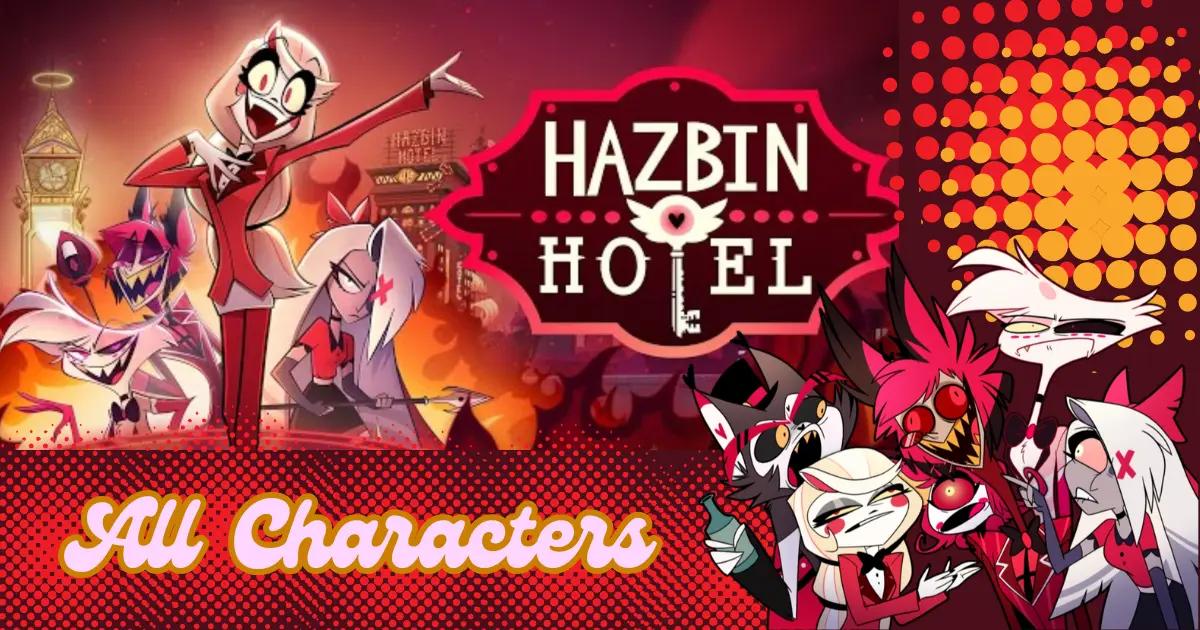
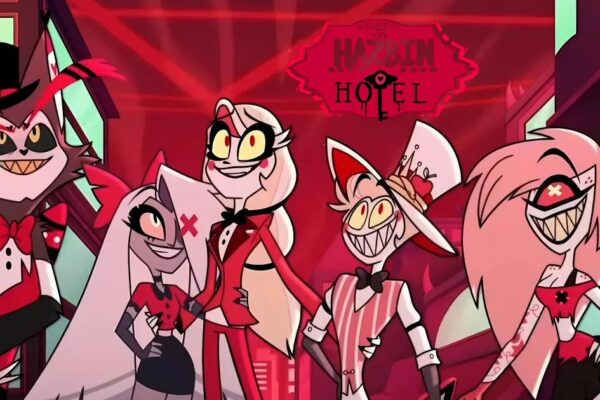
Hazbin Hotel characters have captured the hearts of millions with their complex personalities, intricate backstories, and compelling character development. This animated series, created by Vivienne “VivziePop” Medrano, introduces viewers to a diverse cast of demons, angels, and overlords residing in Hell’s chaotic landscape. Whether you’re a longtime fan seeking deeper insights into character relationships or a newcomer wanting to understand the Hazbin Hotel character list before diving into the show, this comprehensive guide covers everything from romantic entanglements to supernatural abilities, weapons, and the transformative journeys each character undergoes throughout the series.
What is Hazbin Hotel? A Brief Overview
Hazbin Hotel is an adult animated musical comedy series that premiered on Amazon Prime Video in January 2024, following a successful pilot episode released on YouTube in 2019. The show follows Charlie Morningstar, the princess of Hell, as she attempts to rehabilitate demons through her passion project—the Hazbin Hotel. The premise challenges traditional concepts of redemption by asking whether sinners can change their ways and earn a place in Heaven, even after death.
Set in a vibrant yet dangerous version of Hell, the series explores themes of redemption, identity, trauma, and the possibility of second chances. The animation style combines bold colors, expressive character designs, and Broadway-inspired musical numbers that have become signature elements of the show. What sets Hazbin Hotel apart is its willingness to tackle mature themes while maintaining dark humor and creating genuinely sympathetic characters despite their demonic nature.
The show’s universe connects with another series, Helluva Boss, also created by VivziePop, though each maintains its own distinct storyline. Both series share the same Hell setting and occasionally reference each other, creating a rich, interconnected world that fans love to explore. Understanding the Hazbin Hotel main characters and their relationships is essential to appreciating the show’s layered storytelling and emotional depth.
Main Characters of Hazbin Hotel
The core cast of Hazbin Hotel consists of residents and staff at the hotel, each bringing unique personalities, abilities, and backstories to the narrative. These Hazbin Hotel characters form the emotional heart of the series, with their interactions driving both comedic moments and dramatic story arcs. The main ensemble includes Charlie Morningstar, the optimistic hotel founder; Vaggie, her supportive girlfriend; Alastor, the enigmatic Radio Demon; Angel Dust, a spider demon working through trauma; Husk, the cynical bartender; and Niffty, the hyperactive maid.
Each character serves a specific narrative purpose while maintaining depth that extends beyond their initial archetypes. The show avoids one-dimensional characterization by revealing layers of complexity through flashbacks, musical numbers, and evolving relationships. The main characters represent different aspects of sin, redemption, and the struggle between past mistakes and future possibilities.
What makes these characters particularly compelling is their diverse representation. The series features a predominantly LGBTQ+ cast, with multiple queer relationships portrayed naturally within the narrative. Charlie and Vaggie’s relationship forms the show’s emotional anchor, while Angel Dust’s identity as a gay man dealing with exploitation adds serious dramatic weight. The show doesn’t treat these identities as plot devices but as integral aspects of who these characters are.
Charlie Morningstar – The Princess of Hell
Charlie Morningstar serves as the protagonist and driving force behind the entire Hazbin Hotel concept. As the daughter of Lucifer Morningstar and Lilith, she holds the unique position of being Hell’s princess while possessing an optimistic worldview that contradicts everything Hell represents. Unlike other demons who embrace chaos and cruelty, Charlie genuinely believes in the possibility of redemption and rehabilitation for sinners.
Charlie’s powers reflect her royal lineage, though she rarely uses them to their full potential. She possesses demonic transformation abilities, can manifest powerful pyrokinetic attacks, and has demonstrated superhuman strength when pushed to her limits. Her true form, revealed during moments of extreme emotion, showcases massive horns, red eyes, and a more intimidating presence that contrasts sharply with her usual cheerful demeanor. Despite these formidable abilities, Charlie prefers diplomacy and compassion over violence, often to the frustration of those around her.
Her character development throughout Season 1 focuses on learning to balance her idealism with the harsh realities of Hell. Charlie begins the series somewhat naive, believing that simply providing a safe space will inspire demons to change. Through various challenges and setbacks, she develops a more nuanced understanding of redemption while maintaining her core belief in second chances. Her relationship with her father, Lucifer, adds emotional complexity as she struggles with feeling abandoned while still seeking his approval.
Charlie’s weapon of choice isn’t a physical object but rather her voice and musical abilities. Her songs serve as both literal magic and metaphorical weapons, capable of inspiring others and manifesting her demonic powers. The character represents hope in a hopeless place, and her unwavering determination despite constant opposition makes her a compelling protagonist who earns viewer investment through genuine vulnerability and growth.
Vaggie – Charlie's Girlfriend and Protector
Vaggie serves as Charlie’s girlfriend, the hotel’s manager, and its most protective resident. Her character initially appears as the pragmatic counterbalance to Charlie’s optimism, often serving as the voice of reason and skepticism. However, Season 1 reveals a major twist about Vaggie’s origins that recontextualizes her entire character: she’s actually a fallen angel, specifically an exorcist who was cast out of Heaven after showing mercy to a demon child.
This revelation adds tremendous depth to Vaggie’s character and explains her fierce protectiveness of Charlie. Having experienced both Heaven’s cruelty and Hell’s chaos, Vaggie understands the stakes of Charlie’s redemption project better than anyone. Her past as an exorcist also explains her combat proficiency and strategic thinking. Vaggie wields an angelic spear as her primary weapon, a remnant from her time in Heaven that proves effective against both demons and angels alike.
Vaggie’s powers include enhanced combat skills, flight capabilities (though her wings were damaged when she fell), and knowledge of angelic weapons and tactics. Her fighting style is direct and efficient, prioritizing protection over showmanship. Unlike many characters who rely on supernatural abilities, Vaggie’s strength comes from training, discipline, and tactical awareness developed during her time as an exorcist.
Her relationship with Charlie forms the emotional core of the series. Their dynamic showcases a healthy, supportive partnership where both characters complement each other’s strengths and weaknesses. Vaggie’s character arc involves learning to trust others beyond Charlie and confronting her past when Heaven becomes directly involved in Hell’s affairs. Some viewers have speculated about whether Vaggie has autism due to her direct communication style and difficulty reading social cues, though the show hasn’t explicitly addressed this interpretation.
Alastor (The Radio Demon) – Powers and Motivations
Alastor powers rank among the most formidable in Hell, earning him the title of “The Radio Demon” and a fearsome reputation that precedes him wherever he goes. Alastor is an overlord who disappeared for seven years before suddenly appearing at the Hazbin Hotel, offering his services to help Charlie with her redemption project. His true motivations remain mysterious, adding an element of suspense and unpredictability to every scene he inhabits.
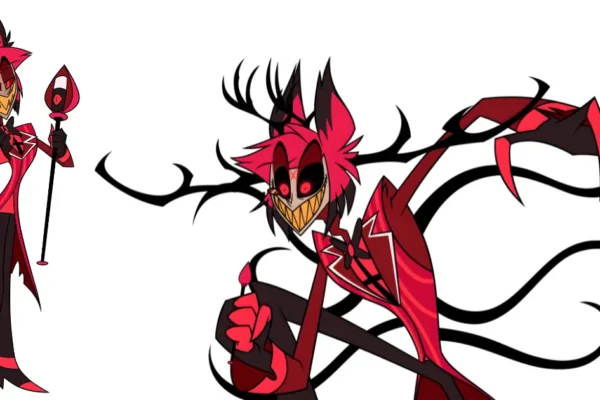
Alastor’s abilities are extensive and terrifying. He possesses reality-warping powers that allow him to manipulate his surroundings, create shadow minions, and teleport at will. His signature ability involves broadcasting his actions through radio waves, with vintage radio effects accompanying his magic. He can summon tentacles from the ground, transform his appearance into a more demonic form, and has demonstrated near-immortality through his ability to regenerate from injuries. His powers seem to draw from deals he’s made, though the full extent of these contracts remains unclear.
The Radio Demon’s weapon isn’t a traditional armament but rather his microphone staff, which serves as a conduit for his powers. The staff amplifies his abilities and appears indestructible, functioning as both a symbol of his identity and a practical tool for channeling magic. Alastor’s fighting style combines old-fashioned gentleman’s manners with brutal efficiency, often smiling wider as situations become more violent.
Character development for Alastor is subtle but significant. While he maintains his mysterious and dangerous persona, glimpses of genuine attachment to the hotel’s residents begin to emerge. His relationship with Niffty shows a protective side, while his interactions with Charlie reveal a possible interest in her success beyond mere entertainment. The show hints that Alastor himself may be bound by a deal that limits his freedom, adding vulnerability to an otherwise seemingly omnipotent character. His asexual and aromantic identity is confirmed by the creator, making him important representation within the show’s diverse cast.
Angel Dust – Character Arc and Relationships
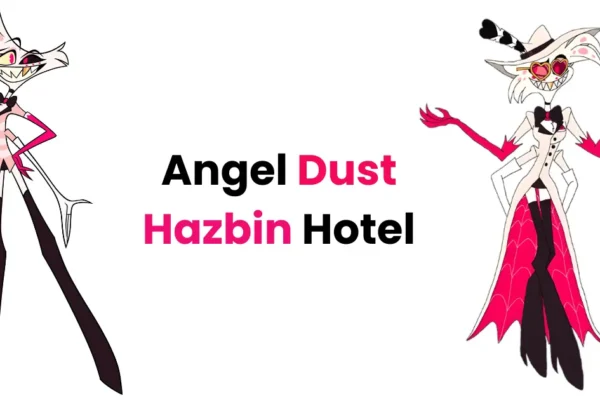
Angel Dust character represents one of the most complex and emotionally resonant arcs in Hazbin Hotel. Born Anthony in the 1940s, Angel Dust is a spider demon and the hotel’s first patient seeking redemption. His character deals with heavy themes including addiction, sexual exploitation, and trauma while maintaining a defensive facade of hypersexuality and crude humor. To answer a common question directly: Angel Dust is male, a gay man whose gender identity is consistently portrayed throughout the series.
Angel Dust’s powers stem from his spider demon physiology. He possesses four additional retractable arms, superhuman agility, and the ability to produce webbing. His combat style emphasizes acrobatics and firearms, particularly Tommy guns that match his 1940s mobster aesthetic. Despite his abilities, Angel Dust’s real battles are psychological rather than physical, as he struggles with his contract to Valentino, an abusive overlord who controls his body and career in Hell’s adult entertainment industry.
The character’s development throughout Season 1 focuses on his journey toward genuine vulnerability and connection. His relationship with Husk becomes particularly significant, as both characters recognize each other’s pain and defense mechanisms. Angel Dust’s friendship with Cherri Bomb provides another important relationship, showing his capacity for loyalty and genuine affection beneath his provocative exterior. His interactions with Charlie demonstrate his gradual belief in the possibility of change, even as he struggles with self-worth and addiction.
Angel Dust’s weapons include his signature Tommy guns, which he wields with impressive accuracy despite their vintage nature. He’s also proficient in hand-to-hand combat, using his multiple arms to overwhelm opponents. However, his greatest weapon is his wit and ability to read people, skills developed through years of survival in Hell’s entertainment industry. His character arc addresses serious issues with surprising sensitivity, making him a fan favorite who represents the show’s ability to balance dark comedy with genuine emotional depth.
Husk – The Cynical Bartender's Backstory
Husk serves as the Hazbin Hotel’s bartender, brought to the establishment by Alastor to whom he’s bound by contract. Initially presented as a grumpy, alcoholic cat demon with little interest in redemption, Husk’s character reveals deeper layers as the series progresses. His backstory reveals he was once a powerful overlord himself who gambled away his soul to Alastor in a moment of desperation, losing everything he’d built in Hell’s hierarchy.
As a former overlord, Husk possessed significant powers before his deal with Alastor. He retains some abilities including flight with his large wings, enhanced senses, and apparent immortality common to powerful demons. His most notable skill is his supernatural luck manipulation, though this power is implied to be diminished or controlled by Alastor. Husk’s expertise with card games and gambling isn’t just a character quirk but reflects his former power base built on games of chance and probability manipulation.
Husk’s weapon of choice is a deck of razor-sharp playing cards that he can throw with lethal accuracy. These cards can slice through demonic flesh and serve both offensive and defensive purposes. His fighting style is economical and practical, reflecting his cynical worldview—he fights only when necessary and prefers to end conflicts quickly. Unlike flashier characters, Husk’s combat approach emphasizes efficiency over spectacle.
His character development centers on rediscovering emotional connection after years of cynical isolation. His growing friendship and potential romantic interest in Angel Dust creates one of the show’s most compelling relationship dynamics. Both characters understand what it means to be owned by someone else, creating a foundation of mutual understanding. Husk’s journey involves learning to care again despite the pain that caring can bring, representing a different form of redemption than Charlie initially envisioned.
Niffty – The Energetic Maid
Niffty is the Hazbin Hotel’s hyperactive maid and cook, another soul owned by Alastor who was summoned to help run the establishment. Despite her small stature and one-eyed appearance, Niffty possesses boundless energy and an obsessive dedication to cleanliness that borders on manic. Her character provides comic relief while also adding unexpected darkness through her fascination with “bad boys” and her surprisingly violent tendencies when provoked.
Niffty’s powers are less combat-oriented than other characters but shouldn’t be underestimated. She possesses superhuman speed that allows her to clean entire rooms in seconds, enhanced agility that lets her scale walls and ceilings, and surprising strength for her size. Her demon form, while rarely seen, suggests greater power than her cheerful demeanor implies. Niffty’s abilities make her invaluable for hotel maintenance and surprisingly effective in combat situations despite not being a fighter by nature.
Her weapon of choice is typically whatever cleaning implement she has on hand, though she’s demonstrated proficiency with knives and sharp objects. During the season finale, Niffty proves capable of killing when necessary, dispatching Adam with a blade in a moment that shocked viewers with its sudden brutality. This scene revealed that beneath her cutesy exterior lies a demon fully capable of violence when those she cares about are threatened.
Character development for Niffty is subtle, as she maintains her energetic personality throughout Season 1. However, her unwavering loyalty to Alastor and the hotel residents suggests deeper emotional bonds than her scattered behavior might indicate. Her obsession with men and cleanliness appears to stem from her 1950s housewife origins, representing both period-appropriate attitudes and potentially darker implications about her life and death. Niffty’s character adds levity while reminding viewers that even the most cheerful demons have darkness within them.
Sir Pentious – The Aspiring Overlord
Sir Pentious Hazbin Hotel character begins as an antagonist attempting to infiltrate the hotel and destroy it from within, but his arc becomes one of the most significant redemption stories in Season 1. This Victorian-era snake demon aspires to join Hell’s overlords despite lacking the power and respect to achieve this goal. His steampunk aesthetic, complete with a massive airship and an army of Egg Bois (loyal egg minions), establishes him as a theatrical villain whose bark exceeds his bite.
Sir Pentious’s powers include his serpentine physiology, which grants him flexibility, the ability to hypnotize with his eyes, and a hood that expands when threatened. He’s an inventor and engineer, creating various steampunk weapons and his signature war machine airship. While not as powerful as established overlords, Sir Pentious compensates with technology and strategic thinking. His combat style relies on his inventions, particularly his airship’s arsenal and various gadgets he’s constructed over his decades in Hell.
Regarding the question “is Sir Pentious an overlord,” the answer is no—he desperately wants to become one but lacks the power and territory to claim that title. His attempts to gain respect from actual overlords like Vox and Alastor consistently fail, driving much of his initial antagonism toward the hotel. This insecurity makes his eventual character development more meaningful as he learns to value genuine connection over status and power.
Sir Pentious’s character arc culminates in a genuinely moving redemption. After initially joining the hotel as a spy, he develops real friendships with the residents and falls for Cherri Bomb. His heroic sacrifice during the final battle, where he attacks Adam to protect his friends despite knowing he’s outmatched, results in his death and subsequent ascension to Heaven—proving Charlie’s redemption concept actually works. The question “is Sir Pentious dead” has a complex answer: he died in Hell but was reborn in Heaven, becoming the first redeemed soul and validating the entire premise of the Hazbin Hotel. Regarding his sexuality, while “is Sir Pentious straight” is asked frequently, the show portrays him as attracted to Cherri Bomb, a female character, though his sexuality isn’t explicitly labeled.
Supporting Characters and Overlords
Beyond the main cast, Hazbin Hotel features an extensive roster of supporting characters who enrich the world-building and provide context for Hell’s complex power structure. The overlords represent Hell’s ruling class, demons who have accumulated enough power and souls to control territories and influence Hell’s politics. Each overlord has distinct personalities, abilities, and domains, creating a diverse antagonist roster that extends beyond simple villainy.
Rosie, the overlord of Cannibal Town, exemplifies this complexity. Despite ruling over cannibals, she’s portrayed as charming, sophisticated, and genuinely helpful to Charlie when approached diplomatically. Her relationship with Alastor suggests a history of mutual respect among certain overlords, indicating that Hell’s power structure involves alliances and social dynamics beyond mere strength. Rosie’s character demonstrates that even demons with disturbing practices can possess positive qualities, reinforcing the show’s theme that morality in Hell exists on a spectrum.
Carmilla Carmine, another overlord, manufactures and sells angelic weapons—the only armaments capable of permanently killing demons and angels alike. Her character arc reveals that she killed an exorcist angel in self-defense to protect her daughters, showing that even Hell’s arms dealer has people she loves and will protect. Carmilla’s relationship with her daughters Odette and Clara adds emotional depth to a character who could have been a one-dimensional weapons merchant.
Zestial, one of Hell’s oldest overlords, appears infrequently but commands immense respect from other powerful demons. His archaic speech patterns and spider-like appearance suggest he’s been in Hell for centuries, predating many modern overlords. The hierarchy among overlords becomes clear through their interactions, with some like Alastor and Zestial treated with deference while others like Sir Pentious are dismissed as pretenders.
Lucifer Morningstar – Charlie's Father
Lucifer Morningstar serves as both Charlie’s estranged father and the ruler of Hell itself. His introduction in Season 1 adds significant emotional complexity to Charlie’s character while revealing that even the Devil himself struggles with depression, isolation, and parental inadequacy. Jeremy Jordan’s vocal performance brings vulnerability to a character who could have been portrayed as simply powerful and distant.
Lucifer’s powers are essentially limitless within Hell’s domain. As a fallen angel and Hell’s creator, he possesses reality-warping abilities that dwarf even the strongest overlords. He can shapeshift at will, create matter from nothing, manipulate time and space, and command respect from all demons through sheer presence. His angelic heritage grants him powers that exceed demonic abilities, including his six wings and divine magic. Despite this overwhelming power, Lucifer rarely intervenes in Hell’s affairs, having become disillusioned with both Heaven and his own creation.
His weapon, when he chooses to fight, is a cane similar to Charlie’s, though his is far more powerful and serves as a conduit for his angelic abilities. Lucifer’s fighting style, briefly glimpsed when confronting Adam, combines elegance with devastating power, effortlessly overwhelming opponents who would challenge overlords. His true form reveals his angelic nature, with multiple eyes and a more biblical appearance than his usual dapper presentation.
Lucifer’s character development focuses on reconnecting with Charlie after years of emotional distance. His depression stems from his fall from Heaven, his failed marriage to Lilith (who has mysteriously disappeared), and his disillusionment with humanity and demonkind alike. His relationship with Charlie represents his chance at redemption—not from Hell, but from his own emotional isolation. Their duet “More Than Anything” showcases his genuine love for his daughter and his regret over their strained relationship, making him sympathetic despite his immense power and status.
Vox, Valentino, and Velvette – The Vees
The Vees represent Hell’s modern overlord faction, controlling media, entertainment, and fashion respectively. This trio serves as primary antagonists whose influence extends throughout Hell’s society. Unlike older overlords who rely on traditional demonic power, the Vees understand that controlling information, image, and desire gives them power over souls in ways that brute force cannot achieve.
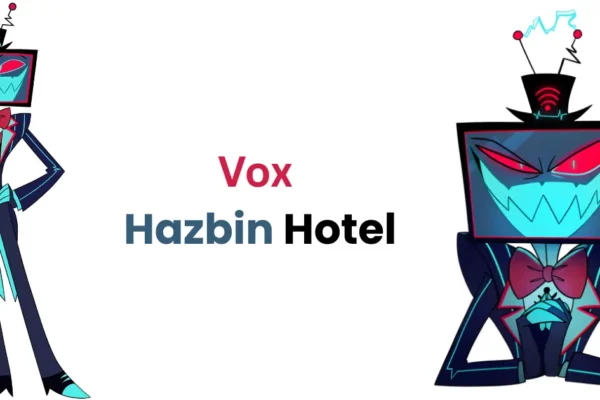
Vox is a television-headed demon who controls Hell’s media empire, surveillance systems, and technology infrastructure. His powers include technopathy (controlling electronic devices), hypnosis through his screen face, and the ability to travel through electrical systems. Vox’s obsession with Alastor stems from both professional rivalry and implied romantic interest, answering the question “Who is Vox in love with” with the complex answer that he appears fixated on Alastor, though whether this constitutes love or obsession remains ambiguous. His relationship with Valentino is explicitly romantic and sexual, though deeply toxic and codependent.
Vox’s weapon is his control over technology itself. He can weaponize any electronic device, create electromagnetic pulses, and use surveillance to gather information on enemies. His fighting style emphasizes control and information warfare over direct combat, preferring to manipulate situations from behind screens. His rivalry with Alastor represents old versus new power structures in Hell, with Vox’s modern approach clashing against Alastor’s traditional overlord methods.
Valentino is the most overtly villainous character in the series, controlling Hell’s adult entertainment industry through exploitation and abuse. As Angel Dust’s owner and abuser, Valentino represents the show’s darkest themes. His powers include pheromone manipulation that can control others’ desires, smoke-based attacks, and the ability to see through the eyes of those contracted to him. His weapon is a bedazzled pistol, though his real power lies in the contracts he holds over souls like Angel Dust.
Valentino’s character isn’t given redemptive qualities—he’s portrayed as genuinely abusive, manipulative, and cruel. His relationship with Vox is the only humanizing element, showing that even Hell’s worst demons form attachments, however unhealthy. His interactions with Angel Dust showcase the reality of exploitation and abuse, handled with surprising sensitivity for an adult animated comedy.
Velvette is the youngest and most modern of the Vees, controlling Hell’s fashion industry and social media influence. Her powers appear to be social manipulation and trend-setting, with implied magic related to appearance and perception. She’s the most dismissive of old-guard overlords, representing generational shifts in Hell’s power structure. Her weapon seems to be her phone and social media influence, capable of destroying reputations and manipulating public opinion.
Cherri Bomb – Angel Dust's Best Friend
Cherri Bomb serves as Angel Dust’s best friend and partner in chaos, a cyclops demon with an Australian accent and a love for explosives. Her character provides important context for Angel Dust’s life outside the hotel and represents the wild lifestyle he’s trying to move away from while maintaining genuine friendship. Cherri died in the 1980s, making her a relatively recent arrival in Hell compared to many characters.
Cherri Bomb’s powers center around her explosive abilities. She can create bombs from nothing, has enhanced durability to survive her own explosions, and possesses impressive combat skills developed through years of turf wars in Hell. Her one eye doesn’t hinder her aim—she’s an expert at throwing explosives with precision. Her demon physiology grants her enhanced strength and agility, making her formidable in both ranged and close combat.
Her weapons are her signature cherry bombs and various other explosives she creates or carries. Cherri’s fighting style is aggressive and chaotic, embracing destruction and mayhem. She fights alongside Angel Dust during turf wars against Sir Pentious, showing their long history of friendship and mutual protection. Unlike Angel, Cherri isn’t seeking redemption—she enjoys her afterlife in Hell and sees no reason to change.
Cherri’s relationship with Angel Dust is purely platonic, providing important representation of male-female friendships without romantic tension. Her developing interest in Sir Pentious adds a romantic subplot that becomes significant during the season finale. Cherri’s character development involves recognizing genuine heroism and sacrifice, as Sir Pentious’s actions during the final battle clearly affect her. Her presence in the show reminds viewers that not every demon wants or needs redemption, and that’s okay—the choice must be personal to be meaningful.
Adam and Lute – Heaven's Antagonists
Adam and Lute Hazbin Hotel characters represent Heaven’s perspective and serve as primary antagonists despite being angels. Adam, the first man, leads Heaven’s exorcist army that annually descends to Hell to cull the demon population. His character subverts expectations of angelic purity—he’s crude, misogynistic, arrogant, and violent, suggesting that being “first” doesn’t equate to being good.
Adam’s powers as the first human soul in Heaven are substantial. He possesses angelic abilities including flight, superhuman strength, and the capacity to wield angelic weapons that can permanently kill demons. His guitar serves as both his signature instrument and a weapon, capable of firing devastating energy blasts. Adam’s true form, revealed when his mask is damaged, shows a surprisingly ordinary human face beneath the angelic facade, symbolizing that Heaven’s righteousness is merely a mask for cruelty.
The question of “Hazbin Hotel Adam unmasked” and “Hazbin Hotel Adam mask” fascinates fans because the reveal humanizes him in an uncomfortable way. Without his mask, Adam looks unremarkable, suggesting that Heaven’s first man is just as flawed as any demon in Hell. His character represents the hypocrisy of Heaven’s moral superiority, as he gleefully murders demons while exhibiting behavior that would condemn any other soul.
Regarding “Hazbin Hotel Adam and Eve,” the show reveals that Eve is not in Heaven with Adam, though her location remains unknown. This absence contributes to Adam’s misogyny and resentment, as both his wives (Eve and Lilith) ultimately left him. His character arc culminates in his death at Niffty’s hands during the season finale, proving that even angels can be killed with the right weapon and determination.
Lute serves as Adam’s lieutenant and the exorcists’ second-in-command. Her character is defined by absolute loyalty to Heaven’s mission and unwavering belief in the righteousness of the exterminations. Lute’s powers include all standard angelic abilities plus exceptional combat skills that make her one of Heaven’s most dangerous warriors. She wields an angelic spear with deadly precision and fights with brutal efficiency.
Lute’s relationship with Adam appears to be professional respect mixed with possible romantic interest, though the show doesn’t explicitly confirm this. Her reaction to Adam’s death suggests deep personal attachment beyond mere duty. Lute’s character represents the danger of absolute conviction—she genuinely believes demons deserve extermination and cannot conceive of redemption being possible. Her loss of an arm during the final battle and Adam’s death set up her likely role as a major antagonist in future seasons, driven by vengeance rather than duty.
Character Relationships and Dynamics
The Hazbin Hotel relationships form the emotional core of the series, with character dynamics driving both plot development and thematic exploration. The show excels at creating complex, multifaceted relationships that evolve organically throughout the season. These connections range from romantic partnerships to found family bonds, rivalries, and everything in between.
The found family dynamic at the Hazbin Hotel itself represents the show’s central relationship structure. Charlie’s vision creates a space where damaged souls can form genuine connections despite their demonic nature. The residents’ initial skepticism gradually transforms into authentic care for one another, demonstrated through their willingness to fight and die protecting the hotel during the final battle. This found family theme resonates strongly with viewers who identify with choosing your own family rather than being defined by blood relations.
Mentor-student relationships add another layer of complexity. Alastor’s relationship with Charlie walks a fine line between genuine mentorship and manipulation. He teaches her to be more assertive and embrace her demonic heritage while potentially serving his own mysterious agenda. Similarly, Carmilla’s relationship with her daughters shows that even Hell’s weapons dealer prioritizes family, teaching them both business and combat skills while protecting them from Hell’s dangers.
Rivalries drive much of the show’s conflict and comedy. The Alastor-Vox rivalry represents competing philosophies about power in Hell, with their musical confrontation highlighting their fundamental differences. Sir Pentious’s one-sided rivalry with established overlords provides comic relief while also illustrating Hell’s strict hierarchy. These rivalries aren’t simple good-versus-evil conflicts but rather clashes of personality, methodology, and competing interests.
The show’s handling of toxic relationships deserves particular attention. Valentino’s abuse of Angel Dust is portrayed with appropriate gravity, never played for laughs or minimized. The series shows how abuse operates through control, manipulation, and exploitation while also depicting Angel’s struggle to break free from these patterns. This realistic portrayal of toxic relationships adds dramatic weight and makes Angel’s journey toward healing more meaningful.
Romantic Relationships in Hazbin Hotel
Romantic relationships in Hazbin Hotel are diverse, complex, and central to character development. The show features multiple LGBTQ+ relationships portrayed as naturally as heterosexual ones, reflecting the creator’s commitment to inclusive representation. Addressing the question “What LGBT characters are in Hazbin Hotel,” the answer is most of the main cast—Charlie and Vaggie are in a lesbian relationship, Angel Dust is gay, Alastor is asexual/aromantic, Vox and Valentino are in a gay relationship, and several other characters are confirmed as queer by the creator.
Charlie and Vaggie’s relationship serves as the show’s emotional anchor. Their partnership demonstrates healthy relationship dynamics—they communicate openly, support each other’s goals, and work through conflicts constructively. The revelation of Vaggie’s angelic origins creates temporary tension, but they work through this betrayal by reaffirming their commitment to each other. Their duet “Out for Love” emphasizes that Vaggie’s motivation isn’t redemption or Heaven but rather protecting the person she loves.
Angel Dust’s romantic life is complicated by his trauma and exploitation. His developing connection with Husk represents a potential healthy relationship built on mutual understanding and respect. Both characters recognize each other’s defense mechanisms and pain, creating a foundation for genuine intimacy. Their relationship develops slowly and carefully, acknowledging that Angel needs healing before he can engage in healthy romance. The show handles this with remarkable sensitivity, showing that recovery from abuse is a process that can’t be rushed.
Sir Pentious’s crush on Cherri Bomb provides lighter romantic content while still delivering genuine emotion. His awkward attempts at courtship and her initial dismissal create comedy, but his heroic sacrifice demonstrates the depth of his feelings. Cherri’s reaction to his death and ascension suggests she was beginning to reciprocate, adding bittersweetness to his redemption.
The toxic relationship between Vox and Valentino contrasts sharply with healthier portrayals. Their dynamic is codependent, manipulative, and volatile, with Vox enabling Valentino’s worst behaviors while Valentino uses their relationship to control Vox. This relationship serves as a cautionary example, showing that even demons can fall into unhealthy patterns that harm themselves and others.
Character Powers and Abilities Ranked
Ranking Hazbin Hotel characters by power reveals the show’s complex hierarchy and helps viewers understand the stakes of various conflicts. Power in Hell comes from multiple sources—inherent demonic abilities, deals and contracts, angelic heritage, and accumulated souls. This ranking considers raw power, versatility, and demonstrated feats throughout Season 1.
At the top tier sits Lucifer Morningstar, whose power as Hell’s creator and a fallen angel is essentially limitless within his domain. His brief confrontation with Adam demonstrates that he can effortlessly overpower beings that challenge overlords. Lucifer’s only limitation appears to be his own depression and lack of motivation rather than any external force.
The second tier includes powerful overlords like Alastor, whose reality-warping abilities and mysterious power source make him formidable. Alastor’s seven-year absence and hints about his own binding contract suggest he’s not operating at full capacity, yet he still commands respect from other overlords. Carmilla Carmine belongs in this tier due to her combat prowess—she killed an exorcist angel, proving that overlords can match Heaven’s warriors under the right circumstances.
Adam and the exorcist angels occupy the third tier. As angelic beings with divine weapons, they can permanently kill demons and possess superhuman abilities. Adam’s power is substantial, but his arrogance and reliance on brute force create exploitable weaknesses. Lute and other exorcists are highly trained warriors but lack the reality-warping abilities of top-tier overlords.
Mid-tier characters include Vox, Valentino, and Velvette—the Vees possess significant power through their control of Hell’s infrastructure and their combined influence. Individually, they’re formidable but not on par with ancient overlords. Husk, despite losing much of his power to Alastor, retains enough abilities to be dangerous. Vaggie’s angelic training and weapons make her a capable fighter despite her fallen status.
Lower-tier characters like Angel Dust, Sir Pentious, Cherri Bomb, and Niffty possess useful abilities but lack the raw power to challenge overlords or angels directly. However, the show demonstrates that courage, strategy, and determination can overcome power gaps—Sir Pentious’s sacrifice and Niffty’s killing of Adam prove that even “weaker” characters can achieve significant victories.
Weapons Used by Hazbin Hotel Characters
Weapons used by Hazbin Hotel characters range from traditional armaments to supernatural implements that channel their users’ powers. The show establishes that angelic weapons are the only armaments capable of permanently killing demons and angels, making them highly valuable and dangerous in Hell’s conflicts.
Angelic weapons appear in various forms—spears, swords, daggers, and other implements forged in Heaven. Vaggie’s spear represents her past as an exorcist and remains her primary weapon despite her fall. Carmilla Carmine’s discovery that angelic steel can kill angels revolutionizes Hell’s understanding of the exterminations, as demons previously believed angels were invulnerable. The scarcity and power of these weapons make them central to the show’s conflicts.
Alastor’s microphone staff serves as both a weapon and a symbol of his identity. The staff channels his reality-warping powers and appears indestructible, surviving conflicts that would destroy normal objects. Its vintage radio aesthetic reinforces Alastor’s connection to the 1930s and his title as the Radio Demon. The staff’s true nature—whether it’s a conduit for his power or the source of it—remains mysterious.
Technological weapons feature prominently among modern characters. Vox weaponizes technology itself, turning any electronic device into a potential threat. Sir Pentious’s steampunk inventions include his massive airship bristling with cannons, various gadgets, and his Egg Bois who serve as both minions and living weapons. His engineering skills compensate for his lack of raw demonic power.
Explosive weapons define Cherri Bomb’s combat style. Her signature cherry bombs and other explosives create chaos and destruction, perfectly matching her personality. Unlike precision weapons, Cherri’s arsenal emphasizes area damage and overwhelming force. Her weapons reflect her philosophy—sometimes the best solution is to blow everything up and sort through the rubble later.
Firearms appear throughout the series, with Angel Dust’s Tommy guns being the most iconic. His choice of 1940s-era weapons reflects his death period and mobster background. Valentino’s bedazzled pistol combines style with lethality, fitting his character’s aesthetic obsession. These conventional weapons prove effective against demons but useless against angels without angelic steel.
Character Development Throughout Season 1
Character development throughout Season 1 demonstrates the show’s commitment to meaningful growth and change. Each main character undergoes significant evolution, with their arcs interconnecting to create a cohesive narrative about redemption, identity, and the possibility of change.
Charlie’s development focuses on tempering her idealism with pragmatism without losing her core optimism. She begins the season believing that simply providing a safe space will inspire change, but learns that redemption requires active effort, difficult choices, and sometimes compromise. Her growth includes embracing her demonic heritage and power when necessary, learning to set boundaries, and accepting that not everyone can or wants to be saved. The season finale validates her belief when Sir Pentious ascends to Heaven, proving her concept works even as it costs her a friend.
Vaggie’s arc revolves around her revealed identity as a fallen angel and what this means for her relationship with Charlie and her place in Hell. Her journey involves confronting her past, accepting that showing mercy wasn’t weakness, and learning to trust others beyond Charlie. Her character development includes becoming more open with the other hotel residents and accepting help rather than trying to protect everyone alone. The revelation that Charlie accepts her despite her deception strengthens their relationship and Vaggie’s sense of belonging.
Angel Dust undergoes perhaps the most significant character development, moving from using hypersexuality and substance abuse as coping mechanisms toward genuine vulnerability and healing. His relationship with Husk creates a safe space for him to drop his defensive persona and acknowledge his pain. The confrontation with Valentino in episode four marks a turning point where Angel begins setting boundaries and recognizing his own worth. His decision to stay at the hotel despite opportunities to leave demonstrates his commitment to change.
Husk’s development is subtler but equally important. He transitions from cynical isolation toward emotional availability, primarily through his connection with Angel Dust. Recognizing their shared experience of being owned by others creates empathy that breaks through his defensive alcoholism and apathy. Husk’s willingness to comfort Angel and share his own vulnerabilities represents significant growth for a character who began the season wanting nothing to do with redemption.
Sir Pentious experiences the most complete redemption arc, transforming from a would-be villain to a genuine hero. His initial infiltration of the hotel as a spy becomes real friendship as he experiences acceptance and kindness. His sacrifice during the final battle—attacking Adam despite knowing he’s outmatched—demonstrates complete character transformation. His ascension to Heaven validates the show’s premise and provides hope that redemption is genuinely possible.
Complete Hazbin Hotel Character List
A comprehensive Hazbin Hotel character list includes dozens of characters across various categories. Understanding the full cast helps viewers appreciate the show’s rich world-building and complex social structures. This list organizes characters by their role and significance to the narrative.
Main Characters: Charlie Morningstar (protagonist and hotel founder), Vaggie (hotel manager and Charlie’s girlfriend), Alastor the Radio Demon (hotel benefactor and overlord), Angel Dust (hotel resident and first patient), Husk (hotel bartender), Niffty (hotel maid), and Sir Pentious (reformed villain turned hotel resident).
Major Supporting Characters: Lucifer Morningstar (Charlie’s father and Hell’s ruler), Lilith (Charlie’s mother, absent during Season 1), Vox (overlord controlling media), Valentino (overlord controlling adult entertainment), Velvette (overlord controlling fashion), Cherri Bomb (Angel Dust’s best friend), Adam (leader of Heaven’s exorcists), Lute (Adam’s lieutenant), and Rosie (overlord of Cannibal Town).
Overlords and Power Players: Carmilla Carmine (angelic weapons dealer), Zestial (ancient overlord), Odette and Clara (Carmilla’s daughters), and various other overlords seen in meetings and background scenes. These characters control different territories and industries in Hell, forming the power structure that governs demonic society.
Heaven’s Forces: Beyond Adam and Lute, the exorcist army consists of numerous angelic warriors who participate in annual exterminations. Sera, the High Seraphim, appears as Heaven’s administrator who oversees the exterminations. Emily, a younger Seraphim, questions Heaven’s policies after learning about the exterminations, setting up potential future conflicts within Heaven itself.
Minor Characters and Background Demons: The Egg Bois (Sir Pentious’s loyal minions), various demons seen throughout Hell’s streets and establishments, news reporters, and other residents who populate the world. These characters add depth and believability to Hell’s society, showing that the main cast exists within a larger, functioning world.
Helluva Boss Characters Connection: While Hazbin Hotel and Helluva Boss maintain separate storylines, they share the same Hell setting. Characters from Helluva Boss occasionally appear in background shots or are referenced, creating an interconnected universe. The Helluva Boss characters include Blitzo, Moxxie, Millie, Loona, and Stolas, among others, though their stories don’t directly intersect with Hazbin Hotel’s narrative in Season 1.
For fans seeking Hazbin Hotel characters names and pictures or wanting to organize characters in Hazbin Hotel characters alphabetical order, numerous fan wikis and official resources provide comprehensive visual guides. The show’s distinctive character designs make each demon instantly recognizable, with visual elements reflecting their personalities, time periods, and animal inspirations. The Hazbin Hotel characters snake reference specifically points to Sir Pentious, whose serpentine design incorporates Victorian steampunk aesthetics with reptilian features.
Understanding this complete cast enhances appreciation for the show’s intricate world-building and the various relationships, conflicts, and alliances that drive the narrative forward. Each character, from main cast to background demons, contributes to creating a Hell that feels lived-in, complex, and surprisingly relatable despite its fantastical setting.
Frequently Asked Questions
Who are the main characters in Hazbin Hotel?
The main Hazbin Hotel characters include Charlie Morningstar (the princess of Hell and hotel founder), Vaggie (her girlfriend and hotel manager), Angel Dust (a spider demon and the hotel’s first patron), Alastor (the Radio Demon), Husk (the grumpy bartender), and Niffty (the energetic maid). These six core characters drive the primary storylines throughout season 1, each bringing unique personalities, powers, and relationship dynamics to the Hazbin Hotel.
What LGBT characters are in Hazbin Hotel?
Hazbin Hotel features extensive LGBTQ+ representation among its characters. Charlie and Vaggie are in a lesbian relationship, Angel Dust is a gay male sex worker, Sir Pentious is asexual, and several characters are bisexual or pansexual. The show’s creator has confirmed that the majority of the cast identifies somewhere on the LGBTQ+ spectrum, making it one of the most inclusive animated series in terms of diverse sexual orientations and gender identities.
Is Angel Dust a boy or girl?
Angel Dust is a male character who identifies as a gay man. While he has a feminine presentation with his flamboyant style, makeup, and mannerisms, Angel Dust uses he/him pronouns and is canonically male. His feminine appearance and behavior are part of his persona as an adult film star in Hell, reflecting his personality and the character he plays in his work rather than his gender identity.
Who are the confirmed couples in Hazbin Hotel?
The main confirmed couple in Hazbin Hotel is Charlie Morningstar and Vaggie, who are in a committed romantic relationship. Other potential romantic connections include Vox’s one-sided obsession with Alastor, and hints of developing feelings between various characters. The series explores both healthy relationships like Charlie and Vaggie’s partnership, as well as toxic dynamics that several Hazbin Hotel characters navigate throughout their redemption journeys.
What are Alastor's powers and abilities?
Alastor, known as the Radio Demon, possesses reality-warping abilities, shadow manipulation, tentacle summoning, and deal-making powers that bind souls to contracts. He can teleport, transform his appearance, and broadcast his voice through any radio frequency. As one of Hell’s most powerful Overlords, Alastor’s abilities make him nearly unstoppable in combat, though the full extent of his powers and their limitations remain mysterious throughout the series.
Is Charlie Morningstar really 200 years old?
Yes, Charlie Morningstar is over 200 years old, though her exact age hasn’t been officially confirmed. As the daughter of Lucifer and Lilith, she is a Hellborn demon who has existed for centuries. Despite her age, Charlie maintains an optimistic, youthful personality and appearance, which contrasts sharply with the cynicism of other ancient Hazbin Hotel characters who have witnessed Hell’s unchanging nature for millennia.
What weapons do the main Hazbin Hotel characters use?
The Hazbin Hotel characters wield various weapons suited to their abilities and personalities. Vaggie uses an angelic spear (revealed to be connected to her past as a fallen angel), Charlie can manifest demonic powers inherited from her father Lucifer, and Angel Dust fights with multiple firearms including Tommy guns. Alastor relies primarily on his reality-warping magic and his microphone cane as a conduit for his powers, while Husk and Niffty rarely engage in direct combat.
Who are the Overlords in Hazbin Hotel?
The Overlords are powerful demons who control territories and souls in Hell, including Alastor (the Radio Demon), Vox (media overlord), Valentino (Angel Dust’s abusive boss), Velvette (social media influencer), Carmilla Carmine (angelic weapons dealer), Zestial (ancient overlord), and Rosie (cannibal town leader). These Hazbin Hotel characters form Hell’s elite power structure, each commanding respect and fear while pursuing their own agendas and engaging in complex political maneuvering.
Does Vaggie have a secret past?
Yes, Vaggie’s character development reveals she is actually a fallen angel and former exorcist who once participated in the annual exterminations of sinners in Hell. After showing mercy to a demon child, she was cast out of Heaven by Lara (Adam’s lieutenant), losing her wings and eye. This backstory explains her combat skills with angelic weapons and adds depth to her relationship with Charlie, as she kept this secret while supporting the hotel’s redemption mission.
Is Hazbin Hotel appropriate for teenagers?
Hazbin Hotel is rated TV-MA and contains mature content including strong language, sexual themes, violence, and adult situations. While some 14-year-olds may be mature enough to handle these themes, parental discretion is strongly advised. The show deals with serious topics like addiction, abuse, trauma, and redemption through its characters’ stories, making it more suitable for older teens and adults who can process these complex themes appropriately.
You May Also Like
Vox Hazbin Hotel: Complete Character Guide & Analysis
Angel Dust Hazbin Hotel: Complete Character Guide 2026
Alastor Hazbin Hotel: Complete Guide to the Radio Demon