Extreme Heat and Humidity Home Cooling Solutions 2025

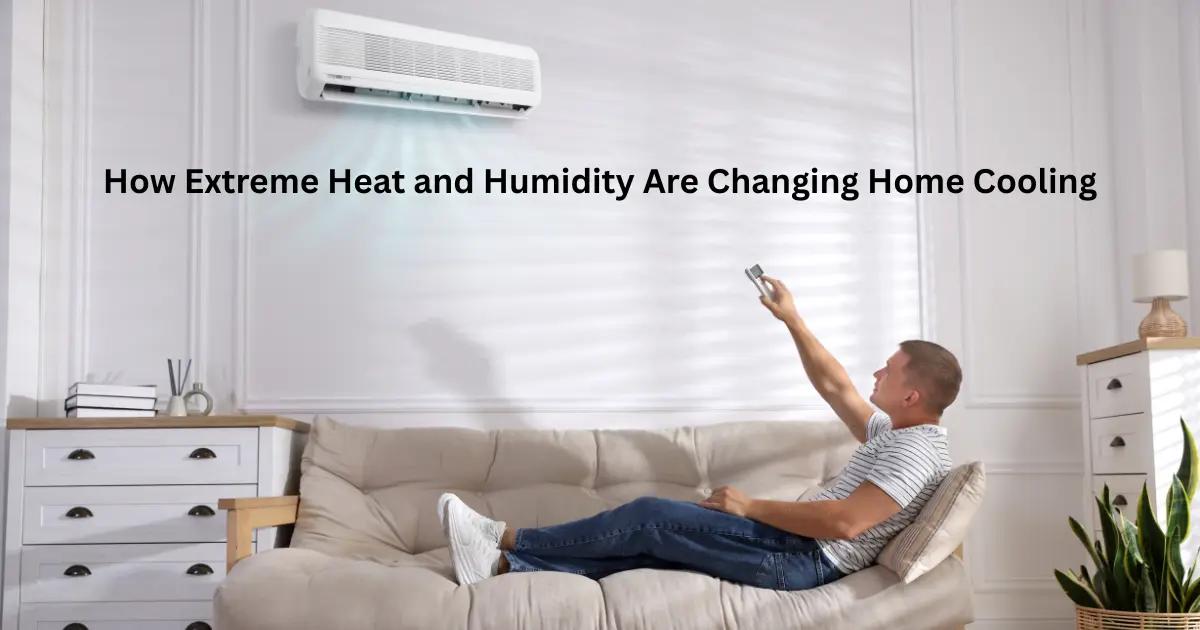
As global temperatures continue to rise and humidity levels become more oppressive, homeowners across the country are discovering that their once-reliable air conditioning systems can no longer maintain comfortable indoor temperatures. The reality of extreme heat home cooling challenges has shifted from occasional summer discomfort to a persistent problem that demands new solutions. If you’ve noticed your energy bills skyrocketing while your home still feels uncomfortably warm and sticky, you’re not alone—and the issue goes far deeper than simply needing a thermostat adjustment. Understanding why traditional cooling systems struggle with today’s climate extremes and what modern technologies can do about it is essential for maintaining both comfort and financial sanity in an era of increasingly severe weather.
Why Traditional AC Systems Struggle with Extreme Heat and Humidity
Conventional air conditioning systems were designed and sized based on historical climate data that no longer reflects current reality. Most residential AC units installed even a decade ago were calculated to handle peak temperatures that occurred only a few days per year. Today’s extended heat waves—with consecutive days above 95°F and heat indices exceeding 110°F—push these systems beyond their design parameters.
The fundamental problem lies in how traditional air conditioners operate. These systems were engineered with a specific cooling capacity measured in BTUs (British Thermal Units), calibrated for the climate conditions of their installation period. When outdoor temperatures soar 10-15 degrees higher than the design specifications, the refrigerant cycle becomes less efficient, compressors work harder, and the system’s ability to remove heat from your home diminishes significantly.
Humidity compounds this challenge exponentially. Air conditioners cool air by removing both heat and moisture, but they weren’t designed to handle the extreme moisture loads that accompany modern heat waves. When humidity levels remain consistently above 60-70%, your AC must work overtime just to dehumidify the air before it can effectively lower the temperature. This dual burden often exceeds the system’s capacity, leaving you with a home that feels clammy and uncomfortable even when the thermostat reads a reasonable temperature.
Geographic shifts in climate patterns have also created mismatches between installed equipment and actual needs. Regions that historically experienced mild, dry summers now face subtropical conditions, yet homes in these areas contain cooling systems never intended for such demanding environments. The result is continuous operation without achieving desired comfort levels—a clear sign that the equipment is fundamentally undersized for current conditions.
The Science: How Heat and Humidity Affect Home Cooling Efficiency
To understand extreme heat home cooling challenges, you need to grasp the relationship between temperature, humidity, and perceived comfort. The human body cools itself through evaporation of perspiration, but when humidity is high, sweat cannot evaporate efficiently, making the air feel much hotter than the actual temperature indicates. This is why a 90°F day with 70% humidity feels far more oppressive than a 95°F day with 30% humidity.
Your air conditioning system faces a similar physics problem. The efficiency of heat transfer—the core function of any cooling system—decreases as the temperature differential between indoor and outdoor air narrows. When it’s 105°F outside and you’re trying to maintain 72°F inside, your system must work against a 33-degree gradient. As outdoor temperatures climb higher, the refrigerant in your AC unit cannot reject heat to the outdoor environment as effectively, reducing overall system capacity by 10-15% or more.
Humidity affects cooling efficiency through a separate but related mechanism. Air conditioners remove moisture by cooling air below its dew point, causing water vapor to condense on the evaporator coils. This condensation must then be drained away. In extremely humid conditions, so much energy goes into condensing moisture that less remains available for actual temperature reduction. Studies show that cooling solutions for humid climates must account for latent heat removal (moisture) as well as sensible heat removal (temperature), and traditional systems often prioritize the latter at the expense of the former.
The concept of “wet bulb temperature” becomes critical in extreme conditions. This measurement combines temperature and humidity to indicate the lowest temperature achievable through evaporative cooling. When wet bulb temperatures approach or exceed 95°F—increasingly common during severe heat waves—even healthy individuals face heat stress, and mechanical cooling systems operate at severely reduced efficiency. Some regions now regularly experience wet bulb temperatures that were previously considered theoretical extremes.
Signs Your Current Cooling System Can't Keep Up
Recognizing when your cooling system has become inadequate for current climate conditions is essential for taking timely action. The most obvious indicator is continuous operation without reaching the set temperature. If your system runs 18-24 hours per day during heat waves but your home never drops below 78-80°F despite a 72°F thermostat setting, you’re experiencing capacity failure.
Uneven cooling throughout your home signals another critical problem. When some rooms remain comfortable while others become unbearably hot, your system lacks the capacity to distribute conditioned air effectively across the entire space. This often manifests as second-floor rooms that are 5-10 degrees warmer than the main level, or specific rooms that never seem to cool down regardless of how long the system runs.
Excessive humidity indoors—even when the AC runs constantly—indicates that your system cannot handle the moisture load. If you notice condensation on windows, musty odors, or that clammy feeling on your skin despite the air conditioner running, your equipment is failing at dehumidification. This is particularly common with AC not keeping up with heat in coastal or traditionally humid regions where moisture loads have increased beyond original design parameters.
Skyrocketing energy bills without corresponding comfort improvements represent a clear warning sign. When your electricity costs increase 40-60% during summer months compared to previous years, yet your home feels less comfortable, your system is working inefficiently. This often indicates that the equipment is running constantly at maximum capacity without achieving desired results—essentially wasting energy while failing to cool adequately.
Frequent system cycling—turning on and off every few minutes—or conversely, never cycling off at all, both indicate problems. Short cycling suggests the system is oversized for current load calculations but cannot handle peak demands, while continuous operation means the system is undersized for actual conditions. Either scenario points to a fundamental mismatch between equipment capacity and cooling requirements.
Modern Cooling Technologies Designed for Extreme Weather
The HVAC industry has responded to changing climate realities with innovative home cooling systems for extreme weather that far exceed the capabilities of traditional equipment. Variable-speed compressor technology represents one of the most significant advances, allowing systems to modulate output from 25% to 100% capacity rather than simply turning on and off. This enables more precise temperature and humidity control while consuming less energy during moderate conditions and providing maximum output during extreme heat.
Two-stage and multi-stage cooling systems offer similar benefits through different mechanisms. These units can operate at a lower capacity during mild conditions and ramp up to full power when needed. The lower-capacity operation runs longer cycles, which improves dehumidification—addressing one of the key challenges in humid climates. During extreme heat events, the system shifts to high-stage operation, providing the extra cooling capacity that single-stage units cannot deliver.
Inverter-driven air conditioners, common in other parts of the world and increasingly available in North America, use advanced electronics to continuously adjust compressor speed. This technology can improve efficiency by 30-50% compared to conventional systems while providing superior comfort control. These units excel in extreme conditions because they can sustain maximum output for extended periods without the mechanical stress that causes traditional compressors to fail during heat waves.
Geothermal heat pump systems leverage the earth’s constant underground temperature (typically 50-60°F year-round) to provide both heating and cooling. While installation costs are substantial, these systems maintain consistent efficiency regardless of outdoor air temperature, making them ideal for regions experiencing temperature extremes. A geothermal system can cool your home effectively even when outdoor temperatures exceed 110°F because it’s exchanging heat with 55°F ground rather than 110°F air.
Hybrid cooling systems that combine traditional air conditioning with evaporative cooling or heat pump technology offer flexibility for varying conditions. These systems can switch between operating modes based on outdoor temperature and humidity, optimizing efficiency and effectiveness. In dry heat, evaporative cooling provides economical temperature reduction; when humidity rises, the system switches to conventional refrigerant-based cooling.
Dehumidification Solutions That Work with Your AC
Addressing the humidity component of extreme heat home cooling often requires dedicated dehumidification beyond what your air conditioner can provide. Whole-home dehumidifiers integrate with your HVAC system to remove moisture independently of the cooling cycle. This separation allows your air conditioner to focus on temperature reduction while the dehumidifier handles moisture control—a division of labor that significantly improves overall comfort and efficiency.
The relationship between dehumidification and air conditioning is synergistic when properly implemented. By removing moisture first, dehumidifiers allow air conditioners to cool more efficiently because dry air requires less energy to cool than humid air. Additionally, humans feel comfortable at higher temperatures when humidity is low, meaning you can set your thermostat 2-4 degrees higher while maintaining the same comfort level—reducing cooling costs by 6-12%.
Ventilating dehumidifiers represent an advanced solution that addresses both moisture and indoor air quality. These systems bring in fresh outdoor air, dehumidify it, and distribute it throughout your home while exhausting stale indoor air. This continuous air exchange prevents the stuffiness that often accompanies tightly sealed, air-conditioned homes while maintaining optimal humidity levels between 40-50%.
Desiccant dehumidification systems use moisture-absorbing materials rather than refrigeration to remove humidity from air. These systems work exceptionally well in extremely humid conditions where refrigerant-based dehumidifiers struggle. While more expensive to operate, desiccant systems can achieve very low humidity levels and function effectively even at lower temperatures, making them valuable for specialized applications or particularly challenging environments.
Smart dehumidification controls that integrate with your thermostat and weather forecasting can anticipate high-humidity conditions and pre-condition your home before extreme weather arrives. These systems monitor both indoor and outdoor humidity, adjusting operation to maintain optimal levels while minimizing energy consumption. Some advanced systems even coordinate dehumidifier operation with air conditioner cycles to maximize efficiency.
Insulation and Air Sealing Upgrades That Make a Difference
No cooling system, regardless of how advanced, can overcome fundamental deficiencies in your home’s thermal envelope. Air sealing represents the most cost-effective improvement for extreme heat home cooling, preventing hot, humid outdoor air from infiltrating your conditioned space. Studies consistently show that proper air sealing can reduce cooling costs by 15-30% while significantly improving comfort.
Attic insulation upgrades deliver dramatic results in hot climates. Heat radiating through an under-insulated attic can raise indoor temperatures by 10-15 degrees, forcing your cooling system to work overtime. Modern insulation materials like spray foam create both an insulation barrier and an air seal, preventing heat transfer and air leakage simultaneously. Upgrading attic insulation from R-19 to R-49 or higher can reduce cooling loads by 25-40% in hot climates.
Radiant barriers installed in attics reflect heat away from living spaces before it can penetrate insulation. These reflective materials can reduce attic temperatures by 20-30 degrees during peak summer heat, substantially decreasing the cooling burden on your HVAC system. Radiant barriers work particularly well in sunny climates with significant solar heat gain through the roof.
Wall insulation improvements, while more invasive than attic work, provide substantial benefits in extreme heat. Injection foam insulation can be added to existing walls without major renovation, filling cavities and reducing heat transfer. In particularly hot climates, exterior insulation systems that wrap the entire home in a continuous thermal barrier eliminate thermal bridging and can reduce cooling loads by 30-50%.
Window treatments and glazing upgrades address solar heat gain, which can account for 25-35% of cooling load in sunny climates. Low-E window films, cellular shades, and exterior shading devices prevent solar radiation from entering your home in the first place. Replacing single-pane windows with double or triple-pane low-E glass can reduce heat gain by 50-70%, though the investment is substantial. Strategic use of awnings, overhangs, and exterior shutters provides cost-effective solar control for south and west-facing windows.
Smart Thermostats and Zoning for Better Climate Control
Smart thermostat technology has evolved far beyond simple programmable schedules, now offering sophisticated cooling solutions for humid climates through learning algorithms and remote sensors. Modern smart thermostats monitor both temperature and humidity, adjusting system operation to maintain comfort on both dimensions. Some models can control separate dehumidification equipment, coordinating operation between your AC and dehumidifier for optimal results.
Geofencing capabilities allow smart thermostats to adjust settings based on your location, reducing cooling when you’re away and pre-conditioning your home before arrival. This prevents the common mistake of leaving the AC running full-blast all day or returning to an overheated home that takes hours to cool. Advanced models integrate weather forecasting, anticipating heat waves and adjusting operation proactively to maintain comfort while minimizing energy consumption.
Zoning systems divide your home into separate climate-controlled areas, each with its own thermostat and dampers in the ductwork. This addresses the uneven cooling problem common in multi-story homes or houses with varying sun exposure. By cooling only occupied zones to desired temperatures while allowing unoccupied areas to remain warmer, zoning can reduce cooling costs by 20-40% while improving comfort in the spaces you actually use.
Remote temperature and humidity sensors placed throughout your home provide smart thermostats with comprehensive data about actual conditions in different rooms. Rather than making decisions based solely on conditions at the thermostat location (often a hallway or central area), the system considers temperatures in bedrooms, living areas, and other key spaces. This prevents the common scenario where the thermostat location is comfortable but bedrooms remain too hot.
Integration with other smart home systems enables sophisticated automation. Smart thermostats can coordinate with motorized window shades to block solar heat gain during peak sun hours, adjust based on occupancy detected by smart lighting or security systems, and even factor in electricity pricing to shift cooling to off-peak hours when rates are lower. These integrations create a comprehensive approach to climate resilient home improvements that addresses cooling from multiple angles simultaneously.
Heat Pump Technology: The Future of Home Cooling
Modern heat pump technology represents a paradigm shift in home cooling systems for extreme weather, offering both heating and cooling from a single system with efficiency that surpasses traditional air conditioners. Cold-climate heat pumps, specifically designed to operate efficiently in temperature extremes, can provide effective cooling even when outdoor temperatures exceed 115°F—conditions that severely compromise conventional AC performance.
The efficiency advantage of heat pumps becomes particularly significant during extreme weather. While traditional air conditioners achieve SEER (Seasonal Energy Efficiency Ratio) ratings of 14-18, premium heat pumps reach SEER ratings of 20-30 or higher. This translates to 30-50% lower cooling costs compared to conventional systems. During heat waves when you’re running cooling equipment constantly, these efficiency gains deliver substantial savings.
Ducted heat pump systems integrate with existing ductwork, making them a viable replacement for traditional central air conditioning. These systems use variable-speed compressors and fans to modulate output precisely, maintaining consistent temperatures and humidity levels while consuming minimal energy during moderate conditions and providing maximum capacity during extreme heat. The ability to fine-tune output prevents the temperature swings and humidity problems common with single-speed equipment.
Ductless mini-split heat pumps offer flexibility for homes without existing ductwork or for adding cooling to specific areas. These systems place individual air handlers in each room or zone, connected to an outdoor compressor by refrigerant lines. Each indoor unit operates independently, allowing precise temperature control in different areas. This zoned approach prevents wasting energy cooling unoccupied spaces while ensuring comfort where needed—particularly valuable during extreme heat when every degree of cooling requires significant energy.
Hybrid heat pump systems combine a heat pump with a backup heating and cooling source, typically a gas furnace and traditional air conditioner. These systems automatically switch between technologies based on outdoor conditions and energy costs, optimizing both comfort and economy. During extreme heat, the system can utilize both the heat pump and backup cooling simultaneously if needed, providing surge capacity that single systems cannot match.
Cost-Effective Improvements vs. Full System Replacement
Determining whether to invest in incremental improvements or complete system replacement requires careful analysis of your specific situation. If your current cooling system is less than 10 years old and properly sized, strategic upgrades may extend its viability for extreme heat conditions. Adding a whole-home dehumidifier, improving insulation and air sealing, and installing a smart thermostat can collectively improve performance by 30-40% at a fraction of replacement cost.
Duct system improvements deliver significant returns when your existing ductwork is poorly designed or leaking. Studies show that typical duct systems lose 25-40% of conditioned air through leaks and inadequate insulation. Having your ducts cleaned, sealed, and properly insulated can improve system efficiency by 20-30%, effectively increasing capacity without replacing equipment. This is particularly valuable when your AC struggles during extreme heat because it’s losing a substantial portion of its output to duct losses.
Supplemental cooling solutions provide targeted relief without full system replacement. Adding a mini-split system to particularly problematic rooms—second-floor bedrooms, sun-exposed living areas, or home offices—takes load off your central system while ensuring comfort in critical spaces. This hybrid approach costs significantly less than replacing your entire HVAC system while addressing the specific areas where your current system falls short.
However, full system replacement becomes necessary when equipment is more than 12-15 years old, requires frequent repairs, or is fundamentally undersized for current climate conditions. Modern systems are 30-50% more efficient than units installed even a decade ago, meaning replacement can pay for itself through energy savings over 7-10 years. When facing extreme heat home cooling challenges with aging equipment, replacement often proves more economical than repeatedly repairing an inadequate system.
Financing considerations affect the replacement decision significantly. Many utility companies offer rebates for high-efficiency equipment, and federal tax credits can offset 30% of installation costs for qualifying systems. Low-interest financing programs make replacement more accessible, and the monthly payment is often less than the energy savings, resulting in immediate positive cash flow. When evaluating options, consider total cost of ownership—purchase price plus operating costs—over the expected 15-20 year lifespan of new equipment.
Preparing Your Home for Future Heat Waves
Proactive preparation for extreme heat events can prevent emergency situations and reduce stress on your cooling system. Scheduling professional HVAC maintenance before summer ensures your system operates at peak efficiency when you need it most. This includes cleaning coils, checking refrigerant levels, testing electrical components, and verifying proper airflow—all factors that significantly affect performance during extreme heat.
Ensuring your dryer vents clean and other exhaust systems are properly functioning prevents adding unnecessary heat and humidity to your home. Dryers, bathroom fans, and kitchen exhaust should all vent directly outside, not into attics or crawl spaces where heat and moisture can infiltrate living areas. During extreme heat, every source of internal heat gain matters, and proper venting prevents your cooling system from working against heat generated within your home.
Creating thermal mass through strategic use of materials that absorb and slowly release heat can moderate indoor temperature swings. Tile or concrete floors, interior brick or stone walls, and even water features absorb heat during the day and release it at night when outdoor temperatures drop. This thermal buffering reduces peak cooling loads and helps maintain more stable indoor temperatures during extreme heat events.
Developing a heat wave action plan ensures you’re prepared when extreme weather strikes. This includes identifying cooling centers in your community, having backup plans if your AC fails during peak heat, and knowing how to optimize your system for maximum efficiency. Simple measures like closing blinds on sun-exposed windows, using fans to improve air circulation, and avoiding heat-generating activities during the hottest parts of the day can reduce cooling loads by 10-20%.
Landscape modifications provide long-term benefits for climate resilient home improvements. Strategic tree placement to shade your home’s south and west sides can reduce cooling loads by 15-25%. Deciduous trees provide summer shade while allowing winter sun after leaves fall. Shade for outdoor AC units improves their efficiency by 5-10%, though ensure adequate airflow around the unit. Light-colored hardscaping and roofing materials reflect rather than absorb solar radiation, reducing heat gain into your home.
Understanding Cooling Time Expectations in Extreme Heat
Many homeowners wonder how long should it take to cool a house from 90 to 72 degrees, and the answer depends on multiple factors that become more challenging during extreme heat. Under normal conditions with a properly sized system, cooling your home 18 degrees should take 2-4 hours. However, during heat waves with outdoor temperatures exceeding 100°F and high humidity, this timeframe can extend to 6-8 hours or longer—and some undersized systems may never achieve the desired temperature.
The cooling rate depends on your home’s thermal mass, insulation quality, air sealing effectiveness, and system capacity. A well-insulated, tightly sealed home with adequate cooling capacity will cool much faster than a poorly insulated home with an undersized system. Additionally, the temperature differential matters—cooling from 90°F to 80°F happens faster than cooling from 80°F to 72°F because the rate of heat transfer slows as indoor and outdoor temperatures converge.
During extreme heat events, setting realistic expectations prevents frustration and helps you make informed decisions. If your system runs continuously but maintains 76-78°F when outdoor temperatures exceed 105°F, it may actually be performing adequately given the extreme conditions—the system simply lacks capacity for the temperature differential you’re demanding. This scenario indicates you need capacity upgrades, not necessarily that your current system is malfunctioning.
Pre-cooling strategies can help manage extreme heat more effectively. Rather than allowing your home to heat up during the day and then trying to cool it down, maintain cooler temperatures overnight and into the morning, then allow temperatures to drift up slightly during peak afternoon heat. This approach reduces the maximum cooling load and prevents the system from struggling against both accumulated heat and peak outdoor temperatures simultaneously.
Alternative and Supplemental Cooling Methods
Understanding how to cool my house in extreme heat extends beyond mechanical air conditioning to include passive and alternative cooling strategies that reduce system load and improve comfort. Whole-house fans, which exhaust hot air from your attic and draw cooler outdoor air through open windows, can effectively cool your home during evening and nighttime hours when outdoor temperatures drop below indoor temperatures. This strategy works particularly well in climates with significant day-night temperature swings.
Evaporative cooling, while limited to dry climates, provides extremely economical cooling during extreme heat. Evaporative coolers use 75% less energy than traditional air conditioners and can effectively cool homes when outdoor humidity remains below 50%. In arid regions experiencing extreme heat, evaporative cooling can maintain comfortable indoor temperatures even when outdoor temperatures exceed 110°F. Some homeowners use evaporative cooling during dry periods and switch to traditional AC when humidity rises.
The question of how do Amish cool their homes without air conditioning reveals time-tested passive cooling strategies applicable to modern homes. These include strategic window placement for cross-ventilation, deep roof overhangs that shade walls and windows, whole-house fans for nighttime cooling, and thermal mass construction that moderates temperature swings. While most modern homeowners won’t abandon air conditioning entirely, incorporating these passive strategies reduces cooling loads and improves comfort during power outages or equipment failures.
Ceiling fans and portable fans don’t actually lower air temperature but create air movement that enhances evaporative cooling from your skin, making you feel 4-6 degrees cooler. During extreme heat, using fans in conjunction with air conditioning allows you to set your thermostat 3-5 degrees higher while maintaining comfort, reducing cooling costs by 10-15%. The key is running fans only in occupied rooms—fans cool people, not spaces, so running them in empty rooms wastes energy.
Portable air conditioners and window units provide supplemental cooling for specific rooms, reducing load on your central system. While less efficient than central AC, these units can cool critical spaces like bedrooms for nighttime comfort while allowing you to raise the central thermostat setting. This zoned approach prevents overcooling the entire house just to make bedrooms comfortable for sleeping.
Health Considerations During Extreme Heat Events
Recognizing excessive heat symptoms is critical for protecting your health during extreme heat events. Heat exhaustion symptoms include heavy sweating, weakness, cold and clammy skin, fast but weak pulse, nausea, and fainting. Heat stroke—a medical emergency—presents with high body temperature above 103°F, hot and dry skin, rapid and strong pulse, and possible unconsciousness. Maintaining adequate indoor cooling isn’t just about comfort; it’s a health necessity, particularly for vulnerable populations including elderly individuals, young children, and those with chronic health conditions.
Some people experience excessive heat in body due to medical conditions or medications that impair temperature regulation. Certain blood pressure medications, diuretics, and psychiatric drugs can interfere with the body’s ability to cool itself through sweating. If you take medications regularly, consult your physician about heat sensitivity and ensure your home cooling system can maintain temperatures below 80°F during extreme heat events.
While the question “does hot weather make atrial fibrillation worse” may seem tangential to home cooling, it highlights the serious health implications of inadequate cooling. Research shows that extreme heat can indeed trigger atrial fibrillation episodes in susceptible individuals, and maintaining cool indoor temperatures is an important preventive measure. For people with cardiovascular conditions, diabetes, respiratory diseases, or other chronic health issues, reliable home cooling becomes a medical necessity, not a luxury.
Indoor air quality deteriorates during extreme heat events when homes remain tightly sealed with AC running continuously. Pollutants, allergens, and carbon dioxide can accumulate without adequate ventilation. Energy recovery ventilators (ERVs) or heat recovery ventilators (HRVs) bring fresh outdoor air into your home while minimizing energy loss, maintaining both air quality and cooling efficiency. These systems are particularly valuable for people with asthma, allergies, or respiratory conditions who need both cool temperatures and clean air.
The Economic Impact of Extreme Heat on Home Cooling
Understanding what causes extreme heat from a climate perspective helps contextualize the long-term investment decisions around home cooling. Climate scientists attribute increasing frequency and intensity of heat waves to global warming, with projections indicating continued escalation. This means that cooling systems adequate for today’s conditions may prove insufficient in 5-10 years, making forward-looking capacity planning essential when investing in new equipment.
Energy costs during extreme heat events can increase dramatically. When checking excessive heat today forecasts, understand that your cooling costs may double or triple during heat waves compared to moderate summer weather. A system that costs $150/month to operate during normal summer conditions might cost $300-450/month during extended extreme heat, making efficiency improvements and capacity optimization critical for managing long-term costs.
Excessive heat weather events strain electrical grids, sometimes leading to rolling blackouts or utility requests to reduce consumption during peak hours. Installing battery backup systems or whole-home generators ensures cooling continuity during outages—increasingly important as extreme heat events become more frequent. Some homeowners invest in solar panels with battery storage, providing both long-term energy cost reduction and emergency backup power for critical cooling needs.
Home value considerations factor into cooling system decisions. As extreme heat becomes more common, homes with modern, efficient, climate-appropriate cooling systems command premium prices, while properties with outdated or inadequate cooling face buyer resistance. Real estate professionals report that cooling system quality and capacity have become significant factors in home valuations, particularly in regions experiencing rapid climate change. Investing in robust cooling infrastructure protects not just your comfort but also your property value.
Insurance implications of extreme heat are emerging as a consideration. Some insurers are beginning to factor climate resilience into premiums, and homes with modern, well-maintained HVAC systems may qualify for lower rates. Additionally, preventing heat-related damage—warped flooring, cracked drywall from thermal expansion, mold growth from inadequate dehumidification—protects against claims and maintains insurability in an era when some insurers are withdrawing from high-risk climate regions.
As climate patterns continue shifting toward more frequent and intense heat events, the question isn’t whether to upgrade your home’s cooling capabilities, but when and how. The combination of modern cooling technologies, improved building envelope performance, smart controls, and strategic dehumidification creates a comprehensive approach to extreme heat home cooling that maintains comfort, controls costs, and protects health. Whether you choose incremental improvements to extend your current system’s viability or invest in complete replacement with cutting-edge technology, taking action now prevents the discomfort, expense, and health risks of inadequate cooling during the inevitable extreme heat events ahead. The homes that will remain comfortable and valuable in our warming world are those whose owners recognize that yesterday’s cooling solutions are insufficient for tomorrow’s climate reality—and act accordingly.
Frequently Asked Questions
How do I cool my house in extreme heat?
To cool your house in extreme heat, start by running your air conditioner efficiently with a programmable thermostat set to 78°F, and ensure proper insulation and sealed windows to prevent cool air loss. Supplement your AC with ceiling fans rotating counterclockwise, close blinds during peak sun hours, and avoid heat-generating activities like cooking or running the dryer during the hottest parts of the day. For extreme heat home cooling, consider upgrading to a higher-efficiency HVAC system or adding zone cooling to target specific areas of your home.
How long should it take to cool a house from 90 to 72 degrees?
A properly functioning air conditioning system should cool a house from 90°F to 72°F in approximately 3-4 hours under normal conditions. However, during extreme heat events when outdoor temperatures exceed 100°F, this process can take 6-8 hours or may not reach the desired temperature at all if your system is undersized or struggling. If your home consistently takes longer than this, you may need to upgrade your HVAC capacity, improve insulation, or address air leaks that are compromising your extreme heat home cooling efforts.
How to keep a house cool in 100 degree weather?
Keeping a house cool in 100-degree weather requires a multi-layered approach beyond just running your air conditioner. Install reflective window films or thermal curtains to block solar heat gain, ensure your attic has adequate ventilation and insulation (at least R-38), and seal all air leaks around doors, windows, and ductwork. Running ceiling fans, avoiding heat-generating appliances during peak hours, and maintaining your AC system with clean filters and coils will maximize your extreme heat home cooling performance when temperatures soar.
Is it cheaper to run your AC all day or turn it off and on?
It’s generally cheaper to run your AC consistently at a moderate temperature (around 78°F) rather than turning it off and on throughout the day. When you turn off your AC during extreme heat, your home’s temperature can spike dramatically, forcing your system to work much harder and consume more energy to cool down again. Setting your thermostat 5-7 degrees higher when you’re away (rather than turning it off completely) provides the best balance of comfort and energy efficiency for extreme heat home cooling.
Should I turn on AC if humidity is high?
Yes, you should absolutely turn on your AC when humidity is high, as air conditioners remove moisture from the air while cooling, making your home more comfortable. High humidity (above 60%) makes temperatures feel hotter and can promote mold growth, so running your AC helps maintain healthy indoor humidity levels between 30-50%. During extreme heat home cooling challenges, your AC’s dehumidification function becomes just as important as its cooling capability for maintaining comfort and indoor air quality.
Is 70% humidity too high for a house?
Yes, 70% humidity is too high for a house and can create serious comfort and health problems. Ideal indoor humidity should be maintained between 30-50%, as levels above 60% promote mold growth, dust mites, and can make your home feel uncomfortably sticky even at lower temperatures. If your air conditioner isn’t adequately dehumidifying during extreme heat, consider adding a whole-house dehumidifier or upgrading to a variable-speed AC system that provides better moisture control.
What is the 20 degree rule for HVAC?
The 20-degree rule states that your air conditioner can typically cool your home to about 20 degrees below the outdoor temperature under normal conditions. For example, if it’s 95°F outside, your AC should be able to maintain around 75°F indoors, but may struggle to reach 72°F. During extreme heat events exceeding 100°F, this rule explains why even well-functioning systems may not achieve your desired temperature, highlighting the growing challenges of extreme heat home cooling in our changing climate.
What is the 3 minute rule for air conditioners?
The 3-minute rule for air conditioners refers to the built-in delay that prevents your compressor from restarting immediately after shutting off. This safety feature protects your AC compressor from damage by allowing pressure to equalize before the next cooling cycle begins. Understanding this rule is important during extreme heat home cooling situations, as it means your system won’t respond instantly when you adjust the thermostat, and frequent temperature changes can actually reduce efficiency.
How do Amish cool their homes without air conditioning?
The Amish cool their homes without air conditioning by using passive cooling techniques including strategic window placement for cross-ventilation, whole-house fans that exhaust hot air at night, and deep porches that shade windows from direct sunlight. They also employ thick walls with high thermal mass, plant shade trees strategically, and design homes with high ceilings that allow hot air to rise away from living spaces. While these traditional methods work well in moderate climates, they’re increasingly challenged by modern extreme heat conditions that make mechanical cooling nearly essential for safety.
You May Also Like
Why Proper Electrical Grounding Matters for Home Safety
Roofers Newcastle: What Homeowners Should Know Before Hiring
Is My House Good for Solar Panels? Complete 2026 Guide