How Cold Weather Affects Your Heating System (2024 Guide)

When temperatures plummet, your cold weather heating system faces its toughest operational challenge of the year. Homeowners across cold climates often notice their heating bills skyrocketing, rooms staying uncomfortably chilly despite the thermostat setting, or strange noises coming from their furnace during extreme cold snaps. Understanding how frigid temperatures impact your heating system’s performance isn’t just about comfort—it’s about preventing costly breakdowns, optimizing energy efficiency, and knowing when normal strain becomes a serious problem requiring professional intervention.
The relationship between outdoor temperature and heating system performance is more complex than simply “colder weather means harder work.” Different heating technologies respond uniquely to temperature drops, and what seems like a malfunction might actually be your system operating at its physical limits. This comprehensive guide explores the science behind heating system performance winter challenges, identifies warning signs that distinguish normal operation from impending failure, and provides actionable strategies to keep your home warm even when the mercury drops to record lows.
Why Heating Systems Work Harder in Cold Weather
Your heating system doesn’t operate in isolation—it’s constantly battling heat loss from your home to the frigid outdoor environment. The fundamental principle of thermodynamics dictates that heat naturally flows from warmer areas to cooler ones, and the greater the temperature difference between inside and outside, the faster this heat transfer occurs. When outdoor temperatures drop from 40°F to 0°F, your home loses heat at a dramatically accelerated rate, forcing your heating system to run longer cycles and consume significantly more energy to maintain the same indoor temperature.
The heating capacity of most systems is rated at specific outdoor temperatures, typically around 47°F for heat pumps and under standard conditions for furnaces. As temperatures fall below these benchmarks, the actual heating output decreases while your home’s heating demand increases—creating a performance gap that explains why your system runs almost continuously during cold snaps. This isn’t a defect; it’s basic physics. A furnace that easily maintains 72°F when it’s 30°F outside may struggle to reach 68°F when outdoor temperatures hit -10°F, even when operating perfectly.
Air density changes also impact system performance. Cold air is denser than warm air, meaning your heating system must work harder to move the same volume of air through your ductwork. Furnace blowers and heat pump compressors experience increased resistance, drawing more electricity and generating more operational stress. Additionally, cold weather affects the viscosity of lubricants in motors and compressors, creating additional friction during startup—one reason why furnace problems cold weather often manifest as difficulty starting or unusual noises during initial operation.
The insulation and air sealing quality of your home becomes critically important during extreme cold. Even minor air leaks that go unnoticed in moderate weather become significant heat loss pathways when the temperature differential reaches 70-80 degrees. Your heating system must compensate for every cubic foot of warm air that escapes through gaps around windows, doors, electrical outlets, and attic penetrations. This explains why two identical heating systems can perform vastly differently in similar-sized homes—the building envelope quality determines how much work the heating system must do.
Common Cold Weather Heating Problems and Their Causes
One of the most frequent complaints during cold weather is a heating system that runs constantly but fails to reach the thermostat setting. This condition typically results from the system reaching its maximum capacity while heat loss exceeds heat production. When outdoor temperatures drop below your system’s design temperature—the coldest temperature it was sized to handle—this performance gap is actually expected behavior. However, if this occurs at moderately cold temperatures (above 20°F in most climates), it may indicate undersizing, deteriorating equipment efficiency, or significant air leakage in your home.
Frozen condensate lines plague many high-efficiency furnaces during extreme cold. These systems produce condensation as a byproduct of extracting maximum heat from combustion gases, and the condensate must drain outside. When temperatures drop below freezing, this drain line can freeze solid, causing the furnace to shut down as a safety measure. You’ll typically see an error code on the furnace display, and the system won’t restart until the blockage is cleared. This is why professional heating repair services often recommend condensate line modifications or heat tape installation in cold climates.
Heat pump systems face unique challenges when answering the question “why heating not working cold.” Standard heat pumps lose efficiency dramatically below 40°F and may struggle to provide adequate heat below 25°F. During these conditions, the outdoor coil can ice over as the system extracts heat from cold air, requiring frequent defrost cycles that temporarily reverse operation and blow cool air. If defrost cycles become too frequent or fail to complete properly, the system may lock out entirely. This is precisely why cold climate heat pumps use enhanced vapor injection technology and variable-speed compressors to maintain performance down to -15°F or lower.
Pilot light and ignition failures increase during cold weather, particularly in older furnaces or those located in unheated spaces like garages or crawlspaces. Cold temperatures can affect gas pressure, cause condensation in gas lines, or make electronic ignition systems more temperamental. If your furnace requires multiple ignition attempts or the pilot light won’t stay lit during cold weather, this indicates a problem requiring immediate attention through furnace repair to prevent dangerous conditions or complete system failure.
Thermostat location problems become apparent during extreme cold. A thermostat positioned on an exterior wall, near a drafty window, or in direct sunlight may provide inaccurate temperature readings, causing your heating system to short-cycle or run excessively. Cold drafts can trick the thermostat into thinking the home is colder than it actually is, while solar heat gain can cause premature shutoff. These issues intensify during winter when temperature differentials are greatest and sun angles change.
How Temperature Affects Different Heating System Types
Forced-air furnaces, whether gas, oil, or electric, generally maintain consistent output regardless of outdoor temperature, making them reliable performers in extreme cold. A properly functioning gas furnace rated at 80,000 BTU will deliver that same heating capacity whether it’s 20°F or -20°F outside. However, the winter heating efficiency of the overall system still suffers because the furnace must run longer cycles to compensate for increased heat loss. Electric resistance furnaces maintain 100% efficiency at all temperatures but become prohibitively expensive to operate during extended cold periods due to high electricity consumption.
Standard air-source heat pumps experience the most dramatic performance degradation in cold weather. These systems work by extracting heat from outdoor air and concentrating it indoors—a process that becomes increasingly difficult as outdoor temperatures drop. At 47°F, a typical heat pump operates at its rated capacity with a coefficient of performance (COP) around 3.0, meaning it produces three units of heat for every unit of electricity consumed. At 17°F, that same system might achieve only 60% of rated capacity with a COP around 2.0, and below 10°F, performance drops so severely that backup electric resistance heat must activate, dramatically increasing operating costs.
The emergence of cold climate heat pumps has revolutionized heating in northern regions. These advanced systems use enhanced vapor injection (EVI) technology, variable-speed compressors, and specialized refrigerants to maintain heating capacity and efficiency at temperatures as low as -15°F to -25°F. A 3 ton cold climate heat pump can deliver 85-100% of its rated capacity at 5°F, compared to just 40-50% for a standard heat pump. This performance difference explains why the cold climate heat pump vs regular heat pump debate has shifted decisively in favor of cold-climate models for northern installations, despite their higher upfront cost.
Boiler and radiant heating systems maintain excellent performance in cold weather because they heat water or steam rather than air, and water’s thermal properties remain constant regardless of outdoor temperature. A properly sized boiler will maintain output capacity even at extreme temperatures. However, these systems face their own cold-weather challenges: frozen pipes in unheated areas, increased cycling due to greater heat loss, and potential condensation issues in high-efficiency condensing boilers. The thermal mass of water-based systems also means they respond more slowly to temperature changes, which can be disadvantageous during rapid temperature swings.
Ductless mini-split heat pumps occupy a middle ground in cold weather performance. Quality systems from manufacturers like Mitsubishi, Fujitsu, and Daikin maintain heating capacity down to -5°F to -15°F, making them viable as primary heating in many cold climates. Their advantage lies in zone control and the absence of ductwork heat loss, which can account for 20-30% of heating energy in forced-air systems. However, their smaller capacity per indoor unit means proper sizing and strategic placement become critical for whole-home comfort during extreme cold.
Signs Your Heating System Is Struggling in the Cold
Continuous operation without reaching the thermostat setting is the most obvious indicator that your system is struggling. While extended run times are normal during extreme cold, your heating system should still achieve occasional satisfaction cycles where it reaches the set temperature and shuts off, even if only briefly. If your system runs 24 hours straight without ever satisfying the thermostat during moderately cold weather (above 10°F in most climates), this signals inadequate capacity, deteriorating performance, or excessive heat loss requiring investigation.
Uneven heating throughout your home intensifies during cold weather and reveals system limitations. Rooms farthest from the furnace, above garages, or with large windows may become noticeably colder during temperature extremes. While some temperature variation is normal, differences exceeding 5-7 degrees between rooms indicate problems with ductwork design, insulation deficiencies, or inadequate airflow. Cold spots that appear only during extreme weather often point to ductwork in unconditioned spaces losing too much heat before reaching distant rooms.
Unusual noises that appear or worsen during cold weather deserve immediate attention. Grinding, squealing, or banging sounds during startup often indicate that cold temperatures have affected bearings, belts, or other moving parts. Metal ductwork may pop or bang as it expands and contracts with temperature changes, but these noises should be brief and occur only during heating cycles. Continuous rattling, humming, or vibration suggests mechanical problems that cold weather has exacerbated. Scheduling furnace service at the first sign of unusual sounds can prevent minor issues from becoming major failures.
Rapidly escalating energy bills without corresponding temperature setting changes indicate declining efficiency. While heating costs naturally increase during colder weather, the relationship should be roughly proportional to heating degree days—a measure of how much and for how long outdoor temperatures fall below 65°F. If your heating bill doubles while heating degree days increase by only 30-40%, your system is losing efficiency, working against air leaks, or experiencing mechanical problems that reduce performance.
Frequent cycling on and off during cold weather, paradoxically, can indicate problems just as continuous operation does. Short-cycling—when a heating system runs for only a few minutes before shutting off, then quickly restarting—suggests oversizing, thermostat problems, or safety controls triggering prematurely. This pattern is particularly concerning during cold weather because it prevents the system from reaching optimal operating temperature, reduces efficiency, and accelerates wear on components. Heat pumps that cycle frequently during cold weather may be struggling with defrost cycles or refrigerant charge issues.
Visible frost or ice accumulation on outdoor heat pump units is normal during certain conditions, but excessive buildup or ice that doesn’t clear during defrost cycles indicates malfunction. Similarly, ice or frost around furnace exhaust vents, particularly on high-efficiency models, suggests condensate drainage problems or combustion issues that require immediate professional attention. These visible signs often appear first during the coldest weather when systems operate under maximum stress.
The Impact of Extreme Cold on Energy Efficiency
The relationship between outdoor temperature and heating costs is exponential rather than linear. When outdoor temperature drops from 40°F to 20°F, your heating costs don’t simply double—they typically increase by 150-200% because heat loss accelerates with greater temperature differentials and heating systems operate less efficiently under stress. This explains why a single week of sub-zero temperatures can consume as much heating energy as an entire month of moderate winter weather. Understanding this relationship helps homeowners distinguish between normal cold-weather cost increases and efficiency problems requiring attention.
Heat pump efficiency degradation in cold weather creates a particularly dramatic cost impact. A standard heat pump might achieve a seasonal COP of 2.5-3.0 in moderate climates, meaning it produces 2.5-3 units of heat per unit of electricity. During extreme cold, when the COP drops to 1.5 or lower and backup electric resistance heat activates (with a COP of exactly 1.0), operating costs can triple or quadruple compared to moderate weather operation. This is why the best cold climate heat pumps focus on maintaining efficiency at low temperatures—a system that preserves a COP of 2.0 at 5°F costs half as much to operate as one that drops to 1.0.
Regarding the common question “Is 72 a good temperature for heat in winter?”—the answer depends on balancing comfort and efficiency. Each degree you lower your thermostat during heating season typically reduces heating costs by 3-5%. Setting your thermostat to 68°F instead of 72°F during cold weather can reduce heating costs by 12-20% while remaining comfortable for most people with appropriate clothing. During extreme cold when systems struggle to maintain temperature, lowering the setting by even 2-3 degrees can mean the difference between a system that satisfies occasionally and one that runs continuously without ever reaching the set point.
The “30 minute heating rule” refers to a guideline suggesting that if your heating system cannot raise indoor temperature by at least 1-2 degrees within 30 minutes of operation during cold weather, it’s either undersized, malfunctioning, or fighting excessive heat loss. This rule helps homeowners distinguish between normal extended run times during extreme cold and genuine performance problems. A properly functioning system should show measurable temperature increase within this timeframe, even if it takes several hours to reach the final set point during very cold weather.
Answering “What is the cheapest way to leave your heat on in the winter?” requires understanding that completely turning off heat rarely saves money and risks pipe freezing and property damage. The most cost-effective approach during extended cold periods is setting the thermostat to 60-62°F when away or sleeping, then raising it to 68°F when home and active. Programmable thermostats automate this schedule, and smart thermostats optimize it based on learning your patterns and weather forecasts. During extreme cold, maintaining a minimum temperature of 55°F prevents frozen pipes while minimizing energy consumption—a critical balance for vacation properties or extended absences.
Air infiltration becomes the dominant factor in winter heating efficiency during extreme cold. A home with significant air leakage may lose 30-40% of heating energy to infiltration during cold weather, compared to 15-20% during moderate conditions. This happens because cold air is denser and creates stronger pressure differentials that drive air exchange. Sealing air leaks provides greater return on investment during extreme cold than almost any other efficiency measure, which is why weatherization should precede heating system upgrades in most cases.
Preventing Cold Weather Heating System Failures
Pre-season maintenance is your primary defense against cold weather heating failures. Scheduling professional furnace maintenance in early fall, before heating season begins, allows technicians to identify and correct problems before they cause failures during the coldest weather. This service should include combustion analysis, heat exchanger inspection, blower cleaning, filter replacement, thermostat calibration, and safety control testing. Systems that receive annual maintenance experience 95% fewer mid-winter breakdowns than neglected equipment, and the efficiency improvements typically offset the service cost through reduced energy consumption.
Filter management becomes critical during cold weather when systems run extended cycles. A dirty filter restricts airflow, forcing the blower motor to work harder, reducing heat transfer efficiency, and potentially causing overheating shutdowns. During peak heating season, check filters monthly and replace them when visibly dirty or according to manufacturer recommendations—typically every 1-3 months depending on filter type and home conditions. Homes with pets, high dust levels, or continuous system operation may require monthly replacement. Upgrading to higher-quality pleated filters (MERV 8-11) improves air quality and protects equipment, though very high MERV ratings (13+) may restrict airflow in systems not designed for them.
Protecting outdoor equipment from extreme weather extends heat pump lifespan and maintains performance. While heat pumps are designed for outdoor installation, simple measures help during extreme cold: ensuring the unit sits on a raised platform above snow level, keeping snow and ice cleared from around the unit (maintaining 18-24 inches of clearance), and removing ice buildup from the coils if defrost cycles fail. Never cover a heat pump with tarps or enclosures during operation—airflow is essential. For furnaces with outdoor combustion air intakes or exhaust vents, keep these clear of snow, ice, and debris to prevent dangerous combustion problems or system lockouts.
Emergency heat settings on thermostats should be used only when the heat pump has failed completely. The “emergency heat” or “auxiliary heat” setting bypasses the heat pump and runs only electric resistance backup heat, which costs 2-3 times more to operate. Some homeowners mistakenly activate emergency heat during cold weather thinking it provides more heat, but this dramatically increases costs without improving comfort. The system’s logic should automatically activate backup heat when needed during cold weather—manual intervention is only necessary when the outdoor unit has failed and you’re awaiting repair.
Preventing frozen pipes protects both your plumbing and heating system. During extreme cold, allow faucets on exterior walls to drip slightly, open cabinet doors under sinks to allow warm air circulation, and maintain minimum temperatures of 55°F throughout the home. If you have a boiler or radiant system, ensure the antifreeze concentration in hydronic loops is adequate for your climate—this should be tested during annual maintenance. Frozen pipes can burst and flood mechanical rooms, damaging heating equipment and creating dangerous electrical hazards.
Backup heating plans provide security during extended cold snaps. Even well-maintained systems can fail, and repair parts may not be immediately available during peak demand periods. Safe backup options include electric space heaters (never use fuel-burning heaters indoors without proper venting), wood stoves or fireplaces if you have them, and knowing how to safely operate any backup heat strips or emergency heat functions. Keep emergency contact information for heating contractors readily available—during extreme cold, response times can extend to several days as technicians handle a surge of emergency calls.
When Cold Weather Damage Requires Professional Repair
Complete system failure during extreme cold constitutes a genuine emergency requiring immediate professional response. If your heating system won’t start, produces no heat, or shuts down repeatedly with error codes, don’t attempt complex troubleshooting yourself. Check simple issues first—thermostat batteries, circuit breakers, emergency shutoff switches—but if these don’t resolve the problem, contact a professional immediately. During cold snaps, heating contractors prioritize emergency calls, particularly those involving vulnerable occupants or freezing conditions. Be prepared for premium emergency service rates, but recognize that preventing frozen pipes and property damage justifies the cost.
Gas odors, unusual smells, or visible smoke always require immediate action. If you smell natural gas (often described as a rotten egg odor due to added odorants), evacuate immediately, call your gas utility from outside the home, and don’t operate any electrical switches or create sparks. Burning smells during initial startup each season are often just dust burning off heat exchangers, but persistent burning odors, electrical smells, or smoke indicate serious problems requiring professional diagnosis. Never ignore these warning signs during cold weather—cracked heat exchangers can leak carbon monoxide, and electrical problems can cause fires.
Persistent error codes or safety lockouts indicate problems beyond homeowner troubleshooting. Modern heating systems include sophisticated diagnostics that shut down operation when sensors detect unsafe or abnormal conditions. While you can sometimes reset these systems, repeated lockouts signal underlying problems that won’t resolve without professional repair. Common cold-weather lockout causes include frozen condensate lines, flame sensor contamination, pressure switch failures, and refrigerant charge issues in heat pumps. Attempting to bypass safety controls or repeatedly resetting a locking system creates dangerous conditions and may void warranties.
Water leaks around furnaces or boilers during cold weather require immediate attention. High-efficiency furnaces produce condensate that should drain away properly—pooling water indicates drainage problems, cracked heat exchangers, or humidifier malfunctions. Boiler leaks may indicate pressure relief valve discharge (suggesting overpressure conditions), circulator pump seal failure, or tank corrosion. Water and electrical equipment create shock hazards, and leaks can damage flooring, walls, and foundations if not addressed promptly. Turn off the system and contact professionals if you discover significant water accumulation.
Carbon monoxide detector alarms must never be ignored, especially during cold weather when heating systems run continuously. CO is an odorless, colorless gas produced by incomplete combustion in fuel-burning appliances. Symptoms of CO exposure include headaches, dizziness, nausea, and confusion—often mistaken for flu. If your CO detector sounds, evacuate immediately, call 911 from outside, and don’t re-enter until emergency responders have cleared the home. Cracked heat exchangers, blocked vents, and backdrafting chimneys all become more likely during extreme cold when pressure differentials are greatest.
Declining performance over multiple seasons indicates deteriorating efficiency that may warrant replacement rather than repair. If your heating system requires increasingly frequent repairs, fails to maintain comfort during cold weather that it previously handled easily, or shows energy consumption increasing year-over-year despite similar weather patterns, the cumulative cost of continued operation may exceed replacement value. Professional energy audits and system evaluations help make this determination, considering factors like equipment age, repair history, efficiency ratings, and available rebates or incentives for high-efficiency replacements.
Optimizing Your Heating System for Winter Performance
Thermostat programming strategies maximize comfort while minimizing costs during cold weather. Rather than maintaining constant temperature 24/7, program setbacks during sleeping hours (typically 10 PM to 6 AM) and away periods, lowering temperature by 7-10 degrees. Smart thermostats learn your schedule and preferences, automatically adjusting for weather forecasts and optimizing recovery times so your home reaches target temperature exactly when you wake or return. During extreme cold, reduce setback depth to 3-5 degrees to prevent the system from running continuously during recovery periods, which can actually cost more than maintaining a more moderate temperature.
Maximizing airflow throughout your home improves heating distribution and reduces system strain. Keep all supply and return vents unobstructed by furniture, curtains, or rugs. Closing vents in unused rooms seems logical but actually reduces system efficiency in most forced-air systems by creating pressure imbalances and reducing overall airflow below design specifications. If you have rooms you don’t use, close doors to minimize heat loss but leave vents open. Ceiling fans running in reverse (clockwise) at low speed during winter gently push warm air down from ceilings without creating uncomfortable drafts, improving comfort and reducing thermostat settings needed.
Strategic use of window coverings reduces heat loss during cold nights while capturing solar gain during sunny winter days. Cellular or honeycomb shades provide excellent insulation value, particularly when fitted tightly to window frames. Close insulating window coverings at dusk to reduce nighttime heat loss through windows—even double-pane windows have R-values of only 2-3, compared to R-13 to R-30 for walls. During sunny winter days, open south-facing window coverings to capture free solar heat, which can reduce heating system runtime by 10-25% on clear days. North-facing windows provide minimal solar gain and should remain covered during cold weather.
Humidity management affects both comfort and heating efficiency during winter. Cold air holds less moisture, and heating this air further reduces relative humidity, often dropping indoor levels to 15-25% during winter—well below the 30-50% range recommended for comfort and health. Dry air feels colder, prompting higher thermostat settings, and causes static electricity, dry skin, and respiratory irritation. Adding humidity through whole-house humidifiers or portable units allows comfortable temperatures 2-3 degrees lower, reducing heating costs. However, excessive humidity during cold weather causes condensation on windows and can lead to mold growth—monitor levels with a hygrometer and target 35-45% relative humidity.
Addressing air leaks provides immediate returns during cold weather. Focus on the largest leakage points first: attic hatches, recessed lighting penetrations, plumbing and electrical penetrations, and the band joist area where walls meet foundations. Weatherstripping doors and windows, caulking gaps, and sealing ductwork in unconditioned spaces prevent heated air from escaping and cold air from infiltrating. A blower door test performed by energy auditors quantifies air leakage and identifies hidden problems. Homes built before 1980 often have air leakage rates 2-3 times higher than modern construction, making air sealing the single most cost-effective improvement for reducing heating costs during extreme cold.
Considering system upgrades for extreme cold climates involves evaluating whether your current heating technology is optimal for your location. If you have a standard heat pump in a climate with frequent temperatures below 25°F, upgrading to a cold climate heat pump can reduce winter heating costs by 30-50% while improving comfort. The best cold weather heating system for your home depends on fuel availability, climate severity, home characteristics, and budget. Natural gas or propane furnaces remain the most cost-effective choice in many cold climates, particularly where gas prices are low. However, best cold climate heat pumps now rival or exceed furnace efficiency even in northern climates, especially when paired with solar panels to offset electricity costs.
Understanding your system’s design limitations helps set realistic expectations during extreme cold. Every heating system has a design temperature—the coldest outdoor temperature at which it can maintain 70°F indoors while running continuously. In most climates, this is set at the 99% design temperature, meaning outdoor temperature falls below this point only 1% of winter hours (roughly 88 hours per year). During the coldest 1% of hours, expecting your system to maintain normal temperatures may be unrealistic. Accepting indoor temperatures of 65-67°F during these brief extreme periods, supplemented with space heaters in occupied rooms if needed, prevents system strain and reduces the temptation to install oversized equipment that will short-cycle and operate inefficiently during normal winter conditions.
The cold weather heating system cost equation extends beyond purchase price to include installation, operating costs, maintenance requirements, and expected lifespan. A high-efficiency system with higher upfront cost may provide lower total cost of ownership over 15-20 years, particularly in climates with severe winters and high heating loads. Energy modeling software used by HVAC professionals can project lifetime costs for different system types based on your specific home characteristics and local climate data, helping make informed decisions about repairs versus replacement or system type selection for new installations.
Frequently Asked Questions
Why does my heating system stop working in extreme cold?
Your heating system may stop working in extreme cold because heat pumps lose efficiency below certain temperatures, or because furnace components like igniters and limit switches can fail under excessive strain. When outdoor temperatures drop below 25-30°F, standard heat pumps struggle to extract heat from the air, causing them to work harder or switch to backup heating. Additionally, frozen condensate lines, restricted airflow from ice buildup, or thermostat malfunctions can cause your cold weather heating system to shut down completely during the coldest days.
What is the 20 degree rule for heat pumps?
The 20 degree rule for heat pumps states that most standard heat pumps can only heat your home to about 20 degrees warmer than the outdoor temperature. For example, if it’s 10°F outside, a conventional heat pump may struggle to maintain indoor temperatures above 30°F without auxiliary heat. This limitation is why cold climate heat pumps have been specifically engineered to operate efficiently at much lower temperatures, often down to -15°F or colder, making them a better choice for regions with harsh winters.
How often should your furnace kick on in cold weather?
During cold weather, your furnace should typically cycle on 3-8 times per hour, with each cycle lasting 10-15 minutes. In extremely cold conditions, your cold weather heating system may run more frequently or for longer periods to maintain your set temperature. If your furnace is short-cycling (turning on and off every few minutes) or running constantly without reaching the desired temperature, this indicates a problem such as a clogged filter, thermostat issues, or an undersized system for your home’s heating demands.
What is the best heating system for very cold climates?
The best heating systems for very cold climates are cold climate heat pumps, high-efficiency gas furnaces, or dual-fuel systems that combine both. Cold climate heat pumps can now operate efficiently down to -15°F or lower, providing energy-efficient heating even in harsh winters. Gas furnaces remain reliable in extreme cold and aren’t affected by outdoor temperature, while dual-fuel systems offer the efficiency of heat pumps in moderate cold and the reliability of gas heat during temperature extremes, giving you the best of both worlds.
What to do if your heat isn't working in the winter?
If your heat isn’t working in winter, first check your thermostat settings and replace the batteries if needed, then verify your circuit breaker hasn’t tripped and inspect your air filter for clogs. Make sure all vents are open and unobstructed, and check that your outdoor heat pump unit isn’t covered in ice or snow. If these basic checks don’t resolve the issue, contact an HVAC professional immediately, as a non-functioning cold weather heating system in freezing temperatures can lead to frozen pipes and serious property damage within hours.
Can your pipes freeze if your furnace goes out?
Yes, your pipes can freeze within 6-8 hours if your furnace goes out when outdoor temperatures are below 20°F. Pipes in unheated areas like basements, crawl spaces, attics, and exterior walls are most vulnerable to freezing when your heating system fails. To prevent frozen pipes during a heating system failure, open cabinet doors under sinks to allow warm air circulation, let faucets drip slightly, and use space heaters in areas with exposed plumbing while you arrange emergency furnace repairs.
Is 72 a good temperature for heat in winter?
72°F is on the higher end for winter heating and will result in higher energy bills, though it’s comfortable for most people. The Department of Energy recommends setting your thermostat to 68°F when you’re home and awake for optimal energy efficiency. During extreme cold weather, setting your thermostat too high can cause your cold weather heating system to run continuously without reaching the set temperature, especially if you have a heat pump, which may struggle to maintain temperatures more than 20 degrees above the outdoor air.
What is the cheapest way to leave your heat on in the winter?
The cheapest way to leave your heat on in winter is to set your thermostat to 55-60°F when you’re away, rather than turning it off completely. This prevents pipes from freezing while minimizing energy consumption, and it’s easier for your cold weather heating system to maintain a lower temperature than to reheat a cold house from scratch. Using a programmable or smart thermostat to automatically lower temperatures when you’re sleeping or away can save 10-15% on heating costs without risking frozen pipes or system damage.
How does extreme cold affect heat pump efficiency?
Extreme cold significantly reduces heat pump efficiency because there’s less heat energy available in cold outdoor air for the system to extract and transfer indoors. Standard heat pumps lose about 25-50% of their heating capacity when temperatures drop below 32°F, and they may stop working entirely below 25°F. Modern cold climate heat pumps are designed to overcome this limitation with enhanced compressors and refrigerants that maintain efficiency down to -15°F or lower, though all heat pumps will experience some performance reduction in extreme cold.
Why does my heating bill increase so much in cold weather?
Your heating bill increases dramatically in cold weather because your heating system must work much harder and run longer to maintain comfortable indoor temperatures against greater temperature differences. When it’s 0°F outside versus 30°F, your cold weather heating system must overcome a much larger thermal gradient, causing it to cycle more frequently and consume more energy. Additionally, heat pumps become less efficient in extreme cold and may rely on expensive auxiliary electric heat, while furnaces run longer cycles, both contributing to significantly higher energy consumption during the coldest months.
You May Also Like
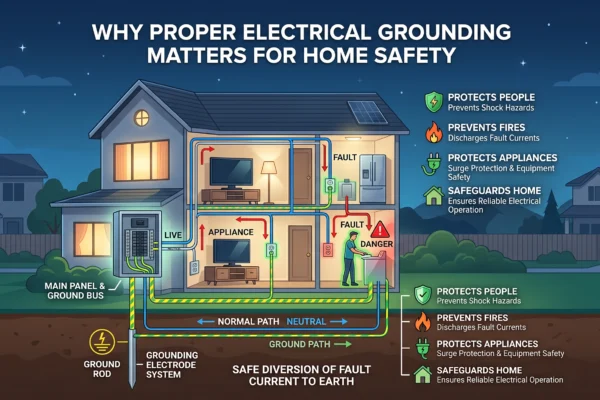
Why Proper Electrical Grounding Matters for Home Safety
Roofers Newcastle: What Homeowners Should Know Before Hiring
Is My House Good for Solar Panels? Complete 2026 Guide