Home Maintenance Mistakes That Cause Pest Problems (Fix Now)

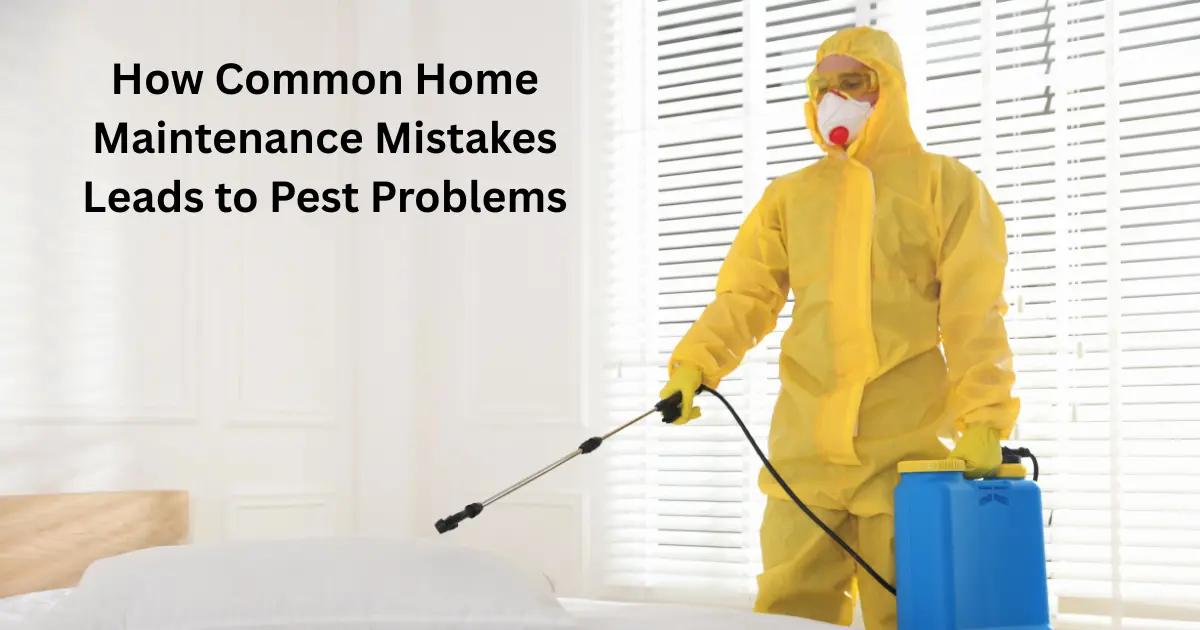
Every homeowner dreams of a pest-free sanctuary, yet many unknowingly roll out the welcome mat for unwanted invaders through simple home maintenance mistakes pests exploit daily. The connection between neglected upkeep and insect or rodent infestations isn’t coincidental—it’s a direct cause-and-effect relationship that costs American homeowners billions annually in damage and extermination services. When gutters overflow, foundations crack, or moisture accumulates unchecked, you’re not just dealing with structural concerns; you’re creating five-star accommodations for termites, rodents, ants, and countless other pests actively searching for food, water, and shelter. Understanding which specific maintenance oversights attract these unwelcome guests empowers you to take preventive action before a minor issue escalates into a full-blown infestation requiring professional intervention.
Why Home Maintenance Directly Impacts Pest Infestations
The relationship between home maintenance pest prevention and successful pest exclusion is fundamental to protecting your property investment. Pests don’t randomly select homes to invade—they follow environmental cues that signal available resources. A well-maintained home presents barriers at every potential entry point, eliminates moisture sources, and removes the conditions pests need to establish colonies. Conversely, deferred maintenance creates vulnerabilities that pests instinctively exploit.
Research from entomology departments across major universities consistently demonstrates that structural integrity serves as the first line of defense against pest intrusion. When homeowners neglect routine inspections and repairs, they inadvertently compromise this protective barrier. A gap measuring just one-quarter inch provides sufficient space for mice to squeeze through, while termites can enter through cracks barely visible to the naked eye. These entry points don’t appear overnight—they develop gradually through weathering, settling, and material degradation that regular maintenance would address.
The economic impact of this neglect is staggering. According to pest management industry data, homeowners spend over $5 billion annually on termite damage alone, with much of this expense traceable to moisture problems and wood-to-soil contact that proper maintenance would prevent. When you factor in the costs associated with rodent damage to electrical systems, insulation contamination, and the health risks posed by pest-borne diseases, the value of proactive home maintenance pest prevention becomes undeniable.
Beyond financial considerations, maintenance-related pest problems create significant health and safety concerns. Rodents carry hantavirus and salmonella, cockroaches trigger asthma attacks, and mosquitoes breeding in standing water transmit West Nile virus. Each of these health threats connects directly to maintenance issues—standing water in clogged gutters, gaps around utility penetrations, or moisture accumulation in poorly ventilated spaces. Addressing maintenance deficiencies isn’t merely about protecting your home’s structure; it’s about safeguarding your family’s wellbeing.
Clogged Gutters: The Hidden Pest Highway
Gutters rank among the most commonly neglected home maintenance tasks, yet they play a crucial role in pest prevention. When leaves, twigs, and debris accumulate in gutters and downspouts, they create standing water—a breeding ground for mosquitoes that can produce thousands of offspring in a single season. This stagnant water also attracts other insects seeking hydration, while the organic debris provides nesting material for birds, squirrels, and even rats.
The problems extend beyond the gutters themselves. When clogged gutters overflow, water cascades down exterior walls, saturating the soil adjacent to your foundation. This moisture accumulation creates ideal conditions for subterranean termites, which require contact between soil and wood to establish colonies. The constant moisture also promotes wood rot in fascia boards and soffits, making these areas even more attractive to carpenter ants and wood-boring beetles that prefer compromised lumber.
Overflowing gutters contribute to basement moisture problems as well. When water isn’t properly channeled away from your foundation, it seeps through basement walls or accumulates in crawl spaces. This elevated humidity attracts silverfish, centipedes, and spiders, while also creating conditions favorable for mold growth that draws fungus gnats and booklice. The cascade effect of this single maintenance oversight demonstrates how common maintenance mistakes attract pests through multiple pathways simultaneously.
Preventing these issues requires seasonal gutter cleaning—at minimum twice annually in spring and fall, with additional cleanings if you have overhanging trees. Installing gutter guards reduces debris accumulation but doesn’t eliminate the need for periodic inspection. Ensure downspouts extend at least six feet from your foundation and discharge onto splash blocks or into drainage systems that carry water away from the structure. This simple maintenance routine eliminates one of the most significant pest attractants around your home’s perimeter.
Foundation Cracks and Gaps: Open Invitations for Rodents
Your home’s foundation serves as the primary barrier between the controlled indoor environment and the pest-populated outdoors. Unfortunately, foundations naturally develop cracks and gaps over time due to settling, freeze-thaw cycles, and hydrostatic pressure. These openings, regardless of size, represent direct access points for mice, rats, snakes, and numerous insect species. A mouse can compress its body to fit through an opening the diameter of a dime, while rats need only a space the size of a quarter.
Foundation vulnerabilities typically appear in predictable locations. The junction where concrete meets the sill plate (the wooden base of your home’s framing) commonly develops gaps as materials expand and contract with temperature fluctuations. Utility penetrations—where pipes, cables, and conduits enter your home—frequently lack proper sealing, leaving gaps that pests exploit. Cracks in the foundation itself, whether from settling or poor initial construction, provide entry routes for everything from ants to snakes seeking shelter.
The consequences of ignoring foundation gaps extend beyond simple pest entry. Rodents that gain access through foundation openings often establish nests in wall voids, attics, and crawl spaces, where they reproduce rapidly and cause extensive damage. Mice and rats gnaw constantly to control tooth growth, targeting electrical wiring, insulation, and structural lumber. This behavior creates fire hazards and compromises your home’s energy efficiency while the pest population multiplies unchecked.
Addressing foundation issues requires a systematic approach. Conduct exterior inspections at least twice yearly, examining the entire foundation perimeter for cracks, gaps, and deterioration. Seal cracks wider than one-eighth inch with appropriate materials—hydraulic cement for active water intrusion, polyurethane caulk for dry cracks, and expanding foam for larger gaps around utility penetrations. For significant structural cracks, consult a foundation specialist to address underlying issues before sealing. This proactive maintenance eliminates entry points and demonstrates how home repairs prevent pests from establishing footholds in your living space.
Poor Ventilation and Moisture Control Attracting Termites
Moisture management represents one of the most critical aspects of pest prevention, yet it’s frequently overlooked until significant damage occurs. Termites, the most destructive wood-destroying insects in North America, require moisture to survive and actively seek out damp wood for colony establishment. Poor ventilation in crawl spaces, attics, and bathrooms creates the humid conditions these pests need to thrive, while simultaneously weakening wood and making it more susceptible to infestation.
Crawl space ventilation issues top the list of moisture-related maintenance failures. Building codes require specific ventilation ratios for crawl spaces, but vents often become blocked by landscaping, debris, or intentional covering during winter months. When air circulation stops, humidity levels soar, condensation forms on floor joists and subflooring, and wood moisture content rises to levels that attract termites. This environment also promotes fungal growth that draws fungus gnats and provides food for carpenter ants seeking compromised wood.
Bathroom and kitchen ventilation failures create similar problems. Exhaust fans that vent into attics rather than outdoors dump moisture into enclosed spaces, leading to condensation on roof decking and rafters. This moisture attracts termites from above while also creating conditions for mold, which draws moisture-loving insects like psocids and springtails. Many homeowners never run exhaust fans or have non-functional units, allowing humidity to permeate walls and ceilings where it causes long-term damage and pest attraction.
Proper ventilation requires both adequate airflow and moisture barriers. Crawl spaces benefit from ground-level vapor barriers—thick plastic sheeting that prevents soil moisture from evaporating into the space. Ensure crawl space vents remain unobstructed and consider installing foundation vents with adjustable louvers for seasonal control. In bathrooms and kitchens, verify that exhaust fans vent directly outdoors through dedicated ductwork, not into attics or soffits. Run fans during and for 20 minutes after showers to remove moisture effectively. For comprehensive moisture control, consider installing a dehumidifier in problematic areas, maintaining indoor humidity between 30-50% to discourage pest activity. When moisture issues persist despite these measures, consulting with exterminators can help identify hidden sources and develop integrated solutions.
Overgrown Landscaping Creating Pest Pathways
The landscaping immediately surrounding your home serves either as a protective buffer zone or a pest superhighway, depending on how you maintain it. Overgrown shrubs, trees with branches touching your roof, and vegetation pressed against exterior walls create bridges that pests use to bypass ground-level barriers and access your home’s upper levels. This maintenance issue causes pests to proliferate by providing both concealment and direct access routes that circumvent your primary defenses.
Trees and shrubs touching your home’s exterior create multiple problems simultaneously. Branches that contact roofing, siding, or trim provide highways for ants, termites, and rodents to reach vulnerable entry points. Squirrels use overhanging branches to access roofs and attics, while carpenter ants establish satellite colonies in trees and use touching branches to access the main structure. Dense vegetation against foundations creates perpetually shaded, moist microclimates that attract moisture-loving pests and prevent proper air circulation that would otherwise dry out these areas.
Ground-level landscaping mistakes compound these issues. Mulch piled against siding or above the foundation line retains moisture against your home’s exterior, creating conditions termites find irresistible. While mulch serves important landscaping functions, it should never contact wooden components of your home and should be maintained at a depth of 2-3 inches maximum. Thick mulch layers provide harborage for countless insects and create pathways for subterranean termites to reach wooden structures while remaining protected from detection.
Ivy, vines, and other climbing plants present unique challenges. While aesthetically pleasing, these plants create dense coverage that conceals pest activity and traps moisture against exterior walls. Carpenter ants, spiders, and various beetles thrive in the protected environment vines create, while the plants themselves can damage mortar, siding, and paint as they grow. The moisture retention these plants cause also promotes wood rot and creates entry points as materials deteriorate.
Implementing proper landscaping maintenance requires establishing and maintaining clear zones around your home’s perimeter. Trim all tree branches to maintain at least six feet of clearance from your roof and exterior walls. Keep shrubs pruned to allow 12-18 inches of clearance from siding and foundation walls, ensuring adequate air circulation and sunlight penetration. Remove climbing vines from exterior walls entirely or maintain them on trellises positioned away from the structure. Create a 12-inch vegetation-free zone immediately adjacent to your foundation, using gravel or stone rather than mulch in this critical area. These practices eliminate pest pathways while improving your home’s appearance and reducing maintenance requirements over time.
Unsealed Windows and Doors: Entry Points for Insects
Windows and doors represent some of the most common entry points for insects, yet homeowners frequently overlook the deterioration of seals, weatherstripping, and screens that protect these openings. A window that appears closed may have gaps around the frame, deteriorated caulking, or torn screens that provide easy access for flies, mosquitoes, stink bugs, and countless other flying and crawling insects. These common maintenance mistakes attract pests by creating openings that compromise your home’s protective envelope.
Weatherstripping around doors degrades over time due to constant use, temperature fluctuations, and UV exposure. When the seal between door and frame deteriorates, gaps develop that allow insects to enter freely. This problem intensifies with exterior doors that lack proper door sweeps or have sweeps that no longer make contact with the threshold. A gap of just 1/8 inch under an exterior door provides sufficient space for cockroaches, ants, and spiders to enter, while also allowing conditioned air to escape and increasing energy costs.
Window screens serve as critical barriers against flying insects, but their effectiveness depends entirely on their condition. Tears, holes, and gaps around screen frames eliminate this protection, allowing mosquitoes, flies, and wasps to enter while windows remain open for ventilation. Many homeowners don’t realize that screens require periodic replacement—typically every 5-7 years depending on material quality and exposure. Aluminum screens corrode over time, fiberglass screens become brittle and tear, and frames warp or separate from window casings.
The caulking around window and door frames deteriorates similarly, creating gaps between the frame and the surrounding wall structure. These gaps provide entry points for cluster flies, boxelder bugs, and Asian lady beetles that seek indoor overwintering sites in fall. Once inside wall voids, these pests emerge into living spaces throughout winter, creating ongoing nuisance problems that simple caulking maintenance would prevent.
Maintaining window and door seals requires regular inspection and timely replacement of worn components. Check weatherstripping annually, replacing any sections that show compression, cracking, or separation. Install or replace door sweeps on all exterior doors, ensuring they make continuous contact with the threshold when doors are closed. Inspect window screens for damage before each cooling season, repairing small tears with screen repair kits and replacing severely damaged screens entirely. Re-caulk around window and door frames every 3-5 years using high-quality exterior caulk appropriate for your climate. For homes experiencing persistent insect intrusion despite these measures, professional pest control services can identify hidden entry points and implement comprehensive exclusion strategies.
Leaky Pipes and Plumbing Issues Drawing Pests
Water represents one of the three essential resources pests seek when invading homes, and plumbing leaks provide reliable sources that attract and sustain infestations. A slow drip under a kitchen sink creates standing water that cockroaches, silverfish, and drain flies exploit, while moisture from leaking pipes promotes wood rot that attracts carpenter ants and termites. These plumbing-related maintenance issues cause pests to establish permanent populations rather than simply passing through your home.
Under-sink leaks rank among the most common plumbing problems homeowners overlook. The enclosed cabinet environment conceals slow drips that may persist for months or years before discovery. During this time, moisture accumulates, wood swells and rots, and pest populations establish themselves in the ideal habitat created by constant water availability and protected harborage. Cockroaches particularly favor these environments, using the moisture for hydration while feeding on organic debris that accumulates in damp cabinet interiors.
Bathroom plumbing presents similar challenges with additional complications. Leaking toilet seals allow water to seep beneath flooring, creating moisture problems that attract termites and carpenter ants while promoting subfloor rot. Shower and tub surrounds with deteriorated caulking or grout allow water penetration into wall cavities, where it creates hidden moisture problems that manifest as pest infestations before water damage becomes visible. These concealed leaks often persist for years, causing extensive damage while providing ideal conditions for moisture-dependent pests.
Exterior plumbing issues create different but equally serious problems. Leaking hose bibs, sprinkler systems, and outdoor faucets create perpetually moist areas around your foundation that attract termites, carpenter ants, and various moisture-loving insects. Air conditioning condensate lines that discharge near foundations create similar problems, with the constant moisture flow creating muddy areas that subterranean termites use as highways to reach wooden structures.
Hot water heater leaks deserve special attention due to their potential for significant water discharge. A failing water heater can release gallons of water before detection, flooding basements or utility rooms and creating extensive moisture problems. Even small leaks from pressure relief valves or drain valves create standing water that attracts pests and promotes corrosion and deterioration of surrounding materials.
Preventing plumbing-related pest problems requires vigilant inspection and prompt repair of any water intrusion. Check under all sinks monthly for signs of moisture, including water stains, swollen wood, or musty odors. Inspect toilet bases for water seepage and re-seal with new wax rings if leaks appear. Test shower and tub surrounds by running water and checking for moisture penetration, re-caulking or re-grouting as needed to maintain waterproof barriers. Examine exterior plumbing fixtures seasonally, repairing leaks immediately and ensuring proper drainage away from foundations. For homes with persistent moisture issues affecting indoor air quality, professional HVAC service can address ventilation and dehumidification needs that complement plumbing repairs in creating inhospitable environments for pests.
Improper Trash Storage and Outdoor Clutter
Waste management practices directly influence pest pressure around your home’s perimeter, yet many homeowners inadvertently create pest magnets through improper trash storage and accumulated outdoor clutter. Garbage bins placed against exterior walls, compost piles too close to foundations, and accumulated debris in yards provide food sources and harborage that attract rodents, raccoons, flies, and countless insect species. These conditions demonstrate how home maintenance pest prevention extends beyond structural repairs to include proper housekeeping and waste management protocols.
Outdoor trash receptacles require strategic placement and proper maintenance to minimize pest attraction. Bins placed directly against your home’s exterior provide convenient access for rodents and insects that then explore the structure for entry points. The organic waste decomposing in these containers releases odors that attract pests from considerable distances, while leaking liquids create moisture problems and food sources. Many homeowners compound these issues by using damaged bins with broken lids or cracked bodies that provide direct access to contents.
Compost bins and piles, while environmentally beneficial, create significant pest challenges when improperly located or maintained. Compost generates heat during decomposition, making it attractive to rodents seeking warm nesting sites during cold months. The organic material provides abundant food for flies, beetles, and other insects, while moisture from decomposition creates ideal breeding conditions. When positioned too close to homes—typically within 50 feet—compost operations essentially establish pest breeding grounds adjacent to your living space.
Accumulated outdoor clutter provides harborage that pests exploit for nesting and concealment. Stacked firewood against exterior walls creates protected spaces where rodents nest and termites establish colonies while remaining hidden from view. Piles of leaves, grass clippings, or yard waste provide similar harborage while retaining moisture that attracts additional pests. Old lumber, unused building materials, and stored equipment create complex environments where multiple pest species coexist, protected from predators and weather.
Recycling storage presents unique challenges due to the food residues that remain in containers despite rinsing. Bins filled with unwashed recyclables attract flies, wasps, and ants, while providing moisture and food sources that sustain populations. When recycling bins lack secure lids or remain outdoors for extended periods between collection, they become significant pest attractants that compromise your overall pest management efforts.
Implementing proper waste management and clutter control requires systematic approaches. Position all trash receptacles at least 10 feet from your home’s exterior, using bins with tight-fitting lids and intact bodies. Rinse all recyclables before storage and maintain covered recycling bins. Locate compost operations at least 50 feet from structures, using enclosed composting systems rather than open piles. Store firewood on racks at least 20 feet from your home, elevating it 6 inches above ground level to prevent moisture absorption and pest harborage. Remove yard waste promptly rather than allowing it to accumulate, and eliminate unnecessary outdoor storage by disposing of unused materials. For homeowners seeking comprehensive approaches that minimize chemical interventions, natural pest control methods complement proper sanitation practices in creating inhospitable environments for pests.
Neglected Attic and Crawl Space Maintenance
Attics and crawl spaces represent the forgotten frontiers of home maintenance, yet these areas often harbor the most serious pest problems due to their isolation and infrequent inspection. These spaces provide ideal conditions for rodents, bats, insects, and other pests seeking undisturbed harborage with access to shelter, nesting materials, and entry points to living spaces below. Neglecting these areas allows pest populations to establish and grow unchecked, often causing extensive damage before discovery.
Attic ventilation systems require regular inspection to ensure proper function and pest exclusion. Ridge vents, soffit vents, and gable vents often lack proper screening or have screens that deteriorate over time, allowing bats, birds, squirrels, and insects to enter freely. Once inside, these pests find abundant insulation for nesting, protected spaces for reproduction, and access to the rest of your home through gaps around plumbing stacks, electrical penetrations, and HVAC components. The damage they cause includes contaminated insulation, gnawed wiring, and structural deterioration from urine and feces accumulation.
Crawl space access points frequently lack proper securing, allowing opportunistic pests to establish populations in these protected underground spaces. Foundation vents without screens provide open access for rodents, snakes, and insects, while access doors that don’t seal properly create similar vulnerabilities. The cool, dark, often humid environment of crawl spaces attracts moisture-loving pests while providing protected harborage where populations grow without human interference. Termites find ideal conditions in crawl spaces where wood-to-soil contact often occurs and moisture levels remain elevated.
Insulation in both attics and crawl spaces requires periodic inspection for pest damage and moisture problems. Rodents compress and contaminate insulation with urine and feces, reducing its effectiveness while creating health hazards. Moisture infiltration from roof leaks or ground-level seepage promotes mold growth that attracts fungus-feeding insects and creates conditions favorable for wood-destroying organisms. Many homeowners never enter these spaces, allowing problems to compound over years before discovery during real estate transactions or after catastrophic failures.
Stored items in attics create additional pest harborage and food sources. Cardboard boxes provide nesting material for rodents and insects, while the items stored within—particularly fabrics, papers, and organic materials—provide food for various pests. The clutter these storage areas create also conceals pest activity and makes inspection difficult, allowing infestations to establish in hidden corners and under stored belongings.
Proper attic and crawl space maintenance requires regular inspection and proactive intervention. Inspect these areas at least twice annually, looking for signs of pest activity including droppings, gnaw marks, nesting materials, and live or dead pests. Verify that all ventilation openings have intact screening with mesh small enough to exclude insects—typically 1/8 inch or smaller. Seal any gaps around penetrations where pipes, wires, or ducts enter these spaces, using appropriate materials for each application. Maintain proper insulation levels and replace any sections damaged by moisture or pests. In crawl spaces, ensure vapor barriers remain intact and ground-level vents have secure screening. Remove stored items from attics when possible, or use sealed plastic containers rather than cardboard boxes. Address any moisture issues immediately, as elevated humidity attracts pests and promotes conditions favorable for wood-destroying organisms.
Damaged Roof Shingles and Soffit Problems
Your home’s roof system represents the primary barrier against weather and pests from above, yet roof maintenance often receives inadequate attention until leaks develop or visible damage occurs. Damaged shingles, deteriorated flashing, and compromised soffits create entry points for birds, squirrels, bats, and insects while allowing moisture intrusion that attracts wood-destroying pests. These elevated vulnerabilities demonstrate how home repairs prevent pests by maintaining the integrity of your home’s protective envelope at all levels.
Missing or damaged shingles create immediate vulnerabilities that pests exploit. A single missing shingle exposes roof decking to weather and creates gaps that squirrels and raccoons enlarge to gain attic access. Wind-damaged shingles that curl or lift create spaces underneath where bats roost and insects nest, while the exposed decking beneath deteriorates from moisture exposure. These problems escalate during storms when wind-driven rain penetrates compromised areas, creating water damage that attracts carpenter ants and termites to weakened wood.
Roof flashing around chimneys, skylights, and vent pipes requires particular attention as these areas commonly develop gaps that pests exploit. Flashing separates from surfaces due to thermal expansion, fastener corrosion, or improper initial installation, creating openings that appear small but provide sufficient access for bats, birds, and various insects. Chimney flashing failures are especially problematic as they often go unnoticed until significant water damage or pest infestations develop in surrounding attic spaces.
Soffits and fascia boards serve critical roles in pest exclusion but frequently deteriorate due to moisture exposure and inadequate maintenance. Rotted soffit boards develop holes that provide direct attic access for squirrels, birds, and bats, while deteriorated fascia creates gaps where insects nest and moisture penetrates. The ventilation slots in soffits, essential for attic air circulation, become pest entry points when screening deteriorates or was never properly installed. Many older homes lack soffit vent screening entirely, providing unrestricted access for wasps, hornets, and other flying insects that establish nests in attic spaces.
Roof valleys and eaves accumulate debris that retains moisture and promotes deterioration of roofing materials. Leaves, pine needles, and organic matter trap water against shingles and decking, accelerating rot and creating conditions that attract carpenter ants and wood-boring beetles. This debris also provides nesting material for birds and insects while concealing damage that allows problems to progress undetected. The shade and moisture these accumulations create make affected areas particularly attractive to moisture-loving pests.
Maintaining roof system integrity requires systematic inspection and timely repairs. Conduct visual roof inspections from ground level quarterly, using binoculars to examine shingles, flashing, and soffits for damage. Perform close-up inspections annually, either personally if comfortable with ladder work or through professional roofing contractors. Replace damaged or missing shingles promptly, addressing underlying decking damage before installing new materials. Inspect and repair flashing around all roof penetrations, ensuring complete seals that exclude both water and pests. Replace rotted soffit and fascia boards immediately, installing proper screening over all ventilation openings. Clean roof valleys and eaves at least twice annually, removing debris that retains moisture and provides pest harborage. For homes in areas with severe weather or significant tree coverage, increase inspection frequency to catch and address damage before it creates pest vulnerabilities.
Creating a Pest-Prevention Maintenance Schedule
Effective pest prevention through home maintenance requires systematic scheduling rather than reactive responses to problems after they develop. A comprehensive maintenance calendar ensures that critical tasks receive attention before minor issues escalate into pest infestations or structural damage. This proactive approach to prevent pest infestations home maintenance creates consistent barriers that exclude pests while identifying vulnerabilities before they’re exploited.
Monthly maintenance tasks should focus on high-impact, quick-check items that prevent immediate problems. Inspect under sinks for plumbing leaks, checking both supply lines and drain connections for moisture or corrosion. Walk your home’s perimeter, looking for new cracks in foundations, gaps around utility penetrations, or vegetation that has grown too close to structures. Check exterior doors for weatherstripping integrity and proper door sweep contact. Examine trash storage areas to ensure bins remain properly positioned and secured. These monthly checks take less than an hour but catch developing problems before they create pest opportunities.
Quarterly maintenance expands to include more detailed inspections and seasonal preparations. Clean gutters and downspouts, removing debris and verifying proper water flow and discharge away from foundations. Inspect window and door screens for damage, repairing or replacing as needed before peak insect seasons. Check attic and crawl space access points to ensure screens and seals remain intact. Examine stored firewood and outdoor materials, relocating items that have migrated too close to structures. Trim vegetation that has grown to contact your home’s exterior. These quarterly tasks address seasonal changes and prevent accumulating problems from creating pest vulnerabilities.
Semi-annual maintenance should include comprehensive inspections of critical systems and structures. Conduct thorough attic and crawl space inspections, looking for signs of pest activity, moisture problems, and structural issues. Inspect your roof from close range, examining shingles, flashing, soffits, and fascia for damage or deterioration. Check foundation perimeter for cracks and gaps, sealing any openings discovered. Test all plumbing fixtures for leaks, including outdoor faucets and irrigation systems. Verify that bathroom and kitchen exhaust fans function properly and vent to building exteriors. These twice-yearly deep inspections catch problems that monthly and quarterly checks might miss.
Annual maintenance tasks address long-term wear and preventive replacements. Re-caulk around windows and doors as needed, typically every 3-5 years but inspected annually. Service HVAC systems professionally, ensuring proper function and addressing any moisture issues related to condensate drainage. Inspect and clean dryer vents, removing lint accumulation that attracts insects and creates fire hazards. Pressure wash exterior surfaces to remove organic growth and debris that attracts pests. Review and update your pest prevention strategies based on any problems encountered during the previous year.
Seasonal considerations require adjusting maintenance focus based on pest activity patterns and weather impacts. Spring maintenance should emphasize sealing entry points before insect activity peaks, cleaning up winter debris, and addressing moisture problems from snow melt and spring rains. Summer focus shifts to vegetation management, ensuring adequate clearances as plants reach full growth, and maintaining proper drainage during heavy rainfall periods. Fall preparations include sealing gaps before overwintering pests seek indoor shelter, cleaning gutters before leaf fall completes, and protecting outdoor plumbing from freeze damage. Winter maintenance focuses on monitoring for moisture problems from ice dams, checking attic ventilation, and addressing any pest activity discovered in living spaces.
Documentation enhances the effectiveness of any maintenance schedule. Maintain a log of inspections performed, problems discovered, and repairs completed. Photograph areas of concern to track changes over time and verify that repairs remain effective. This documentation proves valuable when selling your home, filing insurance claims, or consulting with pest control professionals about recurring problems. Digital tools and smartphone apps can simplify this record-keeping while providing reminders for scheduled tasks.
For homeowners overwhelmed by the scope of required maintenance, prioritization becomes essential. Focus first on moisture control and structural integrity—addressing leaks, sealing major gaps, and maintaining proper drainage. These foundational elements prevent the most destructive pest problems including termites and carpenter ants. Next, address entry point exclusion around windows, doors, and utility penetrations to prevent insect intrusion. Finally, implement vegetation management and sanitation improvements that reduce pest attraction and harborage around your property perimeter.
Protecting Your Home Through Proactive Maintenance
The connection between home maintenance and pest prevention isn’t merely correlational—it’s causative and entirely within your control. Every gap you seal, leak you repair, and maintenance task you complete removes resources and access points that pests require for survival. While professional pest control services provide valuable intervention when infestations develop, the most effective and economical approach combines regular maintenance with vigilant inspection to prevent problems before they start.
The financial argument for maintenance-based pest prevention is compelling. Preventive maintenance costs a fraction of what you’ll spend addressing pest damage and professional extermination services. A tube of caulk costs a few dollars and prevents thousands in termite damage. Gutter cleaning services cost less than mosquito abatement treatments. Foundation crack repair prevents rodent entry that could require extensive remediation and damaged property replacement. When you factor in the health risks, stress, and disruption that pest infestations cause, the value proposition becomes overwhelming.
Beyond economics, maintenance-based pest prevention provides peace of mind that chemical treatments alone cannot deliver. Knowing your home’s protective barriers remain intact, moisture sources are controlled, and entry points are sealed creates confidence that pests won’t suddenly appear in living spaces. This proactive approach shifts you from reactive crisis management to confident home stewardship, where you control conditions rather than responding to problems after they develop.
The seasonal nature of pest pressure makes timing critical for maintenance effectiveness. Addressing vulnerabilities before peak pest seasons prevents infestations rather than controlling them after establishment. Sealing entry points in early spring prevents summer insect invasions. Fall maintenance prevents overwintering pest problems. This strategic timing maximizes the impact of maintenance efforts while minimizing the likelihood of pest encounters.
For homeowners committed to sustainable living, maintenance-based pest prevention aligns perfectly with environmental values. Excluding pests through structural integrity and sanitation eliminates or reduces the need for chemical interventions, protecting beneficial insects, pets, and family members from pesticide exposure. This approach recognizes that the most effective pest control doesn’t kill pests—it prevents them from accessing your home in the first place.
Implementing comprehensive home maintenance for pest prevention requires commitment but not expertise. Most tasks involve basic observation, simple repairs, and consistent scheduling rather than specialized skills. When problems exceed your capabilities or comfort level, professional contractors can address specific issues while you maintain the overall program. This collaborative approach leverages professional expertise for complex repairs while keeping routine maintenance manageable and affordable.
The investment you make in preventive maintenance protects your home’s value while creating a healthier, more comfortable living environment. Pest-free homes command premium prices in real estate markets, while documented maintenance histories provide buyers with confidence in property condition. The structural preservation that maintenance provides extends your home’s lifespan and reduces long-term ownership costs, making this approach both immediately beneficial and strategically sound for long-term property investment.
Start your pest prevention maintenance program today by conducting a comprehensive property inspection. Walk your home’s perimeter, examining foundations, landscaping, drainage, and exterior conditions. Move to interior spaces, checking plumbing, ventilation, and storage areas. Document current conditions and prioritize repairs based on severity and pest risk. Develop your maintenance schedule using the guidelines provided, adjusting frequency based on your home’s age, location, and specific vulnerabilities. Remember that consistency matters more than perfection—regular attention to basic maintenance prevents the majority of pest problems homeowners encounter.
Frequently Asked Questions
What home maintenance mistakes pests exploit most often?
The most common home maintenance mistakes pests take advantage of include clogged gutters, foundation cracks, poor ventilation, and accumulated moisture. These oversights create ideal entry points and habitats for insects and rodents. Neglecting regular inspections of your home’s exterior, roof, and plumbing systems essentially provides pests with food, water, and shelter—the three essentials they need to thrive.
Can clogged gutters cause roaches and other pest problems?
Yes, clogged gutters are a significant contributor to pest infestations, including roaches. When gutters overflow, they create standing water and moisture buildup around your foundation, which attracts cockroaches, mosquitoes, and other water-loving pests. The decomposing organic matter in clogged gutters also provides food sources for various insects, while the moisture can lead to wood rot that makes it easier for pests to enter your home.
Is pest control considered a maintenance issue?
Pest control is both a maintenance issue and a consequence of maintenance neglect. Preventive pest control should be part of your regular home maintenance routine, including sealing entry points, managing moisture, and eliminating food sources. When home maintenance mistakes pests can exploit are left unaddressed—such as gaps in siding, leaky pipes, or damaged screens—pest problems become inevitable rather than preventable.
What scenarios can lead to pest infestation in homes?
Common scenarios include foundation cracks from settling, moisture accumulation from poor drainage, unsealed gaps around utility lines, and deteriorating weather stripping. Neglected attic ventilation, basement dampness, and overgrown vegetation touching your home’s exterior also create pest highways. These home maintenance mistakes pests need to establish colonies often develop gradually, making regular inspections essential for early detection.
What is the best way to prevent pests in the home?
The most effective pest prevention strategy combines regular maintenance inspections with prompt repairs of any vulnerabilities. This includes keeping gutters clean, sealing cracks and gaps, managing moisture through proper ventilation and drainage, and maintaining a clean, clutter-free environment. Addressing these maintenance issues proactively costs far less than dealing with established infestations and the structural damage they cause.
What is the hardest infestation to get rid of?
Bed bugs and termites are generally considered the most difficult infestations to eliminate completely. Bed bugs hide in tiny crevices and have developed resistance to many pesticides, often requiring multiple professional treatments. Termites can cause extensive structural damage before detection and typically need comprehensive professional intervention including barrier treatments and ongoing monitoring to fully eradicate.
Do rats come out during the day, and what does this indicate?
Rats are primarily nocturnal and typically avoid daytime activity, so seeing rats during daylight hours usually indicates a severe infestation. When rat populations grow too large for available hiding spaces and food sources, they’re forced to forage during the day despite the increased risk. This behavior suggests that home maintenance mistakes pests have exploited have created an environment where rodents feel secure enough to abandon their natural caution.
What smell do rodents hate the most?
Rodents are particularly repelled by peppermint oil, ammonia, mothballs, and predator urine scents. However, relying solely on scent deterrents is not a comprehensive solution to rodent problems. The most effective approach combines these natural repellents with proper home maintenance—sealing entry points, eliminating food sources, and removing nesting materials—to create an environment that’s genuinely inhospitable to rodents.
What is most likely to indicate a pest infestation?
The most reliable indicators include droppings, gnaw marks, unusual odors, and visible damage to food packaging or structural materials. You might also notice grease marks along walls, nesting materials in hidden areas, or actual sightings of pests (especially during daylight). These signs often appear after home maintenance mistakes pests have already exploited, which is why preventive maintenance and regular inspections are crucial for catching problems early.
Does homeowners insurance cover rodent removal and pest damage?
Most standard homeowners insurance policies do not cover pest removal or damage caused by rodents and insects, as these are considered preventable maintenance issues. Insurance typically only covers sudden, accidental damage rather than problems resulting from neglect or lack of maintenance. This makes preventing pest problems through proper home upkeep not just a health and comfort issue, but also a significant financial consideration for homeowners.
You May Also Like
Why Proper Electrical Grounding Matters for Home Safety

Roofers Newcastle: What Homeowners Should Know Before Hiring

Is My House Good for Solar Panels? Complete 2026 Guide