How Did Hazbin Hotel Characters Die? Complete Death Guide

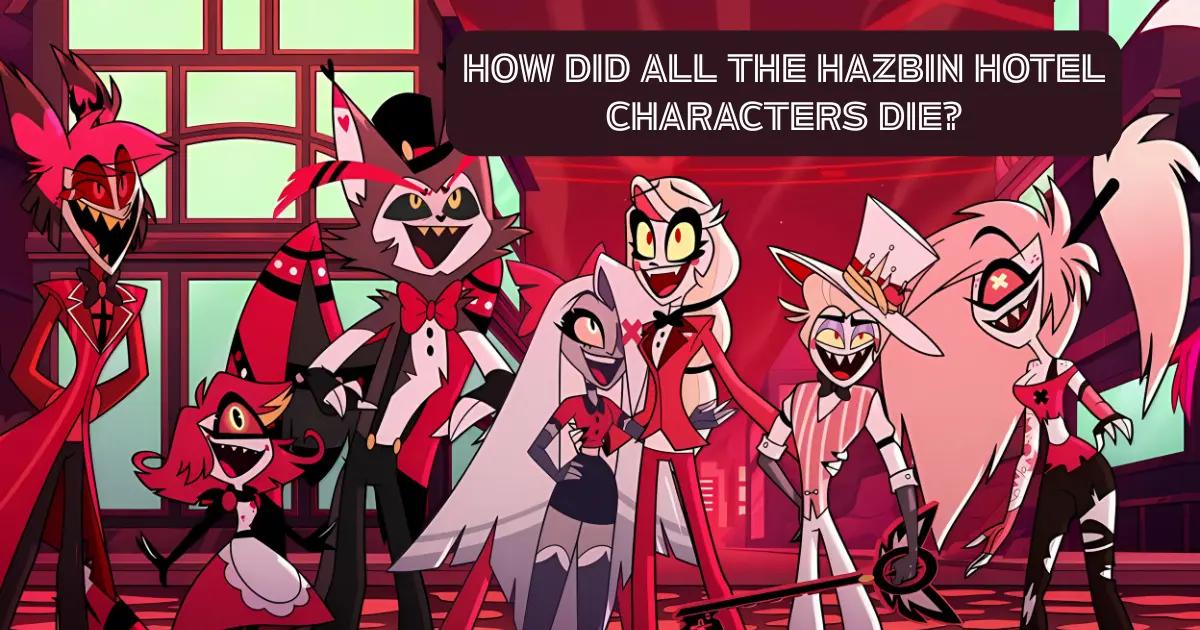
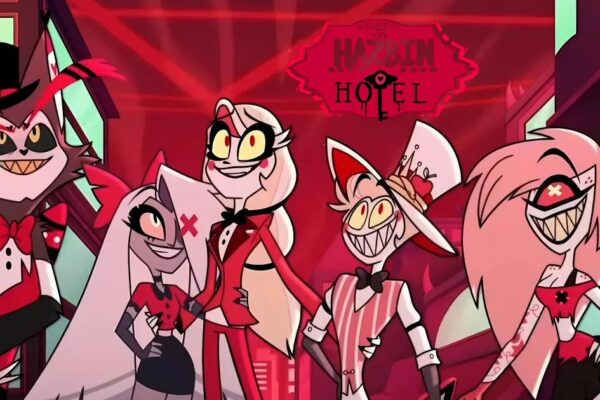
If you’ve fallen into the chaotic, musical world of Hazbin Hotel, you’ve probably wondered about the dark pasts of its beloved characters. Understanding how the Hazbin Hotel characters die isn’t just morbid curiosity—it’s essential to grasping why each demon behaves the way they do in Hell’s most ambitious redemption project. From overdoses to mysterious murders, each character’s death reveals the tragedy, violence, or vice that condemned them to eternal damnation, and these backstories add profound depth to their personalities in the afterlife.
The deaths of Hazbin Hotel characters aren’t just throwaway details—they’re the foundation of who these demons are. Whether you’re trying to understand Angel Dust’s self-destructive tendencies, Alastor’s sinister charm, or why Niffty is obsessed with cleanliness, their mortal demises hold the answers. This comprehensive guide explores every confirmed death, popular fan theory, and the mysterious gaps that creator Vivienne Medrano has left for us to puzzle over. By the end, you’ll have a complete understanding of the Hazbin Hotel character deaths that shaped Hell’s most colorful residents.
Complete List of Hazbin Hotel Character Deaths
Before diving into individual backstories, let’s establish what we know about how the main Hazbin Hotel characters die. The series has revealed some deaths explicitly through dialogue, flashbacks, and official streams, while others remain shrouded in mystery or exist only as fan theories. The Hazbin Hotel character death dates span from the Victorian era through the 1970s, creating a diverse cast from different time periods who must navigate Hell together.
The confirmed and theorized deaths break down into several categories: violent deaths (murders and executions), self-inflicted deaths (overdoses and suicide), accidental deaths, and deaths that remain completely unknown. What makes these backstories particularly compelling is how each character’s death directly influences their demonic form, powers, and psychological makeup in Hell. A gambler who lost everything manifests as a cat-like demon with card symbolism; a radio host murdered during his reign of terror becomes the Radio Demon with reality-warping broadcast powers.
Understanding when did Alastor die in Hazbin Hotel or how did Angel Dust die provides context for their interactions, fears, and motivations. These aren’t just demons—they’re people who experienced traumatic ends to their mortal lives, and those traumas echo through eternity. Some characters wear their deaths openly (Angel Dust’s addiction struggles), while others keep their mortal ends mysterious (Alastor’s carefully guarded past). Let’s explore each character’s journey from life to afterlife.
Charlie Morningstar – The Princess Who Never Died
Here’s where we address a common misconception: Charlie Morningstar never died. Unlike every other resident of the Hazbin Hotel, Charlie is a natural-born demon, the daughter of Lucifer Morningstar and Lilith. She didn’t live a mortal life, commit sins, and then get condemned to Hell—she was literally born there as Hell royalty. This fundamental difference is crucial to understanding her character and her seemingly naive optimism about redemption.
Charlie’s lack of a death experience means she has no mortal trauma, no human life to look back on with regret, and no personal understanding of what it means to fall from grace. This is why she can maintain such hopeful idealism about rehabilitating sinners—she’s never experienced the darkness, desperation, or moral compromises that led every other character to damnation. Her privilege as Hell’s princess isn’t just political; it’s existential. She’s never known the fear of judgment, the weight of sin, or the finality of death.
This distinction becomes important when considering how did Charlie die in Hazbin Hotel—she didn’t. Her immortal status as a Hellborn demon gives her a unique perspective that both helps and hinders her redemption hotel project. She can approach rehabilitation with genuine compassion unclouded by personal guilt, but she also struggles to truly understand the depth of trauma and moral complexity her guests carry. Charlie’s “death” is metaphorical—the death of her innocence as she confronts the reality of Hell’s cruelty and her father’s abandonment of his realm.
Vaggie's Death and Fallen Angel Origins
Vaggie’s backstory underwent a massive revelation in Season 1 that fundamentally changed our understanding of her character. Vaggie didn’t die as a human—she’s a fallen angel, specifically a former Exorcist who was cast out of Heaven. Her “death” is more accurately described as a fall from grace, a transformation from heavenly warrior to Hell’s resident. This makes her one of the few main characters whose origin doesn’t involve a mortal death at all.
The circumstances of Vaggie’s fall involve her showing mercy during an Exorcist raid on Hell. As an angel tasked with the annual extermination of sinners, Vaggie was expected to kill without question or compassion. When she spared a demon child, her fellow Exorcist Lute discovered her act of mercy and brutally punished her—tearing out her eye and her wings before abandoning her in Hell. This wasn’t a death in the traditional sense, but a violent severing from everything she knew, a casting out that left her stranded in the very realm she’d been trained to purge.
Vaggie’s “death” as an angel and rebirth as a fallen warrior explains her fierce protectiveness of Charlie, her military discipline, and her deep-seated guilt. She carries the shame of her angelic past and the trauma of her violent fall. Her missing eye serves as a permanent reminder of her punishment, and her relationship with Charlie represents her attempt at redemption—not from human sins, but from the sin of blind obedience to Heaven’s cruel system. The Hazbin Hotel character deaths may not include Vaggie in the traditional sense, but her fall from Heaven is perhaps the most symbolically significant “death” in the series.
Angel Dust's Death – Overdose and Family Tragedy
When fans ask how did Angel Dust die, the answer is tragically straightforward: Angel Dust died of a drug overdose in 1947. Born Anthony in New York City during the early 20th century, he was part of an Italian-American mob family, which set the stage for a life of crime, violence, and eventually, addiction. His death wasn’t a dramatic mob hit or a violent confrontation—it was the quiet, lonely end that comes from substance abuse, a fitting conclusion to a life spent trying to escape his reality.
Angel Dust’s mortal life was defined by his sexuality in an era of brutal homophobia and his involvement in his family’s criminal enterprises. As a gay man in a conservative Italian mob family, Anthony faced rejection, violence, and the constant need to hide his true self. The drugs that eventually killed him weren’t just recreational—they were an escape from the impossible position of being queer in the 1930s-40s mob world. His overdose was both accidental and inevitable, the culmination of years of self-medication and self-destruction.
In Hell, Angel Dust manifested as a spider demon, and his death by overdose directly connects to his afterlife as a sex worker trapped in an exploitative contract with Valentino. His addiction issues didn’t end with death—they followed him into damnation, where he continues to struggle with drugs, self-worth, and the cycle of abuse. The tragedy of Angel Dust’s death is that it solved nothing; he simply traded one form of suffering for another. His character arc in the Hazbin Hotel revolves around breaking cycles that began in his mortal life and ended with that fatal overdose in 1947.
Angel Dust's Family and the Mob Connection
Angel Dust’s death becomes even more complex when you consider his family’s fate. His father and brother are also in Hell, meaning the family dynamics that contributed to his misery in life continue in the afterlife. The mob connections that pushed him toward drugs and self-destruction weren’t left behind—they’re still present, still toxic, and still influencing his choices. This makes his death not an ending but a transition into a different form of the same hell he experienced while alive.
Alastor the Radio Demon – The Mysterious Death of 1933
The question of how did Alastor die remains one of the most debated mysteries in the Hazbin Hotel fandom. What we know for certain is that Alastor died in 1933 in New Orleans, but the exact circumstances remain deliberately vague. The most widely accepted theory, supported by various hints from creator Vivienne Medrano, is that Alastor was a serial killer in life who was eventually shot and killed—possibly by a hunter who mistook him for a deer while he was burying a body in the woods.
Alastor’s mortal life as a radio host in 1920s-30s New Orleans provided the perfect cover for his murderous activities. He was charming, well-spoken, and trusted by the community—the classic profile of a serial killer who hides in plain sight. His victims were reportedly other murderers and criminals, making him a sort of vigilante killer, though this hardly justifies his actions. The irony of his death—being mistaken for prey while disposing of his own victim—adds a darkly comedic element that fits his character perfectly.
When did Alastor die in Hazbin Hotel is confirmed as 1933, and his death transformed him into the Radio Demon, one of Hell’s most powerful overlords. His deer-like demonic form (complete with antlers) directly references the theory of his death by a hunter’s bullet. His radio-based powers connect to his mortal profession, and his perpetual smile is said to be inspired by his mother’s advice to “smile, because you’re never fully dressed without one”—advice he took to psychotic extremes. The Alastor death Hazbin Hotel mystery is intentionally maintained to keep him enigmatic and threatening.
The Serial Killer Theory and Cannibalism
Additional theories suggest Alastor wasn’t just a serial killer but also a cannibal, which would explain certain aspects of his demonic form and behavior. Some fans point to his sharp teeth, his predatory nature, and subtle hints in his dialogue as evidence. Whether he consumed his victims in life remains unconfirmed, but it would certainly explain why he manifested as such a powerful demon—cannibalism combined with serial murder would be among the most severe sins imaginable.
Husk's Death – Gambling Debts and Vietnam War Theories
Husk’s death is another case where official confirmation is limited, but strong evidence points to a specific cause. Husk likely died in the 1970s, and the prevailing theory is that he was killed due to gambling debts, possibly by organized crime. His character design—a cat-like demon with playing card and casino motifs—heavily suggests that gambling was central to both his life and death. The question of how Husk died involves understanding his life as a gambler who eventually bet more than he could afford to lose.
Some fan theories suggest Husk was a Vietnam War veteran who turned to gambling and alcohol to cope with PTSD after returning home. This would place his death in the mid-to-late 1970s and explain his cynical, world-weary personality. The theory posits that Husk’s wartime experiences broke something in him, leading to the self-destructive behaviors that eventually got him killed. Whether he was murdered over debts or died in a gambling-related incident, his death was the culmination of a life spent running from trauma through vice.
In Hell, Husk manifested as a cat demon with wings and card-themed powers, and he eventually lost his soul in a bet with Alastor—a cruel irony that mirrors how gambling destroyed his mortal life. His death by gambling-related violence (the most accepted theory) directly connects to his eternal servitude to Alastor, who now owns his soul through another gamble. Husk’s character arc involves confronting the addiction and self-destruction that defined his mortal life and led to his death, making him one of the more tragic figures in the Hazbin Hotel character deaths roster.
Niffty's Death – The 1950s Housewife Mystery
When fans ask who was Nifty before she died, the answer is frustratingly vague. Niffty died sometime in the 1950s, as evidenced by her fashion sense, speech patterns, and obsession with 1950s domesticity. However, the exact cause of her death has never been officially confirmed. Her character embodies the repressed, hyperactive energy of a 1950s housewife taken to psychotic extremes, suggesting her mortal life and death were connected to that era’s rigid gender roles and expectations.
The most popular fan theories about Niffty’s death range from murder by an abusive husband to a mental breakdown that led to institutionalization and death. Her manic energy, obsession with cleanliness, and disturbing fixation on “bad boys” suggest deep psychological trauma. Some theories propose she was a housewife who snapped under the pressure of 1950s domestic perfection, possibly killing her husband or children before being killed herself or dying by suicide. Others suggest she was a victim of domestic violence whose death was covered up as an accident.
What makes Niffty’s death particularly mysterious is how her demonic form reflects 1950s aesthetics while her personality suggests something deeply wrong beneath the surface. Her single eye, small stature, and insect-like qualities create an unsettling contrast with her cheerful demeanor. The Hazbin Hotel character deaths may leave Niffty’s cause of death ambiguous, but the subtext is clear: she died in an era that demanded women be perfect homemakers, and that pressure either killed her directly or drove her to actions that led to her damnation.
Sir Pentious – Death in the Victorian Era
Sir Pentious died in the late 1800s, during the Victorian era in England, which explains his elaborate speech patterns, steampunk aesthetic, and obsession with mechanical inventions. While the exact cause of his death hasn’t been explicitly confirmed, his character design and personality suggest he was an inventor whose ambitions led to his demise. The most accepted theory is that Sir Pentious died in an accident related to one of his own inventions—possibly an explosion or mechanical failure.
Sir Pentious’s Victorian-era death places him among the oldest residents of the Hazbin Hotel in terms of when he died. His snake-like demonic form, complete with a cobra hood and mechanical enhancements, suggests his sins involved deception, betrayal, or perhaps dangerous experimentation. Some theories propose he was a weapons manufacturer whose inventions caused deaths, or an unethical scientist who conducted dangerous experiments. His desperate need for recognition and status in Hell mirrors the Victorian obsession with social standing and achievement.
The tragedy of Sir Pentious’s character is that he continues the same pattern in Hell that likely led to his death—creating elaborate schemes and inventions that consistently fail. His death, whether by his own invention’s malfunction or through betrayal by rivals, set the stage for his eternal role as Hell’s most incompetent villain. In Season 1, Sir Pentious becomes the first soul to be redeemed and ascend to Heaven, making his story arc particularly significant—he’s the proof that Charlie’s redemption concept can actually work, even for someone who died over a century ago.
Cherri Bomb's Explosive Demise
Cherri Bomb died in the 1980s, likely in Australia based on her accent, and her death almost certainly involved explosives. Her character design—a cyclops demon with bomb motifs and punk rock aesthetics—strongly suggests she died in an explosion, possibly one she caused herself. Whether her death was accidental, the result of criminal activity, or even intentional remains unclear, but explosives were definitely involved in her mortal end.
Cherri Bomb’s 1980s punk aesthetic and anarchist personality suggest she was involved in counterculture movements, possibly including radical activism or criminal enterprises. Some fan theories propose she was part of an anarchist group that used explosives for political statements, and she died when a bomb detonated prematurely. Other theories suggest she was involved in organized crime or gang activity in 1980s Australia, where explosives were used for intimidation or violence. Her missing eye might have been lost in the same explosion that killed her.
In Hell, Cherri Bomb’s explosive death manifests as her primary power—she can create and throw bombs at will, making her one of the more combat-capable residents of the Pride Ring. Her friendship with Angel Dust connects two characters whose deaths involved self-destructive behaviors and dangerous lifestyles. The Hazbin Hotel character deaths that involve violence and chaos are embodied perfectly in Cherri Bomb, whose afterlife is just as explosive as her mortal end. Her character represents the consequences of living fast and dangerously, where the thrills eventually catch up with you in the most literal way possible.
How Each Death Shaped Their Afterlife Personality
The brilliance of Hazbin Hotel’s character design lies in how each death directly influences the demon’s appearance, powers, and psychological makeup. Understanding how the Hazbin Hotel characters die isn’t just trivia—it’s the key to understanding why they behave the way they do in Hell. Each character’s demonic form serves as a permanent reminder of their mortal sins and the circumstances of their death, creating a visual language that tells their story without words.
Angel Dust’s spider form reflects both his entrapment in cycles of abuse and the web of lies he wove in life. His continued addiction in Hell shows that death didn’t free him from his demons—it just made them literal. Alastor’s deer features serve as a darkly ironic reminder of his death while burying a victim, and his radio powers ensure his voice continues to broadcast even in damnation. Husk’s cat-and-cards design embodies the gambling that destroyed him, while his wings suggest he once flew higher before his fall into vice.
The psychological impact of each death is equally significant. Vaggie’s violent fall from Heaven makes her fiercely protective and militaristic, always ready to defend Charlie from threats. Niffty’s mysterious 1950s death left her with manic energy and disturbing fixations that suggest unresolved trauma. Sir Pentious’s Victorian-era death by invention failure makes him desperate to prove his worth through increasingly elaborate schemes. Even Charlie, who never died, is shaped by the absence of that experience—her naivety about sin and suffering comes from never having lived or lost a mortal life.
The Connection Between Sin and Demonic Form
The Hazbin Hotel universe operates on the principle that your demonic form reflects your sins and death. Sinners don’t get to choose their appearance—it’s assigned based on their life, death, and the nature of their damnation. This creates a hierarchy of shame where every demon wears their worst moments as their eternal identity. The more severe the sin, the more monstrous the form. This system ensures that redemption isn’t just about changing behavior—it’s about overcoming the literal embodiment of your past mistakes.
Canon vs Fan Theories – What's Confirmed?
With a series as rich in lore as Hazbin Hotel, it’s crucial to distinguish between confirmed canon and popular fan theories. The challenge is that creator Vivienne Medrano has revealed some information through official streams, tweets, and the show itself, while leaving other details deliberately ambiguous. This has created a fascinating mix of confirmed Hazbin Hotel character deaths and widely accepted theories that may or may not be accurate.
Confirmed canon deaths include: Angel Dust’s 1947 overdose, Alastor’s 1933 death in New Orleans, Vaggie’s fall from Heaven as an Exorcist, and the general time periods for most characters (Niffty in the 1950s, Husk in the 1970s, Sir Pentious in the Victorian era, Cherri Bomb in the 1980s). Charlie’s status as a Hellborn demon who never died is also confirmed. These facts have been stated explicitly in the show, by the creator, or in official materials.
Popular but unconfirmed theories include: Alastor being shot by a hunter while burying a body, Husk dying due to gambling debts or as a Vietnam veteran, Niffty’s death involving domestic violence or mental breakdown, Sir Pentious dying in an invention accident, and Cherri Bomb dying in an explosion she caused. These theories are based on visual clues, character design, dialogue hints, and thematic elements, but haven’t been explicitly confirmed. They’re widely accepted in the fandom because they fit the available evidence, but could be contradicted by future revelations.
When searching for information about Hazbin Hotel character deaths Reddit discussions often blur these lines, presenting theories as facts or mixing canon with speculation. The safest approach is to treat explicit show content and creator statements as canon, while acknowledging that many “known” details about how characters died are actually educated guesses based on context clues. This ambiguity is intentional—it keeps characters mysterious and allows for dramatic revelations in future seasons.
What Season 2 Might Reveal
Questions like who dies in Hazbin Hotel season 2 and does Angel Dust die in Hazbin Hotel season 2 reflect confusion about the show’s premise. The main characters are already dead—they’re in Hell. The question isn’t whether they’ll die, but whether they’ll face final death (being killed by angelic weapons during Extermination Day) or achieve redemption and ascend to Heaven. Season 1 proved redemption is possible with Sir Pentious’s ascension, so Season 2 will likely explore more backstories while advancing the redemption narrative. Fans hoping for answers about does Vox die in Hazbin Hotel season 2 or does Valentino die in Hazbin Hotel season 2 are really asking whether these antagonists will face consequences, not whether they’ll die for the first time.
The distinction between “dying” and “being eliminated” is crucial in Hazbin Hotel. Sinners are already dead, but they can be killed again by angelic weapons, which erases them from existence entirely. This permanent death is what the Exorcists inflict during their annual purges. So when fans ask about who dies in Hazbin Hotel season 1 or who dies in Hazbin Hotel season 3, they’re asking about permanent elimination, not initial deaths. Understanding this distinction is essential to discussing Hazbin Hotel character deaths accurately.
The Thematic Significance of Death in Hazbin Hotel
The way Hazbin Hotel handles character deaths reveals deeper themes about redemption, trauma, and the possibility of change. Each character’s death represents the moment they were judged and found wanting, the instant their mortal story ended and their eternal punishment began. But the show’s central premise—that sinners can be redeemed—challenges the finality of that judgment. If Sir Pentious, who died in the 1800s and spent over a century as a villain in Hell, can be redeemed, then perhaps death isn’t the end of anyone’s story.
The diversity of Hazbin Hotel character death dates spanning from the Victorian era to the 1980s creates a cast that represents different eras, values, and social contexts. This temporal diversity means characters must navigate not just their personal traumas but also culture clash—a 1950s housewife demon interacting with a 1980s punk anarchist, a Victorian inventor working alongside a 1940s mob family member. Their deaths froze them in the mindsets of their eras, making growth and change even more challenging.
What makes the show’s approach to death particularly compelling is that it doesn’t excuse or minimize the sins that led to damnation. Angel Dust’s addiction, Alastor’s murders, Husk’s self-destruction—these aren’t presented as misunderstandings or minor mistakes. They’re real sins with real consequences. But the show asks whether eternal punishment without possibility of change is just, and whether people (even dead people) can overcome their worst moments. The answer, as Sir Pentious’s redemption proves, is yes—but it requires genuine change, not just regret.
The exploration of how did all the Hazbin Hotel characters die serves a narrative purpose beyond backstory. It establishes that these demons were once human, with human struggles, weaknesses, and tragedies. Their deaths weren’t always their fault—Angel Dust was trapped by family and era, Vaggie was punished for showing mercy—but they all carry the weight of their mortal choices into eternity. The show’s genius is making us care about characters who, by definition, were bad enough in life to be condemned to Hell, by showing us the humanity beneath the demonic exterior.
Understanding the Hazbin Hotel backstories through the lens of death and damnation adds layers to every interaction. When Angel Dust struggles with addiction, we know it’s not just a character flaw—it’s the same struggle that killed him. When Alastor smiles through every situation, we understand it’s armor developed in life and maintained through death. When Husk drinks and gambles despite knowing the consequences, we see the cycle of self-destruction that has defined him for decades. Their deaths aren’t just backstory—they’re ongoing trauma that shapes every choice they make in Hell.
The question of whether characters can truly change when their very forms are shaped by their sins is central to the show’s philosophy. Can Angel Dust overcome addiction when he’s literally designed as a spider caught in a web? Can Alastor become good when his power comes from the murders that damned him? Can any of them escape the identities their deaths created? Season 1 suggests yes, but it won’t be easy. Redemption requires confronting not just what you did in life, but what you became in death, and choosing to be something different despite everything working against you.
The Hazbin Hotel character origins reveal a universe where death is both an ending and a beginning—the end of mortal life and the beginning of eternal consequence. But Charlie’s hotel offers a third option: transformation. Not erasing the past or pretending deaths didn’t happen, but acknowledging them, learning from them, and becoming someone who deserves a second chance. Whether that’s possible for all sinners remains to be seen, but the journey of understanding how each character died and what it means for who they’ve become is central to the show’s emotional core and its ultimate message about redemption, forgiveness, and the possibility of change even in the darkest circumstances.
Frequently Asked Questions
How did the Hazbin Hotel characters die?
The Hazbin Hotel characters die through various tragic circumstances that reflect their vices and life choices. Angel Dust died from a drug overdose in 1947, Alastor was shot while burying a body in 1933, and Husk died in the 1970s likely from his gambling and alcohol addictions. Each character’s death is intricately connected to the sins and behaviors that ultimately landed them in Hell, making their backstories essential to understanding their personalities and motivations in the show.
How did Alastor die in Hazbin Hotel?
Alastor died in 1933 after being shot by a hunter who mistook him for a deer while he was burying one of his murder victims in the woods. The Radio Demon was a serial killer in life, active during the 1920s and early 1930s in New Orleans. His death was both ironic and fitting—killed while disposing of evidence from his own murderous activities, which is why he manifests in Hell with deer-like features.
Did Charlie Morningstar die to get to Hell?
No, Charlie Morningstar never died because she was born in Hell as the daughter of Lucifer and Lilith. She is a Hellborn demon princess, not a human sinner who was condemned after death. This makes her fundamentally different from the other Hazbin Hotel characters who died and were sent to Hell as punishment for their earthly sins.
How did Vaggie die?
Vaggie’s exact cause of death has not been officially confirmed in the series, though it’s implied she died sometime in 2014 in El Salvador. What we do know is that she was originally an exorcist angel, not a human sinner, and was cast down to Hell after showing mercy during an extermination. Her backstory is unique among the main cast because she didn’t arrive in Hell through human death like most other characters.
How did Angel Dust die?
Angel Dust died from a drug overdose in 1947 at approximately 34 years old. Born into a mafia family in New York as Anthony, he struggled with addiction throughout his life, which ultimately led to his death. His spider-like demon form in Hell reflects both his entanglement in the web of addiction and his connection to his crime family.
Who was Vox before he died?
Vox was a television host and businessman who died in the 1950s, likely in the early television era. While his exact cause of death hasn’t been explicitly stated, his demon form features a television screen for a head, suggesting his identity was consumed by media and technology. He represents the sins of pride, manipulation, and corporate greed from the golden age of television.
How did Husk die in Hazbin Hotel?
Husk died in the 1970s, most likely from complications related to his severe gambling addiction and alcoholism. As a former overlord who gambled away his power to Alastor, Husk’s death was probably connected to the vices that defined his life—drinking and betting. His cat-like demon appearance and perpetually grumpy demeanor reflect a soul worn down by addiction and poor choices.
Why is Cherri Bomb in Hell?
Cherri Bomb is in Hell because she died in the 1980s, likely during her involvement in anarchist activities, riots, or explosive-related incidents. Her punk rock aesthetic and explosive powers suggest she lived a life of chaos, rebellion, and possibly violence. She represents the sin of wrath and destructive behavior, which is why she manifests with bomb-themed abilities in Hell.
Does anyone permanently die in Hazbin Hotel?
Yes, demons in Hell can be permanently killed during the annual exterminations conducted by Heaven’s exorcist angels. Sir Pentious becomes the first redeemed soul to ascend to Heaven in Season 1, while Adam (the first man) is killed during the battle at the hotel. Regular death in Hell isn’t permanent unless inflicted by angelic weapons, which is why the exterminations are so feared by Hell’s residents.
What is Nifty's backstory and how did she die?
Nifty died in the 1950s, and while her exact cause of death remains mysterious, her obsessive cleaning behavior and “bad boy” fixation suggest psychological issues from her human life. She may have been a housewife who died during the conservative 1950s era, possibly from circumstances related to her obsessive-compulsive tendencies. Her small, cyclops demon form and manic energy hint at a life constrained by societal expectations that ultimately led to her demise.
You May Also Like
Vox Hazbin Hotel: Complete Character Guide & Analysis
Angel Dust Hazbin Hotel: Complete Character Guide 2026
Alastor Hazbin Hotel: Complete Guide to the Radio Demon