Hazbin Hotel Guide: Cast, Episodes & Where to Watch

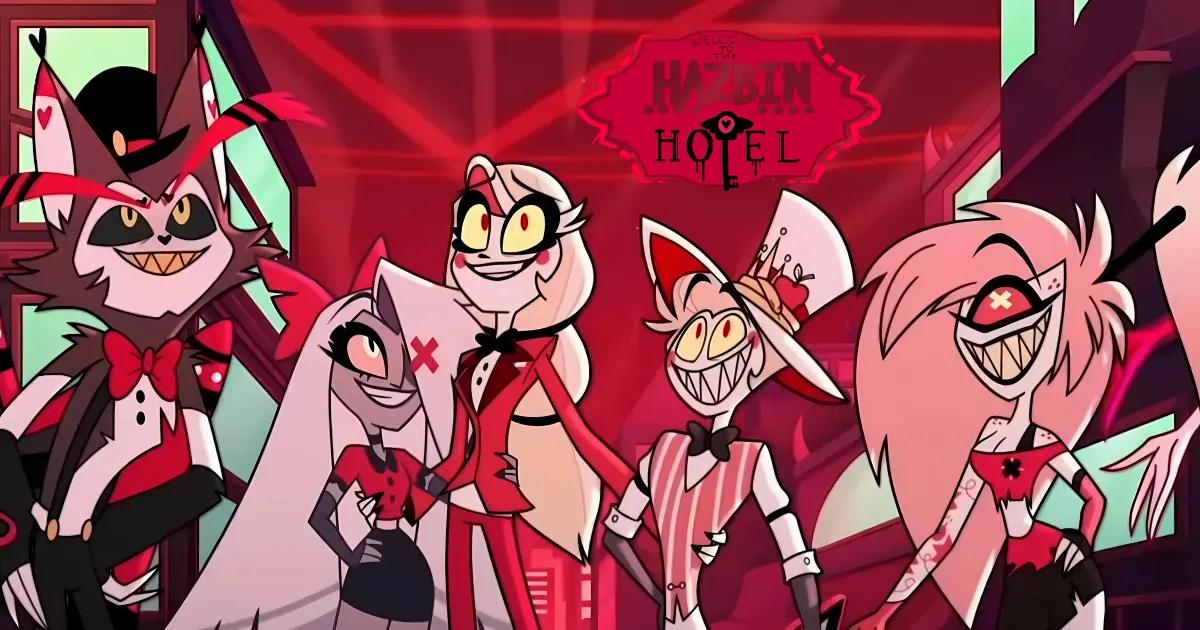
Hazbin Hotel has emerged as one of the most talked-about animated series in recent years, transforming from an independent YouTube pilot into a full-fledged Amazon Prime Video production that captivated millions of viewers worldwide. This adult animated musical comedy-drama follows Charlie Morningstar, the princess of Hell, as she attempts to rehabilitate demons through her ambitious “Hazbin Hotel” project—a redemption center designed to help sinners earn their way into Heaven. The series combines dark humor, Broadway-style musical numbers, and surprisingly heartfelt character development to create something truly unique in the animation landscape. Whether you’re curious about the Hazbin Hotel characters, wondering where to watch Hazbin Hotel, or trying to understand why this series became a cultural phenomenon, this comprehensive guide covers everything you need to know about the show that revolutionized independent animation.
What Is Hazbin Hotel? Series Overview and Premise
Hazbin Hotel is an adult animated musical series set in Hell, where the optimistic and idealistic Charlie Morningstar—daughter of Lucifer himself—opens a rehabilitation hotel for demons. The core premise challenges traditional depictions of Hell by asking a provocative question: what if sinners could be redeemed? Charlie believes that demons can change their ways and earn redemption, potentially reducing Hell’s overpopulation problem and stopping the annual “Extermination” events where angels descend to cull Hell’s population.
The series is rated TV-MA (17+) for good reason. Hazbin Hotel contains explicit language, mature themes, sexual content, graphic violence, and dark humor that make it decidedly not kid-friendly. The show doesn’t shy away from depicting the consequences of sin, the brutality of Hell’s hierarchy, or the complex moral questions surrounding redemption and second chances. This mature content serves the narrative, exploring every character’s death and their journey through the afterlife with unflinching honesty.
Created by Vivienne Medrano (also known as VivziePop), the series blends multiple animation styles—from classic theatrical cartoons to anime influences—creating a visually distinctive aesthetic. The art style features bold colors, exaggerated character designs, and fluid animation that pays homage to golden-age cartoons while maintaining a modern edge. Each character has unique visual motifs that reflect their personality, sins, and backstory, making the cast instantly recognizable and memorable.
The show’s musical elements are integral to its storytelling. Unlike many animated series that occasionally feature songs, Hazbin Hotel embraces the musical theater format wholeheartedly, with characters expressing their deepest emotions, conflicts, and aspirations through elaborate musical numbers. These songs range from upbeat jazz numbers to haunting ballads, each advancing the plot while showcasing the impressive vocal talents of the cast.
Where to Watch Hazbin Hotel: Streaming Guide
The complete first season of Hazbin Hotel is exclusively available on Amazon Prime Video. The series premiered on January 19, 2024, with all eight episodes of season 1 released simultaneously, allowing viewers to binge-watch the entire season. This distribution deal with Amazon Studios marked a significant milestone for the series, transitioning it from independent web animation to a major streaming platform production.
For those wondering about Hazbin Hotel Netflix availability, the series is not currently on Netflix and has no announced plans for distribution on that platform. The Amazon Prime Video exclusivity means subscribers need an active Prime membership to access the show legally. Amazon Prime Video is available in most countries worldwide, though regional availability may vary.
If you’re searching for where to watch Hazbin Hotel without Amazon Prime, your options are limited. The series requires a Prime Video subscription, though Amazon frequently offers free trial periods for new subscribers. Some viewers may access Prime Video through student discounts or bundled services. The original 2019 pilot episode remains freely available on YouTube, providing a taste of the series’ style and tone, though it’s not considered part of the official canon following the Amazon production.
The Hazbin Hotel release date for season 1 was January 19, 2024, and the series quickly became one of Prime Video’s most-watched animated offerings. Episode runtimes vary between 22-28 minutes, making the entire first season easily consumable in a single viewing session. The streaming platform provides options for multiple audio languages and subtitles, expanding accessibility for international audiences.
The Story Behind Hazbin Hotel's Creation
Vivienne Medrano, the creative force behind Hazbin Hotel, began developing the concept while still a student at the School of Visual Arts in New York. As an independent animator exploring creative biographies, Medrano built a substantial following on YouTube and social media through her distinctive art style and character-driven storytelling. Her previous work on web animations and character designs demonstrated a unique vision that would eventually coalesce into the Hazbin Hotel universe.
The original Hazbin Hotel pilot premiered on YouTube on October 28, 2019, and became an instant viral sensation. Within weeks, it accumulated millions of views and sparked intense fan engagement across social media platforms. The pilot was entirely crowdfunded and produced independently, showcasing what passionate creators could achieve outside traditional animation studio systems. The overwhelming positive response demonstrated a hunger for adult-oriented animation that tackled complex themes with humor and heart.
Following the pilot’s success, multiple studios expressed interest in developing Hazbin Hotel into a full series. In August 2020, A24—the acclaimed independent entertainment company known for supporting distinctive creative voices—announced they would produce the series. Later, Amazon Studios partnered with A24 to distribute the show on Prime Video, providing the resources necessary to realize Medrano’s complete vision while maintaining her creative control.
The production process involved assembling a talented team of animators, writers, and voice actors who shared Medrano’s passion for the project. The transition from independent pilot to studio-backed series required significant changes, including recasting several voice roles, refining character designs, and expanding the narrative scope. However, Medrano remained deeply involved throughout production, ensuring the series retained its original spirit while benefiting from increased resources and professional polish.
Medrano’s simultaneous work on Helluva Boss—a spin-off series set in the same universe—demonstrated her commitment to building a comprehensive Hell-based mythology. The interconnected nature of these shows, with Helluva Boss crossover elements, created a richer world that rewarded dedicated fans while remaining accessible to newcomers.
Meet the Characters: Complete Cast Guide
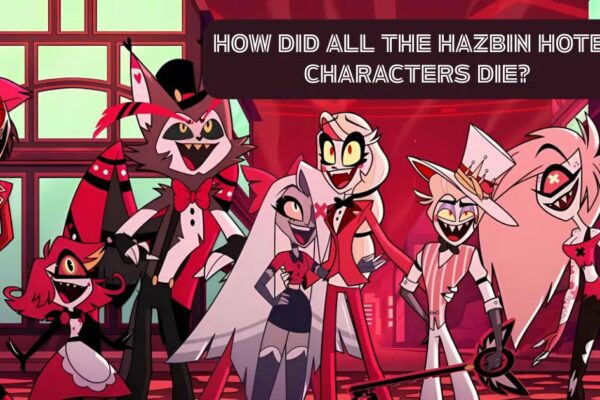
The Hazbin Hotel characters represent one of the series’ greatest strengths, with each demon possessing distinct personalities, motivations, and character arcs that drive the narrative forward.
Charlie Morningstar (voiced by Erika Henningsen)
Charlie Morningstar serves as the series’ protagonist and the princess of Hell. Despite being over 200 years old—yes, Charlie is indeed ancient by human standards—she maintains an optimistic, almost naive belief in redemption’s possibility. Her relationship with her father Lucifer is complicated, and her determination to prove demons can change stems partly from wanting to make him proud while forging her own path. Charlie’s character embodies the show’s central theme: the possibility of change and redemption, even in the darkest circumstances.
Vaggie (voiced by Stephanie Beatriz)
Charlie’s girlfriend and the hotel’s manager, Vaggie is fiercely protective and pragmatic, serving as the grounded counterpoint to Charlie’s idealism. Her past as a fallen angel—revealed during season 1—adds complexity to her character and raises questions about her true motivations for supporting the redemption hotel. Vaggie’s character arc explores themes of identity, loyalty, and the weight of past actions.
Alastor, The Radio Demon (voiced by Amir Talai)
Hazbin Hotel Alastor is arguably the series’ most popular character, a powerful overlord who died in the 1930s and retains his vintage radio broadcaster aesthetic. The mysterious Alastor offers to help Charlie with her hotel, though his true motivations remain unclear. His immense power, theatrical personality, and unsettling charm make him simultaneously entertaining and threatening. Fans frequently search for Alastor Hazbin Hotel human appearances and backstory details, though the series carefully parcels out information about his past. The Hazbin Hotel Alastor voice actor, Amir Talai, brings perfect vintage menace to the role, replacing the pilot’s voice actor in the official series.
Angel Dust (voiced by Blake Roman)
Angel Dust is a spider demon and adult film star who becomes the hotel’s first resident. His character tackles serious themes including addiction, abuse, and exploitation while maintaining dark humor. Angel’s relationship with his abusive overlord Valentino provides some of the series’ most emotionally intense moments, showcasing animation’s unique storytelling capabilities in addressing difficult subjects.
Husk (voiced by Keith David)
The hotel’s bartender, Husk, is a gambling addict and former overlord now bound to serve Alastor. His gruff exterior hides a more compassionate nature, particularly in his developing relationship with Angel Dust. Keith David’s gravelly voice perfectly captures Husk’s world-weary cynicism and hidden vulnerability.
Niffty (voiced by Kimiko Glenn)
The hyperactive, obsessive-compulsive maid Niffty provides comic relief while harboring surprisingly dark tendencies. Her 1950s aesthetic and fixation on “bad boys” create an unsettling contrast with her childlike enthusiasm for cleaning and order.
Sir Pentious (voiced by Alex Brightman)
Sir Pentious, a Victorian-era snake demon and aspiring overlord, initially appears as an antagonist before becoming a genuine hotel resident. His character arc demonstrates the redemption hotel’s potential, making him central to the season’s emotional payoff.
Lucifer Morningstar (voiced by Jeremy Jordan)
Charlie’s father and Hell’s ruler, Lucifer, appears in season 1 as a depressed, divorced dad trying to reconnect with his daughter. His character subverts expectations, presenting the Devil as a sympathetic figure struggling with depression and isolation rather than pure evil.
The Vees: Vox, Valentino, and Velvette
This trio of modern overlords controls Hell’s media, adult entertainment, and fashion industries respectively. Vox, a television-headed demon, serves as Alastor’s rival. Valentino, Angel Dust’s abusive boss, represents the series’ darkest elements. Velvette, the social media-savvy fashionista, rounds out this powerful alliance threatening the established order.
Adam and Lute
The leader of the Exorcists and his lieutenant represent Heaven’s perspective, with Adam (the first man) portrayed as crude and antagonistic rather than righteous. Their characters explore broader conversations about character development and challenge assumptions about good and evil.
Hazbin Hotel Plot Summary: What Happens in Season 1
Hazbin Hotel season 1 consists of eight episodes that establish the series’ world, characters, and central conflicts while delivering a complete narrative arc. The season begins with Charlie’s ambitious plan to rehabilitate sinners facing skepticism from Hell’s denizens and outright hostility from Heaven’s angels.
Hazbin Hotel episode 1 introduces the hotel concept and assembles the main cast. Charlie’s televised pitch for redemption attracts ridicule until Alastor mysteriously appears, offering his assistance in exchange for entertainment. The episode establishes the annual Extermination—Heaven’s brutal solution to Hell’s overpopulation—as the ticking clock motivating Charlie’s urgency.
Hazbin Hotel episode 2 and subsequent episodes develop the characters’ relationships and backstories while introducing antagonistic forces. The Vees emerge as threats to both the hotel and Alastor’s influence. Angel Dust’s struggles with Valentino’s abuse provide emotional weight, while Sir Pentious’s bumbling attempts at villainy offer comic relief before his genuine character development begins.
The mid-season episodes explore each character’s past and motivations, revealing Vaggie’s secret identity as a fallen Exorcist and deepening the mystery surrounding Alastor’s true intentions. Charlie’s relationship with her father Lucifer receives significant development, showing their mutual love complicated by years of distance and miscommunication. These episodes balance humor with increasingly serious themes, demonstrating the show’s range.
The season builds toward a climactic confrontation as Heaven, led by Adam, launches a premature Extermination specifically targeting the Hazbin Hotel. The final episodes feature intense action sequences, emotional character moments, and surprising sacrifices. Sir Pentious’s heroic actions during the battle demonstrate genuine redemption is possible, validating Charlie’s entire mission even as the cost becomes devastatingly clear.
The season finale delivers both resolution and setup for future stories. Major character deaths and transformations reshape Hell’s power structure, while Charlie’s determination to continue her mission despite setbacks reinforces the series’ themes of hope and perseverance. The ending confirms Hazbin Hotel season 2 will explore the consequences of season 1’s events while expanding the mythology.
Why Hazbin Hotel Revolutionized Independent Animation
Hazbin Hotel represents a watershed moment for independent animation, demonstrating that creators could build substantial audiences and secure major distribution deals without traditional studio backing. The pilot’s viral success proved that adult-oriented animation with complex themes and distinctive artistic vision could find passionate audiences hungry for content beyond mainstream offerings.
The series challenged industry assumptions about what animated content could be and who it could reach. Traditional animation studios often underestimate adult animation’s potential outside comedy, but Hazbin Hotel proved audiences craved animated dramas with mature themes, complex characters, and emotional depth. The show’s success opened doors for other independent animators, demonstrating viable paths from web content to professional production.
Vivienne Medrano’s journey from independent creator to showrunner on a major streaming platform inspired countless aspiring animators. Her success showed that building an audience through social media, maintaining creative vision, and producing quality independent work could attract industry attention while preserving artistic integrity. This path contrasts sharply with traditional routes requiring years working within established studios before gaining creative control, addressing understanding diverse audience needs in the modern media landscape.
The series also demonstrated the viability of crowdfunding and fan support for animation projects. The pilot’s production relied heavily on community backing, proving that passionate fanbases would financially support content they believed in. This model has since been adopted by numerous independent animators seeking to maintain creative freedom while producing professional-quality work, reflecting creative industry realities in the digital age.
Hazbin Hotel’s impact extends to representation and diversity in animation. The series features LGBTQ+ characters in prominent roles without making their identities the sole focus of their characterization. Charlie and Vaggie’s relationship is treated as normal within the narrative, while Angel Dust’s identity as a gay man informs but doesn’t define his character. This approach to representation—integrating diverse characters naturally rather than tokenistically—has influenced how other animated series approach inclusion, requiring business development strategies that recognize diverse audiences as mainstream rather than niche markets.
The show’s musical theater integration also pushed boundaries for animated series. While Disney and other studios have long produced animated musicals, Hazbin Hotel brought Broadway-style storytelling to adult animation in ways rarely attempted. The songs advance plot, develop character, and provide emotional catharsis while maintaining the series’ dark humor and mature themes. This approach has inspired other creators to experiment with musical elements in adult animation.
From a technical standpoint, the series showcased what independent studios could achieve with modern animation tools and passionate teams. The fluid animation, detailed backgrounds, and expressive character acting rival major studio productions despite more limited budgets. This achievement demonstrated that creative vision and skilled execution could compete with corporate resources, encouraging industry practices, representation standards, and creator opportunities that prioritize talent and innovation over pure financial backing.
Hazbin Hotel Pilot vs. Amazon Prime Series: Key Differences
The 2019 independent pilot and the 2024 Amazon Prime series differ significantly in several key areas, though both share the core concept and creative vision. Understanding these differences helps fans appreciate the evolution of the project and newcomers decide whether to watch the pilot before the series.
Voice Cast Changes
The most immediately noticeable difference involves the Hazbin Hotel season 2 cast and season 1 cast compared to the pilot. Nearly every major character received a new voice actor for the Amazon series. While the pilot featured talented performers, the official series cast includes Broadway veterans and established voice actors. These changes sparked initial controversy among fans attached to the pilot performances, but most agreed the new cast brought professional polish and emotional depth that enhanced the characters.
Animation Quality and Style
The Amazon series features significantly improved animation quality with more fluid movement, detailed backgrounds, and consistent character models. The pilot, while impressive for an independent production, showed occasional rough edges and animation shortcuts necessary given budget constraints. The series maintains the distinctive art style while elevating technical execution across the board.
Story and Canon
The Amazon series is considered the official canon, with the pilot serving as a proof-of-concept rather than a canonical first episode. While many pilot elements carry over—character personalities, basic premise, and world-building—specific plot points and character introductions differ. The series takes time to properly establish characters and relationships, while the pilot rushed through introductions to showcase the concept within its limited runtime.
Tone and Pacing
The pilot moved at breakneck speed, cramming worldbuilding, character introductions, and plot setup into roughly 30 minutes. The series allows breathing room for character development, emotional moments, and thematic exploration. While both versions balance humor with serious themes, the series achieves better tonal consistency and gives weight to dramatic moments that the pilot could only hint at.
Musical Numbers
Both versions feature musical elements, but the series expands significantly on this aspect. The pilot included a few songs, while the series embraces full musical theater format with multiple elaborate numbers per episode. The Hazbin Hotel season 2 songs and season 1 songs feature professional composition, orchestration, and production values that elevate them beyond the pilot’s offerings.
Character Designs
While maintaining recognizable core designs, many characters received subtle refinements for the series. These changes improved animation consistency, enhanced expressiveness, and sometimes reflected character development or backstory elements. The adjustments demonstrate the balance between artistic integrity and commercial viability in adapting independent work for major platforms.
The Music of Hazbin Hotel: Songs and Soundtrack
The musical elements of Hazbin Hotel deserve special recognition as integral to the series’ identity and success. Composed primarily by Sam Haft and Andrew Underberg, with additional contributions from various artists, the soundtrack blends Broadway theatrical traditions with contemporary pop, rock, and jazz influences.
Season 1’s opening number “Happy Day in Hell” immediately establishes the musical format while introducing Charlie’s optimistic personality against Hell’s bleak reality. The song’s upbeat melody contrasts sharply with the dark lyrics and visuals, creating the tonal dissonance that characterizes much of the series. This opening sets expectations for how music will function throughout the season—advancing plot while revealing character psychology.
“Hell’s Greatest Dad” showcases the series’ humor through a competitive duet between Lucifer and Alastor, each trying to prove their superiority as a father figure to Charlie. The song parodies classic Broadway showstoppers while developing the complicated relationship between these powerful characters. The vocal performances by Jeremy Jordan and Amir Talai demonstrate the casting’s musical theater credentials.
“Loser, Baby” represents one of the season’s emotional high points, as Husk helps Angel Dust process his trauma and self-loathing. The jazz-influenced number balances dark subject matter with genuine compassion, showing how the series uses music to explore difficult themes with nuance. Keith David and Blake Roman’s chemistry elevates the song beyond its already strong composition.
“More Than Anything” serves as the emotional core of Charlie and Lucifer’s reconciliation, a tender ballad that reveals the depth of their mutual love beneath years of miscommunication. The song demonstrates the soundtrack’s range, proving the series can deliver genuine emotional moments alongside its humor and spectacle.
The finale’s “It Starts With Sorry” and subsequent battle songs bring the season’s themes together, combining action with emotional resolution. These numbers showcase the series’ ability to use music during intense sequences without sacrificing narrative clarity or emotional impact.
Fans eagerly anticipate Hazbin Hotel season 2 songs, hoping for continued musical innovation and emotional depth. The soundtrack’s success has spawned numerous covers, analyses, and fan creations, demonstrating how the music resonates beyond the show itself. Official soundtrack releases on streaming platforms allow fans to experience the music independently, though the songs’ full impact comes from their integration with the visual storytelling.
Hazbin Hotel Season 2: Release Date and What to Expect
Following season 1’s success, Amazon Prime Video officially renewed Hazbin Hotel for additional seasons, though specific details about Hazbin Hotel season 2 release date remain officially unannounced as of early 2024. Industry insiders and fan speculation suggest a potential late 2024 or early 2025 release, though animation production timelines make predictions uncertain.
Contrary to some online rumors, Hazbin Hotel season 2 is definitely not cancelled. Amazon’s renewal and Vivienne Medrano’s continued development confirm the series’ future. The gap between seasons reflects animation’s time-intensive nature rather than any production problems. Quality animated series typically require 12-18 months between seasons for writing, storyboarding, animation, voice recording, and post-production.
Regarding Hazbin Hotel season 2 how many episodes will be included, official confirmation hasn’t been provided, though maintaining the eight-episode format seems likely given season 1’s structure. Some fans hope for expanded episode counts, but the current format allows for tight storytelling without filler content.
Season 2 will likely explore the consequences of season 1’s finale, including major character deaths and transformations. Charlie’s mission faces new challenges as Hell’s power structure shifts and Heaven’s response to the hotel’s success becomes clearer. Alastor’s mysterious motivations should receive further development, potentially revealing why he truly helps the hotel and what constraints bind his actions.
The relationship dynamics established in season 1 will deepen, with particular attention likely paid to Angel Dust’s continued recovery and Husk’s growing compassion. Vaggie’s revealed identity as a fallen angel creates opportunities for exploring Heaven’s politics and the moral complexities of the Exorcists. New characters may be introduced to expand the world and challenge existing power structures.
Fans following Hazbin Hotel season 2 reddit discussions and other online communities have developed numerous theories about potential plot directions. Popular speculation includes deeper exploration of the Seven Deadly Sins (building on connections to Helluva Boss), revelation of more characters’ backstories and deaths, potential redemption arcs for additional characters, and escalating conflict between Hell’s overlords and Heaven’s forces.
The production team’s commitment to quality over speed suggests season 2 will maintain or exceed season 1’s animation quality, musical ambition, and emotional depth. Vivienne Medrano’s involvement ensures creative consistency while allowing for natural evolution of the series’ themes and style.
How to Get Started: Watching Order and Episode Guide
For newcomers wondering how to approach Hazbin Hotel, the watching order is straightforward but worth clarifying given the pilot’s existence and the related Helluva Boss series.
Recommended Viewing Order
Start with Hazbin Hotel season 1 episode 1 on Amazon Prime Video. The official series is designed as the entry point and doesn’t require pilot knowledge. The season 1 premiere reintroduces the concept, characters, and world effectively for new viewers while offering fresh perspectives for pilot viewers.
The 2019 pilot remains available on YouTube and provides interesting context about the series’ development, but it’s not essential viewing. Some fans enjoy watching the pilot after completing season 1 to appreciate the project’s evolution, while others prefer watching it first to understand the hype that built around the series. Neither approach is wrong—the official series stands alone regardless.
Helluva Boss, while set in the same universe, follows different characters and storylines. The series can be enjoyed independently, though fans of one typically enjoy the other. Helluva Boss remains freely available on YouTube as an ongoing independent production, offering additional context about Hell’s structure and mythology without being required viewing for Hazbin Hotel.
Episode Guide for Season 1
Season 1 consists of eight episodes, each approximately 22-28 minutes:
- Episode 1: “Overture” – Charlie pitches her redemption hotel concept while Alastor mysteriously offers assistance
- Episode 2: “Radio Killed the Video Star” – The Vees emerge as antagonists while the hotel gains its first genuine resident
- Episode 3: “Scrambled Eggs” – Character relationships deepen as conflicts emerge within the hotel
- Episode 4: “Masquerade” – Angel Dust’s abuse and trauma receive serious exploration in the season’s darkest episode
- Episode 5: “Dad Beat Dad” – Lucifer visits the hotel, leading to comedy and emotional father-daughter reconciliation
- Episode 6: “Welcome to Heaven” – Charlie and Vaggie visit Heaven, revealing uncomfortable truths about redemption and the Exorcists
- Episode 7: “Hello Rosie” – Preparation for the coming battle as alliances form and characters face their fears
- Episode 8: “The Show Must Go On” – The season finale delivers action, sacrifice, and emotional resolution while setting up future conflicts
Content Warnings
Before starting, viewers should understand the mature content throughout the series. Hazbin Hotel contains explicit language in nearly every scene, graphic violence including dismemberment and death, sexual content and references, substance abuse depiction, and themes of abuse and trauma. The series is definitely not kid-friendly and earns its TV-MA rating.
The show handles serious subjects including addiction, abusive relationships, trauma, and exploitation with varying degrees of sensitivity. While the series uses dark humor, it doesn’t trivialize these issues, particularly in episodes focusing on Angel Dust’s experiences. Viewers sensitive to these topics should approach with awareness of the content.
Enhancing Your Experience
To fully appreciate Hazbin Hotel, consider watching with subtitles enabled, as rapid-fire dialogue and musical lyrics sometimes move quickly. Pay attention to background details and character reactions during group scenes—the animators pack visual storytelling into every frame. The musical numbers deserve full attention rather than background listening, as they advance plot and character development significantly.
After completing the season, exploring fan communities can enhance appreciation for the series’ depth. Discussions about symbolism, character analysis, and thematic exploration reveal layers that might be missed on first viewing. However, be cautious of spoilers for potential future seasons when browsing online communities.
For those interested in Hazbin Hotel merch, official merchandise is available through various retailers, including clothing, accessories, and collectibles featuring the distinctive character designs. Supporting official merchandise helps fund future production while allowing fans to express their appreciation for the series.
The series rewards rewatching, as knowledge of character backstories and plot developments adds new dimensions to earlier episodes. Jokes and references that seem throwaway on first viewing often carry deeper significance once the full season context is understood. The careful plotting and character development make Hazbin Hotel one of those rare series that improves with repeated viewing, revealing new details and emotional nuances each time.
Frequently Asked Questions
Is Hazbin Hotel appropriate for kids?
No, Hazbin Hotel is not kid-friendly and is rated TV-MA (17+) for mature audiences only. The series contains explicit language, graphic violence, sexual content, and mature themes including substance abuse and dark humor. Parents should be aware that despite its colorful animation style, Hazbin Hotel is specifically designed for adult viewers and is not suitable for children or young teenagers.
Is Hazbin Hotel season 2 cancelled?
No, Hazbin Hotel season 2 has not been cancelled. Amazon Prime Video officially renewed the series for a second season following the success of season 1, which premiered in January 2024. While an exact release date hasn’t been announced yet, creator Vivienne Medrano has confirmed that production is underway and fans can expect more episodes in the future.
What is Hazbin Hotel about?
Hazbin Hotel is an adult animated musical series that follows Charlie Morningstar, the princess of Hell, as she opens a rehabilitation hotel to help sinners redeem themselves and earn passage to Heaven. The show combines dark comedy, musical numbers, and emotional storytelling while exploring themes of redemption, friendship, and second chances in the afterlife. Set in a vibrant, chaotic version of Hell, the series features a diverse cast of demon characters, each with their own troubled pasts and motivations.
Where can I watch Hazbin Hotel?
Hazbin Hotel is exclusively available to stream on Amazon Prime Video, where all eight episodes of season 1 are currently available. The original 2019 pilot episode can still be watched for free on YouTube on Vivienne Medrano’s channel. Note that Hazbin Hotel is not available on Netflix or other streaming platforms at this time.
Is Hazbin Hotel an independent animation?
Yes, Hazbin Hotel started as an independent animation project when creator Vivienne Medrano released the pilot episode on YouTube in 2019, which was funded through Patreon and independent means. The pilot’s massive success (over 100 million views) led to Amazon Prime Video picking up the series for full production. While it’s now backed by a major streaming platform, Hazbin Hotel revolutionized independent animation by proving that creator-driven projects could achieve mainstream success.
Does Hazbin Hotel have LGBTQ+ representation?
Yes, Hazbin Hotel features significant LGBTQ+ representation throughout its cast of characters. Several main characters are openly gay, bisexual, or pansexual, and the series includes a prominent sapphic relationship between Charlie and Vaggie. Creator Vivienne Medrano has been praised for incorporating diverse sexual orientations and gender identities naturally into the storytelling without making them the sole focus of character development.
Why is Hazbin Hotel rated 17+?
Hazbin Hotel receives its TV-MA (17+) rating due to frequent strong profanity, graphic violence, sexual content and references, drug and alcohol use, and mature thematic elements. The series doesn’t shy away from depicting the darker aspects of Hell, including violence, moral ambiguity, and adult situations. The mature rating reflects the show’s target audience of adults who can appreciate its complex themes and edgy humor.
Who are the main Hazbin Hotel characters?
The main Hazbin Hotel characters include Charlie Morningstar (Hell’s princess and hotel founder), Vaggie (Charlie’s girlfriend and hotel manager), Alastor the Radio Demon (the hotel’s mysterious benefactor), Angel Dust (a spider demon and the hotel’s first patient), and Husk (the grumpy bartender). Other key characters include Niffty (the hyperactive maid), Sir Pentious (a Victorian-era snake demon), and Lucifer Morningstar (Charlie’s father and the king of Hell). Each character brings unique personality traits, backstories, and musical talents to the series.
How old is Charlie Morningstar in Hazbin Hotel?
Charlie Morningstar is over 200 years old, as she is the daughter of Lucifer and Lilith who have existed since biblical times. Despite her age, Charlie maintains an optimistic, youthful personality and appearance. Her centuries of existence in Hell make her perspective on redemption and second chances particularly meaningful, as she’s witnessed countless souls arrive in the underworld.
Does Hazbin Hotel use rigged animation?
Yes, Hazbin Hotel primarily uses rigged 2D animation (also called puppet animation or skeletal animation) created in programs like Toon Boom Harmony and Adobe Animate. This technique allows for more efficient production while maintaining expressive character movements and detailed designs. The series combines rigged animation with traditional frame-by-frame animation for more complex sequences, creating a distinctive visual style that has influenced many independent animators.
You May Also Like
Lute Quotes Hazbin Hotel: Complete Analysis & Insights
Hazbin Hotel Characters Hotel Rooms: Design & Details