
How to Research Competitors Domain Names (Step-by-Step Guide)

When you’re launching a new website or business, finding the perfect domain name can feel like searching for a needle in a haystack—especially when all the good ones seem taken. That’s where learning how to research competitors domain names becomes invaluable. By analyzing what domain strategies successful competitors use, you can uncover patterns, identify opportunities, and ultimately discover a unique web address that positions your brand for success. This systematic approach goes far beyond simply checking if a domain is available; it’s about understanding the competitive landscape and making strategic decisions based on real data.
The process of researching competitor domain names isn’t just about copying what others have done—it’s about learning from their successes and failures to carve out your own distinctive space online. Whether you’re a startup founder, digital marketer, or entrepreneur rebranding an existing business, this comprehensive guide will walk you through proven methods to analyze competitor websites, extract actionable insights, and find available domain names that truly represent your brand.
Why Researching Competitor Domain Names Matters
Understanding your competitors’ domain name choices provides strategic advantages that extend far beyond simple inspiration. When you research competitors domain names, you’re essentially conducting market research that reveals industry trends, branding patterns, and positioning strategies that have already proven successful.
First and foremost, competitor domain analysis helps you avoid costly mistakes. Many businesses rush to register a domain only to discover later that it’s too similar to an established competitor, creating confusion in the marketplace or even legal complications. By examining what domains already exist in your space, you can steer clear of these pitfalls before investing time and money into a brand identity.
Additionally, this research reveals keyword strategies that competitors use to capture organic search traffic. If you notice that successful competitors in your niche incorporate specific industry terms into their domains, this signals valuable SEO opportunities. For instance, if you’re entering the fitness equipment market and notice top competitors use terms like “fit,” “gym,” or “strength” in their domains, you gain insight into what resonates with your target audience.
The competitive intelligence you gather also informs your overall branding strategy. Domain names reflect brand positioning—whether a company positions itself as premium, budget-friendly, innovative, or traditional. By analyzing these patterns across multiple competitors, you can identify gaps in the market where your unique value proposition can shine through your domain choice.
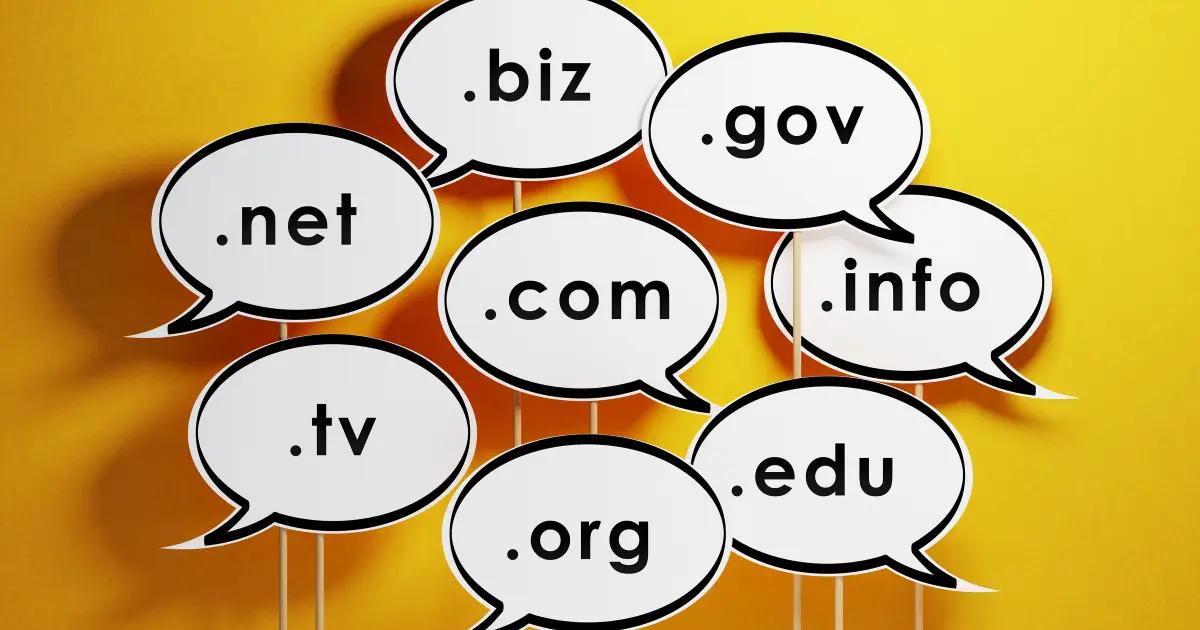
Finally, researching competitor domains helps you understand domain extension trends in your industry. While .com remains dominant, certain sectors have embraced alternatives like .io for tech startups, .co for modern brands, or industry-specific extensions. This knowledge ensures your domain choice aligns with industry norms while still standing out.
What You Can Learn from Competitor Domain Analysis
A thorough competitor domain analysis yields multiple layers of actionable insights that inform not just your domain choice, but your broader digital strategy. Understanding what to look for transforms raw data into competitive advantages.
One of the most valuable discoveries is naming conventions and patterns within your industry. Some sectors favor descriptive domains that clearly communicate what the business does (like “BestPlumbingServices.com”), while others lean toward abstract, brandable names (like “Stripe” or “Asana”). By examining 10-20 competitors, you’ll quickly identify which approach dominates your space and whether there’s an opportunity to differentiate by going against the grain.
You’ll also uncover keyword integration strategies that reveal how competitors balance SEO considerations with brand memorability. Some businesses prioritize exact-match domains containing their primary keyword, while others choose branded terms and rely on content strategy for SEO. This insight helps you weigh the trade-offs between immediate search visibility and long-term brand building.
Domain length patterns provide another critical data point. Analyzing competitor domains reveals whether your industry favors short, punchy names (typically 6-12 characters) or longer, more descriptive options. This matters because domain length affects memorability, typing errors, and overall user experience. If all your major competitors have concise domains, a lengthy alternative might put you at a disadvantage.
The domain extension landscape in your niche becomes apparent through systematic analysis. While .com remains the gold standard, you might discover that innovative competitors successfully use .io, .ai, .co, or industry-specific extensions. This knowledge expands your options when your preferred .com is unavailable.
Perhaps most importantly, you’ll identify positioning and messaging cues embedded in domain choices. Words like “pro,” “elite,” “budget,” “simple,” or “smart” signal different market positions. If premium competitors use sophisticated, minimalist domains while budget options use straightforward, descriptive names, you’ll understand how domain choice communicates brand promise before visitors even reach your site.
Step 1: Identify Your True Competitors
Before you can effectively research competitors domain names, you must first identify who your real competitors are. This sounds straightforward but requires more nuance than simply listing businesses that offer similar products or services. Understanding the four types of competitors helps ensure comprehensive research.
Direct competitors offer the same products or services to the same target audience in the same geographic area. These are your most obvious competitors—the businesses fighting for the exact same customers. If you’re launching a local coffee shop, other coffee shops in your area are direct competitors. Their domain strategies deserve the closest scrutiny since you’re competing head-to-head.
Indirect competitors satisfy the same customer need but through different products or services. Using the coffee shop example, a tea house or juice bar would be indirect competitors—they’re not selling coffee, but they’re competing for the same “morning beverage” occasion. Their domains might reveal alternative positioning strategies you hadn’t considered.
Replacement competitors offer different solutions that customers might choose instead of your offering. For the coffee shop, this could include home coffee makers, subscription coffee delivery services, or even energy drinks. While their domains might seem less relevant, they can inspire creative approaches to positioning your brand.
Potential competitors aren’t currently in your market but could enter it easily. These might include larger companies in adjacent markets or well-funded startups. Monitoring their domain strategies helps you anticipate future competitive moves.
To build your competitor list, start with a simple Google search using your primary keywords. The businesses ranking on page one are already winning the SEO game—their domain choices contributed to that success. Use tools like Google Maps for local businesses, industry directories, and social media hashtags to discover additional competitors.
Don’t limit yourself to businesses in your exact location if you’re operating online. A comprehensive competitor analysis includes national or international players who set industry standards. Aim to identify at least 15-20 competitors across these categories to ensure your research captures the full competitive landscape.
Step 2: Analyze Competitor Domain Name Patterns
Once you’ve identified your competitors, the next critical step is to systematically analyze their domain name patterns to extract meaningful insights. This process, often called competitive intelligence or competitor research, involves looking beyond surface-level observations to identify strategic trends.
Create a spreadsheet to organize your findings. List each competitor’s domain name in one column, then add columns for domain length (character count), domain extension (.com, .io, etc.), keyword inclusion (yes/no and which keywords), brand type (descriptive, coined, or hybrid), and any notable characteristics like hyphens or numbers.
As you populate this spreadsheet, patterns will emerge. You might notice that 80% of successful competitors in your space use .com domains under 10 characters, or that top-ranking competitors avoid hyphens entirely. Perhaps the market leaders use coined brand names (like “Uber” or “Zillow”) while smaller players use descriptive, keyword-rich domains.
Pay special attention to keyword usage patterns. If you’re in the project management software space and notice that established competitors like “Asana,” “Monday,” and “ClickUp” avoid the term “project management” in their domains, this suggests the market has matured beyond needing descriptive domains for credibility. Conversely, if newer entrants successfully use keyword-rich domains, there may still be SEO value in that approach.
Examine how competitors handle geographic indicators in their domains. Local businesses might include city names, while national brands typically avoid geographic limitations. This decision impacts your domain’s scalability—a domain with “Seattle” in it works great for local SEO but limits expansion opportunities.
Look for linguistic patterns as well. Do competitors favor simple, Anglo-Saxon words or more sophisticated Latin-derived terms? Do they use alliteration, rhyming, or other memorable phonetic patterns? These subtle choices affect how easily customers remember and share your domain.
Document any creative spelling variations you encounter. Some brands intentionally misspell words (like “Lyft” instead of “Lift”) to secure available domains and create distinctive brands. Note whether this strategy appears successful in your industry or if it creates confusion.
Finally, analyze domain age correlation with success. While you can’t change when you enter the market, understanding whether industry leaders secured their domains early or successfully rebranded with new domains later provides valuable context for your strategy.
Step 3: Use Domain Research Tools to Extract Insights
While manual analysis provides foundational insights, domain name research tools dramatically accelerate and deepen your competitor domain analysis. These specialized platforms reveal data that would take hundreds of hours to compile manually, giving you a comprehensive view of the competitive domain landscape.
WHOIS lookup tools should be your starting point for any competitor domain investigation. These free tools reveal domain registration dates, registrar information, and sometimes contact details (unless protected by privacy services). Services like ICANN WHOIS, Domain.com WHOIS, and Who.is provide this basic intelligence. Knowing when a competitor registered their domain helps you understand their market tenure and whether they’ve held the domain long before launching their business (suggesting strategic planning) or registered it recently (indicating a newer venture or rebrand).
SEO analysis platforms like Ahrefs, SEMrush, and Moz offer powerful competitor domain research capabilities. These tools show you a competitor’s domain authority, backlink profile, organic keyword rankings, and traffic estimates. When you analyze competitor websites using these platforms, you can determine whether their domain name choice correlates with SEO success. For instance, if a keyword-rich domain ranks well but has few backlinks, the domain itself may be contributing to rankings—a valuable insight for your strategy.
SpyFu deserves special mention as a dedicated competitor research tool. It reveals every keyword your competitors have bought on Google Ads and every organic rank they’ve achieved over the past 15+ years. This historical data shows you how competitors’ domain strategies evolved over time and which keywords they prioritize in their paid and organic strategies. You can literally see every domain variation they tested in ad campaigns, revealing their thought process around domain selection and messaging.
Domain-specific research tools like DomainIQ and BuiltWith provide technical insights about competitor domains. BuiltWith shows you what technologies competitors use on their websites, which can indicate their sophistication level and budget. DomainIQ offers reverse WHOIS searches, letting you discover all domains owned by the same entity—useful for identifying a competitor’s entire domain portfolio.
Wayback Machine (archive.org) lets you see historical versions of competitor websites, showing you how their branding and domain usage evolved. This temporal perspective reveals whether they started with one domain and switched to another, what prompted rebrands, and how their messaging changed over time.
For discovering available domain names similar to competitors, tools like NameMesh, Lean Domain Search, and Domainr generate variations based on keywords you input. After analyzing competitor patterns, use these tools to generate alternatives that follow successful patterns while remaining unique.
When you’re ready to search for domains, use bulk domain checkers that let you test hundreds of variations simultaneously. This efficiency is crucial when you’ve identified a naming pattern you want to follow but need to find an available variation.
Step 4: Check Domain Age and Authority Metrics
Understanding the relationship between domain age, authority, and competitive success provides crucial context for your domain strategy. While a new domain can certainly succeed, knowing how these factors play out in your specific industry helps set realistic expectations and informs your broader marketing strategy.
Domain age refers to how long a domain has been registered. Search engines generally view older domains as more trustworthy, assuming they’ve had more time to build authority and prove legitimacy. However, age alone doesn’t guarantee success—a 10-year-old domain with thin content and no backlinks won’t outrank a 2-year-old domain with excellent content and strong backlinks.
To check domain age, use WHOIS lookup tools or specialized services like Domain Age Checker. When analyzing competitor domains, note the registration dates and compare them to the company’s apparent market success. If you discover that top competitors have relatively new domains (under 3 years old), this suggests that domain age matters less in your industry than content quality and marketing execution. Conversely, if all market leaders have domains older than 5 years, you’ll need to compensate for your new domain through aggressive content and link-building strategies.
Domain Authority (DA) is a metric developed by Moz that predicts how well a website will rank on search engines. It ranges from 1 to 100, with higher scores indicating greater ranking potential. DA considers factors like the number and quality of backlinks, root domains linking to the site, and overall link profile quality. While DA is a proprietary Moz metric (not used directly by Google), it correlates strongly with search performance and provides a useful benchmark.
Check competitors’ Domain Authority using Moz’s Link Explorer or browser extensions like MozBar. Document the DA scores of your top 10-15 competitors. If successful competitors in your niche have DA scores between 30-50, you know that’s the authority level you’ll eventually need to compete effectively. If market leaders all have DA scores above 60, you’re facing an uphill SEO battle that might influence your domain choice—perhaps favoring a more brandable, memorable domain since you’ll rely heavily on direct traffic and brand searches initially.
Trust Flow and Citation Flow are similar metrics from Majestic SEO that measure link quality and quantity respectively. Trust Flow indicates how trustworthy a site is based on the quality of sites linking to it, while Citation Flow measures link quantity. The ratio between these metrics reveals whether a competitor built authority through quality or quantity—valuable intelligence for your own link-building strategy.
When you analyze competitor websites through these authority lenses, look for correlation patterns. Do competitors with keyword-rich domains have higher DA scores than those with branded domains? This might indicate that exact-match domains still provide SEO advantages in your niche. Alternatively, if the highest-authority domains are all branded terms, it suggests that content quality and marketing execution matter more than domain keywords.
Pay attention to authority growth rates as well. Tools like Ahrefs show historical DA/DR (Domain Rating) data, revealing how quickly competitors built authority. A competitor who went from DR 20 to DR 50 in 18 months clearly executed an aggressive, successful link-building strategy worth studying. Their domain choice was part of a larger strategy that you can learn from and adapt.
Step 5: Discover Expired and Available Similar Domains
One of the most valuable outcomes of researching competitor domain names is discovering expired or available domains that follow successful patterns you’ve identified. This step transforms your competitive intelligence into actionable opportunities, potentially uncovering hidden gems that competitors overlooked or abandoned.
Expired domains are previously registered domains that owners didn’t renew. These domains often retain some of their historical SEO value, including backlinks, domain authority, and search engine trust. If you find an expired domain that fits your brand and has a clean history, it can provide a significant head start compared to registering a brand-new domain.
To find expired domains relevant to your niche, use specialized tools like ExpiredDomains.net, FreshDrop, or DomCop. These platforms aggregate recently expired domains and provide metrics like backlink counts, domain authority, and archive history. Filter results by your industry keywords and the domain patterns you identified in your competitor analysis.
When evaluating expired domains, exercise caution. Check the domain’s history using Wayback Machine to ensure it wasn’t used for spam, adult content, or other activities that might have resulted in search engine penalties. A domain with a questionable past can do more harm than good, carrying penalties that will suppress your rankings regardless of your content quality.
Verify the backlink profile of any expired domain you’re considering. Tools like Ahrefs or Majestic show you which sites link to the domain and the quality of those links. Healthy backlink profiles include links from relevant, authoritative sites in your industry. Red flags include a sudden spike in links (suggesting manipulation), links from irrelevant foreign sites, or links with spammy anchor text.
For discovering available domains that follow competitor patterns, use the insights from your earlier analysis. If you noticed that successful competitors use [Adjective][Noun].com patterns (like “SmartHome” or “QuickBooks”), generate variations using domain suggestion tools. Input your core keywords into tools like NameMesh, which generates available domains across categories like common, new, short, and fun.
Domain drop-catching services like SnapNames or DropCatch let you backorder domains that are about to expire. If you’ve identified a perfect domain currently owned by a competitor or inactive business, you can place a backorder. If the owner doesn’t renew, you’ll have the opportunity to register it the moment it becomes available. This strategy works particularly well for domain variations of competitor names that they’ve let lapse.
Consider alternative extensions when your ideal .com is taken. If competitors successfully use .io, .co, or industry-specific extensions, these become viable options. Tools like Domainr show you availability across all extensions simultaneously, helping you find the best available option. A strong brand on a .io domain often outperforms a mediocre brand on a .com.
Don’t overlook premium domains available for purchase. Marketplaces like Sedo, Flippa, and Afternic list domains for sale by current owners. While these typically cost more than standard registration fees, a premium domain that perfectly fits your brand and follows successful competitor patterns might justify the investment. Compare the purchase price against the value of the built-in SEO benefits and brand memorability.
How to Avoid Trademark and Legal Issues
One of the most critical aspects of researching competitor domain names is ensuring your chosen domain doesn’t infringe on existing trademarks or create legal vulnerabilities. A domain that seems perfect can become a costly liability if it violates intellectual property rights, so due diligence in this area is non-negotiable.
Start by understanding the difference between domain availability and legal availability. Just because a domain is technically available for registration doesn’t mean you have the legal right to use it. If the domain contains or closely resembles a trademarked term, the trademark holder can force you to surrender the domain and potentially sue for damages—even if they don’t own the domain themselves.
Conduct a comprehensive trademark search before committing to any domain. In the United States, use the USPTO’s Trademark Electronic Search System (TESS) to search registered and pending trademarks. Search for exact matches and similar variations of your proposed domain. Pay attention to the trademark’s classification—a trademark in a different industry might not conflict with your use, but trademarks in related fields could still pose problems.
For international businesses, extend your trademark search to relevant jurisdictions. The World Intellectual Property Organization (WIPO) maintains a global brand database covering many countries. European businesses should check the EUIPO (European Union Intellectual Property Office), while other regions have their own trademark databases. This research is especially important if you plan to operate globally or if your competitors are international.
Be particularly cautious about domains that are confusingly similar to established competitors. Even without a trademark, you could face legal action under unfair competition laws if your domain creates customer confusion. Courts consider factors like visual similarity, phonetic similarity, and whether the domains target the same market. A domain like “AmazonBooks.com” would clearly create confusion with Amazon, even if you’re technically selling books.
Understand the concept of cybersquatting—registering domains containing trademarked terms with the intent to profit from someone else’s trademark. The Anticybersquatting Consumer Protection Act (ACPA) in the U.S. and similar laws globally make this illegal. If you register a domain similar to a competitor’s trademark with bad faith intent (like trying to sell it to them later), you could face significant penalties.
Can you buy a competitor’s domain? Technically yes, if they’re willing to sell and the purchase doesn’t violate trademark law. However, buying a domain specifically to divert their traffic or damage their business could constitute unfair competition or trademark infringement. Legitimate reasons for purchasing a similar domain include defensive registrations (protecting your own brand) or acquiring a generic domain that happens to be owned by a competitor.
Watch for generic vs. descriptive terms. Generic terms (like “books.com” or “coffee.com”) are generally harder to trademark and safer to use in variations. Descriptive terms that describe your product or service are also typically safer. However, if a competitor has built significant brand recognition around a descriptive term, they may have acquired “secondary meaning” that grants trademark protection.
Consider consulting with an intellectual property attorney before finalizing your domain choice, especially if you’re entering a competitive market with well-established players. The cost of a legal consultation is minimal compared to the expense of rebranding after a cease-and-desist letter or trademark lawsuit.
Document your domain selection process and research. If you ever face a legal challenge, evidence that you conducted thorough research and chose your domain in good faith (not to capitalize on someone else’s trademark) strengthens your position. Keep records of your trademark searches, competitor analysis, and the reasoning behind your domain choice.
Finding Your Unique Domain Name Based on Research
After thoroughly researching competitor domain names and understanding the patterns, opportunities, and pitfalls in your market, you’re ready to choose a domain name for your business that stands out while leveraging your competitive insights. This creative process balances data-driven decision-making with brand innovation.
Begin by synthesizing your research findings into strategic guidelines. Based on your competitor analysis, you should now know: the optimal domain length for your industry, whether keyword inclusion matters, which domain extensions are acceptable, what naming styles resonate with your audience, and which approaches are oversaturated. These insights become your creative constraints—boundaries that actually enhance creativity by focusing your efforts.
If your research revealed that competitors cluster around certain naming patterns, look for white space opportunities. For example, if all major competitors use descriptive, keyword-heavy domains, a short, brandable coined term might help you stand out. Conversely, if the market is full of abstract brand names, a clear, descriptive domain might better communicate your value proposition to newcomers in your industry.
Develop a brand positioning statement that differentiates you from competitors. Your domain should reinforce this positioning. If you’re positioning as the premium option in a market of budget providers, your domain should convey sophistication—perhaps a sleek, short .com rather than a lengthy, keyword-stuffed domain. If you’re the accessible, friendly alternative to corporate competitors, your domain might be more playful or conversational.
Use the brainstorming techniques that align with successful patterns you identified. If competitor research showed that portmanteaus work well in your industry (like “Pinterest” = Pin + Interest), generate combinations of relevant words. If compound words dominate (like “LinkedIn” or “PayPal”), experiment with combining industry terms in fresh ways. If misspellings or creative spellings appear successful (like “Flickr”), consider phonetic variations of common words.
Generate a long list of 50-100 potential domains before narrowing down. This quantity ensures you don’t prematurely settle on a mediocre option. Use domain name generators as starting points, but don’t rely on them exclusively—your competitive insights should inform creative directions that generic tools can’t replicate.
Apply filtering criteria based on your research. Eliminate domains that: exceed the optimal length for your industry, too closely resemble competitor domains, contain hyphens or numbers (if your research showed these perform poorly), use extensions that don’t align with industry norms, or are difficult to spell or pronounce. This filtering should reduce your list to 10-15 strong candidates.
Test remaining candidates for memorability and clarity. Share them with people unfamiliar with your business and ask them to recall the domain after 24 hours. Domains that people remember and spell correctly have inherent marketing advantages. Also test pronunciation—say each domain aloud and imagine explaining it over the phone. Domains that require spelling out (“that’s P-H-O-T-O-G-R-A-F-Y”) create friction.
Check social media availability for your top candidates. Consistent branding across your domain and social handles strengthens brand recognition. Tools like Namechk or KnowEm check username availability across hundreds of platforms simultaneously. If your preferred domain has matching social handles available, that’s a strong signal to move forward.
Consider future scalability in your domain choice. If your research showed that competitors who limited themselves geographically or to specific product categories struggled to expand, avoid those constraints in your domain. A domain like “SeattlePlumbing.com” works for local SEO but limits growth beyond Seattle. “ReliablePlumbing.com” offers more flexibility.
Finally, trust your instincts while respecting your data. If a domain feels right, aligns with your research insights, passes all practical tests, and is legally available, you’ve likely found your answer. The perfect domain balances analytical rigor with creative inspiration—it’s informed by competitor research but not constrained by it.
Common Mistakes When Researching Competitor Domains
Even with the best intentions, many businesses make critical errors during the competitor domain research process that undermine their efforts or lead to poor domain choices. Understanding these common pitfalls helps you avoid them and conduct more effective analysis.
The first major mistake is analyzing too few competitors. Looking at only 2-3 competitors provides an incomplete picture of your market. You might draw conclusions from outliers rather than identifying true patterns. Aim to analyze at least 15-20 competitors across different success levels and market positions to ensure your insights are statistically meaningful and representative of your industry landscape.
Conversely, some businesses fall into analysis paralysis—researching endlessly without making a decision. While thorough research is valuable, perfectionism can delay your launch indefinitely. Set a reasonable research timeline (typically 1-2 weeks for comprehensive analysis) and commit to making a decision within that window. Remember that execution matters more than having the theoretically perfect domain.
Copying competitors too closely is another frequent error. The goal of competitor research is to understand patterns and learn from successes, not to create a domain that’s a slight variation of an existing competitor. Domains like “UberCab” when Uber exists, or “AirBedAndBreakfast” mimicking Airbnb, create confusion and potential legal issues. Use competitor insights to inform your unique choice, not to replicate theirs.
Many businesses make the mistake of prioritizing SEO over branding based on competitor research. If you notice competitors ranking well with keyword-rich domains, you might conclude that you need a similar approach. However, search algorithms evolve, and what worked five years ago may be less effective today. Exact-match domains have diminishing SEO value, while brand strength has increasing importance. Balance short-term SEO considerations with long-term brand building.
Ignoring domain extension trends specific to your industry is another oversight. Some businesses assume .com is always best without researching whether their specific market has embraced alternatives. Tech startups successfully use .io, creative agencies use .design or .studio, and many modern brands thrive with .co. If your competitor analysis reveals successful use of alternative extensions, don’t dismiss them based on outdated assumptions.
Failing to verify domain history before purchasing expired or premium domains can be catastrophic. A domain might appear perfect based on its name and metrics, but if it was previously used for spam, adult content, or other activities that resulted in search engine penalties, you’re inheriting those problems. Always check Wayback Machine archives and search for the domain in Google to see if it’s indexed and what content appears.
Some businesses commit the error of neglecting trademark research until after they’ve invested in branding. You might spend months building a website, creating marketing materials, and establishing social media presence only to receive a cease-and-desist letter. Always conduct trademark searches before committing to a domain, not after you’ve already built your brand around it.
Overvaluing domain authority metrics from competitor analysis can also mislead. While high DA scores indicate SEO strength, they don’t guarantee business success. A competitor might have excellent domain authority but poor conversion rates, customer service, or product quality. Don’t assume that copying the domain strategy of a high-DA competitor will automatically lead to success—consider the complete business picture.
Finally, many businesses make the mistake of choosing domains that are difficult to communicate verbally. In your research, you might find competitors with complex spellings, creative misspellings, or ambiguous pronunciations. Just because these domains exist doesn’t mean they’re optimal. Consider how you’ll explain your domain in conversations, on podcasts, or in radio ads. Domains that require spelling out create unnecessary friction in marketing and word-of-mouth growth.
Best Tools for Competitor Domain Research
Equipping yourself with the right tools transforms competitor domain research from a time-consuming manual process into an efficient, data-driven operation. While we’ve mentioned various tools throughout this guide, this section provides a comprehensive toolkit organized by function, helping you build your research stack based on your budget and needs.
For basic domain information and WHOIS data: Start with free tools like ICANN WHOIS Lookup, Who.is, or Domain.com WHOIS. These reveal registration dates, registrar information, and expiration dates. For more advanced WHOIS features including historical data and bulk lookups, consider WhoisXML API or DomainTools (paid services that offer more comprehensive data and better interfaces).
For comprehensive SEO and competitor analysis: Professional SEO platforms provide the deepest insights. Ahrefs offers exceptional backlink analysis, keyword rankings, and traffic estimates—essential for understanding how competitor domains perform in search. SEMrush provides similar capabilities plus competitive intelligence features like domain comparison and gap analysis. Moz Pro includes Domain Authority metrics and link analysis. While these tools require monthly subscriptions ($99-$399/month), they’re invaluable for serious competitor research. For budget-conscious users, Ubersuggest offers a more affordable alternative with decent competitor analysis features.
For specialized competitor intelligence: SpyFu focuses specifically on competitor research, revealing every keyword competitors have bought on Google Ads and every organic rank over 15+ years. This historical perspective shows you how competitor domain strategies evolved. SimilarWeb provides traffic analytics and audience insights, showing you where competitor traffic comes from and how visitors engage with their sites. These insights help you understand whether a competitor’s domain success stems from the domain itself or from traffic sources like social media or paid advertising.
For finding available and expired domains: When you’re ready to find available domain names based on your research, use domain suggestion tools like NameMesh, Lean Domain Search, or Domainr. These generate available variations based on keywords you input. For expired domains specifically, ExpiredDomains.net, FreshDrop, and DomCop aggregate recently expired domains with metrics like backlink counts and domain authority. These specialized tools help you discover opportunities that competitors might have overlooked.
For trademark and legal research: The USPTO’s TESS (Trademark Electronic Search System) is essential for U.S. trademark searches. For international research, use WIPO’s Global Brand Database. These free government resources help you avoid legal issues before committing to a domain. For more user-friendly interfaces and comprehensive searches, commercial services like Trademarkia or Corsearch offer enhanced features.
For technical and historical analysis: BuiltWith reveals what technologies competitors use on their websites, providing insights into their sophistication and budget. Wayback Machine (archive.org) shows historical versions of competitor websites, revealing how their branding and domain usage evolved over time. These tools provide context that pure metrics can’t capture.
For social media and brand consistency: Namechk and KnowEm check username availability across hundreds of social platforms simultaneously. This ensures your domain choice can be matched with consistent social media handles—important for cohesive branding. Brand24 or Mention can help you monitor how competitors’ domains and brands are discussed online, providing sentiment and awareness insights.
For domain valuation: If you’re considering purchasing a premium domain or want to understand the value of competitor domains, use tools like EstiBot, GoDaddy Domain Appraisals, or Flippa’s valuation tool. These provide estimated market values based on factors like domain length, keywords, extension, and comparable sales.
Free competitor analysis tool options: For those on tight budgets, Google itself provides powerful free tools. Google Search reveals who ranks for your target keywords. Google Alerts monitors when competitors’ domains are mentioned online. Google Trends shows search interest over time for competitor brands. Combine these with free versions of tools like Ubersuggest, Moz’s Link Explorer (limited free searches), and Ahrefs’ free backlink checker for surprisingly comprehensive competitor intelligence without spending money.
The ideal toolkit depends on your specific needs and budget. At minimum, combine free WHOIS tools, Google resources, and one SEO platform trial to conduct effective competitor domain research. As your business grows, invest in premium tools that provide deeper insights and save time through automation and advanced features.
Conclusion
Learning how to research competitors domain names is far more than an academic exercise—it’s a strategic imperative that informs one of your most important business decisions. Your domain name serves as your digital storefront, brand identifier, and often your first impression on potential customers. By systematically analyzing competitor domains, you gain invaluable insights into what works in your industry, what pitfalls to avoid, and where opportunities exist to differentiate your brand.
The process we’ve outlined—from identifying true competitors and analyzing naming patterns to using specialized tools and avoiding legal issues—provides a comprehensive framework for making an informed domain choice. Remember that competitor research doesn’t mean copying what others have done; it means understanding the landscape so you can make strategic decisions that position your brand for long-term success.
The most successful domain strategies balance data-driven insights from competitor analysis with creative brand innovation. Use the patterns you’ve identified as guidelines, not constraints. If your research reveals that all competitors follow similar naming conventions, that might signal an opportunity to stand out with a different approach. Conversely, if certain patterns correlate strongly with success, there’s wisdom in following proven strategies while adding your unique twist.
As you move forward with your domain selection, remember that while the domain matters, it’s ultimately just one component of your overall brand and marketing strategy. A great domain with poor execution won’t succeed, while a mediocre domain backed by excellent products, content, and marketing can thrive. Use your competitor domain research to make the best possible choice, then focus your energy on building a business that makes that domain valuable.
The domain landscape continues to evolve with new extensions, changing SEO algorithms, and shifting consumer preferences. What works today might need adjustment tomorrow. Stay informed about trends in your industry, monitor how successful competitors adapt their domain strategies, and remain flexible in your approach. The research skills you’ve developed through this process will serve you well beyond your initial domain choice, informing future branding decisions, product launches, and market positioning strategies.
Ultimately, the perfect domain for your business is one that resonates with your target audience, supports your brand positioning, avoids legal complications, and feels authentic to your vision. Armed with comprehensive competitor insights and the tools to analyze the domain landscape, you’re now equipped to find that perfect web address and build something remarkable on it.
Frequently Asked Questions
How do I research competitors' domain names effectively?
To research competitors’ domain names, start by identifying your top 5-10 competitors and analyzing their domain structure, keywords, and branding strategies. Use tools like Whois lookup services, SEMrush, or Ahrefs to examine domain age, backlink profiles, and keyword rankings. This research helps you understand what domain patterns work in your industry and reveals gaps you can exploit for your own unique web address.
What tools can I use to analyze competitor domain names?
Popular tools for competitor domain analysis include SEMrush, Ahrefs, SpyFu, and Moz for comprehensive SEO insights. For basic domain information, use Whois lookup services, DomainTools, or BuiltWith to discover registration dates, hosting details, and technology stacks. Many of these platforms offer free trials or limited free versions that provide enough data to research competitors’ domain names without significant investment.
Can I buy a competitor's domain name?
You can purchase a competitor’s domain name only if they’re willing to sell it, typically through domain marketplaces or direct negotiation. However, buying an exact competitor domain solely to redirect their traffic or confuse customers may violate trademark laws and cybersquatting regulations. Instead, focus on finding similar available domains that differentiate your brand while learning from competitor naming strategies.
What should I look for when analyzing competitor domains?
When you research competitors’ domain names, examine the domain length, keyword inclusion, brandability, and extension (.com, .io, .co, etc.). Analyze their domain authority, backlink profile, organic traffic, and how well the domain aligns with their brand identity. Pay attention to whether they use exact-match keywords, invented words, or hybrid approaches, as this reveals effective naming strategies in your niche.
How can competitor domain research help me find my own domain name?
Analyzing competitor domains reveals successful naming patterns, keyword strategies, and market positioning approaches you can adapt for your brand. This research helps you avoid choosing domains too similar to established competitors while identifying underutilized keywords or naming angles. By understanding what works (and what doesn’t) in your industry, you can craft a unique domain that stands out while still resonating with your target audience.
Is it legal to use competitor names as keywords in my domain?
Using a competitor’s trademarked name directly in your domain is generally illegal and constitutes trademark infringement or cybersquatting. However, using generic industry keywords that competitors also use is perfectly legal, as long as they’re not trademarked terms. Always conduct trademark searches before registering a domain to ensure you’re not violating intellectual property rights.
How do I find my competitors' keywords for domain research?
Use SEO tools like SEMrush, Ahrefs, or SpyFu to discover which keywords your competitors rank for and target in their content. Enter their domain into these platforms to see their top organic keywords, paid search terms, and content gaps. This keyword intelligence helps you identify valuable terms to potentially incorporate into your own domain name or content strategy.
What is competitive domain analysis called?
Competitive domain analysis is part of broader competitive intelligence or competitor research practices in digital marketing. It’s also referred to as domain competitive analysis, SEO competitive analysis, or digital footprint analysis. This research process helps businesses understand their competitive landscape and make informed decisions about their own web presence and branding strategies.
How can I check if a domain name I want is already taken by a competitor?
Use domain registrar search tools like GoDaddy, Namecheap, or Google Domains to instantly check domain availability. For deeper research, use Whois lookup services to see who owns a taken domain, when it was registered, and when it expires. If your desired domain is taken, these tools often suggest available alternatives or show if the domain might be for sale.
Should my domain name include keywords like my competitors' domains do?
Including relevant keywords in your domain can improve SEO and immediately communicate what your business does, which is why many competitors use this strategy. However, modern SEO values brandability and user experience equally, so a memorable, unique name without exact-match keywords can be just as effective. Research competitors’ domain names to see the balance they strike, then decide based on your brand identity and long-term goals.
You May Also Like

7 Reasons Why WPS Desktop Is a Must-Have Tool in 2026

Reducing Cyber Risk: Practical Guide for UK Businesses 2024

Biogas Odour Control: Carbon Filtration Systems Guide