Steel Shot Blasting: Process, Benefits & Applications Guide

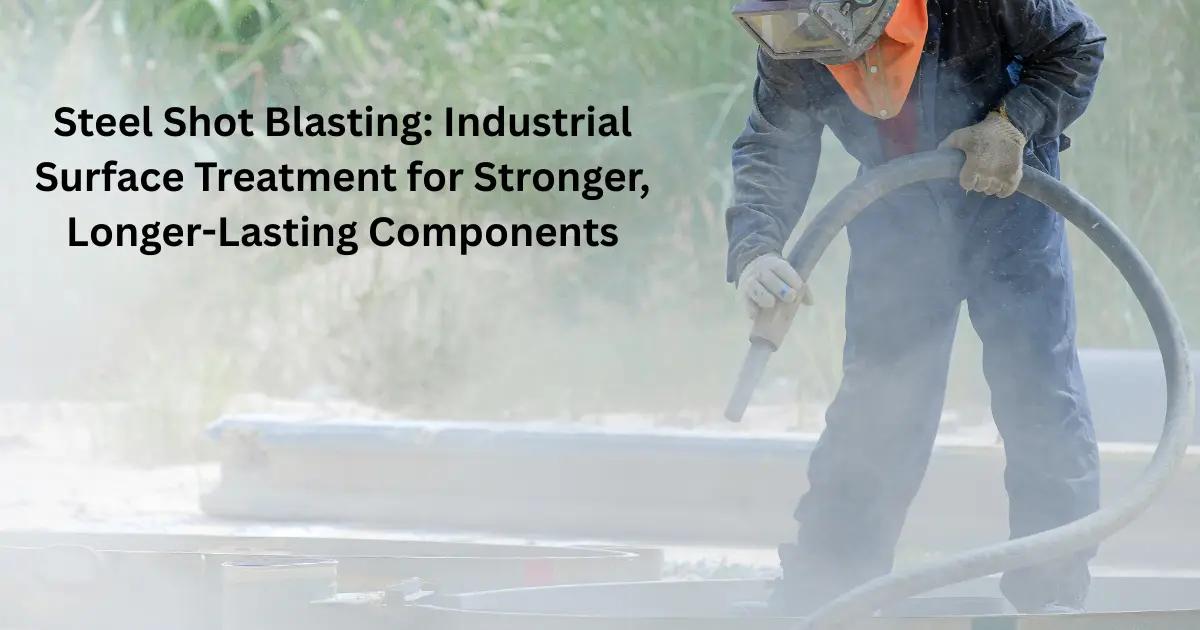
Steel shot blasting is a critical industrial surface treatment process that uses high-velocity steel particles to clean, strengthen, and prepare metal surfaces for coating or further processing. Unlike traditional sandblasting methods, steel shot blasting delivers superior results for metal components while offering environmental and economic advantages that make it the preferred choice across manufacturing, construction, and heavy industry sectors. This comprehensive guide explores everything industrial professionals need to know about the steel shot blasting process, from technical specifications to cost considerations and vendor selection criteria.
Whether you’re evaluating surface preparation methods for structural steel, automotive components, or aerospace parts, understanding the nuances of steel shot blasting will help you make informed decisions that impact product quality, longevity, and overall project economics. This process has become indispensable in modern manufacturing, and knowing when and how to implement it can significantly improve your component performance and operational efficiency.
What Is Steel Shot Blasting? Definition and Process Overview
Steel shot blasting is an abrasive surface treatment method that propels spherical steel media at high velocity against metal surfaces to remove contaminants, create surface profiles, and induce compressive stress for improved fatigue resistance. The process uses recycled steel shot particles, typically ranging from 0.3mm to 3.0mm in diameter, accelerated through mechanical means to impact workpieces with controlled force.
The fundamental principle behind steel shot blasting involves kinetic energy transfer. When steel shot particles strike a metal surface at speeds between 65 to 110 meters per second, they remove mill scale, rust, old coatings, and other surface contaminants while simultaneously creating a uniform anchor pattern that enhances coating adhesion. This dual-action capability—cleaning and profiling in a single operation—distinguishes steel shot blasting from other surface preparation techniques.
The process is fundamentally different from chemical treatments or grinding methods. Shot blasting is a cold-working process that not only cleans but also work-hardens the surface layer of metal components. This peening effect creates compressive residual stresses in the surface layer, which significantly improves the component’s resistance to fatigue failure, stress corrosion cracking, and other forms of mechanical degradation.
Industrial applications of steel shot blasting span from small precision components requiring delicate surface finishing to massive structural steel beams needing aggressive descaling. The versatility of this process makes it suitable for both batch processing in enclosed cabinets and continuous processing on conveyor systems, accommodating production volumes from prototype quantities to high-volume manufacturing runs.
How Steel Shot Blasting Works: The Technical Process Explained
The shot blasting process operates through a carefully engineered system that accelerates steel media, directs it toward target surfaces, recovers and cleans the media, and recirculates it for continued use. Understanding this closed-loop system is essential for optimizing process parameters and achieving consistent results.
At the heart of most steel shot blasting systems is the blast wheel or centrifugal wheel assembly. This mechanical device consists of a rapidly rotating wheel with radial blades that catch steel shot fed from a central hopper. As the wheel spins at speeds typically between 2,000 to 3,000 RPM, centrifugal force propels the shot outward along the blades, launching it at the workpiece with precisely controlled velocity and direction.
The blast pattern created by the wheel can be adjusted through several parameters: wheel speed controls impact velocity and intensity, blade configuration affects shot distribution, and wheel positioning determines coverage area. Multiple blast wheels can be arranged strategically around a workpiece to ensure complete coverage of complex geometries without manual repositioning.
After impact, the steel shot—along with removed contaminants and broken media particles—falls into a recovery system. Modern steel shot blasting machines incorporate sophisticated separation and cleaning mechanisms that remove debris while retaining usable shot. Air wash separators use controlled airflow to separate lighter dust and contaminants from heavier steel shot, while magnetic separators remove ferrous debris and broken shot fragments.
The cleaned and classified steel shot is then returned to storage hoppers for reuse, creating a sustainable closed-loop system. High-quality steel shot can be recycled hundreds or even thousands of times before requiring replacement, making the process economically efficient despite the initial investment in equipment and media. This recycling capability also minimizes waste generation and environmental impact compared to single-use abrasive methods.
Process monitoring and control systems in advanced shot blasting equipment track media consumption rates, blast intensity, coverage uniformity, and system performance. These automated controls ensure consistent surface preparation quality across production runs and enable operators to maintain precise specifications required by industry standards and customer requirements.
Steel Shot vs. Steel Grit vs. Sand Blasting: Key Differences
Understanding the distinctions between steel shot vs sandblasting and other abrasive media is crucial for selecting the optimal surface treatment method. Each abrasive type produces different surface characteristics, operational costs, and environmental impacts that directly affect project outcomes.
Steel shot consists of spherical particles that create a relatively smooth, dimpled surface profile through a peening action. This rounded geometry makes steel shot ideal for applications requiring surface compression, fatigue resistance improvement, and moderate surface roughness. The spherical shape also contributes to longer media life since there are no sharp edges to break down rapidly during use.
Steel grit, by contrast, features angular particles created by crushing hardened steel. These sharp-edged particles cut into surfaces more aggressively than spherical shot, producing deeper anchor patterns with sharper peaks. Steel grit excels at removing heavy mill scale, thick coatings, and stubborn contaminants, making it the preferred choice when aggressive cleaning or deep profiling is required. However, the angular geometry results in faster media breakdown and higher consumption rates compared to steel shot.
Traditional sandblasting uses silica sand or other mineral abrasives as single-use media. While sandblasting equipment is generally less expensive initially, the process carries significant disadvantages. Silica sand creates respirable crystalline silica dust—a serious health hazard that has led to regulatory restrictions or outright bans in many jurisdictions. This is why sand blasting is now forbidden or heavily regulated in numerous countries and industries, with safer alternatives like steel shot becoming mandatory for worker protection.
Beyond health concerns, sandblasting generates substantial waste since the media cannot be effectively recycled. The disposal costs for contaminated sand, combined with continuous media replacement expenses, often make sandblasting more expensive over time despite lower equipment costs. Steel shot blasting’s closed-loop recycling system eliminates these ongoing disposal expenses while reducing environmental impact.
Other abrasive media options include aluminum oxide, glass beads, ceramic beads, and various plastic media. Each has specific applications: aluminum oxide for precision work on softer metals, glass beads for peening without dimensional change, and plastic media for delicate components or coating removal without substrate damage. However, for general structural steel preparation and component strengthening, steel shot and steel grit remain the industry standards due to their effectiveness, recyclability, and cost-efficiency.
The choice between steel shot and steel grit often depends on the desired surface profile. Steel shot typically produces profiles in the 1-3 mil range (25-75 micrometers), suitable for most protective coating systems. Steel grit can achieve deeper profiles of 3-6 mils (75-150 micrometers) or more, necessary for thick-film coatings or applications requiring maximum mechanical adhesion. Many operations use blended media—combinations of shot and grit—to balance cleaning aggression with surface finish quality.
Benefits of Steel Shot Blasting for Industrial Applications
The widespread adoption of steel shot blasting across industries stems from its multiple performance, economic, and operational advantages. These benefits extend beyond simple surface cleaning to encompass component longevity, coating performance, and manufacturing efficiency.
Surface cleanliness achieved through steel shot blasting meets or exceeds the most stringent industry standards. The process effectively removes all mill scale, rust, old coatings, welding slag, and other contaminants, producing surfaces that meet Sa 2.5 or Sa 3 cleanliness standards according to ISO 8501-1. This level of cleanliness is critical for coating adhesion, with properly blast-cleaned surfaces supporting coating systems that last 2-3 times longer than those applied over inadequately prepared substrates.
The anchor profile created by steel shot blasting provides optimal mechanical keying for protective coatings. The uniform, controlled roughness increases the effective bonding area between substrate and coating while creating a mechanical interlock that resists delamination under stress. This enhanced adhesion translates directly to extended coating life, reduced maintenance frequency, and lower lifecycle costs for protected components.
Peening effects from steel shot impact induce beneficial compressive residual stresses in the surface layer of metal components. These compressive stresses counteract tensile stresses that cause fatigue crack initiation and propagation, significantly improving component fatigue life. Studies have shown that shot peening can increase fatigue life by 200-1000% depending on the component geometry and loading conditions, making it invaluable for critical components in aerospace, automotive, and heavy machinery applications.
Economic advantages of steel shot blasting include media recyclability, process speed, and labor efficiency. The closed-loop media recycling system reduces consumable costs dramatically compared to expendable abrasives. High-velocity impact and complete coverage from multiple blast wheels enable rapid processing—often 5-10 times faster than manual methods. Automated systems reduce labor requirements while improving consistency and eliminating operator variability that affects quality in manual processes.
Environmental benefits position steel shot blasting as a sustainable surface treatment option. The recycling system minimizes waste generation, eliminating the disposal challenges associated with expendable abrasives. Modern dust collection systems capture particulates, preventing air pollution and creating healthier work environments. The absence of chemical treatments means no hazardous waste streams requiring special handling or disposal, simplifying environmental compliance and reducing regulatory burden.
Process versatility allows steel shot blasting to handle diverse materials, geometries, and production requirements. The same basic equipment can process small fasteners, large structural beams, intricate castings, and flat plate—often with simple tooling changes or parameter adjustments. This flexibility makes steel shot blasting equipment a valuable multi-purpose asset that supports various product lines and manufacturing needs.
Industries and Applications That Use Steel Shot Blasting
The versatility and effectiveness of industrial surface treatment through steel shot blasting have made it indispensable across numerous sectors. Understanding these applications provides insight into the process’s capabilities and potential fit for specific manufacturing needs.
The structural steel fabrication industry relies heavily on steel shot blasting for preparing beams, columns, plates, and other components before coating or welding. Bridge construction, building frameworks, and industrial structures all require surfaces meeting strict cleanliness standards to ensure coating performance and long-term corrosion protection. Large-scale shot blasting systems process structural steel continuously, handling pieces weighing several tons while maintaining consistent surface quality across entire production runs.
Automotive manufacturing employs steel shot blasting at multiple production stages. Engine blocks, transmission housings, suspension components, and chassis parts undergo shot blasting to remove casting sand, scale, and machining residues. The process also strengthens critical components like crankshafts, connecting rods, and gears through controlled peening, extending service life and improving reliability. Automotive suppliers often operate dedicated shot blasting equipment integrated directly into production lines for continuous processing.
Aerospace applications demand the highest quality standards, making steel shot blasting essential for landing gear components, engine parts, and structural elements. The process removes surface defects, creates uniform finishes, and induces compressive stresses that improve fatigue resistance—critical for components experiencing cyclic loading during flight operations. Aerospace specifications often require precise documentation of shot blasting parameters, media characteristics, and surface quality verification to ensure airworthiness compliance.
The shipbuilding and marine industry uses steel shot blasting extensively for hull preparation, deck plating, and structural components. The aggressive marine environment demands superior coating adhesion, achievable only through proper surface preparation. Mobile shot blasting equipment allows on-site processing of large vessels, while shipyard facilities operate high-capacity systems for new construction. The process known as grenaillage acier in French-speaking regions has become standard practice in European shipyards for its effectiveness and environmental advantages.
Rail transportation relies on shot blasting for wheel and rail maintenance, railcar fabrication, and component refurbishment. Railway wheels undergo periodic shot blasting to remove brake dust, rust, and surface defects, extending service intervals and improving braking performance. Rail sections receive surface treatment to enhance wear resistance and reduce maintenance requirements on high-traffic routes.
The foundry and casting industry uses steel shot blasting as a standard finishing operation to remove sand, scale, and parting line flash from cast components. Automated tumble blast systems process small to medium castings in batches, while larger pieces receive treatment in cabinet or room-type systems. This cleaning operation prepares castings for machining, coating, or direct use, significantly improving surface appearance and dimensional accuracy.
Pipeline and oil & gas infrastructure requires extensive surface preparation for corrosion protection in harsh operating environments. Steel shot blasting prepares pipe surfaces for fusion-bonded epoxy coatings, polyethylene wrapping, and other protective systems that ensure decades of service life. Field-portable equipment enables on-site processing of pipeline sections, storage tanks, and processing equipment during construction and maintenance operations.
Construction equipment manufacturing, agricultural machinery production, and heavy equipment fabrication all incorporate steel shot blasting into their manufacturing processes. These industries benefit from the process’s ability to handle large, heavy components while delivering consistent quality and meeting tight production schedules.
Types of Steel Shot Media: Sizes, Hardness, and Selection Guide
Selecting appropriate steel shot blast media is crucial for achieving desired surface characteristics while optimizing process efficiency and media life. Understanding media specifications enables informed decisions that balance performance requirements with operational costs.
Steel shot is classified primarily by size, designated using standardized numbering systems. The SAE J444 specification, widely used in North America, defines shot sizes ranging from S70 (approximately 0.18mm diameter) to S930 (approximately 2.36mm diameter). Common sizes include S110, S170, S230, S280, S330, S390, S460, S550, and S660, with the number roughly corresponding to the screen opening in thousandths of an inch that retains the shot.
European and international markets often reference ISO 11124 standards, which use similar size designations but may employ different nomenclature. A steel shot blasting size chart comparing SAE and ISO specifications helps ensure consistent media selection across global operations and supplier networks. Smaller shot sizes (S70-S170) suit delicate components, precision work, and thin materials, while larger sizes (S390-S930) handle heavy-scale removal, deep profiling, and robust structural components.
Media hardness significantly affects cutting ability, peening intensity, and media durability. Steel shot is typically manufactured to hardness ranges between 40-65 HRC (Rockwell C scale), with specific grades available for different applications. Softer shot (40-50 HRC) provides gentler peening action suitable for softer substrates or applications requiring minimal surface deformation. Harder shot (50-65 HRC) delivers more aggressive cleaning and deeper peening effects but may wear faster when processing very hard materials.
Material composition affects performance characteristics and compatibility with different substrates. Standard carbon steel shot serves most general applications effectively and economically. Stainless steel shot blasting media prevents ferrous contamination of stainless steel, aluminum, and other non-ferrous materials where iron pickup could cause corrosion or discoloration. Though more expensive, stainless shot is essential for food processing equipment, medical devices, and applications where material purity is critical.
Cast steel shot versus cut wire shot represents another selection consideration. Cast shot, produced by atomizing molten steel, offers consistent spherical geometry and controlled hardness at competitive prices. Cut wire shot, manufactured by cutting and conditioning steel wire, provides superior durability and longer life in high-intensity applications, though at higher initial cost. The choice depends on processing volume, media consumption rates, and total cost of ownership calculations.
Media selection guidelines recommend matching shot size to workpiece size and desired surface profile. As a general rule, shot diameter should not exceed one-fourth the smallest radius or detail dimension on the workpiece to ensure complete coverage and avoid bridging in recesses. For surface profiling, larger shot creates deeper anchor patterns—useful for thick coatings—while smaller shot produces finer textures suitable for thin-film coatings or decorative finishes.
Blended media strategies combine different shot sizes or mix shot with grit to achieve specific results. A blend might include 70% larger shot for aggressive cleaning with 30% smaller shot for finishing, or combine spherical shot for peening with angular grit for profiling. These custom blends optimize process efficiency by accomplishing multiple objectives in a single operation.
Quality specifications for steel shot include chemical composition limits, microstructure requirements, defect tolerances, and durability standards. Premium media meets strict specifications for minimum defects, consistent hardness, and predictable performance life. While higher-quality media costs more initially, reduced consumption rates and more consistent results often justify the investment, particularly for critical applications or high-volume operations.
Steel Shot Blasting Equipment and Machinery Requirements
Selecting and configuring appropriate steel shot blasting machine equipment requires understanding available technologies, capacity requirements, and integration considerations. The right equipment choice directly impacts process efficiency, quality consistency, and operational costs.
Tumble blast machines, also called barrel or drum blasters, handle small to medium parts in batch operations. Components tumble inside a rotating drum while blast wheels direct shot at the moving mass, ensuring complete coverage of complex geometries. These systems excel at processing large quantities of small parts like fasteners, fittings, and small castings, with capacities ranging from 50 to 5,000 kilograms per batch depending on machine size.
Cabinet or booth-type blast systems provide enclosed environments for manual or automated processing of individual components. Operators manipulate parts using glove ports or robotic systems position workpieces for automated processing. These versatile systems accommodate diverse part geometries and sizes, making them ideal for job shops, maintenance operations, and low to medium production volumes. Modern cabinets incorporate dust collection, media recycling, and visibility enhancements for operator efficiency.
Conveyor or continuous blast systems integrate into production lines for high-volume processing. Workpieces move through the blast zone on roller, belt, or monorail conveyors while strategically positioned blast wheels provide complete coverage. These systems achieve remarkable throughput—processing hundreds or thousands of parts per hour—making them essential for automotive, appliance, and mass production applications. Sophisticated controls synchronize conveyor speed with blast intensity to maintain consistent exposure across varying part sizes.
Table blast systems position workpieces on rotating or indexing tables that present all surfaces to blast wheels. These machines suit medium to large components requiring complete coverage, such as engine blocks, transmission housings, and structural assemblies. Programmable table rotation and blast wheel positioning enable automated processing of complex geometries without manual intervention.
Spinner hanger systems suspend parts from hooks or fixtures that rotate during blasting, ensuring uniform coverage of all surfaces. This configuration works well for components with complex internal passages or geometries that would trap media in tumble systems. Aerospace components, intricate castings, and assemblies with blind holes often require spinner hanger processing for complete cleaning and consistent surface treatment.
Portable or mobile blast equipment enables on-site processing of large structures, vessels, and installations that cannot be transported to fixed facilities. These systems range from small hand-held units for spot treatment to large truck-mounted systems capable of processing ship hulls, storage tanks, and bridge structures. While less efficient than fixed installations, portable equipment provides essential flexibility for field operations and maintenance applications.
Blast wheel technology forms the core of most shot blasting systems. Wheel specifications include diameter (typically 15-50 inches), motor power (5-75 horsepower), and blade configuration. Larger, more powerful wheels deliver higher impact velocities and greater coverage, enabling faster processing but consuming more energy. Multiple wheel arrangements—often 4-12 wheels in large systems—provide complete coverage from various angles, eliminating shadows and ensuring uniform treatment.
Media handling and recycling systems separate, clean, and return steel shot for reuse. Air wash separators use controlled airflow to remove dust and light contaminants while retaining usable shot. Magnetic separators extract broken shot fragments and ferrous debris. Vibrating screens classify media by size, removing oversized particles and fine dust. These systems must match blast wheel consumption rates to maintain consistent media supply and prevent process interruptions.
Dust collection systems capture airborne particulates generated during blasting, protecting worker health and preventing environmental contamination. High-efficiency cartridge filters or baghouse collectors remove fine dust while returning cleaned air to the workspace or exhausting it outdoors. Proper dust collection is not optional—it’s essential for regulatory compliance, worker safety, and equipment longevity by preventing abrasive dust accumulation in mechanical components.
Control systems in modern industrial shot blasting machines monitor and regulate blast intensity, media flow, conveyor speed, and system performance. Programmable logic controllers (PLCs) enable recipe storage for different parts, automated process sequencing, and quality documentation. Advanced systems incorporate real-time monitoring of media consumption, surface profile measurement, and predictive maintenance alerts that optimize performance and minimize downtime.
Surface Preparation Standards: SAE, ISO, and SSPC Specifications
Compliance with established surface preparation standards ensures consistent quality, enables specification communication, and provides verification criteria for acceptance testing. Understanding these standards is essential for specifying, performing, and inspecting steel shot blasting operations.
The ISO 8501-1 standard defines visual cleanliness grades for blast-cleaned steel surfaces. Grade Sa 1 represents light blast cleaning removing loose mill scale and rust. Sa 2 indicates thorough blast cleaning removing most mill scale, rust, and contaminants, with slight staining permitted. Sa 2.5, the most commonly specified grade, requires very thorough blast cleaning removing all visible contamination except slight staining. Sa 3 demands blast cleaning to visually clean steel with no visible contamination remaining. Most protective coating systems require Sa 2.5 or Sa 3 preparation for optimal performance.
Surface profile or anchor pattern depth is equally critical for coating adhesion. ISO 8503 provides methods for measuring and comparing surface roughness using replica tape, surface profile gauges, or optical comparators. Typical profiles for steel shot blasting range from 25-100 micrometers (1-4 mils), with specific requirements depending on coating thickness and type. Thin-film coatings (50-125 micrometers) require fine profiles (25-40 micrometers), while thick-film systems (250+ micrometers) need coarser profiles (65-100 micrometers) for adequate adhesion.
SSPC (Society for Protective Coatings) standards, widely used in North America, provide complementary specifications. SSPC-SP 10 defines near-white blast cleaning (equivalent to Sa 2.5), while SSPC-SP 5 specifies white metal blast cleaning (equivalent to Sa 3). SSPC-SP 14 addresses industrial vacuum blast cleaning, and SSPC-PA 2 provides measurement methods for surface profile using replica tape. These standards include detailed visual reference photographs and written descriptions that facilitate consistent interpretation across projects and organizations.
SAE (Society of Automotive Engineers) specifications govern shot peening applications where surface compression and fatigue improvement are primary objectives. SAE J443 defines procedures for shot peening of metal parts, including media specifications, intensity measurement, and coverage requirements. SAE J2277 addresses shot peening of springs, while AMS 2430 (Aerospace Material Specification) provides requirements for shot peening of aerospace components. These standards specify Almen intensity measurement using standardized test strips to quantify peening intensity and ensure consistent results.
NACE (National Association of Corrosion Engineers) standards address surface preparation for corrosion control applications. NACE No. 1/SSPC-SP 5 covers white metal blast cleaning, NACE No. 2/SSPC-SP 10 addresses near-white blast cleaning, and NACE No. 3/SSPC-SP 6 defines commercial blast cleaning. These joint NACE/SSPC standards ensure consistency between corrosion engineering and protective coating communities.
European standards EN 12944 provide comprehensive guidance for corrosion protection of steel structures through protective paint systems. This multi-part standard addresses surface preparation requirements, coating system selection, and performance expectations based on environmental exposure categories. Compliance with EN 12944 is often mandatory for structural steel projects in European markets.
Quality documentation and verification procedures ensure standard compliance. Surface cleanliness verification uses visual comparison with photographic standards or digital imaging systems. Profile measurement employs replica tape pressed into the blasted surface, then measured with a micrometer or optical comparator. Some specifications require third-party inspection and certification, particularly for critical applications in aerospace, nuclear, or offshore industries.
Maintaining standard compliance requires proper equipment calibration, media quality control, and operator training. Blast equipment must deliver consistent intensity and coverage. Media must meet size, hardness, and quality specifications. Operators need training in standard interpretation, inspection techniques, and documentation requirements. Regular audits and proficiency testing ensure continued compliance and quality consistency.
Cost Factors: What Affects Steel Shot Blasting Pricing
Understanding the economics of steel shot blasting enables accurate budgeting, vendor evaluation, and process optimization. Multiple factors influence both capital investment and operating costs, with significant variation based on application requirements and operational scale.
Equipment costs represent the largest capital investment, ranging from $15,000 for small cabinet systems to $500,000+ for automated production lines. Tumble blast machines for small parts typically cost $30,000-$100,000 depending on capacity and features. Conveyor systems for continuous processing range from $150,000-$400,000. Custom-engineered systems for specialized applications can exceed $1 million. These figures include basic equipment but may not encompass installation, facility modifications, or auxiliary systems.
Media costs vary by type, quality, and volume. Standard carbon steel shot costs approximately $0.40-$0.80 per kilogram in bulk quantities, with prices decreasing for larger volumes. Stainless steel shot blasting media costs $3.00-$6.00 per kilogram due to higher material costs and specialized manufacturing. Premium grades with tighter specifications command 20-40% premiums over standard grades. However, media represents a relatively small operating cost due to recyclability—properly maintained systems recycle shot hundreds of times, with typical consumption rates of 0.5-2 kilograms per ton of processed steel.
Labor costs depend on automation level and production volume. Manual cabinet operations require continuous operator presence, with labor representing 40-60% of operating costs. Semi-automated systems reduce labor to loading/unloading functions, decreasing labor to 20-30% of costs. Fully automated conveyor systems integrated into production lines minimize direct labor, though requiring skilled maintenance personnel for system upkeep.
Energy consumption varies significantly with equipment type and intensity. Blast wheels consume 5-75 horsepower depending on size, with larger production systems operating multiple wheels simultaneously. Dust collection systems add 10-50 horsepower, and material handling equipment contributes additional load. Total electrical consumption for a medium-capacity system might reach 100-200 kilowatts, translating to $10-$30 per hour at typical industrial electricity rates. High-volume operations should conduct detailed energy analysis to optimize efficiency and control costs.
Maintenance and wear parts require regular replacement to maintain performance. Blast wheel components—blades, control cage, impeller—wear from abrasive contact and require replacement every 500-2000 operating hours depending on media type and intensity. Replacement costs range from $500-$3,000 per wheel. Dust collector filters need periodic replacement at $500-$5,000 depending on system size. Conveyor components, bearings, and seals require ongoing maintenance. Annual maintenance costs typically represent 5-10% of equipment value for well-maintained systems.
Facility requirements add infrastructure costs. Adequate floor space, structural support for equipment weight, electrical service capacity, and ventilation must be provided. Concrete pads for vibration isolation, pits for media recovery, and overhead clearance for material handling may require facility modifications costing $10,000-$100,000+ depending on existing conditions and equipment size.
Service provider pricing for outsourced shot blasting varies by region, complexity, and volume. Small parts might cost $0.50-$3.00 per kilogram processed. Large structural steel could range from $100-$400 per ton. Complex geometries, tight specifications, or small quantities command premium pricing. Geographic location significantly affects rates—searching for steel shot blasting near me reveals local market pricing, which varies based on regional labor costs, competition, and demand.
Total cost of ownership analysis should compare in-house processing versus outsourcing. Break-even analysis typically shows that operations processing more than 50-100 tons annually benefit from in-house equipment, while lower volumes are more economically outsourced. However, quality control, scheduling flexibility, and intellectual property protection may justify in-house processing even at lower volumes.
Cost optimization strategies include media recycling efficiency improvement, process parameter optimization to minimize consumption, preventive maintenance to extend component life, and energy management to reduce utility costs. Some operations achieve 30-50% cost reductions through systematic optimization efforts focused on these areas.
Safety Considerations and Environmental Impact
Implementing steel shot blasting requires comprehensive attention to worker safety and environmental protection. Proper safeguards protect personnel, ensure regulatory compliance, and minimize environmental impact while maintaining productive operations.
Noise exposure represents a significant hazard in shot blasting operations. Blast wheel operation, media impact, and material handling generate sound levels often exceeding 90-100 dBA, well above safe exposure limits. Engineering controls include equipment enclosures, sound-dampening materials, and vibration isolation. Administrative controls limit exposure duration, while personal protective equipment (hearing protection) provides final defense. OSHA regulations in the United States and similar requirements globally mandate hearing conservation programs for operations exceeding 85 dBA time-weighted average exposure.
Dust generation, though minimized in closed-loop systems, requires effective control. Respirable dust particles can cause respiratory irritation and long-term health effects. Unlike silica sand which causes silicosis, steel dust poses lower chronic disease risk but still requires control. Properly designed dust collection systems capture 95-99% of generated dust, maintaining workplace air quality within permissible exposure limits. Regular filter maintenance and system monitoring ensure continued effectiveness.
Mechanical hazards from rotating equipment, moving conveyors, and material handling systems require comprehensive machine guarding. Blast wheels rotating at 2,000-3,000 RPM present serious injury risk if accessed during operation. Interlocked guards prevent access during operation, while lockout/tagout procedures protect maintenance personnel. Conveyor pinch points, rotating tables, and automated equipment need guarding and emergency stop systems accessible to operators.
Ergonomic considerations address manual handling, repetitive motions, and awkward postures. Loading heavy parts into blast cabinets or positioning workpieces creates injury risk. Mechanical assists—hoists, manipulators, lift tables—reduce manual handling demands. Proper workstation design minimizes reaching, bending, and repetitive motions that cause musculoskeletal disorders.
Electrical safety requires proper grounding, disconnect switches, and protection from abrasive dust accumulation on electrical components. Dust can create conductive paths or accumulate on motor windings, creating fire or shock hazards. Sealed electrical enclosures and regular cleaning prevent these issues. Qualified electricians should perform all installation and maintenance on electrical systems.
Fire and explosion risks, though minimal with steel media, require attention in facilities processing combustible materials or coatings. Dust accumulation can create combustible dust hazards in certain conditions. Proper housekeeping, dust collection, and elimination of ignition sources mitigate these risks. Facilities processing aluminum, magnesium, or other reactive metals require specialized equipment and procedures to prevent metal dust fires.
Environmental impact of steel shot blasting is generally favorable compared to alternative methods. The closed-loop recycling system minimizes waste generation—spent media and collected contaminants represent the primary waste streams. Spent steel shot is often recyclable as scrap metal, while removed rust and scale may be recyclable or require disposal as industrial waste. The absence of chemical treatments eliminates hazardous waste generation associated with acid pickling or other chemical cleaning methods.
Air emissions are controlled through dust collection systems that capture particulates before release. Properly maintained systems achieve 99%+ capture efficiency, with filtered air meeting or exceeding environmental discharge standards. Some jurisdictions require air permits for shot blasting operations, though emissions are typically well below regulatory thresholds when proper controls are implemented.
Water usage is minimal in dry shot blasting operations, offering advantages over wet abrasive methods that generate contaminated wastewater requiring treatment. Some specialized applications use wet blast systems combining water with abrasive media, but these represent a small fraction of total shot blasting operations.
Sustainability benefits include extended component life through improved corrosion protection and fatigue resistance, reducing replacement frequency and associated resource consumption. Energy efficiency of modern equipment, media recyclability, and waste minimization contribute to favorable environmental profiles compared to alternative surface treatment methods.
Choosing the Right Steel Shot Blasting Service Provider
Selecting a qualified service provider for outsourced steel shot blasting or evaluating equipment suppliers requires systematic assessment of capabilities, quality systems, and business practices. The right partner ensures consistent quality, reliable delivery, and long-term value.
Technical capabilities should align with your specific requirements. Evaluate equipment capacity—can they handle your part sizes and weights? Assess process capabilities—do they achieve required cleanliness and profile specifications? Review quality certifications—ISO 9001, AS9100 for aerospace, or industry-specific accreditations demonstrate commitment to quality management. Request sample processing to verify capability before committing to production volumes.
Experience in your industry or with similar applications provides valuable insight. Providers familiar with your material types, specifications, and quality requirements deliver better results with less development time. Ask for references from similar applications and contact them to verify performance, quality, and reliability. Long-standing customer relationships indicate consistent service and problem-solving capability.
Quality control systems ensure consistent results across production runs. Inquire about inspection procedures, documentation practices, and traceability systems. Do they measure and record surface cleanliness and profile? How do they verify media quality and equipment performance? What documentation accompanies processed parts? Robust quality systems provide confidence in consistent results and enable problem resolution when issues arise.
Equipment condition and maintenance practices affect quality and reliability. Well-maintained equipment delivers consistent results and reliable delivery schedules. Request facility tours to observe equipment condition, housekeeping standards, and operational practices. Modern, well-maintained facilities indicate investment in capability and commitment to quality. Outdated or poorly maintained equipment suggests potential quality and delivery issues.
Capacity and scheduling flexibility impact your production planning. Can the provider accommodate your volume requirements without creating bottlenecks? Do they have backup equipment or capacity to handle surges? What are typical lead times, and how reliably do they meet commitments? Understanding capacity and scheduling practices helps assess whether the provider can support your business needs reliably.
Geographic location affects transportation costs, lead times, and communication. Local providers offer advantages in responsiveness and transportation costs, making searches for shot blast media suppliers near me or steel shot blast media near me valuable for identifying nearby options. However, specialized capabilities may justify working with distant providers if local options cannot meet technical requirements.
Pricing should be evaluated in context of total value, not just unit cost. The lowest price may indicate inadequate quality control, poor equipment maintenance, or unsustainable business practices that create supply chain risk. Competitive pricing combined with demonstrated quality, reliability, and technical capability provides better long-term value than lowest cost alone.
Communication and responsiveness indicate customer service commitment. How quickly do they respond to inquiries? Do they proactively communicate about scheduling, quality issues, or process improvements? Effective communication prevents misunderstandings, enables problem-solving, and builds productive working relationships.
For equipment purchases, supplier support services are critical. Evaluate installation support, operator training, maintenance training, and ongoing technical assistance. What is parts availability and delivery time for wear components? Do they offer process optimization support or troubleshooting assistance? Comprehensive support services maximize equipment uptime and performance throughout its service life.
Financial stability and business practices affect long-term partnership viability. Established companies with strong financial positions provide greater supply chain security than marginal operations at risk of business failure. Review business longevity, customer base diversity, and market reputation to assess stability and reliability.
Environmental and safety practices reflect operational maturity and regulatory compliance. Providers with strong safety records and environmental management systems demonstrate professional operations that minimize liability risk. Ask about safety performance, environmental permits, and compliance history to assess operational practices.
Contract terms and conditions should clearly define specifications, quality requirements, delivery schedules, pricing, and liability provisions. Well-drafted agreements prevent misunderstandings and provide recourse if problems arise. Review terms carefully and negotiate modifications to address specific concerns or requirements.
Conclusion: Maximizing Value from Steel Shot Blasting
Steel shot blasting has established itself as the premier surface treatment method for metal components across diverse industries, delivering unmatched combinations of cleaning effectiveness, surface preparation quality, and component strengthening. The process’s ability to simultaneously remove contaminants, create optimal coating profiles, and induce beneficial compressive stresses makes it indispensable for applications demanding maximum performance and longevity.
Success with steel shot blasting requires understanding the technical fundamentals, selecting appropriate media and equipment, complying with relevant standards, and implementing proper safety and environmental controls. Whether establishing in-house capabilities or partnering with service providers, informed decision-making based on comprehensive knowledge of process capabilities, costs, and quality requirements ensures optimal outcomes.
The economic advantages of media recyclability, process efficiency, and extended component life make steel shot blasting a cost-effective choice despite higher initial equipment investment compared to simpler methods. Environmental benefits from waste minimization, emission control, and elimination of hazardous chemicals align with sustainability objectives while meeting increasingly stringent regulatory requirements.
As manufacturing technologies advance, steel shot blasting continues evolving through automation, process monitoring, and integration with digital manufacturing systems. These developments enhance consistency, reduce costs, and enable real-time quality verification that meets the demands of modern production environments. Organizations that master steel shot blasting technology and its application gain competitive advantages through superior product quality, reduced lifecycle costs, and enhanced manufacturing capability that supports business growth and customer satisfaction.
Frequently Asked Questions
What is steel shot blasting?
Steel shot blasting is an industrial surface treatment process that propels high-velocity steel particles against metal surfaces to remove contaminants, rust, and scale while creating a textured profile. This process simultaneously cleans and strengthens components through controlled impact that induces compressive stress in the surface layer. Steel shot blasting is widely used in manufacturing, construction, and heavy industry for preparing surfaces before coating or improving component durability.
Is shot blasting better than sandblasting?
Yes, shot blasting is generally superior to sandblasting for metal surface treatment. Steel shot blasting produces more consistent surface profiles, generates less dust, and the media can be recycled hundreds of times, making it more cost-effective and environmentally friendly. Additionally, shot blasting creates compressive stress that strengthens metal surfaces, while sandblasting primarily removes material without adding structural benefits.
How much does shot blasting cost?
Shot blasting costs typically range from $1 to $5 per square foot for professional services, depending on project size, surface condition, and location. Equipment rental costs approximately $200-$500 per day for portable units, while industrial shot blasting machines range from $10,000 to over $100,000 for purchase. The reusability of steel shot media significantly reduces long-term operational costs compared to single-use abrasives.
What are the advantages of shot blasting?
Shot blasting offers multiple advantages including superior surface cleaning, improved coating adhesion, and enhanced component strength through peening effects. The process is environmentally friendly since steel shot is recyclable, produces minimal dust when properly contained, and doesn’t introduce harmful silica into the workplace. Additional benefits include faster processing times, consistent surface profiles, and the ability to treat complex geometries that other methods cannot effectively reach.
What are the disadvantages of shot blasting?
The main disadvantages of shot blasting include higher initial equipment costs compared to basic sandblasting setups and the need for proper containment systems to capture rebounding media. The process can be too aggressive for thin or delicate materials, potentially causing warping or damage. Shot blasting also requires regular maintenance of equipment components and careful media selection to avoid surface damage on softer metals.
Why is sandblasting forbidden now?
Traditional sandblasting using silica sand is banned or heavily restricted in many jurisdictions because it produces crystalline silica dust that causes silicosis, an incurable and potentially fatal lung disease. Prolonged exposure to silica dust leads to severe respiratory problems, lung scarring, and increased cancer risk. This has led industries to adopt safer alternatives like steel shot blasting, which produces minimal hazardous dust and offers superior performance for metal surface treatment.
What is the shot blasting process?
The shot blasting process involves loading steel shot media into a blast machine that uses centrifugal force or compressed air to accelerate particles to high velocities (typically 65-110 mph) before they impact the target surface. As the steel shot strikes the surface, it removes contaminants, creates a uniform texture, and induces beneficial compressive stress. The spent media is then collected, cleaned of debris, and recycled back into the system for continued use, making steel shot blasting highly efficient and economical.
What is SA 2.5 in shot blasting?
SA 2.5 is a surface preparation standard defined by the Swedish Standard SIS 055900 (now ISO 8501-1) that represents “near-white blast cleaning.” This specification requires removal of at least 95% of visible contaminants, rust, mill scale, and previous coatings, leaving only slight traces of staining. SA 2.5 is the most commonly specified surface preparation grade for protective coating applications because it provides excellent coating adhesion while being more economical than white metal finishes.
Is steel shot more expensive than other blasting media?
Steel shot has a higher upfront cost per pound compared to disposable media like sand or slag, typically ranging from $0.50 to $1.50 per pound. However, steel shot blasting becomes significantly more economical over time because the media can be recycled 3,000+ times before requiring replacement. When factoring in reusability, disposal costs, and superior performance, steel shot typically offers the lowest total cost of ownership for metal surface treatment applications.
What is steel shot blasting used for?
Steel shot blasting is used for cleaning metal surfaces before painting or coating, removing rust and mill scale from structural steel, and strengthening components through shot peening. Common applications include preparing automotive parts, cleaning ship hulls and tanks, restoring construction equipment, and treating aerospace components. The process is also essential for creating optimal surface profiles on concrete and metal substrates to ensure maximum coating adhesion and longevity.
You May Also Like

7 Reasons Why WPS Desktop Is a Must-Have Tool in 2026

Reducing Cyber Risk: Practical Guide for UK Businesses 2024

Biogas Odour Control: Carbon Filtration Systems Guide