
San Judas Tadeo: Prayer, Miracles & Patron Saint of Lost Causes

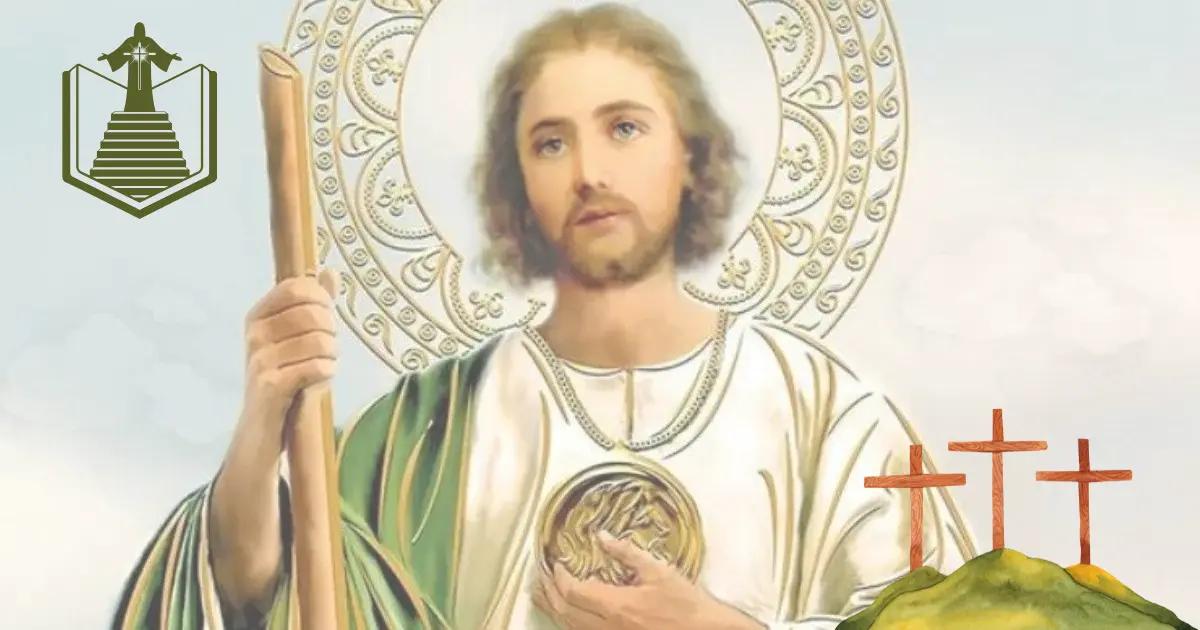
When life presents seemingly impossible challenges—desperate financial situations, severe health crises, broken relationships beyond repair, or legal battles with no apparent solution—millions of faithful Catholics around the world turn to San Judas Tadeo, the patron saint of lost causes and desperate situations. This powerful intercessor, known in English as Saint Jude Thaddeus, has become a beacon of hope for those facing their darkest moments, offering spiritual comfort when all earthly solutions have failed. Whether you’re experiencing a crisis that feels insurmountable or simply seeking to understand the profound devotion surrounding this beloved apostle, understanding who San Judas Tadeo is, how to pray to him effectively, and the documented miracles attributed to his intercession can provide both spiritual guidance and genuine hope during your most challenging times.
Who Is San Judas Tadeo? The Apostle of Hope
San Judas Tadeo was one of the twelve apostles chosen by Jesus Christ to spread the Gospel message throughout the world. Also known as Saint Jude Thaddeus, Judas Thaddaeus, or simply Saint Jude, he should never be confused with Judas Iscariot, the apostle who betrayed Jesus. The name “Tadeo” (Thaddeus) comes from the Aramaic word meaning “courageous heart” or “generous heart,” perfectly reflecting the saint’s character and his willingness to intercede for those in the most desperate circumstances.
In the Bible, San Judas Tadeo appears in the Gospels as one of Christ’s closest followers. He is mentioned in the lists of apostles in Matthew 10:3, Mark 3:18, Luke 6:16, and Acts 1:13. During the Last Supper, as recorded in John 14:22, Judas Thaddaeus asked Jesus an important question: “Lord, how is it that you will manifest yourself to us, and not to the world?” This question demonstrates his deep desire to understand Christ’s mission and his role in spreading the faith.
According to tradition and early Christian writings, San Judas Tadeo was a relative of Jesus Christ—possibly a cousin or the son of Clopas (also called Alphaeus) and Mary of Clopas, who was a relative of the Virgin Mary. This family connection to Jesus himself adds special significance to his role as an intercessor, as he knew Christ intimately during his earthly ministry. Historical accounts suggest that when was St Jude born and died spans from approximately 1st century AD, with his martyrdom occurring around 65-70 AD in Persia (modern-day Iran), where he was preaching the Gospel alongside the apostle Simon the Zealot.
The true story of San Judas Tadeo reveals a fearless evangelist who traveled extensively after Pentecost, bringing Christianity to regions including Judea, Samaria, Idumaea, Syria, Mesopotamia, and Libya. His missionary work was marked by powerful preaching, miraculous healings, and unwavering commitment to spreading Christ’s message even in the face of persecution. This courage and dedication to helping others in their spiritual struggles laid the foundation for his later recognition as the patron saint of impossible cases.
Why Is San Judas Tadeo the Patron Saint of Lost Causes?
The designation of San Judas Tadeo as the patron saint of lost causes and desperate situations stems from both historical circumstances and spiritual tradition. The primary reason relates to the unfortunate similarity between his name and that of Judas Iscariot, the apostle who betrayed Jesus Christ. Because of this name confusion, early Christians were hesitant to invoke Saint Jude’s intercession, fearing they might accidentally be praying to the traitor instead.
This reluctance meant that San Judas Tadeo became the “forgotten apostle”—invoked only when all other avenues had been exhausted and situations seemed truly hopeless. Over time, this pattern established him as the saint to turn to when facing impossible circumstances, desperate situations, or cases that appeared beyond human solution. The faithful began to recognize that precisely because he was overlooked and underutilized, his intercession was particularly powerful for those whose cases were similarly overlooked or deemed hopeless by society.
Church tradition holds that San Judas Tadeo himself promised to help those who invoke his name in times of great need. This promise has been passed down through centuries of Catholic devotion and is reinforced by countless testimonies of answered prayers and miraculous interventions. The saint’s willingness to advocate for the most desperate cases reflects his compassionate nature and his understanding of human suffering, making him an ideal intercessor for those experiencing their darkest moments.
What does San Judas protect you from? Devotees believe that San Judas Tadeo offers protection and assistance in various desperate situations including: severe financial hardship and bankruptcy, terminal or chronic illnesses, seemingly impossible legal battles, broken relationships and family crises, addiction and substance abuse struggles, unemployment and career disasters, housing insecurity and homelessness, and situations involving injustice or false accusations. His patronage extends to any circumstance where human effort alone appears insufficient and divine intervention seems necessary.
The spiritual meaning of invoking San Judas Tadeo goes beyond simply requesting favors. It represents an act of profound faith—acknowledging that when human resources are exhausted, God’s power remains unlimited. Turning to this patron saint of lost causes demonstrates humility, trust in divine providence, and the belief that no situation is truly hopeless when placed in God’s hands through the intercession of his faithful servant.
The History of San Judas Tadeo: From Apostle to Beloved Saint
The historical journey of San Judas Tadeo from apostle to one of the most beloved saints in the Catholic Church spans nearly two millennia. After receiving the Holy Spirit at Pentecost, Judas Thaddaeus embarked on extensive missionary journeys that would ultimately cost him his life but establish the foundation for Christianity in numerous regions. The historia verdadera de San Judas Tadeo (true history of San Judas Tadeo) reveals a dedicated evangelist whose courage and miracles converted thousands to the Christian faith.
Early Christian historians, including Eusebius of Caesarea and Saint Jerome, documented that San Judas Tadeo preached primarily in Mesopotamia, which encompassed parts of modern-day Iraq, Syria, and Iran. He is credited with establishing Christian communities in Edessa (now Şanlıurfa, Turkey), where he reportedly healed King Abgar V of a serious illness, leading to the monarch’s conversion and the establishment of one of the earliest Christian kingdoms. This miraculous healing became one of the first documented miracles attributed to the apostle and demonstrated the power of faith that would characterize his legacy.
According to tradition, San Judas Tadeo authored the Epistle of Jude, a short but powerful letter included in the New Testament. This letter, written to early Christian communities, warns against false teachers and encourages believers to remain steadfast in their faith despite persecution and challenges. The epistle’s emphasis on perseverance through difficult circumstances resonates deeply with his later role as patron of desperate situations, as it demonstrates his understanding of the struggles faced by the faithful.
The martyrdom of San Judas Tadeo occurred around 65-70 AD in Persia, where he was preaching alongside Saint Simon the Zealot. Historical accounts vary regarding the exact manner of his death, with some traditions stating he was killed with an axe or halberd (a battle-axe on a long pole), while others mention that he was clubbed to death. Regardless of the specific method, his willingness to die for his faith cemented his status as a martyr and powerful intercessor in heaven. This is why many images of San Judas Tadeo depict him holding a club or axe, symbolizing the instrument of his martyrdom.
The formal veneration of San Judas Tadeo developed gradually throughout Church history. His feast day was established as October 28th in the Roman Catholic calendar, shared with Saint Simon the Zealot due to their joint missionary work and martyrdom. However, widespread popular devotion to San Judas Tadeo didn’t flourish until much later, particularly gaining momentum in the 19th and 20th centuries when his reputation as the patron saint of hopeless cases became more widely known through personal testimonies and documented miracles.
In Mexico and throughout Latin America, devotion to San Judas Tadeo has reached extraordinary levels, with massive celebrations occurring on the 28th of each month (not just October). The Basilica of San Hipólito in Mexico City hosts one of the world’s largest monthly gatherings in honor of San Judas Mexico, where tens of thousands of devotees arrive to pray, give thanks for favors received, and seek the saint’s intercession. This Latin American devotion has spread throughout the United States and other countries with Hispanic communities, making San Judas Tadeo one of the most recognizable and beloved saints in contemporary Catholic practice.
The Powerful Prayer to San Judas Tadeo (Full Text & How to Pray It)
The prayer to San Judas Tadeo is considered one of the most powerful intercessory prayers in Catholic tradition, particularly for those facing seemingly impossible situations. The most widely used prayer, known as the Prayer to Saint Jude for Impossible Cases, has been recited by millions of faithful Catholics seeking help in their most desperate moments. This oración a San Judas Tadeo exists in both Spanish and English versions, with the Spanish version being particularly popular in Latin American communities.
San Judas Tadeo Prayer in English:
Most holy apostle, Saint Jude Thaddeus, faithful servant and friend of Jesus, the Church honors and invokes you universally as the patron of hopeless cases and of things almost despaired of. Pray for me, I am so helpless and alone. Make use, I implore you, of that particular privilege given to you, to bring visible and speedy help where help is almost despaired of. Come to my assistance in this great need that I may receive the consolation and help of heaven in all my necessities, tribulations, and sufferings, particularly [here make your request], and that I may praise God with you and all the elect forever. I promise you, O blessed Saint Jude, to be ever mindful of this great favor, to always honor you as my special and powerful patron, and to gratefully encourage devotion to you. Amen.
San Judas Tadeo Prayer in Spanish (Oración a San Judas Tadeo):
San Judas Tadeo, glorioso apóstol, fiel siervo y amigo de Jesús, el nombre del traidor ha sido causa de que fueras olvidado por muchos, pero la Iglesia te honra e invoca universalmente como patrón de los casos difíciles y desesperados. Ruega por mí que soy tan miserable. Haz uso, te imploro, de ese particular privilegio que se te ha concedido de socorrer pronto y visiblemente cuando casi se ha perdido toda esperanza. Ven en mi ayuda en esta gran necesidad para que pueda recibir consuelo y socorro del cielo en todas mis necesidades, tribulaciones y sufrimientos, particularmente [aquí haga su petición], y para que pueda alabar a Dios contigo y con todos los elegidos por siempre. Te prometo, oh bendito San Judas, acordarme siempre de este gran favor, y nunca dejar de honrarte como mi especial y poderoso patrón y hacer todo lo que pueda para fomentar tu devoción. Amén.
When praying to San Judas Tadeo, the Catholic Church recommends certain practices to make your prayer more effective and spiritually meaningful. First, approach the prayer with genuine faith and humility, acknowledging that while you’re asking for the saint’s intercession, all power ultimately comes from God. It’s important to be specific about your request when you reach the part that says “particularly” or “particularmente”—clearly state what you need help with, whether it’s healing from illness, financial relief, relationship restoration, or any other desperate situation.
Many devotees pray to San Judas Tadeo for nine consecutive days, a practice known as a novena, which demonstrates persistence and deepening faith. During this novena, it’s traditional to light a green or white candle (green being the color associated with San Judas Tadeo) and to pray at the same time each day if possible. Some faithful also make promises to the saint, such as publicly acknowledging the favor received, making a donation to charity, or performing acts of service to others once their prayer is answered.
The question “¿Qué se le pide a San Judas Tadeo?” (What do you ask San Judas Tadeo for?) has a simple answer: anything that seems impossible or desperate. Unlike some saints who have specific patronages (like Saint Anthony for lost items), San Judas Tadeo’s domain is precisely those situations where no other solution seems available. This makes him uniquely accessible to people facing any type of crisis, regardless of its nature.
Documented Miracles Attributed to San Judas Tadeo
Throughout history, countless miracles of San Judas Tadeo have been documented by the Catholic Church, individual testimonies, and ecclesiastical investigations. While the Church maintains rigorous standards for officially recognizing miracles, the sheer volume of reported answered prayers and inexplicable interventions attributed to this saint’s intercession has solidified his reputation as a powerful advocate before God. Understanding what miracles did Saint Jude performed both during his earthly life and through his heavenly intercession provides insight into why millions place their trust in his prayers.
During his lifetime as an apostle, San Judas Tadeo performed numerous miracles that are recorded in early Christian writings and traditions. The most famous of these was the healing of King Abgar V of Edessa, who suffered from leprosy or another serious illness. According to the account preserved by Eusebius, the king had heard of Jesus’s healing powers and sent a letter requesting that Christ come to heal him. After Jesus’s ascension, San Judas Tadeo (or in some versions, a disciple named Thaddeus sent by the apostle) traveled to Edessa, healed the king through prayer and the laying on of hands, and converted him to Christianity. This miracle led to the establishment of one of the first Christian kingdoms and demonstrated the apostle’s power as a healer and evangelizer.
In modern times, documented cases of healing through San Judas Tadeo’s intercession include numerous accounts of terminal cancer patients experiencing unexpected remission, individuals with chronic pain finding sudden relief, and people facing mental health crises discovering peace and recovery. One well-documented case from the 1950s involved a woman in Chicago who had been diagnosed with an inoperable brain tumor. After beginning a novena to San Judas Tadeo, her subsequent medical examination showed the tumor had inexplicably shrunk to a size that allowed for successful surgical removal. Her doctors, who had initially given her weeks to live, could offer no medical explanation for the change.
Financial miracles attributed to San Judas Tadeo are equally numerous and well-documented. Devotees have reported receiving unexpected job offers after months of unemployment, discovering unknown sources of funds to prevent foreclosure or eviction, and experiencing sudden resolution of seemingly insurmountable debts. A particularly striking testimony from Mexico City in the 1990s involved a family facing eviction who prayed a novena to San Judas Tadeo. On the final day of the novena, they received notification of an inheritance from a distant relative they didn’t know existed, providing exactly the amount needed to save their home.
Legal miracles represent another category where San Judas Tadeo’s intercession has been frequently invoked and credited. Cases include wrongfully accused individuals being exonerated through the sudden appearance of new evidence, immigration cases being unexpectedly approved after years of denial, and custody battles being resolved in favor of the praying parent when all legal avenues seemed exhausted. These accounts emphasize the saint’s role as an advocate for justice and his willingness to intervene when human systems fail.
Relationship restoration miracles attributed to San Judas Tadeo include reconciliations between estranged family members, marriages saved from divorce, and prodigal children returning home after years of separation. One testimony from a devotional website describes a mother who prayed to San Judas Tadeo for her drug-addicted son who had disappeared for three years. After completing a 54-day novena (six nine-day novenas in succession), her son unexpectedly appeared at her door, ready to enter rehabilitation and rebuild his life.
The Church’s approach to these miracles is appropriately cautious, requiring thorough investigation before official recognition. However, the consistent pattern of answered prayers, the testimonies from credible witnesses, and the transformative impact on the lives of devotees provide compelling evidence of San Judas Tadeo’s powerful intercession. What makes these miracles particularly significant is that they typically occur in situations where medical professionals, financial advisors, lawyers, or other experts had declared the cases hopeless—precisely the domain of the patron saint of lost causes.
The Meaning Behind San Judas Tadeo's Symbols and Images
The iconography of San Judas Tadeo is rich with symbolic meaning, and understanding these elements deepens appreciation for the saint’s identity and mission. Whether you encounter a San Judas Tadeo statue, prayer card, or painting, certain consistent symbols appear that tell the story of his life, martyrdom, and spiritual significance. Recognizing what these symbols mean helps devotees connect more deeply with the saint they’re invoking.
The most prominent symbol in images of San Judas Tadeo is the medallion or image of Jesus that he typically wears around his neck or holds close to his chest. This represents the Image of Edessa, also known as the Mandylion—a cloth bearing the miraculous image of Christ’s face. According to tradition, when San Judas Tadeo traveled to heal King Abgar, he brought with him this sacred image, which had been created when Jesus pressed a cloth to his face, leaving a miraculous imprint. This symbol emphasizes the saint’s close relationship with Christ and his role as a bearer of Jesus’s healing presence to those in need.
The club, axe, or halberd frequently depicted in San Judas Tadeo’s images represents the instrument of his martyrdom. This symbol serves multiple purposes: it identifies him as a martyr who gave his life for the faith, it demonstrates his courage in the face of persecution, and it reminds devotees that the saint understands suffering and is therefore a compassionate intercessor for those experiencing their own trials. The weapon is typically shown resting against his shoulder or held in his hand, a stark reminder of the price he paid for his unwavering commitment to spreading the Gospel.
San Judas Tadeo is almost always depicted wearing green robes, which has led to green becoming the color most associated with this saint. Green symbolizes hope, renewal, and life—perfectly appropriate for the patron saint of hopeless cases who brings hope to desperate situations. Many devotees wear green when attending celebrations in his honor, light green candles when praying to him, and decorate altars with green cloths and flowers. This color association has become so strong that simply seeing the color green can remind faithful Catholics of San Judas Tadeo’s promise to help in times of need.
The flame or tongues of fire sometimes shown above San Judas Tadeo’s head represent the Holy Spirit descending upon the apostles at Pentecost. This symbol emphasizes his role as one of the original twelve apostles who received the Spirit’s power to preach, heal, and perform miracles. It also signifies the divine inspiration that guided his missionary work and continues to empower his intercession from heaven.
In some representations, San Judas Tadeo holds a scroll or book, representing either the Gospel he preached or the Epistle of Jude that he authored. This symbol highlights his role as a teacher and evangelizer, reminding devotees that seeking his intercession should also involve growing in faith and understanding of Christian teachings. The scroll often bears Latin or Spanish text, sometimes including phrases from his epistle or traditional prayers.
The boat or ship occasionally included in San Judas Tadeo imagery symbolizes the Church and the saint’s role in building and protecting it through his missionary journeys. It can also represent the journey of faith that all believers undertake, with San Judas Tadeo serving as a guide and protector through life’s storms—particularly appropriate for someone known as the patron of desperate situations.
Understanding the San Judas Tadeo meaning behind these symbols transforms viewing his image from a simple devotional practice into a meditation on faith, courage, hope, and divine mercy. When devotees pray before a San Judas Tadeo statue or carry a medal bearing his image, they’re not engaging in superstition but rather using visual reminders of spiritual truths: that Christ’s power is present through his saints, that no situation is truly hopeless, and that faithful intercession can move heaven to act on behalf of those in need.
When Is San Judas Tadeo's Feast Day and How to Celebrate It
The official San Judas Tadeo day in the Roman Catholic liturgical calendar is October 28th, when the Church celebrates the Feast of Saints Simon and Jude. This date commemorates both apostles together because they worked as missionary partners and were martyred around the same time in Persia. The celebration on October 28th is recognized universally throughout the Catholic Church, with special Masses, prayers, and devotions offered in honor of these two apostles who gave their lives spreading the Gospel.
However, devotion to San Judas Tadeo has evolved beyond this single annual feast day, particularly in Mexico and other Latin American countries where the 28th of every month has become a day of special veneration. This monthly celebration reflects the deep popular devotion to the saint and provides more frequent opportunities for the faithful to gather, pray, and give thanks for favors received. The monthly observances have become massive events in certain locations, with the Basilica of San Hipólito in Mexico City hosting gatherings that attract tens of thousands of devotees on the 28th of each month.
Celebrating San Judas Tadeo’s feast day properly involves several traditional practices that honor the saint and deepen one’s spiritual connection. Attending Mass is the most important observance, as the Eucharist is the center of Catholic worship and the most powerful form of prayer. Many churches offer special Masses on October 28th specifically dedicated to San Judas Tadeo, often including the blessing of medals, statues, and other religious articles associated with the saint. If your local parish doesn’t offer a special Mass, attending the regular daily Mass and offering your intentions through San Judas Tadeo’s intercession is equally meaningful.
Praying the San Judas Tadeo novena is another traditional way to prepare for and celebrate his feast day. Many devotees begin the novena nine days before October 28th (starting on October 19th) and conclude it on the feast day itself. This practice of sustained prayer demonstrates commitment and allows time for spiritual reflection on the saint’s life, virtues, and intercession. Some faithful choose to pray the novena publicly at church, while others maintain this devotion privately at home, often before a home altar or shrine dedicated to the saint.
Creating or visiting a San Judas Tadeo altar is a beautiful way to honor the saint on his feast day. Home altars typically include a statue or image of San Judas Tadeo, green candles (his associated color), fresh flowers (particularly white roses or lilies), and personal prayer intentions written on paper and placed before the saint’s image. Some devotees also include offerings of thanksgiving for prayers already answered—photographs of healed loved ones, symbolic representations of problems resolved, or written testimonies of miracles received. These altars become focal points for family prayer and serve as visible reminders of faith throughout the year.
Performing acts of charity and service represents another meaningful way to celebrate San Judas Tadeo’s feast day. Since the saint is known for helping those in desperate situations, many devotees honor him by helping others facing hardship. This might include donating to food banks, volunteering at homeless shelters, visiting the sick or imprisoned, or providing financial assistance to those in need. These acts of mercy reflect the saint’s compassionate nature and demonstrate that devotion involves not just asking for help but also extending help to others.
Making a pilgrimage to a church or shrine dedicated to San Judas Tadeo is a traditional practice for those able to do so. Major pilgrimage sites include the National Shrine of Saint Jude in Chicago, Illinois; the Basilica of San Hipólito in Mexico City; and various churches throughout Latin America that house important relics or images of the saint. These pilgrimages often involve walking significant distances, praying the rosary or other devotions along the way, and participating in special liturgies at the destination. Even if a major pilgrimage isn’t possible, visiting a local church that has a statue or shrine to San Judas Tadeo can serve as a meaningful mini-pilgrimage.
Sharing testimonies of answered prayers is another important aspect of celebrating San Judas Tadeo’s feast day. The saint himself is said to have requested that those who receive favors through his intercession make them known to encourage others’ faith. Many devotees fulfill this request by sharing their stories publicly—through church bulletin announcements, online devotional communities, or during special testimony sessions held at churches on the feast day. These testimonies serve multiple purposes: they give glory to God, honor the saint, and provide hope to others facing similar desperate situations.
How to Ask San Judas Tadeo for Help in Desperate Situations
Approaching San Judas Tadeo for help requires understanding both the spiritual principles of Catholic intercessory prayer and the specific devotional practices associated with this patron saint of lost causes. While the saint is known for his powerful intercession in desperate situations, asking for his help effectively involves more than simply reciting a prayer—it requires faith, humility, persistence, and a willingness to align your will with God’s plan.
The first step in asking San Judas Tadeo for help is to clearly identify and articulate your need. Unlike vague requests, specific petitions allow you to focus your prayer and later recognize when your prayer has been answered. Whether you’re facing financial ruin, serious illness, relationship breakdown, legal troubles, or any other crisis, take time to write down exactly what you need. Be honest about the situation’s severity and why you consider it desperate or impossible by human standards. This clarity helps you pray with greater intention and demonstrates to God and the saint that you’ve seriously considered your need.
Preparing spiritually before making your petition is equally important. The Catholic Church teaches that intercessory prayer works best when the person praying is in a state of grace, meaning free from serious sin. If possible, receive the Sacrament of Reconciliation (Confession) before beginning your novena or intensive prayer to San Judas Tadeo. This spiritual cleansing removes barriers between you and God, making your prayers more effective. Additionally, examining your conscience and making amends where possible demonstrates sincerity and readiness to receive God’s help.
Choosing the right prayer format depends on your situation and spiritual comfort level. The traditional Prayer to San Judas Tadeo for Impossible Cases is the most commonly used, but you can also pray spontaneously in your own words, asking the saint to intercede for your specific need. Many devotees combine both approaches—beginning with the formal prayer and then adding personal petitions. The key is authenticity; San Judas Tadeo responds to genuine faith and desperate need, not to perfectly recited formulas.
Committing to a novena demonstrates serious intent and deepening faith. A novena to San Judas Tadeo involves praying the designated prayer for nine consecutive days, ideally at the same time each day. During this period, many devotees also attend daily Mass if possible, receive Holy Communion, and perform acts of charity. The nine-day period isn’t magical but rather provides time for spiritual growth, deepening trust, and aligning your will with God’s. Some situations call for extended novenas—praying for 54 consecutive days (six nine-day novenas) for particularly desperate or long-standing problems.
Making a promise or vow to San Judas Tadeo is a traditional practice that demonstrates commitment and gratitude. Common promises include publicly acknowledging the favor received (through testimony, publication, or donation), performing specific acts of charity, making a pilgrimage to a shrine dedicated to the saint, or establishing a regular devotion to San Judas Tadeo. These promises should be realistic and within your ability to fulfill. The Church teaches that vows made to saints are actually promises made to God through the saint’s intercession, so they should be taken seriously and fulfilled promptly once the favor is granted.
Maintaining faith during the waiting period is perhaps the most challenging aspect of asking San Judas Tadeo for help. Answers to prayer don’t always come immediately or in the exact form requested. The saint may intercede for a solution different from what you envisioned but ultimately better for your spiritual good. During this waiting period, continue your prayers, attend Mass regularly, and look for signs of God’s work in your situation. Sometimes the miracle isn’t the dramatic resolution you hoped for but rather the strength, peace, and wisdom to endure the difficulty with grace.
Recognizing and acknowledging answered prayers is essential. When you receive help through San Judas Tadeo’s intercession—whether a complete resolution of your problem or unexpected assistance during the crisis—fulfill any promises you made and publicly acknowledge the favor if appropriate. This might mean sharing your testimony at church, making a donation in the saint’s name, or simply telling others about the power of prayer and San Judas Tadeo’s intercession. This acknowledgment completes the cycle of petition and thanksgiving that characterizes healthy spiritual life.
San Judas Tadeo vs. Judas Iscariot: Clearing the Confusion
One of the most persistent sources of confusion regarding San Judas Tadeo stems from the similarity between his name and that of Judas Iscariot, the apostle who betrayed Jesus Christ. This confusion has historical roots and continues to cause misunderstanding among those unfamiliar with Catholic tradition. Clearing up this confusion is essential for proper understanding and devotion to the true San Judas Tadeo, the faithful apostle and patron saint of lost causes.
The fundamental difference is straightforward: San Judas Tadeo (Saint Jude Thaddeus) was a faithful apostle who remained loyal to Jesus throughout his ministry, preached the Gospel after Pentecost, and died as a martyr for the faith. Judas Iscariot was the apostle who betrayed Jesus for thirty pieces of silver, leading to Christ’s arrest, trial, and crucifixion. These are two completely different people who happened to share the common Jewish name “Judas” (Yehuda in Hebrew, meaning “praised” or “God is praised”).
The Gospel writers themselves recognized this potential for confusion and took steps to distinguish between the two. In the lists of apostles, Judas Thaddeus is often identified with additional descriptors: “Judas son of James” (Luke 6:16, Acts 1:13), “Judas (not Iscariot)” (John 14:22), or simply “Thaddeus” (Matthew 10:3, Mark 3:18). These clarifications ensured that early readers wouldn’t confuse the faithful apostle with the traitor. The name “Tadeo” or “Thaddeus,” meaning “courageous heart,” became the preferred way to refer to this apostle precisely to avoid the negative associations with Judas Iscariot.
The question “is San Judas good?” arises from this confusion, particularly among those encountering the devotion for the first time. The answer is unequivocally yes—San Judas Tadeo is not only good but is recognized as a saint, meaning the Catholic Church has officially declared that he is in heaven and can intercede for the faithful. The Church would never promote devotion to Judas Iscariot, who betrayed Christ and, according to Scripture, died in despair without repenting. The two could not be more different in character, actions, and eternal destiny.
Understanding the question “is San Judas Christian?” reveals another layer of confusion. San Judas Tadeo was not just Christian—he was one of the original twelve apostles chosen by Jesus Christ himself, making him one of the foundational figures of Christianity. He helped establish the early Church, spread the Gospel message, and died defending the Christian faith. Devotion to San Judas Tadeo is thoroughly Christian and specifically Catholic, rooted in the ancient practice of asking saints in heaven to pray for those still on earth.
The historical irony is that the name confusion that caused early Christians to avoid invoking San Judas Tadeo—fearing they might accidentally pray to the traitor—is precisely what led to his patronage of lost causes. Because he was “forgotten” or avoided due to his name, he became the saint to invoke when all others had been tried and the situation seemed hopeless. What began as an unfortunate association has become a defining characteristic of his intercession, demonstrating how God can bring good even from confusion and misunderstanding.
In Spanish-speaking cultures, the distinction is sometimes made clearer through different naming conventions. “San Judas Tadeo” clearly refers to the faithful apostle and saint, while “Judas Iscariote” (Judas Iscariot) refers to the betrayer. However, confusion can still arise, particularly among those new to the faith or encountering these names for the first time. Educational efforts by the Church emphasize that any devotion, prayer, or veneration directed toward “San Judas” or “Saint Jude” is always intended for the faithful apostle, never the traitor.
Modern representations of San Judas Tadeo often include visual elements that further distinguish him from any association with betrayal. The image of Jesus on his chest, the instruments of his martyrdom, and his green robes all serve as clear identifiers. Additionally, the contexts in which he appears—as patron of hope, helper in desperate situations, and advocate for the suffering—stand in stark contrast to the treachery associated with Judas Iscariot. These visual and contextual cues help devotees immediately recognize that they’re honoring the faithful apostle, not the betrayer.
Novenas, Medals, and Devotions to San Judas Tadeo
The rich tradition of devotions to San Judas Tadeo includes various practices that help the faithful deepen their relationship with this powerful intercessor. Beyond the basic prayers and feast day celebrations, Catholics have developed numerous ways to honor the saint and seek his intercession through novenas, medals, scapulars, and other devotional objects and practices. Understanding these traditions allows devotees to engage more fully with the spiritual heritage surrounding the patron saint of lost causes.
The San Judas Tadeo novena is the most popular extended prayer practice dedicated to this saint. A novena consists of praying a specific prayer for nine consecutive days, a practice rooted in the nine days the apostles spent in prayer between Christ’s Ascension and Pentecost. The traditional San Judas Tadeo novena involves reciting the Prayer to Saint Jude for Impossible Cases each day, often accompanied by additional prayers such as the Our Father, Hail Mary, and Glory Be. Many devotees also include a specific petition related to their desperate situation, making the novena personally meaningful.
Several variations of the San Judas Tadeo novena exist to accommodate different needs and levels of spiritual commitment. The standard nine-day novena is most common, typically prayed in preparation for the saint’s feast day on October 28th or whenever facing a crisis requiring immediate intercession. The perpetual novena involves praying to San Judas Tadeo every week on a designated day (often Wednesday or the 28th of each month), maintaining an ongoing relationship with the saint rather than approaching him only during emergencies. The 54-day novena, also called the “rosary novena,” is the most intensive form, consisting of six consecutive nine-day novenas—three in petition and three in thanksgiving—and is reserved for the most desperate or long-standing problems.
San Judas Tadeo medals are among the most popular devotional objects in Catholic tradition. These medals typically feature an image of the saint on one side (often showing him holding the image of Jesus and his instrument of martyrdom) and a prayer or inscription on the reverse. Wearing a San Judas Tadeo medal serves multiple purposes: it acts as a constant reminder to pray and maintain faith during difficult times, it symbolizes the wearer’s devotion to the saint and trust in his intercession, and it serves as a physical connection to the spiritual reality of the communion of saints. Many devotees have their medals blessed by a priest, which adds a sacramental dimension to the object.
The practice of carrying or wearing San Judas Tadeo medals has deep spiritual significance beyond mere superstition. The Catholic Church teaches that blessed medals are sacramentals—sacred signs that prepare people to receive grace and dispose them to cooperate with it. While the medal itself has no magical power, it serves as a tangible reminder of spiritual truths and can help focus prayer and intention. Many testimonies exist of people experiencing protection, comfort, or answered prayers while wearing their San Judas Tadeo medal, though the Church attributes any benefits to the saint’s intercession and God’s grace rather than to the object itself.
San Judas Tadeo statues range from small home altar pieces to large church installations and serve as focal points for prayer and devotion. A San Judas Tadeo statue in the home creates a dedicated prayer space where family members can gather to pray, especially during times of crisis. These statues typically depict the saint in his traditional iconography—green robes, the image of Jesus on his chest, and holding his instrument of martyrdom. Some families maintain elaborate home altars with the statue surrounded by candles, flowers, and prayer intentions, creating a sacred space within the domestic environment.
Large San Judas Tadeo statues in churches and public spaces serve as pilgrimage destinations and community gathering points. The massive statue at the Basilica of San Hipólito in Mexico City, for example, draws thousands of devotees monthly who come to pray, leave offerings, and give thanks for favors received. These public statues often become covered with flowers, candles, and written petitions, creating powerful visual testimonies to the saint’s ongoing intercession and the faith of his devotees.
Prayer cards featuring San Judas Tadeo are practical devotional tools that allow people to carry the saint’s image and prayer with them throughout the day. These cards typically include the saint’s image on one side and the Prayer to Saint Jude on the other, making it easy to pray the devotion anywhere. Many people keep these cards in their wallets, purses, or car visors, ensuring they have immediate access to the prayer during moments of stress or need. Churches often distribute these cards freely, especially on the saint’s feast day, as a way of spreading devotion and providing spiritual resources to those in need.
Scapulars, holy cards, and other blessed objects associated with San Judas Tadeo serve similar purposes—they act as physical reminders of spiritual realities and help maintain awareness of the saint’s presence and intercession throughout daily life. The key to using these devotional objects properly is understanding that they’re aids to prayer and faith, not magical talismans. Their effectiveness depends on the faith of the person using them and their willingness to cooperate with God’s grace through the saint’s intercession.
Establishing a regular devotional practice to San Judas Tadeo, whether through daily prayer, weekly novenas, or monthly feast day observances, creates a sustained spiritual relationship with this powerful intercessor. This ongoing relationship means that when desperate situations arise, you’re not approaching a stranger but rather turning to a familiar spiritual friend who has been part of your prayer life all along. Many devotees report that this sustained devotion brings not only help in times of crisis but also ongoing peace, strength, and spiritual growth that transforms their entire relationship with God and the Church.
The beauty of devotion to San Judas Tadeo lies in its accessibility and practicality. Whether you’re facing an immediate crisis or seeking to deepen your spiritual life, whether you have access to elaborate church ceremonies or can only pray privately at home, whether you’re a lifelong Catholic or someone just discovering the faith—San Judas Tadeo remains available as a powerful advocate before God. His promise to help those who invoke him in desperate situations continues to be fulfilled in countless lives, offering hope where human solutions fail and demonstrating that with God, nothing is truly impossible. As you face your own challenges, remember that this faithful apostle, martyred for his unwavering commitment to Christ, stands ready to bring your needs before the throne of God and to intercede for you with the same courage and compassion that characterized his earthly ministry.
Frequently Asked Questions
Who is San Judas Tadeo and why is he important?
San Judas Tadeo, known in English as Saint Jude Thaddeus, was one of the twelve apostles of Jesus Christ and is the patron saint of lost causes and desperate situations. He is particularly revered in Catholic tradition for his intercession in seemingly impossible cases where hope appears lost. Millions of faithful Catholics worldwide turn to San Judas Tadeo when facing severe challenges such as financial crises, health emergencies, broken relationships, or legal difficulties.
What is the prayer to San Judas Tadeo?
The traditional prayer to San Judas Tadeo begins: “Most holy apostle, San Judas Tadeo, faithful servant and friend of Jesus, the Church honors and invokes you universally as the patron of hopeless cases and things despaired of.” This powerful prayer asks for his intercession in desperate situations and acknowledges his closeness to Christ. The complete prayer expresses gratitude for his miraculous help and requests assistance in times of urgent need, typically ending with promises of devotion and spreading his honor.
What does San Judas Tadeo protect you from?
San Judas Tadeo is believed to protect believers from despair, hopelessness, and seemingly impossible situations that appear beyond human solution. His intercession is sought for protection against financial ruin, severe illness, family crises, legal troubles, and spiritual darkness. Many devotees also pray to him for protection from making wrong decisions during critical life moments and for strength to persevere through trials that test their faith.
What is celebrated on October 28th for San Judas Tadeo?
October 28th is the feast day of San Judas Tadeo, commemorating his martyrdom and celebrating his life as an apostle of Christ. On this day, thousands of pilgrims gather at churches dedicated to him, particularly in Mexico and Latin America, to honor him with masses, processions, and special prayers. The celebration is one of the most important dates for devotees seeking his intercession for their desperate causes and expressing gratitude for answered prayers.
Who is Judas Tadeo in the Bible?
Judas Tadeo, also called Thaddeus or Jude, was one of Jesus Christ’s twelve apostles mentioned in the Gospels of Matthew, Mark, Luke, and the Acts of the Apostles. He is the author of the Epistle of Jude in the New Testament, where he encourages believers to keep their faith strong against false teachings. He should not be confused with Judas Iscariot, the apostle who betrayed Jesus—San Judas Tadeo remained faithful to Christ throughout his ministry and after the resurrection.
What miracles is San Judas Tadeo known for?
San Judas Tadeo is renowned for miracles involving seemingly impossible situations, including healing terminal illnesses, resolving desperate financial crises, reuniting broken families, and providing solutions to legal problems that appeared hopeless. Throughout history, countless devotees have reported miraculous interventions after praying to him, ranging from finding employment during extreme poverty to surviving life-threatening medical conditions. His reputation as the saint of impossible causes stems from these documented testimonies of divine intervention in the most desperate circumstances.
Is San Judas Tadeo recognized by the Catholic Church?
Yes, San Judas Tadeo is officially recognized as a saint by the Catholic Church and is venerated as one of the twelve apostles of Jesus Christ. His feast day is celebrated on October 28th in the Roman Catholic liturgical calendar, and he is universally acknowledged as the patron saint of desperate cases and lost causes. The Church has approved devotion to him for centuries, and numerous churches and shrines worldwide are dedicated to his honor.
What does San Judas Tadeo symbolize in religious imagery?
San Judas Tadeo is typically depicted holding an image of Jesus Christ close to his chest, symbolizing his close relationship with the Savior and his faithfulness as an apostle. He often carries a club or axe, representing the instrument of his martyrdom, and sometimes holds a flame above his head, symbolizing his presence at Pentecost when the Holy Spirit descended upon the apostles. These symbols remind believers of his dedication, sacrifice, and spiritual power as an intercessor.
Which saint should you pray to for impossible situations?
San Judas Tadeo is the primary saint Catholics pray to for impossible situations and lost causes, making him the most recognized intercessor for desperate circumstances. His specialization in hopeless cases has made him one of the most popular saints for those facing challenges that seem beyond human solution. While other saints like Saint Rita of Cascia are also associated with impossible causes, San Judas Tadeo remains the most widely invoked patron for these desperate situations.
What is the difference between San Judas Tadeo and Judas Iscariot?
San Judas Tadeo (Saint Jude Thaddeus) was a faithful apostle who remained loyal to Jesus Christ, while Judas Iscariot was the apostle who betrayed Jesus for thirty pieces of silver. This confusion in names is why Saint Jude was often overlooked in early Christian devotion—people avoided his name due to its similarity to the traitor. However, San Judas Tadeo is celebrated for his faithfulness, holiness, and powerful intercession, representing the complete opposite of Judas Iscariot’s betrayal.
You May Also Like

666 Angel Number Meaning: Love, Money, Twin Flame and the Bible

333 Angel Number Meaning: Love, Twin Flame, Creativity & Why You Keep Seeing It

222 Angel Number Meaning: Love, Twin Flame, Money & Why You Keep Seeing It