Nicotiana Rustica Guide: Uses, Effects & Growing Wild Tobacco

Nicotiana rustica, commonly known as wild tobacco or Aztec tobacco, is a potent tobacco species that has been cultivated and used for thousands of years across the Americas. Unlike the commercial tobacco most people recognize, nicotiana rustica contains significantly higher concentrations of nicotine—often 9-10 times more than conventional cigarettes—making it one of the most powerful naturally occurring nicotine sources on Earth. This ancient plant holds deep cultural significance among Indigenous peoples, who have used it for ceremonial, medicinal, and spiritual purposes long before European contact. Today, nicotiana rustica is experiencing renewed interest from ethnobotanists, traditional tobacco enthusiasts, and gardeners seeking to cultivate this historically important plant. Understanding the differences between rustica and commercial tobacco, its effects, cultivation requirements, and legal considerations is essential for anyone interested in this remarkable species.
What Is Nicotiana Rustica? Understanding Wild Tobacco
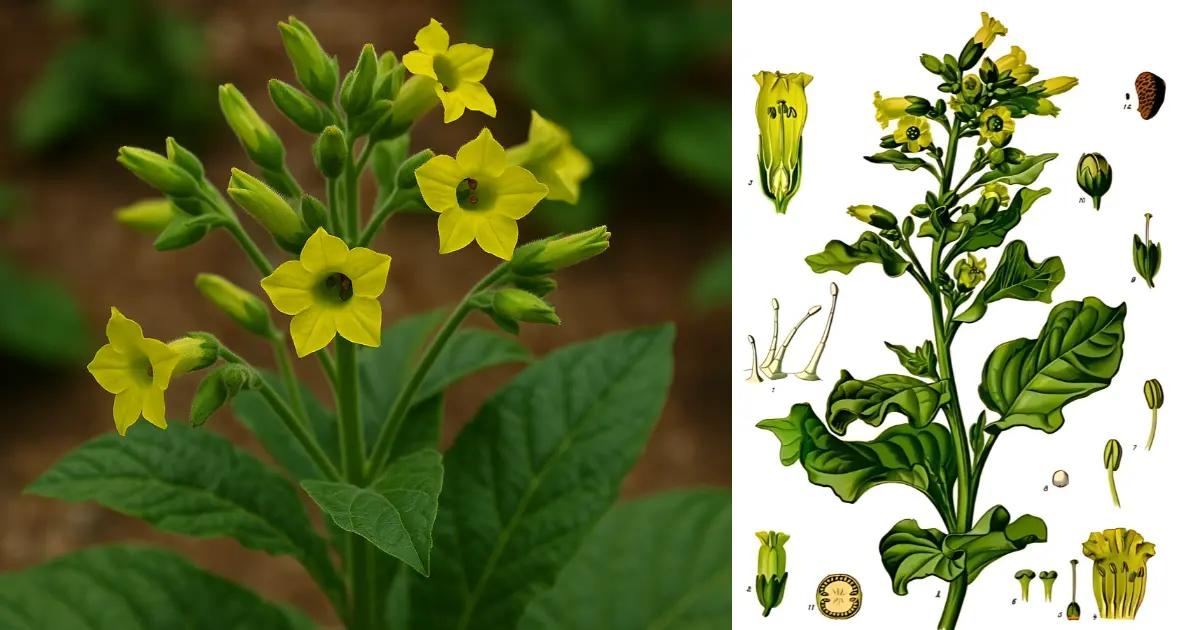
Nicotiana rustica is a species of tobacco plant belonging to the Solanaceae family, which also includes tomatoes, potatoes, and peppers. This wild tobacco plant stands distinctly apart from the commercial tobacco varieties most people encounter today. The plant typically grows 2-4 feet tall with broad, sticky leaves covered in fine hairs that produce a characteristic resinous coating. The flowers are small, tubular, and typically greenish-yellow, quite different from the showy pink or white blooms of ornamental tobacco species.
What does a wild tobacco plant look like in its natural habitat? Nicotiana rustica presents a compact, bushy appearance with thick stems and leaves that are noticeably smaller and rounder than those of commercial tobacco. The entire plant exudes a strong, distinctive aroma that is more pungent and earthy than the milder scent of Nicotiana tabacum. The leaves feel notably sticky to the touch due to glandular trichomes that secrete alkaloid-rich resins.
The native range of nicotiana rustica is believed to originate in the Andean region of South America, though the exact origins remain debated among botanists. Archaeological evidence suggests that Indigenous peoples cultivated this species throughout North and South America for at least 3,000 years. The plant adapted to various climates and became naturalized across different regions, from the southwestern United States to the highlands of Peru and Ecuador.
Nicotiana rustica goes by many regional names that reflect its widespread traditional use. In South America, particularly among Amazonian tribes, it’s known as mapacho. The Aztec civilization called it picietl, while various North American Indigenous groups have their own names for this sacred plant. Some modern enthusiasts refer to it simply as “Aztec tobacco” or “wild tobacco,” though these terms can sometimes cause confusion with other Nicotiana species.
Nicotiana Rustica vs. Nicotiana Tabacum: Key Differences
The distinction between nicotiana rustica and nicotiana tabacum is crucial for understanding why these two species produce vastly different experiences and serve different purposes. While both belong to the same genus, they differ significantly in alkaloid content, growth characteristics, historical use, and commercial viability.
Nicotine content represents the most dramatic difference between these species. Nicotiana rustica contains approximately 6-9% nicotine by dry weight, with some varieties reaching up to 10%. In contrast, Nicotiana tabacum typically contains 1-3% nicotine. This means that rustica delivers roughly three to nine times more nicotine per gram of leaf material. The alkaloid profile also differs—rustica contains higher concentrations of nornicotine, anabasine, and other tobacco alkaloids that contribute to its distinctive effects.
Physical characteristics distinguish these species at a glance. Nicotiana tabacum grows taller (4-6 feet or more), with larger, elongated leaves that can reach 2 feet in length. The flowers are typically pink or white and quite showy. Rustica remains more compact with smaller, rounder leaves rarely exceeding 8-10 inches. The growth habit of rustica is bushier and more branching, while tabacum tends toward a single main stalk with lateral leaves.
Agricultural considerations have historically favored Nicotiana tabacum for commercial production. Tabacum produces higher yields of leaf material, has milder flavor profiles that appeal to broader markets, and responds better to industrial curing and processing methods. Rustica’s extreme potency, harsh smoke, and lower biomass production made it unsuitable for the mass cigarette market that emerged in the 20th century. However, rustica’s hardiness and ability to thrive in shorter growing seasons made it the preferred species for northern Indigenous groups and early colonial farmers in colder climates.
| Characteristic | Nicotiana Rustica | Nicotiana Tabacum |
|---|---|---|
| Nicotine Content | 6-10% | 1-3% |
| Plant Height | 2-4 feet | 4-6+ feet |
| Leaf Size | Small, round (6-10 inches) | Large, elongated (up to 24 inches) |
| Growing Season | Shorter (90-100 days) | Longer (120-150 days) |
| Primary Use | Ceremonial, traditional | Commercial smoking products |
| Smoke Harshness | Very harsh, intense | Milder (when properly cured) |
The flavor and smoking experience differ dramatically. Rustica produces an extremely harsh, alkaline smoke that most modern smokers find overwhelming. The taste is described as earthy, bitter, and intensely strong—nothing like the relatively smooth experience of properly cured commercial tobacco products like grabba leaf or fronto leaf, which are derived from Nicotiana tabacum varieties.
Traditional and Historical Uses of Nicotiana Rustica
The traditional uses of nicotiana rustica span thousands of years and countless Indigenous cultures across the Americas. Long before European contact, this powerful plant occupied a central role in spiritual practices, healing ceremonies, and social rituals. Understanding these historical applications provides essential context for the plant’s significance beyond mere recreational use.
Among Amazonian tribes, mapacho (rustica) serves as a fundamental shamanic tool. Traditional healers use the tobacco in various forms—smoked, snuffed, drunk as juice, or applied topically—to facilitate spiritual journeys, communicate with plant spirits, and diagnose illnesses. The spiritual uses of tobacco leaves in these contexts involve creating protective energetic fields, clearing negative energies, and enhancing the effects of other plant medicines like ayahuasca. Shamans often blow tobacco smoke over patients or sacred objects as part of blessing and purification rituals.
North American Indigenous peoples incorporated nicotiana rustica into numerous ceremonial practices. The plant served as a sacred offering to the Creator and spirits, was smoked in peace pipes during important councils, and played roles in vision quests and coming-of-age ceremonies. Many tribes considered tobacco a gift from the divine, treating it with reverence rather than as a casual indulgence. The Iroquois, Huron, and other northeastern tribes cultivated rustica extensively before European tobacco varieties were introduced.
The medicinal uses of tobacco leaves in traditional contexts are extensive and complex. Indigenous healers applied rustica preparations to treat:
- Skin conditions, wounds, and infections (topical application of fresh or moistened leaves)
- Toothaches and oral pain (placing small amounts against affected areas)
- Respiratory congestion (smoke inhalation in controlled amounts)
- Parasitic infections (both internal and external applications)
- Snake and insect bites (poultices applied to draw out venom)
- Headaches and body pain (various preparations)
It’s crucial to note that these traditional medicinal applications involved specific preparation methods, dosages, and cultural knowledge systems developed over centuries. Modern attempts to replicate these uses without proper training can be dangerous given rustica’s extreme potency.
Agricultural and practical applications also emerged in traditional societies. Some Indigenous groups used tobacco juice as an insecticide for crops, recognizing nicotine’s natural pesticidal properties. The plant sometimes served as a trade commodity, with dried leaves exchanged between tribes and regions. In some cultures, tobacco cultivation marked important seasonal cycles and agricultural ceremonies.
The Aztec civilization held picietl (rustica) in particularly high regard. Aztec priests used tobacco in religious ceremonies, and the plant appeared in codices and artwork depicting deities and sacred rituals. The Aztecs recognized different tobacco varieties and cultivated them for specific purposes, demonstrating sophisticated botanical knowledge. Historical accounts describe elaborate preparation methods and ceremonial protocols surrounding tobacco use in Mesoamerican cultures.
Nicotine Content and Potency: What You Need to Know
The extraordinary nicotine content of nicotiana rustica demands serious attention from anyone considering growing or using this plant. Understanding the alkaloid profile and potency levels is essential for safety and informed decision-making.
Nicotiana rustica contains nicotine concentrations that range from 6% to 10% by dry weight, depending on growing conditions, variety, and plant maturity. To put this in perspective, a single gram of dried rustica leaf can contain 60-100 milligrams of nicotine. For comparison, a typical commercial cigarette delivers about 1-2 milligrams of nicotine to the smoker (though the cigarette itself contains more, much is lost in combustion and sidestream smoke).
The alkaloid profile extends beyond just nicotine. Rustica contains significant amounts of:
- Nornicotine: A nicotine metabolite with its own pharmacological effects, comprising 5-15% of total alkaloids
- Anabasine: Another tobacco alkaloid that contributes to the overall physiological impact
- Anatabine: Present in smaller quantities but contributing to the entourage effect
- Minor alkaloids: Including myosmine and other compounds that modulate the experience
This complex alkaloid mixture creates effects that differ qualitatively from pure nicotine or commercial tobacco products. The synergistic interaction between these compounds produces the characteristic rustica experience that traditional users describe as more “complete” or “full-spectrum” compared to modern cigarettes.
Potency variation occurs based on multiple factors. Leaves from the upper portions of the plant typically contain higher nicotine concentrations than lower leaves. Plants grown in stressful conditions (limited water, poor soil) often produce higher alkaloid levels as a defense mechanism. The curing and aging process also affects potency—improperly cured rustica may retain even higher nicotine levels than properly processed material.
The pharmacokinetics of nicotine from rustica differ from commercial products. When smoked, nicotine from rustica enters the bloodstream rapidly through lung absorption, reaching the brain within 10-20 seconds. The high alkalinity of rustica smoke (pH 8-9, compared to pH 5-6 for cigarette smoke) affects absorption rates and harshness. This alkaline environment allows more nicotine to exist in the free-base form, which crosses biological membranes more readily.
Tolerance development occurs rapidly with nicotiana rustica use. Regular users find that their initial extreme sensitivity diminishes over days to weeks, though the baseline potency remains far higher than commercial tobacco. This tolerance is both physiological (receptor desensitization) and behavioral (learned techniques to moderate intake).
Effects and Experience: What to Expect from Rustica
Can you smoke nicotiana rustica? Yes, smoking is one traditional method of consumption, though the experience differs dramatically from smoking commercial tobacco products. Understanding what to expect from rustica is crucial for anyone considering use, as the effects can be overwhelming for the unprepared.
The immediate physical effects upon smoking or otherwise consuming rustica include:
- Intense nicotine rush: A powerful wave of stimulation that hits within seconds, often described as overwhelming by first-time users
- Dizziness and lightheadedness: Common even among experienced tobacco users, sometimes progressing to near-fainting sensations
- Increased heart rate and blood pressure: Cardiovascular stimulation that can feel alarming to those unaccustomed to the intensity
- Nausea: Extremely common, especially with larger doses or in inexperienced users
- Salivation and sweating: Autonomic nervous system responses to high nicotine levels
- Muscle relaxation: Paradoxically, despite the stimulation, many users report a sense of physical heaviness or relaxation
The mental and perceptual effects distinguish rustica from milder tobacco varieties. Traditional users and modern experimenters describe:
- Enhanced mental clarity and focus (after the initial rush subsides)
- Altered time perception, with moments seeming to expand
- Heightened sensory awareness, particularly of sounds and bodily sensations
- Mild visual changes such as increased color saturation or peripheral visual activity
- Introspective states and enhanced meditation or contemplative capacity
- Emotional release or catharsis, sometimes including tears or laughter
Is nicotiana rustica psychedelic? While not psychedelic in the classical sense (like psilocybin or LSD), high doses of rustica can produce altered states of consciousness that some users describe as visionary or trance-inducing. These effects are more pronounced when rustica is used in traditional ceremonial contexts, often in combination with fasting, isolation, or other practices that enhance sensitivity. The plant contains no known psychedelic compounds; rather, the extreme nicotine levels and alkaloid profile can produce dissociative or altered states, particularly in high doses.
Duration and phases of the rustica experience typically follow this pattern:
- Onset (0-2 minutes): Immediate rush, potential dizziness, rapid heartbeat
- Peak (2-10 minutes): Maximum intensity of effects, potential nausea, altered perception
- Plateau (10-30 minutes): Stabilization, mental clarity emerges, physical stimulation moderates
- Comedown (30-60 minutes): Gradual return to baseline, sometimes with residual relaxation or mild fatigue
Traditional preparation methods significantly influence the experience. When rustica is smoked in pure form, effects are most intense and immediate. When mixed with other herbs or used in smaller quantities, the experience moderates. Some traditional preparations involve drinking tobacco juice (extremely dangerous without proper knowledge) or using tobacco snuff, which produces different onset times and effect profiles.
Individual variation in response is substantial. Factors affecting the experience include:
- Prior nicotine tolerance and tobacco use history
- Body weight and metabolism
- Method of consumption and dose
- Set and setting (mental state and environment)
- Genetic variations in nicotine metabolism
- Concurrent use of other substances
Health Risks and Safety Considerations
The health risks associated with nicotiana rustica use are substantial and must be clearly understood. While traditional cultures developed protocols for safe use over centuries, modern casual use poses serious dangers that cannot be overstated.
Acute toxicity represents the most immediate danger with rustica. The lethal dose of nicotine for an adult human is estimated at 30-60 milligrams when absorbed rapidly. A single gram of dried rustica leaf contains enough nicotine to approach or exceed this threshold if the alkaloids were fully absorbed. While smoking is relatively self-limiting (users typically stop when effects become uncomfortable), other routes of administration—particularly oral consumption of tobacco juice or eating fresh leaves—can deliver fatal doses.
Symptoms of nicotine poisoning include:
- Severe nausea and vomiting
- Excessive salivation and sweating
- Abdominal pain and diarrhea
- Headache and dizziness
- Confusion and agitation
- Rapid or irregular heartbeat
- Difficulty breathing
- Seizures (in severe cases)
- Loss of consciousness and respiratory failure (potentially fatal)
Is wild tobacco poisonous? Yes, all parts of the nicotiana rustica plant contain toxic alkaloids. The leaves contain the highest concentrations, but stems, flowers, and seeds also contain nicotine and related compounds. Children and pets are particularly vulnerable, and even handling fresh plants can cause skin irritation or absorption of alkaloids through the skin in sensitive individuals.
Chronic health effects mirror those of commercial tobacco use but may be intensified by rustica’s higher alkaloid content:
- Addiction: Nicotiana rustica is highly addictive, potentially more so than commercial cigarettes due to the higher nicotine delivery and complex alkaloid profile
- Cardiovascular disease: Increased risk of heart attack, stroke, and hypertension from chronic nicotine exposure
- Respiratory damage: Smoking any plant material damages lung tissue and increases cancer risk
- Cancer risk: Tobacco-specific nitrosamines (TSNAs) and other carcinogens form during curing and combustion
- Reproductive effects: Nicotine exposure during pregnancy causes developmental problems and increases miscarriage risk
Specific safety considerations for rustica use include:
Never consume tobacco juice or eat fresh leaves. Traditional practices involving oral consumption require extensive knowledge and preparation methods that reduce toxicity. Modern attempts to replicate these practices have resulted in deaths and serious poisonings.
Start with extremely small amounts if experimenting with smoking. A quantity that would be mild for commercial tobacco can be overwhelming with rustica. Traditional users often take only one or two small puffs.
Avoid use during pregnancy or breastfeeding. Nicotine crosses the placenta and enters breast milk, causing serious harm to developing infants.
Be cautious with cardiovascular conditions. The intense cardiovascular stimulation from rustica can trigger dangerous events in people with heart disease, high blood pressure, or arrhythmias.
Never combine with MAO inhibitors. Certain medications and plant medicines (including ayahuasca) can dangerously potentiate nicotine’s effects.
Recognize signs of nicotine toxicity and seek immediate medical attention if severe symptoms develop. Nicotine poisoning can be fatal and requires emergency treatment.
Can nicotiana rustica be used medicinally? While traditional cultures employed rustica for various medicinal purposes, modern medical science does not support tobacco use as medicine. The risks far outweigh any potential benefits for virtually all conditions. Some research explores isolated tobacco alkaloids for specific medical applications (such as nicotine patches for certain neurological conditions), but these controlled pharmaceutical preparations differ entirely from using raw plant material.
Legal Status: Can You Grow Nicotiana Rustica?
Why is it illegal to grow tobacco in the USA? This common question reflects confusion about tobacco cultivation laws. In fact, growing tobacco for personal use is generally legal in the United States, though regulations vary by state and specific circumstances.
At the federal level, growing tobacco plants (including nicotiana rustica) for personal, non-commercial use is legal in most circumstances. The restrictions primarily concern commercial production and sale. The Alcohol and Tobacco Tax and Trade Bureau (TTB) regulates commercial tobacco growing, requiring permits and imposing taxes on tobacco products intended for sale. However, home cultivation for personal use typically falls outside these regulations.
State-level regulations introduce additional complexity. Most states allow personal tobacco cultivation without permits or licenses, but some impose restrictions:
- Quantity limits: Some jurisdictions limit the number of plants or amount of tobacco that can be grown without commercial licensing
- Sale prohibitions: Selling home-grown tobacco without proper licensing is illegal in all states
- Agricultural zoning: Local ordinances may restrict agricultural activities in residential areas
- State-specific regulations: A few states have additional requirements or restrictions on tobacco cultivation
Growing wild tobacco in specific states like Virginia (a major tobacco-producing state), Colorado, and Arizona is generally legal for personal use. Wild tobacco Arizona populations include both cultivated rustica and native Nicotiana species, and growing these plants in home gardens is typically permitted. Wild tobacco Colorado cultivation follows similar patterns, with home gardeners free to grow tobacco species for personal use, ornamental purposes, or ethnobotanical interest.
International legal status varies significantly. In many countries, personal tobacco cultivation is permitted, while others impose strict controls:
- European Union: Most EU countries allow small-scale personal cultivation, though commercial growing requires authorization
- Canada: Personal tobacco growing is legal with some provincial variations
- Australia: Regulations vary by state; some require permits even for personal cultivation
- South America: Generally permissible, particularly in regions with traditional tobacco use
Seed legality is straightforward in most jurisdictions. Nicotiana rustica seeds are legal to purchase, sell, and possess in the United States and most other countries. Seeds are sold openly by botanical suppliers, heirloom seed companies, and ethnobotanical vendors. Searching for “nicotiana rustica seeds” yields numerous legitimate suppliers offering various strains and regional varieties.
Important legal distinctions apply to different aspects of tobacco cultivation and use:
Growing for personal use: Generally legal in most jurisdictions without special permits or licenses.
Selling plants or seeds: Usually legal as these are botanical specimens, though some restrictions may apply to marketing claims.
Processing and selling tobacco products: Requires commercial licensing, permits, and compliance with extensive regulations including taxation.
Sharing or gifting tobacco: Legal gray area; small-scale sharing among adults is typically not prosecuted, but large-scale distribution could be considered unlicensed commercial activity.
Finding nicotiana rustica for sale or mapacho for sale involves several legal channels. Dried tobacco leaves for sale (including rustica) are available from specialized vendors, though sellers must comply with regulations regarding tobacco product sales. Aztec tobacco for sale typically refers to seeds or live plants rather than processed smoking material. Coyote tobacco for sale may refer to Nicotiana attenuata (a different species) or rustica, depending on regional terminology.
How to Grow Nicotiana Rustica: Complete Cultivation Guide
Growing nicotiana rustica successfully requires understanding the plant’s specific requirements and growth characteristics. While rustica is hardier and more adaptable than many tobacco species, optimal cultivation practices ensure healthy plants and quality leaf production.
Climate and Growing Zones
Nicotiana rustica thrives in USDA hardiness zones 4-10, making it suitable for most temperate regions. The plant tolerates cooler temperatures better than Nicotiana tabacum, which made it the preferred species for northern Indigenous groups and colonial farmers. Rustica performs well in areas with 90-100 frost-free days, though longer seasons produce larger plants and higher yields.
Temperature requirements include:
- Germination: 70-80°F (21-27°C) soil temperature
- Growing season: Tolerates temperatures from 50-95°F (10-35°C)
- Optimal growth: 65-75°F (18-24°C) daytime temperatures
- Frost sensitivity: Light frost tolerance when hardened off, but hard freezes kill plants
Starting from Seed
Nicotiana rustica seeds are tiny—approximately 10,000 seeds per gram—and require specific germination conditions. Start seeds indoors 6-8 weeks before the last expected frost date in your region.
Germination procedure:
- Fill seed trays with fine, sterile seed-starting mix
- Surface-sow seeds without covering (they need light to germinate)
- Mist gently to settle seeds onto soil surface
- Cover trays with clear plastic or humidity dome
- Maintain 70-80°F soil temperature using heat mats if necessary
- Provide bright indirect light or grow lights
- Keep soil consistently moist but not waterlogged
- Expect germination in 7-14 days
Seedling care involves gradually acclimating young plants to stronger light and less humidity. When seedlings develop 2-3 true leaves, transplant to individual 3-4 inch pots. Harden off plants by gradually exposing them to outdoor conditions over 7-10 days before final transplanting.
Soil Requirements
Nicotiana rustica grows in a wide range of soil types but performs best in well-draining, moderately fertile soil. The plant tolerates poorer soils better than many crops, actually producing higher alkaloid content under moderate stress conditions.
Ideal soil characteristics:
- pH: 5.5-7.0 (slightly acidic to neutral)
- Texture: Sandy loam to loamy soil with good drainage
- Organic matter: Moderate levels (excessive fertility reduces alkaloid content)
- Drainage: Essential—waterlogged soil causes root rot
Soil preparation involves tilling or loosening soil to 8-12 inches depth and incorporating modest amounts of compost. Avoid excessive nitrogen fertilization, which promotes leafy growth but dilutes alkaloid concentrations. Some traditional growers deliberately use marginal soils to increase potency.
Planting and Spacing
Transplant hardened-off seedlings outdoors after all danger of frost has passed and soil temperatures consistently reach 60°F (15°C). Choose a location with full sun (6-8 hours daily) and good air circulation.
Spacing recommendations:
- Row spacing: 24-30 inches between rows
- Plant spacing: 18-24 inches between plants within rows
- Container growing: Minimum 5-gallon containers for mature plants
Planting depth should position the root ball just below soil surface level, with the lowest leaves above ground. Water thoroughly after transplanting and provide shade for the first 2-3 days if weather is hot and sunny.
Watering and Fertilization
Nicotiana rustica requires moderate, consistent moisture throughout the growing season. The plant tolerates brief dry periods but produces best with regular watering that maintains even soil moisture without waterlogging.
Watering guidelines:
- Provide 1-1.5 inches of water per week through rainfall or irrigation
- Water deeply but infrequently to encourage deep root development
- Reduce watering 2-3 weeks before harvest to concentrate alkaloids
- Avoid overhead watering which promotes fungal diseases
Fertilization should be minimal for rustica grown for traditional use. Excessive nutrients, particularly nitrogen, produce lush growth but reduce alkaloid concentrations and alter the plant’s chemical profile. A single application of balanced organic fertilizer (such as 5-5-5) at planting time typically suffices. For ornamental purposes or maximum biomass, monthly feeding with balanced fertilizer produces larger plants.
Pest and Disease Management
Nicotiana rustica’s high alkaloid content provides natural pest resistance, but several insects and diseases still affect the plants:
Common pests include:
- Tobacco hornworms: Large green caterpillars that can defoliate plants rapidly; handpick or use Bt (Bacillus thuringiensis)
- Aphids: Cluster on new growth; control with insecticidal soap or strong water spray
- Flea beetles: Create small holes in leaves; row covers prevent infestation
- Cutworms: Cut seedlings at soil line; use collars around young plants
Disease issues include:
- Tobacco mosaic virus (TMV): Causes mottled, distorted leaves; no cure, remove infected plants
- Powdery mildew: White fungal growth on leaves; improve air circulation, apply sulfur or neem oil
- Root rot: Caused by overwatering; ensure good drainage and reduce watering
- Bacterial wilt: Causes sudden wilting; remove and destroy affected plants
Organic pest management aligns well with traditional cultivation practices. Companion planting with marigolds, basil, or other aromatic herbs can deter some pests. Maintaining plant health through proper cultural practices provides the best disease resistance.
Flowering and Seed Production
Nicotiana rustica begins flowering approximately 60-70 days after transplanting, depending on variety and growing conditions. The small greenish-yellow flowers appear in terminal clusters and are self-fertile, requiring no pollinators for seed production.
Managing flowering depends on cultivation goals:
- For leaf production: Remove flower buds as they appear (called “topping”) to redirect energy into leaf growth and increase alkaloid content
- For seed production: Allow flowers to develop fully; seed capsules mature 4-6 weeks after flowering
- For ornamental purposes: Allow flowering for visual interest, though rustica flowers are less showy than other Nicotiana species
Seed saving involves allowing seed capsules to dry on the plant until they turn brown and papery. Harvest entire seed heads, dry them further indoors, then crush capsules to release the tiny seeds. Store seeds in cool, dry conditions; they remain viable for 3-5 years.
Harvesting, Curing, and Processing Wild Tobacco
Proper harvesting and curing techniques dramatically affect the quality, potency, and usability of nicotiana rustica. Traditional methods developed over centuries produce the characteristic mapacho and other rustica preparations, while improper processing yields harsh, unpleasant material.
Harvest Timing
Nicotiana rustica reaches harvest maturity 90-110 days after transplanting, depending on variety and climate. Visual indicators of readiness include:
- Leaves develop a slightly yellowish tint and lose their deep green color
- Leaf tips begin to curl downward
- Leaves feel thick and substantial with prominent veins
- Lower leaves show slight yellowing or spotting
- Plants have flowered or are beginning to flower (if not topped)
Traditional harvesting methods vary by culture and intended use. Some approaches include:
Priming: Harvesting individual leaves as they mature, starting with lower leaves and working upward over several weeks. This method produces leaves at different maturity stages and alkaloid concentrations.
Stalk cutting: Cutting the entire plant at ground level when most leaves have reached maturity. This method is simpler and works well for small-scale cultivation.
Topping and suckering: Removing the flower head 1-2 weeks before harvest and eliminating side shoots (suckers) that emerge from leaf axils. This concentrates alkaloids in remaining leaves and produces more uniform material.
Harvest timing within the day affects quality. Early morning harvesting, after dew has dried but before intense sun exposure, produces leaves with optimal moisture content and minimal stress-induced chemical changes. Avoid harvesting during or immediately after rain, as excess moisture complicates curing.
Curing Methods
Curing transforms fresh tobacco leaves into stable, usable material by reducing moisture content, breaking down chlorophyll, and allowing chemical changes that affect flavor and alkaloid profile. Nicotiana rustica requires careful curing to achieve traditional characteristics.
Air curing represents the most common traditional method for rustica:
- Tie leaves in small bundles of 3-5 leaves or hang individual leaves on strings
- Hang in a dark, well-ventilated space (barn, shed, or covered porch)
- Maintain temperatures of 60-90°F (15-32°C) with good air circulation
- Avoid direct sunlight which degrades alkaloids and causes uneven curing
- Allow 3-8 weeks for complete curing, depending on humidity and temperature
- Leaves are ready when they feel dry and papery but retain some flexibility
Humidity control during air curing is critical. Ideal relative humidity ranges from 60-70%. Higher humidity slows curing and risks mold development, while very low humidity causes leaves to dry too quickly without proper chemical transformation.
Sun curing is used in some traditional contexts, particularly in South America:
- Spread leaves in single layers on clean surfaces in direct sunlight
- Turn leaves daily to ensure even exposure
- Protect from rain and heavy dew
- Complete curing in 7-14 days depending on climate
Sun curing produces darker, stronger tobacco with different alkaloid profiles than air curing. The method works best in hot, dry climates with consistent sunshine.
Fermentation (optional) involves a secondary aging process that further transforms cured tobacco:
- Stack cured leaves in piles or press into bundles
- Maintain moisture content around 20-25% (leaves should feel slightly pliable)
- Allow natural heat generation from microbial activity (temperatures may reach 100-130°F)
- Monitor temperature and moisture; turn piles if temperatures exceed 130°F
- Continue fermentation for 2-8 weeks
Fermentation reduces harshness, mellows flavor, and creates the characteristic dark color of traditional mapacho. This process requires experience to execute properly and isn’t necessary for all uses.
Storage and Aging
Properly cured nicotiana rustica improves with aging, developing smoother characteristics and more complex alkaloid profiles. Storage conditions significantly affect long-term quality:
- Store in cool (60-70°F), dark locations away from direct sunlight
- Maintain moderate humidity (60-65% RH) to prevent over-drying or mold
- Use breathable containers (paper bags, wooden boxes) rather than plastic
- Check periodically for mold, pests, or excessive drying
- Properly stored rustica remains usable for several years
Traditional preparation methods for specific uses involve additional processing:
Mapacho cigars: Whole leaves are rolled tightly into thick cigars and bound with natural fibers or additional tobacco leaves. These traditional South American preparations are smoked in ceremonial contexts.
Snuff preparation: Dried leaves are ground to powder, sometimes mixed with ash or other plant materials, and used as nasal snuff in various Indigenous traditions.
Smoking blends: Rustica is sometimes mixed with other herbs (such as bearberry, mullein, or other traditional smoking plants) to moderate intensity and add complementary effects.
Modern Applications and Ethnobotanical Interest
Contemporary interest in nicotiana rustica extends beyond traditional ceremonial use, encompassing diverse applications in ethnobotany, sustainable agriculture, research, and cultural preservation. Understanding these modern contexts provides perspective on the plant’s relevance in the 21st century.
Ethnobotanical Research and Documentation
Academic researchers and ethnobotanists study nicotiana rustica to understand traditional knowledge systems, document Indigenous practices, and explore the plant’s cultural significance. Universities and botanical institutions maintain rustica collections representing different regional varieties and traditional cultivars. This research contributes to preserving genetic diversity and cultural heritage associated with this historically important species.
Anthropological studies examine how different cultures developed sophisticated protocols for rustica use, including dosage control, preparation methods, and integration into social and spiritual frameworks. These investigations reveal complex traditional knowledge that took centuries to develop and provide insights into human relationships with psychoactive plants.
Heirloom Variety Preservation
Seed savers and heirloom plant enthusiasts cultivate nicotiana rustica varieties to preserve genetic diversity and maintain traditional cultivars. Different regional strains exhibit variations in growth habit, leaf characteristics, and alkaloid profiles. Named varieties include:
- Hopi tobacco: Traditional variety cultivated by Hopi people of the American Southwest
- Aztec tobacco: Strains associated with Mesoamerican cultivation
- Punche: South American variety used in traditional preparations
- Mapuche: Chilean variety with specific cultural associations
Preservation efforts ensure these culturally significant varieties remain available for future generations and prevent genetic erosion as commercial tobacco monocultures dominate global cultivation.
Sustainable Agriculture and Permaculture
Nicotiana rustica’s natural pest resistance and ability to thrive in marginal soils make it interesting to permaculture practitioners and sustainable agriculture advocates. The plant serves several functions in ecological farming systems:
- Companion planting: Rustica’s alkaloid-rich leaves deter many pests when interplanted with vegetables
- Trap cropping: Attracts tobacco hornworms and other pests away from related crops like tomatoes and peppers
- Soil improvement: Deep roots break up compacted soil; plant residues add organic matter
- Natural pesticide production: Leaves can be processed into nicotine-based organic pesticides (though this requires careful handling)
Some permaculture designers incorporate rustica into forest garden systems or use it as a nitrogen-accumulating plant in crop rotations.
Botanical Nicotine Extraction
Research laboratories and some commercial operations extract nicotine from rustica for various applications. The high alkaloid content makes rustica an efficient source for:
- Pharmaceutical nicotine for smoking cessation products
- Research chemicals for neuroscience studies
- Organic pesticide formulations (nicotine sulfate)
- Analytical standards for tobacco research
These applications utilize isolated, purified nicotine rather than whole plant material, allowing precise dosing and quality control impossible with raw tobacco.
Ceremonial and Spiritual Use
Contemporary practitioners of various spiritual traditions continue using nicotiana rustica in ceremonial contexts. This includes:
- Indigenous communities maintaining traditional tobacco practices
- Ayahuasca ceremonies where mapacho serves as a complementary plant medicine
- Neo-shamanic practitioners incorporating rustica into eclectic spiritual practices
- Meditation and contemplative practices using small amounts of tobacco
Ethical considerations surrounding non-Indigenous use of sacred plants generate ongoing discussion. Cultural appropriation concerns arise when traditional practices are removed from their cultural context or commercialized without community consent or benefit.
Ornamental Cultivation
Some gardeners grow nicotiana rustica purely for ornamental purposes, appreciating the plant’s historical significance and unique appearance. While less showy than ornamental tobacco species like Nicotiana alata or Nicotiana sylvestris, rustica offers:
- Compact growth habit suitable for small gardens
- Historical and educational interest
- Conversation piece and living connection to pre-Columbian agriculture
- Attractive foliage with sticky, aromatic leaves
Ornamental growers often cultivate rustica alongside other heirloom crops, medicinal herbs, or in dedicated ethnobotanical gardens that showcase plants with cultural and historical significance.
Educational Applications
Botanical gardens, museums, and educational institutions use nicotiana rustica in programs teaching about:
- Pre-Columbian agriculture and plant domestication
- Indigenous knowledge systems and traditional plant use
- The history of tobacco and its global impact
- Plant chemistry and alkaloid biosynthesis
- Ethnobotany and the relationship between humans and plants
Living collections allow students and visitors to observe the plant firsthand while learning about its complex history and cultural significance.
Market Availability
Finding nicotiana rustica for sale involves several channels. Seeds are widely available from specialty seed companies, ethnobotanical suppliers, and online marketplaces. Dried leaves (mapacho) are sold by vendors specializing in ceremonial tobacco and ethnobotanical products, though buyers should verify legal compliance in their jurisdiction.
The market for rustica remains relatively small compared to commercial tobacco, serving niche audiences interested in traditional practices, ethnobotany, or heirloom cultivation. Prices vary significantly based on source, quality, and preparation method. Seeds typically cost $3-8 per packet, while dried mapacho ranges from $10-30 per ounce depending on source and processing.
Future Directions
Ongoing research explores potential applications of nicotiana rustica and its alkaloids:
- Pharmaceutical development of nicotinic receptor modulators for neurological conditions
- Sustainable pesticide alternatives derived from tobacco alkaloids
- Genetic studies comparing rustica and tabacum to understand alkaloid biosynthesis
- Documentation of traditional knowledge before it’s lost to cultural change
- Exploration of minor alkaloids with potential therapeutic applications
As interest in ethnobotany and traditional plant knowledge grows, nicotiana rustica serves as an important example of how pre-industrial societies developed sophisticated relationships with powerful plants, creating cultural frameworks for safe use that modern society is only beginning to understand and appreciate.
Nicotiana rustica represents a profound connection between humans and plants that spans millennia. Whether approached as a subject of historical interest, a botanical specimen, or a plant with continuing traditional significance, rustica demands respect for its potency and cultural importance. Modern engagement with this powerful species requires balancing curiosity and preservation efforts with awareness of health risks and cultural sensitivity. For those who choose to grow or study nicotiana rustica, understanding its complete context—botanical, chemical, cultural, and legal—provides the foundation for responsible and informed interaction with this remarkable plant.
Frequently Asked Questions
What is Nicotiana rustica used for?
Nicotiana rustica has been used for ceremonial, medicinal, and spiritual purposes by Indigenous peoples across the Americas for thousands of years. Traditionally, it serves as a sacred offering in rituals, a shamanic tool for spiritual journeys, and a medicinal plant for treating various ailments including pain, respiratory issues, and skin conditions. Today, some people also cultivate nicotiana rustica for personal use, ethnobotanical study, or as an ornamental garden plant, though its extremely high nicotine content makes it unsuitable for casual smoking.
Can you smoke Nicotiana rustica?
Yes, you can smoke nicotiana rustica, but it is significantly stronger than commercial tobacco and should be approached with extreme caution. This wild tobacco contains 9-10 times more nicotine than regular cigarettes, which can cause intense effects including dizziness, nausea, rapid heart rate, and even nicotine poisoning in inexperienced users. Historically, Indigenous cultures used it sparingly in ceremonial contexts rather than for recreational smoking, and modern users should respect its potency and potential health risks.
Is Nicotiana rustica stronger than regular tobacco?
Nicotiana rustica is considerably stronger than commercial tobacco, containing nicotine levels of 6-9% compared to the 1-3% found in Nicotiana tabacum (common cigarette tobacco). This makes it one of the most potent naturally occurring nicotine sources in the world. The intense strength means that even small amounts can produce powerful physiological effects, which is why traditional users employed it ceremonially in controlled settings rather than for everyday consumption.
Is Nicotiana rustica psychedelic or hallucinogenic?
Nicotiana rustica is not classified as a psychedelic, but it can produce altered states of consciousness when used in large ceremonial doses. The intense nicotine content can cause effects such as dizziness, visual distortions, time dilation, and profound relaxation or stimulation depending on dosage. Some Indigenous shamanic traditions use it specifically for these consciousness-altering properties during spiritual ceremonies, though these effects are primarily due to nicotine’s powerful psychoactive properties rather than classic hallucinogenic compounds.
Is it illegal to grow Nicotiana rustica in the USA?
Growing nicotiana rustica for personal use is generally legal in the United States, though regulations vary by state and intended purpose. While federal law doesn’t prohibit growing tobacco plants in home gardens, selling tobacco products without proper licensing, permits, and tax compliance is illegal. Some states have specific restrictions on tobacco cultivation, so it’s important to check your local laws before planting nicotiana rustica, especially if you intend to process or distribute it in any way.
Can Nicotiana rustica be used medicinally?
Nicotiana rustica has a long history of medicinal use in traditional Indigenous healing systems, where it has been applied topically for wounds, used as a poultice for joint pain, and employed to treat respiratory conditions. However, due to its extremely high nicotine content, medicinal use carries significant risks including nicotine toxicity, and it should never be used without proper knowledge and guidance. Modern medical professionals do not recommend nicotiana rustica for self-treatment, as safer alternatives exist for most conditions it was traditionally used to address.
Is Nicotiana rustica poisonous?
Yes, nicotiana rustica is poisonous if consumed improperly, as all parts of the plant contain high concentrations of toxic alkaloids, primarily nicotine. Ingesting the leaves, smoking excessive amounts, or absorbing nicotine through the skin can lead to nicotine poisoning with symptoms including vomiting, seizures, respiratory failure, and potentially death. Children and pets are especially vulnerable, so the plant should be handled with care, stored securely, and kept away from those unfamiliar with its potency.
Is Nicotiana rustica easy to cultivate?
Nicotiana rustica is relatively easy to cultivate and is actually hardier than commercial tobacco species, thriving in a variety of climates and soil conditions. The plant grows well in USDA zones 4-10, prefers full sun, and requires moderate watering with well-draining soil. Seeds germinate readily when started indoors 6-8 weeks before the last frost, and the plants typically reach maturity in 60-90 days, making nicotiana rustica an accessible option for gardeners interested in ethnobotanical or ornamental tobacco cultivation.
What plant has the highest nicotine content?
Nicotiana rustica is among the plants with the highest nicotine content in the world, typically containing 6-9% nicotine by dry weight in its leaves. While some Nicotiana species and certain nightshade family members also contain nicotine, nicotiana rustica consistently ranks at the top for naturally occurring nicotine concentration. This exceptional potency is why it was prized by Indigenous cultures for ceremonial use and why it requires careful handling compared to milder tobacco varieties.
Do Nicotiana plants come back every year?
Nicotiana rustica is typically grown as an annual plant in most climates, completing its life cycle in one growing season and dying after producing seeds. However, in tropical or frost-free regions, it may behave as a short-lived perennial and return for a second year. In temperate zones, gardeners need to replant from seed each spring, though nicotiana rustica readily self-seeds if flower heads are left to mature, potentially creating volunteer plants the following season.
You May Also Like
Fronto Leaf Guide: What It Is, How to Use It & Where to Buy

Grabba vs Backwoods: Flavor, Nicotine & Burn Comparison