Fronto Leaf Guide: What It Is, How to Use It & Where to Buy

If you’ve spent time around tobacco enthusiasts or cannabis smokers, you’ve likely heard the term fronto leaf mentioned with a certain reverence. This whole tobacco leaf has become increasingly popular as a natural alternative to processed cigarettes and commercial blunt wraps, particularly in urban communities and among those seeking a more authentic smoking experience. Unlike the heavily processed tobacco found in cigarettes, fronto leaf is essentially tobacco in its most natural form—dried, whole leaves that users can prepare and smoke according to their preferences. Whether you’re curious about what makes fronto leaf different from regular tobacco products, wondering if it’s a safer option, or simply trying to understand how to use it properly, this comprehensive guide will answer all your questions about this traditional tobacco product that’s experiencing a modern resurgence.
What Is Fronto Leaf? Understanding This Natural Tobacco Product
Fronto leaf is a whole tobacco leaf that has been air-cured or fire-cured and sold in its natural, unprocessed state. The term “fronto” comes from Caribbean culture, where these leaves have been used for generations as a traditional way to consume tobacco. Unlike cigarettes, which contain shredded tobacco mixed with hundreds of chemical additives, fronto leaf is simply the dried leaf from the tobacco plant—nothing added, nothing removed except moisture during the curing process.
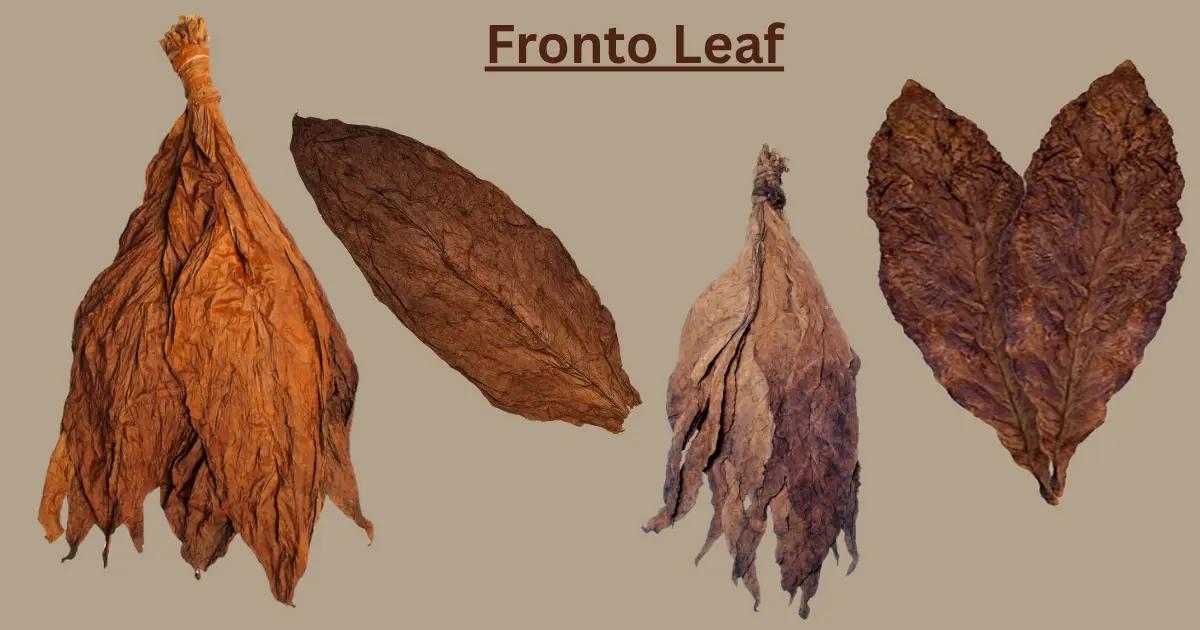
The leaves typically come from tobacco varieties grown specifically for wrapper purposes, often from Connecticut Broadleaf or similar cultivars known for their large, robust leaves. These plants produce leaves that are thicker and more durable than those used for cigarette filler tobacco. When you purchase fronto leaf, you’re getting the entire leaf, complete with the stem running down the middle, in shades ranging from light brown to deep, almost black hues depending on the curing method and tobacco variety.
What distinguishes fronto leaf from other tobacco products is its versatility and purity. Users can tear off small pieces to roll with other smoking materials, use larger sections as natural wraps for cigars or blunts, or even smoke it on its own. The lack of processing means the tobacco retains its natural oils, flavors, and nicotine content, which many users find provides a more satisfying and authentic experience compared to commercial tobacco products.
The cultural significance of fronto leaf extends beyond its practical uses. In Caribbean communities, particularly among Jamaican and other West Indian populations, fronto has been a traditional part of tobacco culture for centuries. This cultural heritage has spread to urban centers across North America, where fronto leaf has become associated with a return to natural, unprocessed products and a rejection of corporate tobacco manufacturing practices.
Fronto Leaf vs. Regular Cigarettes: Key Differences Explained
The differences between fronto leaf and cigarettes are substantial, affecting everything from composition to user experience. Understanding these distinctions is crucial for anyone considering fronto leaf as an alternative to conventional tobacco products.
First and foremost, cigarettes contain tobacco that has been heavily processed, shredded, and mixed with a cocktail of additives. According to tobacco industry disclosures, cigarettes can contain up to 600 different ingredients, which create more than 7,000 chemicals when burned. These additives include flavor enhancers, burn accelerants, humectants to maintain moisture, and various other compounds designed to make cigarettes more addictive and palatable. Fronto leaf, by contrast, is simply dried tobacco—no additives, no chemicals, no processing beyond the natural curing that all tobacco undergoes.
The nicotine delivery also differs significantly. While cigarettes are engineered to deliver nicotine in a specific, controlled manner optimized for addiction, fronto leaf’s nicotine content varies based on the tobacco variety, curing method, and which part of the leaf you’re using. The veins and stems typically contain less nicotine than the leaf material itself. This natural variation means users have more control over their nicotine intake by selecting different portions of the leaf.
From a cost perspective, fronto leaf typically offers better value than cigarettes. A single large fronto leaf, which might cost between $3 and $8 depending on quality and location, can provide the equivalent of several packs of cigarettes worth of tobacco. This economic advantage has made fronto leaf particularly popular among budget-conscious smokers and those who use tobacco wraps for cannabis consumption.
The smoking experience itself differs markedly. Fronto leaf produces a stronger, more robust flavor profile that many describe as earthy, slightly sweet, and intensely tobacco-forward. Cigarettes, engineered for mass appeal, tend to have a more uniform, milder taste. The burn rate also varies—fronto leaf typically burns slower than cigarette tobacco, which some users prefer for a more leisurely smoking experience.
Types of Fronto Leaf: Grabba, Whole Leaf, and Dark Varieties
The fronto leaf market offers several distinct types, each with unique characteristics that appeal to different preferences and uses. Understanding these varieties helps users select the right product for their needs.
Grabba leaf represents one of the most popular forms of fronto. The term “grabba” comes from Jamaican patois, essentially meaning “grab a piece.” Grabba typically refers to darker, thicker fronto leaves that have undergone a more intensive curing process, resulting in a stronger flavor and higher nicotine content. These leaves are often fire-cured, giving them a distinctive smoky character. Grabba is particularly favored for mixing with cannabis in blunts or spliffs, as its robust flavor complements rather than overpowers the herb.
Whole leaf fronto comes in various grades and shades. Light or “red” fronto features a lighter brown to reddish color and offers a milder smoking experience with slightly less nicotnic intensity. This variety appeals to those transitioning from cigarettes or preferring a gentler tobacco taste. Medium-grade fronto strikes a balance between flavor intensity and smoothness, making it the most versatile option for various uses.
Dark fronto, sometimes called “dark leaf” or “black fronto,” represents the strongest variety. These leaves undergo extended curing that concentrates their flavors and nicotine content. The color ranges from deep brown to nearly black, and the taste is intensely tobacco-forward with earthy, sometimes slightly sweet undertones. Dark fronto is not recommended for beginners due to its potency, but experienced users prize it for its full-bodied character.
Some suppliers also offer flavored or sweetened fronto varieties, though purists often avoid these as they reintroduce additives to an otherwise natural product. These flavored options might include honey, vanilla, or fruit essences applied to the leaves during or after curing. While they can provide interesting taste variations, they somewhat defeat the purpose of choosing fronto for its natural, unprocessed qualities.
Premium or “master” grade fronto represents the highest quality leaves—those with minimal damage, uniform color, and optimal thickness. These command higher prices but offer superior smoking experiences with better flavor profiles and more even burns. Budget or “utility” grade fronto may have tears, discoloration, or inconsistent thickness but remains perfectly functional for most purposes at a lower price point.
How to Use Fronto Leaf: Preparation and Smoking Methods
Using fronto leaf properly requires some preparation and technique, especially for those accustomed to the convenience of pre-rolled cigarettes. However, once you master the basics, the process becomes second nature and offers a more hands-on, customizable smoking experience.
The first step involves selecting the portion of leaf you want to use. For smoking on its own, tear or cut a piece roughly the size of a cigarette paper or slightly larger. The leaf will contain a central vein or stem that many users remove, as it can be harsh and doesn’t burn as evenly as the leaf material. Simply tear the leaf along the vein to separate it, then discard the stem or save it for later use in mixtures where harshness is less of a concern.
Before rolling, the leaf often needs moisture adjustment. Fronto that’s too dry will crumble and be difficult to work with, while overly moist leaf won’t burn properly. If your fronto is too dry, lightly mist it with water using a spray bottle or briefly hold it over steam. Allow it to absorb moisture for a few minutes until it becomes pliable but not wet. If it’s too moist, let it air dry for a short period or gently warm it (some users carefully pass it over a flame, though this requires practice to avoid burning).
For rolling a fronto cigarette or “fronto stick,” take your prepared piece and roll it tightly, similar to rolling a cigarette. The natural tackiness of the tobacco leaf usually provides enough adhesion without additional moisture, though some users lick the edge as they would with rolling papers. The roll should be firm but not so tight that it restricts airflow. Twist or fold the ends to prevent tobacco from falling out.
When using fronto as a blunt wrap, the process differs slightly. Select a larger section of leaf—enough to wrap around your desired amount of cannabis or tobacco blend. Remove the stem completely for wraps, as it creates an uneven surface. Lay your material along one edge of the leaf, then roll it up, tucking the edge under as you go. The natural moisture in the leaf should help it seal, but you can lick the edge if needed. Some users prefer to split the leaf down the middle to create thinner wraps that are easier to work with.
An increasingly popular method involves creating fronto “strips” or “laces”—thin pieces of fronto mixed into cannabis or other smoking materials rather than used as a wrap. This technique allows users to control the tobacco-to-herb ratio precisely, adding just enough fronto for flavor and nicotine without overwhelming the primary material. Simply tear or cut thin strips and distribute them throughout your mixture before rolling in papers or another wrap.
Smoking fronto requires some adjustment if you’re coming from cigarettes. The smoke is typically thicker, hotter, and more intense. Take slower, more deliberate draws rather than the quick puffs common with cigarettes. Allow the smoke to cool slightly in your mouth before inhaling, and be prepared for a stronger throat hit, especially with darker varieties. Many experienced users recommend starting with smaller amounts and lighter varieties before progressing to the more potent dark fronto.
Health Considerations: Is Fronto Leaf Safer Than Cigarettes?
The question of whether fronto leaf is safer than cigarettes requires a nuanced answer that avoids both alarmism and false reassurance. While fronto leaf eliminates many of the additives found in commercial cigarettes, it remains a tobacco product with inherent health risks that users must understand.
The primary advantage of fronto leaf from a health perspective is the absence of the hundreds of additives found in cigarettes. These additives include ammonia compounds that increase nicotine absorption, sugars that make smoke easier to inhale, and various chemicals that enhance addictiveness. By using pure tobacco leaf, fronto users avoid these synthetic compounds and the additional toxins they produce when burned. This represents a meaningful reduction in chemical exposure compared to cigarette smoking.
However, fronto leaf still contains nicotine—a highly addictive substance—and produces tar and carbon monoxide when burned, just like any tobacco product. The combustion of organic material, whether it’s pure tobacco leaf or processed cigarettes, creates harmful byproducts including carcinogens. Studies on whole leaf tobacco suggest that while it may contain fewer total toxins than cigarettes, it still poses significant health risks including increased chances of lung disease, heart disease, and various cancers.
One concern specific to fronto leaf is that users may actually consume more tobacco than they would with cigarettes due to the lack of portion control. A cigarette contains a measured amount of tobacco, while fronto users might roll larger amounts, smoke more frequently, or take deeper draws, potentially increasing their overall tobacco consumption and associated risks. The stronger nicotine content in some fronto varieties, particularly dark grabba, can also lead to higher nicotine dependence.
It’s worth noting that fronto leaf does not get you high in the way cannabis does. Some users report feeling lightheaded or experiencing a “buzz” from the nicotine, especially when using potent varieties or when not accustomed to tobacco. This effect comes from nicotine’s stimulant properties, not from any psychoactive compounds beyond those naturally present in all tobacco. The question “does fronto leaf get you high?” reflects a misunderstanding—what users experience is nicotine’s effects, which can include increased alertness, mild euphoria, and relaxation, but this is fundamentally different from cannabis or other intoxicants.
From a harm reduction perspective, if someone is already smoking cigarettes and switches to fronto leaf while reducing their overall tobacco consumption, they may experience some benefit from eliminating cigarette additives. However, the healthiest choice remains not using tobacco products at all. Fronto leaf should not be viewed as a “safe” alternative but rather as a less processed option that still carries substantial health risks.
For those using fronto as blunt wraps for cannabis, it’s important to recognize that you’re adding tobacco exposure to cannabis use. While some argue this is preferable to inhaling the chemicals from commercial blunt wraps, you’re still introducing nicotine and tobacco combustion products into your system. Cannabis users seeking to minimize harm might consider tobacco-free alternatives like hemp wraps or glass pieces instead.
Where to Buy Fronto Leaf: Legal Sources and What to Look For
Finding quality fronto leaf for sale has become easier as the product has gained mainstream popularity, though knowing where to buy and what to look for ensures you get authentic, fresh product at fair prices.
Local smoke shops and tobacco retailers represent the most common source for fronto leaf. Many urban areas, particularly those with Caribbean communities, have dedicated tobacco shops that specialize in fronto and grabba. These establishments often carry multiple varieties and grades, allowing you to examine the leaves in person before purchasing. When searching for “fronto leaf near me,” focus on tobacco specialty shops rather than general convenience stores, which may not carry whole leaf products.
The advantage of buying locally is the ability to inspect the product. Quality fronto should have a consistent color appropriate to its variety, feel pliable rather than brittle, and have a fresh tobacco aroma without musty or moldy smells. The leaf should be largely intact without excessive tearing or holes, and should show minimal discoloration or spotting. Reputable shops will often let you examine leaves before purchase and may offer recommendations based on your intended use and experience level.
Online retailers have expanded the fronto market significantly, making it accessible even in areas without local suppliers. Searching for “fronto leaf where to buy” online yields numerous options, from specialized tobacco websites to general marketplaces. When buying online, pay attention to product descriptions, customer reviews, and return policies. Established online tobacco retailers typically provide detailed information about leaf origin, curing method, and grade.
Regarding fronto leaf Amazon availability, the situation is complicated. Amazon’s policies on tobacco products vary, and while some third-party sellers may list fronto leaf, availability is inconsistent and subject to policy changes. Additionally, Amazon’s marketplace structure means quality control can be variable. If purchasing through Amazon or similar platforms, scrutinize seller ratings and reviews carefully, and be aware that you may have less recourse if the product arrives in poor condition.
Wholesale options exist for those who use fronto regularly or want to purchase in bulk. Wholesale fronto typically comes in bundles of multiple leaves at significantly reduced per-leaf prices. This option makes sense for heavy users or groups splitting orders, but requires proper storage to maintain freshness over time. Some online retailers offer wholesale pricing for orders above certain quantities, while dedicated wholesale tobacco suppliers may require business credentials.
Fronto leaf prices vary based on quality, variety, and location. Individual leaves typically range from $3 to $10, with premium or master grade leaves commanding higher prices. Dark grabba often costs slightly more than lighter varieties due to the extended curing process. Wholesale purchases can bring the per-leaf cost down to $2-5 depending on quantity. Be wary of prices that seem too good to be true, as extremely cheap fronto may be old, improperly stored, or of inferior quality.
For those seeking convenience, some services now offer fronto leaf delivery in urban markets. Searching “fronto leaf near me delivery” or “fronto leaf near me open now” can reveal local shops with delivery services or dedicated delivery platforms that include tobacco products. These services typically charge delivery fees but offer the convenience of having fresh fronto brought to your door, often within hours.
When evaluating brands, several names have established reputations in the fronto market. While specific brand recommendations change over time, look for suppliers who provide information about their tobacco sourcing, curing methods, and quality control processes. Established brands typically maintain more consistent quality than generic or unbranded options, though you’ll pay a slight premium for this reliability.
Legal considerations are important when purchasing fronto leaf. In the United States, you must be at least 21 years old to purchase tobacco products, including fronto leaf. Reputable retailers, both online and in-person, will verify age before completing sales. Some jurisdictions have additional restrictions on tobacco sales, including flavored products or online purchases, so familiarize yourself with local laws before ordering.
Fronto Leaf for Blunt Wraps: A Popular Cannabis Use Case
One of the most common applications for fronto leaf wraps is in cannabis consumption, where they’ve become a preferred alternative to commercial blunt wraps and rolling papers among many users. This use case deserves special attention given its prevalence and the specific techniques involved.
The appeal of fronto for cannabis wraps stems from several factors. First, the natural tobacco provides a complementary flavor profile that many users find enhances their cannabis experience. The earthy, robust taste of fronto can accentuate the terpene profiles of different cannabis strains without overwhelming them the way some heavily processed blunt wraps do. This flavor synergy is particularly pronounced with darker, more pungent cannabis varieties.
Second, fronto wraps offer superior customization compared to pre-made blunt wraps. Users can select exactly how much leaf to use, creating wraps as thin or thick as desired. This control extends to the tobacco-to-cannabis ratio when using fronto strips mixed into the cannabis rather than as a pure wrap. Some users prefer minimal tobacco for just a hint of flavor and nicotine, while others enjoy a more balanced mixture.
The natural adhesion of fronto leaf also makes it practical for rolling. Unlike some rolling papers that require careful moisture application, fronto’s natural tackiness and pliability make it relatively forgiving for rolling, even for those with less experience. The leaf conforms to the shape of the cannabis inside and seals reliably when rolled properly, reducing the frustration of wraps that won’t stay closed.
When preparing fronto for cannabis wraps, the process begins with leaf selection. For a standard blunt, choose a section roughly the size of your palm, adjusting based on how much cannabis you plan to use. Remove the central stem completely—this is crucial for wraps, as the stem creates an uneven surface that makes rolling difficult and causes uneven burning. Some users prefer to split thicker leaves lengthwise to create thinner, more manageable wraps.
Moisture content is critical for cannabis wraps. The leaf should be pliable enough to roll without cracking but not so moist that it won’t burn properly. If your fronto is too dry, the rehydration techniques mentioned earlier apply. Some users prefer to lightly moisten just the edge they’ll use for sealing, keeping the rest of the leaf drier for better burning characteristics.
The rolling technique for fronto wraps differs slightly from commercial blunt wraps. Lay your prepared leaf flat with the smoother side facing up (this will be the outside of your blunt). Distribute your ground cannabis in a line along one edge, leaving space at the ends to twist or fold closed. Begin rolling from the cannabis side, tucking the edge under and around the material. Roll tightly but not so tight that airflow is restricted. As you complete the roll, use the natural moisture of the leaf or a small amount of saliva to seal the edge.
Many experienced users recommend a “baking” step after rolling fronto wraps. This involves gently heating the outside of the freshly rolled blunt with a lighter, not close enough to burn it but enough to warm and slightly dry the leaf. This process helps the wrap seal more securely and can improve the burn characteristics. Move the flame along the length of the blunt, rotating it to heat evenly.
The burn rate of fronto wraps tends to be slower than many commercial alternatives, which users often cite as an advantage. A well-rolled fronto blunt can burn for 15-30 minutes or more depending on size, providing an extended session. However, this slower burn requires patience when lighting—take your time to establish an even cherry rather than rushing, which can cause canoeing (uneven burning).
One consideration specific to cannabis use is the combined effects of nicotine and THC. The nicotine in fronto provides a stimulant effect that some users find enhances their cannabis experience, while others find it creates an uncomfortable combination, especially with high-THC strains. If you’re new to mixing tobacco and cannabis, start with smaller amounts of fronto or lighter varieties to gauge your reaction.
Storing and Preserving Your Fronto Leaf Properly
Proper storage is essential for maintaining the quality, flavor, and usability of your fronto leaf over time. Unlike cigarettes, which come in sealed packages designed for shelf stability, whole tobacco leaves require specific conditions to prevent them from becoming too dry, too moist, or developing mold.
The ideal storage environment for fronto maintains a relative humidity between 65-70%. This range keeps the leaves pliable and flavorful without promoting mold growth. Temperature should remain relatively cool and stable, ideally between 65-70°F (18-21°C). Avoid storing fronto in areas with temperature fluctuations, such as near windows, heating vents, or in uninsulated spaces.
For short-term storage (a few weeks to a couple months), a simple resealable plastic bag works adequately. Place your fronto leaves in the bag, press out excess air, and seal tightly. Store the bag in a cool, dark place like a drawer or cabinet away from direct sunlight and heat sources. Check periodically for moisture levels—if the leaves feel dry and brittle, add a small piece of dampened paper towel to the bag (not touching the leaves directly) for a few hours to reintroduce moisture.
Long-term storage requires more attention. Dedicated tobacco humidors provide the best environment for preserving fronto leaf for months or even years. While cigar humidors are designed for this purpose, they can be expensive. A more budget-friendly alternative is creating a makeshift humidor using an airtight container and a humidity control device. Food-grade plastic containers with tight-sealing lids work well, as do glass jars with rubber gasket seals.
Humidity control packs, commonly sold for cannabis storage or musical instruments, maintain specific humidity levels automatically. These two-way humidity packs absorb excess moisture or release it as needed, keeping your storage container in the ideal range. Place one or two packs (depending on container size) in your storage container along with your fronto leaves. These packs typically last 2-4 months before needing replacement.
When storing multiple leaves or varieties, separate them to prevent flavor transfer and make selection easier. You can use wax paper or parchment paper to create dividers within your storage container, or use separate smaller containers for different types. Label containers with the variety and purchase date to track freshness and rotate your stock appropriately.
Avoid common storage mistakes that can ruin your fronto. Never store fronto in direct sunlight, as UV exposure degrades the tobacco and can create off-flavors. Don’t store it in the refrigerator or freezer, as this can cause moisture issues and temperature shock when removed. Avoid storing fronto near strong-smelling substances, as tobacco readily absorbs odors—keep it away from cleaning products, perfumes, or pungent foods.
If you notice white spots or fuzzy growth on your fronto, this indicates mold and the affected leaves should be discarded immediately. Mold typically develops when humidity is too high or when leaves are stored while still too moist. If only one leaf in a batch shows mold, inspect the others carefully and reduce humidity in your storage setup. Prevention is key—maintaining proper humidity levels and ensuring leaves are adequately dried before storage prevents most mold issues.
For leaves that have become too dry during storage, rehydration is possible but should be done gradually. Place the dry leaf in a sealed container with a lightly dampened (not wet) paper towel or sponge, ensuring the moisture source doesn’t directly touch the tobacco. Check every few hours, removing the moisture source once the leaf regains pliability. Rapid rehydration can cause uneven moisture distribution and affect burning characteristics.
Common Mistakes When Using Fronto Leaf (And How to Avoid Them)
Even experienced tobacco users can make mistakes when transitioning to fronto leaf, given its differences from processed tobacco products. Understanding these common errors and their solutions can save you frustration and wasted product.
The most frequent mistake is using too much fronto, especially when first starting. Because fronto is unprocessed and often more potent than cigarette tobacco, particularly dark varieties, newcomers sometimes roll amounts equivalent to what they’d use with cigarettes and find the experience overwhelming. The nicotine content can cause dizziness, nausea, or headaches when consumed in excess. Start with smaller amounts than you think you need—roughly half the size of a cigarette for your first fronto stick—and gradually increase as you become accustomed to the strength.
Another common error involves moisture management. Using fronto that’s too dry results in harsh smoke, frequent relighting, and leaves that crumble during preparation. Conversely, overly moist fronto won’t stay lit, produces excessive tar, and can develop mold if stored improperly. Learn to assess moisture by touch—the leaf should bend without cracking but shouldn’t feel damp or sticky. Develop a routine of checking and adjusting moisture before each use rather than trying to work with suboptimal leaves.
Many users fail to remove the stem properly, leaving it in their rolls or wraps. The stem burns hotter and harsher than leaf material, creates an uneven burn, and can poke through wraps causing structural failures. Always remove the central vein completely for wraps, and at minimum remove the thickest portions when rolling fronto on its own. This extra minute of preparation significantly improves the smoking experience.
Rolling too tightly or too loosely represents another frequent problem. Rolls that are too tight restrict airflow, making them difficult to smoke and prone to going out. Overly loose rolls burn too quickly, waste tobacco, and can fall apart. The ideal roll has enough resistance that you notice a slight draw when inhaling but doesn’t require hard pulling. Practice on less expensive fronto until you develop a feel for the right tension.
Improper lighting technique causes many issues. Rushing the lighting process or using too much flame can scorch the fronto, creating harsh, unpleasant smoke and uneven burning. Take your time establishing an even cherry, rotating the fronto as you light it and keeping the flame at a slight distance rather than directly touching it. Once lit, take a few gentle draws to ensure even burning before settling into your normal smoking rhythm.
Some users make the mistake of storing opened fronto improperly or not at all, leaving it exposed to air in the original packaging. This quickly degrades quality, causing the leaves to dry out and lose flavor. Immediately transfer fronto to proper storage after opening, and reseal your storage container after each use. The small effort of proper storage pays dividends in maintained quality.
When using fronto for blunt wraps, a common error is failing to “bake” or dry the wrap after rolling. Skipping this step can result in wraps that unravel during smoking or burn unevenly. After rolling, spend 30-60 seconds gently heating the outside of your wrap with a lighter at a safe distance, rotating to heat evenly. This sets the seal and removes excess surface moisture for better burning.
Many newcomers also make the mistake of choosing the wrong variety for their experience level. Starting with dark grabba when you’re not accustomed to strong tobacco is a recipe for an unpleasant experience. Begin with lighter varieties and work your way up to darker, more potent options as your tolerance develops. There’s no shame in preferring lighter fronto—it’s about finding what works for you, not proving toughness.
Finally, some users fail to pace themselves appropriately with fronto. Because it burns slower than cigarettes and delivers nicotine differently, smoking fronto at cigarette pace can result in nicotine overload. Take your time, put it down between draws, and listen to your body. If you start feeling lightheaded or nauseous, stop and wait for the feeling to pass. Fronto is meant to be savored, not rushed.
The Cultural Significance and Future of Fronto Leaf
Understanding fronto leaf fully requires acknowledging its deep cultural roots and examining where this traditional product fits in contemporary tobacco culture. The resurgence of fronto represents more than just a smoking preference—it reflects broader trends toward natural products, cultural preservation, and resistance to corporate tobacco.
In Caribbean communities, particularly Jamaican culture, fronto and grabba have been staples for generations. The practice of using whole tobacco leaves predates commercial cigarettes and connects to agricultural traditions where tobacco was grown, cured, and consumed locally. This cultural heritage carries significance beyond the act of smoking itself—it represents a connection to ancestral practices and a form of cultural identity that has been maintained through diaspora communities worldwide.
The spread of fronto beyond its cultural origins into mainstream tobacco and cannabis communities has occurred largely through organic cultural exchange rather than corporate marketing. Unlike cigarette brands that spend billions on advertising, fronto’s popularity has grown through word-of-mouth, community sharing, and the authentic appeal of a product that hasn’t been engineered for mass consumption. This grassroots growth pattern has helped fronto maintain its authenticity and connection to its roots.
The current popularity of fronto aligns with broader consumer trends favoring natural, minimally processed products. Just as people increasingly seek organic foods and natural ingredients in other products, some tobacco users are turning to fronto as a way to avoid the chemical additives in cigarettes while still consuming tobacco. This doesn’t make fronto healthy—tobacco remains harmful regardless of processing—but it reflects a desire for transparency and simplicity in what people consume.
From a harm reduction perspective, fronto occupies a complicated position. Public health experts universally recommend against tobacco use in any form, and fronto is no exception. However, for those who choose to use tobacco despite the risks, fronto’s lack of additives may represent a marginal improvement over heavily processed alternatives. The key is honest communication about risks—fronto is not safe, but it is different from cigarettes in ways that some users find preferable.
The regulatory environment around fronto remains relatively light compared to cigarettes, though this may change. Currently, whole tobacco leaves face fewer restrictions than manufactured tobacco products in many jurisdictions, though age restrictions and general tobacco regulations still apply. As fronto becomes more mainstream, it may attract more regulatory attention, potentially affecting availability, taxation, and sales practices.
Looking forward, the fronto market appears poised for continued growth. The convergence of cannabis legalization, interest in natural products, and cultural appreciation for traditional tobacco practices creates favorable conditions for fronto’s expansion. However, this growth brings challenges—maintaining quality as production scales, preserving cultural authenticity as the market commercializes, and ensuring responsible use messaging accompanies increased availability.
Innovation in the fronto space has been limited but is emerging. Some producers are experimenting with organic certification, sustainable farming practices, and transparent supply chains that allow consumers to trace their fronto from farm to purchase. These developments could differentiate premium fronto products and appeal to consumers who value ethical sourcing alongside natural processing.
The relationship between fronto and cannabis culture will likely continue evolving as cannabis legalization expands. While tobacco-free alternatives exist, many cannabis users prefer the ritual and flavor contribution of fronto wraps. This symbiotic relationship has introduced fronto to demographics who might never have encountered it otherwise, expanding its cultural footprint beyond traditional communities.
Education remains crucial for fronto’s future. As more people discover this product, accurate information about proper use, realistic health considerations, and cultural context becomes increasingly important. Resources that provide honest, comprehensive guidance—like this guide—help users make informed decisions and use fronto responsibly if they choose to use it at all.
Ultimately, fronto leaf represents a fascinating intersection of tradition and modernity, natural products and tobacco culture, individual choice and public health. Whether you’re drawn to fronto for its cultural significance, its natural composition, or simply its unique smoking characteristics, understanding what it is, how to use it properly, and what risks it carries allows you to make informed decisions about whether and how to incorporate it into your life. The most important message remains that while fronto differs from cigarettes in meaningful ways, it is still tobacco—a product that carries inherent health risks and should be approached with full awareness of those risks and respect for its potency.
Frequently Asked Questions
What is a fronto leaf?
Fronto leaf is a whole, natural tobacco leaf that has been air-cured and minimally processed, originating primarily from the Caribbean. Unlike commercial cigarettes or cigars, fronto leaf comes in large, intact leaves that users can cut, tear, or roll themselves. It’s valued for being tobacco in its purest form, without the additives, chemicals, or processing found in conventional tobacco products.
What is the difference between grabba and fronto leaf?
Grabba and fronto leaf are essentially the same product—whole tobacco leaves—but the terms refer to different uses and preparations. “Fronto” typically refers to the whole leaf used for rolling blunts or wraps, while “grabba” (or “fanta”) refers to smaller pieces torn from the same leaf and mixed with cannabis or other herbs. The distinction is mainly regional and cultural, with both terms describing the same natural tobacco product.
Does fronto leaf get you high?
No, fronto leaf does not produce a psychoactive “high” like cannabis does. However, it does contain nicotine, which can create a buzz, relaxation, or mild euphoria, especially for those not accustomed to tobacco. The nicotine content in fronto leaf is often higher than in commercial cigarettes because it’s unprocessed, so users may experience stronger effects including dizziness or lightheadedness.
What is fronto leaf used for?
Fronto leaf is primarily used as a natural wrapper for rolling cigars, blunts, or spliffs, and as a tobacco additive when torn into smaller pieces. Many cannabis smokers prefer it over commercial blunt wraps because it’s chemical-free and provides a smoother, more authentic smoking experience. Some users also appreciate fronto leaf for its rich flavor and the control it offers over portion size and preparation.
Are fronto leaves natural and chemical-free?
Yes, authentic fronto leaf is completely natural and free from the additives, preservatives, and chemicals found in commercial tobacco products. The leaves are simply air-cured or sun-dried without additional processing, making them appealing to those seeking a purer tobacco experience. However, it’s important to note that while fronto leaf lacks added chemicals, it still contains naturally occurring nicotine and other compounds inherent to tobacco plants.
How do you keep fronto leaf moist and fresh?
To keep fronto leaf moist, store it in an airtight container or resealable bag with a humidity pack (like those used for cigars) or a slightly damp paper towel. The ideal storage environment is cool and dark, away from direct sunlight and extreme temperatures. If your fronto leaf becomes too dry, you can lightly mist it with water or place it in a sealed container with a humidity source for several hours to rehydrate it.
Where can I buy fronto leaf?
Fronto leaf can be purchased at tobacco shops, smoke shops, convenience stores in urban areas, and online retailers including specialized tobacco websites and marketplaces like Amazon. Prices typically range from $5 to $15 per leaf depending on quality, size, and brand. Popular brands include Grabba Leaf, Red Rose, and various Caribbean imports, with availability varying by region and local tobacco regulations.
What kind of tobacco is fronto leaf?
Fronto leaf is typically made from dark air-cured tobacco varieties, often from the species Nicotiana tabacum, grown primarily in the Caribbean, Central America, and parts of South America. The leaves are usually from the lower or middle portions of the tobacco plant, which tend to be thicker, darker, and more robust in flavor. This type of tobacco is similar to what’s used in traditional cigars but sold in whole-leaf form rather than as finished products.
Do you need to wet fronto leaf before using it?
You don’t necessarily need to wet fronto leaf, but many users prefer to lightly moisten it to make it more pliable and easier to roll. If your fronto leaf is already fresh and flexible, you can use it as-is. However, if it’s dry or brittle, a light misting with water or briefly holding it over steam can restore flexibility and prevent cracking during rolling.
Is fronto leaf healthier than cigarettes?
While fronto leaf contains no added chemicals or additives unlike commercial cigarettes, it is not “healthy” or safe to smoke. Fronto leaf still contains nicotine, tar, and carcinogens naturally present in tobacco, and smoking it carries similar health risks including lung disease, cancer, and addiction. The main difference is the absence of industrial processing and chemical additives, not the elimination of tobacco’s inherent health hazards.
You May Also Like
Nicotiana Rustica Guide: Uses, Effects & Growing Wild Tobacco
Grabba vs Backwoods: Flavor, Nicotine & Burn Comparison