Grabba Leaf Guide: Origins, Types & How to Use It Properly

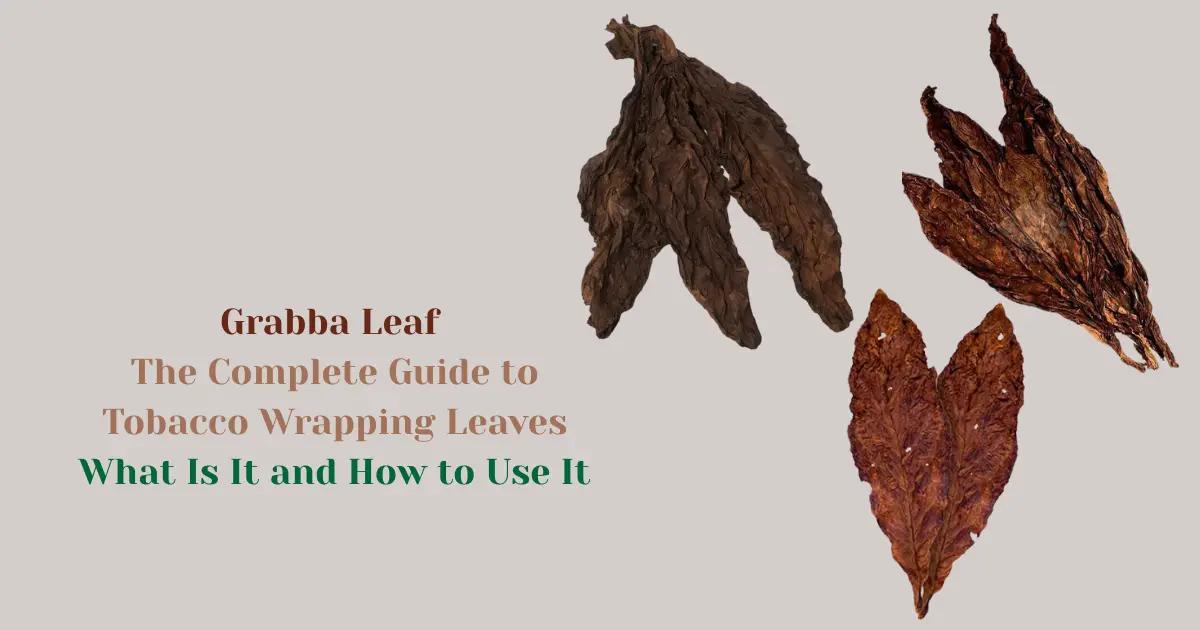
If you’ve spent time in cannabis or tobacco communities, especially in urban areas or Caribbean cultures, you’ve likely heard someone mention grabba leaf. This whole tobacco leaf has become a staple for smokers who prefer a more natural, robust smoking experience compared to commercial wraps or papers. Grabba leaf offers a pure, unprocessed alternative that delivers a powerful nicotine kick and distinctive flavor that pre-rolled wraps simply can’t match. Whether you’re curious about what makes grabba leaf different from other tobacco products, how to properly prepare and use it, or where to find authentic leaves, this comprehensive guide covers everything you need to know about grabba leaf from its Caribbean origins to modern rolling techniques.
What Is Grabba Leaf? Understanding This Tobacco Wrap
Grabba leaf is a whole, unprocessed tobacco leaf that smokers use as a natural wrap for cannabis or as a tobacco additive to enhance their smoking experience. Unlike commercial cigar wraps or blunt papers that have been chemically treated and flavored, grabba leaf is simply dried tobacco in its most natural form. The term “grabba” comes from Jamaican Patois, where it means “to grab” or “take,” reflecting how smokers would grab a piece of the leaf to use.
What sets grabba leaf apart is its purity and potency. These leaves contain significantly higher nicotine content than processed tobacco products, delivering an intense head rush that experienced smokers seek. The leaf is typically dark brown to almost black in color, with a thick, leathery texture that requires proper preparation before use. When you purchase grabba leaf, you’re getting the entire tobacco leaf—stem, veins, and all—which you’ll need to break down and prepare yourself.
Grabba leaf serves multiple purposes in smoking culture. Some users tear small pieces to mix directly with cannabis for added flavor and nicotine, a practice known as “spliffing.” Others use larger sections as a natural wrap for rolling blunts, providing a slow, even burn without the chemical additives found in commercial products. The leaf’s natural oils and resins create a sticky surface that helps hold rolls together while imparting a distinct, earthy tobacco flavor.
The appeal of grabba leaf extends beyond just functionality. For many smokers, using whole leaf tobacco represents a return to traditional smoking methods, a rejection of mass-produced products, and a connection to cultural practices that have existed for generations. The ritual of selecting, preparing, and rolling with grabba leaf has become an integral part of the smoking experience for countless enthusiasts.
The Origins and History of Grabba Leaf
The history of grabba leaf is deeply rooted in Jamaican and Caribbean smoking culture, where tobacco has been cultivated and used for centuries. While tobacco itself originated in the Americas and was used by indigenous peoples long before European contact, the specific practice of using whole tobacco leaves as wraps gained prominence in Jamaica during the 20th century. Jamaican farmers grew tobacco alongside other crops, and the practice of using fresh or dried leaves for smoking became a cultural tradition passed down through generations.
In Jamaica, tobacco leaf smoking wasn’t initially associated with cannabis—it was simply how people consumed tobacco when commercial cigarettes were expensive or unavailable. Farmers and rural communities would cure their own tobacco leaves, hanging them to dry in sheds or under roofs until they reached the perfect moisture level. This self-sufficient approach to tobacco consumption created a smoking culture that valued natural, unprocessed products over manufactured alternatives.
The term “grabba” itself emerged from Jamaican street culture, where the leaf became synonymous with a particular style of smoking that combined cannabis with tobacco. As Jamaican music, particularly reggae and dancehall, spread globally during the 1970s and 1980s, so did the cultural practices associated with it. Caribbean immigrants brought grabba leaf traditions to urban centers in the United States, Canada, and the United Kingdom, where the practice took root in communities with strong Caribbean connections.
By the 1990s and early 2000s, grabba leaf had become a staple in urban smoking culture beyond Caribbean communities. Hip-hop artists referenced it in lyrics, and smoke shops in cities like New York, Miami, and Toronto began stocking whole tobacco leaves to meet growing demand. The product evolved from a cultural tradition into a commercial commodity, with brands packaging and distributing grabba leaf to a wider audience while attempting to maintain its authentic, natural character.
Today, grabba leaf represents both a connection to Caribbean heritage and a broader movement toward natural smoking products. The leaf’s journey from Jamaican tobacco farms to international smoke shops reflects how cultural practices can transcend their origins while maintaining their essential character and appeal.
Grabba Leaf vs Fronto Leaf: What's the Difference?
One of the most common questions among smokers is understanding the distinction between grabba leaf and Fronto leaf, as these terms are often used interchangeably but actually refer to different products. While both are whole tobacco leaves used for smoking, they have distinct characteristics that affect flavor, preparation, and smoking experience.
Fronto leaf, also known as “fanta leaf” or simply “fronto,” typically refers to a specific grade of whole tobacco leaf that’s lighter in color and milder in flavor than grabba leaf. Fronto leaves are usually harvested from the middle section of the tobacco plant, resulting in a thinner, more pliable leaf with a golden-brown to medium-brown color. The nicotine content in fronto leaf is moderate, providing a noticeable buzz without the overwhelming intensity that grabba delivers.
Grabba leaf, in contrast, comes from darker tobacco varieties or leaves that have undergone longer curing processes. These leaves are thicker, darker (often nearly black), and contain significantly higher nicotine levels. The flavor profile is more robust and earthy, with a pronounced tobacco taste that some describe as “harsh” or “strong.” Grabba leaf requires more careful preparation due to its thickness and can be more challenging for beginners to work with effectively.
The practical differences become apparent during use. Fronto leaf is generally easier to tear, roll, and smoke, making it more forgiving for those new to whole leaf tobacco. Its milder nature means it won’t overpower the flavor of cannabis when used as a wrap or additive. Grabba leaf, however, demands respect—its potency means a little goes a long way, and using too much can result in an uncomfortably strong nicotine experience, especially for those with lower tolerance.
Culturally, the distinction matters to purists. In Caribbean communities, “grabba” specifically refers to the dark, strong leaf, while “fronto” is recognized as a separate, milder option. However, in many smoke shops and among casual users, the terms have become somewhat interchangeable, with “grabba” sometimes used as a catch-all term for any whole tobacco leaf. When purchasing, it’s important to specify which type you want or examine the product directly to ensure you’re getting the strength and character you prefer.
Types and Varieties of Grabba Leaf
While grabba leaf might seem like a single product, there are actually several varieties and grades available, each offering different characteristics in terms of flavor, strength, and usability. Understanding these differences helps smokers select the right leaf for their preferences and experience level.
The most common distinction is between dark grabba and light grabba. Dark grabba leaf is the traditional, potent variety—nearly black in color with thick, leathery texture and maximum nicotine content. This is what most people think of when they hear “grabba leaf.” It delivers an intense smoking experience with strong tobacco flavor and a powerful head rush. Dark grabba is preferred by experienced smokers who want that characteristic kick and aren’t deterred by its harsh nature.
Light grabba, sometimes called “grabba gold” or “golden grabba,” represents a middle ground between traditional dark grabba and milder fronto leaf. These leaves have a lighter brown color, thinner texture, and reduced nicotine content compared to dark varieties. Light grabba offers more approachable flavor while still maintaining the natural, whole-leaf character that distinguishes it from commercial wraps. Many smoke shops now stock both varieties to accommodate different preferences.
Beyond color grades, grabba leaf also varies by tobacco type and origin. Some leaves come from specific tobacco varieties like Connecticut Broadleaf or Pennsylvania tobacco, each bringing unique flavor profiles. Caribbean-grown tobacco tends to have different characteristics than tobacco grown in the United States, with variations in sweetness, earthiness, and overall intensity. Premium grabba leaf products may specify their tobacco origin and variety, allowing connoisseurs to select based on these nuances.
Size and packaging also create variety in the market. Whole grabba leaves can range from small (about the size of a hand) to large (over a foot long), affecting both price and convenience. Some brands offer pre-torn or “ready-to-use” grabba leaf pieces, though purists often prefer buying whole leaves to control their own preparation. Grabba leaf wholesale options provide bulk quantities for regular users, while single-pack options serve casual consumers or those wanting to try before committing to larger purchases.
Quality grades represent another important distinction. Premium grabba leaf features intact leaves with minimal damage, consistent color, and proper moisture content. Lower-grade options might include broken pieces, inconsistent curing, or leaves that are too dry or too moist. The difference in quality directly impacts the smoking experience, with premium leaves burning more evenly and delivering cleaner flavor.
How to Choose Quality Grabba Leaf: What to Look For
Selecting high-quality grabba leaf makes a significant difference in your smoking experience, but knowing what to look for requires understanding the characteristics that distinguish premium leaves from inferior products. Whether you’re shopping at a local smoke shop or ordering grabba leaf online, these quality indicators will help you make informed choices.
The first thing to examine is color consistency. Quality grabba leaf should have relatively uniform coloring throughout, whether it’s dark brown, black, or lighter golden-brown. Avoid leaves with significant discoloration, spotting, or patches that look moldy or water-damaged. While some natural variation is normal, dramatic inconsistencies often indicate poor storage conditions or low-grade tobacco.
Moisture content is perhaps the most critical quality factor. Properly cured grabba leaf should feel slightly pliable, not bone-dry or overly moist. When you gently bend a quality leaf, it should flex without immediately cracking or crumbling. If the leaf is too dry, it will be brittle and difficult to work with, producing harsh smoke and uneven burning. Conversely, leaves that feel damp or sticky may have excessive moisture that can cause mold growth and poor burning characteristics.
Examine the leaf’s structural integrity. Premium grabba leaf arrives mostly intact, with the main body of the leaf in one piece. While some tearing along edges is acceptable, leaves that arrive as a collection of small fragments indicate rough handling or poor quality. The stem should be present and relatively intact, as this helps maintain the leaf’s structure during storage and preparation.
The aroma of quality grabba leaf should be distinctly tobacco-like—earthy, slightly sweet, and robust without any off-putting odors. Avoid leaves that smell musty, moldy, or have chemical odors that might indicate contamination or improper processing. Fresh, well-cured grabba leaf has a pleasant tobacco scent that becomes more pronounced when you tear or crumble a small piece.
Pay attention to packaging and storage. Reputable brands package grabba leaf in resealable bags or containers that protect against moisture loss and contamination. Clear packaging allows you to inspect the product before purchase, which is always preferable. Check for any signs of moisture inside the packaging, as condensation can indicate storage problems that compromise quality.
When possible, examine the leaf surface texture. Quality grabba should have visible veins and natural leaf structure, with oils that give it a slightly waxy feel. The surface shouldn’t be dusty, powdery, or covered in debris. Run your fingers gently across the leaf—it should feel smooth and substantial, not papery or overly rough.
Finally, consider the source and brand reputation. Established brands that specialize in whole leaf tobacco products typically maintain better quality control than generic or unknown sources. Reading reviews and asking for recommendations from experienced users can help you identify reliable suppliers. While grabba leaf price varies, extremely cheap options often reflect compromised quality, making mid-range to premium products a better investment for consistent results.
How to Prepare Grabba Leaf for Smoking
Proper preparation is essential for getting the best experience from grabba leaf, as the raw leaf requires several steps before it’s ready to smoke. Unlike pre-processed wraps that come ready to use, whole tobacco leaves need careful handling to achieve the right texture, moisture level, and usability. This preparation process might seem involved at first, but it becomes second nature with practice.
The first step in preparing grabba leaf involves assessing and adjusting moisture content. If your leaf arrives too dry and brittle, you’ll need to rehydrate it slightly. Place the leaf in a sealed container or plastic bag with a lightly dampened paper towel (not soaking wet—just moist). Leave it for 30 minutes to an hour, checking periodically until the leaf becomes more pliable. Alternatively, you can lightly mist the leaf with water using a spray bottle, then let it rest in a sealed bag for similar results. The goal is to make the leaf flexible enough to tear and roll without cracking, but not so moist that it won’t burn properly.
If your grabba leaf is too moist, you’ll need to dry it slightly. Lay it out on a clean, dry surface in a well-ventilated area away from direct sunlight for 15-30 minutes. You can also place it between paper towels and gently press to absorb excess moisture. Never use heat sources like ovens or microwaves, as these can damage the leaf’s structure and alter its smoking characteristics.
Once moisture content is optimal, the next step is removing the stem and large veins. The central stem running through the leaf is too thick to smoke effectively and will cause harsh, uneven burning if left in. Hold the leaf by the stem and gently tear the leaf material away on both sides, or use your fingers to separate the stem from the usable leaf. For large veins running through the leaf, you can either remove them entirely or leave them if they’re relatively thin—this is a matter of personal preference, though removing them generally results in smoother smoke.
After stem removal, you’ll need to break down the leaf into usable pieces. For wraps, tear off sections large enough to roll your desired size—typically rectangular pieces about 4-6 inches long and 2-3 inches wide. For mixing with cannabis, tear or crumble the leaf into smaller pieces. Some smokers prefer to tear grabba into thin strips, while others crumble it into a fine consistency similar to ground tobacco. The finer you break it down, the more evenly it will mix and burn.
Many experienced users employ a flattening technique to make grabba leaf easier to work with. After tearing your piece to size, gently stretch and flatten it by pulling it taut between your hands. This process thins the leaf slightly and removes some of the natural curl, making it easier to roll. Be careful not to tear the leaf during this process—apply steady, gentle pressure rather than aggressive pulling.
For those who want an even smoother smoking experience, some practitioners use a light toasting method. Hold the prepared grabba leaf piece a few inches above a lighter flame (not touching the flame) and move it back and forth for a few seconds. This gentle heat application removes excess moisture and makes the leaf more pliable. This technique requires practice to avoid burning the leaf, so beginners should skip this step until they’re comfortable with basic preparation.
Finally, consider storing prepared grabba leaf properly. If you’ve prepared more than you’ll use immediately, store the pieces in an airtight container or resealable bag with a humidity pack (like those used for cigars) to maintain optimal moisture levels. Properly stored grabba leaf can last for months without significant quality degradation.
Step-by-Step Guide: How to Use Grabba Leaf Properly
Understanding how to use grabba leaf properly requires mastering several techniques depending on your preferred smoking method. Whether you’re using grabba as a wrap for cannabis, mixing it directly with herbs, or smoking it on its own, following proper techniques ensures the best experience while avoiding common pitfalls that can ruin your session.
Using Grabba Leaf as a Blunt Wrap
The most common way to use grabba leaf is as a natural wrap for cannabis blunts. Start with a properly prepared piece of grabba leaf—stem removed, moisture content adjusted, and sized appropriately for your desired blunt size. Lay the leaf flat on a clean surface with the smoother side facing up (this will be the outside of your blunt). The leaf should be roughly rectangular, about 4-6 inches long and 2-3 inches wide for a standard-sized blunt.
Lick the entire surface of the leaf to add moisture and make it more pliable. Unlike commercial wraps, grabba leaf doesn’t have adhesive, so you’ll rely on the leaf’s natural stickiness and the moisture from your saliva to create a seal. Place your ground cannabis in a line along one edge of the leaf, leaving about a quarter-inch border. The amount of cannabis depends on your preference, but avoid overfilling, as grabba leaf is less forgiving than commercial wraps.
Begin rolling by tucking the edge of the leaf closest to the cannabis over the material, using your thumbs to push the cannabis into a cylindrical shape while your fingers guide the leaf. Roll tightly but not so tight that you restrict airflow—grabba leaf blunts need proper draw to burn correctly. Once you’ve completed one full rotation and the cannabis is enclosed, continue rolling until you reach the end of the leaf.
To seal the blunt, lick the remaining edge of the leaf thoroughly and press it firmly against the body of the blunt. Hold pressure for 10-15 seconds to allow the seal to set. Some users run a lighter along the seam (without touching the flame to the leaf) to help dry and secure the seal. Finally, twist or tuck the ends to prevent cannabis from falling out.
Mixing Grabba Leaf with Cannabis (Spliffing)
Many smokers prefer to tear small pieces of grabba leaf and mix them directly with cannabis before rolling in papers or wraps. This method, often called “spliffing,” adds nicotine and tobacco flavor without using grabba as the primary wrap. Start with a small amount—grabba leaf is potent, and a little goes a long way. For beginners, a piece about the size of your thumbnail is sufficient for a standard joint.
Tear or crumble the grabba into fine pieces, removing any remaining stem or thick vein material. Mix it thoroughly with your ground cannabis, ensuring even distribution. The ratio is entirely personal preference, but most users keep grabba to about 10-20% of the total mixture. Roll the mixture in your preferred papers using standard joint-rolling techniques.
Using Grabba Leaf in Bowls or Bongs
Some smokers add small amounts of grabba leaf to bowls or bong packs for added flavor and nicotine. Crumble a small piece of grabba leaf and either mix it with cannabis or layer it—some prefer placing grabba at the bottom of the bowl, others on top, and some mix it throughout. Start with very small amounts, as the concentrated smoke from water pipes makes grabba’s potency even more pronounced.
Smoking Grabba Leaf Alone
While less common, some tobacco enthusiasts smoke grabba leaf by itself, either rolled like a cigarette or in a pipe. This method delivers the full intensity of the tobacco without any moderation from cannabis. If attempting this, start with very small amounts and be prepared for a strong nicotine experience. Roll grabba leaf cigarettes using the same technique as cannabis blunts, but with smaller pieces of leaf.
Rolling Techniques and Best Practices
Mastering rolling techniques with grabba leaf requires practice and attention to detail, as the natural leaf behaves differently than commercial wraps or papers. These best practices will help you achieve consistently good results while avoiding frustration and wasted material.
The moisture balance during rolling is crucial. Your grabba leaf should be pliable but not wet. As you roll, periodically lick the leaf to maintain workability, but avoid over-wetting, which makes the leaf soggy and difficult to seal. If the leaf starts to dry out mid-roll, lightly mist it with water or lick it again. Finding the right moisture level is largely a matter of experience—each leaf is slightly different, so you’ll develop a feel for what works.
When rolling grabba leaf blunts, tightness matters, but there’s a balance to strike. Roll too loosely, and your blunt will burn unevenly, possibly canoe (burn down one side faster than the other), and waste material. Roll too tightly, and you’ll restrict airflow, making the blunt difficult to smoke and causing it to go out repeatedly. Aim for firm but not compressed—you should be able to gently squeeze the blunt without feeling hard resistance, and when you draw on it (before lighting), air should flow smoothly.
The direction of your roll can affect the final product. Most experienced rollers roll away from themselves, using their thumbs to tuck the near edge over the cannabis while their fingers guide the far edge of the leaf. This technique provides better control and visibility throughout the process. Some prefer rolling toward themselves or using a side-to-side motion—experiment to find what feels most natural and produces the best results for you.
Sealing techniques separate successful grabba leaf rolls from failures. Unlike commercial wraps with gum strips, grabba leaf relies on moisture and the leaf’s natural properties to seal. After completing your roll, thoroughly wet the sealing edge with saliva, then press it firmly against the body of the blunt. Hold steady pressure for at least 10-15 seconds. Some rollers use a “press and slide” technique, running their finger along the seam while applying pressure to ensure complete adhesion.
For added security, many experienced users employ a baking technique. After sealing your grabba leaf blunt, run a lighter flame along the outside of the blunt (keeping the flame about an inch away, never touching the leaf directly). Move the flame continuously to avoid burning the leaf. This gentle heat dries the moisture, helping set the seal and evening out any wet spots that might cause burning issues. This step also allows you to identify and repair any weak points in the seal before smoking.
The twist or tuck method for ends prevents cannabis from falling out and provides a clean smoking experience. For the mouthpiece end, either twist the excess leaf into a tight spiral or tuck it inward to create a filter-like structure. For the lighting end, a gentle twist creates a neat tip that’s easy to light. Some smokers prefer leaving the lighting end open and flat, which also works—this is purely personal preference.
Consider the grain and texture of your grabba leaf when rolling. The leaf has a natural grain direction (visible in the vein structure), and rolling with the grain rather than against it can make the process easier and result in more even burning. The smoother side of the leaf typically works better as the exterior, while the rougher side faces inward.
Finally, don’t rush the process. Rolling with grabba leaf takes more time than using commercial wraps, especially when you’re learning. Trying to rush leads to tears, poor seals, and frustration. Set aside adequate time, work in a comfortable position with good lighting, and accept that your first several attempts may not be perfect. Each roll teaches you something about how the leaf behaves and how your technique affects the outcome.
Common Mistakes to Avoid When Using Grabba Leaf
Even experienced smokers make mistakes when working with grabba leaf, but understanding common pitfalls helps you avoid them and achieve better results. These errors can ruin your smoking experience, waste material, and even pose health risks if not addressed.
The most frequent mistake is using too much grabba leaf, especially for those new to whole tobacco products. Grabba’s high nicotine content means a little goes a long way. Using too much results in overwhelming nicotine effects—dizziness, nausea, headaches, and an unpleasant smoking experience. Start with small amounts and gradually increase only if needed. For mixing with cannabis, begin with a thumbnail-sized piece; for wraps, use thinner sections of leaf rather than thick, double-layered wraps.
Failing to remove stems and thick veins is another common error that significantly impacts smoking quality. These structural parts of the leaf are too dense to burn properly, creating harsh, acrid smoke and causing uneven burning. They can also poke through your roll or make it difficult to achieve a tight seal. Always take time to remove the central stem and any prominent veins before using grabba leaf.
Many beginners make the mistake of not adjusting moisture content before use. Grabba leaf that’s too dry will crack and crumble, making it nearly impossible to roll and producing harsh smoke. Overly moist leaf won’t burn properly and can harbor mold. Always assess your leaf’s moisture level and adjust it before attempting to roll. This step takes only a few minutes but makes the difference between success and frustration.
Rolling too tightly or too loosely creates problems during smoking. Overly tight rolls restrict airflow, making the blunt hard to draw on and causing it to repeatedly go out. Loose rolls burn too quickly, waste material, and often canoe or run. Finding the right balance takes practice, but aim for firm consistency that allows smooth airflow when you test-draw before lighting.
Another critical mistake is inadequate sealing. Grabba leaf doesn’t have adhesive strips like commercial wraps, so proper sealing technique is essential. Rushing this step or not using enough moisture results in blunts that unravel during smoking. Take time to thoroughly wet the sealing edge, apply firm pressure, and consider using the baking technique to set the seal before smoking.
Lighting grabba leaf incorrectly causes uneven burning and wasted material. Unlike papers or commercial wraps, grabba leaf is thicker and requires more careful lighting. Hold the flame to the tip while rotating the blunt to ensure even ignition all around. Rushing this process leaves portions unlit, causing the blunt to canoe or go out. Take 10-15 seconds to properly light the entire tip before taking your first draw.
Many users make the error of storing grabba leaf improperly, leading to quality degradation. Leaving leaf exposed to air dries it out quickly, while storing it in overly humid conditions promotes mold growth. Always store grabba in airtight containers or resealable bags, ideally with humidity control packs. Keep it away from direct sunlight and extreme temperatures.
Ignoring quality indicators when purchasing leads to disappointing experiences. Buying the cheapest available grabba leaf often means getting inferior product—overly dry, damaged, or poorly cured leaves that are difficult to work with and harsh to smoke. Invest in mid-range to premium products from reputable sources, especially while learning proper techniques.
Finally, some users make the mistake of not respecting grabba leaf’s potency, particularly regarding nicotine content. Smoking grabba leaf delivers significantly more nicotine than cigarettes or commercial wraps. Those with low nicotine tolerance or no tobacco habit should approach grabba with caution, starting with very small amounts and being aware of nicotine’s effects. Never use grabba leaf if you’re not already a tobacco user, as it can quickly lead to nicotine dependence.
Where to Buy Authentic Grabba Leaf
Finding authentic, quality grabba leaf has become easier as demand has grown, but knowing where to look and what to expect helps ensure you get legitimate products rather than inferior substitutes. The market for grabba leaf spans local smoke shops, online retailers, and specialty tobacco vendors, each offering different advantages.
Local smoke shops and tobacco stores remain the most common source for grabba leaf, especially in urban areas with significant Caribbean populations. Searching for “grabba leaf near me” typically reveals multiple options in cities like New York, Miami, Toronto, Atlanta, and other metropolitan areas. Local shops offer the advantage of inspecting products before purchase—you can examine the leaf’s color, moisture content, and overall quality firsthand. Staff at specialty shops often have experience with grabba leaf and can provide recommendations based on your preferences.
When shopping locally, look for stores that specialize in tobacco products or cater to smoking culture rather than general convenience stores. Dedicated smoke shops typically stock fresher products with better turnover, reducing the likelihood of purchasing old, dried-out leaves. Ask about their most popular brands and when they last received shipments—freshness matters significantly with whole leaf tobacco.
Online retailers have expanded access to grabba leaf for those in areas without local options. Searching “grabba leaf online” or “grabba leaf for sale” reveals numerous vendors offering delivery services. Online shopping provides convenience and often better prices, especially when buying in bulk. However, you sacrifice the ability to inspect products before purchase, making vendor reputation crucial. Look for online retailers with detailed product descriptions, clear photos, customer reviews, and responsive customer service.
Several established brands dominate the grabba leaf market, and seeking these out increases your chances of getting quality products. While specific brand recommendations change as the market evolves, look for companies that specialize in whole leaf tobacco products and have established reputations within smoking communities. These brands typically offer consistent quality control, proper packaging, and various options (different sizes, grades, and varieties).
Grabba leaf delivery services have emerged in some markets, offering same-day or next-day delivery through platforms like DoorDash or dedicated tobacco delivery services. Searching “grabba leaf delivery near me” or “grabba leaf doordash” may reveal local options. These services provide ultimate convenience but often charge premium prices. They’re ideal for urgent needs but may not be cost-effective for regular users.
For regular users, grabba leaf wholesale options provide significant savings. Many retailers offer bulk purchasing—grabba leaf wholesale case options containing multiple leaves at reduced per-unit prices. Wholesale purchasing makes sense if you use grabba leaf frequently and have proper storage capabilities to maintain freshness. Some online vendors specialize in wholesale distribution, while local shops may offer bulk discounts for regular customers.
When evaluating grabba leaf price, expect to pay anywhere from $3-8 for a single leaf, depending on size, quality, and location. Small grabba leaf price points typically start around $2-4, while larger, premium leaves can reach $10-15. Grabba leaf wholesale price per leaf drops significantly—bulk purchases might reduce the per-leaf cost to $1-3. While price matters, extremely cheap options often reflect compromised quality, making mid-range products the best value for most users.
Some users wonder about grabba leaf on Amazon. While Amazon occasionally has whole leaf tobacco products, selection is limited and inconsistent due to the platform’s policies regarding tobacco sales. Specialized tobacco retailers generally offer better selection, quality, and expertise than general marketplaces.
Be aware that availability can vary significantly by region. Some areas have abundant grabba leaf options, while others have limited or no local access. Certain products may be discontinued or regionally exclusive—for example, specific brands or varieties might only be available in particular markets. If you find a product you like, consider buying extra to ensure you have supply if availability changes.
Finally, verify that any vendor you’re considering is legitimate and compliant with local regulations. Tobacco sales are heavily regulated, and reputable vendors follow age verification procedures and comply with local laws. Avoid vendors that seem to operate in gray areas or don’t follow proper protocols, as they may sell inferior or improperly stored products.
Health Considerations and Safety Tips
While this guide focuses on proper use of grabba leaf, it’s essential to address health considerations and safety information that every user should understand. Grabba leaf is a tobacco product with significant nicotine content, and using it carries inherent health risks that require informed decision-making.
Nicotine content and effects represent the primary health consideration with grabba leaf. Whole tobacco leaves contain substantially more nicotine than processed tobacco products like cigarettes or commercial wraps. A single grabba leaf can contain as much nicotine as an entire pack of cigarettes, depending on the variety and size. This high concentration means that even small amounts deliver powerful nicotine effects—increased heart rate, elevated blood pressure, and the characteristic “buzz” or head rush that users seek.
For those unaccustomed to tobacco, grabba leaf can cause nicotine poisoning symptoms including dizziness, nausea, vomiting, headaches, rapid heartbeat, and in severe cases, more serious complications. These effects are particularly likely when using too much grabba or when non-tobacco users experiment with the product. If you experience severe symptoms after using grabba leaf, seek medical attention immediately.
The question “is grabba leaf harsh?” reflects legitimate concerns about smoking experience and throat irritation. Yes, grabba leaf is significantly harsher than commercial wraps or cigarettes due to its unprocessed nature and high nicotine content. The thick smoke can irritate the throat and lungs, especially for those with respiratory sensitivities. This harshness increases with the amount used and the darkness of the leaf—dark grabba varieties are notably harsher than lighter options.
Long-term health risks associated with grabba leaf mirror those of other tobacco products. Regular tobacco use increases risks of cancer (particularly lung, throat, and mouth cancers), cardiovascular disease, respiratory problems, and numerous other health conditions. The fact that grabba leaf is “natural” or unprocessed doesn’t make it safer than commercial tobacco products—all tobacco carries significant health risks regardless of processing methods.
Combining grabba leaf with cannabis creates additional considerations. The mixture delivers both nicotine and cannabinoids simultaneously, which can intensify effects and potentially increase health risks. Some research suggests that combining tobacco and cannabis may increase respiratory issues beyond what either substance causes alone. Users should be aware that they’re exposing themselves to risks from both substances when mixing grabba with cannabis.
Addiction potential is a serious concern with grabba leaf. Nicotine is highly addictive, and the concentrated doses delivered by grabba leaf can quickly establish dependence. Those who don’t currently use tobacco should seriously consider whether experimenting with grabba leaf is worth the risk of developing nicotine addiction. Even occasional use can lead to dependence over time, particularly with a product as potent as grabba leaf.
For harm reduction, consider these safety practices: Use the minimum amount necessary to achieve your desired effect. If you’re new to grabba leaf, start with very small quantities and gradually increase only if needed. Never use grabba leaf if you’re pregnant, have cardiovascular conditions, or have respiratory issues. Be aware of your nicotine tolerance and respect it—pushing beyond your limits leads to unpleasant and potentially dangerous experiences.
Proper storage isn’t just about maintaining quality—it’s also a safety issue. Improperly stored grabba leaf can develop mold, which poses serious health risks when smoked. Always inspect your leaf before use, discarding any that shows signs of mold (white, green, or black spots, musty odor, or slimy texture). Store grabba in cool, dry conditions with appropriate humidity control to prevent mold growth.
Be mindful of secondhand smoke exposure. Grabba leaf produces thick, potent smoke that affects those around you. Smoke in well-ventilated areas and be respectful of others who may not want exposure to tobacco smoke. Never smoke around children, pregnant women, or those with respiratory conditions.
Finally, understand that quitting tobacco use is always an option if you decide the risks outweigh the benefits. Nicotine addiction is challenging to overcome, but numerous resources exist to help—from nicotine replacement therapies to counseling services. If you find yourself dependent on grabba leaf and want to quit, don’t hesitate to seek professional support.
This information isn’t meant to judge or discourage informed adults from making their own choices, but rather to ensure those choices are made with full awareness of the risks involved. Grabba leaf is a potent tobacco product that requires respect, moderation, and informed use.
Conclusion: Mastering the Art of Grabba Leaf
Understanding grabba leaf—from its Caribbean origins to proper preparation and rolling techniques—transforms it from a mysterious tobacco product into a tool you can use skillfully and safely. Whether you’re drawn to grabba leaf for its cultural significance, natural character, or the unique smoking experience it provides, mastering its use requires patience, practice, and respect for its potency. The journey from selecting quality leaves to rolling perfect blunts takes time, but each session teaches you more about this traditional tobacco product.
Remember that grabba leaf represents more than just a smoking accessory—it’s a connection to generations of Caribbean smoking culture and a rejection of mass-produced, chemically-treated alternatives. By choosing whole leaf tobacco, you’re participating in a tradition that values natural products and hands-on preparation. However, this choice comes with responsibility: understanding the health risks, using appropriate amounts, and respecting the powerful effects of concentrated nicotine.
As you develop your grabba leaf skills, focus on quality over quantity. Invest in premium leaves from reputable sources, take time to properly prepare your material, and don’t rush the rolling process. Start with small amounts, especially if you’re new to tobacco or have low nicotine tolerance. Pay attention to how your body responds and adjust your usage accordingly. The goal is an enjoyable smoking experience, not overwhelming nicotine effects or health complications.
Whether you prefer dark grabba for its intense character or lighter varieties for a milder experience, whether you mix it with cannabis or use it as a wrap, the techniques and knowledge covered in this guide provide a foundation for informed, skillful use. As with any tobacco product, approach grabba leaf with awareness, moderation, and respect for both its cultural significance and its powerful effects.
Frequently Asked Questions
What does grabba leaf do?
Grabba leaf adds a strong nicotine boost and rich tobacco flavor to cannabis or tobacco blunts. When mixed with cannabis, it enhances the smoking experience by providing a more intense throat hit and extending the burn time. Many smokers use grabba leaf as a natural alternative to processed cigar wraps, appreciating its pure, unprocessed nature and the control it gives them over their smoking blend.
What's the difference between grabba and tobacco?
Grabba leaf is whole-leaf tobacco that hasn’t been processed, flavored, or treated with chemicals like commercial tobacco products. While grabba is technically tobacco, it differs from cigarette tobacco or cigar filler because it’s sold as intact leaves that you tear or cut yourself. This gives grabba a more natural taste and higher nicotine content compared to the processed tobacco found in most commercial products.
Why do Jamaicans use grabba?
Grabba leaf has deep cultural roots in Jamaica, where it’s traditionally used to enhance cannabis spliffs and provide a stronger smoking experience. Jamaicans value grabba for its natural properties, potent nicotine content, and the authentic tobacco flavor it adds to their smoke. The practice has been passed down through generations and has become an integral part of Caribbean smoking culture, later spreading to urban communities in North America and beyond.
Does grabba have nicotine in it?
Yes, grabba leaf contains nicotine because it is pure, unprocessed tobacco. In fact, grabba typically has higher nicotine levels than commercial cigarettes or flavored wraps because it hasn’t been diluted or chemically altered. This high nicotine content is one reason why grabba delivers such a strong throat hit and why users should start with small amounts if they’re not accustomed to it.
How do you use grabba leaf?
To use grabba leaf, first remove the stem from the leaf, then tear or cut a small piece to your desired size. You can either crumble it and mix it with cannabis before rolling, or use a larger piece as a wrap for your blunt. Many users prefer to slightly moisten the leaf to make it more pliable before rolling, and beginners should start with small amounts due to grabba’s potent nicotine content.
Can I roll a blunt with a grabba leaf?
Yes, you can absolutely roll a blunt using grabba leaf as a natural wrap. Simply select a whole, intact section of the leaf, remove the stem, and moisten it slightly to increase flexibility. Grabba leaves are large enough to wrap around your cannabis, though they require more skill to roll than pre-made wraps due to their natural texture and varying thickness.
Are Fronto and grabba the same?
Fronto and grabba are essentially the same product—whole-leaf tobacco—though the terms are used in different regions and communities. “Fronto” (short for Fronto Leaf) is more commonly used in some East Coast urban areas, while “grabba” is the preferred term in Caribbean communities and other regions. Both refer to unprocessed tobacco leaves used for smoking, with any differences typically coming down to the specific tobacco variety or grade rather than the product type itself.
Is grabba leaf harsh?
Yes, grabba leaf is considerably harsher than commercial wraps or cigarettes due to its high nicotine content and unprocessed nature. First-time users often experience a strong throat hit, coughing, or even lightheadedness if they use too much. The harshness is part of grabba’s appeal for experienced smokers, but beginners should start with very small amounts and gradually increase as they build tolerance.
Can you smoke just grabba leaf by itself?
While you technically can smoke grabba leaf by itself, it’s not recommended for most users due to its extremely high nicotine content and harsh smoke. Grabba is typically mixed with cannabis or used as a wrap rather than smoked pure. Those who do smoke it alone are usually experienced tobacco users with high nicotine tolerance, and even then, it’s consumed in very small amounts.
Where can I buy grabba leaf?
Grabba leaf is available at tobacco shops, smoke shops, and bodegas in many urban areas, particularly in cities with Caribbean communities. You can also purchase grabba leaf online from specialty tobacco retailers, with options for single leaves or bulk packages. Prices typically range from $2-5 per leaf in stores, while online purchases may offer better value for larger quantities, though shipping restrictions vary by location.
You May Also Like
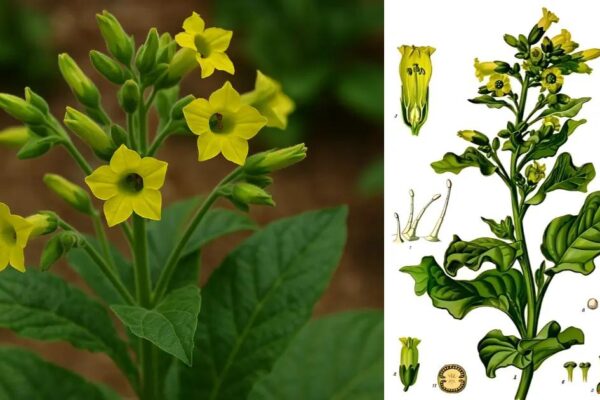
Nicotiana Rustica Guide: Uses, Effects & Growing Wild Tobacco
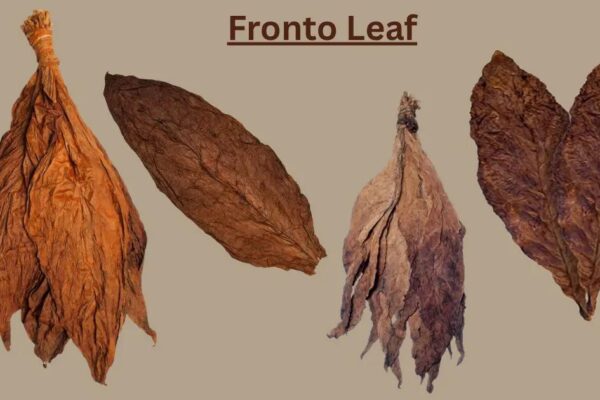
Fronto Leaf Guide: What It Is, How to Use It & Where to Buy