
Coastal Sailing Tips: Safe Navigation Guide for Beginners

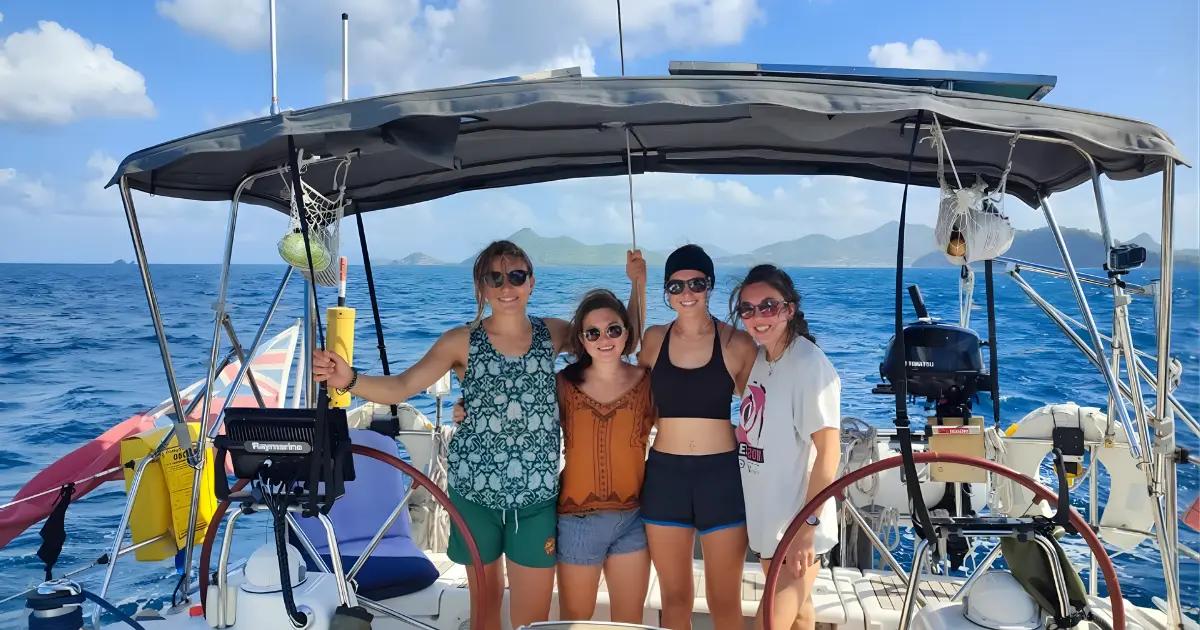
Navigating coastal waters presents unique challenges and rewards for sailors seeking both adventure and safety. Whether you’re a seasoned mariner or just beginning your journey, mastering coastal sailing tips is essential for enjoying scenic routes while avoiding the hazards that lurk near shorelines. Coastal navigation requires a different skill set than open-ocean sailing, demanding heightened awareness of tides, currents, shallow waters, and rapidly changing weather conditions. This comprehensive guide will equip you with the knowledge and techniques needed to confidently explore coastlines while prioritizing safety and maximizing the breathtaking views that make coastal sailing so rewarding.
The allure of coastal sailing lies in its accessibility and visual splendor—watching landscapes unfold from the water, discovering hidden coves, and anchoring in protected bays. However, the proximity to land introduces complexities that require careful planning and continuous vigilance. From understanding how to read nautical charts to selecting the right safety equipment, every aspect of coastal sailing demands attention to detail and respect for the marine environment.
Understanding Coastal Navigation Basics
Coastal navigation techniques form the foundation of safe sailing near shore. Unlike offshore navigation where landmarks are distant or nonexistent, coastal sailing relies heavily on visual piloting—using visible landmarks, buoys, and coastal features to determine your position and plot your course. This traditional method, combined with modern technology, creates a robust navigation system that keeps you safe in complex coastal environments.
The first principle of coastal navigation is maintaining constant situational awareness. You should always know your position relative to hazards, your depth beneath the keel, and your proximity to safe harbors. This requires regularly cross-referencing multiple information sources: visual observations, chart plotting, depth soundings, and GPS data. Never rely on a single navigation method when sailing near shore.
Understanding dead reckoning remains crucial even in the GPS era. This technique involves calculating your position based on your last known location, course, speed, and time elapsed. While GPS provides precise positioning, electronics can fail, making traditional navigation skills invaluable. Practice plotting your position on paper charts regularly, even when using electronic chartplotters, to maintain these essential skills.
Coastal sailing tips for beginners should emphasize the importance of range and bearing navigation. By taking compass bearings to two or more identifiable landmarks and plotting these lines on your chart, you can determine your position with reasonable accuracy. This technique, called a “fix,” should be performed every 15-30 minutes when navigating in coastal waters, or more frequently in challenging conditions or congested areas.
The concept of clearing bearings helps you avoid hazards without constantly plotting positions. By identifying a landmark and determining the compass bearing that keeps you clear of a known danger (like a reef or shoal), you can sail safely by ensuring your bearing to that landmark stays on the safe side of your predetermined line. This simple technique provides continuous hazard avoidance with minimal chart work.
Essential Safety Equipment for Coastal Sailing
Proper safety equipment distinguishes prepared sailors from those courting disaster. When navigating coastal waters, your vessel should carry both legally required items and additional gear that addresses coastal-specific risks. The proximity to shore doesn’t reduce safety requirements—in many ways, it increases them due to the concentration of hazards and other vessels.
Every coastal sailing vessel must have adequate personal flotation devices (PFDs) for all aboard, and these should be readily accessible, not buried in a locker. Modern inflatable PFDs offer comfort for extended wear while providing superior buoyancy when activated. For coastal sailing, consider PFDs with integrated harnesses, allowing you to clip into jacklines when conditions deteriorate or when moving around the deck in rough seas.
A comprehensive first aid kit tailored for marine environments is non-negotiable. Coastal sailing often places you hours from medical facilities, even though land is visible. Your kit should address common sailing injuries: cuts from lines and hardware, burns from hot engine parts or galley equipment, seasickness, dehydration, and hypothermia. Include waterproof bandages, antiseptics, pain relievers, seasickness medication, and any prescription medications crew members require.
Communication equipment serves as your lifeline in emergencies. A VHF marine radio with Digital Selective Calling (DSC) capability should be considered mandatory, not optional. This allows you to broadcast distress calls that automatically include your GPS position. Carry a handheld VHF as backup—if you abandon ship, a fixed-mount radio does you no good. Many sailors also carry satellite communicators or emergency position-indicating radio beacons (EPIRBs) for offshore-capable vessels.
Navigation lights must function properly for safe sailing near shore, especially in areas with commercial traffic or when sailing at dawn, dusk, or night. Carry spare bulbs and fuses, and test your lights before every voyage. Sound-signaling devices—both a horn and a bell—are required and essential for communicating with other vessels in reduced visibility. Quality Marine Supplies retailers can help you select equipment that meets both regulatory requirements and practical needs for coastal sailing.
Fire extinguishers rated for marine use must be mounted in accessible locations, particularly near the galley and engine compartment. Coastal sailing often involves more engine use than offshore passages, increasing fire risk. Ensure extinguishers are properly maintained and that all crew members know their locations and how to use them. An automatic fire suppression system in the engine compartment provides additional protection.
Reading Nautical Charts and Tide Tables
Nautical chart reading is perhaps the most critical skill for safe sailing near shore. Charts contain a wealth of information beyond simple depth soundings—they reveal the character of the seabed, identify navigation aids, mark hazards, and provide crucial details about tides and currents. Learning to extract and interpret this information transforms a chart from a simple map into a comprehensive guide to coastal waters.
Understanding chart symbols and abbreviations is your first priority. The chart legend explains symbols for rocks (submerged and exposed), wrecks, buoys, lights, and bottom characteristics. Pay particular attention to depth contours, which show the underwater topography. The drying height notation indicates features that are exposed at low tide but submerged at high tide—critical information for avoiding groundings.
Charts use various depth datums—the reference level from which depths are measured. Most charts use a low-water datum, meaning charted depths represent the minimum depth you can expect under normal tidal conditions. However, extreme low tides, storm surge, or barometric pressure changes can reduce actual depths below charted values. Always add a safety margin to your minimum depth requirements, typically at least three feet beyond your maximum draft.
Tide tables work in conjunction with charts to predict water levels at specific times and locations. Understanding tidal range—the difference between high and low tide—is essential for coastal navigation techniques. In areas with significant tidal range (10 feet or more), passages that are navigable at high tide may become impassable or dangerous at low tide. Calculate the tide height for your planned transit time and add this to charted depths to determine actual water depth.
The rule of twelfths helps estimate tidal height between high and low tide. This rule states that in the six hours between tides, the water level changes by 1/12 in the first hour, 2/12 in the second hour, 3/12 in both the third and fourth hours, 2/12 in the fifth hour, and 1/12 in the sixth hour. While not perfectly accurate everywhere, this provides a useful approximation for planning.
Current information, often printed on charts or available in tidal current tables, reveals another critical factor in coastal sailing safety. Currents can significantly affect your course and speed over ground, potentially setting you toward hazards if not properly accounted for. In narrow channels or around headlands, currents can reach several knots, dramatically impacting your ability to navigate safely. Always plan your passages to work with favorable currents when possible, and avoid areas of strong current during peak flow if you’re inexperienced.
Identifying and Avoiding Coastal Hazards
Coastal waters concentrate numerous hazards in relatively small areas, making hazard identification and avoidance paramount for safe sailing near shore. Unlike the open ocean where dangers are relatively sparse, coastlines present a constantly changing array of threats that demand continuous vigilance and proactive navigation.
Rocks and reefs represent the most obvious coastal hazards. Charts mark these features, but not all rocks are charted—particularly in remote areas or regions with poor survey coverage. Submerged rocks that don’t break the surface are especially dangerous, as they provide no visual warning. Always maintain a healthy distance from rocky coastlines, and never assume that because water appears deep and clear, it’s free of submerged obstacles.
Breaking waves signal shallow water or submerged hazards. Learn to read wave patterns: waves that break irregularly or in lines parallel to shore often indicate reefs or sandbars. In areas with significant swell, waves may break in water depths equal to 1.5 times the wave height, meaning a six-foot swell can break in nine feet of water—potentially less than your keel depth plus safety margin.
Shoaling—areas where water depth decreases rapidly—creates multiple dangers. Beyond the obvious grounding risk, shoals can generate confused seas, especially when current opposes wind or swell. The interaction between current and shallow water can create standing waves and turbulent conditions that are hazardous even if you have adequate depth beneath your keel. Approach all shoal areas with caution, reducing speed and posting a lookout.
Commercial fishing gear poses a significant threat in many coastal areas. Lobster pot buoys, gill nets, and long lines can foul your propeller or rudder, leaving you disabled in potentially dangerous waters. Maintain a sharp lookout for fishing gear markers, and give them wide berth. If you must navigate through fishing grounds, post a crew member at the bow to spot gear and have a sharp knife readily available to cut away any lines that do foul your running gear.
Other vessels create both collision risks and wake hazards. Coastal waters often see heavy traffic from commercial ships, fishing boats, and recreational craft. Understanding and following the Navigation Rules (often called the “Rules of the Road”) is essential. The 10% rule for yachts suggests that when encountering a vessel ten times your size or larger, you should take early and obvious action to stay clear, regardless of right-of-way—a large ship may not see you and cannot maneuver quickly.
Restricted visibility from fog, rain, or darkness amplifies all coastal hazards. When visibility drops, reduce speed, sound appropriate fog signals, and consider whether continuing is prudent or if seeking shelter makes more sense. Modern radar and AIS (Automatic Identification System) help detect other vessels, but they don’t show rocks, reefs, or fishing gear. In fog, navigation becomes primarily electronic and dead reckoning—skills that require practice in good conditions before you need them in poor ones.
Weather Patterns and Coastal Conditions
Understanding weather patterns specific to coastal sailing is essential for both safety and comfort. Coastal weather differs significantly from offshore conditions, with land masses creating localized wind patterns, temperature differentials generating predictable breezes, and topography channeling winds in ways that can surprise unprepared sailors.
Sea breezes develop on sunny days when land heats faster than water, creating rising air over land that draws cooler air from the sea. This onshore breeze typically begins mid-morning, strengthens through afternoon, and dies at sunset. Coastal sailors can often predict afternoon wind strength and direction based on temperature differential and time of day. Sea breezes provide excellent sailing conditions but can create challenging situations if they trap you on a lee shore with strengthening onshore winds.
Conversely, land breezes occur at night when land cools faster than water, creating offshore winds. These are typically lighter than sea breezes and can make departing anchorages easier in the morning. However, land breezes can be deceptive—they may feel gentle near shore but strengthen as you move away from land, and they can shift direction or die unexpectedly as the day warms.
Coastal topography creates wind acceleration zones and wind shadows. Headlands and capes can funnel and accelerate wind, creating conditions significantly stronger than the general forecast. Conversely, high land can block wind, creating calm patches or areas where wind direction differs dramatically from the prevailing pattern. Study your charts for topographic features and expect wind variations near significant coastal landmarks.
Weather forecasts for coastal areas should come from multiple sources. Marine forecasts provide wind speed and direction, wave height, visibility, and weather patterns specific to coastal waters. These are typically more accurate and relevant than general weather forecasts. Many countries divide their coastlines into specific forecast zones—learn which zones cover your sailing area and check forecasts for adjacent zones to understand approaching weather systems.
Understanding wave dynamics in coastal waters helps you anticipate conditions. Waves generated by local wind (wind waves) differ from swell—waves generated by distant weather systems. Swell can arrive from storms hundreds of miles away, creating large waves even in calm local conditions. When swell meets opposing current or shallow water, wave height increases and period shortens, creating steep, uncomfortable, and potentially dangerous seas.
Storm awareness is critical for coastal sailing safety. Thunderstorms can develop rapidly in coastal areas, bringing lightning, sudden wind shifts, and intense rain that reduces visibility to near zero. If you see towering cumulus clouds developing, monitor their progress and be prepared to seek shelter. Lightning poses particular danger to sailboats with tall masts—if caught in a thunderstorm, disconnect electronics, stay below if possible, and avoid touching metal components.
Navigation Techniques for Shallow Waters
Navigating shallow waters requires specialized techniques and heightened awareness. The margin for error shrinks dramatically when you have only a few feet beneath your keel, and the consequences of grounding range from embarrassing to catastrophic depending on bottom composition, sea state, and tidal conditions.
The fundamental principle of shallow water navigation is continuous depth monitoring. Your depth sounder should be active and visible at all times when sailing in coastal waters. Set shallow water alarms to alert you when depth decreases to a predetermined level—typically your draft plus five feet as a warning, and your draft plus three feet as an urgent alarm. Remember that depth sounders measure from the transducer location, not from your keel, so know your transducer depth and account for it in your calculations.
Eyeball navigation—using water color and surface conditions to estimate depth—is a valuable skill in clear water. Generally, darker blue indicates deeper water, while lighter blue or green suggests shoaling. Brown or tan water often signals very shallow depths or disturbed bottom sediment. However, water color varies with bottom composition, suspended sediment, and lighting conditions, so use this technique as supplementary information, not primary navigation.
The 3 minute rule in sailing provides a quick method for estimating distance traveled. At any speed in knots, you travel that distance in hundreds of yards in three minutes. For example, at 5 knots, you travel 500 yards in three minutes. This helps you estimate when you’ll reach a charted depth contour or hazard based on your current speed, allowing for proactive course adjustments in shallow waters.
When navigating channels, understanding lateral buoyage systems is essential. In the United States, the phrase “red right returning” reminds sailors to keep red buoys on their starboard (right) side when returning from sea. Other countries use different systems, so familiarize yourself with local conventions. Channel markers indicate not only the safe path but often the edges of that path—straying outside marked channels in shallow areas can quickly lead to grounding.
Tidal considerations become critical in shallow water navigation. Plan passages through shallow areas during rising or high tide when possible, providing maximum depth and a safety margin if you do touch bottom. If you must transit at low tide, calculate exact depths by subtracting the tidal height from charted depths, and add your draft plus safety margin to determine minimum acceptable charted depth.
When approaching unfamiliar shallow areas, reduce speed to give yourself time to react to depth changes and to minimize damage if you do ground. A boat moving at 2 knots that touches bottom will likely slide over with minimal damage, while the same boat at 6 knots may suffer serious hull damage or become firmly stuck. In very shallow or uncertain waters, consider posting a crew member at the bow as a lookout for visual depth clues and hazards.
Best Practices for Anchoring Near Shore
Anchoring in coastal waters combines art and science, requiring knowledge of bottom composition, weather patterns, tidal range, and proper technique. A well-set anchor in an appropriate location provides security and peace of mind; a poorly set anchor or unsuitable anchorage can lead to dragging, collision, or grounding.
Selecting an anchorage begins with chart study. Look for protected areas with good holding ground—mud and sand provide excellent holding, while rock, coral, or thick weed offer poor holding and may damage your anchor. Charts indicate bottom composition using abbreviations: “M” for mud, “S” for sand, “R” for rock, “Sh” for shells, and “Wd” for weed. Choose anchorages with mud or sand bottom when possible.
Depth and tidal range considerations are critical. Calculate the maximum depth at high tide to ensure you have adequate scope (anchor rode length), and the minimum depth at low tide to ensure you won’t ground. As a general rule, use scope of at least 5:1 in calm conditions (five feet of rode for every foot of depth), increasing to 7:1 or more in rough conditions or strong winds. In areas with large tidal range, this can require significant rode length.
Protection from wind and waves determines anchorage comfort and safety. Study weather forecasts and choose anchorages protected from predicted wind directions. Remember that wind can shift, so ideal anchorages offer protection from multiple directions or allow you to relocate quickly if conditions change. Be aware of fetch—the distance wind blows across water—as long fetch allows waves to build even in protected bays.
The anchoring process itself requires deliberate technique. Approach your chosen spot slowly, heading into the wind or current (whichever is stronger). When you reach your desired position, stop the boat and allow it to drift backward, then lower the anchor to the bottom—don’t throw it. Once the anchor touches bottom, continue drifting backward while paying out rode until you’ve reached appropriate scope, then cleat the rode and allow the boat to settle back, setting the anchor.
After anchoring, verify your anchor is set by taking transit bearings to fixed objects ashore. Identify two landmarks that align from your position, or note compass bearings to multiple landmarks. Check these bearings periodically—if they change, you’re dragging. Modern chartplotters can set anchor alarms that alert you if your position changes beyond a set radius, providing automated drag monitoring.
Consider other vessels when anchoring. Maintain adequate distance from neighboring boats—at least five boat lengths in calm conditions, more in strong winds. Observe how other boats are lying to their anchors; they indicate the dominant force (wind or current) and show how your boat will likely position itself. Be aware that boats with different characteristics (deep keel versus shallow draft, full keel versus fin keel) may swing differently on their anchors.
Before leaving your boat unattended at anchor, perform a anchor watch for at least 30 minutes. Observe your position relative to landmarks, watch how your boat responds to wind shifts, and verify the anchor remains set through changes in conditions. If you’re staying overnight, set an anchor alarm and check your position periodically, especially if wind or current changes significantly.
Top Scenic Coastal Sailing Routes Worldwide
Exploring scenic sailing routes combines the practical aspects of coastal navigation with the pure pleasure of experiencing stunning seascapes and coastal landscapes. These routes offer not only visual beauty but also opportunities to develop and refine your coastal sailing skills in diverse conditions and environments.
The Inside Passage from Puget Sound, Washington, to Alaska ranks among the world’s most spectacular coastal routes. This protected waterway winds through islands, fjords, and channels, offering glacier views, abundant wildlife, and charming coastal communities. The route demands strong navigation skills due to complex currents, numerous islands, and significant tidal ranges, but rewards sailors with unparalleled scenery and adventure. Best sailed during summer months (June through August), the Inside Passage provides relatively protected waters with stunning mountain backdrops.
Croatia’s Dalmatian Coast offers Mediterranean sailing at its finest, with over 1,000 islands creating endless exploration possibilities. Crystal-clear waters, historic coastal towns, and reliable summer winds make this region ideal for sailors of all experience levels. The Adriatic’s predictable weather patterns—morning calms, afternoon sea breezes—allow for comfortable day sailing with evenings spent in picturesque harbors. Navigation is straightforward with excellent charts and well-marked channels, making this an excellent destination for developing coastal sailing skills.
The Turkish Turquoise Coast, stretching from Bodrum to Antalya, combines ancient history with stunning natural beauty. Sailors navigate past Lycian ruins, anchor in pristine bays with crystal-clear water, and explore traditional fishing villages. The region’s reliable summer winds and numerous protected anchorages make it accessible to cruising sailors, while the dramatic mountain scenery and rich cultural heritage provide endless interest beyond the sailing itself.
Scotland’s Western Isles offer rugged beauty and challenging sailing for experienced coastal navigators. Strong tidal currents, rapidly changing weather, and rocky coastlines demand respect and skill, but the rewards include dramatic scenery, abundant wildlife (including seals, dolphins, and seabirds), and a sense of remote adventure. The region’s numerous sea lochs provide protected anchorages, while passages between islands test navigation and boat-handling skills.
New Zealand’s Bay of Islands provides spectacular cruising grounds with over 140 islands in a relatively compact area. Subtropical climate, excellent facilities, and diverse anchorages make this region popular with sailors worldwide. The bay offers everything from sheltered harbors to exposed coastal passages, allowing sailors to choose routes matching their skill level and weather conditions. Clear waters, abundant marine life, and friendly local culture enhance the sailing experience.
The Maine Coast in the northeastern United States offers classic New England sailing with rocky shores, spruce-covered islands, and charming harbors. Significant tidal range (up to 12 feet in some areas), fog, and cold water demand careful navigation and preparation, but the region’s beauty and sailing tradition attract cruisers from around the world. Summer months provide the best conditions, with warm temperatures and reliable sea breezes.
Greece’s Ionian Islands provide gentler sailing conditions than the windier Aegean, with moderate winds, shorter passages between islands, and numerous protected anchorages. The region’s rich history, excellent cuisine, and stunning beaches complement the sailing experience. Reliable weather patterns and well-developed marina infrastructure make the Ionian Islands suitable for sailors developing their coastal cruising skills.
Emergency Procedures for Coastal Sailors
Despite careful planning and prudent seamanship, emergencies can occur in coastal waters. Knowing proper emergency procedures and practicing them regularly can mean the difference between a manageable incident and a catastrophic outcome. Coastal sailing presents unique emergency scenarios that require specific responses.
Grounding represents one of the most common coastal emergencies. If you run aground, immediately assess the situation: Are you taking on water? Is the tide rising or falling? What is the bottom composition? If grounded on a rising tide with no hull damage, you may simply wait for the tide to lift you off. On a falling tide, you must act quickly. Try backing off under power, but don’t persist if the engine labors—you may damage the propeller or drive train. Consider using kedging techniques: deploy an anchor from your dinghy in deeper water and winch yourself off using the anchor rode.
If grounding occurs on rocks or in rough seas, the situation becomes more serious. Check immediately for hull damage and water ingress. If holed, attempt to position the boat so the damage is above the waterline if possible. Deploy collision mats (sails, cushions, or specialized damage control equipment) over the hole from outside the hull. Activate bilge pumps and prepare to abandon ship if the situation deteriorates. Call for assistance immediately—don’t wait until the situation becomes critical.
Man overboard procedures must be practiced until they become automatic. In coastal waters, quick recovery is critical due to proximity to hazards and potentially cold water temperatures. The moment someone goes overboard, shout “man overboard,” throw flotation (life ring, cushion, or anything that floats), and designate a crew member to point continuously at the person in the water. Execute a recovery maneuver—quick stop, Williamson turn, or figure-eight pattern—depending on conditions and crew experience. Approach the person in the water from downwind when possible, stopping the boat with the person alongside amidships where they can be brought aboard.
Understanding Rule 42 in sailing becomes relevant in racing contexts, as it prohibits propulsion by means other than wind and water on the hull. However, in emergency situations, this rule is superseded by safety considerations—use your engine without hesitation if needed to avoid collision or recover a crew member overboard.
Fire aboard requires immediate and decisive action. If fire breaks out, immediately don life jackets, prepare to abandon ship, and call for help on VHF radio. Attempt to extinguish the fire only if you can do so safely without putting crew at risk. If the fire is in the engine compartment, shut off fuel supply and activate automatic suppression systems if installed. Never open an engine compartment that may contain fire—the rush of oxygen can cause an explosion. If fire cannot be quickly controlled, abandon ship to your life raft or dinghy, staying upwind of the vessel.
Medical emergencies at sea require remote assessment and treatment until professional help arrives. Carry a comprehensive first aid manual and consider taking a marine first aid course. For serious injuries or illnesses, contact Coast Guard or local emergency services via VHF radio. They can provide medical advice and coordinate evacuation if necessary. In coastal waters, helicopter evacuation may be possible, requiring you to provide your exact position, nature of the emergency, and sea conditions.
Understanding Rule 69 in sailing relates to gross misconduct in racing and can result in disqualification or further penalties, but in the context of coastal cruising, the principle emphasizes that safety and seamanship always take precedence over competition or convenience. Never let pride, schedule pressure, or other considerations override sound safety judgment.
Preparing for emergencies includes regular safety drills with your crew. Practice man overboard recovery, fire response, and abandon ship procedures in calm conditions so everyone knows their role when stress levels are high. Ensure all crew members know how to operate the VHF radio, start the engine, and locate safety equipment. A crew that has practiced emergency procedures is far more likely to respond effectively when real emergencies occur.
Technology and Apps for Coastal Navigation
Modern technology has revolutionized coastal navigation, providing tools that enhance safety, improve situational awareness, and make navigation more accessible to sailors of all experience levels. However, technology should complement, not replace, traditional navigation skills and seamanship—electronics can fail, batteries die, and software contains errors.
Electronic chartplotters have become standard equipment on most cruising sailboats. These devices display your position on electronic charts in real-time, showing depth, hazards, navigation aids, and your track through the water. Modern chartplotters integrate GPS, chart data, and often radar, AIS, and instrument data into a single display. When selecting a chartplotter, prioritize screen size (larger is better for detailed coastal navigation), chart coverage for your sailing area, and ease of use. Ensure your electronic charts are updated regularly—navigation aids change position, new hazards are discovered, and channels shift.
Mobile navigation apps have made sophisticated navigation tools accessible on smartphones and tablets. Apps like Navionics, iNavX, and Aqua Map provide detailed charts, real-time position tracking, route planning, and weather integration at a fraction of the cost of dedicated chartplotters. These apps work well for backup navigation and route planning, though dedicated chartplotters offer better visibility in bright sunlight and more robust construction for marine environments. Always download charts for offline use before departing—don’t rely on cellular data in coastal waters.
AIS (Automatic Identification System) technology dramatically improves collision avoidance by displaying the position, course, speed, and identity of nearby vessels equipped with AIS transponders. Commercial ships, many fishing vessels, and increasing numbers of recreational boats transmit AIS data. AIS receivers or transceivers integrate with chartplotters or run as standalone systems, showing potential collision courses and allowing you to identify vessels by name and contact them directly via VHF radio. For coastal sailing in areas with commercial traffic, AIS provides invaluable situational awareness.
Weather apps and services deliver detailed forecasts directly to your mobile device or onboard computer. Services like PredictWind, Windy, and SailFlow provide wind forecasts, wave predictions, and weather routing specifically designed for sailors. Many offer high-resolution models that capture coastal weather effects better than general forecasts. Some services provide weather routing—suggesting optimal routes based on forecast conditions and your boat’s performance characteristics.
Radar remains the gold standard for navigation in restricted visibility and for detecting other vessels, rain squalls, and landmasses. Modern radar systems integrate with chartplotters, overlaying radar returns on electronic charts for enhanced situational awareness. Radar requires practice to interpret effectively—invest time learning to distinguish between vessels, land, rain, and sea clutter. For serious coastal cruising, especially in areas prone to fog, radar provides safety benefits that justify the investment.
Anchor alarm apps use your device’s GPS to monitor your position while anchored, alerting you if you drag beyond a set radius. Apps like Drag Queen and Anchor! provide this functionality on smartphones, offering peace of mind when anchored in unfamiliar locations or challenging conditions. Set conservative alarm radii and test the app’s accuracy before relying on it for overnight anchoring.
Tide and current apps provide detailed predictions for thousands of locations worldwide. Apps like Tides Near Me and Tide Graph display tidal heights and current predictions in easy-to-read formats, often with graphical representations that make planning easier than traditional tide tables. Many integrate with navigation apps, showing tidal information directly on charts.
Despite these technological advances, maintain backup navigation capabilities. Carry paper charts for your sailing area, a handheld GPS with spare batteries, a handheld compass, and traditional navigation tools (parallel rulers, dividers, and plotting sheets). Practice using these tools regularly so you can navigate confidently if electronics fail. The best coastal sailors combine modern technology with traditional skills, using each to verify and complement the other.
Best coastal sailing tips emphasize that technology serves as a tool to enhance your seamanship, not replace it. Learn to navigate using charts and traditional methods first, then add electronic aids to improve efficiency and safety. This approach ensures you can handle any situation, regardless of what technology is available or functioning.
Navigating coastal waters successfully requires a combination of knowledge, skill, preparation, and respect for the marine environment. By mastering the fundamentals of coastal navigation techniques, investing in proper safety equipment, understanding weather and tidal patterns, and practicing emergency procedures, you can explore coastlines with confidence. Whether you’re sailing familiar waters near home or exploring scenic sailing routes in distant lands, the principles of safe coastal sailing remain constant: plan thoroughly, navigate carefully, monitor conditions continuously, and never let complacency replace vigilance. The rewards of coastal sailing—spectacular scenery, access to charming harbors, and the satisfaction of skilled seamanship—make the effort invested in developing these skills worthwhile. As you gain experience, you’ll develop an intuitive feel for coastal waters, reading subtle signs in wind, waves, and currents that enhance both safety and enjoyment. Embrace the learning process, sail conservatively within your abilities, and gradually expand your skills and confidence. The coastlines of the world offer endless opportunities for exploration and adventure to those who approach them with proper preparation and respect.
Frequently Asked Questions
How do you navigate in coastal waters?
Navigating coastal waters requires using a combination of visual landmarks, nautical charts, GPS, and depth sounders to track your position relative to shore. Essential coastal sailing tips include monitoring tidal currents, identifying navigation markers and buoys, and maintaining awareness of shallow areas and underwater hazards. Always cross-reference electronic navigation with visual observations, and keep updated charts aboard to account for changing conditions near shorelines.
What are the 5 essentials of sailing?
The five essentials of sailing are sail setting, boat balance, course made good, trim, and boat speed. These fundamentals apply to all sailing conditions but become particularly important when implementing coastal sailing tips in confined waters. Mastering these essentials allows you to respond quickly to changing wind conditions, navigate tight channels, and maintain control in areas with heavy boat traffic or proximity to hazards.
What is the top cause of death for boaters?
Drowning is the leading cause of death for boaters, accounting for approximately 75% of all boating fatalities, with the majority of victims not wearing life jackets. In coastal waters, additional risks include hypothermia from cold water immersion, collisions with other vessels or fixed objects, and being swept away by strong currents. Always wear a properly fitted personal flotation device and inform someone onshore of your sailing plans before departure.
What is the 1/3 rule in boating?
The 1/3 rule in boating states that you should use one-third of your fuel to reach your destination, one-third to return, and reserve one-third for emergencies or unexpected conditions. This safety principle is one of the most important coastal sailing tips for power vessels and auxiliary-powered sailboats. The rule provides a crucial safety margin for dealing with adverse weather, navigational errors, or mechanical issues that might arise in coastal environments.
What is the 3 R rule in boating?
The 3 R rule in boating stands for Recognition, Response, and Recovery—a framework for handling emergency situations on the water. Recognition involves identifying potential hazards early, Response means taking appropriate action to avoid or mitigate danger, and Recovery refers to returning to safe conditions after an incident. This systematic approach helps sailors make better decisions when facing the unique challenges of coastal navigation, from sudden weather changes to equipment failures.
What is rule 42 in sailing?
Rule 42 in competitive sailing prohibits propulsion methods other than wind and water, meaning sailors cannot rock, pump, or scull their boats to gain speed except in specific circumstances. While this racing rule may seem technical, understanding it helps recreational sailors appreciate proper sailing technique. For coastal cruising, the principle encourages reliance on sail trim and boat handling skills rather than artificial propulsion methods.
What are the most important coastal sailing tips for beginners?
The most important coastal sailing tips for beginners include studying nautical charts before departure, understanding tide tables and current patterns, maintaining a safe distance from shore and hazards, and always checking weather forecasts. Beginners should also practice using navigation aids like buoys and markers, learn to read water depth indicators, and sail with experienced crew members until comfortable with coastal conditions. Start with short trips in familiar waters and gradually build experience before tackling more challenging coastal routes.
How do tides and currents affect coastal sailing?
Tides and currents significantly impact coastal sailing by affecting water depth, boat speed, and course over ground, sometimes adding or subtracting several knots from your progress. Understanding tidal patterns helps you avoid running aground in shallow areas, plan optimal departure times, and navigate narrow channels safely. Experienced sailors use tidal currents to their advantage, timing passages to ride favorable flows and avoid fighting against strong opposing currents that can make coastal navigation exhausting and dangerous.
What safety equipment is essential for coastal sailing?
Essential safety equipment for coastal sailing includes life jackets for all crew members, flares and signaling devices, a VHF radio, navigation lights, an anchor with adequate rode, and a first aid kit. Additional recommended items include a throwable flotation device, fire extinguisher, sound-producing device (horn or whistle), and a handheld GPS as backup to your primary navigation system. Coastal waters present unique hazards, so also carry a chart of the area, a depth sounder, and tools for basic repairs.
You May Also Like

Everyday Comfort Ideas: 15+ Overlooked Ways to Feel Better

New Year’s Eve in the Cotswolds: Events, Hotels & Guide

Gift Ideas for Special Occasions: 25+ Thoughtful Picks