How to Prepare Home for Extreme Cold Weather: 11-Step Guide

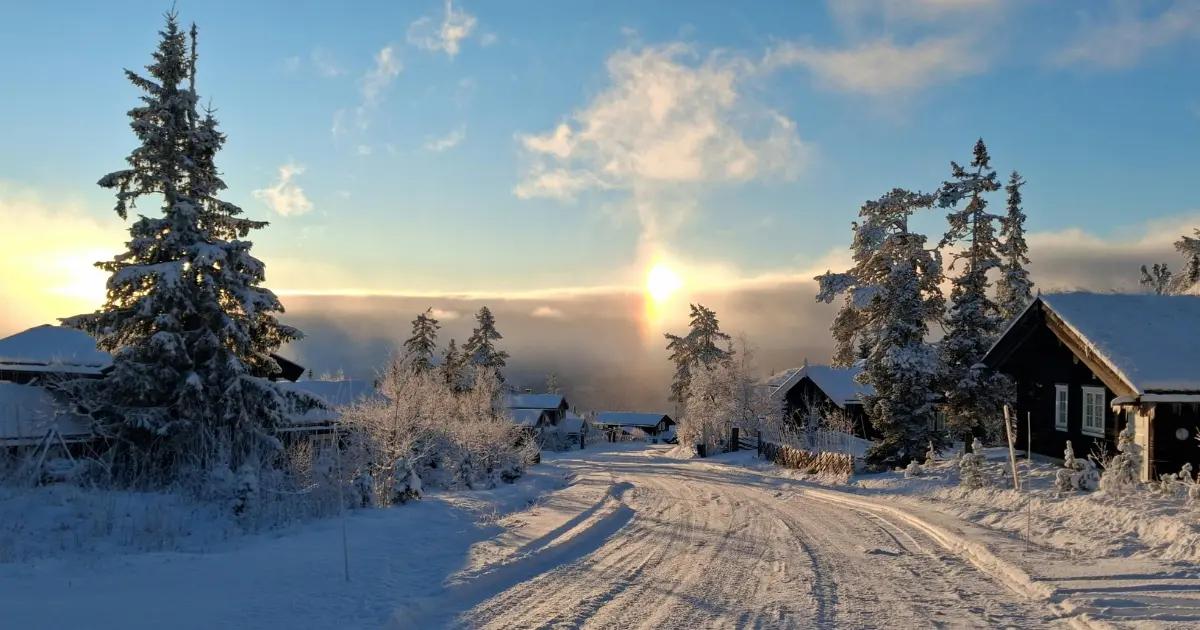
When temperatures plummet and extreme cold weather threatens your region, knowing how to prepare home for extreme cold becomes critical to protecting your property, preventing thousands of dollars in damage, and ensuring your family’s safety. Frozen pipes can burst and cause catastrophic water damage costing $5,000 to $70,000 in repairs, heating system failures can leave you without warmth during dangerous cold snaps, and inadequate insulation can send your energy bills skyrocketing by 30% or more. Whether you’re facing an imminent polar vortex or planning ahead for winter, this comprehensive guide provides the actionable steps you need to winterize your home effectively, prioritized by urgency and impact.
Why Preparing Your Home for Extreme Cold Matters (Costs & Risks)
The financial and safety risks of failing to prepare home for extreme cold extend far beyond temporary discomfort. According to insurance industry data, water damage from burst pipes ranks among the most common and costly homeowner claims, with the average claim exceeding $10,000. When water pipes freeze, the ice expands with tremendous force—up to 2,000 pounds per square inch—capable of rupturing even copper and steel pipes.
Beyond plumbing disasters, inadequate winter preparation creates multiple hazards. Heating system failures during extreme cold can expose your family to hypothermia risks, particularly dangerous for elderly residents, young children, and those with health conditions. The effects of cold weather on the human body include increased blood pressure, respiratory problems, and heightened risk of heart attacks and strokes. Studies show that cold temperature sick calls increase dramatically when indoor temperatures drop below 60°F for extended periods.
Energy costs represent another significant concern. Homes with poor insulation, air leaks, and inefficient heating systems can see utility bills double or triple during cold snaps. The Department of Energy estimates that proper winterization can reduce heating costs by 20-30% annually, savings that quickly offset the modest investment in preparation materials.
Property damage extends beyond pipes. Ice dams can tear off gutters and damage roofing materials, foundation cracks can worsen with freeze-thaw cycles, and outdoor equipment left unprotected can suffer permanent damage. Taking preventive action before extreme cold arrives protects your home’s structural integrity and preserves your property value.
When to Start Winterizing Your Home (Timeline & Temperature Triggers)
Timing your winter preparedness checklist for home correctly ensures you complete critical tasks before dangerous conditions arrive. The ideal winterization schedule begins in early fall, typically September or October in most northern climates, giving you ample time to address issues before the first hard freeze.
Start monitoring weather forecasts when nighttime temperatures consistently drop below 50°F. This signals the beginning of your preparation window. Complete outdoor tasks—gutter cleaning, exterior caulking, outdoor faucet winterization—before temperatures fall below 40°F, as many sealants and materials require warmer conditions for proper application and curing.
The critical threshold for pipe protection occurs when temperatures drop to 20°F or below, especially when combined with wind chill. However, pipes in unheated areas like garages, crawl spaces, and exterior walls can begin freezing at 32°F. Don’t wait for an extreme cold warning to take action on plumbing protection.
For homes in regions experiencing sudden cold snaps, emergency preparation should begin 48-72 hours before predicted extreme temperatures. This compressed timeline requires focusing on highest-priority items: pipe insulation, heating system checks, and emergency supply stocking. Even last-minute preparation significantly reduces risk compared to taking no action.
Create a personal winter weather preparedness checklist that accounts for your climate zone. Homes in traditionally mild climates face greater risk during unusual cold events because infrastructure and construction standards may not account for freezing temperatures. If your area rarely experiences hard freezes, pay extra attention to exposed plumbing and ensure you know how to protect vulnerable systems.
Protect Your Plumbing: Prevent Frozen and Burst Pipes
Preventing pipes from freezing stands as the single most important task when you prepare home for extreme cold. Water expands approximately 9% when it freezes, creating pressure that can split pipes, crack fittings, and cause joints to separate. The resulting damage often goes undetected until temperatures rise and ice melts, releasing torrents of water into your home.
Begin by identifying vulnerable pipes. Plumbing in exterior walls, unheated crawl spaces, attics, and garages faces the highest risk. Outdoor hose bibs, sprinkler system lines, and swimming pool supply lines also require protection. Walk through your home and locate all exposed pipes, paying special attention to areas where plumbing passes through uninsulated spaces.
Insulate exposed pipes using foam pipe insulation sleeves, which cost just a few dollars per section at hardware stores. Measure your pipe diameter and purchase appropriately sized insulation. Slit the foam lengthwise, slip it over pipes, and seal the seam with duct tape or zip ties. For pipes in extremely cold areas, consider heat tape or heat cables that provide active warming, but follow manufacturer instructions carefully to avoid fire hazards.
Disconnect and drain all outdoor hoses before the first freeze. Water trapped in hoses can back up into interior plumbing and freeze, causing damage to faucets and pipes. Store hoses indoors or in a shed. Close interior shut-off valves supplying outdoor faucets, then open the outdoor faucet to drain remaining water. Leave outdoor faucets open throughout winter to prevent pressure buildup if any water remains.
For homes with crawl spaces, ensure foundation vents close properly or install insulated vent covers. Even small openings allow frigid air to circulate around pipes. In extreme cold, consider adding a heat source to crawl spaces—a simple incandescent light bulb (not LED, which produces minimal heat) can provide enough warmth to prevent freezing in small enclosed spaces, though this requires careful fire safety considerations.
The question of running water to keep pipes from freezing arises frequently during cold snaps. Allowing faucets to drip during extreme cold does help prevent freezing by keeping water moving and relieving pressure. The debate over hot or cold water to keep pipes from freezing has a simple answer: cold water works fine for preventing freezing, but if you’re concerned about a specific hot water line, run hot water. The small amount of water wasted costs far less than pipe repair. Open cabinet doors under sinks to allow warm room air to circulate around pipes.
If you’re planning to be away from home during cold weather, never set your thermostat below 55°F. The energy savings aren’t worth the pipe-freezing risk. Instead, maintain at least 55-60°F throughout your home, open cabinet doors to expose pipes to heated air, and consider having someone check your home daily during extreme cold periods.
For those with water heater repair needs or concerns about tank location in cold spaces, ensure your water heater itself has adequate insulation. Tank blankets reduce heat loss and protect the unit from ambient cold in unheated garages or basements.
Insulate Your Home to Retain Heat and Lower Energy Bills
Proper insulation forms your home’s thermal barrier, keeping expensive heated air inside while blocking frigid outdoor temperatures. When you winterize your home with adequate insulation, you simultaneously improve comfort and reduce energy consumption, making this investment pay dividends for years.
Start by assessing your attic insulation, as heat rises and inadequate attic insulation represents the largest source of heat loss in most homes. The Department of Energy recommends R-38 to R-60 insulation in attics for most climates, translating to roughly 12-20 inches of fiberglass batts or blown-in insulation. Measure your current insulation depth—if you can see ceiling joists, you need more insulation.
Adding attic insulation ranks among the most cost-effective home improvements, with payback periods often under three years through energy savings. Blown-in cellulose or fiberglass insulation works well for DIY installation using rented equipment, or hire professionals for larger projects. Ensure proper ventilation remains after adding insulation—attic spaces need airflow to prevent moisture problems.
Wall insulation proves harder to add in existing homes but remains crucial for extreme cold protection. If your walls lack insulation (common in older homes), consider blown-in insulation installed through small holes drilled from the exterior. This professional service costs more but dramatically improves comfort and efficiency in poorly insulated homes.
Basement and crawl space insulation prevents cold from radiating up through floors. Insulate basement walls with rigid foam boards or fiberglass batts fitted between studs if you have a finished basement. For unfinished basements, insulate the rim joist area where the foundation meets the floor framing—this often-overlooked area allows significant heat loss. In crawl spaces, install insulation between floor joists or use a ground vapor barrier covered with rigid insulation on crawl space walls.
Don’t overlook pipe insulation as part of your overall insulation strategy. Beyond preventing freezing, insulating hot water pipes reduces heat loss as water travels from your water heater to fixtures, providing hot water faster and reducing energy waste. Insulating cold water pipes prevents condensation in humid climates and provides some freeze protection.
For homes with robotic pool cleaner equipment and pool systems, ensure pool equipment rooms or sheds have adequate insulation and heating if they house pumps, filters, or automation systems that could be damaged by freezing.
Inspect and Optimize Your Heating System
Your heating system works hardest during extreme cold, making pre-winter inspection and maintenance essential for reliability, efficiency, and safety. A furnace or heating system failure during a polar vortex creates an emergency situation requiring immediate professional intervention—often at premium emergency rates.
Schedule professional HVAC maintenance in early fall, before the rush of emergency calls begins. Technicians will inspect your system, clean components, check for carbon monoxide leaks, test safety controls, and ensure optimal performance. This service typically costs $100-200 but prevents mid-winter breakdowns and improves efficiency by 5-15%.
Replace your furnace filter before winter begins, then check it monthly throughout the heating season. Dirty filters restrict airflow, forcing your system to work harder, increasing energy costs, and potentially causing overheating or breakdowns. Keep spare filters on hand so you can replace them immediately when they become clogged. Standard fiberglass filters need replacement every 30 days, while higher-efficiency pleated filters may last 90 days.
Test your heating system before you need it. When outdoor temperatures reach 50-60°F, run your heat for several hours to ensure it operates correctly. Listen for unusual noises, check that all rooms receive adequate heat, and verify that your thermostat responds properly. Address any issues immediately rather than discovering problems during the first cold snap.
For homes with furnace systems over 15 years old, consider upgrading to a high-efficiency model before winter. Modern furnaces achieve 95-98% efficiency compared to 60-70% for older units, potentially cutting heating costs in half. While the upfront investment is significant, energy savings, improved reliability, and available tax credits or utility rebates improve the return on investment.
Inspect your ductwork for leaks, particularly in unconditioned spaces like attics, crawl spaces, and garages. Leaking ducts waste 20-30% of heated air, forcing your system to work harder and leaving some rooms cold. Seal duct joints with mastic sealant or metal-backed tape (not cloth duct tape, which deteriorates). Insulate ducts running through cold spaces to prevent heat loss.
Clean heating vents and registers throughout your home. Remove vent covers, vacuum inside ducts as far as you can reach, and wash vent covers. Ensure furniture, curtains, or storage items don’t block vents, which reduces efficiency and creates uneven heating. Keep all vents in occupied rooms open—closing vents doesn’t save energy in modern forced-air systems and can actually reduce efficiency.
For homes with supplemental heating sources like wood stoves, pellet stoves, or fireplaces, complete maintenance and stock fuel before winter. Have chimneys professionally cleaned and inspected annually to prevent dangerous creosote buildup and chimney fires. Test carbon monoxide detectors and smoke alarms, replacing batteries and units as needed.
Seal Windows, Doors, and Air Leaks
Air leaks undermine even the best insulation and heating systems, allowing warm air to escape while drawing cold air inside. Sealing these leaks represents one of the most cost-effective ways to prepare home for extreme cold, often requiring minimal investment while delivering immediate comfort improvements and energy savings.
Begin with a systematic air leak inspection. On a windy day, hold a lit incense stick or thin strip of tissue paper near windows, doors, electrical outlets, baseboards, and anywhere different materials meet. Smoke or paper movement indicates air leaks. Common leak locations include window and door frames, electrical outlets and switches on exterior walls, attic hatches, recessed lighting, plumbing penetrations, and where the foundation meets walls.
Weatherstrip all exterior doors using adhesive-backed foam tape, V-strip, or door sweeps. Replace worn weatherstripping that has compressed, cracked, or pulled away from surfaces. Install door sweeps at the bottom of exterior doors to seal the gap between the door and threshold. For doors with large gaps, consider installing a threshold with an adjustable seal.
Apply caulk around window frames where the frame meets the wall, both inside and outside. Use paintable acrylic latex caulk for interior applications and exterior-grade caulk for outdoor sealing. Remove old, cracked caulk before applying new material. Run a smooth bead of caulk, then tool it with a wet finger or caulk tool for a professional finish and proper seal.
Install or replace window insulation film on single-pane windows or older double-pane windows. This clear plastic film creates an additional insulating air space, reducing heat loss by up to 25%. Apply film according to package directions—typically adhering it to the window frame with double-sided tape, then shrinking it tight with a hair dryer for a clear, wrinkle-free finish.
For windows with significant air leakage or single-pane construction, consider interior storm windows or insulating cellular shades. These provide substantial insulation value without the expense of window replacement. Cellular shades with multiple air pockets can improve window insulation by R-4 or more when closed.
Seal electrical outlets and switches on exterior walls using foam gaskets installed behind cover plates. These inexpensive gaskets block air infiltration through electrical boxes. For recessed lighting in insulated ceilings, ensure fixtures are IC-rated (insulation contact) and properly sealed, or consider replacing them with sealed LED fixtures.
Address attic air leaks, which often account for major heat loss. Seal around attic hatches with weatherstripping and add insulation to the back of the hatch cover. Seal penetrations where plumbing stacks, wiring, and ductwork pass through the attic floor using expanding foam or caulk. These hidden leaks allow significant amounts of heated air to escape into the attic.
Use expanding foam sealant for larger gaps around pipes, wiring, and other penetrations. Spray foam expands to fill irregular spaces and provides both air sealing and insulation. For very large gaps, stuff fiberglass insulation into the space first, then seal the surface with foam or caulk.
Prepare Your Roof and Gutters for Ice and Snow
Your roof and gutter system face severe stress during extreme cold weather, particularly in regions with heavy snow and ice accumulation. Proper preparation prevents ice dams, gutter damage, and potential roof leaks that can cause extensive interior damage.
Clean gutters and downspouts thoroughly before winter arrives. Clogged gutters trap water that freezes, creating ice dams and adding weight that can tear gutters from fascia boards. Remove all leaves, twigs, and debris, then flush gutters with a hose to ensure downspouts drain freely. Consider installing gutter guards to reduce future maintenance, though they still require periodic cleaning.
Inspect your roof for damaged, missing, or loose shingles. Wind-driven rain and snow can penetrate through compromised shingles, causing leaks and water damage. Replace damaged shingles before winter weather arrives. Check flashing around chimneys, vents, and skylights—these areas commonly develop leaks. Reseal flashing with roofing cement if you notice gaps or deterioration.
Trim tree branches overhanging your roof. Heavy snow or ice can cause branches to break and fall, damaging shingles or even puncturing the roof. Branches should clear the roof by at least 6-10 feet to prevent damage and reduce debris accumulation in gutters. Remove dead or dying trees near your home that could fall during winter storms.
Ensure proper attic ventilation and insulation to prevent ice dams. Ice dams form when heat escaping through the roof melts snow, which then refreezes at the colder eaves, creating a dam that backs water under shingles. Proper attic insulation keeps heat inside your home, while ventilation keeps the roof deck cold. Install soffit and ridge vents if your attic lacks adequate ventilation.
For homes in heavy snow regions, consider installing heat cables along roof eaves and in gutters. These electric cables prevent ice dam formation by maintaining above-freezing temperatures in critical areas. Install them in a zigzag pattern along the lower 3-4 feet of roof and down through gutters and downspouts. Use them only during active snow and ice conditions to minimize energy consumption.
Inspect and repair chimney caps and crowns. Damaged chimney components allow water infiltration that can freeze and expand, causing progressive damage. A properly functioning chimney cap also prevents animals from nesting in your chimney during winter months.
Check that downspouts direct water at least 5-6 feet away from your foundation. Extensions or splash blocks prevent water from pooling near the foundation where it can freeze, potentially causing foundation cracks or basement leaks. Ensure downspout extensions won’t create ice patches on walkways or driveways.
Winterize Your Exterior: Outdoor Faucets, HVAC Units, and Foundation
Exterior home components require specific winterization steps to protect them from freeze damage and ensure they function properly when warmer weather returns. These plumbing tips for freezing weather focus on outdoor systems particularly vulnerable to extreme cold.
Shut off water supply to outdoor faucets from interior shut-off valves, typically located in basements, crawl spaces, or utility rooms. After closing the valve, open outdoor faucets to drain remaining water. Leave faucets open throughout winter to prevent pressure buildup if any water remains in the line. For frost-free hose bibs, ensure they’re properly installed with a slight downward slope to allow complete drainage.
Drain and winterize irrigation systems before the first hard freeze. Residual water in sprinkler lines can freeze and crack pipes, valves, and sprinkler heads. Use compressed air to blow out irrigation lines—a task best left to professionals who have proper equipment and experience. Close and insulate backflow preventers, which are particularly vulnerable to freeze damage.
Protect outdoor air conditioning units by removing debris, covering the top to prevent snow and ice accumulation, and ensuring adequate clearance around the unit. However, don’t completely wrap the unit in plastic, as this traps moisture and can cause corrosion. Use a specially designed AC cover that protects the top while allowing air circulation, or simply place a piece of plywood on top weighted with bricks.
Drain and store garden hoses, sprinklers, and outdoor equipment. Water trapped in hoses freezes and expands, causing splits and cracks. Coil hoses and store them in a garage, shed, or basement. Drain and store decorative fountains, birdbaths, and other water features that could crack when water freezes.
Inspect your foundation for cracks and seal them before winter. Water that seeps into foundation cracks can freeze and expand, worsening the damage. Use hydraulic cement or masonry crack filler for foundation repairs. Ensure soil slopes away from your foundation to direct water away from the house.
Protect exterior faucets and pipes with insulated faucet covers, available at hardware stores for just a few dollars. These foam or fabric covers provide insulation that prevents freezing. For extra protection in extreme cold, stuff the faucet cover with insulation or newspaper.
Service and prepare snow removal equipment before you need it. Test snow blowers, charge batteries, sharpen blades, and stock fuel and oil. Inspect snow shovels for cracks or damage and replace if necessary. Stock ice melt or sand for walkways and driveways—avoid rock salt near plants and concrete, as it causes damage.
Check outdoor lighting to ensure pathways remain safely illuminated during long winter nights and storms. Replace burned-out bulbs and consider installing motion-sensor lights for added security and convenience. Ensure outdoor electrical outlets have weatherproof covers and GFCI protection.
Stock Emergency Supplies for Power Outages
Extreme cold weather often brings storms that cause power outages, potentially leaving you without heat, light, and the ability to cook. Preparing emergency supplies before winter ensures you can safely weather extended outages without leaving home during dangerous conditions.
Create an emergency heating plan that doesn’t rely on electricity. If you have a fireplace or wood stove, stock adequate seasoned firewood or pellets before winter. Store wood in a dry location with some readily accessible near your entrance—you don’t want to dig through snow to reach your woodpile during a storm. Never use outdoor grills, camping stoves, or generators indoors, as they produce deadly carbon monoxide.
Invest in a quality generator if power outages are common in your area. Portable generators can power essential systems like furnaces, refrigerators, and lights. Install a transfer switch for safe connection to your home’s electrical system, preventing dangerous backfeeding into utility lines. Always operate generators outdoors, at least 20 feet from your home, and never in garages or enclosed spaces. Stock adequate fuel, as gas stations may be closed or without power during widespread outages.
Assemble emergency lighting including flashlights, headlamps, and battery-powered lanterns. Stock extra batteries in various sizes. Avoid candles when possible due to fire risk, but if you use them, place them in stable holders away from flammable materials and never leave them unattended. Consider battery-powered LED lanterns that provide bright, safe lighting for hours.
Store at least three days of non-perishable food that doesn’t require cooking or refrigeration. Include items like canned goods, dried fruits, nuts, granola bars, and peanut butter. Don’t forget a manual can opener. Keep bottled water on hand—at least one gallon per person per day for three days. During power outages in winter, you can store perishable food outside in a secure container if temperatures remain below 40°F.
Maintain a supply of essential medications and first aid supplies. Power outages may prevent travel to pharmacies, and extreme cold increases risks of injuries from slips, falls, and cold exposure. Include bandages, pain relievers, antibiotic ointment, and any prescription medications your family needs.
Keep cell phones and portable devices charged, and consider investing in portable battery packs or solar chargers. During outages, minimize phone use to preserve battery life for emergency communications. A battery-powered or hand-crank emergency radio provides weather updates and emergency information when internet and TV are unavailable.
Stock cold-weather clothing and blankets in an easily accessible location. Layering clothing provides better insulation than single heavy garments. Include hats, gloves, warm socks, and thermal underwear. Sleeping bags rated for cold temperatures provide excellent emergency warmth if your home loses heat.
Prepare a bathroom emergency kit with toilet paper, hand sanitizer, and baby wipes in case water service is interrupted. Fill bathtubs with water before predicted storms to provide water for flushing toilets if needed.
Keep important documents, insurance policies, and emergency contact information in a waterproof container. Include copies of prescriptions, medical information, and identification. Have cash on hand, as ATMs and credit card systems may not function during power outages.
Create a Room-by-Room Winter Preparation Checklist
A systematic, room-by-room approach ensures you don’t overlook critical winterization tasks. This comprehensive winter preparedness checklist pdf-style guide helps you methodically prepare home for extreme cold throughout your entire property.
Kitchen: Insulate pipes under sinks, especially if located on exterior walls. Open cabinet doors during extreme cold to allow warm air circulation. Check that the exhaust fan vents properly to the exterior. Ensure the refrigerator coils are clean for efficient operation. Stock emergency food and water supplies in pantry areas.
Bathrooms: Insulate exposed pipes under sinks and in walls. Caulk around tubs, showers, and sinks to prevent water infiltration. Check that exhaust fans vent to the exterior, not into attics where moisture can cause problems. Keep cabinet doors open during extreme cold. Consider leaving faucets dripping if pipes are vulnerable to freezing.
Bedrooms: Install or replace weatherstripping on windows. Apply window insulation film if needed. Ensure heating vents are unobstructed by furniture or curtains. Use heavy curtains or thermal drapes to reduce heat loss through windows—open them during sunny days to gain solar heat, close them at night for insulation. Check that radiators or baseboard heaters are clean and functioning properly.
Living Areas: Seal air leaks around windows and doors. Reverse ceiling fan direction to clockwise on low speed, pushing warm air down from ceilings. Close fireplace dampers when not in use to prevent heat loss. Ensure adequate clearance around space heaters if used—at least three feet from flammable materials. Arrange furniture to avoid blocking heating vents.
Basement: Insulate exposed pipes and rim joists. Seal foundation cracks and air leaks. Ensure sump pump operates correctly and has battery backup. Check for water infiltration signs and address drainage issues. Insulate water heater with a tank blanket if located in an unheated space. Clear area around furnace and water heater for safe operation and maintenance access.
Attic: Ensure adequate insulation depth (R-38 to R-60 for most climates). Check that soffit and ridge vents are clear and functioning. Seal air leaks around penetrations, hatches, and recessed lighting. Verify that bathroom and kitchen exhaust fans vent to the exterior, not into the attic. Look for signs of ice dams or roof leaks from previous winters.
Garage: Weatherstrip and insulate garage doors. Insulate any water pipes running through the garage. Service garage door openers and lubricate moving parts. Stock snow removal equipment and ice melt. If your garage is attached, ensure the door to your house is weatherstripped and closes securely to prevent cold air infiltration.
Laundry Room: Insulate pipes, especially if the room is in an unheated area. Check dryer vent for obstructions and ensure it vents properly to the exterior. Clean lint from the dryer and exhaust system. Verify that the exterior dryer vent flap closes properly to prevent cold air infiltration.
Common Mistakes to Avoid When Winterizing Your Home
Even well-intentioned homeowners make critical errors when attempting to prepare home for extreme cold. Avoiding these common mistakes prevents damage, saves money, and ensures your winterization efforts provide maximum protection.
Waiting until the last minute: Beginning winterization when extreme cold is already in the forecast leaves insufficient time for thorough preparation and forces you to work in uncomfortable conditions. Many tasks require temperatures above freezing for proper completion. Start your winter weather preparedness checklist in early fall when conditions are favorable and you have time to address discovered issues.
Neglecting professional inspections: While many winterization tasks are DIY-friendly, skipping professional HVAC and chimney inspections creates safety risks and reliability concerns. Technicians identify problems that homeowners miss, and the modest inspection cost pales compared to emergency repair bills or the dangers of carbon monoxide leaks or heating failures.
Setting thermostats too low when away: The temptation to save energy by lowering thermostats significantly when traveling during winter can result in frozen pipes costing thousands in repairs. Never set thermostats below 55°F, and consider the costs of potential damage versus the minimal energy savings from lower settings.
Closing vents in unused rooms: Many homeowners believe closing vents in unused rooms saves energy, but modern forced-air heating systems are balanced for specific airflow. Closing vents increases pressure in ductwork, reduces system efficiency, and can actually increase energy consumption while creating uneven heating. Keep all vents in conditioned spaces open.
Using space heaters unsafely: Space heaters cause thousands of fires annually. Common mistakes include placing them too close to flammable materials, using extension cords (which can overheat), leaving them unattended, and using them in bathrooms or other wet locations. Always plug space heaters directly into wall outlets, maintain three-foot clearance from combustibles, and never leave them running when sleeping or away from home.
Ignoring small leaks and drafts: Minor air leaks and small plumbing drips seem insignificant but compound to create major problems. Small drafts waste substantial energy over a winter season, while minor plumbing leaks can freeze and cause catastrophic pipe failures. Address all leaks and drafts, no matter how small they seem.
Forgetting about humidity control: Extremely dry indoor air during winter causes discomfort, respiratory problems, and damage to wood furniture and floors. However, excessive humidity creates condensation, mold growth, and ice buildup on windows. Maintain indoor humidity between 30-50% using humidifiers or dehumidifiers as needed. Ensure bathroom and kitchen exhaust fans vent moisture outside.
Improperly using heat tape: Heat tape prevents pipe freezing but creates fire hazards when installed incorrectly. Never overlap heat tape, use it on plastic pipes (unless specifically rated for plastic), or cover it with insulation unless the product specifies this is safe. Follow manufacturer instructions precisely and inspect heat tape annually for damage.
Neglecting carbon monoxide and smoke detectors: Heating equipment failures and increased use of fireplaces and space heaters elevate carbon monoxide and fire risks during winter. Test all detectors monthly, replace batteries annually (or when low-battery warnings sound), and replace entire units according to manufacturer recommendations—typically every 5-7 years for carbon monoxide detectors and every 10 years for smoke detectors.
Failing to clear snow from critical areas: Allowing snow to accumulate around HVAC units, exhaust vents, and emergency exits creates safety hazards and equipment problems. Keep furnace and water heater exhaust vents clear of snow to prevent dangerous carbon monoxide buildup. Maintain clear paths to exits for emergency egress.
Using salt excessively on concrete: While ice melt keeps walkways safe, excessive use of sodium chloride (rock salt) damages concrete surfaces and kills nearby plants. Use calcium chloride or magnesium chloride products, which work at lower temperatures and cause less damage. Apply ice melt sparingly and sweep up excess after ice melts.
Ignoring warning signs: Unusual noises from your heating system, ice buildup on exterior walls, frozen condensation on windows, or cold spots in your home signal problems requiring immediate attention. Don’t ignore these warnings—they indicate issues that will worsen and potentially cause serious damage or safety hazards.
Understanding what temperature is dangerously cold for a house helps you recognize when to take emergency action. Interior temperatures below 55°F risk pipe freezing, while temperatures below 60°F for extended periods create health risks, particularly for vulnerable individuals. If your home temperature drops to these levels, take immediate steps to add heat, protect pipes, and consider relocating to a warmer location if you cannot restore adequate heating.
By following this comprehensive guide to prepare home for extreme cold, you protect your property investment, ensure your family’s safety and comfort, and avoid the stress and expense of winter weather damage. The time and modest investment in proper winterization deliver returns through lower energy bills, prevented repairs, and peace of mind throughout the coldest months. Start your winter preparedness checklist for home today, prioritizing the most critical tasks first, and you’ll be ready when extreme cold weather arrives.
Frequently Asked Questions
How do I prepare my house for extreme cold weather?
To prepare home for extreme cold, start by insulating exposed pipes with foam sleeves, sealing air leaks around windows and doors with weatherstripping, and servicing your heating system before winter arrives. You should also disconnect outdoor hoses, drain sprinkler systems, insulate your attic and crawl spaces, and stock emergency supplies including flashlights, batteries, and non-perishable food. Additionally, keep cabinet doors open under sinks during freezing nights to allow warm air to circulate around pipes, and maintain your thermostat at a minimum of 55°F even when away from home.
What temperature is dangerously cold for a house?
A house becomes dangerously cold when indoor temperatures drop below 55°F, as this increases the risk of frozen pipes and potential bursting. The World Health Organization recommends maintaining indoor temperatures at a minimum of 64°F for healthy adults and 70°F for vulnerable individuals including elderly people, children, and those with health conditions. When temperatures fall below 50°F inside your home, water pipes are at serious risk of freezing, which can lead to catastrophic damage and costly repairs.
At what temperature will pipes freeze in a house?
Pipes are at risk of freezing when temperatures drop to 20°F or below, though pipes in unheated areas like basements, attics, and exterior walls can freeze at temperatures as high as 32°F. The exact freezing point depends on factors including how well pipes are insulated, how long they’re exposed to cold, and whether water is flowing through them. To prepare home for extreme cold and prevent frozen pipes, insulate all exposed plumbing, keep a slow drip running from faucets during severe cold snaps, and maintain indoor temperatures above 55°F throughout your home.
How do I prevent my pipes from freezing in cold temperatures?
Prevent frozen pipes by insulating them with foam pipe sleeves or heat tape, keeping cabinet doors open to allow warm air circulation, and maintaining a consistent thermostat setting of at least 55°F. During extreme cold events, let faucets drip slightly (both hot and cold water) to keep water moving through pipes, as flowing water is much less likely to freeze. Seal any cracks or openings in exterior walls near plumbing, disconnect and drain outdoor hoses, and consider installing smart leak detectors that alert you to temperature drops or water flow issues.
Does flushing a toilet help keep pipes from freezing?
Flushing a toilet does provide minimal protection against frozen pipes because it creates brief water movement, but it’s not an effective standalone prevention method. The water in toilet bowls and tanks can still freeze during extreme cold, and flushing doesn’t keep water continuously flowing like a dripping faucet does. For better protection when you prepare home for extreme cold, focus on insulating pipes, maintaining adequate heat, and letting faucets drip continuously rather than relying on periodic toilet flushing.
What are the most important steps to winterize my home before extreme cold?
The most critical winterization steps include having your heating system professionally inspected and serviced, insulating all exposed pipes and adding extra insulation to your attic, and sealing air leaks around windows, doors, and foundation cracks. You should also clean gutters to prevent ice dams, trim tree branches that could fall on your home during ice storms, install storm windows or use plastic film insulation kits, and test your backup heating sources. Stock emergency supplies including blankets, flashlights, batteries, bottled water, and non-perishable food in case of power outages during severe weather.
How much can extreme cold weather increase my heating bills?
Extreme cold weather can increase heating bills by 30% to 50% or more compared to milder winter months, depending on your home’s insulation quality and heating system efficiency. Homes with poor insulation, air leaks, and outdated heating systems experience the highest cost increases, sometimes seeing bills double or triple during prolonged cold snaps. To prepare home for extreme cold and minimize costs, improve insulation, seal air leaks, use a programmable thermostat, and ensure your heating system is running efficiently through regular maintenance.
What emergency supplies should I have for extreme cold weather?
Essential emergency supplies for extreme cold include flashlights with extra batteries, a battery-powered or hand-crank radio, bottled water (one gallon per person per day for at least three days), non-perishable food, warm blankets and sleeping bags, a first-aid kit, and necessary medications. You should also have alternative heating sources like a fireplace with seasoned wood or a generator with proper ventilation, rock salt or sand for icy walkways, and a fully charged power bank for mobile devices. Keep these supplies in an easily accessible location and check expiration dates on food and batteries regularly.
Should I turn off my water main during extreme cold if I'm leaving home?
Yes, turning off your main water supply and draining your pipes is recommended if you’re leaving home for an extended period during extreme cold weather, but you must also maintain heat in your home at a minimum of 55°F. After shutting off the main valve, open all faucets to drain remaining water, flush toilets, and add antifreeze to toilet bowls and sink drains. However, if you’re only leaving for a day or two, it’s usually safer to keep water on with faucets dripping and heat maintained, as this prevents the hassle of re-pressurizing your system and ensures your heating system continues functioning properly.
What are the signs that my home isn't ready for extreme cold?
Warning signs include drafts around windows and doors, ice dams forming on your roof, frozen pipes or reduced water pressure, unusually high heating bills, and rooms that stay cold despite the heat running. You might also notice frost buildup in your attic, condensation on windows, or your heating system running constantly without maintaining comfortable temperatures. If you observe any of these issues, take immediate action to prepare home for extreme cold by adding insulation, sealing air leaks, having your heating system serviced, and addressing any pipe insulation gaps before severe weather arrives.
You May Also Like
Why Proper Electrical Grounding Matters for Home Safety
Roofers Newcastle: What Homeowners Should Know Before Hiring

Is My House Good for Solar Panels? Complete 2026 Guide