Home Security Tips to Protect Your Family: 10 Expert Ways

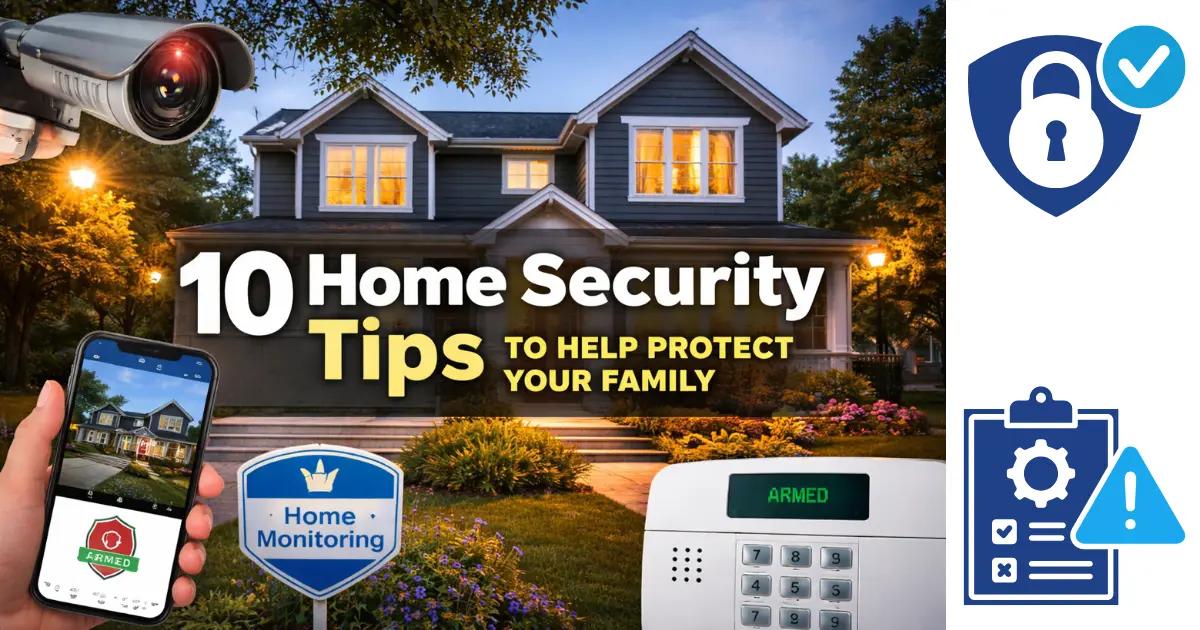
Protecting your family and home from potential threats is one of the most important responsibilities of any homeowner. With a burglary occurring approximately every 26 seconds in the United States, implementing effective home security tips isn’t just about safeguarding possessions—it’s about creating a safe environment where your loved ones can feel truly secure. Whether you’re a new homeowner, concerned parent, or simply looking to strengthen your defenses after hearing about a neighborhood incident, the right combination of technology, strategy, and awareness can dramatically reduce your vulnerability to break-ins and intrusions.
The good news is that you don’t need to invest thousands of dollars or turn your home into a fortress to significantly improve your family’s safety. Many of the most effective security measures are surprisingly affordable and can be implemented immediately. From simple behavioral changes to strategic technology investments, this comprehensive guide will walk you through proven methods to protect your family from burglars and create multiple layers of defense that deter criminals before they even consider targeting your property.
Why Home Security Matters: Statistics Every Homeowner Should Know
Understanding the reality of home burglaries helps put security measures into proper perspective. According to FBI crime statistics, there are over 1 million home burglaries reported annually in the United States, with the average loss per incident exceeding $2,600. More concerning than property loss is the fact that roughly 28% of burglaries occur while someone is home, which significantly increases the risk of violent confrontation or trauma, especially for children.
Research consistently shows that burglars spend an average of just 8-12 minutes inside a home, targeting master bedrooms, home offices, and areas where valuables are typically stored. They prefer homes that appear unoccupied, have easy access points, and offer concealment from neighbors’ view. The majority of break-ins occur during daylight hours between 10 AM and 3 PM when most people are at work or school, contradicting the common assumption that nighttime poses the greatest risk.
Perhaps most importantly, studies by security experts reveal that homes without security systems are up to 300% more likely to be targeted by burglars. Even the presence of visible security measures—such as cameras, alarm system signs, or motion-sensor lights—acts as a powerful deterrent. Professional burglars interviewed by law enforcement consistently report avoiding homes with obvious security features in favor of easier targets. This data underscores a crucial point: the best home security measures work by prevention rather than reaction.
1. Install a Modern Home Security System
A comprehensive home security system remains the cornerstone of effective home protection. Today’s systems have evolved far beyond simple door alarms, offering integrated solutions that combine intrusion detection, environmental monitoring, and smart home connectivity. Modern systems can detect not only unauthorized entry but also smoke, carbon monoxide, water leaks, and even unusual activity patterns through artificial intelligence.
When selecting a security system, consider whether you prefer professional monitoring or self-monitoring options. Professional monitoring services provide 24/7 surveillance with trained operators who can dispatch emergency services immediately when an alarm triggers. Self-monitored systems send alerts directly to your smartphone, giving you control but requiring you to take action yourself. Many homeowners find that hybrid systems offering both options provide the best balance of security and flexibility.
Installation has also become more accessible, with many systems now offering DIY setup that doesn’t require professional installation or long-term contracts. Wireless systems eliminate the need for drilling and complex wiring, making them ideal for renters or those who prefer not to make permanent modifications. Look for systems that include door and window sensors, motion detectors, a loud siren, and smartphone integration that allows you to arm, disarm, and monitor your system remotely.
The visible components of your security system serve double duty as deterrents. Yard signs and window decals advertising your alarm system warn potential intruders that your home is protected. Even if you choose a basic system initially, these visible markers significantly reduce your risk. As your budget allows, you can expand your system by adding sensors to additional entry points, integrating smart locks, or incorporating video verification features.
Key Features to Look for in Modern Security Systems
- Cellular backup that maintains connection even if internet or power is cut
- Mobile app with real-time alerts and remote control capabilities
- Integration with other smart home devices like lights and thermostats
- Battery backup to ensure continued operation during power outages
- Environmental sensors for smoke, carbon monoxide, and flooding
- Two-way audio communication through base station or doorbell cameras
2. Upgrade to Smart Door Locks and Deadbolts
Your doors represent the primary entry point for most burglars, making the best door locks for security a critical investment in home protection. Traditional locks can be picked, bumped, or forced open relatively easily by experienced criminals. Upgrading to high-security deadbolts with at least a one-inch throw bolt and reinforced strike plates dramatically increases resistance to forced entry attempts.
Smart locks have revolutionized home access control by eliminating the vulnerabilities associated with hidden keys and providing detailed logs of who enters and exits your home. These devices allow you to create temporary access codes for service providers, house sitters, or guests, which you can revoke remotely once they’re no longer needed. Many models send instant notifications when doors are unlocked, allowing you to verify that children arrived home safely from school or alert you to unexpected access attempts.
When upgrading door security, don’t overlook the importance of reinforcing the entire door frame. Even the strongest deadbolt becomes useless if a burglar can simply kick in the door frame. Install a door reinforcement kit that includes a heavy-duty strike plate with 3-inch screws that anchor into the wall studs, not just the door frame. Consider adding a door security bar or floor brace for sliding doors and a door viewer or video doorbell to verify visitors before opening.
For maximum security, implement a layered approach with both a deadbolt and a smart lock. The deadbolt provides physical security that can’t be hacked, while the smart lock offers convenience and monitoring capabilities. Ensure all exterior doors have solid cores (wood or metal-clad) rather than hollow cores, which can be easily breached. Don’t forget to secure the door between your garage and house with the same level of protection as exterior doors, as attached garages are common entry points.
3. Use Motion-Sensor Outdoor Lighting
Darkness provides cover for criminals, making outdoor security lighting one of the most cost-effective deterrents available. Motion-activated lights eliminate hiding spots and draw attention to anyone approaching your home, which burglars desperately want to avoid. Strategic placement of these lights around all entry points, walkways, and dark corners of your property creates an envelope of protection that activates automatically when movement is detected.
Modern LED motion sensors are highly energy-efficient, eliminating concerns about electricity costs while providing bright, white light that clearly illuminates faces and activities. Position lights high enough that they can’t be easily disabled but angled to cover the maximum area. The sudden activation of bright lights often startles potential intruders and alerts neighbors to unusual activity, creating exactly the attention criminals seek to avoid.
Consider installing dusk-to-dawn lights at key locations that provide constant low-level illumination throughout the night, supplemented by motion-activated floodlights that respond to movement. This combination ensures your property is never completely dark while conserving energy and extending bulb life. Solar-powered options have become increasingly reliable and eliminate wiring concerns, making them ideal for locations far from electrical outlets or for renters who can’t make permanent installations.
Don’t limit outdoor lighting to just the front of your home. Backyards, side gates, and alley access points need equal attention, as these areas often provide the privacy burglars prefer. Smart outdoor lighting systems can be programmed to activate on schedules, controlled remotely via smartphone, or integrated with your security system to respond to alarm triggers. Some advanced systems even simulate occupancy by turning lights on and off in patterns that mimic normal household activity.
Strategic Lighting Placement Guide
- Front door and porch area with bright, welcoming illumination
- Driveway and garage with motion-activated floodlights
- Backyard and patio areas, especially near sliding doors
- Side gates and pathways that provide access to rear of property
- Dark corners and areas concealed by landscaping or structures
- Basement windows and ground-level access points
4. Secure All Entry Points (Windows, Doors, Garage)
While most homeowners focus on front door security, burglars often exploit less obvious entry points. First-floor windows, basement access, and garage doors frequently receive inadequate attention despite being common breach points. A comprehensive approach to prevent home break-ins requires securing every possible entry point with appropriate hardware and monitoring.
Windows present unique challenges because they must balance security with emergency egress requirements. Install window locks on all accessible windows, including double-hung, sliding, and casement styles. For added security, consider window security film that holds glass together even when shattered, preventing easy access through broken panes. Dowels or security bars placed in the tracks of sliding windows prevent them from being forced open even if the lock is compromised.
Garage doors are often the weakest link in home security, particularly older models with simple mechanical locks or outdated automatic openers. Modern garage door openers use rolling codes that change with each use, preventing criminals from capturing and replaying the signal. Always keep your garage door closed, even when home, and consider installing a garage door monitor that alerts you if it’s been left open longer than a set time period. Disable the emergency release mechanism from outside access by using a zip tie or specialized lock.
Basement windows and doors deserve special attention because they’re often hidden from view and may have older, weaker locks. Install window well covers over basement windows to prevent access while still allowing emergency egress. Consider adding security bars or grilles to basement windows, ensuring they have quick-release mechanisms for emergency escape. Pet doors large enough for a person to squeeze through should be secured when not in use or upgraded to electronic models that only open for pets wearing the correct collar tag.
5. Install Security Cameras in Strategic Locations
Video surveillance has become remarkably affordable and accessible, with high-definition cameras now available at price points suitable for any budget. Security cameras serve multiple purposes: they deter criminals who see them, provide evidence if a crime occurs, and allow you to monitor your property remotely in real-time. The psychological impact of visible cameras cannot be overstated—burglars consistently report avoiding homes with obvious video surveillance.
Strategic camera placement maximizes coverage while minimizing blind spots. Position cameras to cover all entry points, including front door, back door, garage, and any ground-floor windows. Doorbell cameras have become particularly popular because they monitor package deliveries, allow you to communicate with visitors remotely, and provide a clear view of anyone approaching your front door. Additional cameras should cover driveways, side yards, and any areas where valuables are stored, such as sheds or outdoor equipment.
Modern security cameras offer features that were once available only to commercial properties. Look for cameras with night vision or infrared capabilities to ensure clear footage in darkness, motion detection that triggers recording and alerts, and weather-resistant construction for outdoor use. Cloud storage options provide backup of footage even if the camera is damaged or stolen, while local storage on SD cards or network video recorders offers privacy and eliminates subscription fees.
Smart integration allows your cameras to work in concert with other security devices. Some systems can trigger lights when cameras detect motion, send snapshots to your phone when someone approaches, or even use facial recognition to distinguish between family members and strangers. Two-way audio lets you speak to delivery drivers, warn off suspicious individuals, or check in with children arriving home from school. Remember to position cameras high enough to prevent tampering but angled to capture faces clearly rather than just the tops of heads.
Essential Camera Coverage Points
- Front entrance with doorbell camera or dedicated porch camera
- Driveway and street view to capture vehicles and license plates
- Backyard and rear entrance monitoring
- Garage interior and exterior access points
- Side yards and pathways between properties
- Areas where expensive equipment or vehicles are stored
6. Never Advertise That You're Away from Home
Burglars actively look for signs that a home is unoccupied, making it crucial to maintain the appearance of occupancy even when traveling. Social media has made this challenge more difficult, as criminals can monitor posts announcing vacations, business trips, or extended absences. One of the most important home security tips you never thought of involves managing your digital footprint and avoiding behaviors that signal an empty house.
Resist the temptation to post vacation photos in real-time. Wait until you return home to share your travel experiences, or adjust privacy settings to ensure only trusted friends can see your posts. Criminals have been known to monitor social media specifically to identify homes that will be unoccupied. Similarly, avoid leaving voicemail messages that indicate you’re away or posting “out of office” messages on public-facing platforms that reveal your absence.
Physical indicators of absence are equally important to manage. Accumulated mail, newspapers piling up on the driveway, and packages sitting on the porch all signal that nobody’s home. Arrange for mail holds through the post office or have a trusted neighbor collect deliveries daily. Pause newspaper and regular deliveries, or have someone remove them promptly. Consider having a neighbor park in your driveway occasionally to create the appearance of activity.
Maintain your property’s appearance even when away. Arrange for lawn care to continue on schedule, as overgrown grass clearly indicates absence. In winter, ensure snow removal continues so pathways don’t show undisturbed snow for days. Use timers or smart home technology to control interior lights, creating patterns that mimic normal occupancy. Vary the timing so lights don’t turn on and off at exactly the same time each day, which can appear automated and suspicious to observant criminals.
7. Reinforce Sliding Glass Doors and Basement Windows
Sliding glass doors and basement windows represent particularly vulnerable entry points that require specialized security measures. Standard locks on sliding doors are often inadequate, as the doors can be lifted off their tracks or the locks can be jimmied with simple tools. Basement windows are frequently overlooked in security planning despite being common entry points due to their concealment and typically weaker construction.
For sliding glass doors, install a security bar or dowel in the track to prevent the door from opening even if the lock is defeated. These simple devices are highly effective and cost just a few dollars. Upgrade to a more robust lock system designed specifically for sliding doors, such as a foot-operated lock or a pin lock that prevents the door from being lifted off its track. Consider applying security film to the glass, which holds it together even when shattered and makes forced entry significantly more difficult and time-consuming.
Basement windows require a multi-layered approach to security. Install window well covers that prevent access while still allowing emergency egress and natural light. These covers should be sturdy enough to support weight and prevent someone from simply removing them. Add window locks or pins that prevent windows from opening, and consider installing security bars with quick-release mechanisms that allow escape during emergencies but prevent entry from outside.
Glass break sensors add another layer of protection by detecting the specific frequency of breaking glass and triggering your alarm system. These sensors can monitor multiple windows from a single location and provide coverage even if an intruder bypasses locks by simply breaking the glass. For maximum security in high-risk areas, consider replacing standard glass with laminated or tempered security glass that resists breaking and provides significantly more time for alarm response.
8. Get to Know Your Neighbors (Community Watch)
One of the most effective yet often overlooked home security tips involves building strong relationships with neighbors and participating in community watch programs. Neighbors who know each other and watch out for suspicious activity create an informal security network that criminals find difficult to penetrate. A vigilant community where residents notice and report unusual behavior dramatically reduces crime rates and increases the likelihood of catching criminals in the act.
Introduce yourself to neighbors on both sides of your home and across the street. Exchange contact information and discuss mutual security concerns. Establish a system where you watch each other’s homes during vacations, collect mail and packages, and alert each other to suspicious activity. Neighbors who know your vehicles, typical schedule, and family members can quickly identify when something seems wrong and take appropriate action.
Formal neighborhood watch programs provide structure and resources for community security efforts. These programs typically involve regular meetings, communication networks, and coordination with local law enforcement. Police departments often provide free training on recognizing suspicious behavior, proper reporting procedures, and crime prevention strategies. Even informal arrangements where neighbors maintain a group chat or email list for security updates can significantly improve overall neighborhood safety.
Community engagement extends beyond just security concerns. Neighbors who interact regularly, attend community events, and maintain friendly relationships naturally create an environment where strangers stand out. This social cohesion makes it difficult for criminals to conduct surveillance or approach homes without being noticed. Simple actions like waving to neighbors, participating in community activities, and maintaining your property contribute to an overall atmosphere that discourages criminal activity.
Building Effective Neighborhood Watch Networks
- Create a contact list with phone numbers and email addresses of nearby neighbors
- Establish a group messaging system for quick alerts about suspicious activity
- Schedule regular informal meetings to discuss security concerns and share information
- Coordinate with local police to understand crime trends and prevention strategies
- Share security camera footage when incidents occur to help identify suspects
- Welcome new neighbors and integrate them into the security network
9. Trim Landscaping to Eliminate Hiding Spots
Overgrown landscaping provides perfect concealment for burglars attempting to access windows, doors, or simply observe your home to plan a break-in. Strategic landscaping maintenance eliminates these hiding spots while still maintaining attractive curb appeal. Professional burglars interviewed by law enforcement consistently mention avoiding homes with clear sight lines and well-maintained yards that offer no cover for their activities.
Maintain bushes and shrubs near windows and doors at a maximum height of three feet. This allows natural light and visibility while preventing someone from crouching behind vegetation to work on locks or windows unobserved. Trees near the house should have branches trimmed up to at least six to eight feet from the ground, eliminating the possibility of using them to access second-story windows or roofs. Remove dense vegetation near entry points entirely if possible, replacing it with low-growing plants or decorative rocks.
Consider using thorny or prickly plants as natural security barriers beneath windows and along property boundaries. Plants like roses, barberry, holly, or bougainvillea create uncomfortable obstacles that deter attempts to approach windows or hide near the house. These defensive plantings serve double duty by enhancing landscaping aesthetics while providing a painful deterrent to would-be intruders. Position them strategically where they won’t interfere with emergency egress but will discourage unauthorized access.
Regular maintenance is crucial for maintaining security through landscaping. Overgrown yards signal neglect and possible absence, making homes more attractive targets. Schedule routine trimming and pruning, especially before vacations or extended absences. Remove dead trees or large branches that could provide access to upper floors or damage your home during storms. Keep lawn equipment, ladders, and tools secured in locked sheds or garages rather than leaving them accessible, as these items can be used to facilitate break-ins.
10. Create the Illusion Someone's Always Home
The appearance of occupancy serves as one of the most powerful deterrents to burglary. Criminals specifically target homes that appear empty because the risk of confrontation drops to nearly zero. Creating convincing signs of activity requires attention to multiple details that together paint a picture of an occupied, alert household. These techniques become especially important during vacations or when homes are regularly empty during work hours.
Smart home technology has revolutionized occupancy simulation. Program lights to turn on and off in different rooms throughout the evening, mimicking normal household patterns. Vary the timing slightly each day to avoid appearing automated. Smart plugs can control lamps, televisions, and radios, creating sounds and light that suggest people are home. Some advanced systems can even open and close smart blinds on schedules or respond to triggers like sunset to maintain realistic patterns.
During extended absences, maintain all regular services and activities. Arrange for lawn care to continue on schedule, have someone park in your driveway periodically, and ensure garbage cans are placed at the curb on collection days and returned promptly. These details matter because observant criminals watch for patterns that indicate absence. A car that never moves, grass that grows unchecked, or trash cans that remain at the curb all signal that nobody’s home.
Consider leaving a car parked in the driveway if you have multiple vehicles, or arrange for a neighbor to park there occasionally. The presence of a vehicle suggests someone is home, even if you’re actually away. Keep window coverings in their normal positions rather than closing all blinds and curtains, which can signal absence. Leave a radio or television on a timer to create noise that can be heard from outside, particularly in rooms visible from the street or neighboring properties.
Occupancy Simulation Checklist
- Program interior lights on varied timers in multiple rooms
- Use smart plugs to control TV, radio, or music for audio presence
- Maintain regular lawn care and snow removal schedules
- Have mail and packages collected daily by trusted neighbors
- Keep a vehicle visible in driveway or arrange periodic parking
- Maintain normal garbage collection routines
- Leave window coverings in typical positions
- Pause social media posts until after returning home
Bonus Tips: What Professional Burglars Say to Avoid
Law enforcement interviews with convicted burglars provide invaluable insights into what actually deters criminals and what makes homes attractive targets. These professionals look for specific vulnerabilities and opportunities that homeowners often overlook. Understanding their perspective helps you protect your family from burglars by addressing the exact factors they consider when selecting targets.
Burglars consistently report avoiding homes with large dogs, particularly breeds known for protective instincts. Even “Beware of Dog” signs serve as deterrents, though actual dogs are far more effective. The noise and unpredictability of dogs make break-ins significantly riskier and more complicated. If you don’t have a dog, consider the sign anyway, or play recordings of barking dogs triggered by motion sensors near entry points.
Visible security measures rank among the top deterrents mentioned by criminals. Alarm system signs, security cameras, and window decals advertising monitoring services cause most burglars to move on to easier targets. They report that even fake cameras can be effective deterrents if they appear legitimate, though real cameras obviously provide actual security benefits. The key is making security measures obvious rather than hidden—you want criminals to know your home is protected before they attempt entry.
Criminals also mention avoiding homes where they can’t easily determine if someone is present. Unpredictable schedules, cars in driveways at varying times, and signs of activity make it difficult to identify safe windows for break-ins. They prefer homes with obvious patterns—leaving at 8 AM, returning at 6 PM—that allow them to plan entries with minimal risk. Breaking these patterns or making them less predictable significantly reduces your vulnerability.
Perhaps surprisingly, burglars report that they rarely spend time picking locks or defeating sophisticated security hardware. Instead, they look for unlocked doors and windows, easy access through pet doors or poorly secured garage doors, and opportunities to simply break glass and reach through to unlock doors. This underscores the importance of basic security habits like locking all doors and windows, even when home or stepping out briefly.
Top Burglar Deterrents According to Criminals
| Deterrent | Effectiveness Rating | Why It Works |
|---|---|---|
| Large dogs | Very High | Unpredictable, noisy, and potentially dangerous |
| Visible security cameras | Very High | Creates evidence and suggests monitored property |
| Alarm system signs | High | Indicates quick police response and monitored entry |
| Neighbors at home | High | Witnesses who can call police or identify suspects |
| Motion-sensor lights | High | Eliminates cover of darkness and draws attention |
| Reinforced doors/locks | Medium-High | Increases time and noise required for entry |
| Well-maintained property | Medium | Suggests attentive owners and occupied home |
Home Security Checklist: Your Action Plan
Implementing comprehensive home security can feel overwhelming, but breaking it down into actionable steps makes the process manageable. This checklist provides a prioritized approach to protect your home, starting with immediate, low-cost actions and progressing to longer-term investments. Not every home requires every measure, so assess your specific situation, neighborhood crime rates, and budget to determine which steps provide the best return on investment for your circumstances.
Immediate Actions (Do Today): Walk around your property and identify all potential entry points, including doors, windows, garage, and basement access. Test all locks to ensure they function properly and actually engage when locked. Check that all doors and windows close completely and latch securely. Remove any hidden keys from obvious locations like under doormats, in planters, or above door frames—burglars know all the common hiding spots. Trim any overgrown vegetation near windows and doors that could provide concealment.
This Week: Install or upgrade deadbolts on all exterior doors, ensuring they have at least a one-inch throw and are properly installed into solid door frames. Add security bars or dowels to sliding doors and windows. Purchase and install motion-sensor lights for front door, back door, and any dark areas around your property. Create an inventory of valuable items with photos and serial numbers, storing this information securely off-site or in cloud storage. Introduce yourself to neighbors you don’t know and exchange contact information.
This Month: Research and select a home security system that fits your budget and needs, whether professionally monitored or self-monitored. Install security cameras at key locations, starting with front door and any particularly vulnerable areas. Upgrade to smart locks or reinforce existing locks with strike plate reinforcements. Schedule a security audit with your local police department if they offer this service—many do for free. Review your homeowner’s insurance policy to ensure adequate coverage and understand any security-related discounts available.
Ongoing Maintenance: Test your security system monthly to ensure all components function properly. Replace batteries in sensors, cameras, and smart locks on recommended schedules. Update security camera firmware and passwords regularly to prevent hacking vulnerabilities. Maintain landscaping to eliminate hiding spots and keep sight lines clear. Periodically reassess your security needs as circumstances change, technology improves, or neighborhood crime patterns shift. Stay informed about local crime trends through police reports or neighborhood apps.
Remember that effective home security relies on layers of protection rather than any single measure. The goal is to make your home a harder target than your neighbors’ homes, causing criminals to move on to easier opportunities. Combining physical security measures, technology, good habits, and community awareness creates a comprehensive defense that protects your family and provides genuine peace of mind.
By implementing these home security tips to help protect your family, you’re not just securing property—you’re creating a safe environment where your loved ones can thrive without fear. Start with the basics, build on them over time, and maintain vigilance about both physical security and behavioral patterns that might signal vulnerability. The investment of time and resources in home security pays dividends in safety, reduced insurance costs, and the invaluable peace of mind that comes from knowing you’ve done everything possible to protect what matters most.
Frequently Asked Questions
What are the most effective home security tips?
The most effective home security tips include installing a monitored alarm system, using smart locks and video doorbells, ensuring all entry points have quality deadbolts, keeping your property well-lit with motion-sensor lights, and maintaining the appearance that someone is always home. Additionally, securing sliding doors with bars or dowels, trimming bushes near windows and doors, and building relationships with neighbors who can watch your property are proven strategies. These layered approaches create multiple barriers that significantly reduce your home’s vulnerability to break-ins.
What do burglars hate the most?
Burglars hate noise, light, and time—anything that increases their risk of being caught. Barking dogs are one of the biggest deterrents, along with visible security cameras, motion-activated lights, and alarm system signs. They also avoid homes where neighbors are clearly watching and properties that require more than a few minutes to breach. Most burglars prefer quick, quiet entries and will skip homes with multiple security layers in favor of easier targets.
Where do most burglars enter the home?
Most burglars enter through the front door, which accounts for approximately 34% of break-ins, followed by first-floor windows at about 23%. Back doors are the third most common entry point, while sliding glass doors and garage doors also present vulnerabilities. Surprisingly, many burglars simply walk through unlocked doors and windows, which is why implementing basic home security tips like always locking entry points is crucial even when you’re home.
What is the biggest deterrent to burglars?
The biggest deterrent to burglars is the presence of a security system, particularly visible cameras and alarm systems. Studies show that 60% of burglars will choose a different target if they see security equipment. The second-biggest deterrent is people being home or the appearance of occupancy, followed closely by dogs and well-lit properties. Combining multiple deterrents creates the strongest protection for your home.
How can home security be improved on a budget?
Home security can be significantly improved without major expenses by using timers on lights to simulate occupancy, installing affordable motion-sensor lights, reinforcing door frames with strike plates, and using dowels in sliding door tracks. Adding security system decals and yard signs (even without a full system), trimming landscaping to eliminate hiding spots, and organizing a neighborhood watch are all low-cost or free home security tips. Smart doorbell cameras have also become very affordable and provide excellent value for monitoring your front entrance.
Where do burglars look first when inside a home?
Burglars typically head straight to the master bedroom first, where they search dresser drawers, nightstands, and closets for jewelry, cash, and small valuables. They then move to home offices looking for electronics, important documents, and safes. Most burglars spend less than 10 minutes inside a home, so they focus on areas where valuables are commonly stored rather than conducting thorough searches throughout the entire house.
What are the 4 D's of residential security?
The 4 D’s of residential security are Deter, Detect, Delay, and Deny. Deter means discouraging criminals through visible security measures like cameras and signs; Detect involves identifying intrusion attempts through alarms and sensors; Delay refers to slowing down intruders with quality locks and reinforced entry points; and Deny means preventing access entirely through physical barriers. Applying these home security tips in layers creates a comprehensive defense strategy that protects your property from multiple angles.
Should you leave lights on when away from home?
Yes, but strategically—leaving lights on timers that mimic your normal routine is more effective than leaving the same lights on 24/7, which can signal an empty home. Use timers to turn lights on and off in different rooms at realistic times, and consider smart bulbs that can be controlled remotely. Combining interior lighting with exterior motion-sensor lights creates the impression of occupancy while also illuminating potential intruders, making this one of the simplest yet most effective home security tips.
Are security cameras worth it for home protection?
Security cameras are absolutely worth it and rank among the top home security tips for both deterrence and evidence collection. Visible cameras can prevent up to 67% of burglaries before they occur, and recorded footage helps police solve crimes and supports insurance claims. Modern systems offer affordable options with smartphone alerts, two-way audio, and cloud storage. Even budget-friendly doorbell cameras provide significant value by monitoring your most vulnerable entry point.
What are the essential safety rules for protecting your home?
The essential safety rules include always locking doors and windows (even when home), never advertising vacations or expensive purchases on social media, keeping valuables out of sight from windows, maintaining good relationships with neighbors for mutual watching, and having a family emergency plan. Additionally, never hiding spare keys in obvious outdoor locations, regularly testing your security equipment, and teaching children not to open doors to strangers are fundamental practices. These basic home security tips form the foundation of a safe household and should become automatic habits for every family member.
You May Also Like
Why Proper Electrical Grounding Matters for Home Safety
Roofers Newcastle: What Homeowners Should Know Before Hiring
Is My House Good for Solar Panels? Complete 2026 Guide