Air-to-Air Heat Pumps (2026): Cost, Efficiency, Pros & Cons

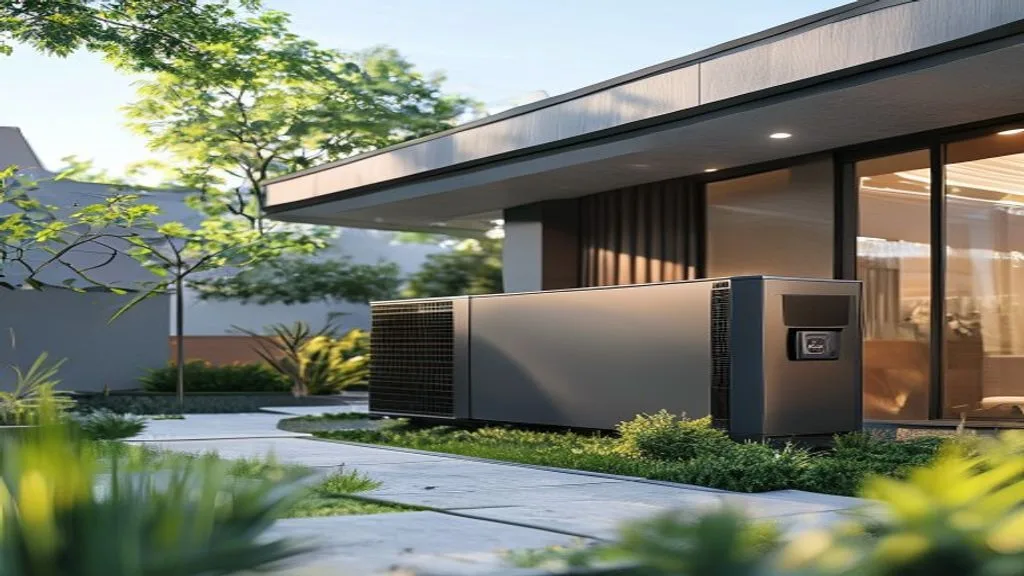
An air-to-air heat pump heats and cools your home from a single system, and it does it far more efficiently than any furnace — because it moves heat rather than burning fuel to create it. That’s why heat pumps have become the centrepiece of home electrification. But the details matter: efficiency ratings are confusing, cold-climate performance is widely misunderstood, and the federal tax credit that made them cheap just disappeared. This 2026 guide covers how air-to-air heat pumps work, what they really cost to buy and run, how they perform when it gets genuinely cold (including what field research shows), and whether one makes sense for your home.
Quick answer
What Is an Air-to-Air Heat Pump?
An air-to-air (or “air-source”) heat pump is essentially an air conditioner that can run in both directions. Using a refrigerant cycle, it extracts heat from the outdoor air — even cold air contains usable heat — and moves it inside in winter. In summer it reverses, pulling heat out of your home. Because it’s transporting heat rather than generating it, it can deliver three to four units of heat for every unit of electricity it consumes.
Ducted vs ductless (mini-split)
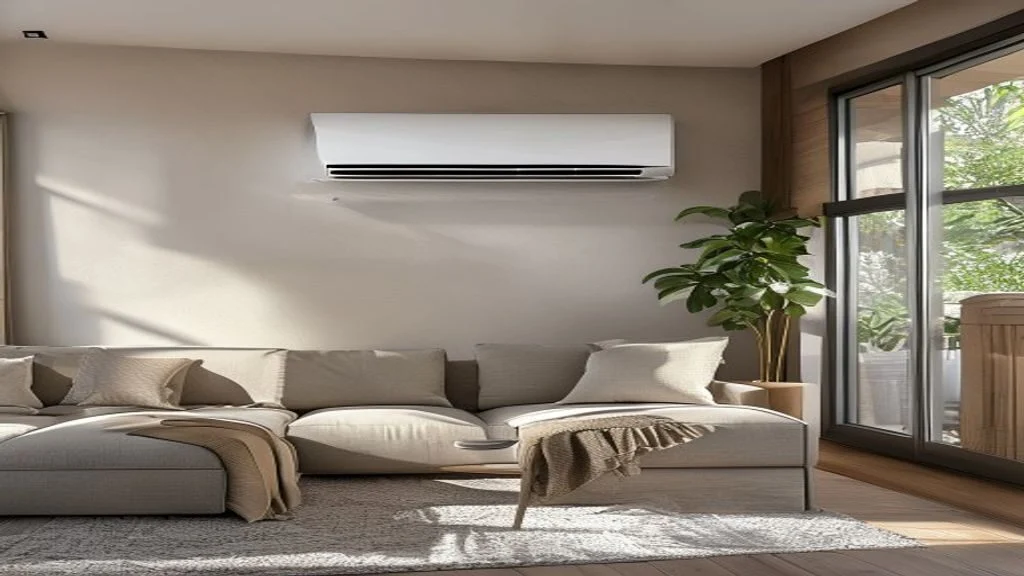
Ducted systems use your existing ductwork to heat and cool the whole house — the natural swap for a furnace-plus-AC setup. Ductless mini-splits mount indoor units on the wall in each zone, ideal for homes without ducts, additions, or room-by-room control. Multi-zone mini-splits can cover a whole house with several indoor heads.
Efficiency Explained: SEER2, HSPF2 and COP
Three ratings matter, and they measure different things:
| Rating | Measures | What’s good | Federal minimum (split) |
|---|---|---|---|
| SEER2 | Cooling efficiency over the season | 17+ is high efficiency (up to ~22) | 14.3 |
| HSPF2 | Heating efficiency over the season | 9+ is high efficiency (top ~10.5) | 7.5 |
| COP | Instant heating efficiency at a given temperature | 3.5 at 47°F; 4.5+ on top models | — |
The headline number: because it moves heat, a heat pump runs at 300–500% efficiency (a COP of 3–5), while even the best condensing gas furnace tops out around 98%, and electric resistance heat is 100%. That gap is the entire economic case for heat pumps.
Cold-Climate Performance: The Honest Picture
This is where most guides oversimplify. A heat pump’s efficiency falls as the outdoor temperature drops: a unit with a COP of 3.5 at 47°F might manage only about 1.8 at 17°F. Standard models start losing meaningful capacity below 25–30°F.
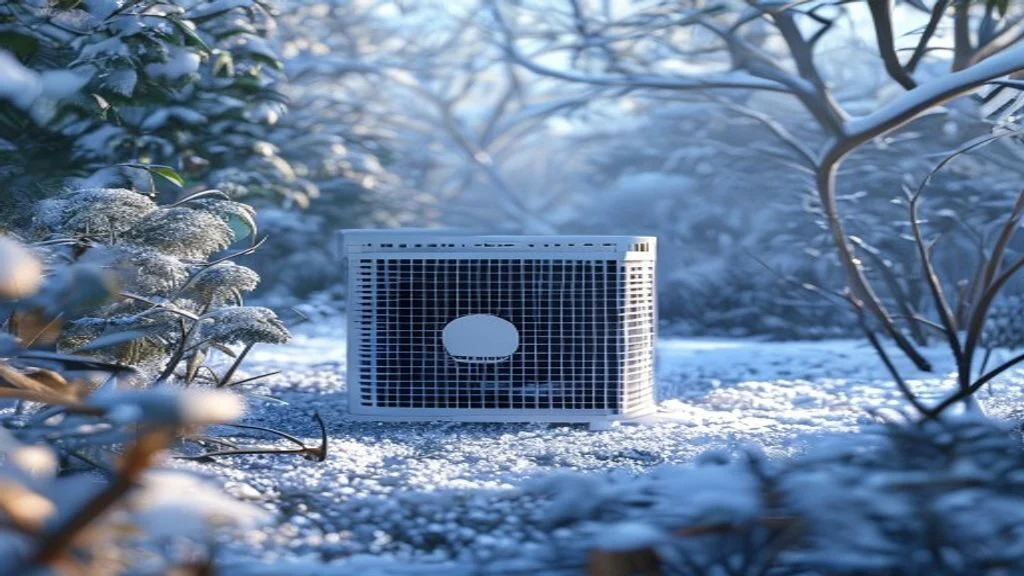
Modern cold-climate heat pumps (ccASHPs) changed this. Using inverter-driven, variable-speed compressors, NEEP-certified units keep working down to -15°F and below, with some rated to -22°F, and field research from NREL has validated their real-world performance in cold regions (Winkler et al., 2023).
What the research says about real-world efficiency
How Much Does an Air-to-Air Heat Pump Cost?
| System | Typical installed cost |
|---|---|
| Standard air-source heat pump | $4,000–$8,000 |
| Cold-climate heat pump | $6,000–$12,000 |
| Full 2.5–3 ton replacement (existing home) | $9,400–$16,750 |
| Ductless mini-split (per zone) | $3,000–$5,000 |
| Gas furnace (for comparison) | $3,000–$7,000 (+ $3,000–$5,000 for AC) |
The sticker price looks higher than a furnace — but remember a heat pump replaces both your furnace and your air conditioner. Once you add the $3,000–$5,000 an AC would cost, the comparison narrows sharply or flips.
Running Costs: Heat Pump vs Gas Furnace
Whether a heat pump is cheaper to run depends almost entirely on your local electricity-to-gas price ratio. The rule of thumb:
| Electricity : gas price ratio | Result |
|---|---|
| Below ~3.5 : 1 | Heat pump almost always cheaper to run |
| ~3.5 to 5 : 1 | Close — depends on climate and efficiency |
| Above ~5 : 1 | Gas furnace may be cheaper in the coldest months |
In practice, mild climates see savings of roughly $200–$300 a year versus a furnace-plus-AC combination, and a well-insulated 1,800 sq ft home in a cold climate switching from gas can save around $650 a year. Cold-climate heat pumps typically break even against gas within 7–10 years before rebates — far sooner with them.
Insulate first
Air-to-Air vs Air-to-Water vs Ground Source
| Type | How it delivers heat | Best for | Relative cost |
|---|---|---|---|
| Air-to-air | Warm/cool air via ducts or wall units | Homes with ducts or needing AC too | $ — lowest |
| Air-to-water | Hot water to radiators/underfloor + DHW | Hydronic (radiator) heating systems | $$ |
| Ground source (geothermal) | Ground loop → water/air | Highest efficiency, long-term homes | $$$ — highest |
Air-to-air is the cheapest and simplest, and the only one that also gives you air conditioning directly. Air-to-water suits homes with radiators or underfloor heating. Ground source is the most efficient and most stable in extreme cold, but installation costs far more.
Pros and Cons
2026 Rebates & Incentives: What Changed
The federal heat pump tax credit is gone — but rebates remain
Sizing, Installation & Maintenance
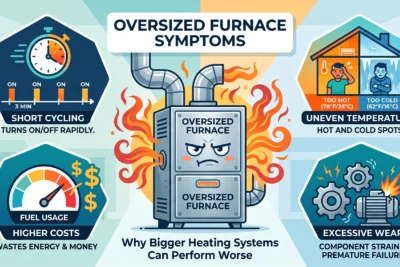
The research is unambiguous: sizing and installation quality make or break real-world efficiency. An oversized unit short-cycles and underperforms its rating. Insist on a proper Manual J load calculation rather than a rule-of-thumb sizing, and for cold climates choose a NEEP-listed cold-climate model with published low-temperature capacity data.
- Maintenance is light: change or clean filters every 1–3 months, keep the outdoor unit clear of leaves, snow and debris, and book an annual professional check.
- Lifespan: typically 15–20 years, similar to a furnace and AC combined.
- Backup heat: in very cold regions, plan for auxiliary electric or a dual-fuel setup with your existing furnace.
Is an Air-to-Air Heat Pump Right for You?
| Your situation | Verdict |
|---|---|
| Mild or moderate climate | Excellent — strong savings, easy win |
| You need to replace both furnace and AC | Excellent — one system does both |
| Cold climate (below 0°F often) | Good with a cold-climate model + backup heat |
| Very cheap gas, expensive electricity | Run the numbers — may not save money |
| No ductwork | Great fit for a ductless mini-split |
| Poorly insulated home | Insulate first, then size the heat pump |
If you’re electrifying more broadly, it also pairs naturally with rooftop solar — see whether panels pay off in Is Solar Worth It in 2026?
Frequently Asked Questions
The Bottom Line
An air-to-air heat pump is the most efficient way to heat a typical home — three to four times more efficient than any furnace — and it handles your cooling too. For most homes in mild and moderate climates it’s a straightforward win: lower running costs, one system instead of two, and far fewer emissions.
The nuances are what matter. Efficiency falls as temperatures drop, so cold regions need a genuine cold-climate model and often some backup heat. Savings hinge on your local electricity-to-gas price ratio. And field research is clear that sizing and installation quality determine whether you actually get the efficiency on the label. Insulate first, insist on a proper load calculation, and check your state and utility rebates now that the federal credit has ended.
Heat pump buyer checklist
You May Also Like

Do Smart Thermostats Really Save Money? (Honest Answer)

Spray Foam Insulation: Cost, Pros, Cons & Alternatives (2026)
Lithium vs Lead-Acid Solar Batteries: Which Is Best? (2026)