Mid Taper Fade Guide: Styles, Tips & How to Get One

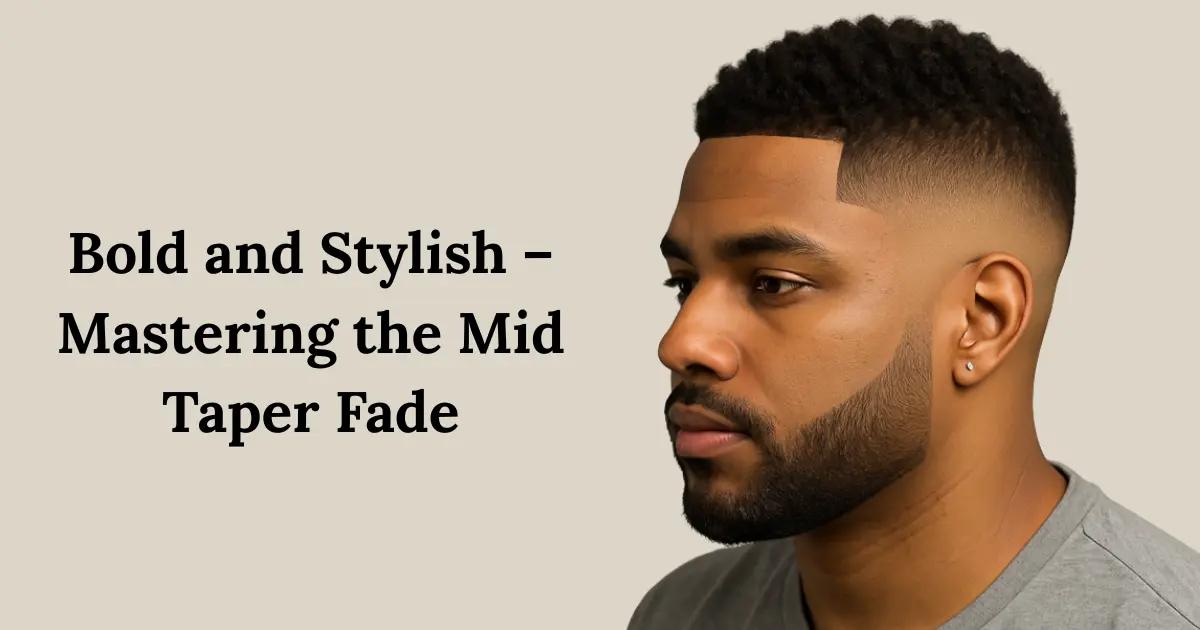
The mid taper fade has emerged as one of the most versatile and sought-after haircuts in modern men’s grooming, offering the perfect balance between subtle sophistication and bold style. This haircut technique creates a gradual transition from longer hair on top to shorter hair on the sides and back, with the fade beginning around the middle of the head—roughly at temple level. Whether you’re sporting curly hair, straight locks, or textured waves, the mid taper fade adapts beautifully to different hair types and personal styles, making it a go-to choice for men seeking a clean, polished look that works equally well in professional settings and casual environments. Understanding what makes this particular fade so special and how to customize it for your unique features can transform your entire appearance and boost your confidence.
What Is a Mid Taper Fade? (Definition and Key Characteristics)
A mid taper fade is a haircut technique where the hair gradually decreases in length from the top of the head down to the skin, with the transition point—or fade line—starting approximately halfway up the sides of the head. The term “taper” refers to the gradual reduction in hair length, while “fade” describes how seamlessly the hair blends from one length to another, eventually fading to the skin or a very short length near the ears and neckline.
What distinguishes the mid taper fade from other fade variations is its strategic placement. The fade begins around the temples and the middle portion of the head, creating a balanced look that isn’t too dramatic like a high fade, nor too conservative like a low fade. This positioning makes the mid fade exceptionally versatile, complementing various face shapes and hair textures while maintaining a contemporary edge.
The key characteristics of a properly executed mid taper fade include a smooth, gradual transition with no harsh lines or visible demarcation between different hair lengths. Professional barbers typically use multiple clipper guard sizes—often starting with a #3 or #4 guard at the top of the fade and working down to a #1, #0.5, or even skin-level at the bottom. The blending technique requires skill and precision, as the barber must create a seamless gradient that looks natural from every angle.
Another defining feature of the mid taper fade is its adaptability to different top styles. Whether you prefer a textured crop, slicked-back look, pompadour, quiff, or natural curls on top, the mid fade provides a clean foundation that enhances rather than overwhelms your chosen style. This flexibility has contributed significantly to the haircut’s widespread popularity across different age groups, professions, and cultural backgrounds.
Mid Taper Fade vs Low Taper vs High Taper: Understanding the Differences
Understanding the distinctions between a mid taper fade, low taper fade, and high taper fade is essential for choosing the right style and communicating effectively with your barber. While all three techniques involve gradually tapering the hair length, the placement of where the fade begins dramatically affects the overall aesthetic and suitability for different individuals.
The low taper fade begins its transition just above the ears and around the lower portion of the head, typically starting about an inch above the ear line. This conservative approach creates a subtle, professional appearance that works exceptionally well in corporate environments or for individuals who prefer understated styling. The low fade maintains more hair on the sides, making it ideal for those with rounder face shapes who want to add length and avoid emphasizing width. For men with textured or curly hair, the low taper fade curly hair variation provides excellent control while showcasing natural texture.
In contrast, the high taper fade starts its transition much higher on the head, often beginning at or above the temple area and creating a more dramatic, eye-catching effect. This bold style exposes more of the scalp and creates a striking contrast between the longer hair on top and the closely cropped sides. The high taper fade works particularly well for individuals with oval or longer face shapes, as it adds width and balance to the overall appearance. Styles like the high taper fade curly hair and high taper fade afro have become increasingly popular, especially among younger demographics seeking a fashion-forward look.
The mid taper fade occupies the sweet spot between these two extremes. Starting around the middle of the head—roughly at temple level—it offers versatility that appeals to a broad audience. This positioning provides enough contrast to create visual interest without being overly aggressive, making it suitable for both professional and casual settings. The mid fade strikes an ideal balance for most face shapes and can be customized through variations like the mid taper fade blowout or mid taper fade afro to suit individual preferences.
When deciding which is better—mid or low taper—the answer depends entirely on your personal style goals, face shape, and lifestyle requirements. The low fade offers timeless sophistication and requires less frequent maintenance, while the mid fade provides more contemporary styling options and works well with trending haircut variations. The mid taper fade generally offers the most versatility, allowing you to experiment with different top styles while maintaining a clean, modern silhouette.
Who Should Get a Mid Taper Fade? (Best Face Shapes and Hair Types)
The beauty of the mid taper fade lies in its universal appeal, but understanding how it complements different face shapes and hair types can help you determine if it’s the right choice for you. This versatile haircut adapts remarkably well to various features, though certain customizations can optimize the results for your specific characteristics.
For individuals with oval face shapes, the mid taper fade is virtually foolproof. The balanced proportions of an oval face work harmoniously with the mid-level fade placement, creating a cohesive look that enhances natural symmetry. You can experiment freely with different top styles—from textured crops to longer, swept-back looks—without worrying about throwing off your facial balance.
Men with round face shapes benefit significantly from the mid taper fade when paired with added height on top. The vertical emphasis created by styles like pompadours, quiffs, or textured volume helps elongate the appearance of the face, counterbalancing roundness. Avoid styles that add width at the temples; instead, focus on creating lift and structure at the crown. The mid taper fade black male variations often incorporate this principle beautifully, combining the fade with high-top styles or natural texture that adds vertical dimension.
For square face shapes characterized by strong jawlines and angular features, the mid taper fade softens harsh angles while maintaining masculine definition. The gradual transition of the fade creates a gentler contour around the temples and sides, complementing rather than competing with your natural bone structure. Styles that incorporate some texture or movement on top—rather than severely slicked-back looks—tend to work best for square faces.
Individuals with oblong or rectangular face shapes should approach the mid taper fade strategically. Since these face shapes already possess length, adding too much height on top can exaggerate proportions. Instead, opt for mid taper fade styles with moderate volume on top and consider adding width through textured styling or slight fullness at the sides of the top section. The modern low taper fade might also be worth considering if you want to maintain more hair on the sides.
Regarding hair types, the mid taper fade demonstrates remarkable adaptability. For straight hair, the mid taper fade straight hair variation creates clean lines and sharp definition, working beautifully with slicked-back styles, side parts, or textured crops. The blowout taper straight hair technique adds volume and movement for those seeking a more dynamic look.
Men with wavy hair find the mid fade particularly flattering, as it controls bulk on the sides while allowing natural texture to shine on top. The mid fade curly hair approach works similarly for those with tighter curl patterns, providing structure and definition while celebrating natural texture. Styles like the mid taper fade curly hair black variation have become iconic, showcasing how the fade enhances rather than fights against natural curl patterns.
For coily and kinky hair textures, the mid taper fade offers exceptional styling possibilities. The afro taper fade, mid taper fade afro, and taper fade afro with twist variations demonstrate how this technique can be adapted to showcase natural texture while maintaining clean, defined edges. The mid taper fade black variations have become cultural staples, with barbers specializing in techniques that work specifically with coily hair textures to create smooth, seamless fades.
Popular Mid Taper Fade Styles and Variations
The mid taper fade serves as a versatile foundation for countless style variations, each offering a distinct aesthetic that can be tailored to personal preferences, lifestyle requirements, and hair characteristics. Understanding these popular variations helps you identify the specific look you want to achieve and communicate it effectively to your barber.
The mid taper fade with textured crop has become one of the most requested styles in modern barbershops. This variation features a mid fade on the sides and back, paired with short to medium-length hair on top that’s cut with texture and movement. The textured fringe can be styled forward, to the side, or with a messy, tousled finish. The blowout taper textured fringe takes this concept further by adding volume and lift through blow-drying techniques, creating a fuller, more dynamic appearance.
For those seeking maximum impact, the mid taper fade blowout delivers dramatic volume and height. This style involves blow-drying the hair on top upward and outward, creating significant lift that contrasts beautifully with the clean, tapered sides. The blowout taper fade works particularly well with naturally thick or wavy hair, though it can be achieved with various textures using the right products and techniques. This bold variation has gained tremendous popularity, especially among younger demographics seeking statement-making styles.
The mid taper fade with pompadour offers classic sophistication with contemporary edge. This timeless combination features the hair on top swept back and up, creating volume and height at the front that gradually slopes downward toward the crown. The mid fade provides the perfect contrast to the pompadour’s volume, keeping the overall look balanced rather than overwhelming. This style works exceptionally well in professional settings while maintaining enough personality for social occasions.
Natural texture enthusiasts gravitate toward the mid taper fade curly variations, which celebrate rather than suppress natural curl patterns. The mid taper fade curly hair black styles have become particularly influential, showcasing how the clean lines of the fade enhance the beauty of natural curls on top. Whether you prefer tight ringlets, loose waves, or anything in between, the mid fade provides structure while allowing your natural texture to be the star of the show.
The high taper afro and mid taper fade afro represent powerful style statements that honor natural hair texture while incorporating modern barbering techniques. These variations maintain significant volume and shape on top—whether in a rounded afro silhouette or a more angular high-top style—while the mid taper fade creates clean, defined edges. The result is a look that’s both culturally significant and undeniably stylish.
For those who prefer understated elegance, the mid taper fade low cut keeps everything relatively short and close to the head. This minimalist approach maintains the gradual transition of the mid fade while keeping the top section short enough for easy maintenance. It’s an excellent choice for active lifestyles, hot climates, or professional environments requiring conservative grooming standards.
The mid taper fade with side part brings classic barbering into the modern era. A clean, defined part line adds structure and sophistication, while the mid fade keeps the look contemporary. This versatile style transitions seamlessly from boardroom to bar, making it ideal for professionals who want polished versatility.
Wave enthusiasts often choose the mid taper fade black male waves variation, which showcases carefully cultivated wave patterns on top while maintaining crisp, clean fades on the sides. This style requires dedicated maintenance and specific brushing techniques but delivers a distinctive, polished appearance that’s become iconic in contemporary grooming culture.
The mid taper fade with beard creates a cohesive, well-groomed aesthetic by extending the tapering principle to facial hair. When executed properly, the fade on the sides of the head flows seamlessly into a tapered beard, creating continuous, harmonious lines that frame the face beautifully. This integrated approach to grooming demonstrates attention to detail and style consciousness.
How to Ask Your Barber for a Mid Taper Fade (Communication Tips)
Effective communication with your barber is crucial for achieving the perfect mid taper fade. Even the most skilled barber cannot read your mind, so providing clear, specific information about your desired outcome significantly increases the likelihood of leaving the chair satisfied with your haircut.
Start by using the correct terminology. Simply asking for a “mid taper fade” establishes the foundation, but you’ll need to provide additional details to ensure you get exactly what you want. Specify where you want the fade to begin: “I’d like a mid taper fade that starts around temple level” gives your barber a clear starting point. If you’re unsure about the exact placement, you can reference the space between your ear and temple, asking for the fade to begin “about halfway up the side of my head.”
Describe how gradual or dramatic you want the transition to be. Some mid taper fades feature very subtle, gradual blending that creates an almost imperceptible transition, while others incorporate more contrast between the different lengths. Phrases like “I want a smooth, gradual blend” or “I prefer more contrast between the lengths” help your barber understand your aesthetic preferences.
Specify the shortest length you’re comfortable with at the bottom of the fade. Some clients prefer the fade to go down to skin level (a “bald fade” or “skin fade”), while others want to maintain a shadow of hair even at the shortest point. Saying “I’d like it to fade down to a 0.5 guard” or “I want it to go to skin” provides essential guidance.
Discuss what you want on top in detail. The mid taper fade is just the foundation—the style on top completes the look. Be specific about length, texture, and styling direction. Instead of vague requests like “just clean it up,” try “I want about three inches on top with texture cut in, styled forward and to the side.” If you’re going for a specific variation like the mid taper fade blowout or mid taper fade afro, mention this explicitly.
Reference photos are invaluable communication tools. Bring multiple images showing the style from different angles—front, sides, and back. This visual reference eliminates ambiguity and ensures you and your barber share the same vision. When showing photos, acknowledge if your hair type differs from the person in the image, and ask your barber how the style might need to be adapted for your specific hair characteristics.
Discuss your styling routine honestly. If you’re not willing to spend 15 minutes styling your hair every morning, tell your barber upfront. They can adjust the cut to work with your lifestyle, perhaps suggesting a variation that requires less maintenance while still delivering the mid taper fade aesthetic you want.
Ask questions throughout the process. If you’re uncertain about something your barber suggests, ask for clarification. Questions like “How will that look when it grows out?” or “What products will I need to maintain this style?” demonstrate engagement and help you make informed decisions about your haircut.
Provide feedback during the cut, especially during your first visit with a new barber. If you notice the fade starting higher or lower than you envisioned, speak up immediately. It’s much easier to make adjustments mid-cut than to fix issues after the haircut is complete. Phrases like “Could we start the fade a bit lower?” or “I think I’d prefer a more gradual blend” help fine-tune the result.
Finally, take notes or photos after a successful haircut. Document the guard sizes used, the specific placement of the fade, and any special techniques your barber employed. This information becomes invaluable for future visits, whether with the same barber or a new one, ensuring consistency in your results.
Step-by-Step: How Barbers Create the Perfect Mid Taper Fade
Understanding the technical process behind creating a mid taper fade provides valuable insight into what makes this haircut so distinctive and why it requires genuine skill to execute properly. While you won’t be cutting your own hair, knowing the steps involved helps you appreciate the craftsmanship and communicate more effectively with your barber.
The process begins with a thorough consultation and assessment. Professional barbers examine your hair type, texture, growth patterns, and head shape before making the first cut. They identify any cowlicks, whorls, or irregular growth patterns that might affect the fade’s appearance. This preliminary assessment determines the specific approach they’ll take with your particular hair characteristics.
Next comes establishing the guideline. The barber identifies the precise point where the mid taper fade will begin—typically around temple level or the middle portion of the head. They may use a longer guard (often a #3 or #4) to create an initial guideline that marks the transition point between the longer hair on top and the faded sides. This guideline serves as the reference point for all subsequent blending.
The initial fade foundation involves creating the basic structure of the taper. Starting with the predetermined guard size at the guideline, the barber works downward, switching to progressively shorter guards as they move toward the ears and neckline. A typical progression might go from a #3 at the guideline, to a #2 slightly lower, then a #1, and finally a #0.5 or skin level at the bottom. Each guard creates a distinct “shelf” of hair at this stage.
Blending and refinement transforms those distinct shelves into a seamless gradient. This is where true artistry comes into play. Using techniques like clipper-over-comb, scissor-over-comb, and various flicking motions, the barber meticulously blends each transition point until no visible lines remain. They work in small sections, constantly checking their progress from multiple angles to ensure the fade looks smooth and even from every perspective.
The detail work phase addresses the perimeter and fine-tuning. The barber cleans up the hairline around the ears, creating crisp, defined edges. They refine the neckline, whether creating a natural taper or a more structured, blocked shape depending on your preference. For styles like the mid taper fade black variations, this edge work is particularly crucial, as clean lines are a hallmark of the aesthetic.
Top section cutting happens either before or after the fade, depending on the barber’s workflow and the specific style. For a mid taper fade with textured crop, the barber might use point-cutting or slide-cutting techniques to create texture and remove bulk. For styles like the mid taper fade blowout, they’ll cut the top to maintain enough length and density for the desired volume. The top section is always cut with consideration for how it will integrate with the fade.
The blending integration ensures the top section flows naturally into the fade. This critical step prevents the “mushroom” effect where the top appears disconnected from the sides. The barber carefully blends the transition zone where the longer top hair meets the fade, creating a cohesive, unified look.
Finally, styling and finishing brings the haircut to life. The barber may blow-dry the hair to add volume, apply styling products to demonstrate the intended look, or use finishing techniques like razor detailing for ultra-crisp lines. For variations like the blowout taper fade, this styling phase is essential for achieving the signature volume and shape.
Throughout this process, experienced barbers constantly assess symmetry, checking that the fade appears even on both sides and that the overall shape complements your head structure and face shape. They make micro-adjustments, removing tiny amounts of hair to perfect the blend and ensure the fade looks flawless from every angle.
Styling Your Mid Taper Fade: Products and Techniques
Once you’ve achieved the perfect mid taper fade, proper styling techniques and the right products become essential for maintaining the look and maximizing its impact. The styling approach varies significantly depending on the specific variation you’ve chosen and your hair type, but certain principles apply universally.
For textured and messy styles like the mid taper fade with textured crop, a matte finish clay or paste works exceptionally well. These products provide hold and texture without shine, creating a natural, effortless appearance. Apply a small amount (roughly a dime-sized portion) to damp hair, working it through from roots to ends. Use your fingers to create separation and texture, pushing the hair in different directions for a deliberately undone look. Products with medium to strong hold ensure your style lasts throughout the day without appearing stiff or crunchy.
The mid taper fade blowout requires a more involved styling process but delivers dramatic results. Start with a volumizing mousse or heat protectant spray applied to damp hair. Using a blow dryer and a round brush or paddle brush, direct the hair upward and outward, creating lift at the roots. The key is to dry the hair in the opposite direction of its natural fall, which builds volume and body. Once dry, you can apply a light pomade or styling cream to add definition and control flyaways while maintaining the volume you’ve created. The blowout taper straight hair variation follows similar principles but may require less product due to the hair’s natural texture.
For slicked-back or pompadour styles, pomades and gels provide the hold and shine necessary for these classic looks. Water-based pomades offer easier washout and re-styling capabilities, while oil-based pomades provide superior hold and traditional shine. Apply the product to damp hair, using a comb to distribute it evenly and create the desired shape. For pompadours, blow-dry the front section upward while combing it back, creating volume before the product sets. A finishing spray can lock the style in place for all-day hold.
Men with curly or coily hair sporting variations like the mid taper fade curly or mid taper fade afro should focus on moisture and definition. Leave-in conditioners, curl creams, and moisturizing styling products help define curl patterns while preventing frizz. The “scrunch and go” method works well: apply product to damp hair, scrunch sections upward to encourage curl formation, and allow to air dry or use a diffuser attachment on your blow dryer. For the afro taper fade, pick out the hair with an afro pick to achieve the desired shape and volume, working from the roots outward.
The mid taper fade black male waves style requires specific maintenance techniques. After washing, apply a wave pomade or moisturizer, then brush the hair in the direction of your wave pattern using a wave brush. Many wave enthusiasts use the “brushing method,” which involves brushing for extended periods (often 20-30 minutes or more) to train the hair into the desired wave pattern. Wearing a durag or wave cap overnight helps set the waves and maintain the pattern.
For low-maintenance styles like the mid taper fade low cut, minimal product is often sufficient. A light application of styling cream or leave-in conditioner keeps the hair moisturized and healthy without adding weight or requiring extensive styling. Simply work a small amount through damp hair and allow to air dry, or use your hands to shape as desired.
Regardless of your specific style, certain universal techniques enhance results. Always start with less product than you think you need—you can always add more, but removing excess product is difficult. Apply products to damp rather than soaking wet or completely dry hair for optimal distribution and effectiveness. Work products through your hair systematically, ensuring even coverage from roots to ends. Use the right tools for your desired outcome: combs for sleek styles, brushes for volume and smoothness, or fingers for texture and separation.
Consider investing in quality styling tools. A good blow dryer with multiple heat and speed settings provides versatility for different styling needs. A round brush or paddle brush helps create volume and smoothness. For curly hair, a diffuser attachment prevents frizz while drying. These tools, combined with the right products, make achieving professional-looking results at home significantly easier.
Maintenance and Upkeep: How Often to Get Touch-Ups
The mid taper fade is a precision haircut that requires regular maintenance to keep it looking sharp and fresh. Unlike longer, more forgiving styles, fades show growth quickly, and the clean lines that make them so attractive can become blurred and undefined within weeks. Understanding the maintenance requirements before committing to this style ensures you can sustain the look long-term.
For most men, a two to three-week maintenance schedule represents the ideal frequency for touch-ups. At this interval, the fade still maintains its basic shape and definition, but the growth is becoming noticeable enough to benefit from professional attention. The clean lines around the ears and neckline start to blur, and the gradual transition of the fade begins to lose its seamless quality. A touch-up at this point refreshes the fade, re-establishes clean edges, and restores the haircut’s crisp appearance.
Some individuals with faster-growing hair or those who prefer an exceptionally sharp look may opt for weekly or bi-weekly appointments. This aggressive maintenance schedule keeps the fade looking fresh-from-the-barber at all times, with perfectly defined lines and a flawless gradient. Professional athletes, entertainers, and individuals in image-conscious industries often maintain this frequency. However, this approach requires significant time investment and expense, as you’re essentially getting a haircut every 7-14 days.
On the other end of the spectrum, stretching maintenance to four weeks or longer is possible but comes with aesthetic compromises. By the one-month mark, the fade has grown out considerably, the clean lines have disappeared, and the overall shape has changed significantly. While the haircut isn’t necessarily bad at this point, it no longer delivers the sharp, defined look that makes the mid taper fade so appealing. If budget or schedule constraints require longer intervals between cuts, consider this when initially choosing your style—you might opt for a variation that degrades more gracefully over time.
Between professional appointments, at-home maintenance can extend the life of your fade. Many men invest in quality clippers and learn to clean up their necklines and around their ears between barber visits. This DIY approach requires caution and practice—it’s easy to remove too much hair or create uneven lines—but when done carefully, it can add an extra week or two to your fade’s fresh appearance. Focus only on the very edges and perimeter; leave the actual fade blending to your barber.
The specific variation you choose affects maintenance requirements. A mid taper fade blowout or other voluminous style requires not just regular haircuts but also daily styling effort to maintain the intended look. Conversely, a mid taper fade low cut demands minimal daily styling but still needs regular barber visits to keep the fade sharp. Consider both the professional maintenance schedule and the daily styling commitment when selecting your variation.
For styles incorporating natural texture like the mid taper fade curly hair black or afro taper fade, maintenance extends beyond just haircuts. These styles require consistent moisturizing, proper product application, and sometimes protective styling at night to maintain the health and appearance of the hair. The fade portion still needs regular professional attention, but the textured top section demands ongoing at-home care.
Budget considerations are important when committing to a mid taper fade. If professional haircuts in your area cost $40 and you’re maintaining a two-week schedule, you’re investing approximately $80-100 monthly in haircuts alone. This doesn’t include tips—and regarding tipping etiquette, a $20 tip on a $40 haircut represents a generous 50% tip, which is certainly appreciated but higher than the standard 15-20% gratuity. A $6-8 tip (15-20%) is appropriate for good service, while exceptional work might warrant $10-15. Factor these costs into your grooming budget to ensure the style is sustainable for your financial situation.
Developing a relationship with a skilled barber who understands your hair and preferences can actually reduce the frequency of needed touch-ups. An expertly executed fade that’s cut with your specific growth patterns in mind will maintain its shape longer than a rushed or poorly executed cut. Investing in quality work from the start pays dividends in extended time between appointments and consistently better results.
Mid Taper Fade for Different Hair Textures (Straight, Wavy, Curly, Coily)
The mid taper fade demonstrates remarkable versatility across different hair textures, but the approach, techniques, and final results vary significantly depending on whether you have straight, wavy, curly, or coily hair. Understanding how the fade adapts to your specific texture helps set realistic expectations and guides you toward variations that will work best with your natural hair characteristics.
Straight hair provides the most straightforward canvas for creating a mid taper fade. The hair’s uniform texture allows for extremely clean, precise lines and smooth gradients. The mid taper fade straight hair variation showcases the technical precision of the fade, as there’s no curl pattern to disguise imperfections or uneven blending. Barbers can achieve razor-sharp definition, and the fade appears crisp and geometric. However, straight hair also shows growth patterns and any cutting mistakes more readily than textured hair, so precision is essential. Styling options range from sleek, combed looks to textured, piece-y styles created with product manipulation. The blowout taper straight hair approach adds volume and movement to naturally flat hair, creating dimension and visual interest.
Wavy hair offers an ideal middle ground, combining some of the precision possible with straight hair while adding natural texture and movement. The mid fade curly hair category often includes loose wave patterns, which respond beautifully to the structure provided by a mid taper fade. The waves add softness to the fade’s clean lines, creating a balanced aesthetic that’s neither too severe nor too casual. Wavy hair holds styles well, whether you prefer to enhance the natural texture or straighten it for a sleeker appearance. The texture also provides some forgiveness as the fade grows out, maintaining a relatively polished appearance longer than straight hair might.
Curly hair transforms the mid taper fade into something distinctly dynamic and textured. The mid taper fade curly variations—whether loose ringlets or tighter coils—celebrate natural curl patterns while providing structure and definition through the fade. The contrast between the clean, tapered sides and the voluminous, textured top creates visual impact and dimension. For curly hair, the fade serves a functional purpose beyond aesthetics: it removes bulk from the sides, preventing the “triangle head” effect that can occur when curly hair is cut uniformly all over. The mid taper fade curly hair black styles have become particularly influential, demonstrating how the technique enhances natural texture while maintaining sharp, professional edges. Curly hair requires moisture-focused products and techniques to prevent frizz and maintain curl definition, but when properly cared for, the combination of curls and fade creates an undeniably stylish look.
Coily and kinky hair textures have a rich tradition with fade haircuts, and the mid taper fade continues this legacy beautifully. The afro taper fade, mid taper fade afro, and high taper afro variations showcase how this technique works with the tightest curl patterns to create iconic, culturally significant styles. Coily hair presents unique considerations: it shrinks significantly when dry, requires specialized cutting techniques, and demands specific maintenance approaches. Barbers experienced with coily hair use techniques like “cutting dry” or “cutting stretched” to account for shrinkage and ensure the fade looks proportional when the hair is in its natural state. The taper fade afro with twist demonstrates how protective styling can be incorporated with faded sides, offering both style and hair health benefits. Moisture is paramount for coily hair—leave-in conditioners, oils, and moisturizing styling products prevent dryness and breakage while maintaining the hair’s health and appearance.
Each texture also influences how the fade grows out. Straight hair shows growth most obviously, with the fade losing definition relatively quickly. Wavy hair provides some camouflage as it grows, with the texture softening harsh lines. Curly and coily hair often maintain a presentable appearance longer, as the texture disguises some of the growth and the overall shape remains relatively intact even as the hair lengthens.
The styling products and techniques appropriate for each texture differ substantially. Straight hair benefits from lighter products that won’t weigh it down—clays, pastes, and light pomades work well. Wavy hair can handle slightly heavier products and responds well to curl-enhancing creams if you want to emphasize the texture. Curly hair requires moisture-rich products—curl creams, leave-in conditioners, and gels formulated for curls. Coily hair demands the most intensive moisture—heavy creams, butters, and oils that provide hydration and prevent breakage.
When consulting with your barber about a mid taper fade, be explicit about your hair texture and how you typically wear it. If you usually straighten naturally curly hair, mention this, as it affects how the barber should cut it. If you’re transitioning from chemically treated hair to natural texture, discuss this as well, since the different textures require different approaches. The more information you provide about your hair’s characteristics and your styling habits, the better your barber can customize the mid taper fade to work perfectly with your specific texture.
Common Mid Taper Fade Mistakes to Avoid
Even with the best intentions, several common mistakes can compromise the appearance and longevity of your mid taper fade. Being aware of these pitfalls helps you avoid them, ensuring you get the best possible results from your haircut and maintain them effectively between barber visits.
One of the most frequent mistakes is poor communication with your barber. Vague requests like “just clean it up” or “make it look good” leave too much to interpretation and often result in disappointment. Similarly, failing to bring reference photos or assuming your barber knows exactly what you mean by “mid taper fade” without additional context can lead to mismatched expectations. Remember that barbering terminology can vary by region and individual barber, so visual references and detailed descriptions eliminate ambiguity. Don’t assume your barber remembers exactly how they cut your hair last time, especially if you visit infrequently or see different barbers—provide clear guidance at every appointment.
Choosing the wrong fade placement for your face shape represents another common error. While the mid taper fade works for most people, blindly following trends without considering your individual features can produce unflattering results. A fade that starts too high might emphasize a round face’s width, while one that starts too low might not provide enough contrast for someone with an elongated face. Take time to assess your face shape honestly or ask your barber for professional guidance on the optimal fade placement for your features.
Many people make the mistake of neglecting the top section while focusing exclusively on the fade. The fade is just the foundation—what you do with the hair on top determines the overall style and impact. Requesting a perfect mid taper fade but saying “whatever” about the top section results in an incomplete, unbalanced look. Invest equal thought and communication into both the fade and the top styling to achieve a cohesive, intentional appearance.
Inconsistent maintenance undermines even the best haircut. Waiting too long between touch-ups allows the fade to grow out completely, losing the clean lines and gradual transition that define the style. Conversely, some people become overly aggressive with at-home maintenance, attempting to touch up the fade themselves and creating uneven lines or removing too much hair. If you choose to do minor edge work at home, limit yourself to the very perimeter and leave the actual fade blending to professionals. Establish a realistic maintenance schedule based on your hair’s growth rate and your budget, then stick to it consistently.
Using inappropriate products or styling techniques for your hair type compromises results. Heavy pomades on fine, straight hair create a greasy, weighed-down appearance, while matte clays on coily hair fail to provide adequate moisture and definition. Research products formulated for your specific hair texture and the style you’re trying to achieve. Similarly, using excessive heat without protection, aggressive brushing that causes breakage, or skipping conditioning can damage your hair and make even the best fade look unkempt.
Some individuals make the mistake of choosing a high-maintenance style without considering their lifestyle. The mid taper fade blowout looks spectacular but requires daily styling effort, multiple products, and heat tools. If you’re not willing or able to invest this time each morning, you’ll end up frustrated with a haircut that never looks like it did when you left the barber. Be honest about your styling commitment level and choose a variation that aligns with your actual routine, not an idealized version of it.
Ignoring hair health in pursuit of style creates long-term problems. Over-processing with chemicals, excessive heat styling, inadequate moisturizing, and harsh products can damage your hair, making it difficult to achieve and maintain any style effectively. Particularly for textured hair types like those sporting the mid taper fade curly hair black or afro taper fade variations, moisture and gentle handling are essential. Invest in quality hair care products, protect your hair at night with silk or satin pillowcases or bonnets, and address any scalp issues promptly.
Another frequent error is failing to account for growth patterns and cowlicks. Everyone’s hair grows in slightly different directions, and these natural patterns affect how a haircut looks and behaves. A skilled barber works with your growth patterns rather than against them, but you need to point out any particularly stubborn areas or unusual growth directions. Ignoring these factors can result in sections that stick up awkwardly or refuse to lay in the intended direction.
Trend-chasing without considering personal style leads to haircuts that don’t feel authentic. While it’s fine to draw inspiration from popular variations like the high taper fade long hair or modern low taper fade, blindly copying someone else’s style without adapting it to your features, lifestyle, and personal aesthetic often produces disappointing results. Use trends as starting points, then customize them to create a version that genuinely suits you.
Finally, many people underestimate the importance of finding the right barber. Not all barbers have equal skill with fades, and some specialize in particular hair textures or styles. A barber who excels at cutting straight hair might not have the expertise needed for the mid taper fade black male variations on coily hair, and vice versa. Don’t hesitate to research barbers in your area, read reviews, examine their portfolio of work, and even schedule consultations before committing to a cut. The right barber makes all the difference in achieving and maintaining a flawless mid taper fade.
The mid taper fade represents more than just a haircut—it’s a versatile style statement that adapts to individual features, hair textures, and personal aesthetics while maintaining a contemporary, polished appearance. Whether you opt for the dramatic volume of a mid taper fade blowout, the natural texture celebration of a mid taper fade curly variation, or the cultural significance of an afro taper fade, this technique provides a foundation for countless style possibilities. Success with this haircut requires clear communication with your barber, realistic assessment of your maintenance commitment, appropriate product selection for your hair type, and consistent upkeep to maintain the sharp, clean lines that make the style so appealing. By understanding the technical aspects of how the fade is created, the variations available, and the common mistakes to avoid, you can confidently pursue this bold and stylish look, knowing you have the knowledge to achieve and maintain exceptional results that enhance your overall appearance and boost your confidence.
Frequently Asked Questions
What is a mid taper fade?
A mid taper fade is a haircut technique where the hair gradually transitions from longer on top to shorter on the sides and back, with the fade starting at the middle of the head around temple level. This creates a balanced, versatile look that works with virtually any hair type or style. The mid taper fade offers more definition than a low fade while remaining more subtle than a high fade, making it one of the most popular choices in modern men’s grooming.
How do you ask for a mid taper fade at the barber?
Tell your barber you want a “mid taper fade” and specify where you want the fade to start (typically at temple level). Be clear about how much length you want on top and whether you prefer a skin fade, a #1 guard fade, or a blended taper. Bringing reference photos is always helpful to ensure you and your barber are on the same page about the final look.
Should I get a low or mid taper fade?
Choose a mid taper fade if you want a more noticeable, modern look with stronger contrast between the top and sides. Opt for a low taper fade if you prefer a more conservative, subtle appearance that’s ideal for professional settings. The mid taper fade generally offers more versatility for styling and creates a bolder statement while still maintaining workplace appropriateness.
What's the difference between a mid taper and a low taper?
The main difference is where the fade begins: a mid taper fade starts around the temples or middle of the head, while a low taper begins just above the ears. Mid tapers create more contrast and a bolder look, whereas low tapers offer a more conservative, gradual transition. Both styles can be adapted to suit different hair types and personal preferences.
Is a mid taper fade attractive?
Yes, the mid taper fade is widely considered one of the most attractive and versatile men’s haircuts available today. It creates clean lines, emphasizes facial features, and works with various hair textures from curly to straight. The balanced proportions of a mid taper fade complement most face shapes and can be styled casually or formally, making it a universally flattering choice.
Does a mid taper fade work with curly hair?
Absolutely—a mid taper fade works exceptionally well with curly hair and is one of the most popular choices for textured hair types. The fade helps manage volume on the sides while allowing curls on top to remain full and defined. This combination creates a clean, modern silhouette that showcases your natural texture while keeping the overall shape polished and intentional.
How often should I get a mid taper fade touched up?
Most people need to get their mid taper fade touched up every 2-3 weeks to maintain the crisp, clean lines and gradual fade. If you prefer a slightly grown-out look, you can stretch it to 4 weeks. Regular maintenance is key to keeping the fade looking sharp, as the shorter sides grow out faster than the top.
How much should I tip for a mid taper fade haircut?
A standard tip is 15-20% of the haircut price, so for a $40 haircut, a $8-10 tip is appropriate, while a $70 haircut warrants a $14-20 tip. If your barber did exceptional work on your mid taper fade or you’re a regular client, consider tipping 25% or more. Quality fade work requires skill and precision, so tipping well helps build a good relationship with your barber.
You May Also Like

Walk-In Injectables: Beauty on Your Terms
Spider Hoodie: The Perfect Blend of Streetwear Style and Everyday Comfort
What Are Solar Nails? Complete Guide to Solar Nail Systems