Burst Fade Haircut: Complete Guide, Styles & How to Get It

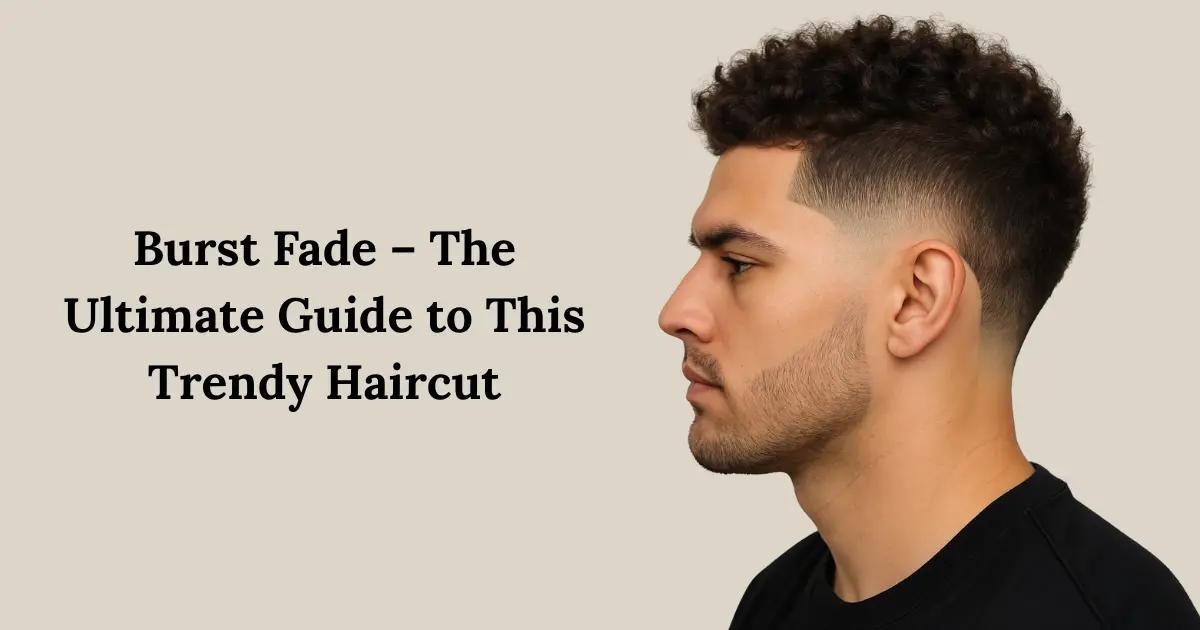
The burst fade haircut has exploded in popularity over the past few years, becoming one of the most requested styles in barbershops worldwide. This distinctive fade technique creates a semi-circular or “bursting” effect around the ear, blending seamlessly into longer hair on top while maintaining clean, sharp lines. Whether you’re rocking curly hair, straight locks, or anything in between, the burst fade offers incredible versatility and modern edge that works for virtually any personal style. In this comprehensive guide, we’ll break down everything you need to know about the burst fade haircut—from understanding the technique itself to choosing the right variation for your face shape and learning how to maintain that fresh-from-the-barber look.
What is a burst fade haircut?
A burst fade haircut is a specialized fading technique where the hair gradually tapers in a curved, semi-circular pattern around the ear and down toward the neckline. Unlike traditional fades that follow a straight vertical line, the burst fade “bursts” or radiates outward from behind the ear, creating a distinctive rounded shape. This technique leaves the hair at the back of the head longer while the sides fade dramatically, producing a striking contrast that adds dimension and visual interest.
The burst fade gets its name from the way the fade appears to burst or explode outward from a central point behind the ear. Barbers achieve this effect by carefully blending different hair lengths using clippers with various guard sizes, creating a smooth gradient that follows the natural contour of the head. The fade typically starts very short (often down to the skin) near the ear and gradually transitions to longer lengths as it moves away from this focal point.
What makes the burst fade particularly appealing is its adaptability. It works exceptionally well with mohawks, faux hawks, mullets, and even traditional longer styles on top. The curved fade creates a frame that draws attention to the hair on top while keeping the sides clean and contemporary. This versatility has made it a favorite among men of all ages, from teenagers experimenting with bold styles to professionals seeking a polished yet trendy look.
The technique requires significant skill and precision from your barber. A proper burst fade should have seamless transitions between lengths with no visible lines or patches. The curve should be symmetrical on both sides, and the fade should complement the overall shape of your head and haircut. When executed correctly, a burst fade can enhance your facial features, create the illusion of better bone structure, and give even simple hairstyles a high-end, fashion-forward appearance.
Burst Fade vs Taper Fade vs Drop Fade: Key Differences
Understanding the distinctions between different fade styles is crucial before committing to a burst fade haircut. While all fades involve gradually shortening hair length, the burst fade vs taper fade comparison reveals significant differences in technique and final appearance. A taper fade follows a straight, vertical line from the top of the head down to the neckline, creating a uniform gradient. The taper is more conservative and traditional, making it ideal for professional environments where subtlety is preferred.
The burst fade vs drop fade comparison is where things get more nuanced. A drop fade also curves, but it follows the natural line behind the ear and drops down toward the nape of the neck in a more gradual, elongated curve. The drop fade creates a “dropping” effect that hugs the head’s contour, whereas the burst fade creates a more dramatic, circular burst pattern that’s tighter and more concentrated around the ear area. The drop fade tends to be more subtle and works well with conservative styles, while the burst fade makes a bolder statement.
Here’s a practical breakdown of the key differences:
| Feature | Burst Fade | Taper Fade | Drop Fade |
|---|---|---|---|
| Fade Pattern | Semi-circular, radiating from behind ear | Straight vertical line | Curved, dropping toward neckline |
| Back Length | Maintains longer length | Gradually shortens uniformly | Moderate length retention |
| Best For | Mohawks, mullets, bold styles | Professional, conservative looks | Versatile, modern styles |
| Maintenance | Moderate to high | Low to moderate | Moderate |
| Visual Impact | Bold, eye-catching | Subtle, classic | Balanced, contemporary |
The mid fade variation sits between the temples and ears, offering a balanced approach that works with all three fade types. A mid burst fade starts the fade at the middle point of the head, creating a less dramatic but still distinctive look. Meanwhile, a low burst fade begins closer to the ear and neckline, offering maximum subtlety while still maintaining the characteristic burst pattern. The high burst fade starts higher up on the head, creating maximum contrast and a more aggressive, fashion-forward appearance.
When choosing between these options, consider your lifestyle, workplace dress code, and personal style preferences. The burst fade demands more attention and maintenance but delivers unmatched visual impact and versatility for creative styling.
Types of Burst Fade Haircuts (with Examples)
The beauty of the burst fade haircut lies in its remarkable versatility. Numerous variations exist to suit different hair types, lengths, and personal aesthetics. Understanding these different burst fade styles will help you communicate effectively with your barber and choose the perfect option for your look.
Low Burst Fade
The low burst fade starts just above the ear and creates a subtle, professional appearance. This variation is perfect for conservative environments while still maintaining contemporary edge. The low burst fade works exceptionally well with business-casual styles and can be paired with combed-over tops, textured crops, or slicked-back looks. For those with low burst fade curly hair, this option provides excellent definition while keeping natural texture on top. The low burst fade straight hair variation offers clean lines and sharp contrast that photographs beautifully.
Mid Burst Fade
The mid burst fade represents the sweet spot for most men—not too conservative, not too bold. Starting at the midpoint between the top of the ear and the temple, this fade offers balanced proportions and works with virtually any hairstyle. The mid burst fade curly hair combination is particularly popular, as it showcases natural curl patterns on top while maintaining clean, faded sides. For those with straight hair, the mid burst fade straight hair creates excellent contrast and allows for versatile styling options from pompadours to textured quiffs.
High Burst Fade
The high burst fade makes a bold statement, starting well above the ear and creating maximum contrast between the faded sides and longer top. This aggressive variation is ideal for fashion-forward individuals who want their haircut to stand out. The high burst fade curly hair pairing creates dramatic visual impact, while the high burst fade straight hair option delivers sharp, geometric precision that looks particularly striking with angular styles.
Burst Fade Mullet
The burst fade mullet has become a cultural phenomenon, combining retro mullet aesthetics with modern fading techniques. This style features short to medium length on top, burst-faded sides, and longer hair in the back—the classic “business in the front, party in the back” reimagined for contemporary tastes. The burst fade mullet curly hair variation embraces natural texture for an effortlessly cool vibe, while the burst fade mullet straight hair offers sleek, controlled lines. Variations include the low burst fade mullet for subtle sophistication and the mid burst fade mullet for balanced proportions. Some adventurous individuals even opt for a burst fade mullet with design, incorporating shaved patterns or lines into the faded area.
Burst Fade Mohawk
The burst fade mohawk combines punk rock attitude with refined barbering technique. The burst fade creates a clean frame around a central strip of longer hair running from forehead to crown. This style can range from subtle (with a wider strip and moderate height) to extreme (with a narrow, tall mohawk strip). The curved fade accentuates the mohawk’s central positioning and creates excellent symmetry.
Burst Taper Fade
The burst taper fade blends the burst fade technique with more gradual tapering, creating a softer, more blended appearance than a traditional burst fade. This hybrid approach works well for those who want the distinctive burst pattern without the stark contrast of a skin fade. The burst taper fade curly hair combination is particularly flattering, as it maintains more length throughout the fade while still creating definition.
Additional Variations
Other popular variations include the burst fade crop, which pairs the fade with a textured French crop on top; the drop burst fade, combining elements of both fade styles; and the low burst fade v and mid burst fade v, which incorporate a V-shaped design at the neckline for added visual interest. The low burst fade taper offers maximum subtlety for conservative settings.
Who Should Get a Burst Fade? (Face Shapes & Hair Types)
While the burst fade haircut is remarkably versatile, certain face shapes and hair types benefit more from this style than others. Understanding how the burst fade complements your natural features will help you achieve the most flattering result.
Face Shape Compatibility
Oval faces are the most versatile and can pull off virtually any burst fade variation. The balanced proportions of an oval face work harmoniously with the curved fade pattern, and you can experiment freely with different heights and top styles without worry.
Round faces benefit significantly from burst fades, particularly when paired with height on top. The vertical emphasis created by styles like the burst fade mohawk or pompadour helps elongate the face, creating the illusion of a more angular jawline. Opt for mid to high burst fades to maximize this slimming effect.
Square faces with strong jawlines look excellent with burst fades, as the curved fade softens angular features while maintaining masculine definition. A low to mid burst fade works particularly well, creating balance without overwhelming your natural bone structure.
Heart-shaped faces (wider at the forehead, narrower at the chin) should consider low burst fades that don’t add excessive width at the temples. Pairing the fade with textured, slightly messy styles on top creates balance and draws attention to your best features.
Diamond and triangular faces can use burst fades strategically to create width where needed. A mid burst fade with fuller sides on top helps balance a narrow forehead or prominent cheekbones.
Hair Type Considerations
The burst fade haircut curly hair combination is exceptionally popular and for good reason. Curly hair naturally adds volume and texture on top, creating beautiful contrast with the clean, faded sides. The burst fade curly hair pairing works with all curl types—from loose waves to tight coils. The fade helps manage bulk while showcasing your natural texture. For those with taper fade curly hair or mid fade curly hair, the burst variation offers even more definition and contemporary appeal.
Straight hair works equally well with burst fades, though styling becomes more important to create texture and movement on top. The burst fade haircut straight hair delivers crisp, clean lines that photograph beautifully and maintain a polished appearance. Use styling products to add texture and prevent the top from looking flat or lifeless.
Thick hair is ideal for burst fades, as the fade removes bulk from the sides while the thickness on top creates impressive volume and styling versatility. Thin or fine hair can also work with burst fades, though you’ll want to avoid fading too high, which might make the top appear sparse. A low to mid burst fade with textured styling creates the illusion of fuller hair.
The burst fade haircut Black men favor often showcases the style at its best, particularly with natural hair textures. The fade provides excellent definition for afros, waves, twists, and locs, creating a clean frame that enhances natural patterns. The technique works beautifully with all skin tones and hair textures common among Black men.
How to Ask Your Barber for a Burst Fade
Knowing how to get a burst fade that matches your vision requires clear communication with your barber. Even experienced barbers interpret style names differently, so specificity is crucial. Follow these steps to ensure you get exactly the burst fade haircut you want.
First, determine your fade height. Decide whether you want a low, mid, or high burst fade. The height dramatically affects the final look—low fades are subtle and professional, mid fades offer balance, and high fades make bold statements. Be specific: “I want a mid burst fade that starts about halfway between my ear and temple.”
Second, specify the fade intensity. Do you want a skin fade (faded down to bare skin), a fade to a #1 guard, or a more gradual taper? This affects how dramatic the contrast appears. For example: “I’d like the burst fade to go down to skin around my ear, then blend up to a #3 on top.”
Third, describe what you want on top. The burst fade is just the sides—you need to communicate your top style clearly. Whether you want a burst fade mohawk, a burst fade mullet, textured crop, or something else entirely, be explicit. Bring reference photos if possible, as visual aids eliminate ambiguity.
Fourth, discuss the back. The burst fade’s defining characteristic is that it maintains length in the back. Clarify how long you want the back and whether you want any tapering or shaping at the neckline. For mullet variations, specify the exact length you want in the back.
Fifth, mention any design elements. If you want line-ups, part lines, or shaved designs incorporated into your fade, mention this upfront. These details affect how your barber approaches the cut.
Here’s a complete example request: “I’d like a mid burst fade that goes down to skin around my ears and blends up to a #2. On top, I want about 3-4 inches of length with texture, and I’d like to keep some length in the back—maybe 2 inches at the nape. Can you also clean up my hairline with a sharp line-up?”
Don’t hesitate to ask questions during the cut. A good barber appreciates clients who engage in the process and will gladly explain techniques or adjust based on your feedback. If you’re unsure about any aspect, ask for their professional recommendation—experienced barbers can suggest variations that complement your face shape and hair type.
Burst Fade Maintenance: How Often to Get Touch-Ups
Understanding burst fade maintenance requirements is essential before committing to this style. Fades require more frequent barbershop visits than traditional haircuts, and the burst fade is no exception. The clean, sharp lines that make this style so appealing also mean it shows growth quickly.
For most men, a burst fade requires touch-ups every 2-3 weeks to maintain that fresh, crisp appearance. If you have fast-growing hair or prefer an extremely sharp look, you might need weekly visits. Those with slower-growing hair or who don’t mind a slightly grown-out look can sometimes stretch to 4 weeks, though the fade will have lost much of its definition by then.
The fade portion grows out faster than the top, creating an unbalanced appearance if left too long. You’ll notice the fade losing its gradient and the clean lines around your ears becoming fuzzy. The burst pattern becomes less defined, and the overall shape loses its intentional structure.
Between barbershop visits, maintain your burst fade with these practices:
- Keep your hairline clean. Some men use trimmers at home to maintain their hairline and neckline between appointments. If you’re comfortable with clippers, this can extend time between full cuts.
- Moisturize your scalp. Faded areas expose more scalp, which can become dry. Use a light moisturizer or hair oil to keep skin healthy, especially important for those with low burst fade curly hair or natural textures.
- Protect your hair at night. Use a silk or satin pillowcase to prevent friction that can disturb your style and cause breakage, particularly important for textured or curly hair.
- Maintain the top. While the fade needs professional attention, you can maintain length and style on top with regular trims every 4-6 weeks, depending on your desired length.
Budget for regular maintenance when choosing a burst fade. At $25-60 per cut (depending on your location and barber), expect to spend $50-180 monthly on haircuts. Many barbershops offer package deals or membership programs that reduce per-visit costs for regular clients.
The burst fade haircut short hair variations require slightly less frequent maintenance than longer styles, as growth is less noticeable. However, the fade itself still needs regular attention regardless of top length.
Best Products for Styling a Burst Fade
The right styling products can make or break your burst fade haircut. While the faded sides require minimal product, the top needs proper styling to complement the clean sides and create a cohesive look. Your product choices should match your hair type, desired finish, and the specific style you’re creating.
For Textured, Natural Looks
Sea salt spray is excellent for creating beachy, textured styles with movement and volume. Apply to damp hair and scrunch or tousle for effortless texture. This works particularly well with mid burst fade curly hair and wavy textures.
Texture powder or dry texture spray adds volume and grip to fine or straight hair, creating the appearance of thicker, fuller hair on top. Apply to dry hair at the roots and work through for instant lift.
Matte clay or paste provides medium to strong hold with a natural, non-shiny finish. These products are ideal for messy, textured styles and work well with most hair types. They’re particularly effective for burst fade crop styles and casual looks.
For Sleek, Polished Styles
Pomade (water-based) offers shine and control for slicked-back styles, pompadours, and classic looks. Water-based formulas wash out easily and won’t build up like oil-based alternatives. Choose light hold for subtle shine or strong hold for all-day control.
Hair gel provides maximum hold and high shine for extremely structured styles. Modern gels have improved significantly and don’t create the crunchy, helmet-like finish of older formulas. Look for alcohol-free options to prevent drying.
Styling cream offers light to medium hold with a subtle sheen, perfect for controlled but natural-looking styles. These work well for professional environments where you want polish without appearing overly styled.
For Curly and Textured Hair
Curl-defining cream is essential for those with burst fade haircut curly hair. These products enhance natural curl patterns, reduce frizz, and add moisture. Apply to damp hair and either air dry or diffuse for best results.
Leave-in conditioner provides moisture and manageability for curly, coily, or textured hair. This is particularly important for burst fade haircut Black men with natural hair textures that require extra hydration.
Edge control or pomade helps smooth and define hairlines and baby hairs, creating clean, sharp lines that complement your burst fade’s precision.
Application Tips
Start with less product than you think you need—you can always add more, but removing excess is difficult. For most products, a dime to quarter-sized amount is sufficient. Apply to damp (not wet) hair for best distribution and control. Work product through your hair evenly, starting at the back and working forward. Use your fingers for natural texture or a comb for more structured styles.
Avoid applying product to the faded areas—these should remain clean and product-free to maintain the crisp lines your barber created. Focus product application on the top and any longer areas in the back for mullet variations.
Burst Fade with Curly Hair: Special Considerations
The burst fade curly hair combination deserves special attention, as curly and textured hair presents unique opportunities and challenges. This pairing has become increasingly popular because it showcases natural texture while maintaining clean, modern lines. Whether you have loose waves, tight coils, or anything in between, understanding how to maximize your burst fade with curly hair will help you achieve outstanding results.
The burst fade works exceptionally well with curly hair because it removes bulk from the sides while allowing the top to maintain its natural volume and texture. The contrast between the faded sides and textured top creates visual interest and dimension that straight hair often requires additional styling to achieve. For those with low burst fade curly hair, the subtle fade provides definition without overwhelming natural curl patterns.
Choosing the Right Fade Height
Curly hair naturally adds height and volume, so consider how your fade height will balance these proportions. A mid burst fade curly hair approach works for most curl types, creating balance between the voluminous top and clean sides. Those with extremely tight curls or significant shrinkage might prefer a low burst fade to maintain more length and avoid appearing top-heavy. Conversely, if you want maximum drama and contrast, a high burst fade with curly hair creates striking visual impact.
Managing Curl Patterns
Work with your natural curl pattern rather than against it. The burst fade should enhance your curls, not fight them. Communicate with your barber about your curl pattern and how it behaves when dry—curly hair can shrink significantly, and what looks like 4 inches wet might become 2 inches dry. Your barber should cut curly hair dry or account for shrinkage when cutting wet.
The burst taper fade curly hair variation offers a softer transition that works beautifully with looser curl patterns. This approach maintains more length throughout the fade, creating a blended look that complements waves and loose curls without creating harsh lines.
Moisture and Maintenance
Curly hair requires more moisture than straight hair, and the exposed scalp from your fade needs attention too. Use a moisturizing shampoo and conditioner designed for curly hair, and incorporate a leave-in conditioner into your routine. The faded areas may need separate moisturizing—use a light oil or scalp moisturizer to prevent dryness and flaking.
Between cuts, refresh your curls with water and curl-defining products. Many people with curly hair find that their curls look best 2-3 days after washing, when natural oils have distributed through the hair. Embrace this texture rather than washing daily, which can strip moisture and create frizz.
Styling Products for Curly Burst Fades
Invest in quality curl-specific products. A curl-defining cream or gel helps create definition and reduce frizz while maintaining your hair’s natural movement. Apply products to soaking wet hair using the “praying hands” method or scrunching technique, then either air dry or use a diffuser on low heat. Avoid touching your hair while it dries to prevent frizz.
For second-day refresh, use a spray bottle with water and a small amount of leave-in conditioner. Lightly mist your hair and scrunch to reactivate curl patterns without fully rewetting.
Common Challenges and Solutions
One challenge with burst fade haircut curly hair is the transition zone where faded hair meets longer curls. A skilled barber will blend this area carefully, but you may need to use a small amount of edge control or pomade to smooth any awkward lengths during the grow-out phase.
Another consideration is that curly hair can hide fade imperfections when wet but reveal them when dry. Always check your haircut dry before leaving the barbershop, and don’t hesitate to ask for adjustments if needed.
Celebrity Burst Fade Inspiration
Looking to celebrities and influencers for burst fade haircut male inspiration can help you visualize different variations and styling options. While trends come and go, several high-profile figures have popularized the burst fade and demonstrated its versatility across different contexts.
Athletes have been particularly influential in popularizing the burst fade. Professional football and basketball players frequently sport various burst fade styles, from conservative low fades suitable for press conferences to bold high fades with intricate designs. These athletes demonstrate how the burst fade works in high-performance environments while maintaining style and personality.
Hip-hop artists and musicians have embraced the burst fade mullet and mohawk variations, showcasing the style’s edgier potential. These creative interpretations often include additional elements like hair designs, vibrant colors, or extreme length contrasts that push the boundaries of traditional barbering. While not everyone wants such bold looks, these examples demonstrate the burst fade’s adaptability to individual expression.
Actors and entertainers have helped legitimize the burst fade in mainstream culture, wearing variations on red carpets, in films, and during public appearances. Their adoption of mid burst fades and subtle variations has shown that this style can be both trendy and sophisticated, appropriate for formal events while maintaining contemporary appeal.
Social media influencers and content creators have documented their burst fade journeys, providing real-world examples of how the style looks in everyday situations. These authentic representations often prove more relatable than celebrity photos, showing how burst fades photograph in natural lighting and how they hold up throughout the day.
When drawing inspiration from celebrities, remember that professional styling, lighting, and photography enhance these looks significantly. What appears effortless in a professional photo often requires significant styling time and product. Use celebrity examples as starting points, but work with your barber to adapt styles to your hair type, face shape, and lifestyle.
Consider also that many celebrities have hairstylists who maintain their cuts more frequently than the average person. The pristine burst fades you see in photos might be only days or even hours old, while your fade will need to look good for 2-3 weeks between cuts. Choose variations that age gracefully and maintain their shape as they grow out.
Common Burst Fade Mistakes to Avoid
Even with proper planning and a skilled barber, several common mistakes can compromise your burst fade haircut. Being aware of these pitfalls will help you achieve better results and maintain your style more effectively.
Choosing the Wrong Fade Height
One of the most frequent mistakes is selecting a fade height that doesn’t complement your face shape or lifestyle. A high burst fade might look amazing in photos but could be too bold for your workplace or personal comfort level. Conversely, choosing a low fade when you want dramatic impact leads to disappointment. Start conservative with your first burst fade—you can always go higher on subsequent visits, but you can’t add hair back once it’s cut.
Inadequate Communication with Your Barber
Assuming your barber knows exactly what you want without clear communication is a recipe for disappointment. “Just give me a burst fade” provides insufficient direction. Specify height, intensity, top style, and back length. Bring reference photos and don’t be shy about asking questions or requesting adjustments during the cut.
Neglecting Regular Maintenance
The burst fade’s sharp, clean appearance is its defining feature—and it disappears quickly without regular touch-ups. Trying to stretch too long between cuts results in a sloppy, undefined look that undermines the style’s purpose. Budget for maintenance or choose a different haircut that requires less frequent attention.
Using the Wrong Products
Heavy products can weigh down the top of your burst fade, creating a flat, lifeless appearance that contrasts poorly with the clean sides. Similarly, using too much product or applying it to the faded areas creates buildup and diminishes the crisp lines. Match your products to your hair type and desired style, and apply them strategically only where needed.
Ignoring Hair Type Compatibility
Not all burst fade variations work equally well with all hair types. Extremely fine or thin hair might not support certain styles that require volume on top. Very thick, coarse hair might need specific cutting techniques to prevent the top from appearing too bulky. Discuss your hair’s unique characteristics with your barber and choose variations that work with, not against, your natural texture.
Attempting DIY Maintenance Too Soon
While maintaining your hairline at home can extend time between cuts, attempting to touch up your actual fade without proper training and tools usually ends poorly. Fades require specific clipper techniques, guard blending, and an understanding of head shape that takes time to develop. Leave the fade work to professionals and limit home maintenance to simple edge-ups if you’re comfortable with clippers.
Choosing Style Over Practicality
A burst fade mullet men might look incredible, but if your lifestyle involves swimming daily, wearing helmets, or working in environments where longer hair is impractical, you’ll struggle to maintain it. Choose variations that align with your daily activities and maintenance capacity. The best haircut is one you can actually maintain and style consistently.
Overlooking Scalp Health
Faded areas expose your scalp to sun, wind, and environmental factors it’s not accustomed to. Failing to protect and moisturize this skin can lead to dryness, irritation, and even sunburn. Use sunscreen on exposed scalp areas during outdoor activities, and incorporate scalp care into your grooming routine.
Rushing the Styling Process
A burst fade requires intentional styling on top to look its best. Rolling out of bed and hoping your hair looks good rarely works, especially with straight or fine hair. Allocate 5-10 minutes each morning for proper styling—this small time investment makes the difference between a mediocre look and a sharp, put-together appearance.
Ignoring Professional Advice
Experienced barbers understand face shapes, hair types, and what works in real-world conditions. If your barber suggests a different variation than what you initially requested, listen to their reasoning. They might see something you don’t and can often suggest alternatives that achieve your desired aesthetic while working better with your specific features.
By avoiding these common mistakes, you’ll maximize your satisfaction with your burst fade haircut and ensure it looks sharp from the first day until your next appointment. The burst fade is an investment in your appearance—treat it accordingly with proper planning, maintenance, and care.
Frequently Asked Questions
What is a burst fade haircut?
A burst fade haircut is a distinctive fade technique that creates a semi-circular or “bursting” pattern around the ear, rather than following the natural head shape all the way around. The fade curves around the ear and tapers toward the back, creating a dramatic arc effect while leaving more length at the neckline. This style offers a modern, edgy look that works exceptionally well with mohawks, faux hawks, and longer hair on top.
What is the difference between a burst fade and a normal fade?
A normal fade follows the natural contour of your entire head, tapering evenly all the way around from top to bottom. In contrast, a burst fade haircut only fades in a semi-circular pattern around the ears, stopping before it reaches the back of the head. This creates a distinctive “burst” or “sunburst” effect that maintains more length and texture at the neckline, making it ideal for styles like mullets or mohawks.
What is a burst fade vs drop fade?
A drop fade curves downward behind the ear, following the natural head shape and dropping lower toward the neckline in a continuous arc. A burst fade haircut, however, creates a semi-circular fade around the ear that doesn’t continue all the way around the head, instead “bursting” outward and stopping before reaching the back. The burst fade typically leaves more length at the neckline, while the drop fade creates a more uniform taper throughout.
Is a burst fade just a mullet?
No, a burst fade is not a mullet, though the two styles pair exceptionally well together. A burst fade is a specific fading technique that can be applied to many different hairstyles, including mullets, mohawks, faux hawks, or even traditional longer styles. When combined with a mullet, the burst fade creates the popular “burst fade mullet” that keeps the sides faded while maintaining length in the back.
Who looks good with a burst fade?
The burst fade haircut is incredibly versatile and flatters most face shapes and hair types, from curly to straight hair. It works particularly well for men with oval, square, or diamond-shaped faces, as the curved fade adds dimension and balance. This style is especially popular among those with curly or textured hair, as it showcases natural curl patterns on top while keeping the sides clean and sharp.
Why is the burst fade so popular?
The burst fade has surged in popularity because it offers a perfect balance of edgy style and professional versatility. Its unique semi-circular shape creates visual interest and dimension that standard fades can’t achieve, while still maintaining clean, sharp lines. The style also works seamlessly with trending haircuts like mullets, mohawks, and textured tops, making it a go-to choice for men seeking a modern, standout look.
How do you ask for a burst fade?
To request a burst fade haircut, tell your barber you want “a burst fade around the ears” and specify your desired fade level (low, mid, or high). Bring reference photos showing the exact style you want, and communicate how much length you’d like on top and at the neckline. Be clear about whether you want skin fade (down to the scalp) or a more gradual taper, as this significantly affects the final look.
How long does it take to get a burst fade?
A professional burst fade haircut typically takes 30-45 minutes to complete, depending on your hair type and the complexity of the style. Skilled barbers may work faster, while more intricate designs or first-time clients might require up to an hour. The precision required to create the perfect semi-circular burst pattern around the ears demands careful attention and blending technique.
Is a burst fade hard to maintain?
A burst fade requires regular maintenance to keep its sharp, clean appearance, typically needing touch-ups every 2-3 weeks. The fade will grow out and lose its definition relatively quickly, especially if you have fast-growing hair. However, the style itself isn’t difficult to maintain between barbershop visits—simple washing, conditioning, and styling the top section is usually sufficient for daily upkeep.
What are the different types of burst fade?
The main types of burst fade haircut include the low burst fade (starting just above the ear), mid burst fade (starting at the temple area), and high burst fade (starting well above the temples). Each can be combined with various hair lengths and styles on top, including the burst fade mullet, burst fade mohawk, and textured crop. The fade can also range from a skin fade (down to bare skin) to a more subtle taper fade for a softer look.
You May Also Like
Walk-In Injectables: Beauty on Your Terms
Spider Hoodie: The Perfect Blend of Streetwear Style and Everyday Comfort
What Are Solar Nails? Complete Guide to Solar Nail Systems