High Taper Fade: Complete Guide, Styles & How to Get It

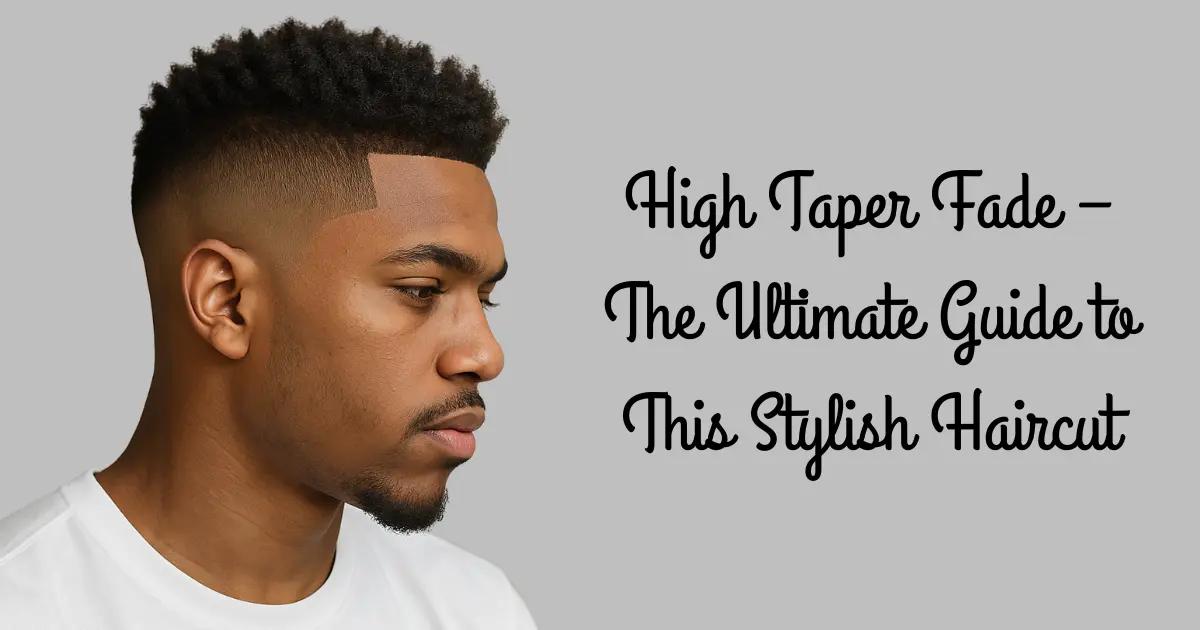
The high taper fade has become one of the most requested haircuts in barbershops worldwide, combining clean lines with versatile styling options that work for virtually any occasion. This precision haircut features a gradual transition from longer hair on top to very short or skin-level hair at the temples and above the ears, creating a sharp, polished look that’s both professional and stylish. Whether you’re considering this cut for the first time or looking to refine your current style, understanding the nuances of a high taper fade will help you communicate effectively with your barber and maintain the look that best suits your personal aesthetic and lifestyle.
What Is a High Taper Fade? (Definition & Characteristics)
A high taper fade is a haircut technique where the hair gradually decreases in length from the top of the head down to the skin, with the fade starting high on the head—typically around the temples or even higher. Unlike a standard taper that begins lower on the head, the high taper fade creates a more dramatic contrast between the longer hair on top and the closely cropped or shaved sides.
The defining characteristics of a high taper fade include a transition point that begins approximately two inches above the ear or at the temple level. The fade itself involves a seamless blend of multiple guard lengths, creating a gradient effect that appears natural rather than choppy. Professional barbers achieve this by using clippers with various guard sizes, typically ranging from a #0 or #1 at the bottom to a #3 or #4 where the fade meets the longer hair on top.
What makes the high taper fade particularly appealing is its versatility. The longer hair on top can be styled in numerous ways—slicked back, textured, spiked, or left natural—while the high fade keeps the sides clean and manageable. This combination makes it suitable for both casual and formal settings, explaining why the high taper fade has gained popularity among professionals, athletes, and style-conscious individuals alike.
The “taper” aspect refers to the gradual shortening of hair length, which distinguishes it from a hard fade that has more abrupt transitions. This graduated approach creates a softer, more natural appearance that grows out more gracefully than sharper fade styles, though it still requires regular maintenance to keep the clean lines intact.
High Taper Fade vs. Low Taper vs. Mid Taper: Key Differences
Understanding the distinction between high, mid, and low taper fades is essential when deciding which style best suits your preferences and face shape. The primary difference lies in where the fade begins on the sides of your head, which dramatically affects the overall appearance and maintenance requirements.
A low taper fade starts the gradual transition just above the ears and around the nape of the neck, creating a subtle, conservative look. This style maintains more hair on the sides and is ideal for those who prefer a less dramatic change or work in environments with stricter grooming standards. The low taper fade curly hair variation works particularly well for those wanting to showcase their natural texture while keeping sides neat.
The mid taper fade begins approximately halfway up the sides of the head, offering a balanced compromise between conservative and bold. This versatile option has become extremely popular, with variations like the mid taper fade black male style and mid taper fade curly hair becoming trending searches. The mid taper fade provides enough contrast to be noticeable while remaining professional enough for most workplace environments.
In contrast, the high taper fade creates the most dramatic effect by starting the fade at or above the temples. This bold choice maximizes the contrast between the top and sides, drawing attention to the hair on top and creating a modern, edgy aesthetic. The high taper fade black male style has particularly gained traction, often combined with waves, curls, or textured tops for added dimension.
When comparing a high or low taper, consider that higher fades require more frequent touch-ups (every 1-2 weeks) to maintain the sharp lines, while lower fades can go 2-3 weeks between cuts. The high taper fade also exposes more of your head shape, making it important to consider your skull structure and face shape when choosing this style.
Best High Taper Fade Styles for Different Hair Types
The beauty of the high taper fade haircut lies in its adaptability to various hair textures and types. Each hair type presents unique opportunities for styling, and understanding how your natural hair works with this cut will help you achieve optimal results.
For those with straight hair, the high taper fade creates clean, precise lines that emphasize the geometric nature of the cut. The mid taper fade straight hair variation works particularly well for those with fine to medium texture, as it maintains enough weight on the sides to create a balanced silhouette. Straight hair allows for versatile top styling—from sleek pompadours to textured crops—and the high fade ensures the focus remains on your chosen top style.
Men with curly hair can achieve stunning results with a high taper fade curly hair style. The contrast between tightly faded sides and voluminous curls on top creates a striking appearance that celebrates natural texture. The mid taper fade curly hair option provides slightly more gradual transition, while the high taper fade curly hair black variation has become iconic in modern barbering. The key is maintaining enough length on top to allow curls to form properly while keeping sides crisp and clean.
The afro taper fade and high taper afro styles have revolutionized how natural Black hair is styled and maintained. These cuts honor the natural texture while providing structure and shape. The mid taper fade afro offers a balanced approach, while the high taper fade afro creates maximum contrast and emphasizes the crown’s volume. These styles work exceptionally well with various curl patterns, from loose waves to tight coils.
Wavy hair occupies a middle ground, offering texture without the full volume of curls. A high taper fade with wavy hair on top creates movement and dimension, with the fade preventing the sides from becoming bulky or unruly. This combination is particularly effective for those with thick, wavy hair who want to reduce overall volume while maintaining style.
For those with thick, coarse hair, the high taper fade provides essential weight removal on the sides while allowing you to showcase your hair’s natural body on top. The high taper fade black male short hair style demonstrates how this cut can work with dense hair textures, creating a clean, manageable look that doesn’t require excessive styling time.
Face Shapes That Work Best with High Taper Fades
While the high taper fade is remarkably versatile, understanding how it interacts with different face shapes will help you optimize the cut for your specific features. The placement of the fade and the styling of the top can be adjusted to complement and even enhance your natural facial structure.
Oval face shapes are the most versatile and can pull off virtually any variation of the high taper fade. The balanced proportions of an oval face mean you can experiment with different top lengths and styles—from short crops to longer, textured looks—without worrying about creating unflattering proportions. Both the high taper fade short hair and high taper fade long hair variations work beautifully with oval faces.
Round faces benefit significantly from high taper fades because the vertical emphasis created by the high fade and taller top helps elongate the face. Adding height on top through styling creates the illusion of length, counterbalancing the width of a round face. Avoid styles that add width at the temples; instead, opt for volume concentrated at the crown.
Square face shapes with strong jawlines and angular features are complemented by the clean lines of a high taper fade. The geometric precision of this cut echoes the natural angles of a square face, creating a cohesive, masculine appearance. The high taper fade black male waves style works particularly well for square faces, as the wave pattern adds softness to balance angular features.
Heart-shaped faces (wider at the forehead, narrower at the chin) can use high taper fades strategically. Since the fade removes bulk from the temples and sides, it can help balance a wider forehead. Keeping some texture and volume on top, particularly toward the front, creates proportion and draws attention to the eyes rather than emphasizing forehead width.
Oblong or rectangular faces should approach high taper fades with some consideration. Since these face shapes are already longer than they are wide, adding too much height on top can exaggerate this proportion. Instead, opt for a high taper fade with moderate top length and consider styling with some width or horizontal texture to create better facial balance.
Diamond face shapes with prominent cheekbones and narrower foreheads and chins work well with high taper fades that maintain some fullness on top. This helps balance the wider mid-face area and creates harmonious proportions from forehead to chin.
How to Ask Your Barber for a High Taper Fade
Effective communication with your barber is crucial for achieving the high taper fade you envision. Many disappointments in the barber’s chair stem from miscommunication rather than lack of skill, so knowing the proper terminology and being specific about your preferences will significantly improve your results.
Start by clearly stating that you want a “high taper fade” and specify where you want the fade to begin. Point to your temple area or slightly above it, indicating the exact starting point. Be specific: “I want the fade to start right at my temple line” or “I want the fade to begin about an inch above my ears” provides much clearer guidance than simply saying “high fade.”
Discuss the guard lengths you prefer. If you want a skin fade at the bottom, specify that you want it taken down to skin or a #0. If you prefer a slightly longer base, mention starting with a #1 or #1.5. For the top, communicate your desired length in inches or by showing how much length you want to keep between your fingers. Saying “leave about two inches on top” is more precise than “not too short.”
Bring reference photos that show the exact style you want from multiple angles—front, side, and back. Make sure the photos show someone with a similar hair type to yours, as a high taper fade curly hair black style will look different than the same cut on straight hair. Having visual references eliminates ambiguity and ensures you and your barber are on the same page.
Specify the transition style you prefer. Do you want a gradual, seamless blend (true taper), or do you prefer slightly more defined lines between guard lengths? Some clients prefer a softer, more natural taper, while others want a sharper, more dramatic fade. Communicating this preference helps your barber adjust their technique accordingly.
Discuss the top styling as well. If you want a specific style like a high taper fade black male long hair look with waves, or a textured crop, mention this upfront. Your barber may need to cut the top differently depending on how you plan to style it. If you’re getting a high taper fade afro, for example, the shaping of the top requires different techniques than a slicked-back style.
Don’t hesitate to ask questions during the cut. If you’re unsure about something, speak up before it’s too late. A professional barber appreciates clients who communicate clearly and will be happy to explain their process or make adjustments based on your feedback.
Step-by-Step: How Barbers Create a High Taper Fade
Understanding the technical process behind creating a high taper fade can help you appreciate the skill involved and recognize quality work when you see it. While you won’t be cutting your own hair, knowing these steps helps you evaluate your barber’s technique and understand why certain aspects of the cut require precision and experience.
The process begins with establishing the guideline. The barber identifies where the fade will start—at or above the temples for a high taper fade—and creates an initial line using clippers. This guideline serves as the reference point for the entire fade and must be placed symmetrically on both sides of the head. Any asymmetry at this stage will be magnified in the final result.
Next comes creating the base. Using the shortest guard length (often a #0, #0.5, or #1), the barber establishes the lowest section of the fade, typically around the ears and neckline. This base section is kept very short and clean, providing the starting point for the gradual transition upward.
The blending process is where artistry meets technique. The barber works upward using progressively longer guard sizes (#1, #1.5, #2, #2.5, #3, and sometimes #4), creating overlapping sections that blend seamlessly into one another. Each guard is used in a specific zone, with the barber using a flicking or scooping motion to avoid harsh lines. This process requires multiple passes with different guards, carefully blending each transition point.
Professional barbers use clipper-over-comb techniques to refine the fade further. This involves holding a comb at various angles while running clippers over it, allowing for even more precise control over the gradient. This technique is particularly important in the critical transition zone where the fade meets the longer hair on top.
Detailing and refinement follow the initial fade creation. The barber uses trimmers or detail clippers to clean up the hairline around the ears, temples, and neckline, creating crisp, defined edges. For styles like the high taper fade black male waves or high taper fade short hair, this detailing phase is crucial for achieving the sharp, polished appearance that defines the style.
The top section is cut according to the desired style. For a high taper fade long hair look, the barber may use scissors or clippers-over-comb to maintain length while creating shape and removing bulk. For shorter tops, clippers with appropriate guards create the desired length and texture. The connection between the faded sides and the top must be seamless, requiring careful blending in this transition zone.
Finally, the barber performs a quality check, examining the fade from multiple angles in different lighting to identify any imperfections or uneven areas. Touch-ups are made as needed, ensuring the fade is symmetrical and smooth from every angle. The entire process typically takes 30-45 minutes for an experienced barber, though complex styles may require more time.
Styling Your High Taper Fade: Products & Techniques
The high taper fade provides a clean canvas for various styling options, but achieving and maintaining your desired look requires the right products and techniques. The styling approach varies significantly based on your hair type and the specific aesthetic you’re pursuing.
For sleek, polished styles like slicked-back looks or side parts, pomades and gels work best. Water-based pomades offer strong hold with a healthy shine and wash out easily, making them ideal for daily use. Apply pomade to damp hair, working it through from roots to ends, then use a comb to create your desired shape. For high taper fade black male waves, a wave pomade or wave grease helps define and maintain the wave pattern while adding shine.
Textured, natural looks benefit from matte products like clay, paste, or fiber. These products provide hold without shine, creating a more casual, contemporary appearance. Work a small amount through dry or slightly damp hair, using your fingers to create texture and separation. This approach works particularly well for high taper fade curly hair styles, where you want to enhance natural texture without weighing curls down.
For those with a high taper afro or mid taper fade afro, moisturizing products are essential. Leave-in conditioners, curl creams, and oils help maintain hair health while defining curl patterns. Apply these products to damp hair, using a pick or your fingers to shape the afro while it dries. Some men prefer to use a durag or wave cap overnight to maintain their style and protect their hair.
The mid taper fade blowout style requires specific techniques. After washing, apply a heat protectant and volumizing mousse, then use a blow dryer with a diffuser attachment (for curly hair) or a round brush (for straighter textures) to add volume and shape. This creates the signature lifted, voluminous appearance associated with blowout styles.
For low-maintenance styling, sea salt sprays and light mousses add texture and volume without requiring extensive styling time. These products work well for the high taper fade short hair look, where you want some definition and hold without a heavily styled appearance. Simply spray or apply to damp hair, tousle with your fingers, and let air dry.
Wave maintenance for those with wave patterns requires consistent brushing and the right products. Use a wave brush to brush your hair in the direction of your wave pattern multiple times daily. Apply wave pomade or moisturizer to keep hair healthy and waves defined. Wearing a durag, especially at night, helps maintain wave patterns between barber visits.
Regardless of your chosen style, remember that less is more with product application. Start with a small amount (roughly a dime to nickel-sized portion) and add more if needed. Too much product can make hair look greasy, weighed down, or unnatural. The clean sides of your high taper fade should remain product-free, keeping the focus on your styled top section.
Maintenance Tips: How Often to Get Touch-Ups
Maintaining the sharp, clean appearance of a high taper fade requires regular visits to your barber, as this style grows out more noticeably than many other haircuts. Understanding the maintenance schedule and between-visit care will help you keep your high taper fade looking fresh and professional.
For a pristine, sharp look, most men with a high taper fade need touch-ups every 1-2 weeks. The high placement of the fade means that even a week of growth can blur the crisp lines that define this style. If you work in a professional environment or simply prefer the freshly-cut appearance, weekly visits may be necessary. This frequency is particularly important for styles like the high taper fade black male short hair look, where precision and clean lines are essential to the aesthetic.
Those willing to accept a slightly grown-out look can extend visits to 2-3 weeks. By this point, the fade will have softened considerably, and the contrast between top and sides will be less dramatic. However, the overall shape of the haircut remains intact, making this a reasonable interval for those with busier schedules or tighter budgets. The low taper fade long hair on top variation tends to grow out more gracefully than higher fades, potentially allowing for longer intervals between cuts.
Your hair growth rate significantly impacts maintenance frequency. Some men’s hair grows faster than average, requiring more frequent visits to maintain the same level of sharpness. If you notice your fade looking fuzzy or losing definition within a week, you may be among those who need weekly maintenance. Conversely, slower hair growth might allow you to stretch appointments to three weeks while still maintaining a presentable appearance.
The specific style also affects maintenance needs. A high taper fade with very short sides (skin fade or #0) shows growth more quickly than one that starts with a #1 or #2. Similarly, the high taper fade long hair style may require less frequent fade touch-ups but more regular trims on top to maintain the desired length and shape.
Between barber visits, you can extend the life of your fade by maintaining the neckline and edges yourself or having someone help you. Using detail trimmers, carefully clean up any stray hairs along the neckline and around the ears. Be conservative with this maintenance—it’s better to remove too little than too much. Many barbers offer quick “edge-up” or “shape-up” services between full cuts, which cost less and take only 10-15 minutes.
Proper hair care between visits also impacts how well your fade maintains its appearance. Regular washing prevents buildup that can make hair look dull or unkempt. For those with curly or coily hair, maintaining moisture through conditioners and oils keeps the hair healthy and the style looking fresh. The high taper fade curly hair black style particularly benefits from consistent moisturizing routines.
Consider the financial aspect of maintenance when choosing this style. If professional cuts cost $30-50 each, weekly visits add up to $120-200 monthly. Some barbershops offer membership or package deals that reduce per-visit costs for regular clients. Alternatively, finding a skilled barber who can execute the cut perfectly might justify slightly higher costs, as quality work grows out better and requires less frequent correction.
High Taper Fade Variations: Curly, Wavy, and Straight Hair
The high taper fade adapts beautifully to different hair textures, with each variation offering unique styling possibilities and aesthetic qualities. Understanding how this cut works with your specific hair type helps you choose the right variation and set realistic expectations for styling and maintenance.
The high taper fade curly hair variation celebrates natural texture while maintaining clean, structured sides. For men with loose to medium curls, this style creates dramatic contrast between the faded sides and the voluminous, textured top. The curls add dimension and movement that straight hair cannot achieve, making this one of the most visually striking variations. The high taper fade curly hair black style has become particularly iconic, often featuring well-defined curl patterns on top with skin-tight fades on the sides.
When working with curly hair, the length on top becomes crucial. Curls need sufficient length to form properly—typically at least 2-3 inches for most curl patterns. The mid taper fade curly option provides a slightly more conservative approach while still offering the clean sides that make this style so appealing. Styling products like curl creams, leave-in conditioners, and light gels help define curls without creating crunchiness or weighing them down.
The high taper afro and related afro taper fade styles represent a modern evolution of classic Black hairstyles. These cuts maintain the rounded, voluminous shape of a traditional afro while incorporating the clean, faded sides of contemporary barbering. The high taper fade afro requires regular shaping to maintain the rounded silhouette, with barbers using specialized techniques to create smooth, even curves. The mid taper fade afro offers a similar aesthetic with a slightly lower fade starting point, providing more versatility for those who want options.
For afro styles, maintenance involves both the fade and the top. Regular moisturizing with natural oils and butters keeps the hair healthy and prevents breakage. Using a pick to shape the afro maintains the desired rounded form, while periodic trims remove any uneven sections. The contrast between the precisely faded sides and the textured, natural top creates a powerful aesthetic that honors natural hair while embracing modern styling techniques.
Wavy hair occupies a middle ground between straight and curly, offering texture and movement without the full volume of curls. A high taper fade with wavy hair creates a relaxed, effortlessly stylish appearance. The waves add visual interest to the top section while the clean fade keeps the overall look polished. This combination works particularly well for those with thick, wavy hair who want to reduce bulk on the sides while showcasing their natural texture on top.
Styling wavy hair with a high taper fade typically involves sea salt sprays, light mousses, or texturizing creams that enhance the natural wave pattern without adding excessive hold or shine. Many men with wavy hair prefer a more natural, tousled appearance rather than heavily styled looks, making this variation relatively low-maintenance in terms of daily styling.
The mid taper fade straight hair and high taper fade with straight hair create the cleanest, most geometric appearance. Straight hair allows for precise styling—from sleek pompadours to textured crops—with every hair falling exactly where placed. The lack of natural texture means you have complete control over the final appearance through product choice and styling technique. This variation works excellently for professional environments where a polished, controlled appearance is valued.
Straight hair does present some challenges with the high taper fade. Without natural texture to add volume, the top may appear flat if cut too short or styled incorrectly. Adding texture through cutting techniques (point cutting, razor work) or styling products (texturizing sprays, matte clays) helps create dimension and prevents the flat appearance that can occur with straight hair.
The high taper fade black male long hair style demonstrates how this cut adapts to extended lengths on top. Whether the long hair is straight, wavy, or curly, the high fade creates contrast that prevents the style from appearing unkempt or unstructured. This variation requires more styling time and product but offers maximum versatility—you can wear the long hair slicked back, in a man bun, or flowing freely, all while maintaining the clean sides that define the high taper fade aesthetic.
Celebrity High Taper Fade Inspiration
Celebrities and athletes have played a significant role in popularizing the high taper fade, with their highly visible styles influencing trends and inspiring millions of men to request similar cuts. Examining these celebrity examples provides concrete inspiration and demonstrates the versatility of this haircut across different face shapes, hair types, and personal styles.
Drake has consistently sported variations of the high taper fade throughout his career, often pairing it with a precisely lined beard that creates a cohesive, polished appearance. His version typically features a high taper fade with waves or a short, textured top, demonstrating how this cut works beautifully with Black hair textures. Drake’s influence on men’s grooming trends cannot be overstated, with his barbershop visits often making headlines and inspiring countless imitations.
Zayn Malik has experimented with numerous high taper fade variations, from slicked-back styles to textured, messy tops. His willingness to pair the clean fade with bold hair colors and adventurous styling shows how versatile this cut can be. Malik’s approach demonstrates that the high taper fade works as a foundation for creative expression rather than limiting styling options.
Odell Beckham Jr. has become known for his bold hair choices, frequently featuring high taper fades with bleached, colored, or intricately styled tops. His high taper fade afro and various textured styles showcase how this cut can be both athletic and fashion-forward. Beckham’s styles often push boundaries while maintaining the clean, athletic aesthetic that makes the high taper fade popular among athletes.
Michael B. Jordan exemplifies the classic, refined approach to the high taper fade. His typically conservative styling—often featuring a high taper fade with waves or a short, textured top—demonstrates how this cut works perfectly in professional contexts. Jordan’s grooming choices show that the high taper fade can be sophisticated and understated while still making a strong style statement.
Cristiano Ronaldo has sported various iterations of the high taper fade, usually paired with meticulously styled tops ranging from slicked-back looks to textured, forward-swept styles. His commitment to grooming excellence and his willingness to experiment with different variations while maintaining the signature fade demonstrate the cut’s adaptability to different styling preferences.
Usher has long favored clean, precise fades that emphasize his facial features and complement his overall aesthetic. His high taper fade styles often feature sharp lines and immaculate blending, setting a standard for precision barbering. Usher’s consistent choice of this style over many years demonstrates its timeless appeal and versatility across different ages and career stages.
Travis Scott frequently combines the high taper fade with his signature braids or free-form locs on top, creating a striking contrast between the structured fade and the textured, voluminous top. This approach shows how the high taper fade can serve as a foundation for more unconventional hairstyles, providing structure and cleanliness to otherwise wild, creative styles.
These celebrity examples demonstrate several key points about the high taper fade: it works across different ethnicities and hair types, it can be styled conservatively or boldly depending on personal preference, and it remains relevant across different professional contexts from sports to entertainment to business. When seeking inspiration for your own high taper fade, consider which celebrity’s face shape and hair type most closely resembles yours, as this will give you the most realistic expectation of how a similar style will look on you.
Common Mistakes to Avoid with High Taper Fades
While the high taper fade is a relatively forgiving haircut when executed properly, several common mistakes can compromise the final result or make maintenance more difficult. Being aware of these pitfalls helps you avoid them and ensures you get the most from your investment in this stylish cut.
One of the most frequent errors is choosing the wrong fade height for your face shape and head structure. Some men request a high taper fade without considering whether the high placement flatters their particular features. If you have a longer face or prominent forehead, an extremely high fade might emphasize these features rather than balancing them. Similarly, if you have an unusually shaped skull with bumps or irregularities, a very high fade will make these more visible. Consider starting with a mid taper fade and gradually going higher once you see how it looks on you.
Inadequate communication with your barber leads to disappointing results more often than lack of skill. Saying “give me a fade” without specifying the height, guard lengths, or showing reference photos leaves too much to interpretation. Different barbers have different default approaches, and what one considers a “high” fade might be another’s “mid” fade. Always bring photos, specify guard lengths, and point to exactly where you want the fade to start.
Many men make the mistake of neglecting the top while focusing entirely on the fade. The high taper fade is only half the haircut—the top section is equally important and should be cut and styled to complement the faded sides. Leaving too much length on top without proper shaping can create an unbalanced, top-heavy appearance. Conversely, cutting the top too short eliminates styling options and can make the overall look too severe.
Inconsistent maintenance undermines even the best initial cut. The high taper fade requires regular touch-ups to maintain its sharp appearance, yet many men try to stretch appointments too long to save money or time. A fade that’s grown out for four weeks no longer looks like a high taper fade—it looks like a haircut that needs attention. If you cannot commit to maintenance every 1-3 weeks, consider a lower fade or a different style altogether that grows out more gracefully.
Using the wrong products or too much product is another common error. Heavy pomades and gels can make hair look greasy and weighed down, while using products designed for different hair types can lead to disappointing results. Men with curly hair need different products than those with straight hair, and the high taper fade curly hair black style requires moisturizing products that straight-haired individuals might not need. Start with small amounts of product and add more as needed rather than applying too much initially.
Some men fall into the trap of trying to maintain the fade themselves between professional cuts. While touching up the neckline and edges is reasonable, attempting to blend the fade or adjust the height without professional tools and training almost always results in mistakes that require corrective cutting. These DIY attempts can create uneven patches, harsh lines, or asymmetry that your barber must then fix, potentially requiring a shorter cut than you wanted.
Ignoring hair health in pursuit of style is a mistake with long-term consequences. Regular fades mean frequent clipper work, which can dry out hair and scalp if not balanced with proper moisturizing and conditioning. This is particularly important for the high taper afro and similar styles where the hair on top requires moisture to maintain health and appearance. Dry, brittle hair doesn’t style well and can develop breakage, undermining your style goals.
Finally, some men make the error of choosing style over suitability. Just because a particular high taper fade variation looks great on a celebrity or friend doesn’t mean it will work for your hair type, face shape, or lifestyle. A high taper fade black male waves style requires specific hair texture and regular maintenance that not everyone can achieve or maintain. Be realistic about your hair’s capabilities and your willingness to invest time in styling and maintenance.
Cost Guide: What to Expect at Different Barbershops
Understanding the cost structure for high taper fades helps you budget appropriately and set realistic expectations for the level of service and expertise you’ll receive at different price points. Pricing varies significantly based on location, barber experience, shop reputation, and the complexity of your specific style.
Budget barbershops and chains typically charge $15-25 for a basic high taper fade. These establishments focus on volume, moving clients through quickly with standardized services. While you can certainly get a decent high taper fade at this price point, the experience may feel rushed, and the level of customization and attention to detail might be limited. These shops work well for simple, straightforward fades on cooperative hair types, but complex styles like the mid taper fade blowout or intricate high taper fade afro designs may exceed their typical service scope.
Mid-range barbershops generally charge $30-50 for a high taper fade. This price point typically includes more consultation time, greater attention to detail, and barbers with more experience and specialized training. These shops often have better ambiance, more comfortable waiting areas, and may offer complimentary services like hot towel treatments or beard trims. The quality difference between budget and mid-range shops can be significant, particularly for challenging hair types or complex styles.
High-end barbershops and master barbers charge $50-100+ for a high taper fade. These premium prices reflect exceptional skill, extensive experience, prime locations, and often celebrity clientele. Master barbers at this level can execute any variation—from the high taper fade black male long hair to intricate designs and patterns—with precision and artistry. The experience includes extensive consultation, perfect execution, and often a luxurious environment with premium amenities.
For those wondering about barber earnings and whether the question “how can a barber make $100,000 a year” is realistic, the answer lies in volume, pricing, and client retention. A barber charging $50 per cut who completes 8-10 cuts daily, working 5-6 days weekly, can indeed reach six-figure income, particularly when tips and product sales are included. This explains why skilled barbers in major metropolitan areas command premium prices—their expertise and efficiency justify the cost.
Geographic location dramatically impacts pricing. A high taper fade in New York City, Los Angeles, or Miami will cost significantly more than the same service in smaller cities or rural areas. Urban barbershops face higher rent, labor costs, and operating expenses, which are passed to clients. However, urban areas also tend to have more competition and specialized barbers, potentially offering better quality at each price point.
Specialty services add to the base cost. If you want designs, patterns, or artistic elements incorporated into your high taper fade, expect to pay $10-30 extra depending on complexity. Beard shaping and lining typically add $10-20. Some shops charge more for particularly thick, long, or difficult hair that requires extra time and effort.
Membership and package deals can reduce per-visit costs for those committed to regular maintenance. Many barbershops offer monthly memberships ($100-200) that include unlimited cuts and touch-ups, or package deals (4-6 cuts) at discounted rates. For high taper fade maintenance requiring visits every 1-2 weeks, these programs can offer significant savings compared to paying per visit.
Tipping expectations should be factored into your budget. Standard tipping for barbershop services is 15-20% of the service cost, with many clients tipping more for exceptional service or master barbers. A $40 cut typically warrants an $8-10 tip, bringing your total cost to $48-50. Consistent, generous tipping often results in better service, priority booking, and your barber going the extra mile to ensure your satisfaction.
When evaluating cost, consider value rather than just price. A $25 fade that grows out poorly and requires correction costs more in the long run than a $45 fade that maintains its shape for three weeks. Similarly, a skilled barber who understands your hair type and preferences saves you time and frustration, justifying higher costs. The high taper fade short hair or high taper fade long hair styles you’re pursuing may require specific expertise that’s worth paying for.
Ultimately, finding the right barber at a price point you can sustain is more important than simply choosing the cheapest or most expensive option. A mid-range barber who consistently delivers excellent results and understands your preferences offers better value than an expensive barber who doesn’t connect with your vision or a budget option that delivers inconsistent quality.
Frequently Asked Questions
Is a high taper fade a thing?
Yes, a high taper fade is absolutely a legitimate and popular haircut style. This cut features a fade that starts high on the head, typically 2-3 inches above the ears and around the temples, creating a dramatic contrast between the longer hair on top and the shorter sides. The high taper fade has become one of the most requested styles in barbershops due to its clean, modern appearance and versatility across different hair types and face shapes.
What's the difference between a taper and a taper fade?
A taper gradually shortens hair length from top to bottom but typically doesn’t go down to the skin, maintaining visible hair throughout. A taper fade, on the other hand, transitions the hair down to skin level or extremely short (using clippers with no guard), creating a more dramatic “fading” effect. The taper fade offers a sharper, more contemporary look, while a traditional taper provides a more conservative, subtle gradient.
Is a high or low taper fade better?
The choice between a high taper fade and a low taper fade depends on your personal style, face shape, and lifestyle needs. A high taper fade creates a more dramatic, edgy look that draws attention upward and works well for those wanting a bold statement, while a low taper offers a more conservative, subtle appearance suitable for professional environments. Consider that high taper fades require more frequent maintenance (every 1-2 weeks) compared to low tapers (every 2-3 weeks).
Which is better: mid taper or high taper fade?
Mid taper fades and high taper fades each offer distinct advantages depending on your goals. A mid taper fade starts around the middle of the head (just above the ears) and provides a balanced look that works well for most face shapes and professional settings. A high taper fade creates more contrast and visual impact, making it ideal for those who want a bolder, more fashion-forward style that emphasizes the hair on top.
Are high taper fades good for curly hair?
Yes, high taper fades work exceptionally well with curly hair and are actually one of the most popular choices for textured hair types. The fade helps manage volume on the sides while allowing curls on top to be the focal point, creating a well-balanced silhouette. This combination is particularly popular among men with Afro-textured, coily, or wavy hair, as it provides structure while celebrating natural texture.
What should I ask my barber for a high taper fade?
To get the perfect high taper fade, tell your barber you want a “high taper fade” and specify where you want the fade to start (typically 2-3 inches above the ears). Communicate how short you want the fade to go (skin fade, 0.5 guard, or 1 guard), how much length you want on top, and whether you prefer a sharp line-up or a more natural hairline. Bringing reference photos is always helpful to ensure you and your barber are on the same page.
How often do you need to maintain a high taper fade?
A high taper fade requires maintenance every 1-2 weeks to keep the fade looking sharp and clean. Because the fade starts high on the head and creates such a dramatic contrast, hair growth becomes noticeable more quickly than with lower fades. Regular touch-ups ensure the gradient remains smooth and the overall shape stays fresh, though some people can stretch to 3 weeks if they don’t mind a slightly grown-out look.
Can you get a high taper fade with short hair on top?
Absolutely, a high taper fade works beautifully with short hair on top, creating a clean, low-maintenance style. This combination is popular for men who want a polished look without extensive styling time, as the short top requires minimal product or effort. Even with just 1-2 inches of hair on top, the high taper fade provides enough contrast to create visual interest and dimension.
What face shapes work best with a high taper fade?
High taper fades are remarkably versatile and can be adapted to suit most face shapes with proper styling. They work particularly well for oval and square face shapes by adding height and drawing the eye upward, creating balanced proportions. For round faces, the vertical emphasis of a high taper fade can help elongate the appearance, while those with longer face shapes might pair it with more volume on top to create width.
What is the 3:2:1 rule for taper fade haircuts?
The 3:2:1 rule is a barbering guideline that refers to the clipper guard progression used to create smooth fades. It means using a #3 guard at the top of the fade area, a #2 guard in the middle section, and a #1 guard (or skin) at the bottom, creating a gradual transition. While professional barbers often use more guards and blending techniques for seamless high taper fades, this rule provides a basic framework for understanding how fades are constructed.
You May Also Like

Walk-In Injectables: Beauty on Your Terms
Spider Hoodie: The Perfect Blend of Streetwear Style and Everyday Comfort
What Are Solar Nails? Complete Guide to Solar Nail Systems