Grabba vs Backwoods: Flavor, Nicotine & Burn Comparison

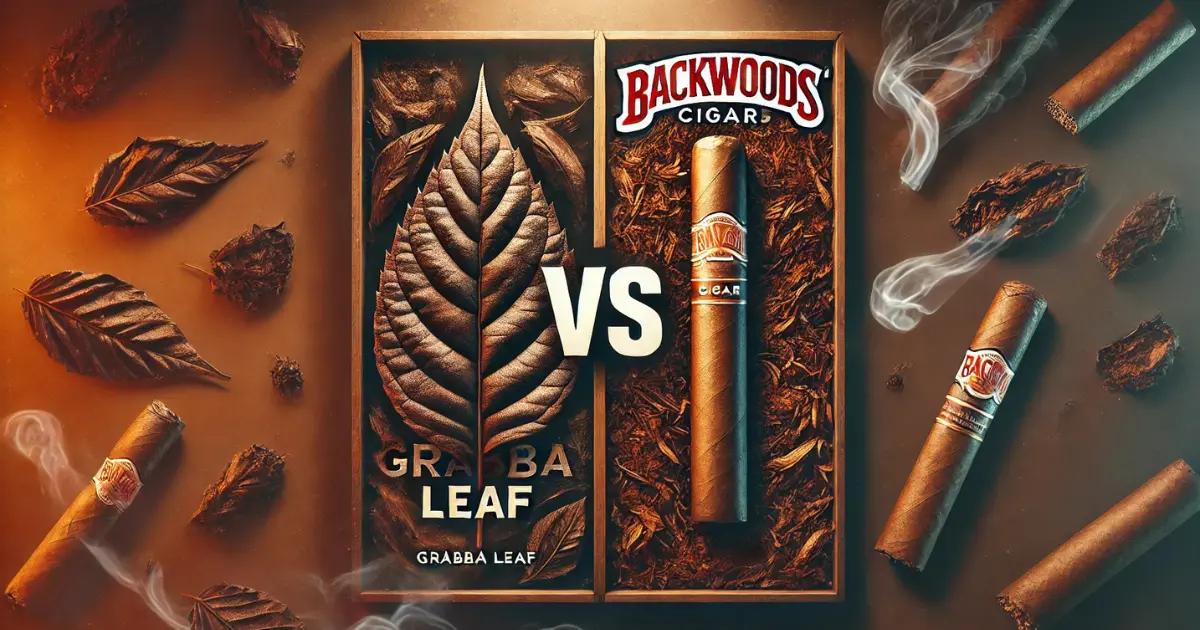
When you’re standing at the counter or browsing online trying to decide between grabba vs backwoods, you need straight answers fast. Both are popular tobacco wraps used by smokers worldwide, but they deliver vastly different experiences in terms of flavor, nicotine kick, burn characteristics, and rolling difficulty. Grabba leaves are whole, unprocessed tobacco leaves that require preparation and skill to use, while Backwoods are pre-rolled cigar wraps designed for convenience. This comprehensive comparison breaks down every critical factor—from nicotine strength and burn rate to throat harshness and price—so you can make an informed decision based on your smoking preferences, skill level, and budget. Whether you’re an experienced roller looking for authenticity or a beginner seeking ease of use, understanding the grabba leaf vs backwoods debate will help you choose the right wrap for your needs.
What Are Grabba Leaves and Backwoods? (Quick Overview)
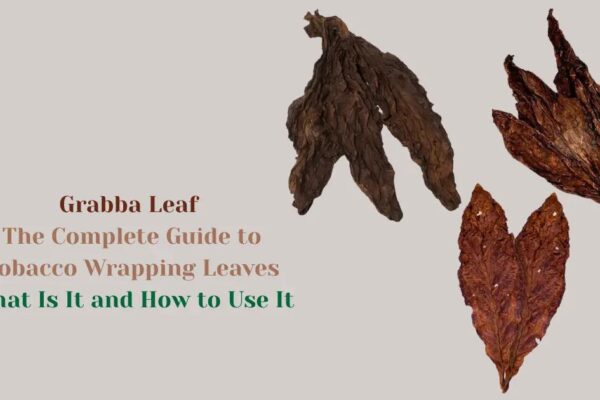
Grabba leaves are whole, natural tobacco leaves that have been air-cured and minimally processed. Originating from Caribbean smoking traditions, particularly popular in Jamaica and among Caribbean communities in New York, grabba represents the most authentic form of tobacco wrap available. The term “grabba” comes from the practice of literally grabbing a piece of the leaf to use. These leaves are sold as full sheets or crushed pieces, requiring users to tear, cut, or crush them before rolling. Grabba is known for delivering an intense, unfiltered tobacco experience with high nicotine content and a raw, earthy flavor profile.
Backwoods cigars, manufactured by ITG Brands, are machine-made cigars wrapped in Connecticut Broadleaf tobacco. Introduced in 1981, Backwoods were originally marketed as rustic, outdoor-themed cigars but have become extremely popular in smoking culture for “gutting and stuffing” purposes. Each Backwoods comes pre-rolled with tobacco filler that users typically remove, replacing it with their preferred smoking material. The wrapper itself is what smokers value—a sweetened, flavored tobacco leaf that’s ready to use without preparation. Backwoods come in numerous flavors including Honey, Sweet Aromatic, Russian Cream, and Dark Leaf.
The fundamental difference is processing and preparation: grabba requires work and skill, while Backwoods offer convenience and consistency. Grabba appeals to purists seeking an unprocessed, traditional experience, while Backwoods attract those wanting flavored, ready-to-use wraps. Understanding what is grabba in new york versus the commercial appeal of Backwoods helps frame this comparison—one represents street culture authenticity, the other mainstream accessibility.
Flavor Profile Comparison: Grabba vs. Backwoods
The flavor difference between grabba vs backwoods is perhaps the most immediately noticeable distinction. Grabba delivers a pure, unadulterated tobacco taste—earthy, bitter, and intensely robust. There’s no sweetness, no added flavoring, just the natural taste of cured tobacco leaf. The flavor can vary slightly depending on the tobacco variety and curing process, but it consistently provides that raw, almost harsh tobacco essence that some smokers crave. The taste is often described as “green” or vegetal, with woody undertones and a lingering bitterness that coats the palate.
Backwoods, in contrast, offer a sweetened and flavored experience. Even the original “unflavored” Backwoods contain some sweetness from the Connecticut Broadleaf wrapper and any processing additives. The popular flavored varieties like Honey Backwoods add significant sweetness that masks much of the natural tobacco bitterness. Sweet Aromatic provides vanilla and caramel notes, Russian Cream offers creamy sweetness, and Dark Leaf (ironically closer to grabba in concept) still maintains some sweetness while delivering stronger tobacco flavor. The sweetness comes from both the tobacco variety and additional flavorings or casings applied during manufacturing.
For smokers who prefer natural, unaltered tobacco flavor, grabba wins decisively. Those who enjoy sweetness, variety, and less harsh tobacco taste will prefer Backwoods. The grabba leaf vs backwoods flavor debate often splits along experience lines—veteran smokers and those from Caribbean traditions tend toward grabba’s authenticity, while newer smokers or those seeking variety gravitate toward Backwoods’ flavored options. Neither is objectively better; it’s purely preference-based, though grabba’s lack of additives appeals to those concerned about consuming fewer processed ingredients.
Flavor Intensity and Aftertaste
Grabba leaves a powerful, long-lasting aftertaste that can persist for hours. The nicotine and tobacco oils coat the mouth and throat, creating an intense post-smoking sensation. Backwoods produce a milder aftertaste, especially in sweeter varieties where the flavoring lingers pleasantly rather than the harsh tobacco bitterness. This difference affects the overall smoking experience—grabba demands commitment to its intensity, while Backwoods offer a more forgiving, approachable flavor journey that won’t overwhelm those sensitive to strong tobacco taste.
Nicotine Strength: Which Hits Harder?
When comparing backwoods nicotine strength to grabba, the grabba leaf delivers significantly more nicotine per session. Whole tobacco leaves contain the full spectrum of nicotine naturally present in the plant, typically ranging from 2-4% nicotine content by weight, with some varieties reaching even higher concentrations. Because grabba is unprocessed and users often use generous amounts when rolling, the total nicotine delivery can be substantial—easily equivalent to smoking multiple cigarettes in a single session. The nicotine absorption is also more direct because there’s no filter and the smoke is typically inhaled deeply.
Backwoods cigars contain less nicotine per wrap compared to an equivalent amount of grabba, though they still deliver more nicotine than a standard cigarette. A single Backwoods wrapper (without the filler tobacco) contains approximately 1-1.5mg of nicotine, though this varies by product line. The Dark Leaf variety contains more nicotine than sweeter varieties like Honey or Sweet Aromatic. However, because Backwoods are processed and the wrapper is thinner and more uniform than a piece of grabba, the overall nicotine hit is more controlled and predictable.
The question “is grabba stronger than tobacco” is somewhat misleading—grabba is tobacco, just in its most potent, unprocessed form. It’s stronger than cigarette tobacco (which is blended and processed) and stronger than the tobacco in most commercial cigars. For nicotine delivery, grabba absolutely hits harder. First-time grabba users often report feeling lightheaded, dizzy, or experiencing a “nicotine rush” that can be overwhelming. Experienced smokers seeking maximum nicotine impact prefer grabba for this reason. Those wanting a more moderate, controlled nicotine experience should choose Backwoods.
Does Grabba Get You More High?
Addressing the common question “does grabba get you more high?”—grabba itself doesn’t contain psychoactive compounds beyond nicotine. However, the intense nicotine rush can create a head-spinning sensation that some interpret as enhancing other effects. The high nicotine content can cause dizziness, lightheadedness, and a brief euphoric feeling, especially in users with lower nicotine tolerance. When combined with other substances, the powerful nicotine delivery may intensify the overall experience, but this is due to nicotine’s stimulant properties and vascular effects, not because grabba contains additional psychoactive ingredients. The perception that grabba “gets you higher” likely stems from its intense nicotine impact combined with the ritualistic, authentic smoking experience it provides.
Burn Rate and Smoking Duration
The grabba leaf burn rate depends heavily on how it’s prepared and rolled, but generally, grabba burns slower and longer than Backwoods when used in comparable amounts. Whole tobacco leaves are denser and contain more moisture than processed cigar wrappers, which contributes to a slower, more sustained burn. A properly rolled grabba session can last 15-30 minutes or longer, depending on the size and how tightly it’s packed. The burn is typically uneven at first if the leaf isn’t prepared properly—thick veins and stems can cause canoeing or tunneling—but experienced users know to remove these or distribute the leaf evenly for consistent burning.
Backwoods burn relatively quickly compared to grabba, typically lasting 10-20 minutes depending on size and how tightly packed. The Connecticut Broadleaf wrapper is thinner and more uniformly processed than raw grabba, which creates a more consistent but faster burn. Backwoods are designed to burn evenly without much technique required, making them more forgiving for less experienced rollers. The burn rate is predictable and steady, without the hot spots or uneven burning that can occur with improperly prepared grabba.
For smokers who want their session to last longer and prefer a slow-burning wrap, grabba offers superior duration. The dense, natural leaf structure resists rapid combustion, especially when rolled tightly. However, this slower burn also means grabba produces more smoke overall and requires more time commitment per session. Backwoods suit those wanting a quicker, more efficient smoking experience without the extended duration. The trade-off is between longevity and convenience—grabba rewards patience with extended sessions, while Backwoods deliver satisfaction in a shorter timeframe.
Burn Quality and Consistency
Grabba’s burn quality varies significantly based on preparation skill. Properly dried, de-veined, and evenly distributed grabba burns beautifully with a thick, white ash. Improperly prepared grabba can burn harshly, create excessive tar, or go out repeatedly. Backwoods offer much more consistent burn quality regardless of user skill level. The factory processing ensures uniform thickness and moisture content, resulting in reliable burning characteristics every time. For consistency and predictability, Backwoods win. For those who enjoy the craft and don’t mind occasional imperfections, grabba’s variable burn becomes part of the authentic experience.
Rolling Experience: Ease of Use and Skill Level
Learning how to roll grabba requires significantly more skill, patience, and practice than using Backwoods. Grabba leaves arrive as whole sheets or large pieces that must be prepared before use. The process involves: selecting a good portion of leaf, removing thick stems and veins (which burn poorly and taste harsh), potentially moistening the leaf if it’s too dry and brittle, tearing or cutting it to the desired size, and then carefully rolling it. The leaf’s irregular texture, varying thickness, and natural imperfections make rolling challenging for beginners. Grabba doesn’t stick to itself easily, often requiring saliva or a natural adhesive to seal. The entire process demands technique and experience to achieve a smokable result.
Backwoods are dramatically easier to use, though they still require more skill than rolling papers. The process is simple: unwrap the Backwoods, carefully unroll it (the wrapper can tear if handled roughly), remove the tobacco filler, fill with your material, and re-roll using the wrapper’s natural stickiness. The Connecticut Broadleaf wrapper is pliable, slightly sticky from natural sugars and processing, and designed to seal with minimal effort. While Backwoods can crack or tear if too dry, they’re far more forgiving than grabba. A beginner can successfully roll a Backwoods after a few attempts, whereas mastering grabba can take weeks or months of practice.
The grabba vs backwoods rolling experience reflects their target audiences. Grabba appeals to experienced smokers who view preparation as part of the ritual and take pride in their rolling skills. It’s a craft that requires knowledge passed down through communities, particularly in Caribbean and urban cultures where grabba traditions run deep. Backwoods cater to convenience-oriented smokers who want reliable results without extensive preparation. For absolute beginners, Backwoods are the clear choice. For those willing to invest time in learning proper technique, grabba offers a more rewarding, authentic experience.
Preparation Time and Convenience
Grabba preparation can take 5-10 minutes or more, especially when properly de-veining and sizing the leaf. Backwoods are ready to use in under a minute—just unwrap and unroll. This time difference matters when you want to smoke quickly versus when you have time to engage in the full preparation ritual. Grabba demands planning and patience; Backwoods deliver immediate gratification. For on-the-go smoking or situations requiring speed, Backwoods win decisively. For leisurely sessions where preparation is part of the enjoyment, grabba’s extended prep time becomes a feature rather than a drawback.
Price Comparison: Value for Money
Examining grabba leaf price versus Backwoods reveals interesting value dynamics. A whole grabba leaf typically costs $3-8 depending on size, quality, and location, with prices varying significantly between tobacco shops, bodegas, and online retailers. A single large grabba leaf can provide material for 10-20+ sessions depending on how much you use per roll, making the per-session cost extremely low—often just $0.25-0.50 per use. Small grabba leaf pieces or “grabba crushed” packets cost $1-3 and provide enough for 2-5 sessions. The grabba leaf wholesale price for bulk purchases can reduce costs even further for regular users.
Backwoods typically cost $1.50-3.00 per cigar (prices vary by location and whether purchased individually or in packs). A 5-pack usually runs $7-12, and a box of 40 costs $50-80. Since each Backwoods provides one wrapper for one session, the per-use cost is simply the price of one cigar. This makes Backwoods significantly more expensive per session than grabba—roughly 3-10 times more costly depending on how much grabba you use per roll.
For budget-conscious smokers, grabba offers superior value. The upfront cost is similar, but the number of sessions per purchase is dramatically higher. However, this calculation assumes you’re skilled enough to use grabba effectively—wasted leaf during the learning process can increase actual costs. Backwoods’ higher per-session cost buys convenience, consistency, and variety. For occasional smokers, the price difference may not matter much. For daily users, switching from Backwoods to grabba could save hundreds of dollars annually. When considering where to buy grabba leaf near me versus purchasing Backwoods at any convenience store, factor in availability and accessibility alongside pure price.
Long-Term Cost Analysis
A heavy smoker using one Backwoods daily spends approximately $550-1,100 annually. The same smoker using grabba might spend $100-300 per year, depending on usage amounts. This 5-10x cost difference makes grabba the economical choice for regular users. However, Backwoods’ convenience may justify the premium for those who value time and ease over savings. The grabba leaf delivery and grabba leaf amazon options have expanded access, though shipping costs can affect the value proposition. Buying grabba leaf for sale locally often provides the best combination of price and convenience for regular users.
Which Is Harsher on the Throat?
Grabba is significantly harsher on the throat and lungs than Backwoods. The unprocessed, high-nicotine tobacco delivers an intense, scratchy sensation that can cause coughing, especially for inexperienced users or those with sensitive airways. The smoke is thick, hot, and carries the full spectrum of tobacco compounds without any filtering or processing to reduce harshness. First-time grabba users often find the experience overwhelming—the throat hit is powerful and can feel almost burning. Even experienced smokers note that grabba produces a rougher smoke than most commercial tobacco products.
Backwoods are notably smoother, though still harsher than cigarettes or most rolling papers. The processing, sweetening, and flavoring reduce the raw tobacco harshness. Sweet varieties like Honey or Russian Cream are particularly smooth, with the added flavoring masking much of the natural tobacco bite. Dark Leaf Backwoods are harsher than flavored varieties but still gentler than grabba. The thinner wrapper also produces less smoke volume per puff, reducing throat irritation compared to grabba’s dense smoke production.
The question “why shouldn’t you smoke Backwoods” often arises in health contexts. While Backwoods are smoother than grabba, they’re still tobacco products with associated health risks. The sweetening and flavoring may make them more appealing and easier to smoke regularly, potentially increasing overall tobacco consumption. Grabba’s harshness actually serves as a natural limiting factor—the intense throat hit prevents chain-smoking and forces users to smoke more slowly and deliberately. Neither product is “safe,” but grabba’s harshness makes it self-limiting in a way that smoother Backwoods are not.
Throat Impact and Tobacco Leaf Side Effects
Understanding tobacco leaf side effects is crucial when comparing these products. Both can cause throat irritation, increased phlegm production, coughing, and respiratory discomfort. Grabba’s intensity can lead to more immediate and severe throat irritation, while Backwoods’ smoothness may enable longer smoking sessions with cumulative irritation. Heavy grabba use can result in a chronically sore throat, hoarse voice, and persistent cough. The high nicotine content in grabba can also cause nausea, dizziness, and increased heart rate, especially in users with lower tolerance. Backwoods present similar risks but typically at lower intensity due to reduced nicotine content and smoother smoke.
Natural vs. Processed: Ingredient Breakdown
Grabba represents tobacco in its most natural, minimally processed form. The leaves are harvested, air-cured (dried naturally), and sold with minimal intervention. There are no added chemicals, flavorings, preservatives, or processing agents in authentic grabba. What you’re smoking is pure tobacco leaf—the same plant material that all tobacco products originate from, but without the industrial processing. This appeals to smokers concerned about additives and seeking the most “natural” tobacco experience possible. However, “natural” doesn’t mean safe—tobacco leaf contains nicotine, tar, and numerous compounds that pose health risks regardless of processing.
Backwoods undergo significantly more processing. The Connecticut Broadleaf wrapper is cultivated specifically for cigar production, harvested, fermented, aged, and then processed into uniform cigar wrappers. During manufacturing, Backwoods receive various treatments including: humectants to maintain moisture, flavorings and sweeteners (especially in flavored varieties), and potentially other additives to ensure consistency and shelf stability. The exact ingredient list isn’t fully disclosed, as tobacco products have different labeling requirements than food. The flavored varieties definitely contain additional chemical compounds to create their distinctive tastes.
For purists seeking minimal processing, grabba is the clear winner. It’s as close to smoking raw tobacco as possible without growing and curing your own leaves. Backwoods offer convenience and variety through processing but sacrifice the “natural” appeal. The debate over natural versus processed mirrors broader consumer trends—some prioritize minimal intervention and authenticity, while others value the consistency and variety that processing enables. Neither approach eliminates tobacco’s inherent risks, but they represent different philosophies about what smokers want from their tobacco products.
Is Grabba Illegal or Regulated Differently?
Addressing “is grabba illegal”—grabba is legal to purchase and possess in most jurisdictions where tobacco products are legal. It’s sold as whole leaf tobacco, which is a legal tobacco product category. However, regulations vary by location. Some areas restrict tobacco sales to licensed retailers, require age verification (typically 21+ in the U.S.), or impose specific taxes on tobacco products. Grabba occupies a somewhat gray area in tobacco regulation because it’s sold as whole leaf rather than as a finished product like cigarettes or cigars, sometimes allowing it to avoid certain taxes or regulations that apply to manufactured tobacco products. Always check local laws regarding tobacco purchase and possession.
User Preferences: What Experienced Smokers Choose
Examining grabba vs backwoods reddit discussions and broader smoking community preferences reveals interesting patterns. Experienced smokers with Caribbean heritage or connections to urban smoking culture overwhelmingly prefer grabba for its authenticity, strength, and cultural significance. In communities where grabba traditions are strong—particularly among Jamaican, Trinidadian, and other Caribbean diaspora populations in cities like New York, Miami, and Toronto—grabba is the default choice. These smokers value the ritual, the intensity, and the connection to cultural traditions that grabba represents.
Mainstream smoking culture, particularly among younger smokers and those outside Caribbean-influenced communities, tends to prefer Backwoods. The brand has achieved iconic status in hip-hop culture and among cannabis users, with certain flavors (especially Honey and Russian Cream) becoming cultural touchstones. Backwoods’ convenience, variety, and consistent quality appeal to smokers who want reliable results without extensive preparation. The brand’s marketing and cultural cachet have made it the default choice for many smokers who might never have heard of grabba.
Skill level significantly influences preference. Beginners almost universally start with Backwoods due to ease of use. As smokers gain experience and confidence, some graduate to grabba, attracted by its intensity and authenticity. Others remain loyal to Backwoods, valuing convenience over the marginal benefits grabba offers. Geographic availability also matters—grabba is readily available in areas with Caribbean populations but can be difficult to find elsewhere, whereas Backwoods are sold in virtually every convenience store and gas station nationwide.
What's Better Than Grabba Leaf?
The question “what’s better than grabba leaf” depends entirely on what you’re optimizing for. For pure nicotine strength and natural tobacco experience, nothing surpasses grabba—it’s the ultimate in unprocessed tobacco. However, alternatives exist for different priorities: Fronto leaf (another whole leaf tobacco similar to grabba but typically from different tobacco varieties) offers comparable authenticity with slight flavor variations. For smokers wanting something between grabba’s intensity and Backwoods’ convenience, palm leaf wraps or hemp wraps provide natural options without tobacco’s harshness. For those prioritizing smoothness and flavor variety, premium flavored cigars or blunt wraps offer more options than Backwoods. “Better” is subjective—grabba excels at being raw and intense, while other products excel at convenience, flavor, or smoothness.
Grabba vs. Backwoods: Final Verdict and Recommendations
The grabba vs backwoods decision ultimately depends on your priorities, skill level, and smoking preferences. Neither product is objectively superior—they serve different needs and appeal to different smoker profiles. Here’s the definitive breakdown to guide your choice:
Choose grabba if you: Want maximum nicotine strength and intensity; prefer natural, unprocessed tobacco without additives; enjoy the preparation ritual and have rolling skills (or want to develop them); prioritize cost-effectiveness and value; appreciate cultural authenticity and traditional smoking methods; don’t mind harshness and actually prefer a strong throat hit; have time for preparation and aren’t always smoking on-the-go; want the longest burn time and most tobacco per dollar.
Choose Backwoods if you: Want convenience and consistent, predictable results; prefer smoother smoke with less throat harshness; enjoy flavored tobacco and variety; are a beginner or intermediate roller; value widespread availability and brand recognition; don’t mind paying premium prices for convenience; want moderate nicotine levels rather than maximum intensity; need quick preparation without extensive ritual; prefer a cleaner, more refined smoking experience.
For many experienced smokers, the answer isn’t either/or but both. Grabba serves as the daily driver for home sessions where time and preparation aren’t constraints, while Backwoods fill the role of convenient, on-the-go option. This hybrid approach captures the benefits of both—grabba’s economy and intensity when you want it, Backwoods’ convenience when you need it. The “can you use backwoods as grabba” question sometimes arises, and while you technically can use Backwoods wrappers similarly to how you’d use grabba, they’re fundamentally different products with different characteristics.
From a pure value and authenticity perspective, grabba wins for experienced smokers willing to invest in the learning curve. The cost savings alone justify the effort for regular users, and the intense, natural tobacco experience appeals to purists. However, Backwoods’ dominance in mainstream smoking culture isn’t accidental—the convenience, consistency, and accessibility they offer genuinely matter to most smokers. For someone asking “is grabba edible” (it’s not—it’s tobacco meant for smoking, not consumption), this suggests unfamiliarity with tobacco products generally, making Backwoods the safer starting point.
The medicinal uses of tobacco leaves exist in some traditional practices, but neither grabba nor Backwoods should be considered medicinal products—they’re recreational tobacco intended for smoking. Understanding what is hot grabba (grabba that’s been dried or toasted for different smoking characteristics) and other preparation variations comes with experience, further supporting the recommendation that beginners start with Backwoods before potentially graduating to grabba.
Ultimately, the best choice is the one that matches your current skill level, budget, and desired smoking experience. Try both if possible—purchase a small grabba leaf and a pack of Backwoods, experiment with each, and let your personal experience guide the decision. Your throat, lungs, wallet, and smoking satisfaction will tell you which product suits you better. Just remember that both are tobacco products with inherent health risks, and the “best” tobacco product is still one that should be used mindfully and in moderation, if at all.
Frequently Asked Questions
What is the main difference between grabba and Backwoods?
The main difference is that grabba is a whole, unprocessed tobacco leaf that requires manual preparation and rolling skills, while Backwoods are pre-rolled cigar wraps designed for convenience. Grabba offers a more intense, raw tobacco experience with higher nicotine content, whereas Backwoods provide a milder, flavored smoking experience with less preparation time. When comparing grabba vs backwoods, grabba is essentially the raw material while Backwoods are a finished product ready to use.
Does grabba get you more high than Backwoods?
Grabba doesn’t make you “high” on its own since it’s just tobacco, but it does deliver a significantly stronger nicotine buzz than Backwoods. The intense nicotine rush from grabba can create a head-spinning sensation that some users mistake for a high, especially when combined with other substances. This stronger effect is due to grabba being unprocessed whole leaf tobacco with naturally higher nicotine concentrations compared to the processed tobacco in Backwoods cigars.
Is grabba stronger than regular tobacco?
Yes, grabba is considerably stronger than most commercial tobacco products because it’s unprocessed whole leaf tobacco with no additives or dilution. Grabba contains higher concentrations of nicotine—typically 3-6% compared to 1-2% in cigarettes—and delivers a much more intense throat hit and buzz. The lack of processing means all the natural tobacco alkaloids remain intact, making it one of the strongest tobacco options available to consumers.
Can you roll grabba by itself?
Yes, you can roll grabba by itself, but it requires significant skill and preparation. You’ll need to remove the stem, properly hydrate the leaf to prevent cracking, and have experience with freehand rolling since grabba doesn’t come pre-shaped like Backwoods. Many users find rolling pure grabba challenging for beginners, which is why some prefer using it as a wrap or mixing it with other materials rather than rolling it solo.
Is it easy to roll a Backwoods blunt?
Rolling a Backwoods is moderately difficult and has a learning curve, though it’s easier than rolling with grabba. Backwoods cigars have a natural leaf wrapper that can be delicate and prone to cracking if not handled carefully, requiring you to “unroll” the cigar first and then re-roll it with your material. Most beginners need several attempts to master the technique, but once learned, Backwoods rolling becomes much more manageable than working with raw grabba leaves.
Which burns slower: grabba or Backwoods?
Grabba typically burns slower than Backwoods when properly prepared and rolled tightly. The thick, dense nature of whole grabba leaf provides a longer, more sustained burn that can last 30-50% longer than a Backwoods wrap. However, the actual burn rate depends heavily on how you prepare and roll the grabba—poorly rolled grabba can burn unevenly or too quickly, while Backwoods offer more consistent burn characteristics due to their standardized processing.
Do Backwoods contain nicotine?
Yes, Backwoods contain nicotine since they’re made from tobacco leaf, though the nicotine content is lower than grabba. A typical Backwoods cigar contains approximately 100-200mg of nicotine total in the wrap, which is moderate compared to cigarettes but significantly less than raw grabba leaf. When comparing grabba vs backwoods for nicotine strength, grabba delivers a much more intense nicotine experience due to its unprocessed nature.
Is grabba healthier than regular tobacco products?
No, grabba is not healthier than other tobacco products—in fact, it may pose greater health risks due to its higher nicotine content and lack of processing. While grabba doesn’t contain the additives found in cigarettes, it still contains all the harmful substances naturally present in tobacco, including carcinogens and tar. The stronger nicotine concentration in grabba can also lead to faster addiction and more intense withdrawal symptoms compared to processed tobacco products.
What's the flavor difference between grabba and Backwoods?
Grabba delivers a raw, earthy, and intensely bitter tobacco flavor with no sweetness, while Backwoods offer a sweeter, milder taste often enhanced with flavors like honey, vanilla, or rum. The grabba vs backwoods flavor comparison shows that grabba provides an authentic, unmasked tobacco experience that many find harsh, whereas Backwoods are specifically processed to be more palatable with aromatic qualities. Your preference depends on whether you want an intense, natural tobacco taste or a smoother, flavored smoking experience.
Can you use Backwoods as grabba?
While you technically can use Backwoods leaf similarly to grabba, they’re not true substitutes due to different processing and characteristics. Backwoods are pre-treated, flavored, and more delicate than raw grabba leaves, offering less nicotine strength and a different flavor profile. Some users do tear apart Backwoods to use as wraps or mixing tobacco, but this won’t replicate the intense experience that whole leaf grabba provides.
You May Also Like
Nicotiana Rustica Guide: Uses, Effects & Growing Wild Tobacco
Fronto Leaf Guide: What It Is, How to Use It & Where to Buy