First Shave Guide: How to Shave for the First Time

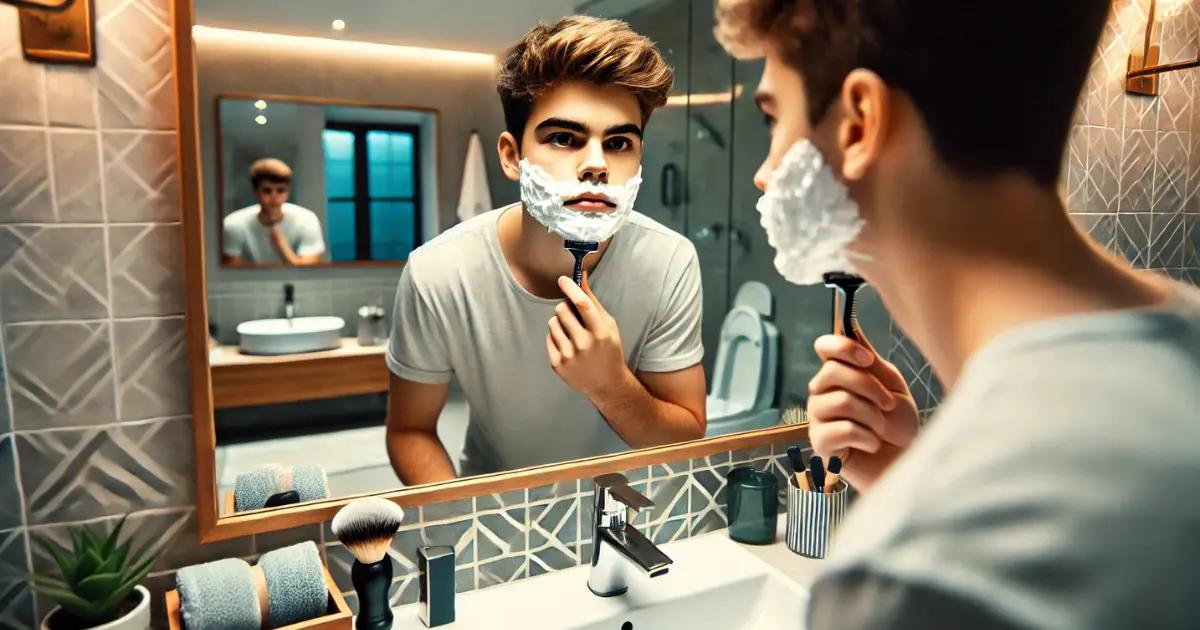
Your first shave guide begins with understanding that this milestone moment doesn’t have to be intimidating or complicated. Whether you’re a teenager wondering when to start or someone who’s simply delayed this grooming ritual, learning how to shave for the first time properly will save you from painful cuts, embarrassing razor burn, and wasted money on products you don’t need. This comprehensive guide walks you through every aspect of your first shaving experience—from selecting the right equipment to mastering techniques that protect your skin—so you can approach this new routine with confidence rather than anxiety.
Why Your First Shave Matters (And Why You Shouldn't Stress)
Your first shave represents more than just removing unwanted hair—it marks a transition into a new phase of personal care that you’ll likely practice for decades. Getting it right from the beginning establishes good habits that prevent common problems like ingrown hairs, skin irritation, and the dreaded razor burn that plagues so many beginners. The techniques you learn during your first shave guide experience will form the foundation of your grooming routine, whether you’re shaving your face, legs, underarms, or other body areas.
That said, there’s no need to stress about perfection. Millions of people have navigated their first shave before you, and while minor nicks or slight irritation might happen, these are temporary learning experiences rather than disasters. The key is approaching this milestone with the right information and realistic expectations. You’re not expected to achieve professional-barber results on your first attempt—you’re simply learning a new skill that improves with practice.
Timing your first shave is a personal decision that varies widely. Some teenagers start as early as 11 or 12, while others wait until their mid-teens or beyond. Factors like hair growth patterns, personal comfort, cultural expectations, and individual preference all play roles. According to medical experts, there’s no universal “right age” to begin shaving—you can start earlier or later. The important thing is that you feel ready and have access to proper guidance.
Choosing Your First Razor: Safety Razor vs Cartridge vs Electric
Selecting your first razor can feel overwhelming when faced with endless options at the drugstore or online. Understanding the three main razor types helps you make an informed choice based on your needs, budget, and comfort level. Each type offers distinct advantages for beginners learning how to shave for the first time.
Cartridge razors are the most popular choice for first-time shavers and for good reason. These razors feature replaceable blade cartridges (typically with 3-5 blades) and often include lubricating strips that reduce friction. For beginners, cartridge razors offer the most forgiving learning curve—the pivoting head adjusts to facial or body contours, and the multiple blades provide a close shave with less pressure required. Brands like Gillette, Schick, and Venus dominate this category, with specialized options for different body areas. The main drawback is ongoing cost, as replacement cartridges can be expensive over time.
Safety razors use a single, double-edged blade held at a precise angle by the razor head. While they require more technique and attention, safety razors offer the closest shave and the lowest long-term cost—replacement blades cost pennies compared to cartridges. However, most grooming experts don’t recommend safety razors for absolute beginners due to the higher risk of cuts while learning proper angle and pressure. If you’re interested in this classic option, consider starting with a cartridge razor first, then transitioning to a safety razor once you’ve mastered basic shaving technique.
Electric razors provide the safest option for nervous first-timers, virtually eliminating the risk of cuts. These devices use oscillating or rotating blades covered by a protective foil or screen. Electric razors work well for facial hair and some body areas, though they typically don’t provide as close a shave as blade razors. They’re ideal for first time shaving mistakes prevention and work especially well for those with sensitive skin prone to irritation. The upfront cost is higher, but there are no ongoing blade replacement expenses. For young teens just starting out, a first shaving kit for teenager often includes an appropriate electric or cartridge razor designed for beginners.
Matching Razor Type to Body Area
Different body areas may benefit from different razor types. For facial shaving, all three options work well, though cartridge razors offer the best balance of safety and closeness for beginners. When considering body shaving female needs, cartridge razors with moisture strips excel for legs and underarms. For more sensitive areas, including when learning how to shave for the first time down there, specialized razors with rounded heads and fewer blades reduce irritation risk. Many people wondering how to use venus razor for private area find that Venus’s bikini-specific models provide the control and safety features needed for delicate zones.
Essential Shaving Supplies You Actually Need (Skip the Marketing Hype)
The shaving industry bombards beginners with countless products, but your first shave guide requires surprisingly few essentials. Focusing on these core items saves money while ensuring you have everything necessary for a successful, comfortable shave.
Your chosen razor is obviously the foundation. Start with one quality razor rather than buying multiple types—you can always expand your collection later as you discover your preferences.
Shaving cream or gel creates a protective barrier between the blade and your skin while softening hair for easier cutting. Shaving cream or gel each have distinct properties—creams provide richer lather and more cushioning, while gels offer better visibility of what you’re shaving. For your first shave, either works fine; choose based on personal preference. Avoid using regular soap, which dries skin and doesn’t provide adequate lubrication.
A clean towel for patting skin dry before and after shaving prevents bacterial transfer that can lead to breakouts or infection in any nicks.
Aftershave balm or moisturizer soothes freshly shaved skin and helps prevent irritation. Skip alcohol-based aftershaves for your first experiences—they sting and can dry out skin. Instead, choose fragrance-free, alcohol-free balms or aloe-based products designed for sensitive skin.
A mirror seems obvious, but good lighting and a fog-free mirror make enormous differences in shaving accuracy and safety. For body shaving, a handheld mirror helps you see difficult angles.
Optional But Helpful Items
While not essential for your first shave, these items enhance the experience: a pre-shave oil for extra sensitive skin protection, a shaving brush if using traditional shaving soap, styptic pencil or alum block for stopping bleeding from any accidental nicks, and exfoliating scrub for use 24 hours before shaving to prevent ingrown hairs. Don’t feel pressured to buy these immediately—add them gradually as you develop your routine and identify your specific needs.
Preparing Your Skin Before the First Shave
Proper preparation dramatically reduces your risk of cuts, irritation, and razor burn. The minutes you spend preparing your skin before the first blade stroke determine much of your shaving success. This preparation applies whether you’re learning how to shave for the first time men or shaving for the first time woman—the principles remain consistent across genders and body areas.
Start by cleansing the area thoroughly. Wash with a gentle cleanser to remove dirt, oil, dead skin cells, and bacteria that could cause infection if you accidentally nick yourself. This step is particularly important when considering what to apply before shaving legs or other body areas—clean skin is protected skin. For facial shaving, wash your face with warm water and a mild face wash. For body areas, a shower beforehand serves this purpose perfectly.
Hydrate and soften the hair by exposing the area to warm water for 2-3 minutes. Warm water opens pores and softens hair shafts, making them easier to cut and reducing the force needed (which means less irritation). This is why many people prefer shaving during or immediately after a warm shower. If you’re shaving your face without showering first, hold a warm, damp towel against your face for a couple of minutes. The warmth and moisture prepare your skin and hair for a smoother shave.
Apply a pre-shave oil if you have particularly sensitive skin or coarse hair. While optional, this thin layer of oil provides extra lubrication and protection. A few drops massaged into damp skin create a barrier that helps the razor glide smoothly.
Apply shaving cream or gel generously. Don’t skimp on this step—a thick, even layer protects your skin and helps you see which areas you’ve already shaved. Let the product sit on your skin for 30-60 seconds before you begin shaving. This brief wait allows the cream or gel to further soften the hair and create maximum slip for the razor.
Special Considerations for Different Body Areas
When preparing for your best shaving routine for bikini area or learning how to shave for beginners girl in sensitive zones, take extra preparation time. Consider trimming longer hair with scissors or an electric trimmer first—this prevents the razor from clogging and pulling. For those wondering when should a girl start shaving her private area or what age should you start shaving your private area, remember that preparation becomes even more critical in these delicate areas. The skin is thinner and more prone to irritation, so never rush the preparation phase.
Step-by-Step: How to Shave for the First Time
Now that your skin is properly prepared, it’s time for the actual shaving process. This first shave guide breaks down each step to ensure you understand exactly what to do, reducing anxiety and improving results. Follow these steps whether you’re tackling facial hair, legs, underarms, or other body areas.
Step 1: Hold the razor correctly. Grip the razor handle firmly but not tensely—a death grip causes shaky hands and increases cut risk. Hold the razor at a 30-degree angle to your skin for cartridge razors, or let the pivoting head find its natural angle. For safety razors, maintaining the correct angle requires more attention, which is why they’re not ideal for beginners.
Step 2: Start with the easiest area. For facial shaving, begin with your cheeks—they’re relatively flat and forgiving. For legs, start with your lower legs where skin is less sensitive. For underarms, stretch the skin taut with your free hand. Beginning with easier areas builds confidence before you tackle more challenging spots.
Step 3: Shave with the grain first. “With the grain” means shaving in the direction your hair grows. Run your hand over the area—the direction that feels smoothest is with the grain. While shaving against the grain provides a closer shave, it dramatically increases irritation risk for beginners. Your first several shaves should always be with the grain until you’ve developed technique and your skin has adapted to regular shaving.
Step 4: Use light, short strokes. Let the razor’s weight do the work—don’t press down. Pressing increases cut and irritation risk without improving results. Take strokes about 2-3 inches long, rinsing the razor after every few strokes to remove accumulated hair and shaving cream. Clogged blades pull rather than cut, causing discomfort and poor results.
Step 5: Rinse frequently. Keep both your skin and razor clean throughout the process. Rinse the razor under running water after every 2-3 strokes, shaking it gently to dislodge trapped hair. If shaving cream starts to dry on your skin, reapply—never shave dry skin.
Step 6: Tackle difficult areas carefully. For facial shaving, the area under your nose and around your chin requires extra attention. For women shaving pubic area or learning how to shave for the first time down there, use a handheld mirror, go slowly, and stretch the skin taut with your free hand. Never rush through sensitive or hard-to-see areas.
Step 7: Rinse thoroughly. Once you’ve finished shaving, rinse the entire area with cool water. Cool water closes pores and helps prevent irritation. Make sure you’ve removed all shaving cream residue, as leaving it on skin can cause dryness or breakouts.
Step 8: Pat dry gently. Use a clean towel to pat (not rub) your skin dry. Rubbing can irritate freshly shaved skin and potentially reopen any micro-cuts.
The Right Shaving Technique to Prevent Cuts and Irritation
Beyond the basic steps, mastering proper technique separates a comfortable, successful shave from a painful, frustrating experience. These beginner shaving tips focus on the nuances that prevent common problems while you’re learning how to shave for the first time.
Pressure control is the single most important technical skill. Beginners almost universally press too hard, thinking more pressure equals a closer shave. In reality, excessive pressure causes razor burn, cuts, and irritation without improving results. Modern multi-blade cartridge razors are designed to work with minimal pressure—the razor’s own weight provides sufficient force. Practice this by holding the razor so lightly that you barely feel it in your hand, then gradually increase pressure only until the blades make contact with your skin. If you’re leaving red marks or feeling discomfort, you’re pressing too hard.
Skin stretching creates a flatter surface for the razor to glide across, reducing the chance of cuts and ensuring more even hair removal. Use your free hand to pull skin taut in the area you’re about to shave. This technique is especially important for areas with loose or wrinkled skin, such as the neck, underarms, or bikini area. When learning the best shaving routine for bikini area, skin stretching becomes essential for safety and effectiveness.
Angle consistency matters more than you might think. Holding the razor at too steep an angle causes the blade to scrape rather than cut, leading to irritation. Too shallow, and the blade doesn’t make proper contact. Cartridge razors with pivoting heads help maintain the correct angle automatically, which is why they’re ideal for beginners. Pay attention to how the razor feels as it moves across your skin—smooth gliding indicates correct angle and pressure, while dragging or pulling signals you need to adjust.
Stroke direction should remain consistent within each area. Don’t make random strokes in multiple directions—this causes hair to be cut at different angles, increasing ingrown hair risk. Complete all with-the-grain strokes in one area before moving to the next. Only after you’ve gained experience should you consider across-the-grain or against-the-grain passes for closer results.
Adapting Technique for Different Body Areas
Facial shaving requires attention to hair growth patterns that vary across your face. Cheek hair typically grows downward, while neck hair often grows in multiple directions. Map your hair growth by running your hand over your face when you have a day or two of stubble—this helps you identify the grain direction in each area.
For those learning what age should you start shaving your legs and beginning leg shaving, the technique differs slightly. Leg hair generally grows downward, so shaving from ankle to knee follows the grain. The larger surface area of legs allows for longer strokes than facial shaving, but the same principles of light pressure and frequent rinsing apply.
When considering when should a girl start shaving her armpits and beginning underarm shaving, remember that hair in this area grows in multiple directions. You’ll need to make strokes in several directions to catch all the hair, but still maintain the with-the-grain principle for each individual stroke. The curved surface of the armpit requires careful skin stretching—raise your arm fully overhead to flatten the area.
What Is Razor Burn and How Do You Prevent It?
Razor burn is the red, irritated, sometimes bumpy rash that can appear shortly after shaving. It’s one of the most common complaints among people learning how to shave, but it’s also one of the most preventable issues when you understand its causes. Razor burn occurs when shaving damages the outer layer of skin through excessive pressure, dull blades, inadequate lubrication, or shaving against the grain too aggressively. The result is inflammation that can range from mild redness to painful, burning sensations that last for days.
Understanding how to prevent razor burn starts with recognizing that it’s not an inevitable part of shaving—it’s a sign that something in your technique or preparation needs adjustment. The good news is that with proper practices, you can virtually eliminate razor burn from your shaving experience.
Use sharp, clean blades. Dull blades are the primary cause of razor burn because they pull and tug at hair rather than cutting cleanly. This pulling irritates hair follicles and damages surrounding skin. Replace cartridge blades after 5-7 shaves, or sooner if you notice any tugging sensation. Rinse your razor thoroughly after each use and store it in a dry place to prevent bacterial growth and premature dulling.
Never skip the shaving cream. Some beginners think they can save time or money by shaving with just water or soap. This is one of the most common first time shaving mistakes and a direct path to razor burn. Proper shaving cream or gel creates a protective cushion between the blade and your skin while providing lubrication that allows smooth gliding. The small cost of shaving cream is worth avoiding the discomfort of razor burn.
Shave with the grain, especially at first. While against-the-grain shaving provides closer results, it dramatically increases razor burn risk. Your first several months of shaving should be exclusively with the grain. Once your skin has adapted to regular shaving and you’ve perfected your technique, you can experiment with across-the-grain or against-the-grain passes, but always start with a with-the-grain pass first.
Avoid shaving the same area repeatedly. Going over the same spot multiple times in a single session is a recipe for razor burn. If you missed some hair, reapply shaving cream and make one additional careful pass. If you still can’t get it perfectly smooth, accept that and move on—your skin will thank you. Perfection isn’t worth the irritation, especially when you’re still learning.
Moisturize immediately after shaving. Freshly shaved skin is vulnerable and needs hydration. Apply an alcohol-free, fragrance-free moisturizer or aftershave balm within minutes of finishing your shave. This seals in moisture and creates a protective barrier that reduces inflammation risk.
Special Considerations for Sensitive Areas
Razor burn risk increases significantly in more sensitive body areas. For those exploring women shaving pubic area or wondering should a 13 year old shave pubic hair, understand that the skin in these areas is thinner and more prone to irritation. Extra preparation time, high-quality shaving cream, and exclusively with-the-grain shaving become even more critical. Consider using razors specifically designed for sensitive areas—these typically have fewer blades, moisture strips, and rounded heads that reduce irritation risk.
After-Shave Care: Soothing Your Skin Post-Shave
Your shaving routine doesn’t end when you put down the razor. Proper after-shave care is essential for preventing irritation, promoting healing of any minor nicks, and keeping your skin healthy between shaves. These post-shave steps complete your first shave guide and ensure the best possible results.
Rinse with cool water. After your final razor stroke, rinse the shaved area thoroughly with cool (not cold) water. Cool water closes pores, which helps prevent dirt and bacteria from entering and causing breakouts or infection. It also provides an immediate soothing effect on skin that may feel slightly irritated from the shaving process. Make sure you’ve removed all traces of shaving cream—residue left on skin can cause dryness and irritation.
Pat dry gently. Use a clean, soft towel to pat your skin dry. Never rub, as this can irritate freshly shaved skin and potentially reopen any micro-cuts you didn’t notice. If you’re shaving multiple body areas, use different sections of the towel or different towels entirely to prevent cross-contamination.
Apply aftershave balm or moisturizer immediately. This is the most important after-shave step. Freshly shaved skin has had its outer protective layer partially removed and needs immediate hydration and protection. Choose products specifically designed for post-shave care—these typically contain soothing ingredients like aloe vera, chamomile, or vitamin E. Avoid products with alcohol, which burns and dries skin, or heavy fragrances, which can irritate. Apply a generous amount and massage gently until absorbed. For body shaving female routines, body lotions designed for sensitive skin work well, though specialized after-shave products provide better results.
Address any nicks or cuts. If you’ve accidentally cut yourself (common when learning), don’t panic. Rinse the area with cool water, then apply pressure with a clean tissue or cotton ball for 30-60 seconds. Most minor shaving cuts stop bleeding quickly. For persistent bleeding, use a styptic pencil or alum block—these products contain ingredients that promote rapid clotting. Once bleeding stops, apply a small amount of antibiotic ointment to prevent infection.
Avoid tight clothing immediately after shaving. If you’ve shaved your legs, bikini area, or underarms, give your skin time to recover before putting on tight pants, underwear, or fitted shirts. Friction from tight clothing against freshly shaved skin can cause irritation and ingrown hairs. Wait at least 30 minutes, or longer if possible, before dressing in anything restrictive.
Long-Term Skin Care Between Shaves
Maintaining healthy skin between shaving sessions improves each subsequent shave. Exfoliate gently 1-2 times per week using a mild scrub or exfoliating glove—this removes dead skin cells that can trap hair and cause ingrown hairs. Keep the area moisturized daily, not just after shaving. Well-hydrated skin is more resilient and less prone to irritation. If you notice persistent redness, bumps, or ingrown hairs, give your skin a break from shaving for a few days to allow complete healing.
Common First-Time Shaving Mistakes to Avoid
Learning from others’ mistakes is easier than making them yourself. These first time shaving mistakes trip up nearly every beginner, but awareness helps you avoid them entirely. Recognizing these pitfalls is an essential part of any comprehensive first shave guide.
Using a dull or rusty razor. Some beginners borrow an old razor from a family member or use one that’s been sitting unused for months. Old razors harbor bacteria and have dull blades that pull rather than cut. Always start with a fresh, new razor for your first shave. The small investment in a new razor prevents infections, cuts, and terrible results that might discourage you from shaving properly in the future.
Shaving dry skin. The temptation to “just quickly shave” without proper preparation is strong, especially when you’re running late. Resist this urge completely. Shaving dry skin—without water, without shaving cream, without preparation—virtually guarantees razor burn, cuts, and irritation. If you’re truly pressed for time, it’s better to skip shaving that day than to shave improperly.
Pressing too hard. We’ve mentioned this before, but it bears repeating because it’s so common. Beginners almost universally press too hard, thinking more pressure means better results. In reality, excessive pressure is the fastest route to cuts, razor burn, and irritation. The razor’s weight provides sufficient pressure—your job is simply to guide it, not to push it into your skin.
Shaving against the grain immediately. The desire for perfectly smooth skin tempts many first-timers to shave against the grain right away. This is a mistake that leads to severe irritation, ingrown hairs, and razor burn. Your skin needs time to adapt to regular shaving before you introduce the additional stress of against-the-grain passes. Stick with with-the-grain shaving for at least your first month of regular shaving.
Using someone else’s razor. Sharing razors spreads bacteria and can transmit infections or diseases. Never use someone else’s razor, and don’t let others use yours. Each person should have their own razor, stored separately. This is especially important for teenagers living at home—establish this boundary clearly with family members.
Shaving over acne, cuts, or irritated skin. If you have active acne, existing cuts, or areas of irritation, shave carefully around them rather than over them. Shaving over compromised skin worsens the problem, spreads bacteria, and can cause scarring. It’s better to have a few patches of unshaved hair than to damage your skin further.
Skipping moisturizer. Many beginners, especially young men, think moisturizer is optional or unnecessary. This couldn’t be further from the truth. Post-shave moisturizing is essential for skin health and preventing irritation. Make it a non-negotiable part of your routine from day one.
Shaving too frequently at first. Enthusiasm about your new grooming routine might tempt you to shave daily right away. However, your skin needs time to adapt to regular shaving. For your first few weeks, shave every 2-3 days rather than daily. This gives your skin recovery time and helps you avoid cumulative irritation. Once your skin has adapted (usually after 2-3 weeks), you can increase frequency if desired.
Age-Specific Mistakes
For those wondering when should i start shaving girl or when should a 14-year-old start shaving, a common mistake is starting before you’re emotionally ready due to peer pressure. There’s no rush—start when you feel comfortable, not when others think you should. Similarly, waiting too long out of fear is also a mistake. If you’re bothered by visible hair and curious about shaving, it’s okay to start exploring the process with proper guidance. The question of when should a girl start shaving her private area or should a 13 year old shave pubic hair depends entirely on personal comfort and maturity level—there’s no universal right answer, and no one should feel pressured either way.
When to Replace Your Razor Blade
Knowing when to replace your razor blade is crucial for maintaining good shaving results and preventing irritation. Using a blade past its prime is one of the most common causes of poor shaving experiences, yet many beginners don’t know the signs that indicate it’s time for a fresh blade.
Replace cartridge blades after 5-7 shaves as a general rule. This number varies based on hair coarseness, how large an area you’re shaving, and how well you care for your razor between uses. Someone shaving their entire face daily will need more frequent replacements than someone shaving just their legs once a week. Track your shaves mentally or mark your calendar to develop a sense of your personal replacement schedule.
Watch for these signs that your blade needs replacing: Tugging or pulling sensation instead of smooth gliding indicates the blade has dulled. If you feel hair being pulled rather than cut, replace the blade immediately. Increased irritation or razor burn despite proper technique suggests the blade is no longer cutting cleanly. Visible rust, discoloration, or residue buildup on the blade means it’s time for a replacement—continuing to use a contaminated blade risks infection. Needing multiple passes over the same area to achieve results indicates blade dullness.
Proper blade care extends lifespan. Rinse your razor thoroughly after each use, shaking it vigorously under running water to remove trapped hair and shaving cream. Never tap the razor against the sink—this can damage the blades and loosen the cartridge. Store your razor in a dry place, not in the shower where constant humidity promotes rust and bacterial growth. Some people rinse their razor in rubbing alcohol after use to kill bacteria and prevent corrosion, though this isn’t necessary for most users.
Safety razor blades require more frequent replacement. If you eventually transition to a safety razor, replace the double-edged blade after 3-5 shaves. These blades are inexpensive (often costing just pennies each), so there’s no reason to stretch their lifespan. Fresh blades provide better results and are safer.
Electric razor maintenance differs. Electric razors don’t require blade replacement as frequently, but they do need regular cleaning and eventual head replacement. Clean your electric razor after each use according to manufacturer instructions—most modern models can be rinsed under water. Replace the cutting head assembly every 12-18 months, or when you notice decreased performance.
Balancing Cost and Quality
Blade replacement costs add up over time, especially with premium cartridge systems. However, trying to save money by using blades too long backfires—the poor results and potential skin damage aren’t worth the few dollars saved. If cost is a concern, consider switching to a safety razor after you’ve mastered basic technique. While the initial razor investment is higher, the per-shave cost drops dramatically. Alternatively, look for store-brand cartridges that fit your razor handle—these often perform comparably to name brands at a fraction of the cost.
Building Confidence in Your Shaving Routine
Your first shave is just the beginning of a grooming routine you’ll refine over time. Each shaving session provides learning opportunities that improve your technique, efficiency, and results. Don’t expect perfection immediately—like any skill, shaving improves with practice and patience.
Start slowly and build frequency gradually. Your first few shaves should be unhurried, methodical experiences where you focus on technique rather than speed. Set aside 15-20 minutes for your first few sessions—this gives you time to prepare properly, shave carefully, and care for your skin afterward without feeling rushed. As you gain confidence and muscle memory, your shaving time will naturally decrease to 5-10 minutes for most areas.
Experiment with products and techniques. While this guide provides solid starting points, everyone’s skin and hair are different. You might discover that gel works better than cream for your skin type, or that shaving at night rather than morning reduces irritation. Keep mental notes about what works and what doesn’t, adjusting your routine accordingly. This experimentation is part of developing a personalized routine that works for your unique needs.
Don’t compare your results to others. Social media and advertising show impossibly smooth, perfect skin that doesn’t reflect reality. Everyone experiences some degree of stubble return, occasional irritation, or imperfect results. Your goal is healthy skin and comfortable grooming, not magazine-cover perfection. Comparing yourself to unrealistic standards only creates unnecessary anxiety.
Seek guidance when needed. If you’re experiencing persistent problems—severe razor burn, frequent cuts, or ingrown hairs that won’t resolve—don’t hesitate to ask for help. Talk to a parent, older sibling, trusted adult, or even a dermatologist. There’s no shame in seeking guidance, and getting expert input can save you weeks of frustration and discomfort.
Remember that the question of do gen Z shave pubic hair or any other grooming choice is entirely personal. There’s no “right” answer about what to shave, when to start, or how often to maintain your routine. Your body, your choice, your timeline. This first shave guide provides the knowledge you need to make informed decisions and execute them safely, but the specific choices about your grooming routine are yours alone.
As you develop your shaving routine, you’ll discover that what seemed intimidating at first becomes second nature. The careful attention you pay to technique during your early shaves establishes habits that serve you well for years to come. Each successful shave builds confidence, and before long, you’ll wonder why you ever felt nervous about this routine grooming task. Your first shave is a milestone worth celebrating—you’re taking control of your personal care and learning a valuable life skill that contributes to your overall confidence and self-image.
Frequently Asked Questions
How should I shave for the first time?
Start by softening your hair with warm water for 2-3 minutes, then apply a quality shaving cream or gel. Use a beginner-friendly razor with a safety guard and shave in the direction of hair growth using short, gentle strokes. This first shave guide approach minimizes irritation and helps you learn proper technique without risking cuts or razor burn.
What kind of razor should a beginner use?
Beginners should use a cartridge razor with multiple blades and a pivoting head, as these provide the most control and forgiveness during your learning phase. Look for razors with moisture strips and safety guards that protect against nicks and cuts. Avoid straight razors or safety razors until you’ve mastered basic shaving technique, as these require more skill and precision.
When should a teenager start shaving?
There’s no universal age for starting to shave—it depends entirely on when noticeable hair growth begins and when the individual feels ready. Most teenagers begin shaving between ages 12-15, but some may start earlier or later based on genetics and personal preference. Following a proper first shave guide ensures teens develop good habits from the beginning, regardless of when they start.
How do I stop getting razor burns when I shave?
Prevent razor burn by always shaving with the grain (direction of hair growth), using a sharp blade, and never applying excessive pressure. Prepare your skin with warm water, use plenty of shaving cream, and rinse with cool water afterward to close pores. Apply an alcohol-free aftershave balm or moisturizer immediately after shaving to soothe skin and reduce inflammation.
What should you use for your first shave?
Your essential first shave kit should include a beginner-friendly cartridge razor, a moisturizing shaving cream or gel, and an alcohol-free aftershave balm. You’ll also need a clean towel, warm water, and optionally a pre-shave oil for extra protection. Avoid using soap or body wash as substitutes for proper shaving cream, as these don’t provide adequate lubrication or skin protection.
Is it better to shave fast or slow?
Slow, deliberate strokes are always better than rushing through your shave, especially when you’re just learning. Taking your time allows you to maintain proper blade angle, use appropriate pressure, and navigate contours safely. Fast shaving increases the risk of cuts, missed spots, and irritation—patience is essential for achieving smooth results without damaging your skin.
Can shaving cause hyperpigmentation?
Yes, improper shaving techniques can lead to post-inflammatory hyperpigmentation, especially in people with darker skin tones. Razor burn, ingrown hairs, and repeated irritation trigger melanin production that creates dark spots. Prevent this by using sharp blades, proper technique, and soothing aftercare products—following a comprehensive first shave guide helps you avoid these complications from the start.
Does putting Vaseline on razor burn help?
Vaseline can help soothe razor burn by creating a protective barrier that locks in moisture and prevents further irritation. Apply a thin layer to affected areas after cleansing and cooling the skin with cold water. However, products specifically designed for post-shave care with ingredients like aloe vera, witch hazel, or allantoin may provide better anti-inflammatory benefits than petroleum jelly alone.
Can I use niacinamide after shaving?
Yes, niacinamide is excellent for post-shave skincare as it reduces inflammation, strengthens the skin barrier, and helps prevent hyperpigmentation. Wait 5-10 minutes after shaving to allow your skin to calm down, then apply your niacinamide serum or moisturizer. This ingredient is particularly beneficial for those prone to razor bumps or post-shave irritation.
You May Also Like

Coastal Sailing Tips: Safe Navigation Guide for Beginners

Everyday Comfort Ideas: 15+ Overlooked Ways to Feel Better

New Year’s Eve in the Cotswolds: Events, Hotels & Guide