Stem Cell Recovery: What to Expect After Treatment

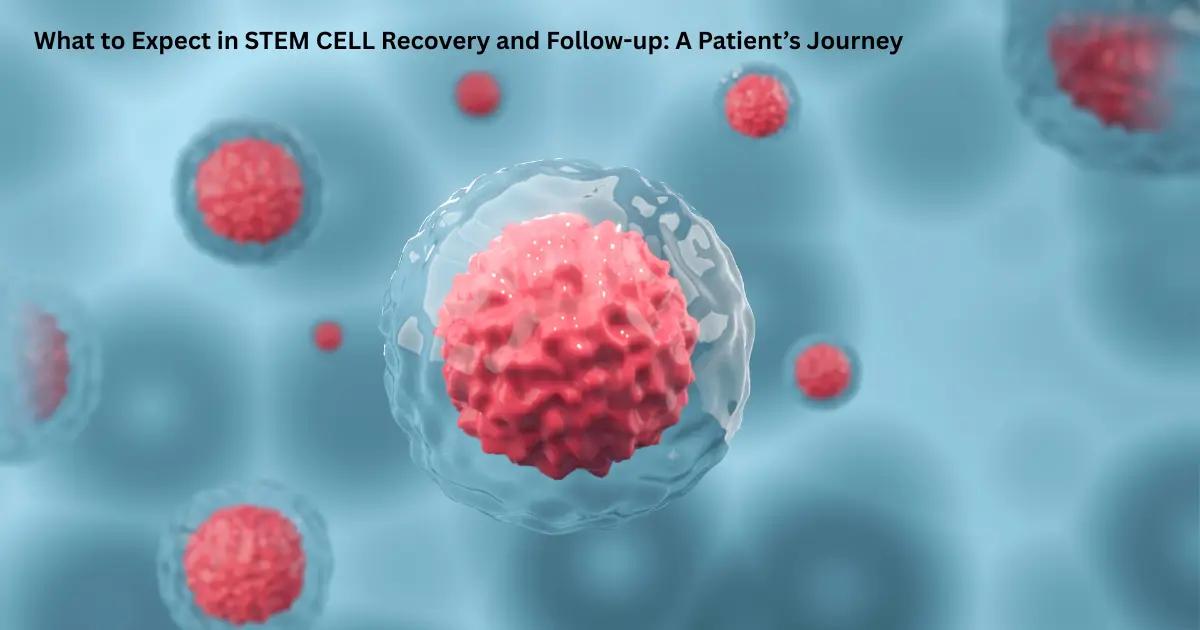
If you’re preparing for or have recently undergone stem cell therapy, understanding what lies ahead in your stem cell recovery journey is crucial for both your physical healing and peace of mind. Whether you’ve received stem cells for cancer treatment, orthopedic repair, or regenerative medicine purposes, the recovery process involves distinct phases, potential side effects, and specific care requirements that can significantly impact your outcome. This comprehensive guide walks you through every stage of stem cell therapy recovery time, from the immediate hours after your procedure through long-term follow-up care, providing you with realistic expectations and actionable strategies to optimize your healing journey.
What Happens Immediately After Stem Cell Therapy
The immediate period following your stem cell procedure sets the foundation for your entire recovery journey. Depending on the type of stem cell treatment you’ve received—whether it’s an autologous transplant, allogeneic transplant, or localized stem cell injection—the first few hours require careful monitoring and specific protocols.
For patients who have undergone stem cell transplantation for conditions like leukemia, lymphoma, or multiple myeloma, you’ll typically remain in a specialized hospital unit immediately after the procedure. The medical team at facilities like Liv Hospital will monitor your vital signs closely, including temperature, blood pressure, heart rate, and oxygen saturation levels. This intensive monitoring helps detect any immediate adverse reactions to the infused cells.
During this initial phase, you may experience sensations that, while uncomfortable, are generally normal. Some patients report a garlic-like taste in their mouth or a distinctive odor due to the preservative DMSO used in frozen stem cells. Nausea is common and can be managed with anti-nausea medications. Your medical team will ensure you’re adequately hydrated, as proper fluid balance is essential for helping your body process the infused cells and any preservatives.
For those receiving localized stem cell injections for orthopedic or cosmetic purposes, the immediate after-care is less intensive but still important. You’ll spend a brief recovery period in the clinic—typically 30 minutes to two hours—where staff will monitor the injection site for any immediate reactions. You’ll receive specific instructions about keeping the area clean, applying ice if recommended, and avoiding certain movements that could disrupt the newly introduced cells.
Most patients can return home the same day after localized injections, though you should arrange for someone to drive you. For transplant patients, your hospital stay will extend considerably longer—often several weeks—as your medical team monitors for engraftment and manages potential complications.
Common Side Effects in the First 24-72 Hours
Understanding what’s normal versus what requires immediate medical attention during the critical first 72 hours after stem cell treatment can help you navigate this vulnerable period with confidence. The side effects you experience will vary significantly based on your treatment type, overall health status, and individual response to therapy.
For stem cell transplant patients, the first three days often bring the most intense side effects. Fatigue is nearly universal—your body is working extraordinarily hard to accept and integrate the new cells while recovering from the conditioning regimen (chemotherapy and/or radiation) that preceded the transplant. Many patients describe this fatigue as overwhelming, making even simple tasks like walking to the bathroom feel exhausting. This is completely normal and expected.
Nausea and vomiting frequently occur during this period, though modern anti-emetic medications have significantly improved symptom management. Your care team will likely prescribe multiple anti-nausea drugs on a scheduled basis rather than waiting for symptoms to appear. Mouth sores (mucositis) may begin developing, making eating and drinking painful. These typically peak around days 7-10 but can start appearing within the first 72 hours.
Fever is another common occurrence that requires careful attention. While low-grade fevers can result from the inflammatory response to the transplant itself, any temperature above 100.4°F (38°C) must be reported immediately, as your compromised immune system makes you highly susceptible to infections. Your medical team will likely perform blood cultures and may start broad-spectrum antibiotics as a precaution.
For patients receiving localized stem cell injections, the side effect profile is markedly different and generally milder. Pain and swelling at the injection site are the most common complaints during the first 24-72 hours. Interestingly, some patients experience worse pain after stem cell injection compared to their baseline discomfort—this temporary increase in pain is often called a “flare reaction” and occurs as the stem cells trigger an inflammatory healing response. This doesn’t indicate treatment failure; rather, it’s often a sign that the cells are actively working.
Bruising around the injection site is normal and may appear more pronounced on the second or third day. Some patients report feeling flu-like symptoms—mild fever, body aches, and general malaise—as their immune system responds to the treatment. Headaches and temporary stiffness in the treated area are also frequently reported.
Regardless of your treatment type, maintaining detailed notes about your symptoms during these first 72 hours helps your medical team track your progress and adjust your care plan as needed. Don’t hesitate to report any symptom that concerns you—your healthcare providers would rather evaluate something benign than miss an early warning sign of complications.
Week-by-Week Stem Cell Recovery Timeline
Your stem cell procedure recovery follows a general trajectory, though individual experiences vary based on factors including age, overall health, type of stem cell therapy, and the condition being treated. This timeline provides realistic expectations for what most patients experience during their recovery journey.
Week 1: The Immediate Recovery Phase
The first week represents the most vulnerable period for transplant patients. Your white blood cell count will be at its lowest point (nadir), leaving you extremely susceptible to infections. You’ll remain in isolation in the hospital, with strict visitor restrictions and protective measures. Fatigue will be profound, and you may need assistance with basic activities like bathing and eating. Mucositis often worsens during this week, potentially requiring IV nutrition if you cannot maintain adequate oral intake.
For injection patients, week one involves managing the initial inflammatory response. You’ll likely need to limit activity involving the treated area, apply ice intermittently, and possibly take anti-inflammatory medications (though some protocols avoid NSAIDs to allow the natural healing cascade). Physical therapy may begin with gentle range-of-motion exercises, depending on your specific treatment plan.
Weeks 2-4: Early Signs of Recovery
During the 30 days after stem cell transplant, transplant patients begin showing signs of engraftment—the process where transplanted stem cells establish themselves in the bone marrow and start producing new blood cells. You’ll have daily blood tests to monitor your counts, and seeing those numbers gradually rise is tremendously encouraging. Many patients can transition from the hospital to an outpatient setting during this period, though you’ll still need to stay near the transplant center and attend frequent appointments.
Energy levels remain low, but you may notice small improvements—perhaps you can walk a bit farther each day or stay awake for longer periods. Appetite may begin returning, though taste changes and food aversions are common. The risk of infection remains high, so you’ll continue following strict hygiene protocols and avoiding crowds.
For injection patients, weeks 2-4 often bring the first hints of improvement. The initial inflammatory response subsides, pain levels may decrease below baseline, and function in the treated area often begins improving. However, this is not the time to push limits—the stem cells are still establishing themselves and beginning their regenerative work. Patience during this phase is crucial for long-term success.
Weeks 4-8: Gradual Improvement
By the second month, transplant patients typically see more consistent improvements in blood counts and energy levels. You may be cleared to expand your diet and gradually increase activity levels. However, your immune system is still rebuilding, so you’ll continue taking prophylactic medications to prevent infections and following protective measures. Some patients can return to light work or activities during this period, though this varies significantly based on individual recovery.
Injection patients often experience more noticeable functional improvements during weeks 4-8. Range of motion may increase, pain levels often decrease further, and you may be cleared to begin more aggressive physical therapy or exercise programs. This is when many patients start feeling optimistic about their treatment outcomes, though full results are still months away.
Weeks 8-12: The Three-Month Milestone
The three-month mark represents a significant milestone in stem cell recovery. For transplant patients, this is when many restrictions begin lifting. Your immune system has made substantial progress in rebuilding, though it’s still not at full strength. You may be cleared to return to work (with accommodations), expand your social activities cautiously, and reduce the frequency of clinic visits. However, you’ll still need to avoid certain high-risk situations and continue some prophylactic medications.
For injection patients, three months post-treatment often reveals the clearest picture of treatment success. The stem cells have had time to differentiate, integrate into existing tissue, and promote healing. Many patients report their best improvements during this window, with continued gains possible for several more months.
Activity Restrictions and What You Can (and Can't) Do
Understanding what not to do after stem cell treatment is just as important as knowing what you should do. Activity restrictions vary significantly based on your treatment type, but following these guidelines carefully can mean the difference between optimal results and complications.
Restrictions for Stem Cell Transplant Patients
During the first 100 days after transplant—a critical benchmark period—you’ll face numerous activity restrictions designed to protect your vulnerable immune system. You cannot visit crowded places like shopping malls, movie theaters, or restaurants. Children must avoid daycare and school during this period. Gardening and yard work are prohibited due to fungal spores in soil. Swimming in public pools, lakes, or oceans is not allowed because of infection risk.
Many patients ask, “How long after stem cell transplant can I travel?” Generally, you must stay within an hour of your transplant center for at least the first 100 days. Air travel is typically prohibited during this period due to infection risk in airports and airplanes, as well as the need for immediate access to your transplant team if complications arise. After 100 days, travel may be permitted with your doctor’s approval, though you should still avoid high-risk destinations.
The question “Can you exercise after stem cell injections?” has a different answer for transplant patients. While gentle walking is encouraged to maintain strength and prevent blood clots, vigorous exercise is prohibited until your blood counts recover and your doctor provides clearance. Even then, you’ll need to rebuild your fitness gradually, as your body has been through tremendous stress.
Sexual activity is another common concern. Most transplant centers recommend waiting until your blood counts have recovered sufficiently and any graft-versus-host disease (GVHD) symptoms are controlled. Kissing after bone marrow transplant is generally safe once your immune system has begun recovering, though you should avoid kissing anyone who is sick or has cold sores.
Regarding alcohol consumption, patients frequently ask, “How long after stem cell transplant can I drink alcohol?” Most transplant centers recommend complete abstinence for at least the first 100 days, and many suggest waiting a full year. Alcohol can interfere with medications, stress your liver (which is already processing numerous drugs), and impair your immune function. When you do resume drinking, it should be in strict moderation and only with your doctor’s approval.
Restrictions for Localized Stem Cell Injection Patients
If you’ve received stem cell injections for orthopedic conditions, your restrictions focus on protecting the treated area while allowing the cells to establish themselves. For the first 48-72 hours, you’ll typically need to avoid putting weight or stress on the injection site. Ice application may be recommended, though some protocols avoid ice to prevent interfering with the inflammatory healing response.
The question “Can you exercise after stem cell injections?” depends on the treatment site and your specific protocol. Generally, you’ll avoid strenuous exercise involving the treated area for 2-4 weeks, though gentle movement is often encouraged to promote circulation. Your physical therapist will design a progressive exercise program that gradually increases load on the healing tissue.
Regarding “Can you drink alcohol after stem cell treatment?” for injection patients, most doctors recommend avoiding alcohol for at least the first week, as it can increase inflammation and potentially interfere with healing. After that, moderate consumption is typically acceptable, though excessive alcohol intake can impair tissue healing and should be avoided during your recovery period.
Anti-inflammatory medications (NSAIDs like ibuprofen) are often restricted for the first several weeks after injection, as the inflammatory response is actually part of the healing process. Your doctor may recommend acetaminophen for pain management instead. Smoking is strongly discouraged, as it significantly impairs healing and can reduce treatment effectiveness.
Managing Pain and Discomfort During Recovery
Pain management during stem cell therapy recovery time requires a balanced approach—controlling discomfort while avoiding medications that might interfere with healing. The pain experience varies dramatically between transplant and injection patients, requiring different management strategies.
For transplant patients, pain often stems from multiple sources: mucositis (mouth and throat sores), neuropathy from chemotherapy, bone pain as the marrow recovers, and potential GVHD symptoms. Mucositis pain can be severe enough to require IV pain medication and nutrition support. Your care team will likely use a combination of topical treatments (magic mouthwash), systemic pain relievers, and in severe cases, patient-controlled analgesia (PCA) pumps that allow you to self-administer pain medication within safe parameters.
As detailed in the comprehensive guide on STEM CELL Recovery and Follow-up, managing pain effectively requires open communication with your healthcare team about your pain levels and what does or doesn’t provide relief. Don’t try to “tough it out”—uncontrolled pain can interfere with eating, sleeping, and mobility, all of which are crucial for recovery.
For injection patients, the pain trajectory often follows a characteristic pattern. Initial post-injection pain is managed with ice, elevation, and acetaminophen. Some patients then experience a temporary increase in pain (the flare reaction) around days 3-7, which can be disconcerting. Understanding that worse pain after stem cell injection can actually indicate the treatment is working helps patients manage anxiety during this phase.
Non-pharmacological pain management strategies benefit both patient groups. Distraction techniques, guided imagery, gentle movement (when appropriate), proper positioning, and adequate rest all contribute to pain control. Some patients find benefit from acupuncture, though this should only be pursued with your doctor’s approval, especially for transplant patients with compromised immunity.
Heat and cold therapy can be helpful for injection patients once past the initial inflammatory phase, though you should follow your specific protocol. Gentle massage around (not directly on) the injection site may promote circulation and reduce muscle tension, but always confirm with your provider before trying any hands-on therapy.
If pain persists beyond expected timelines, worsens significantly, or is accompanied by other concerning symptoms like fever, redness, or swelling, contact your medical team immediately. While some discomfort is normal, severe or prolonged pain may indicate complications requiring intervention.
Follow-up Appointments: What to Expect and When
Comprehensive stem cell follow-up care is essential for monitoring your recovery, detecting complications early, and optimizing your long-term outcomes. The frequency and nature of follow-up appointments vary based on your treatment type, but consistent monitoring is crucial for all stem cell therapy patients.
Transplant Patient Follow-up Schedule
For the first 100 days after transplant, you’ll have extremely frequent contact with your medical team. During your hospital stay, you’ll see doctors daily. Once discharged, you’ll typically return to the clinic 2-3 times per week initially, with the frequency gradually decreasing as your recovery progresses. These visits include blood tests to monitor your counts, assessment for signs of GVHD, evaluation of any symptoms, and adjustment of medications.
The 100 days after stem cell transplant milestone is significant because it marks the end of the acute recovery phase and the beginning of long-term follow-up. At this point, if your recovery is progressing well, appointments may decrease to weekly, then biweekly, and eventually monthly. However, you’ll continue regular monitoring for years, as late complications can emerge.
Key milestones include assessments at 30, 60, 100 days, 6 months, 1 year, and annually thereafter. At 6 months post stem cell transplant, you’ll typically undergo comprehensive testing including bone marrow biopsy (for cancer patients) to assess disease status, pulmonary function tests, and screening for late effects. This is also when many patients receive clearance to gradually resume more normal activities, though individual timelines vary.
Your follow-up appointments will monitor for signs of engraftment after stem cell transplant, which include rising blood counts, particularly neutrophils and platelets. Successful engraftment typically occurs within 2-4 weeks for autologous transplants and 2-6 weeks for allogeneic transplants. Your team will also watch for signs of relapse after stem cell transplant, which might include dropping blood counts, abnormal cells on blood tests, or return of disease symptoms.
For allogeneic transplant patients, monitoring for GVHD is a critical component of every follow-up visit. Acute GVHD typically occurs within the first 100 days, while chronic GVHD can develop even after this period—GVHD after 100 days is not uncommon and requires ongoing vigilance. Your doctor will examine your skin, assess liver function tests, monitor for digestive symptoms, and evaluate any other potential GVHD manifestations.
Injection Patient Follow-up Schedule
Patients receiving localized stem cell injections follow a less intensive but still important monitoring schedule. You’ll typically have a follow-up appointment within 1-2 weeks after your procedure to assess the injection site, discuss your initial recovery, and adjust your rehabilitation plan as needed.
Subsequent appointments are usually scheduled at 4-6 weeks, 3 months, 6 months, and 1 year post-treatment. These visits include functional assessments, imaging studies to evaluate tissue healing, and discussions about your activity progression. Your provider will track objective measures like range of motion, strength, and pain levels to determine treatment effectiveness.
Many injection protocols include imaging follow-up (MRI or ultrasound) at 3-6 months to visualize tissue changes and confirm the stem cells are integrating properly. This imaging provides objective evidence of treatment success beyond just symptom improvement.
What to Bring and Track for Follow-up Appointments
Maximizing the value of your follow-up appointments requires preparation. Keep a symptom diary noting pain levels, energy, any new symptoms, and how you’re tolerating medications. Bring a list of all medications and supplements you’re taking, including over-the-counter products. Write down questions as they occur to you between appointments—it’s easy to forget important concerns when you’re in the exam room.
For transplant patients, tracking your temperature daily and noting any fevers, changes in bowel habits, skin changes, or other symptoms helps your team identify patterns and potential complications. For injection patients, tracking functional improvements (like distance walked, stairs climbed, or activities you can now perform) provides valuable outcome data.
Signs of Complications: When to Contact Your Doctor
Knowing when to seek immediate medical attention versus what can wait until your next scheduled appointment is crucial for stem cell recovery patients. While your medical team will provide specific guidance based on your situation, certain warning signs should always prompt immediate contact.
Emergency Warning Signs for Transplant Patients
For transplant patients, fever is the most critical warning sign during the first several months. Any temperature of 100.4°F (38°C) or higher requires immediate contact with your transplant center, regardless of the time of day. Don’t wait to see if it goes down—with your compromised immune system, infections can progress rapidly and become life-threatening within hours.
Other emergency signs include: difficulty breathing or shortness of breath, chest pain, severe abdominal pain, bloody or black stools, vomiting blood, severe headache with stiff neck, confusion or altered mental status, seizures, and signs of severe bleeding (unusual bruising, nosebleeds that won’t stop, blood in urine). These symptoms could indicate serious complications requiring immediate intervention.
Stomach problems after stem cell transplant are common, but certain digestive symptoms warrant urgent attention. Severe diarrhea (more than 6-8 watery stools in 24 hours), especially if accompanied by cramping or blood, could indicate GVHD of the gut or infection. Persistent nausea and vomiting that prevents you from keeping down fluids or medications requires evaluation, as dehydration and missed medications can create cascading problems.
Skin changes deserve attention, as they may indicate GVHD. New rashes, particularly if accompanied by itching, burning, or pain, should be reported. Yellowing of skin or eyes (jaundice) suggests liver problems and requires immediate evaluation. Any wound that shows increasing redness, warmth, swelling, or drainage could indicate infection.
Bone marrow transplant failure symptoms can be subtle initially but may include persistent low blood counts despite adequate time for engraftment, recurrence of disease symptoms, unexplained fatigue worsening rather than improving, and abnormal bleeding or bruising. Your regular blood tests will monitor for these issues, but if you notice concerning changes between appointments, don’t hesitate to call.
Warning Signs for Injection Patients
While complications are generally less severe for injection patients compared to transplant recipients, certain signs still require prompt medical attention. Increasing pain, redness, warmth, and swelling at the injection site, especially if accompanied by fever, could indicate infection. Drainage from the injection site, particularly if it’s cloudy, discolored, or foul-smelling, warrants immediate evaluation.
Neurological symptoms like numbness, tingling, or weakness that’s new or worsening should be reported, as they could indicate nerve irritation or damage. If you experience severe pain that’s unresponsive to prescribed pain medications, contact your provider—this could indicate a complication requiring intervention.
Allergic reactions, though rare, can occur. Symptoms like widespread rash, difficulty breathing, swelling of the face or throat, or dizziness require emergency medical attention. If you develop these symptoms within hours to days after your injection, call 911 rather than trying to reach your provider’s office.
When to Call vs. When to Wait
Not every symptom requires emergency intervention. Minor issues that can typically wait until business hours or your next scheduled appointment include: mild, stable pain at the injection site, slight swelling or bruising that’s improving, fatigue that’s consistent with your expected recovery timeline, and mild digestive upset that doesn’t prevent eating or taking medications.
However, when in doubt, it’s always better to call. Your medical team would rather evaluate something benign than have you delay reporting a serious complication. Most transplant centers have 24/7 on-call services specifically for this reason. Keep your transplant center’s emergency number readily accessible, and don’t hesitate to use it when you’re concerned.
Maximizing Your Stem Cell Therapy Results
While stem cell therapy offers remarkable potential, your active participation in recovery significantly influences your outcomes. The choices you make daily—from nutrition to activity levels to stress management—can enhance or undermine your treatment success.
Nutrition for Optimal Healing
Proper nutrition provides the building blocks your body needs to heal and regenerate tissue. For transplant patients, nutrition can be particularly challenging due to mucositis, taste changes, and nausea, but it’s absolutely critical. During the acute recovery phase, you may need to work with a dietitian to ensure adequate calorie and protein intake, even if that means relying on nutritional supplements or, in severe cases, IV nutrition.
As your appetite returns, focus on high-quality protein sources to support tissue repair—lean meats, fish, eggs, legumes, and dairy (if tolerated). Colorful fruits and vegetables provide antioxidants that combat inflammation and support immune function, though transplant patients must follow food safety guidelines carefully, avoiding raw vegetables and fruits that can’t be peeled during the high-risk period.
Hydration is equally important. Adequate fluid intake helps your kidneys process medications, maintains blood volume, and supports cellular function. Aim for at least 8-10 glasses of water daily unless your doctor has given you different instructions. Avoid excessive caffeine and alcohol, which can contribute to dehydration.
For injection patients, an anti-inflammatory diet may support healing. This includes omega-3 fatty acids from fish or supplements, plenty of fruits and vegetables, whole grains, and limited processed foods. Some evidence suggests that certain supplements like vitamin D, vitamin C, and collagen may support tissue healing, though you should discuss any supplements with your provider before starting them.
Movement and Exercise
Appropriate physical activity accelerates recovery, maintains muscle mass, supports cardiovascular health, and improves mood. The key is finding the right balance—enough activity to promote healing without overdoing it and risking setbacks.
For transplant patients, gentle walking is typically encouraged even during the hospital stay, as it helps prevent blood clots, maintains muscle function, and can reduce fatigue. As you progress, gradually increase your walking distance and duration. Once cleared by your doctor, you can add gentle strength training, though you’ll need to rebuild your fitness slowly—your body has been through tremendous stress and won’t perform at your pre-transplant level for many months.
Injection patients should follow their prescribed rehabilitation program carefully. Physical therapy plays a crucial role in optimizing outcomes from orthopedic stem cell treatments. Your therapist will design a progressive program that gradually increases load on the healing tissue, promoting proper alignment and function while avoiding excessive stress that could damage the regenerating area.
Stress Management and Mental Health
The psychological aspects of recovery are often underestimated but profoundly impact outcomes. Chronic stress impairs immune function, increases inflammation, and can interfere with healing. Many patients experience anxiety, depression, or post-traumatic stress during recovery, and addressing these issues is not a luxury—it’s a medical necessity.
Techniques like meditation, deep breathing exercises, progressive muscle relaxation, and mindfulness can help manage stress and anxiety. Many transplant centers offer support groups where you can connect with others going through similar experiences. Professional counseling or therapy can be invaluable for processing the emotional challenges of serious illness and recovery.
Sleep is another critical but often overlooked component of healing. Your body does much of its repair work during sleep, and adequate rest supports immune function, tissue healing, and emotional resilience. If you’re struggling with sleep, discuss this with your medical team—there are many strategies and, if needed, medications that can help without interfering with your recovery.
Medication Adherence
For transplant patients especially, taking medications exactly as prescribed is absolutely critical. Missing doses of immunosuppressants can trigger GVHD or rejection. Skipping prophylactic antibiotics, antivirals, or antifungals can leave you vulnerable to life-threatening infections. Even if you feel well, continue all prescribed medications until your doctor tells you to stop or adjust the dose.
Use pill organizers, phone alarms, or medication tracking apps to help you remember doses. Keep a current medication list with you at all times. If you’re experiencing side effects that make you want to stop a medication, talk to your doctor—there may be alternatives or strategies to manage the side effects while continuing the necessary treatment.
Avoiding Harmful Exposures
Protecting yourself from infections and other harmful exposures is crucial, especially for transplant patients. Follow food safety guidelines meticulously—avoid raw or undercooked meats, eggs, and seafood; wash all fruits and vegetables thoroughly; and avoid unpasteurized dairy products and juices. Stay away from people who are sick, and don’t hesitate to ask visitors to reschedule if they’re not feeling well.
Environmental exposures also matter. Avoid gardening and yard work due to fungal spores in soil. Stay away from construction sites and areas with heavy dust. If you have pets, have someone else clean litter boxes and bird cages. These precautions may seem extreme, but they significantly reduce your infection risk during the vulnerable recovery period.
Long-Term Recovery: Months 3-12 and Beyond
The journey doesn’t end at the 100-day mark or even at one year. Understanding the long-term recovery trajectory helps set realistic expectations and prepares you for the ongoing commitment required to maintain and maximize your results.
The 3-6 Month Window
For many patients, months 3-6 represent a turning point where they begin to feel more like themselves. Transplant patients often see significant improvements in energy levels, appetite, and overall well-being during this period. Your immune system continues rebuilding, and you may be cleared to gradually expand your activities and reduce some protective measures.
However, this is not the time to abandon caution entirely. Your immune system is still recovering and won’t reach full strength for a year or more. Continue following your doctor’s guidance about crowds, travel, and other potential exposures. Many patients feel so much better during this period that they’re tempted to push too hard—resist this urge and continue pacing yourself.
For injection patients, the 3-6 month window often reveals the full extent of treatment benefits. Tissue remodeling continues during this time, and you may notice continued improvements in function and pain reduction. This is when you can typically return to most normal activities, though you may still have some restrictions on high-impact or high-risk activities depending on your specific treatment.
The One-Year Milestone
One year post-transplant is another significant milestone. For many patients, this marks the point where life begins to feel more normal. Your immune system has made substantial progress in rebuilding, though it may still not be at 100%. You’ll likely have fewer restrictions and less frequent monitoring, though you’ll continue regular follow-up appointments.
At the one-year mark, your transplant team will typically perform comprehensive testing to assess your overall health status, screen for late effects, and determine your ongoing monitoring schedule. For cancer patients, this includes disease status assessment. The one-year survival milestone is also psychologically significant, as life expectancy after stem cell transplant statistics improve substantially for patients who reach this point without major complications.
For injection patients, one year typically represents the endpoint of active recovery, though tissue remodeling can continue for up to two years in some cases. You’ll have a good sense of your treatment outcome by this point and can make informed decisions about whether additional interventions might be beneficial.
Long-Term Considerations and Late Effects
Even after successful recovery, both transplant and injection patients need to be aware of potential long-term effects. Long-term side effects of bone marrow transplant can include chronic GVHD, which may affect skin, eyes, mouth, liver, lungs, or digestive system. Hormonal changes are common, potentially affecting thyroid function, fertility, and sexual function. Some patients develop cataracts, osteoporosis, or secondary cancers years after transplant.
Cardiovascular health deserves special attention, as some conditioning regimens and medications can increase heart disease risk. Regular screening for diabetes, high blood pressure, and high cholesterol is important. Maintaining a healthy lifestyle—regular exercise, healthy diet, not smoking—becomes even more critical for long-term health.
Psychological and cognitive effects can persist long-term. Some patients experience “chemo brain”—difficulties with memory, concentration, and mental processing. Fatigue may continue to be an issue for months or even years, though it typically improves gradually. Depression and anxiety can persist or develop even after physical recovery is complete, and ongoing mental health support may be beneficial.
For injection patients, long-term outcomes depend significantly on addressing underlying factors that contributed to the original problem. If you received stem cells for a degenerative joint condition but continue activities that stress the joint, maintain excess weight, or have poor biomechanics, the benefits may be limited or temporary. Long-term success requires ongoing commitment to joint health through appropriate exercise, weight management, and activity modification.
Survivorship and Quality of Life
Resources like live and feel can provide valuable support for optimizing your quality of life during long-term recovery. Many transplant centers now have survivorship programs specifically designed to help patients navigate life after transplant, addressing both medical and psychosocial aspects of long-term recovery.
Life after bone marrow transplant can be rich and fulfilling, though it may look different than your pre-transplant life. Many survivors report a renewed appreciation for life, closer relationships, and a shift in priorities toward what truly matters. While the experience is undeniably challenging, many patients ultimately view their transplant journey as transformative in positive ways.
Survival statistics provide context for long-term expectations. Life expectancy after stem cell transplant lymphoma varies based on disease type and stage, patient age, and other factors, but many patients achieve long-term remission or cure. Life expectancy after stem cell transplant multiple myeloma has improved dramatically in recent years with advances in conditioning regimens and supportive care. Life expectancy after stem cell transplant for leukemia and life expectancy after stem cell transplant for AML similarly depend on multiple factors, but many patients survive for decades post-transplant.
The bone marrow transplant survival rate by age shows that younger patients generally have better outcomes, though successful transplants occur across age ranges. The stem cell transplant death rate has decreased significantly over the past decades as techniques and supportive care have improved. While causes of death after stem cell transplant include infection, GVHD, organ damage, and disease relapse, many patients never experience these complications and go on to live long, healthy lives.
Frequently Asked Questions About Stem Cell Recovery
What is the recovery like after a stem cell procedure?
Recovery after a stem cell procedure varies dramatically based on the type of treatment. For stem cell transplants treating cancer or blood disorders, recovery is intensive and prolonged, typically requiring several weeks of hospitalization followed by months of close outpatient monitoring. You’ll experience significant fatigue, potential complications like infections and GVHD, and numerous activity restrictions. Most patients need 6-12 months before feeling substantially recovered, though some effects persist longer. For localized stem cell injections treating orthopedic conditions, recovery is much less intensive—you’ll typically go home the same day with activity modifications for several weeks. Initial discomfort is common, followed by gradual improvement over 3-6 months as the stem cells promote tissue healing.
What are the side effects of stem cell therapy?
Side effects depend on treatment type. Stem cell therapy side effects for transplant patients include severe fatigue, nausea, mouth sores, infections due to weakened immunity, GVHD (for allogeneic transplants), organ damage from conditioning therapy, and potential long-term effects like infertility and secondary cancers. For injection patients, side effects are typically milder and include temporary pain and swelling at the injection site, bruising, temporary increase in pain (flare reaction), and rarely, infection or allergic reaction. Most injection-related side effects resolve within days to weeks, while transplant side effects can persist for months or years.
How long does a stem cell take to work?
The timeline for stem cell therapy to work varies by treatment type and condition. For transplants, engraftment typically occurs within 2-6 weeks, marked by rising blood counts. However, full immune system recovery takes 6-12 months or longer. For orthopedic injections, patients may notice initial improvements within 4-8 weeks, with continued improvement over 3-6 months as tissue remodeling occurs. Maximum benefit is typically seen at 6-12 months post-injection. Some patients experience temporary worsening of symptoms in the first 1-2 weeks as the inflammatory healing response is triggered. Patience is essential, as stem cells work gradually by promoting natural healing processes rather than providing immediate symptom relief.
Can stem cell transplant cure CML?
Stem cell transplant can potentially cure chronic myeloid leukemia (CML), though it’s now typically reserved for cases that don’t respond to targeted therapies like tyrosine kinase inhibitors (TKIs). Allogeneic stem cell transplant offers the possibility of cure through the graft-versus-leukemia effect, where donor immune cells attack remaining cancer cells. Success rates vary based on disease stage, patient age, donor match quality, and other factors. Many CML patients achieve long-term remission or cure after transplant, though the procedure carries significant risks. With the effectiveness of modern TKI therapy, transplant is usually considered only when these medications fail or in cases of advanced disease.
Is stem cell harvesting painful?
The pain level of stem cell harvesting depends on the collection method. For peripheral blood stem cell collection (most common), you’ll receive medications to mobilize stem cells from bone marrow into bloodstream, which can cause bone pain and flu-like symptoms for several days. The actual collection process (apheresis) is not painful—it’s similar to donating blood, though you’ll be connected to the machine for several hours. For bone marrow harvesting (less common now), the procedure is done under anesthesia, so you won’t feel pain during collection, but you may experience soreness and aching at the collection sites (usually hip bones) for several days afterward. Most patients manage post-harvest discomfort with over-the-counter pain relievers.
What are the worst days after stem cell transplant?
The worst days after stem cell transplant typically occur during the first 1-2 weeks post-infusion, when your blood counts are at their lowest (nadir) and side effects from the conditioning regimen peak. Days 7-14 are often particularly challenging, with severe fatigue, mucositis causing painful mouth and throat sores, nausea, diarrhea, and high infection risk. Many patients describe this period as the most physically and emotionally difficult part of their entire treatment journey. However, once engraftment begins (usually weeks 2-4), symptoms typically start improving gradually. The intensity and duration of these difficult days vary based on conditioning regimen intensity, your overall health, and individual factors.
How long after stem cell transplant can I return to work?
Return to work timing varies significantly based on your job type, recovery progress, and transplant type. Most transplant patients need at least 3-6 months before considering return to work, and many need longer. Jobs with minimal physical demands and limited public contact may be possible sooner than physically demanding jobs or those with high infection exposure. Many patients start with part-time or modified duties before returning to full-time work. Your transplant team will provide guidance based on your specific situation, considering factors like immune recovery, energy levels, and any ongoing complications. Some patients can never return to their previous work if it involved high infection risk or physical demands beyond their post-transplant capabilities.
Your stem cell recovery journey is unique to you, influenced by your specific treatment, overall health, age, support system, and countless other factors. While this guide provides a roadmap of what to expect, your individual experience may differ in timing and specific challenges. Maintain open communication with your medical team, follow their guidance carefully, be patient with your body’s healing process, and don’t hesitate to advocate for yourself when something doesn’t feel right. With proper care, realistic expectations, and active participation in your recovery, you can optimize your outcomes and move forward toward renewed health and vitality.
Frequently Asked Questions
How long does stem cell recovery typically take?
Stem cell recovery time varies significantly depending on the type of procedure, with orthopedic stem cell injections requiring 2-6 weeks for initial recovery and stem cell transplants for cancer requiring 3-12 months for full recovery. Most patients begin noticing improvements within the first 30-90 days, though complete healing and immune system restoration can take up to a year or longer. Your specific recovery timeline will depend on factors including your overall health, the condition being treated, and how well your body responds to the therapy.
What are the worst days after a stem cell transplant?
The hardest days after a stem cell transplant typically occur during days 7-14 when patients experience the most severe side effects including extreme fatigue, nausea, mouth sores, and the lowest blood counts. This period, known as the “nadir,” is when your immune system is at its weakest and infection risk is highest. Most patients report gradual improvement after day 14, with significant relief coming around day 21-30 when engraftment begins to occur.
How do you know if stem cell therapy is working?
Signs that stem cell therapy is working include gradual reduction in pain or symptoms, improved mobility or function, and positive changes in blood work or imaging studies. For transplant patients, successful engraftment is confirmed through blood tests showing rising white blood cell, red blood cell, and platelet counts, typically occurring 14-30 days post-transplant. For regenerative procedures, improvements may be subtle at first, with most patients experiencing noticeable benefits within 3-6 months as the stem cells promote tissue repair and regeneration.
What can you not do after stem cell treatment?
After stem cell treatment, you must avoid exposure to infections, which means staying away from crowds, sick people, and uncooked foods for several weeks to months depending on your procedure type. Transplant patients typically cannot engage in strenuous exercise, swimming in public pools, gardening, or being around pets’ litter boxes during their stem cell recovery period. You should also avoid alcohol, smoking, and certain medications unless approved by your healthcare team, as these can interfere with healing and immune system recovery.
How long do you stay in isolation after a stem cell transplant?
Most stem cell transplant patients remain in protective isolation in the hospital for 2-4 weeks immediately following the procedure, though this can vary based on your engraftment progress and complications. After hospital discharge, you’ll continue modified isolation at home for an additional 3-6 months, avoiding crowded places and maintaining strict hygiene protocols. Complete immune system recovery can take 6-12 months, during which time you’ll gradually resume normal activities as your doctor advises based on your blood counts and overall health.
What happens 100 days after a stem cell transplant?
The 100-day milestone after a stem cell transplant is a significant checkpoint where doctors comprehensively evaluate your recovery progress, immune function, and screen for complications like graft-versus-host disease (GVHD). By this point, most patients have achieved engraftment, seen substantial improvement in blood counts, and begun resuming more normal activities, though full recovery continues beyond this marker. This evaluation helps your medical team adjust your care plan and determine your readiness for further reducing immunosuppressive medications.
How long do you need a caregiver after a stem cell transplant?
You will need a full-time caregiver for at least the first 3-6 months of your stem cell recovery, as you’ll be unable to drive, prepare certain foods safely, or manage all aspects of your care independently. Many transplant centers require patients to have a committed caregiver as a condition for proceeding with the transplant. The level of support needed gradually decreases over time, but some patients benefit from part-time assistance for up to a year as they rebuild strength and independence.
Can you live 20 years after a stem cell transplant?
Yes, many patients live 20 years or longer after a successful stem cell transplant, with survival rates continuing to improve due to advances in transplant techniques and supportive care. Long-term survival depends on factors including the underlying condition being treated, the type of transplant received, your age and overall health, and whether complications like GVHD or disease relapse occur. Studies show that patients who remain disease-free five years post-transplant have excellent chances of long-term survival, with many achieving normal or near-normal life expectancy.
What are the most common side effects during stem cell recovery?
Common side effects during stem cell recovery include fatigue, nausea, mouth sores (mucositis), low blood counts leading to infection risk and bleeding, and digestive issues such as diarrhea or loss of appetite. Transplant patients may also experience hair loss, skin changes, and graft-versus-host disease where donor cells attack the recipient’s tissues. Most side effects are temporary and manageable with medications and supportive care, though some patients experience long-term effects that require ongoing monitoring and treatment.
How hard on the body is a stem cell transplant?
A stem cell transplant is one of the most physically demanding medical procedures, requiring intensive chemotherapy or radiation that essentially destroys your existing immune system before rebuilding it with new stem cells. The process causes significant stress on multiple organ systems, extreme fatigue, and leaves you vulnerable to life-threatening infections during the critical recovery period. However, for many patients with serious blood cancers or disorders, the potential for cure or long-term remission makes the difficult stem cell recovery journey worthwhile, and most patients gradually regain strength and quality of life over the months following transplant.
You May Also Like
How to Improve Accuracy in Health and Fitness Wearable Apps
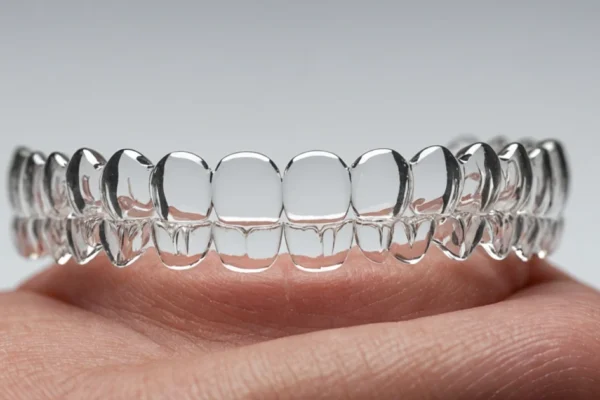
What is an Essix Retainer? Complete Guide to Clear Retainers
Lost Your Retainer? Here’s What to Do Right Away