
Oral Microbiome and Immunity: How Mouth Bacteria Affect Health

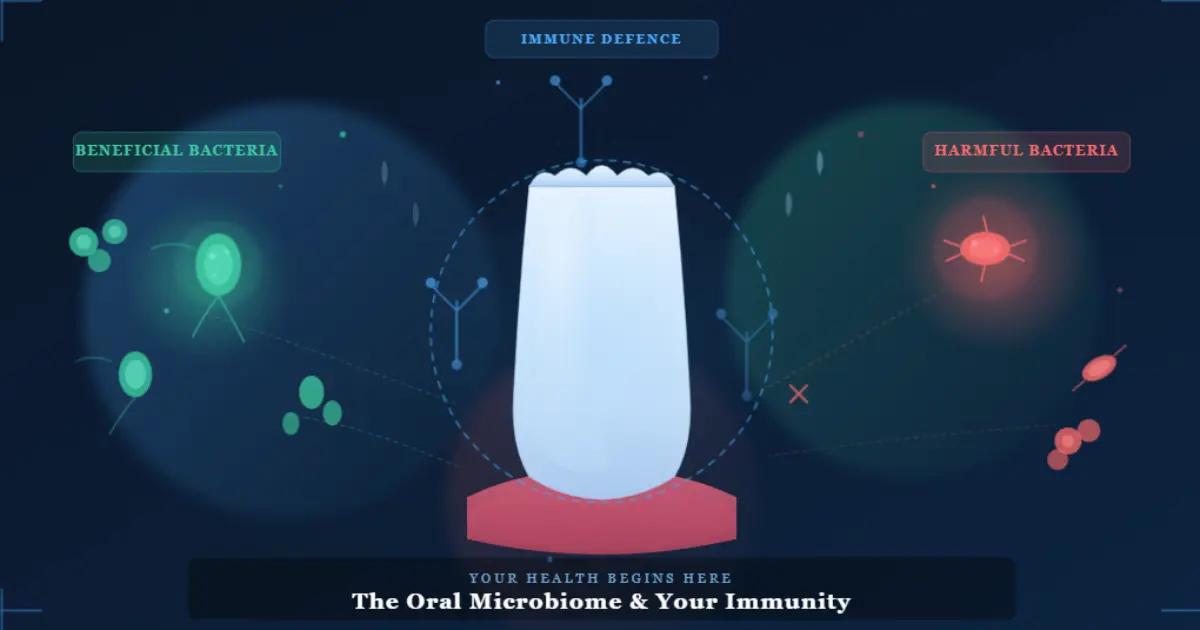
Your mouth is home to billions of microorganisms that do far more than just affect your breath or dental health. The oral microbiome immunity connection is one of the most overlooked aspects of whole-body wellness, yet emerging research shows that the bacteria living in your mouth directly influence your immune system’s ability to fight infections, regulate inflammation, and maintain overall health. If you’ve been struggling with recurring infections, unexplained inflammation, or chronic health issues despite seemingly good habits, your oral microbiome might be the missing piece of the puzzle. Understanding how mouth bacteria and immune system function are intertwined can unlock powerful strategies for preventing disease and optimizing your body’s natural defenses.
The relationship between oral health and immunity extends far beyond cavities and gum disease. Every time you swallow, breathe, or eat, you’re facilitating an exchange between your oral bacteria and the rest of your body. This constant interaction means that an imbalanced oral microbiome can trigger systemic inflammation, compromise your gut health, and even increase your susceptibility to autoimmune conditions. The good news is that with the right knowledge and practices, you can cultivate a thriving oral ecosystem that supports rather than sabotages your immune function.
What Is the Oral Microbiome?
The oral microbiome refers to the complex community of bacteria, fungi, viruses, and other microorganisms that inhabit your mouth. This ecosystem is the second most diverse microbial community in your body, after your gut, containing over 700 different species of bacteria. These microorganisms colonize every surface in your oral cavity—your teeth, gums, tongue, cheeks, palate, and tonsils—creating distinct microbial neighborhoods with specialized functions.
Unlike the harmful bacteria we often associate with infections, most oral bacteria are either beneficial or neutral. They form protective biofilms on your teeth and soft tissues, produce antimicrobial compounds that keep pathogenic invaders in check, and even synthesize vitamins that your body needs. A healthy oral microbiome maintains a delicate balance where beneficial species outnumber potentially harmful ones, creating an environment that supports both oral and systemic health.
This microbial community begins forming at birth and continues to evolve throughout your life, influenced by factors like diet, hygiene practices, medications, stress levels, and environmental exposures. The composition of your oral microbiome is as unique as your fingerprint, yet certain patterns of bacterial diversity and abundance correlate with better health outcomes. When this balance is disrupted—a condition called dysbiosis—pathogenic bacteria can proliferate, triggering local inflammation that eventually affects your entire immune system.
The oral cavity provides diverse habitats with varying oxygen levels, pH, nutrient availability, and temperature, which explains why different bacterial species prefer different locations. Aerobic bacteria thrive on your tongue and cheek surfaces where oxygen is abundant, while anaerobic bacteria colonize the oxygen-poor pockets between your gums and teeth. This spatial organization is crucial for maintaining oral microbiome health, as disrupting these microbial communities can have cascading effects on immune function.
How Oral Bacteria Communicate with Your Immune System
The relationship between mouth bacteria and immune system function operates through sophisticated communication networks that scientists are only beginning to fully understand. Your oral tissues contain specialized immune cells that constantly sample the bacterial populations in your mouth, distinguishing between friendly commensals and potential threats. This surveillance system relies on pattern recognition receptors that detect specific molecular signatures on bacterial surfaces, triggering appropriate immune responses.
When beneficial oral bacteria interact with your immune cells, they actually help train and calibrate your immune system. These microorganisms produce metabolites like short-chain fatty acids and antimicrobial peptides that modulate immune cell behavior, promoting tolerance to harmless bacteria while maintaining vigilance against pathogens. This educational process is essential for preventing both inadequate immune responses (leading to infections) and excessive responses (leading to autoimmune conditions and chronic inflammation).
Your oral epithelial cells—the barrier between your mouth and bloodstream—actively participate in this immune dialogue. They produce cytokines and chemokines in response to bacterial signals, recruiting immune cells when needed and maintaining homeostasis when the microbiome is balanced. However, when pathogenic bacteria dominate, these same cells can trigger inflammatory cascades that extend far beyond your mouth, affecting distant organs and systems.
The oral microbiome also influences your systemic immunity through bacterial translocation. Small amounts of oral bacteria regularly enter your bloodstream through minor abrasions during eating, brushing, or dental procedures. In a healthy individual with a balanced microbiome, the immune system efficiently clears these transient bacteria without triggering inflammation. But when dysbiosis is present, pathogenic species can evade immune clearance, colonize distant sites, and contribute to systemic inflammatory conditions.
Recent research has revealed that certain beneficial oral bacteria produce compounds that directly enhance immune function. For example, some species generate nitric oxide from dietary nitrates, supporting cardiovascular health and immune cell function. Others produce bacteriocins—natural antibiotics that selectively target harmful bacteria while preserving beneficial species. This chemical warfare within your mouth has profound implications for your overall immune competence.
The Gut-Mouth Axis: Why Oral Health Affects Whole-Body Immunity
The connection between oral microbiome immunity and gut health represents one of the most significant discoveries in modern immunology. Your mouth and gut are not isolated ecosystems but rather interconnected environments that constantly exchange bacteria, metabolites, and immune signals. Every time you swallow saliva—which happens approximately 2,000 times per day—you’re transferring oral bacteria directly into your digestive tract, where they can influence gut microbial composition and immune function.
This gut-mouth axis operates bidirectionally. Oral bacteria that reach your intestines can either support or disrupt your gut microbiome balance, depending on which species predominate. Beneficial oral bacteria can enhance gut barrier function, promote anti-inflammatory responses, and support the production of immune-regulating compounds. Conversely, pathogenic oral bacteria can contribute to intestinal inflammation, increased gut permeability (often called “leaky gut”), and systemic immune activation.
The inflammatory mediators produced in response to oral dysbiosis don’t stay confined to your mouth. Cytokines like IL-6, TNF-alpha, and IL-1β generated by oral immune cells enter your bloodstream and can trigger low-grade systemic inflammation. This chronic inflammatory state affects your entire immune system, potentially contributing to conditions ranging from metabolic syndrome to cardiovascular disease. The oral cavity essentially acts as a gateway through which localized microbial imbalances can influence whole-body health.
Emerging evidence suggests that oral bacteria can directly colonize the gut in certain circumstances, particularly when gut barrier function is compromised. Species like Porphyromonas gingivalis and Fusobacterium nucleatum, typically associated with periodontal disease, have been found in intestinal tissue of patients with inflammatory bowel disease and colorectal cancer. These findings highlight how oral microbiome health directly impacts gastrointestinal immunity and disease susceptibility.
The gut-mouth axis also explains why digestive health problems often manifest with oral symptoms, and vice versa. Patients with inflammatory bowel disease frequently experience oral ulcers and periodontal issues, while those with severe periodontal disease show higher rates of gastrointestinal disorders. This bidirectional relationship underscores the importance of addressing oral health as part of any comprehensive immune-boosting or gut-healing protocol.
Beneficial Bacteria vs Pathogenic Bacteria in Your Mouth
Understanding the difference between health-promoting and disease-causing oral bacteria is essential for optimizing oral microbiome immunity. Beneficial oral bacteria include species like Streptococcus salivarius, Streptococcus oralis, and various Lactobacillus species. These microorganisms produce antimicrobial compounds, compete with pathogens for nutrients and attachment sites, maintain optimal pH levels, and actively communicate with immune cells to promote tolerance and balanced responses.
Streptococcus salivarius, one of the first colonizers of the infant oral cavity, produces bacteriocin-like inhibitory substances (BLIS) that specifically target pathogenic bacteria while leaving beneficial species unharmed. This species also helps maintain neutral pH in the mouth, preventing the acidic conditions that promote tooth decay and create favorable environments for pathogenic species. Its presence correlates with reduced incidence of strep throat, ear infections, and oral candidiasis.
Nitrate-reducing bacteria represent another crucial category of beneficial oral microorganisms. Species like Veillonella and certain Rothia strains convert dietary nitrates into nitrite, which is then absorbed and converted to nitric oxide—a molecule essential for cardiovascular health, immune function, and antimicrobial defense. This metabolic pathway demonstrates how oral bacteria contribute to systemic health beyond just preventing local infections.
On the opposite end of the spectrum, pathogenic oral bacteria include species associated with periodontal disease, tooth decay, and systemic inflammation. Porphyromonas gingivalis, Tannerella forsythia, and Treponema denticola—collectively known as the “red complex”—are strongly associated with severe periodontitis and have been implicated in cardiovascular disease, rheumatoid arthritis, and Alzheimer’s disease. These bacteria produce virulence factors that actively evade immune responses and promote tissue destruction.
Streptococcus mutans, the primary causative agent of dental caries, metabolizes sugars into lactic acid that demineralizes tooth enamel. Beyond causing cavities, this species can trigger inflammatory responses that affect systemic immunity. Similarly, Fusobacterium nucleatum has been linked not only to periodontal disease but also to adverse pregnancy outcomes and colorectal cancer, highlighting the far-reaching effects of oral pathogens.
The key to oral microbiome health isn’t eliminating all bacteria—an impossible and counterproductive goal—but rather maintaining ecological balance where beneficial species predominate. This balance prevents pathogenic bacteria from reaching the threshold numbers needed to cause disease while ensuring that health-promoting metabolic functions continue uninterrupted. Your immune system relies on this balanced community to function optimally.
Signs Your Oral Microbiome Is Harming Your Immunity
Recognizing the warning signs of oral dysbiosis can help you address problems before they significantly compromise your immune function. Chronic bad breath (halitosis) that persists despite regular brushing often indicates an overgrowth of sulfur-producing bacteria, suggesting microbial imbalance. While occasional bad breath is normal, persistent malodor—especially first thing in the morning or between meals—signals that pathogenic bacteria may be dominating your oral ecosystem.
Bleeding gums, even with gentle brushing or flossing, represent one of the most significant indicators that your oral microbiome is triggering excessive inflammation. Healthy gums should not bleed with normal oral hygiene practices. When they do, it typically means that bacterial biofilms have accumulated below the gum line, triggering immune responses that damage your own tissues. This chronic inflammation doesn’t stay localized—it contributes to systemic immune activation that can affect your entire body.
Recurrent oral infections, including canker sores, cold sores, thrush, or frequent dental abscesses, suggest that your oral microbiome isn’t providing adequate immune support. A healthy oral ecosystem should help prevent these infections through competitive exclusion and antimicrobial compound production. Frequent infections indicate either that beneficial bacteria are depleted or that your immune system is overwhelmed by pathogenic species.
Persistent white or yellow coating on your tongue, particularly toward the back, often indicates bacterial or fungal overgrowth. While some coating is normal, thick or discolored deposits suggest dysbiosis. The tongue harbors the highest concentration of oral bacteria, and its appearance provides valuable clues about your overall oral microbiome composition. A healthy tongue should be pink with a thin, clear coating.
Systemic symptoms that may connect to oral dysbiosis include frequent respiratory infections, unexplained fatigue, joint pain, digestive issues, and skin problems. These seemingly unrelated symptoms can all stem from the chronic low-grade inflammation triggered by an imbalanced oral microbiome. If you experience these issues alongside oral symptoms, the connection between your mouth bacteria and immune system dysfunction may be significant.
Changes in taste perception, persistent dry mouth, or increased sensitivity to hot and cold foods can also indicate oral microbiome problems. These symptoms often reflect inflammatory changes in oral tissues or alterations in saliva composition—both of which affect microbial balance and immune function. Saliva contains antimicrobial compounds and immune factors that help maintain oral health, so reduced saliva production compromises your oral immune defenses.
Conditions Linked to Poor Oral Microbiome Health
The impact of oral microbiome immunity extends to numerous systemic conditions, many of which might seem unrelated to oral health at first glance. Cardiovascular disease shows one of the strongest associations with oral dysbiosis. Pathogenic oral bacteria, particularly Porphyromonas gingivalis, have been found in atherosclerotic plaques, suggesting direct bacterial involvement in arterial inflammation and plaque formation. People with periodontal disease face significantly elevated risks of heart attack, stroke, and atherosclerosis.
The connection between oral health and diabetes operates bidirectionally. Diabetes increases susceptibility to periodontal disease by impairing immune function and altering the oral environment, while periodontal inflammation worsens insulin resistance and glycemic control. This vicious cycle demonstrates how oral dysbiosis can contribute to metabolic dysfunction, with inflammatory mediators from the mouth affecting glucose metabolism throughout the body.
Rheumatoid arthritis and other autoimmune conditions show compelling links to oral microbiome imbalances. Porphyromonas gingivalis produces an enzyme called peptidylarginine deiminase that can trigger the production of anti-citrullinated protein antibodies—the hallmark autoantibodies in rheumatoid arthritis. This finding suggests that oral bacteria may actually initiate or perpetuate autoimmune processes in genetically susceptible individuals.
Emerging research connects oral dysbiosis to neurodegenerative diseases, including Alzheimer’s disease and Parkinson’s disease. Porphyromonas gingivalis and its toxic proteases have been detected in the brains of Alzheimer’s patients, and periodontal disease correlates with accelerated cognitive decline. The mechanisms likely involve both direct bacterial invasion and chronic systemic inflammation that damages neural tissue over time.
Respiratory infections, including pneumonia and chronic obstructive pulmonary disease (COPD) exacerbations, are more common in individuals with poor oral health. Aspiration of oral bacteria into the lungs can seed respiratory infections, particularly in elderly or immunocompromised individuals. The oral cavity serves as a reservoir for respiratory pathogens, and oral dysbiosis increases the pathogenic burden that can reach the lower respiratory tract.
Pregnancy complications, including preterm birth, low birth weight, and preeclampsia, have been associated with periodontal disease and oral inflammation. Pathogenic oral bacteria can trigger systemic inflammatory responses that affect placental function and fetal development. Pregnant women with periodontal disease face significantly higher risks of adverse pregnancy outcomes, highlighting the importance of oral microbiome health for maternal and fetal immunity.
Certain cancers, particularly colorectal, pancreatic, and oral cancers, show associations with specific oral bacterial species. Fusobacterium nucleatum has been extensively studied for its role in colorectal cancer development, where it appears to promote tumor growth and suppress anti-tumor immunity. These findings suggest that oral dysbiosis may contribute to cancer risk through multiple mechanisms, including chronic inflammation and direct bacterial effects on cellular processes.
How to Support a Healthy Oral Microbiome Naturally
Building and maintaining a thriving oral microbiome requires a holistic approach that goes beyond conventional dental hygiene. Dietary diversity plays a crucial role, as different bacterial species require different nutrients. A varied diet rich in plant fibers, fermented foods, and prebiotic compounds supports microbial diversity in both your mouth and gut. Polyphenol-rich foods like berries, green tea, and dark chocolate provide compounds that beneficial bacteria metabolize into health-promoting substances.
Reducing sugar and refined carbohydrate intake represents one of the most impactful changes you can make for oral microbiome health. These simple sugars feed pathogenic bacteria like Streptococcus mutans, creating acidic conditions that promote tooth decay and dysbiosis. When you do consume sugary foods, timing matters—eating them with meals rather than as isolated snacks reduces the duration of acid exposure and gives your saliva time to neutralize pH between eating occasions.
Saliva production is essential for maintaining oral microbiome balance, as saliva contains antimicrobial compounds, immune factors, and buffering agents that protect against dysbiosis. Staying well-hydrated, chewing thoroughly, and avoiding medications that cause dry mouth when possible all support healthy saliva flow. Sugar-free gum containing xylitol can stimulate saliva production while also providing antimicrobial benefits, though this should complement rather than replace other oral health practices.
Stress management deserves attention in any oral microbiome optimization protocol. Chronic stress suppresses immune function, alters saliva composition, and can lead to unhealthy habits like teeth grinding, poor dietary choices, and neglected oral hygiene. Practices like meditation, adequate sleep, and regular exercise support both systemic immunity and oral health by reducing inflammatory stress responses.
Avoiding unnecessary antibiotics protects your oral microbiome from disruption. While antibiotics are sometimes essential, they don’t discriminate between pathogenic and beneficial bacteria, often causing significant dysbiosis that can persist for months. When antibiotics are necessary, consider probiotic supplementation during and after treatment to help restore microbial balance. Discuss antibiotic alternatives with your healthcare provider when appropriate for your specific situation.
Breathing through your nose rather than your mouth maintains the moist environment that beneficial oral bacteria need to thrive. Mouth breathing dries oral tissues, disrupts microbial communities, and increases susceptibility to infections. If you struggle with chronic mouth breathing, addressing underlying issues like nasal congestion, sleep apnea, or structural abnormalities can significantly improve your oral microbiome health.
Consistent habits matter more than intensive interventions. Your oral microbiome responds to daily patterns rather than occasional efforts, so establishing sustainable routines creates lasting benefits. Small, regular actions compound over time to create significant improvements in microbial balance and immune function.
Foods and Supplements That Boost Oral Immunity
Specific foods and supplements can actively support oral microbiome immunity by providing nutrients that beneficial bacteria need or compounds that inhibit pathogenic species. Fermented vegetables like sauerkraut, kimchi, and naturally fermented pickles introduce beneficial Lactobacillus species that can colonize oral tissues and compete with pathogens. These foods also provide organic acids and enzymes that support overall digestive and immune health.
Probiotic-rich dairy products, including unsweetened yogurt, kefir, and aged cheeses, contain bacterial strains that benefit oral health. Lactobacillus reuteri and Lactobacillus salivarius have shown particular promise for reducing pathogenic bacteria and inflammation in the mouth. For those who avoid dairy, coconut yogurt and other plant-based fermented products can provide similar benefits, though bacterial strain composition differs.
Prebiotic foods that feed beneficial bacteria include garlic, onions, leeks, asparagus, Jerusalem artichokes, and slightly underripe bananas. These foods contain inulin and other fibers that beneficial bacteria ferment into short-chain fatty acids with anti-inflammatory and immune-modulating properties. While much of this fermentation occurs in the gut, the oral microbiome also benefits from these compounds.
Green tea contains polyphenols, particularly epigallocatechin gallate (EGCG), that inhibit pathogenic oral bacteria while supporting beneficial species. Regular green tea consumption has been associated with reduced periodontal disease, lower levels of inflammatory markers, and improved oral microbiome diversity. The antimicrobial effects work synergistically with the tea’s antioxidant and anti-inflammatory properties to support oral immunity.
Cranberries and cranberry products (without added sugar) contain proanthocyanidins that prevent bacterial adhesion to oral tissues, reducing the ability of pathogenic bacteria to colonize and form biofilms. This anti-adhesion property makes cranberries particularly useful for preventing both oral and urinary tract infections. However, sweetened cranberry products negate these benefits by feeding pathogenic bacteria.
Vitamin D supplementation supports oral immunity through multiple mechanisms. This vitamin-hormone regulates immune cell function, promotes antimicrobial peptide production, and helps maintain the integrity of oral epithelial barriers. Vitamin D deficiency correlates with increased periodontal disease risk and impaired immune responses to oral pathogens. Most adults benefit from 2000-4000 IU daily, though individual needs vary based on sun exposure and baseline levels.
Omega-3 fatty acids from fish oil or algae supplements provide anti-inflammatory benefits that support oral and systemic immunity. These essential fats help resolve inflammation, support immune cell membrane function, and may reduce the severity of periodontal disease. A typical dose of 1000-2000 mg combined EPA and DHA daily supports both oral and cardiovascular health.
Oral probiotics specifically formulated with strains like Streptococcus salivarius K12 and M18 can help recolonize the mouth with beneficial bacteria. These products, typically available as lozenges or chewable tablets, work best when allowed to dissolve slowly in the mouth rather than being swallowed immediately. They’re particularly useful after antibiotic treatment or for individuals with recurrent oral infections.
Xylitol, a natural sugar alcohol found in birch bark and some fruits, inhibits Streptococcus mutans and reduces cavity formation. It works by preventing bacterial adhesion and disrupting pathogenic biofilms. Xylitol gum or mints used after meals can support oral health, though excessive consumption may cause digestive discomfort in some individuals.
Oral Hygiene Practices That Protect Your Microbiome
Conventional oral hygiene advice sometimes overlooks the importance of preserving beneficial bacteria while removing harmful biofilms. Gentle brushing technique matters more than aggressive scrubbing. Using a soft-bristled toothbrush with gentle circular motions effectively removes plaque without damaging gums or disrupting beneficial bacterial communities on oral tissues. Brushing too hard can create micro-abrasions that allow pathogenic bacteria to invade deeper tissues.
The timing of brushing affects your oral microbiome differently than you might expect. Brushing immediately before bed is crucial because saliva production decreases during sleep, reducing your natural antimicrobial defenses. Morning brushing before breakfast removes the bacterial accumulation that occurred overnight, preventing you from swallowing large quantities of bacteria with your first meal. Some experts recommend waiting 30 minutes after eating acidic foods before brushing to avoid damaging softened enamel.
Choosing the right toothpaste supports rather than disrupts your oral microbiome. Many commercial toothpastes contain harsh antimicrobial agents like triclosan or strong detergents like sodium lauryl sulfate that indiscriminately kill both beneficial and pathogenic bacteria. Look for fluoride toothpastes with minimal additives, or consider natural alternatives containing hydroxyapatite, a mineral that remineralizes teeth without harsh chemicals. Some people benefit from probiotic toothpastes that actively introduce beneficial bacteria.
Flossing or interdental cleaning removes bacterial biofilms from areas your toothbrush can’t reach, preventing the anaerobic bacterial overgrowth that contributes to periodontal disease. However, the technique matters—aggressive flossing that causes bleeding can introduce oral bacteria into your bloodstream and damage gum tissue. Gentle, consistent flossing that follows the contour of each tooth provides benefits without harm.
Tongue scraping removes bacterial coating from the tongue surface, reducing the reservoir of bacteria that can recolonize teeth and gums. This practice, traditional in Ayurvedic medicine, has been shown to reduce volatile sulfur compounds that cause bad breath and may help maintain better overall oral microbial balance. Use a dedicated tongue scraper rather than your toothbrush, working from back to front with gentle pressure.
Mouthwash selection requires careful consideration. Alcohol-based mouthwashes and those containing chlorhexidine or other strong antimicrobials can severely disrupt your oral microbiome, killing beneficial bacteria along with pathogens. If you use mouthwash, choose alcohol-free formulations with natural antimicrobial ingredients like essential oils, or consider oil pulling with coconut oil as a gentler alternative that may support beneficial bacteria while reducing pathogens.
Oil pulling, the practice of swishing oil (typically coconut or sesame) in your mouth for 10-20 minutes, has gained attention for its potential oral health benefits. While research is limited, some studies suggest it may reduce pathogenic bacteria, decrease inflammation, and support gum health. The lauric acid in coconut oil has antimicrobial properties that may selectively target harmful bacteria. This practice works best when done before brushing, on an empty stomach.
Regular replacement of your toothbrush (every 3 months or when bristles fray) prevents the accumulation of pathogenic bacteria on the brush itself. Between uses, rinse your toothbrush thoroughly and store it upright in an open area where it can air dry. Avoid toothbrush covers or closed containers that create moist environments where bacteria proliferate.
When to See a Dentist or Healthcare Provider
Professional dental care plays an essential role in maintaining oral microbiome health that home care alone cannot achieve. Regular dental cleanings remove calcified plaque (tartar) that harbors pathogenic bacteria and cannot be eliminated through brushing and flossing. Most people benefit from professional cleanings every six months, though those with periodontal disease or other risk factors may need more frequent visits. These cleanings help reset your oral microbiome by removing established pathogenic biofilms.
Seek dental evaluation if you notice persistent bleeding gums, as this indicates inflammation that requires professional assessment. Early-stage gum disease (gingivitis) is reversible with proper treatment and improved home care, but advanced periodontal disease requires professional intervention to prevent tooth loss and systemic health complications. Your dentist can measure pocket depths around your teeth, assess bone loss, and identify bacterial infections that need targeted treatment.
Recurrent cavities despite good oral hygiene suggest underlying issues with your oral microbiome or saliva composition that warrant professional investigation. Your dentist can test saliva flow rate and buffering capacity, assess dietary factors contributing to decay, and recommend targeted interventions. Some dental practices now offer oral microbiome testing that identifies specific bacterial imbalances and guides personalized treatment approaches.
If you’re experiencing chronic bad breath that doesn’t improve with improved oral hygiene, professional evaluation can identify underlying causes. Persistent halitosis may indicate periodontal disease, tonsil stones, dry mouth, or even systemic conditions like diabetes or kidney disease. Your dentist can assess oral sources of odor and refer you to appropriate specialists if non-oral causes are suspected.
Dental emergencies like abscesses, severe pain, or facial swelling require immediate professional care. These conditions indicate serious infections that can spread to surrounding tissues and even become life-threatening if untreated. Prompt antibiotic treatment and drainage may be necessary, followed by definitive treatment of the underlying cause. For complex procedures like wisdom dental care in Penrith or other locations, seeking specialists with expertise in preserving oral health while managing necessary interventions is important.
Consider consulting with an integrative or biological dentist if you’re interested in approaches that specifically consider oral microbiome health. These practitioners often use minimally invasive techniques, avoid unnecessary antimicrobial treatments, and consider the systemic implications of oral interventions. They may offer advanced testing, personalized probiotic protocols, and treatment approaches that support rather than disrupt beneficial oral bacteria.
If you have systemic health conditions linked to oral dysbiosis—such as cardiovascular disease, diabetes, autoimmune conditions, or recurrent infections—discuss your oral health with both your dentist and primary care physician. Coordinated care that addresses both oral and systemic aspects of your health provides the best outcomes. Your healthcare team can help you understand how your oral microbiome might be contributing to your overall health challenges and develop comprehensive treatment strategies.
Don’t hesitate to seek second opinions if recommended treatments seem overly aggressive or don’t align with preserving your oral microbiome. Not all dental interventions are created equal in terms of their impact on beneficial bacteria. A practitioner who understands the oral microbiome and immunity connection can help you make informed decisions that support long-term health rather than just addressing immediate symptoms.
The connection between your oral microbiome and immune system represents a frontier in preventive health that empowers you to take concrete actions with far-reaching benefits. By understanding how mouth bacteria affect immunity and implementing practices that support microbial balance, you’re not just preventing cavities and gum disease—you’re building a foundation for whole-body health and resilience. Your mouth is a gateway to your immune system, and the bacterial communities living there deserve the same attention and care that you give to your gut microbiome. Whether you’re dealing with current health challenges or simply want to optimize your immunity, nurturing your oral microbiome offers a powerful, accessible strategy that begins with your very next meal and brushing session.
Frequently Asked Questions
How does the oral microbiome affect immunity?
The oral microbiome directly influences immunity by training immune cells, regulating inflammatory responses, and acting as a first line of defense against pathogens. Beneficial bacteria in your mouth communicate with immune cells to maintain balance, while harmful bacteria can trigger chronic inflammation that weakens your body’s defenses. Research shows that disruptions in oral microbiome immunity can lead to systemic inflammation, increased infection susceptibility, and autoimmune conditions.
Is the bacteria in your mouth good for you?
Yes, most bacteria in your mouth are beneficial and essential for your health. Your oral cavity contains over 700 species of bacteria, many of which protect against harmful pathogens, support digestion, produce vitamins, and regulate immune function. However, when the balance is disrupted through poor hygiene, diet, or antibiotics, harmful bacteria can overgrow and contribute to tooth decay, gum disease, and weakened immunity.
What are signs that your oral microbiome is affecting your immune system?
Common signs include recurring infections (colds, flu, or sinus issues), chronic bad breath, bleeding or inflamed gums, persistent mouth sores, and unexplained fatigue. You may also experience digestive issues, as oral bacteria are swallowed and can impact gut health. If you notice frequent illness combined with oral health problems, your oral microbiome immunity balance may be compromised and affecting your systemic immune response.
What is the 2 2 2 rule for oral hygiene?
The 2 2 2 rule means brushing your teeth twice a day for two minutes each time, and visiting your dentist twice a year for professional cleanings. This routine helps maintain a healthy oral microbiome by removing harmful bacteria buildup while preserving beneficial microbes. Consistent oral hygiene is crucial for supporting oral microbiome immunity and preventing the inflammatory cascade that can weaken your entire immune system.
Can improving your oral microbiome boost your immune system?
Yes, improving your oral microbiome can significantly strengthen your immune system. Studies show that maintaining a balanced oral microbiome reduces systemic inflammation, enhances immune cell function, and decreases the risk of infections and chronic diseases. Simple interventions like proper brushing, reducing sugar intake, consuming probiotic-rich foods, and avoiding unnecessary antibiotics can restore oral microbiome immunity and improve whole-body health.
Is it true that 70% of your immune system is in your gut?
Yes, approximately 70-80% of your immune cells reside in the gut-associated lymphoid tissue (GALT), making the gut the largest immune organ in your body. However, the oral microbiome serves as the gateway to your gut and plays a critical role in priming your immune system. The bacteria you swallow from your mouth directly influence gut microbiome composition, meaning oral health and gut immunity are intimately connected.
What foods support a healthy oral microbiome and immunity?
Foods that support oral microbiome immunity include probiotic-rich options like yogurt, kefir, and fermented vegetables, as well as prebiotic foods like garlic, onions, and leafy greens. Crunchy vegetables stimulate saliva production (which contains antimicrobial compounds), while green tea provides polyphenols that promote beneficial bacteria. Avoiding excessive sugar and processed foods is equally important, as these feed harmful bacteria that compromise immune function.
How does gum disease affect your immune system?
Gum disease creates chronic inflammation that forces your immune system into constant overdrive, depleting immune resources and leaving you vulnerable to other infections. The harmful bacteria from infected gums can enter your bloodstream, triggering inflammatory responses throughout your body and contributing to conditions like heart disease, diabetes, and rheumatoid arthritis. Treating gum disease is essential for restoring oral microbiome immunity and reducing systemic inflammation.
Can you test your oral microbiome?
Yes, oral microbiome testing is available through specialized labs and some dental practices that analyze saliva or plaque samples to identify bacterial composition. These tests can reveal imbalances, pathogenic bacteria levels, and markers of inflammation that affect immunity. While not yet mainstream, oral microbiome immunity testing is becoming more accessible and can provide valuable insights for personalized oral health and immune support strategies.
How long does it take to restore a healthy oral microbiome?
Restoring a healthy oral microbiome typically takes 2-4 weeks of consistent oral hygiene, dietary changes, and probiotic support, though complete rebalancing may take several months. You may notice improvements in breath, gum health, and overall immunity within the first few weeks. Maintaining long-term oral microbiome immunity requires ongoing commitment to proper brushing, flossing, nutrition, and regular dental care to prevent harmful bacteria from re-establishing dominance.
You May Also Like

How to Improve Accuracy in Health and Fitness Wearable Apps
What is an Essix Retainer? Complete Guide to Clear Retainers
Lost Your Retainer? Here’s What to Do Right Away