
Madrid to Seville & Rome to Naples by Train: A 2026 Southern Europe Rail Guide

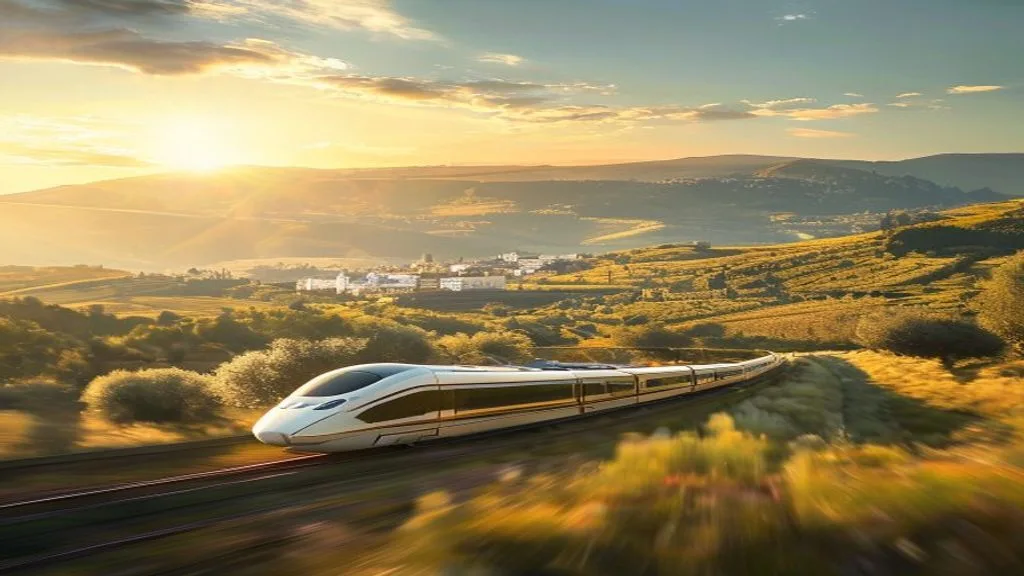
Few travel experiences capture Southern Europe quite like its high-speed railways. In a matter of hours, a single train glides you from a national capital to a sun-drenched Andalusian or Neapolitan city, past olive groves, hill towns, and coastline — no airport queues, no baggage drama, and city-centre stations at both ends. This in-depth 2026 guide covers two of the continent’s most rewarding rail journeys, Madrid to Seville in Spain and Rome to Naples in Italy: up-to-date times and fares, ticket classes explained, the best stops and day trips to add along the way, where to stay, when to go, and a sample two-week itinerary that links both.
Two journeys at a glance
| Route | Fastest time | Distance | Main operators | Trains/day | From |
|---|---|---|---|---|---|
| Madrid → Seville | ~2h 20m | 390 km | Renfe AVE, iryo, OUIGO | ~34 | ~€15 |
| Rome → Naples | ~1h 10m | 226 km | Frecciarossa, Italo | ~40+ | ~€10 |
Why Travel Southern Europe by Train?
Flying between these cities looks quick on paper, but once you add airport transfers, check-in, security, and the wait at the gate, the high-speed train usually wins on total door-to-door time — and it drops you in the historic centre rather than on the outskirts. Trains are also greener, roomier, and far more scenic: you actually see the country roll by. On both routes you can turn the trip itself into part of the holiday by breaking the journey at a great intermediate city.
Madrid to Seville: A Tapestry of Spanish Elegance
You can buy a straightforward ticket for the train from Madrid to Seville and enjoy a fast, comfortable ride straight across the country. Since 1992 this has been Spain’s flagship AVE line, and today three operators compete on it — Renfe’s AVE, the Trenitalia-backed iryo, and low-cost OUIGO — which keeps fares refreshingly low. If you don’t mind a slower pace, the route rewards a stop or two along the way.
| Leg | Approx. time | Notes |
|---|---|---|
| Madrid → Seville (direct) | 2h 20m–2h 39m | Up to 310 km/h; ~34 departures/day |
| Madrid → Toledo | ~33 min | Separate Avant line; easy day trip |
| Madrid → Córdoba | ~1h 45m | On the main AVE line to Seville |
| Córdoba → Seville | ~45 min | Short final hop |
Tickets & classes on Spanish high-speed trains
Spanish high-speed fares are dynamic — they rise as seats sell — so book early. Renfe’s AVE offers Turista (standard, 2+2 seating), Turista Plus (roomier first-class seats without the weekday meal), and Preferente (first class, 2+1 seating, catering on weekdays, lounge access). Budget operator OUIGO and the sleek iryo run their own class tiers on the same line. Luggage is generous across the board: passengers may bring up to three bags (guideline 25 kg), and in practice bags are not weighed.
Compare all three operators
Madrid
The adventure begins in Spain’s capital, where tradition and modernity collide. Tour the vast Royal Palace, lose an afternoon among Velázquez and Goya at the Prado, and relax in the Retiro Park. Stroll the Gran Vía and buzzing Puerta del Sol, then fuel up on churros and thick hot chocolate before you board — you’ll want the energy. Give Madrid at least two days before heading south.
Toledo (a short side trip)
Just half an hour south of Madrid on a separate high-speed line, Toledo is the classic day-trip detour. This hilltop UNESCO city layers Christian, Jewish, and Moorish history into a single walkable maze. Don’t miss the soaring Toledo Cathedral, the views from the Alcázar, El Greco’s masterpieces, and the ancient Alcántara Bridge over the Tagus.
Córdoba (on the way)
Directly on the AVE line, Córdoba is the easiest and most rewarding stop to fold into the journey — a full day is enough for the highlights. Its Mezquita-Catedral, a mosque-cathedral with a forest of 850 red-and-white arches, is one of Europe’s great buildings. Wander the flower-filled Jewish Quarter and the famous Calleja de las Flores, see the 14th-century Synagogue, cross the Roman Bridge, and tour the Alcázar de los Reyes Cristianos with its terraced gardens.
Seville
The line ends in Seville, all flamenco rhythm and Andalusian warmth — give it two to three days. The unmissable trio: the opulent Real Alcázar (book ahead; still a working royal palace), the colossal Gothic Cathedral and Giralda bell tower (with its ramped climb and rooftop views), and the tile-clad Plaza de España in María Luisa Park. Then get lost in the orange-scented lanes of Barrio Santa Cruz, catch a flamenco show at an intimate tablao, admire the baroque Plaza de Toros bullring, and ride the lift up the modern Setas de Sevilla (Metropol Parasol) for sunset.
Where to stay in Seville
Rome to Naples: A Sojourn Through Italian Splendours
Italy makes the same generous offer. You can hop on a train from Rome to Naples and be there in about seventy minutes on the high-speed Direttissima line, with Frecciarossa and Italo trains leaving Roma Termini every 30–60 minutes. It’s one of the fastest, cheapest intercity hops in Europe — advance fares often start around €10. If you’re not in a hurry, there’s a great deal more of southern Italy to fold in.
| Leg | Approx. time | Notes |
|---|---|---|
| Rome → Naples (high-speed) | ~1h 10m | Frecciarossa / Italo, up to 300 km/h |
| Rome → Caserta | ~1h | Royal Palace of Caserta, en route |
| Naples → Pompeii | ~35 min | Circumvesuviana regional line |
| Naples → Sorrento | ~1h 10m | Gateway to the Amalfi Coast |
| Naples → Capri | ~50 min | By fast ferry from the port |
Frecciarossa vs Italo
Two high-speed operators share the line. Frecciarossa is run by state railway Trenitalia; Italo is its private rival. Speeds and comfort are similar, with classes from Standard/Smart up to Business and Executive/Club. Compare both for the best combination of time and price, and note that regional trains are cheaper but far slower.
Rome
Begin among the ancient ruins and artistic treasures of the Eternal City — give it two to three days. The Colosseum and Roman Forum conjure the empire at its height; Vatican City (St. Peter’s Basilica and the Sistine Chapel) offers a different kind of awe; and the Pantheon, Trevi Fountain, and Piazza Navona reward simply wandering. Book the Colosseum and Vatican Museums online to skip the worst lines.
A quick note on Florence and Siena
Caserta (on the way)
About an hour south of Rome, Caserta is home to the colossal 18th-century Royal Palace of Caserta — the “Versailles of Italy” — with 1,200 rooms and vast gardens with cascading fountains. It’s an easy, worthwhile pause before Naples and a favourite film location.
Pompeii & Herculaneum
No trip to the Bay of Naples is complete without the Roman cities frozen by Vesuvius in 79 AD. Pompeii is the vast, famous one — an open-air museum of streets, villas, frescoes and mosaics; give it at least half a day and wear good shoes. Herculaneum is smaller, better preserved, and far less crowded. Both are a short regional-train ride from Naples on the Circumvesuviana line.
Naples
The high-speed run ends in gloriously chaotic Naples. Eat the world’s best pizza where it was invented, thread through the street-shrine bustle of Spaccanapoli, descend into Napoli Sotterranea (the underground city), and see the Greco-Roman treasures — including the finest Pompeii finds — at the National Archaeological Museum. For a calmer finale, ride up to the Posillipo headland or Castel Sant’Elmo for sweeping views over the bay.
Day trips from Naples: Amalfi, Capri & Sorrento
Naples is the gateway to some of Italy’s most spectacular scenery. Base here (or in Sorrento) and you can reach the cliff-hugging villages of the Amalfi Coast (a UNESCO coastline of Positano, Amalfi and Ravello), the glamorous island of Capri with its Blue Grotto, and pretty Sorrento perched above the sea. Serious hikers can even climb Mount Vesuvius for a look into the crater that buried Pompeii.
Where to stay in Naples
Rail Passes vs Point-to-Point Tickets
Should you buy a Eurail/Interrail pass or individual tickets? For a trip focused on one country with advance-booked high-speed legs, point-to-point tickets are usually cheaper — a Madrid–Seville or Rome–Naples fare booked ahead is inexpensive. A pass earns its keep when you take many journeys across several countries in a short window, or book last-minute when walk-up fares spike. One catch to budget for: in both Spain and Italy, high-speed trains require a seat reservation even with a pass (roughly €10–€25 in Spain and about €13 on Italian Frecce), and reservations are capped, so book early.
Best Time to Take These Trips
| Season | Weather & crowds | Verdict |
|---|---|---|
| Spring (Mar–May) | Warm, blooming, lively festivals | Ideal — book early |
| Summer (Jun–Aug) | Very hot in Seville & the south; busy | Sightsee at dawn/dusk |
| Autumn (Sep–Oct) | Pleasant, thinner crowds | Ideal |
| Winter (Nov–Feb) | Cool, quiet, lowest prices | Great value, short days |
Spring and autumn are the sweet spots for both countries — comfortable temperatures and lighter crowds. Summer in Seville and around Naples can be intense, so plan sightseeing for mornings and evenings. For more seasonal ideas, see our guide to where to vacation in August.
A Sample Two-Week Southern Europe Rail Itinerary
Want to link both journeys into one trip? Here is a relaxed 14-day framework (a short flight connects Seville or Madrid to Rome in the middle).
| Days | Base | Highlights |
|---|---|---|
| 1–2 | Madrid | Royal Palace, Prado, Retiro; day trip to Toledo |
| 3 | Córdoba | Mezquita, Jewish Quarter (en route by AVE) |
| 4–5 | Seville | Alcázar, Cathedral, Plaza de España, flamenco |
| 6 | Fly Seville/Madrid → Rome | Evening in Rome |
| 7–8 | Rome | Colosseum, Vatican, Pantheon, Trevi |
| 9 | Naples (via high-speed) | Archaeological Museum, pizza, Spaccanapoli |
| 10 | Pompeii + Vesuvius | Ancient city and the crater |
| 11–12 | Sorrento / Amalfi Coast | Positano, Amalfi, Ravello |
| 13 | Capri | Blue Grotto, island hike |
| 14 | Return via Naples/Rome | High-speed back to Rome for flights |
Booking Tips for Southern European Trains
- Book 1–2 months ahead for the lowest advance fares (often €10–€20).
- Compare operators. In Spain check Renfe AVE, iryo and OUIGO; in Italy compare Frecciarossa and Italo.
- Travel light — there is no formal check-in, but overhead and end-of-carriage racks fill up.
- Arrive ~20 minutes early for big stations like Madrid Atocha, Sevilla Santa Justa, Roma Termini and Napoli Centrale.
- Reserved seats. High-speed tickets are for a specific train and seat — miss it and you may pay to rebook.
- Mind the pickpockets in busy stations and on Naples’ Circumvesuviana — keep bags zipped and close.
Frequently Asked Questions
The Bottom Line
Southern Europe was made for the train. In a single relaxed day you can trade a capital city for Andalusian sunshine or the buzz of the Bay of Naples, watching the landscape change through the window instead of from 30,000 feet. Both the Madrid–Seville and Rome–Naples lines are fast, frequent, affordable, and studded with worthwhile stops — Córdoba and Toledo on one, Caserta, Pompeii and the Amalfi Coast on the other.
Book ahead, pack light, and leave room in the schedule to break the journey. Whether you ride one line or link both into a two-week grand tour, let the rhythm of the rails carry you through two of the most rewarding corners of the Mediterranean — every stop a chapter in your own Southern European adventure.
Quick trip checklist
You May Also Like

A journey through taste: Modena’s vinegar farmhouses attract visitors from across Europe

Best Time to Visit Cancún: Weather, Seaweed & Crowds (2026)

Best Time to Visit Alaska: Month-by-Month Guide (2026)