
Best Time to Visit Ireland (2026): Weather, Crowds & Costs

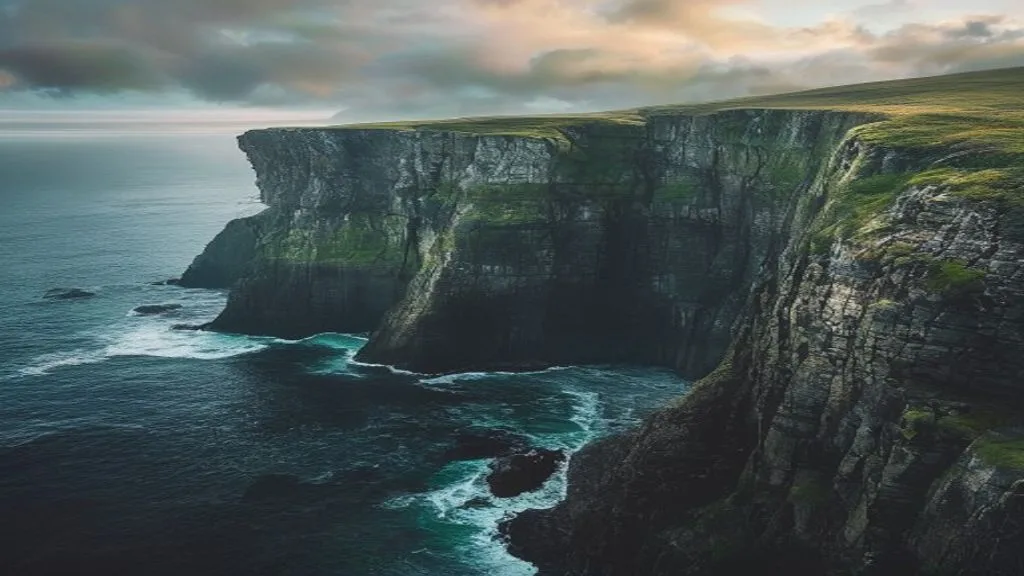
Ireland doesn’t really do “perfect weather” — and that’s part of its charm. What it does deliver, in every season, is impossibly green countryside, dramatic Atlantic coastline, warm pubs and a genuine welcome. So the best time to visit Ireland is less about chasing sunshine and more about matching the month to what you want: long bright evenings and festivals, quiet roads and lower prices, or moody winter atmosphere with the Cliffs of Moher almost to yourself. This 2026 guide breaks down the weather, crowds and costs month by month so you can pick your ideal dates.
Quick answer
The Short Answer: Best Months to Visit Ireland
If you just want the verdict: go in June or early July for the best weather and the longest days, or in May or September for nearly the same experience with fewer people and noticeably lower prices. September in particular is Ireland’s best-kept secret — often as mild as August, but with the summer crowds gone home. Winter (November–February) is tougher, but rewards you with authenticity, atmosphere, and hotel rooms at half the summer price.
Best Time to Visit Ireland by Priority
| Your priority | Best time |
|---|---|
| Best weather & long days | June & early July |
| Best value + good weather | April–May or September |
| Fewest crowds | January–February, October–November |
| Scenery & photography | Late May and September–October (golden light) |
| Festivals & lively pubs | Summer (June–August) |
| St Patrick’s Day | Mid-March (14–17 in 2026) |
| Lowest prices | January–February |
Ireland Month-by-Month (2026)
| Month | Typical temp | Crowds & season | Best for |
|---|---|---|---|
| January | 5–8°C (41–46°F) | Very low | Lowest prices, cosy cities |
| February | 5–8°C | Very low | Value, quiet sightseeing |
| March | 8–11°C | Low (high for St Patrick’s) | St Patrick’s Day, early spring |
| April | 10–13°C | Low–moderate | Value + one of the drier months |
| May | 12–15°C | Moderate | Sweet spot — green, long evenings |
| June | 15–18°C | High | Best overall — longest days |
| July | 16–20°C | Very high | Warmest, but busiest & priciest |
| August | 15–19°C | High | Warm; slightly calmer than July |
| September | 13–16°C | Moderate | Best value + weather; crowds gone |
| October | 10–13°C | Low | Autumn colour, atmospheric, cheaper |
| November | 7–10°C | Very low | Quiet, moody, low prices |
| December | 5–8°C | Low | Christmas markets, cosy pubs |
The Four Seasons in Ireland
Spring (March–May) — the underrated sweet spot
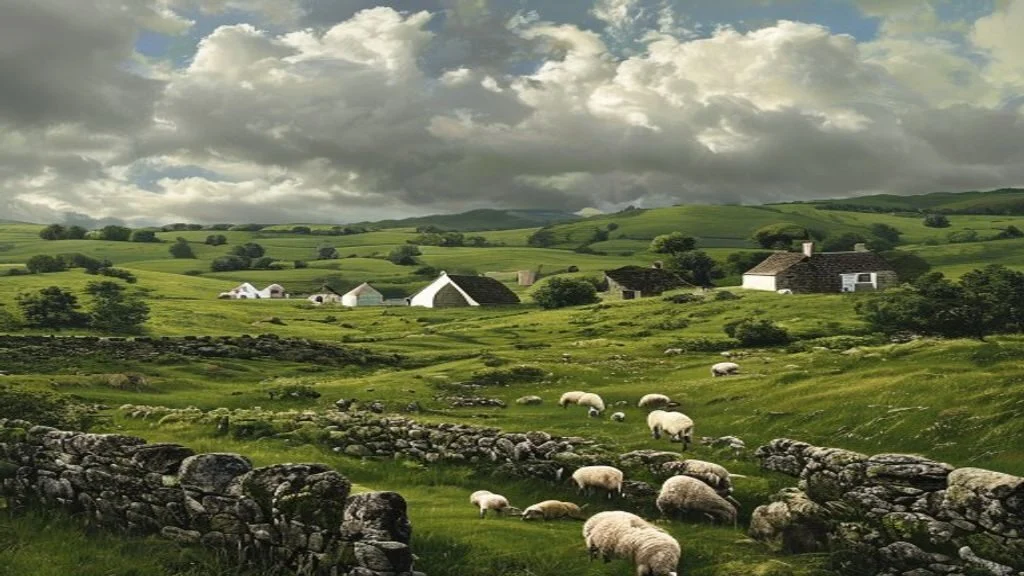
By April the hedgerows are bursting with colour, the days are stretching out, and the summer crowds haven’t arrived. You can walk into most attractions without a queue and get a dinner table without booking a week ahead. March is trickier — still winter-adjacent, and St Patrick’s Day fills Dublin — but by May you hit the sweet spot: 12–15°C, evenings stretching to 9–10 PM, and prime conditions for road-tripping the Wild Atlantic Way.
Summer (June–August) — peak season for good reason
June and July bring Ireland’s longest days — in the north there’s light until nearly 11 PM, and the Cliffs of Moher glowing gold at 9 PM is a genuinely unforgettable sight. Temperatures sit around 16–20°C, and while showers still happen, they’re usually short. The trade-off is crowds and cost: July is the busiest month of the year, so book accommodation months ahead, especially along the Wild Atlantic Way and the Aran Islands.
Autumn (September–October) — the best-kept secret
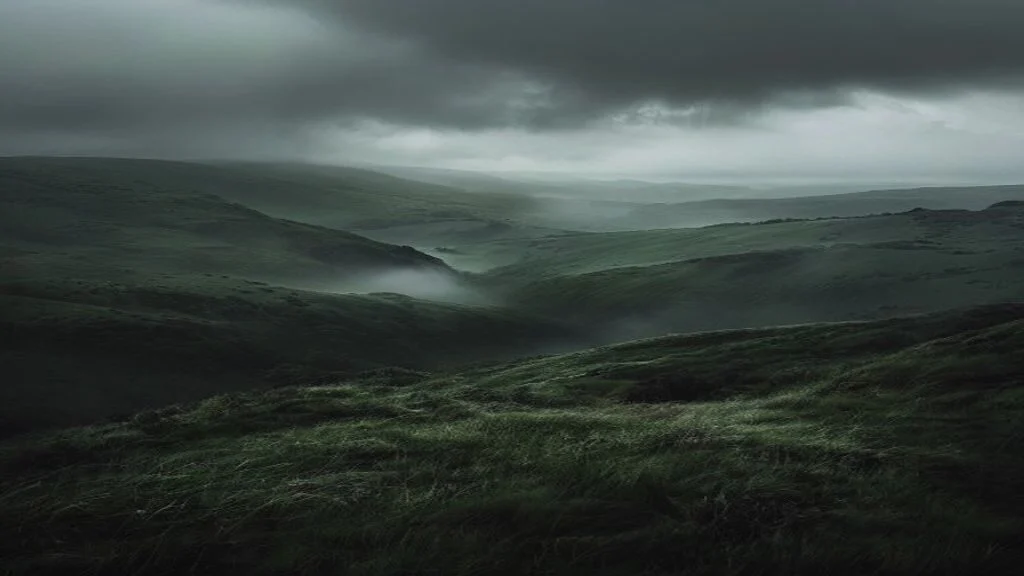
September may be the single best month for a certain kind of traveller — one who’d rather have a landmark to themselves and a proper local pub over a tourist-packed one. Early September is often as mild as August, but the crowds have gone and prices drop noticeably. By October the landscape turns amber and russet, the light goes soft and golden, and that mist rolling over the Connemara hills is a feature, not a bug.
Winter (November–February) — raw, real and cheap
Be honest with yourself: winter is tough. Short days, frequent rain, reduced hours at many sites, and the west coast can get battered by Atlantic storms. But you’ll pay almost half the summer rate, share the Cliffs of Moher with almost no one, and find locals rather than tourists in the pubs. Dublin, Galway and Cork are at their cosy, lamplit best, with Christmas markets and trad sessions.
Weather & Rain: The Honest Picture
Irish weather is famously changeable — you really can get “four seasons in a day,” and rain is possible in any month. It’s rarely extreme, though: summers top out around 20°C and winters hover near 5°C. The west coast (the Atlantic side — Kerry, Connemara, Donegal) is greener precisely because it’s wetter. For the least rain, aim for April to early summer; note that July and August are the warmest months but not the driest. The trick is to plan around the weather, not for it — a rainy afternoon in a Galway pub with a trad session is the whole point.
St Patrick’s Day & Festivals
The St Patrick’s Festival runs 14–17 March in 2026, and the whole island is in great form for the long weekend. If the festival is your reason to go, lean into it — but Dublin books out and prices spike for that week, so reserve early. If you’re not chasing the parade, consider avoiding Dublin that week and heading west to Galway or the Dingle Peninsula instead. Summer also brings a packed calendar of music, food and arts festivals across the country.
Cheapest Time to Visit Ireland
Prices track the crowds. January and February are the cheapest months, with the lowest flight and hotel rates (outside the Christmas peak). April and October are the best-value shoulder months, and May and September deliver close to the summer experience for noticeably less. The most expensive stretch is June–August (July especially), plus the St Patrick’s weekend — for a summer trip, book flights and accommodation three to four months ahead.
Where to Go: Dublin vs the Wild Atlantic Way
Most first-timers spend too long in Dublin. The city is worth a couple of days — Trinity College, Temple Bar, the Guinness Storehouse — but Ireland really opens up in the west. The Wild Atlantic Way strings together the country’s greatest hits: the Cliffs of Moher, the Ring of Kerry, the Dingle Peninsula, Connemara and rugged Donegal. Rent a car if you can — public transport is fine for cities, but the magic is in the countryside, where you need your own wheels. Give it at least 10 days, ideally two weeks, to see beyond Dublin without rushing.
What to Pack & Practical Tips
- Pack layers, not just a raincoat. The weather can change three times in an afternoon; a light fleece plus a waterproof shell beats a heavy coat.
- Book the Wild Atlantic Way early — coastal towns sell out months ahead in summer.
- Rent a car for the countryside; remember they drive on the left.
- Don’t skip the west — Kerry, Clare, Galway/Connemara and Donegal are where Ireland shines.
- Build in buffer time for weather and for the unplanned pub session — that’s the trip, not a detour.
Chasing more of northern Europe? Compare seasons with our guides to the best time to visit Iceland and Norway’s fjords and Northern Lights, or swap the rain for sun with Hawaii.
Frequently Asked Questions
The Bottom Line
There’s no single best time to visit Ireland — only the best time for the trip you want. Come in June or early July for the finest weather and longest days, in May or September for nearly the same at lower cost and with fewer crowds, or in winter for a raw, atmospheric, half-price Ireland with the landmarks almost to yourself. The shoulder months of April–May and September–October are the all-round sweet spot.
Whenever you go, pack layers, rent a car, head west of Dublin, and leave room for the weather and the unplanned pub session. Ireland doesn’t do perfect — it does genuine, and it’s quietly spectacular in every single month.
Best time to visit Ireland — quick recap
You May Also Like

Best Time to Visit Cancún: Weather, Seaweed & Crowds (2026)
Best Time to Visit Alaska: Month-by-Month Guide (2026)

Best Time to Visit Costa Rica: Month-by-Month (2026)