Is Domain Name Services Legitimate or Scam? Spot Renewals

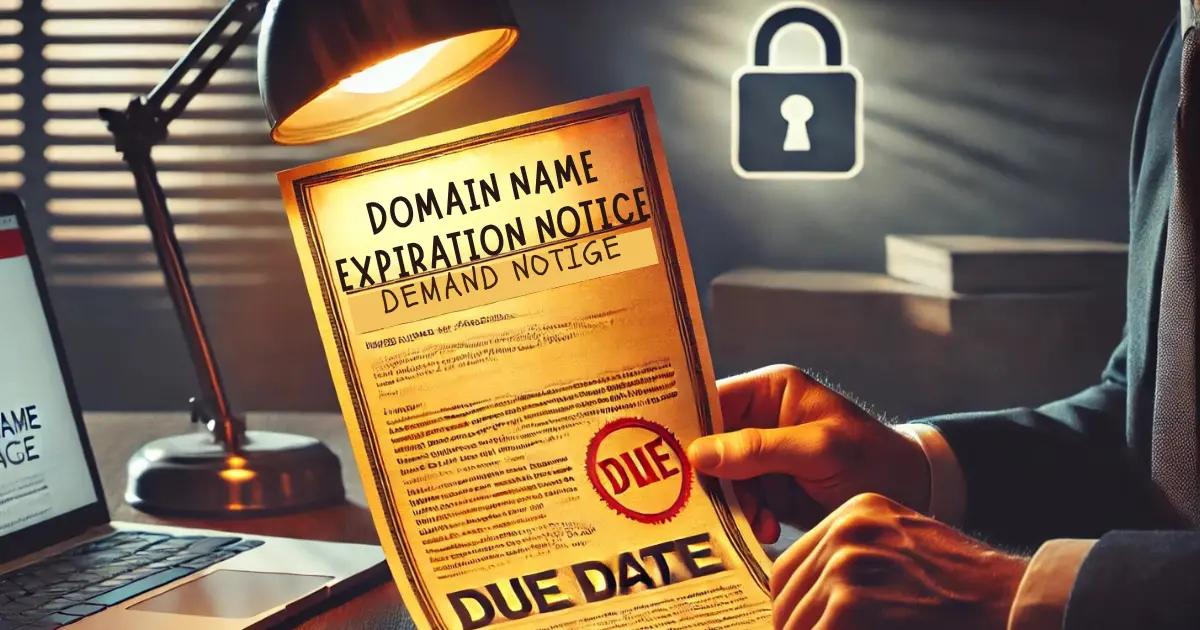
If you’ve recently received a letter or email from a company called “Domain Name Services” urging you to renew your domain name, you’re not alone—and you’re right to be suspicious. The domain name services scam has affected thousands of website owners who suddenly receive official-looking notices claiming their domain is about to expire. These deceptive communications are designed to look like legitimate renewal invoices, but they’re actually attempts to transfer your domain to a different registrar at inflated prices. Understanding how to identify these scams, verify your actual domain registrar, and protect your online assets is crucial for anyone who owns a website or domain name.
Domain renewal scams have become increasingly sophisticated, with scammers using official-sounding company names, professional letterheads, and urgent language to create panic. The goal is simple: trick you into paying for services you don’t need or transferring your domain away from your legitimate registrar. In this comprehensive guide, we’ll examine whether Domain Name Services is legitimate, how these scams operate, and most importantly, how you can protect yourself from falling victim to fraudulent domain renewal notices.
What Is Domain Name Services (DNS)?
The term “Domain Name Services” can be confusing because it sounds similar to DNS (Domain Name System), which is a legitimate technical protocol that translates domain names into IP addresses. However, when people ask about Domain Name Services in the context of scam letters, they’re typically referring to companies that send unsolicited domain renewal notices.
Several entities use variations of the name “Domain Name Services,” including Domain Name Services LLC based in Buffalo, New York (often listing addresses like 2316 Delaware Ave, Buffalo, NY). These companies operate in a legal gray area—they’re not technically breaking the law by offering domain registration services, but their marketing tactics are deliberately deceptive. They send mass mailings to domain owners whose information is publicly available through WHOIS databases, making their notices appear as though they’re from your current registrar.
It’s important to distinguish between the legitimate technical concept of DNS and these companies that use similar names to create confusion. The Domain Name System itself is a fundamental internet technology managed by organizations like ICANN (Internet Corporation for Assigned Names and Numbers). In contrast, companies sending suspicious renewal notices are typically third-party registrars attempting to acquire new customers through questionable marketing practices.
These companies harvest domain registration data from public WHOIS records, which contain information about who owns a domain, when it was registered, and when it expires. They then send official-looking letters or emails timed to arrive shortly before your actual renewal date, hoping you’ll assume the notice came from your real registrar and pay without verifying.
Is Domain Name Services Legitimate or a Scam?
The question “is domain name services legitimate” doesn’t have a simple yes or no answer. Technically, many companies using this name or similar variations are registered businesses that can legally provide domain registration services. However, their marketing practices are widely considered deceptive and predatory, which is why they’re commonly referred to as scams even when they’re not outright illegal.
Here’s what makes these operations problematic: while they may actually register or transfer your domain if you pay them, they do so at significantly inflated prices—often 3-5 times higher than standard market rates. More concerning, their notices are deliberately designed to mislead you into believing they’re from your current registrar. The fine print (often in tiny, barely readable text) may disclose that this is a solicitation from a different company, but the overall presentation is crafted to deceive.
On platforms like Reddit, numerous users have shared experiences with the domain name services scam letter, with most concluding that while the companies may technically provide the service if paid, the deceptive marketing tactics classify them as scams. One common thread in “is domain name services legit reddit” discussions is that legitimate registrars don’t need to use misleading tactics to retain customers.
The Better Business Bureau has received numerous complaints about various companies using the “Domain Name Services” name or similar variations. Common complaints include deceptive marketing practices, overcharging, difficulty obtaining refunds, and unauthorized domain transfers. While some of these companies maintain BBB profiles and respond to complaints, the volume and nature of complaints paint a clear picture of questionable business practices.
The consensus among cybersecurity experts and experienced domain owners is clear: even if these companies can technically provide domain services, their deceptive marketing practices make them untrustworthy. You should never respond to unsolicited domain renewal notices without first verifying they came from your actual registrar.
How Domain Renewal Scams Work
Understanding how domain renewal scam operations work is essential to protecting yourself. These scams follow a predictable pattern that exploits both the technical complexity of domain management and the fear of losing your online presence.
The process typically begins with data harvesting. Scammers use automated tools to scrape WHOIS databases, which contain publicly available information about domain registrations. This data includes the domain owner’s name, address, email, registration date, and—most importantly—the expiration date. While WHOIS privacy services can hide some of this information, many domain owners don’t use these protections, making their data easily accessible.
Once they have your information, scammers send official-looking notices timed to arrive 30-90 days before your domain’s actual expiration date. These notices are carefully designed to mimic legitimate renewal invoices from well-known registrars. They include your correct domain name, expiration date, and personal information, which creates an illusion of authenticity. The documents often feature professional layouts, official-sounding language, and urgent calls to action.
The psychological manipulation is sophisticated. The notices use fear-based language emphasizing that your domain is “about to expire” and that failure to renew will result in “loss of your online presence” or “your website going offline.” They create artificial urgency with statements like “Final Notice” or “Immediate Action Required,” even though this may be the first communication you’ve received from them.
The pricing structure is another key element of the scam. While standard domain renewals typically cost $10-15 per year for common extensions like .com, these scam notices often charge $35-75 or more for the same service. The inflated price is buried in the fine print or presented as a “premium service” that includes features you probably don’t need and may not even receive.
If you pay the invoice, one of several things may happen. In some cases, the company will actually initiate a domain transfer to their registrar and charge you the inflated annual fee. In other cases, they may simply pocket your money and provide minimal or no service. The transfer process itself can be disruptive, potentially causing email downtime or website issues if not handled properly.
Red Flags: How to Spot a Domain Renewal Scam
Recognizing the warning signs of a fake domain renewal notice can save you money and prevent the headache of dealing with unauthorized domain transfers. Here are the critical red flags to watch for:
Unfamiliar company name: If you don’t recognize the company name on the renewal notice, that’s your first major warning sign. Legitimate renewal notices come from the registrar where you actually registered your domain—companies like GoDaddy, Namecheap, Google Domains (now Squarespace Domains), or others you specifically chose. If the notice comes from “Domain Name Services,” “Domain Registry of America,” “Domain Renewal Group,” or any company you don’t remember doing business with, proceed with extreme caution.
Suspicious pricing: Compare the renewal price to standard market rates. If you’re being charged $50-75 for a basic .com domain renewal when the market rate is $10-15, you’re looking at a scam. Legitimate registrars compete on price and transparency; scammers rely on confusion and urgency to justify inflated costs.
Urgent or threatening language: Scam notices frequently use phrases like “Final Notice,” “Immediate Action Required,” “Domain Expiration Imminent,” or “Act Now to Avoid Losing Your Domain.” While legitimate registrars do send expiration reminders, they don’t typically use such aggressive, fear-inducing language. Real registrars want to retain your business through good service, not intimidation.
Vague or misleading headers: Look carefully at the document header. Scam notices often use phrases like “Domain Name Expiration Notice” or “Important Notice Regarding Your Domain” without clearly identifying themselves as solicitations from a third party. The company name may be in small print while the urgent messaging is prominent.
Buried disclaimers: Examine the fine print carefully. Scam notices often include a tiny disclaimer (sometimes in 6-point font or lighter gray text) stating something like “This is a solicitation and not a bill” or “We are not your current registrar.” This legal disclaimer protects them from fraud charges while still deceiving most recipients who don’t read the fine print.
Unusual payment methods: Be wary of notices that request payment via wire transfer, money order, or cryptocurrency. Legitimate registrars accept standard payment methods like credit cards and PayPal, which offer consumer protections. Scammers often prefer payment methods that are difficult to reverse.
No account login information: Legitimate renewal notices from your actual registrar typically include information about logging into your account to manage your domain. Scam notices usually just provide payment instructions without mentioning account access because you don’t have an account with them.
Generic email addresses: If the notice comes via email, check the sender address carefully. Scammers often use generic email addresses or domains that sound official but aren’t actually associated with legitimate registrars. For example, an email from “renewals@domainservices.com” is suspicious if you registered your domain with Namecheap.
How to Verify Your Actual Domain Registrar
When you receive any domain renewal notice, the first step is always to verify who actually manages your domain. Here’s how to identify your legitimate domain registrar:
Check your email records: Search your email inbox for the original domain registration confirmation. When you first registered your domain, you received a confirmation email from the registrar. This email will clearly identify the company you registered with and typically includes your account login information.
Use WHOIS lookup tools: WHOIS databases contain registration information for all domains. You can use free WHOIS lookup services to find out which registrar manages your domain. Simply visit a WHOIS lookup website (like whois.net, whois.icann.org, or your registrar’s WHOIS tool), enter your domain name, and look for the “Registrar” field in the results. This will show you the official registrar of record.
Check your credit card or bank statements: Review your financial records for past domain-related charges. The company that charged you for the original registration or previous renewals is your actual registrar. Look for recurring annual charges that match your domain renewal cycle.
Log into your domain account: If you remember where you registered your domain, try logging into that account directly. Don’t click links in suspicious emails—instead, type the registrar’s URL directly into your browser. Once logged in, you can view all your domains, renewal dates, and account settings.
Contact your web hosting provider: If you purchased your domain as part of a web hosting package, your hosting company may also be your registrar, or they may have partnered with a specific registrar. Contact your hosting provider’s support team to confirm where your domain is registered.
Review your domain’s nameserver settings: While nameservers don’t directly indicate your registrar, they can provide clues. If your nameservers point to a specific hosting company or DNS service, you may have registered your domain with them or transferred it there.
Once you’ve identified your actual registrar, you can safely ignore any renewal notices from other companies. If you want to search for domains or compare registrar services, do so on your own terms rather than responding to unsolicited notices.
What to Do If You Received a Suspicious Domain Renewal Notice
If a questionable domain renewal notice arrives in your mailbox or inbox, follow these steps to protect yourself and your domain:
Don’t panic: The notice is designed to create urgency and fear, but your domain won’t disappear overnight. Even if your domain is approaching its expiration date, you typically have a grace period of 30-45 days after expiration to renew without losing it, and even after that, there’s usually an additional redemption period.
Don’t pay immediately: Never send payment in response to an unsolicited domain notice without first verifying its legitimacy. Even if the notice looks official, take time to investigate before taking action.
Verify the sender: Use the methods described in the previous section to confirm your actual domain registrar. Compare the company name on the notice with your verified registrar. If they don’t match, you’re dealing with a scam or unauthorized solicitation.
Check your domain’s actual expiration date: Log into your account with your real registrar or use a WHOIS lookup to confirm when your domain actually expires. Scam notices often exaggerate urgency or provide misleading expiration information.
Read the fine print carefully: If you haven’t already discarded the notice, examine it closely for disclaimers. Look for statements indicating this is a “solicitation” or that the sender is “not your current registrar.” These admissions are often buried in tiny text at the bottom of the page.
Report the scam: Consider reporting deceptive domain renewal notices to relevant authorities. In the United States, you can file complaints with the Federal Trade Commission (FTC), your state’s Attorney General office, and the Better Business Bureau. ICANN also accepts complaints about registrar misconduct. Reporting these scams helps protect other domain owners and may lead to enforcement action against the worst offenders.
Renew with your actual registrar: If your domain is indeed approaching expiration, log into your account with your legitimate registrar and renew there. Most registrars offer auto-renewal options that prevent expiration issues and eliminate the stress of tracking renewal dates manually.
Enable WHOIS privacy: Consider enabling WHOIS privacy protection (also called domain privacy or private registration) through your actual registrar. This service masks your personal contact information in public WHOIS databases, making it harder for scammers to harvest your data and target you with fraudulent notices.
Mark as spam: If you received the notice via email, mark it as spam or phishing in your email client. This helps train your email filter to block similar messages in the future and may contribute to broader spam filtering databases that protect other users.
What Happens If You Pay a Scam Domain Company?
If you’ve already paid a suspicious domain renewal notice, don’t panic—but do act quickly. Here’s what typically happens and what you should do:
Possible outcomes of payment: When you pay a domain registrar scam company, several scenarios may unfold. In some cases, the company will initiate a domain transfer to their registrar. You’ll receive transfer authorization emails, and if you approve them (or don’t reject them within the specified timeframe), your domain will move to the new registrar. You’ll then be locked into their service at inflated renewal rates for at least one year.
In other cases, particularly with more fraudulent operations, the company may simply take your money and provide no service at all. They might send you vague confirmations but never actually process any domain-related services. Some scammers operate in a gray area where they claim to provide “domain listing services” or “search engine registration” rather than actual domain renewal, allowing them to keep your money while providing worthless services.
Immediate steps to take: If you realize you’ve paid a scam company, contact your bank or credit card company immediately to dispute the charge. Explain that you were deceived by misleading marketing that appeared to be from your domain registrar. Credit card companies often provide fraud protection and may be able to reverse the charge, especially if you act quickly.
Check for unauthorized transfers: Log into your account with your legitimate registrar and verify that your domain is still there and hasn’t been transferred. Check your email for any domain transfer authorization requests. If you receive such requests, reject them immediately. Most registrars require domain owners to approve transfers via email confirmation, giving you a chance to stop unauthorized transfers.
Lock your domain: Enable registrar lock (also called domain lock or transfer lock) through your legitimate registrar’s control panel. This security feature prevents anyone from transferring your domain away without first unlocking it, which requires access to your registrar account. Most domains should have this feature enabled by default, but verify it’s active.
Contact the scam company: While it may be frustrating, try contacting the company you paid to request a refund. Document all communications. Some of these companies will issue refunds if pressured, especially if you mention reporting them to authorities or disputing the charge with your credit card company. However, don’t expect cooperation—many will ignore refund requests or make the process deliberately difficult.
Document everything: Save copies of the deceptive notice, payment receipts, email communications, and any other relevant documentation. This evidence will be valuable if you need to dispute charges, file complaints with authorities, or take legal action.
Monitor your domain status: For the next several months, keep a close eye on your domain’s status. Check regularly that it remains with your legitimate registrar and that no unauthorized changes have been made to nameservers, contact information, or other settings.
How to Protect Yourself from Domain Scams
Prevention is always better than dealing with the aftermath of a scam. Here are comprehensive strategies to protect yourself from domain renewal scams and other domain-related fraud:
Enable auto-renewal: Most legitimate registrars offer automatic renewal services that charge your payment method on file shortly before your domain expires. Enabling this feature eliminates the risk of expiration and removes the urgency that scammers exploit. You’ll still receive renewal notifications, but you won’t need to take manual action, reducing the chance of confusion when scam notices arrive.
Use WHOIS privacy protection: WHOIS privacy services replace your personal contact information in public WHOIS databases with generic privacy service contact details. This prevents scammers from harvesting your name, address, phone number, and email address. Most registrars offer this service for free or for a small annual fee (typically $5-10 per year). The investment is worthwhile to reduce spam, scam attempts, and unwanted solicitations.
Consolidate domains with one trusted registrar: Managing all your domains with a single reputable registrar simplifies administration and makes it easier to spot scam notices. When you know all your domains are with Namecheap, for example, any renewal notice from a different company is immediately suspicious. Popular, well-reviewed registrars include Namecheap, Google Domains (now Squarespace Domains), Cloudflare, Porkbun, and GoDaddy.
Set calendar reminders: Even with auto-renewal enabled, set calendar reminders for 60-90 days before your domain expiration dates. This gives you time to verify renewal settings, update payment information if needed, and be aware of when legitimate renewal notices should arrive. When you receive a renewal notice outside this expected timeframe, it’s likely a scam.
Maintain accurate contact information: Keep your email address and contact information current with your registrar. This ensures you receive legitimate renewal notices and important account notifications. If scammers send notices to an old address while your registrar sends legitimate notices to your current address, you’ll be less likely to confuse the two.
Use strong, unique passwords: Protect your domain registrar account with a strong, unique password that you don’t use anywhere else. Consider using a password manager to generate and store complex passwords. Enable two-factor authentication (2FA) if your registrar offers it, adding an extra layer of security that prevents unauthorized access even if your password is compromised.
Enable registrar lock: As mentioned earlier, registrar lock prevents unauthorized domain transfers. This should be enabled for all domains you’re not actively transferring. Check your registrar’s control panel to verify this security feature is active for each of your domains.
Educate team members: If you work with a team or have employees who might receive domain-related correspondence, educate them about domain renewal scams. Establish clear protocols for who handles domain renewals and how to verify the legitimacy of any domain-related notices. Many businesses have fallen victim to scams when well-meaning employees paid fraudulent invoices without proper verification.
Review charges regularly: Monitor your credit card and bank statements for domain-related charges. If you see charges from unfamiliar companies, investigate immediately. Catching unauthorized charges quickly improves your chances of getting refunds and preventing further issues.
Be skeptical of unsolicited offers: Treat any unsolicited domain-related communication with skepticism, whether it’s renewal notices, transfer offers, or premium domain sales pitches. Legitimate registrars primarily communicate through your account dashboard and email addresses you’ve verified with them, not through random postal mail or cold emails.
Legitimate Domain Registrars vs. Scam Companies
Understanding the differences between reputable registrars and scam operations helps you make informed decisions about where to register and manage your domains. Here’s what distinguishes legitimate companies from questionable ones:
Transparent pricing: Legitimate registrars display their pricing clearly on their websites. You can easily compare registration costs, renewal fees, and transfer prices before making any commitments. They compete on value and service quality, not deception. Scam companies, in contrast, often hide their true pricing until you’ve already engaged with them, or they bury inflated costs in confusing invoices.
ICANN accreditation: Reputable domain registrars are accredited by ICANN (Internet Corporation for Assigned Names and Numbers), the organization that oversees the domain name system. You can verify a registrar’s accreditation status on ICANN’s website. While ICANN accreditation doesn’t guarantee perfect service, it does mean the company meets certain standards and is subject to ICANN’s oversight. Companies sending scam renewal notices may or may not be ICANN-accredited, but their deceptive marketing practices violate ICANN’s policies regardless.
Clear communication: Legitimate registrars clearly identify themselves in all communications. Their renewal notices come from recognizable company names, include your account information, and provide easy ways to log into your account to manage your domains. They don’t use misleading headers or bury their identity in fine print.
Customer service: Reputable registrars invest in customer support, offering multiple contact methods including phone, email, and live chat. They have comprehensive knowledge bases and help documentation. Scam companies typically have minimal customer service, making it difficult to get refunds or resolve issues.
Positive reputation: Research any registrar before doing business with them. Check reviews on independent platforms, search for complaints on Reddit and other forums, and review their Better Business Bureau profile. Legitimate registrars like Namecheap, Cloudflare, and Porkbun have largely positive reputations despite occasional complaints (which every large company receives). Scam operations accumulate numerous complaints about deceptive practices, overcharging, and poor service.
Additional services: Reputable registrars typically offer complementary services like DNS management, email forwarding, WHOIS privacy, and domain parking—often included free with registration. They may also offer web hosting, SSL certificates, and website builders. These value-added services are competitively priced and clearly explained. Scam companies may claim to offer additional services but rarely deliver meaningful value.
Industry involvement: Legitimate registrars participate in industry organizations, contribute to internet governance discussions, and maintain transparent corporate structures. They have physical offices, identifiable leadership teams, and established business histories. Scam operations often operate from obscure addresses, provide minimal corporate information, and have short, questionable business histories.
Some registrars that consistently receive positive reviews and are widely trusted include Namecheap (known for competitive pricing and good customer service), Cloudflare (offering free WHOIS privacy and integrated DNS services), Porkbun (praised for low prices and transparency), and Google Domains, now operated by Squarespace (valued for simplicity and integration with Google services). While no registrar is perfect, these companies have earned strong reputations through years of reliable service and ethical business practices.
Understanding Domain Transfer Policies and Protections
One reason domain renewal scams can be effective is that many domain owners don’t understand how domain transfers work. Knowing the transfer process and built-in protections helps you recognize and prevent unauthorized transfers:
Transfer authorization codes: Transferring a domain between registrars requires an authorization code (also called an EPP code or transfer key). This code is generated by your current registrar and must be provided to the new registrar to initiate a transfer. You should never share this code with anyone unless you’re intentionally transferring your domain. Legitimate registrars will never ask for this code unsolicited.
Email confirmation requirements: When someone initiates a domain transfer, the administrative contact email address on file receives a transfer authorization request. You must approve this request (or at least not reject it within a specified timeframe, usually 5-7 days) for the transfer to proceed. This safeguard prevents completely unauthorized transfers, but it can be circumvented if scammers have access to your email or if you approve the transfer without understanding what you’re doing.
60-day transfer lock: ICANN rules prohibit domain transfers within 60 days of registration or a previous transfer. This lock period prevents rapid-fire transfers that could be used in scam scenarios. If you recently registered or transferred a domain, it cannot be transferred again for 60 days, regardless of what any scam notice claims.
Registrar lock protection: As mentioned earlier, registrar lock is a security feature that prevents transfers until the domain is manually unlocked by the account owner. This requires logging into your registrar account, providing another layer of protection against unauthorized transfers.
Transfer dispute resolution: If an unauthorized transfer does occur, ICANN has dispute resolution procedures. You can contact both registrars involved and file a complaint with ICANN if necessary. In many cases, unauthorized transfers can be reversed, especially if you act quickly and can prove you didn’t authorize the transfer.
Understanding these protections helps you recognize when scam notices are making false claims. For example, if a notice claims your domain will be “immediately transferred” or “lost forever” without following the proper transfer authorization process, you know it’s using scare tactics rather than describing how domain transfers actually work.
The Legal and Ethical Landscape of Domain Marketing
The domain renewal scam industry operates in a murky legal area. While outright fraud is illegal, many deceptive marketing practices fall into gray zones that are difficult to prosecute:
Legal solicitations vs. fraud: Companies can legally solicit your business, even if you’re already a customer of a competitor. They can legally access public WHOIS data and send you offers. What crosses the line is when solicitations are deliberately designed to deceive you into believing they’re from your current registrar. The fine print disclaimers these companies include are often their legal shield—they can claim they disclosed the truth, even if 99% of recipients don’t read the tiny text.
Regulatory challenges: Domain scams often cross state and national borders, making enforcement difficult. A company based in one state or country may target domain owners worldwide, complicating jurisdiction issues. Regulatory agencies like the FTC in the United States can take action against the most egregious offenders, but resources are limited and scammers often simply rebrand and continue operating.
ICANN’s role and limitations: ICANN sets policies for accredited registrars, including rules against deceptive marketing. However, ICANN’s enforcement powers are limited, and the complaint process can be slow. ICANN can suspend or revoke a registrar’s accreditation for serious violations, but this is a drastic step that requires substantial evidence and due process.
Consumer protection laws: Various consumer protection laws prohibit deceptive business practices, but applying them to domain renewal scams requires proving that the marketing was deceptive, which can be challenging when companies include disclaimers. Class action lawsuits have been filed against some of the most notorious domain scam operations, resulting in settlements and changes to business practices, but new scammers continually emerge.
Industry self-regulation: Reputable registrars and industry organizations have attempted to establish ethical marketing standards, but these are voluntary and don’t bind bad actors. The domain industry as a whole benefits from consumer trust, so legitimate players have incentives to combat scams, but they can’t directly control what other companies do.
The bottom line is that while legal and regulatory frameworks exist to combat domain scams, enforcement is imperfect. Your best protection is education and vigilance rather than relying on authorities to prevent scams before they reach you.
Real-World Examples and Case Studies
Examining specific examples of domain renewal scams helps illustrate how they work in practice and what warning signs to watch for:
The Domain Registry of America case: One of the most notorious domain scam operations was Domain Registry of America (DROA), which sent millions of deceptive renewal notices over many years. Their notices were carefully designed to look like official invoices, with headers like “Domain Name Expiration Notice” in large, bold text. Only in small print at the bottom did they disclose that this was a solicitation from a company other than the recipient’s current registrar. After numerous complaints and legal actions, including a settlement with the FTC, DROA changed some of its practices, but similar operations continue to emerge.
The “Domain Name Services” letter campaign: Multiple companies using variations of the name “Domain Name Services” have sent mass mailings to domain owners. These letters typically arrive in official-looking envelopes, feature professional layouts, and include accurate information about the recipient’s domain and expiration date. The pricing is usually $35-75 for a standard .com renewal—far above market rates. Recipients who read the fine print discover disclaimers stating this is a solicitation, but many people pay without noticing. Reddit threads about “domain name services scam letter” experiences reveal hundreds of people who nearly fell for or did pay these notices.
Email-based scams: While postal mail scams remain common, email-based domain renewal scams have also proliferated. These often feature subject lines like “Urgent: Domain Expiration Notice” or “Final Reminder: Renew Your Domain.” The emails may include official-looking logos and formatting, with links to payment pages. Some sophisticated versions even spoof legitimate registrar email addresses, making them appear to come from companies like GoDaddy or Namecheap when they actually don’t.
The SEO listing scam variation: Some scam operations don’t even claim to offer domain renewal. Instead, they send notices about “search engine registration” or “SEO listing services,” implying that your domain needs to be “registered” with search engines or directories to remain visible online. These services are worthless—search engines automatically discover and index websites without any paid registration—but the notices are designed to confuse domain owners into paying for unnecessary services.
These examples share common elements: they exploit public WHOIS data, use official-looking communications, create false urgency, and rely on recipients not verifying the sender’s identity. Learning from others’ experiences helps you recognize these patterns when you encounter them.
The Future of Domain Security and Scam Prevention
As technology evolves, both domain security measures and scam tactics continue to develop. Understanding emerging trends helps you stay protected:
WHOIS privacy becoming standard: Many registrars now include WHOIS privacy protection free with all domain registrations, reducing the availability of personal data that scammers harvest. Some domain extensions (like .uk domains) have implemented privacy by default, hiding registrant details from public WHOIS queries. This trend toward privacy-first policies should reduce the effectiveness of scams that rely on WHOIS data mining.
Improved authentication: Registrars are implementing stronger authentication measures, including mandatory two-factor authentication for domain management and more robust transfer authorization processes. These security enhancements make unauthorized transfers more difficult, even if scammers obtain some account information.
AI and machine learning for scam detection: Email providers and security services are using artificial intelligence to better identify and filter phishing attempts and scam communications. As these systems improve, more fraudulent domain renewal notices may be automatically flagged or blocked before reaching recipients.
Blockchain and decentralized domains: Emerging technologies like blockchain-based domain systems (such as Ethereum Name Service or Unstoppable Domains) operate differently from traditional DNS, potentially offering new security models. While these systems have their own challenges and aren’t yet mainstream, they represent alternative approaches to domain ownership and management that may be less vulnerable to certain types of scams.
Regulatory evolution: As domain scams continue to affect consumers, regulatory agencies may develop more specific rules and enforcement mechanisms. Increased coordination between international regulatory bodies could make it harder for scammers to operate across borders with impunity.
Consumer education initiatives: Industry organizations, registrars, and consumer protection groups are investing more in education about domain scams. As awareness grows, fewer people fall victim to these schemes, reducing their profitability and potentially discouraging scammers.
Despite these positive developments, scammers will likely continue to adapt their tactics. The fundamental strategy of exploiting confusion, urgency, and lack of technical knowledge will remain effective against some portion of domain owners. Staying informed and maintaining healthy skepticism toward unsolicited communications will remain essential.
Frequently Asked Questions About Domain Renewal Scams
Is domain name services a legit company? Companies using the name “Domain Name Services” or similar variations may be technically legitimate businesses that can provide domain registration services. However, their marketing practices are widely considered deceptive because they send notices designed to look like they’re from your current registrar when they’re actually solicitations from a different company. While they may provide the service if you pay them, they typically charge 3-5 times the standard market rate and use misleading tactics to acquire customers. Most cybersecurity experts and experienced domain owners recommend avoiding these companies and renewing only with your verified registrar.
Do I need to pay domain name services? No, you do not need to pay any company called “Domain Name Services” unless you specifically registered your domain with them, which is unlikely. If you receive a renewal notice from this company or similar entities, verify your actual registrar using WHOIS lookup or by checking your email records for your original registration confirmation. Renew your domain only with your legitimate registrar. Paying these solicitation notices will result in overcharging and potentially transferring your domain to a new registrar you didn’t intend to use.
What is a domain name scam? A domain name scam is any fraudulent or deceptive practice related to domain registration, renewal, or management. The most common type is the domain renewal scam, where companies send official-looking notices to domain owners claiming their domain is about to expire and requesting payment for renewal. These notices are designed to mislead recipients into believing they’re from their current registrar when they’re actually solicitations from different companies charging inflated prices. Other domain scams include fake domain purchase offers, SEO listing scams, and phishing attempts to steal domain account credentials.
What is the domain name service provider? Your domain name service provider, more commonly called your domain registrar, is the company where you registered your domain and that manages your domain registration. This is the company you should renew your domain with and the only company authorized to make changes to your domain settings. Common legitimate registrars include Namecheap, GoDaddy, Google Domains (now Squarespace Domains), Cloudflare, and Porkbun. You can identify your registrar by checking your original registration confirmation email, reviewing your payment history, or using a WHOIS lookup tool to see which company is listed as the registrar of record for your domain.
How can I tell if a domain renewal notice is legitimate? Verify that the notice comes from your actual registrar by checking your registration records and using WHOIS lookup. Legitimate notices will come from the company you registered with, include your account information, and use standard pricing. Be suspicious of notices from unfamiliar companies, those with inflated pricing, urgent or threatening language, and buried disclaimers. When in doubt, log directly into your registrar account (don’t click links in suspicious emails) to check your domain status and renewal dates.
What should I do if I already paid a domain scam company? Contact your bank or credit card company immediately to dispute the charge. Check your email for any domain transfer authorization requests and reject them if they appear. Verify that your domain is still with your legitimate registrar and enable registrar lock to prevent unauthorized transfers. Try contacting the company you paid to request a refund, documenting all communications. Report the scam to the FTC, Better Business Bureau, and ICANN. Monitor your domain status closely for the next several months to ensure no unauthorized changes occur.
Can I lose my domain if I ignore a scam renewal notice? No, ignoring a scam renewal notice will not cause you to lose your domain. Your domain can only expire if you fail to renew it with your actual registrar. Scam companies have no control over your domain unless you authorize a transfer to them. However, make sure you’re not ignoring legitimate renewal notices from your real registrar. Set up auto-renewal with your actual registrar to ensure you never miss a real renewal deadline.
How do scammers get my domain information? Scammers harvest domain owner information from public WHOIS databases, which contain details about domain registrations including owner name, address, email, and expiration dates. This information is publicly available for most domains unless you’ve enabled WHOIS privacy protection. Scammers use automated tools to scrape this data and then send targeted renewal notices timed to arrive before your domain’s expiration date.
Is it safe to transfer my domain to a different registrar? Yes, transferring your domain between legitimate registrars is safe and sometimes beneficial if you find better pricing or services elsewhere. However, only initiate transfers yourself through your chosen registrar’s official website—never in response to unsolicited notices. Research the new registrar thoroughly, ensure they’re ICANN-accredited, and understand their pricing and policies before transferring. The transfer process involves authorization codes and email confirmations, giving you control over the process.
How much should domain renewal actually cost? Standard domain renewal costs vary by extension and registrar but typically range from $10-20 per year for common extensions like .com, .net, and .org. Some registrars offer lower promotional rates for first-year registrations but charge standard renewal rates afterward. Premium domains or specialty extensions may cost more. If you’re being charged $35-75 or more for a standard domain renewal, you’re likely dealing with an overpriced service or scam. Compare prices across reputable registrars to understand fair market rates.
Should I enable WHOIS privacy protection? Yes, enabling WHOIS privacy protection is highly recommended for most domain owners. This service replaces your personal contact information in public WHOIS databases with generic privacy service details, protecting you from spam, scam attempts, and unwanted solicitations. Many registrars now include WHOIS privacy free with domain registration. The small cost (typically $0-10 per year) is worthwhile for the privacy and security benefits it provides.
Frequently Asked Questions
Is Domain Name Services a legit company?
Domain Name Services is a real company, but their marketing practices are highly deceptive and considered by many to be a domain name services scam. They send official-looking renewal notices to domain owners who already have registrars, attempting to trick them into transferring their domains at inflated prices. While technically legal, their tactics are designed to confuse recipients into thinking they must pay these invoices to keep their websites running.
Do I need to pay Domain Name Services renewal notices?
No, you do not need to pay Domain Name Services unless they are your actual domain registrar. These notices are solicitations, not bills from your current provider. Check your domain’s WHOIS information or log into your actual registrar account (like GoDaddy, Namecheap, or Google Domains) to verify where your domain is registered and when it truly expires.
What is a domain name scam?
A domain name scam is a deceptive practice where companies send official-looking renewal notices or invoices to domain owners, falsely implying they must pay to keep their domain active. The domain name services scam specifically involves sending letters or emails that mimic legitimate renewal notices, often at prices significantly higher than market rates. These scams prey on domain owners’ fear of losing their website and online presence.
How can I tell if a domain renewal notice is legitimate?
Check if the sender matches your actual domain registrar by logging into your registrar account or reviewing your original purchase confirmation. Legitimate renewal notices will come from the company where you originally registered your domain and will reference your account details. Be suspicious of notices with urgent language, significantly higher prices than you normally pay, or fine print stating “this is a solicitation” rather than an invoice.
What happens if I accidentally pay a domain name services scam notice?
If you pay a domain name services scam notice, your domain will typically be transferred to their registrar at an inflated annual rate, and you may lose control temporarily. Contact your original registrar immediately to initiate a transfer dispute, and file a complaint with the FTC and ICANN. You can usually reverse unauthorized transfers within 60 days, but act quickly to minimize disruption to your website.
How do I check who my real domain registrar is?
Visit a WHOIS lookup service (like ICANN.org/whois or who.is) and enter your domain name to see the official registrar of record. Your registrar information is also available in your original domain purchase confirmation email or by logging into the account where you initially bought the domain. This information will help you identify whether renewal notices are coming from your legitimate provider or a scam operation.
What are the warning signs of a domain renewal scam?
Key warning signs include receiving notices from a company you don’t recognize, prices significantly higher than market rates ($30-50+ vs. typical $10-15), urgent or threatening language about immediate expiration, and fine print stating “this is not a bill” or “solicitation only.” The domain name services scam specifically uses official-looking letterhead and invoice formatting to create false urgency. Always verify directly with your known registrar before taking action.
Do domains automatically renew?
Most domains are set to auto-renew by default when you register them, but this depends on your registrar’s settings and whether you have a valid payment method on file. You can check your auto-renewal status by logging into your registrar account and reviewing your domain settings. It’s recommended to keep auto-renewal enabled to prevent accidental expiration, but always verify renewal charges come from your legitimate registrar.
What should I do if I receive a Domain Name Services letter?
Do not respond or send payment—simply discard the letter or mark the email as spam. Verify your domain’s actual expiration date and registrar by checking your registrar account or using a WHOIS lookup tool. If you’re concerned about your domain status, contact your legitimate registrar directly using contact information from their official website, not from the suspicious notice you received.
Can I report domain name renewal scams?
Yes, you should report suspected domain name services scam attempts to the Federal Trade Commission (FTC) at ReportFraud.ftc.gov, ICANN (the internet domain oversight organization), and your state’s attorney general office. You can also leave reviews on sites like the Better Business Bureau to warn other domain owners. Reporting these practices helps authorities track patterns and potentially take enforcement action against deceptive companies.
You May Also Like

7 Reasons Why WPS Desktop Is a Must-Have Tool in 2026

Reducing Cyber Risk: Practical Guide for UK Businesses 2024

Biogas Odour Control: Carbon Filtration Systems Guide