Hyperpigmentation Memes: Funny Dark Spot Struggles & Tips

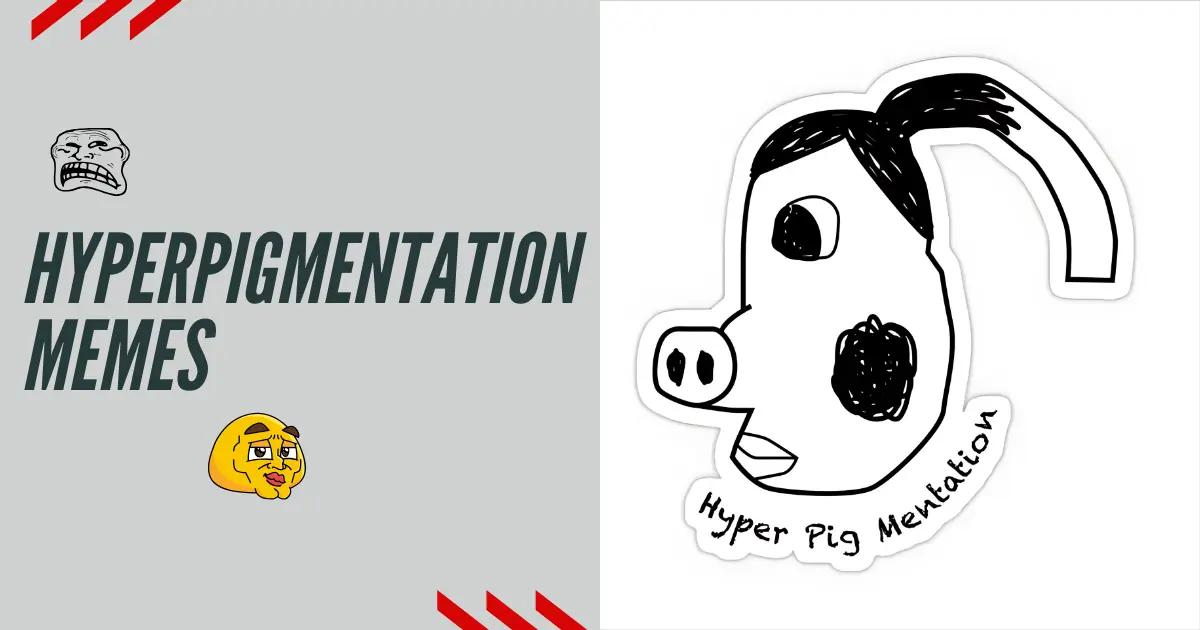
If you’ve ever spent hours researching hyperpigmentation memes instead of actually treating your dark spots, you’re not alone. The internet has transformed our collective skincare struggles into a comedy goldmine, where dark spot memes and hyperpigmentation humor help us laugh through the frustration of uneven skin tone. These memes capture everything from the disappointment of post-acne dark spots that won’t fade to the absurdity of spending hundreds on products that promise miracles but deliver minimal results. While hyperpigmentation memes offer comic relief and community validation, they also reflect a genuine struggle that millions face daily—the quest for clear, even-toned skin that feels like an endless uphill battle.
This comprehensive guide explores the viral world of hyperpigmentation memes while delivering the practical skincare advice you actually need. Whether you’re here for relatable humor, treatment recommendations, or simply to feel less alone in your skincare journey, we’re covering everything from the science behind those stubborn spots to the ingredients that genuinely work. Let’s laugh through the struggles while learning how to glow through them.
What Is Hyperpigmentation? (The Science Behind the Spots)
Hyperpigmentation occurs when melanin production goes into overdrive in certain areas of your skin, creating patches or spots that are darker than your surrounding skin tone. This isn’t just a cosmetic concern—it’s your skin’s response to various triggers including inflammation, sun exposure, hormonal changes, and injury. Understanding the biological mechanism behind these dark spots helps explain why they’re so stubborn and why treating them requires patience and the right approach.
The process begins when melanocytes, the cells responsible for producing melanin, become hyperactive. This can happen for numerous reasons: acne inflammation leaves behind post-inflammatory hyperpigmentation (PIH), sun damage causes age spots and sun spots, hormonal fluctuations trigger melasma, and even minor skin injuries can result in darkened areas. The melanin deposits itself in either the epidermis (outer skin layer) or dermis (deeper layer), with epidermal hyperpigmentation typically being easier to treat than dermal pigmentation.
Different skin types experience hyperpigmentation differently. People with darker skin tones (Fitzpatrick types IV-VI) are more prone to developing post-acne dark spots and PIH because their melanocytes are naturally more active. This doesn’t mean lighter skin tones are immune—sun damage and melasma affect all skin types, though they manifest differently. The frustration captured in hyperpigmentation memes resonates across all demographics because uneven skin tone is a universal concern that transcends race, age, and gender.
What makes hyperpigmentation particularly maddening is its persistence. Unlike active acne that might clear in days or weeks, dark spots can linger for months or even years without proper treatment. This timeline explains why so many skincare memes focus on the seemingly endless wait for results, the disappointment when spots don’t fade as quickly as promised, and the temptation to give up entirely on your skincare routine.
Why Hyperpigmentation Memes Are Taking Over Social Media
The explosion of hyperpigmentation memes across TikTok, Instagram, and Twitter reflects a broader cultural shift in how we discuss skincare struggles. Rather than hiding imperfections or feeling ashamed, people are creating communities built on shared experiences and humor. These memes serve multiple purposes: they validate feelings of frustration, create solidarity among those dealing with similar issues, and make a traditionally taboo topic—skin imperfections—openly discussible and even funny.
One particular viral moment catapulted hyperpigmentation into meme stardom: a video featuring a young person examining their skin and repeatedly asking “Is that hyperpigmentation?” in an increasingly concerned tone. This simple clip resonated with millions because it captured the obsessive skin-checking behavior that anyone with dark spots knows intimately. The phrase “is that hyperpigmentation” became a catchphrase, spawning countless remixes, parodies, and variations that spread across social media platforms.
The relatability factor drives the virality of these skincare memes. When someone posts about spending their entire paycheck on serums that promise to fade dark spots in two weeks, thousands of people immediately understand that specific brand of hope mixed with skepticism. When a meme shows someone applying seven different products in their nighttime routine specifically targeting hyperpigmentation, it’s both absurd and deeply familiar. This shared experience creates an instant connection between creator and audience.
Social media algorithms favor this type of content because engagement rates are exceptionally high. People don’t just scroll past hyperpigmentation memes—they save them, share them with friends who “need to see this,” and flood the comments with their own stories. The combination of humor, vulnerability, and practical skincare discussion creates perfect conditions for viral content. Hashtags like #hyperpigmentationmemes, #darkspotsstruggles, and #skincarefails accumulate millions of views as people search for content that reflects their own experiences.
The demographic consuming and creating these memes skews younger, particularly Gen Z and Millennials who grew up with social media and are comfortable sharing personal struggles online. This generation approaches skincare differently than previous ones—they’re more informed, more willing to invest in their skin, and more open about the emotional toll of skin concerns. Hyperpigmentation memes become a coping mechanism, a way to acknowledge insecurity while refusing to let it define them completely.
The Funniest Hyperpigmentation Memes That Hit Too Close to Home
The best dark spot memes work because they’re painfully accurate. Consider the classic format: “Me: *gets one pimple* | The dark spot it leaves behind: *stays for 6 months*” accompanied by images showing a tiny problem creating a massive, long-lasting consequence. This meme captures the disproportionate nature of post-inflammatory hyperpigmentation—a breakout that lasted three days leaves evidence that persists for half a year, serving as a constant reminder of that one unfortunate pimple.
Another viral favorite shows the progression of skincare obsession: “Day 1: I’ll just use sunscreen | Week 1: Maybe add vitamin C | Month 1: *photo of bathroom counter covered in 47 different products*” This escalation meme resonates because it reflects the real journey many people take. What starts as a simple desire to fade a few spots transforms into an elaborate, expensive routine involving multiple acids, retinoids, brightening serums, and specialized treatments. The humor lies in the recognition of our own behavior reflected back at us.
The “expectation vs. reality” format dominates hyperpigmentation humor. One popular version shows: “What I thought would happen after using niacinamide for a week” next to a photo of flawless, glowing skin, followed by “What actually happened” with an image of skin looking exactly the same or possibly worse due to purging. These memes acknowledge the gap between skincare marketing promises and actual results, poking fun at our own unrealistic expectations while simultaneously expressing genuine disappointment.
Text-based memes also capture the hyperpigmentation experience brilliantly. “My dark spots watching me spend $200 on new skincare products knowing they’re not going anywhere” paired with an image of someone looking unbothered or smug perfectly encapsulates the feeling that your hyperpigmentation is personally mocking your efforts. This personification of dark spots as antagonistic characters in your skincare story adds a layer of absurdist humor that makes the struggle feel less isolating.
The “is that hyperpigmentation” meme spawned countless variations, including people examining everything from food stains to shadows with the same concerned tone. The original video’s creator became inadvertently famous for capturing a universal moment of skin-checking anxiety. While many people ask about the hyperpigmentation meme girl’s name or whether the hyperpigmentation meme kid is a girl or boy, the real power of the meme lies in its universality—anyone who’s ever obsessively examined their skin in different lighting conditions immediately understands the reference.
Dark Spot Struggles: Memes That Capture the Reality
The daily reality of living with post acne dark spots provides endless material for relatable content. One particularly popular meme format shows someone looking in the mirror in bathroom lighting versus natural sunlight, with the caption “My skin in my bathroom: flawless | My skin in the car mirror: a constellation of dark spots.” This lighting discrepancy meme resonates because it captures the shock of seeing your skin in harsh, unfiltered light after convincing yourself your hyperpigmentation was improving.
Seasonal memes also dominate the dark spot conversation. “Summer: *wears sunscreen religiously* | Winter: *forgets sunscreen exists* | Spring: *surprised Pikachu face at all the new dark spots*” This format acknowledges the cyclical nature of hyperpigmentation struggles and our tendency to become complacent with sun protection during cooler months, only to face consequences when examining our skin later. The humor comes from recognizing our own self-sabotaging behavior.
The comparison meme format works particularly well for hyperpigmentation content: “Things that fade quickly: my motivation, my bank account, my energy | Things that never fade: my dark spots.” This juxtaposition highlights the frustrating permanence of hyperpigmentation compared to other aspects of life. The exaggeration serves a purpose—while dark spots do eventually fade with proper treatment, they certainly feel eternal when you’re dealing with them daily.
Relationship memes have also entered the hyperpigmentation space: “My relationship with my dark spots: It’s complicated | Duration: 3 years and counting | Status: Trying to break up but they won’t leave.” This Facebook relationship status parody perfectly captures the unwanted, clingy nature of persistent hyperpigmentation. The meme acknowledges that despite our best efforts to “break up” with our dark spots through various treatments, they seem determined to stick around.
Photo editing memes reveal another layer of the dark spot struggle. “Me editing my selfies: *spends 20 minutes removing every dark spot* | Me in real life: *looks exactly the same as before*” This meme addresses the disconnect between our digital presentation and physical reality, touching on the pressure to present perfect skin online while dealing with imperfections offline. It’s both humorous and slightly melancholic, acknowledging the emotional labor involved in managing appearance expectations.
When Concealer Becomes Your Best Friend: Relatable Memes
The relationship between hyperpigmentation and makeup provides rich territory for skincare memes. One viral format shows: “My concealer trying to cover my dark spots” paired with an image of someone attempting an impossible task, like holding back a flood with their hands. This meme captures the futility many feel when makeup can’t quite hide what they want hidden, despite using multiple layers and different products.
The “no makeup” meme cycle is particularly relevant: “People: You look so good without makeup! | Me: *wearing concealer, color corrector, foundation, and setting powder specifically to cover dark spots*” This format highlights the invisible labor that goes into achieving a “natural” look when you’re dealing with hyperpigmentation. The humor comes from the gap between perception and reality—what others see as effortless is actually the result of careful, strategic product application.
Color corrector memes have their own subcategory. “Me watching a YouTube tutorial on color correcting dark spots: This looks easy | Me actually trying to color correct: *looks like I got in a fight with a crayon box*” The learning curve for properly using peach, orange, or red correctors to neutralize dark spots is steep, and these memes acknowledge the messy, often unsuccessful attempts that precede mastery. The self-deprecating humor makes the learning process feel less frustrating.
The makeup removal meme hits differently when you have hyperpigmentation: “Taking off my makeup at night and remembering why I wear makeup” accompanied by an image of someone looking disappointed or resigned. While this format exists for various skin concerns, it particularly resonates with those whose dark spots significantly affect their confidence. The meme validates the emotional impact of seeing your bare skin after hours of coverage.
Foundation shade matching becomes complicated with uneven skin tone, spawning memes like: “Trying to find a foundation shade when half your face is three shades darker than the other half” with images of confusion or frustration. This practical struggle—do you match your lighter areas, darker areas, or somewhere in between?—is both genuinely difficult and absurdly funny when you step back and think about it.
The Post-Acne Dark Spot Meme Collection
Post acne dark spots deserve their own meme category because they represent a specific type of frustration: dealing with evidence of a problem that’s already resolved. One popular format states: “The acne: gone in 3 days | The dark spot it left: *still here 6 months later*” This timeline disparity captures the cruel irony that the actual pimple is temporary but its aftermath feels permanent.
The “healing journey” meme sarcastically documents progress: “Week 1: Pimple appears | Week 2: Pimple heals | Week 3-52: Dark spot vacation on my face.” The use of “vacation” to describe the dark spot’s extended stay adds humor to the frustration. These memes often include images showing someone initially optimistic about their skin healing, then progressively more resigned as weeks pass with no improvement in pigmentation.
Picking and popping memes acknowledge a common cause of post-inflammatory hyperpigmentation: “Me: *pops one pimple* | My skin: And I took that personally.” This format references the popular meme template while highlighting how skin “punishes” us for picking with long-lasting dark spots. The humor serves a dual purpose—it’s funny while also subtly educating about cause and effect in hyperpigmentation development.
The regret meme cycle is particularly strong with post-acne marks: “Me picking at my skin: This will be fine | Me three months later looking at the dark spot: Why am I like this?” This self-awareness about destructive habits combined with genuine regret creates a relatable emotional arc. Many people engage in skin-picking despite knowing the consequences, and these memes validate that struggle without judgment.
Comparison memes between different acne aftermath scenarios are also popular: “People whose acne heals without leaving marks: *living their best life* | Me: *one pimple leaves a dark spot visible from space*” The exaggeration emphasizes how unfair the hyperpigmentation lottery feels. Some people’s skin bounces back flawlessly while others develop noticeable marks from even minor breakouts, and these memes express that frustration through humor.
Hyperpigmentation Treatment Fails: Memes About What Doesn't Work
The trial-and-error nature of finding effective hyperpigmentation treatment generates countless memes about products and methods that disappoint. One common format: “Skincare product: ‘Visibly reduces dark spots in 2 weeks’ | Me after 2 weeks: *looks exactly the same* | The product: ‘Results may vary'” This meme calls out misleading marketing while acknowledging our own complicity in believing exaggerated claims.
DIY treatment memes capture another aspect of the journey: “Me trying every Pinterest DIY remedy for dark spots: lemon juice, toothpaste, baking soda | My skin: *worse than before* | Dermatologists: We’ve been telling you not to do this.” These memes serve an educational purpose wrapped in humor, highlighting the dangers of unproven home remedies while poking fun at our tendency to try them anyway despite professional warnings.
The product graveyard meme resonates with anyone who’s accumulated dozens of half-used treatments: “Me: This new serum will definitely work | Also me: *has 23 other ‘miracle’ products that didn’t work under my sink*” This format acknowledges the expensive cycle of hope and disappointment that characterizes many people’s hyperpigmentation treatment journey. The humor comes from recognizing the pattern while continuing to repeat it.
Expectation versus reality strikes again with treatment timelines: “Product instructions: Use for 4-6 weeks for best results | Me after 3 days: Why isn’t this working yet?” This meme captures our impatience and unrealistic expectations while also highlighting how difficult it is to maintain consistency with treatments that require months to show results. The self-aware humor makes the wait feel slightly more bearable.
The “trying everything” meme shows escalation: “Started with: drugstore cream | Now using: prescription tretinoin, vitamin C, niacinamide, azelaic acid, chemical peels, and sacrificing to the skincare gods.” This progression from simple to complex (and slightly absurd) reflects many people’s actual treatment journey. The humor lies in the desperation that leads to increasingly elaborate routines and the quasi-religious devotion to skincare that develops.
Skincare Routine Memes: The Endless Quest for Even Skin Tone
The evolution of skincare routines focused on hyperpigmentation provides endless meme material. “My skincare routine before hyperpigmentation: wash face, maybe moisturize | My skincare routine now: *30-minute process involving 12 products in specific order*” This before-and-after format captures how dark spots transform casual skincare into an elaborate ritual. The time investment and complexity become both a source of pride and a subject of self-mockery.
Product layering memes are particularly popular: “Me applying my 7th layer of treatment for dark spots wondering why my skin feels irritated” paired with a confused or surprised expression. This format highlights the tendency to overdo it when desperate for results, applying multiple actives simultaneously despite knowing it might cause problems. The humor comes from the recognition that we sometimes sabotage ourselves in our eagerness to see improvement.
The morning versus evening routine disparity generates content: “My morning routine: sunscreen (if I remember) | My evening routine: *detailed 45-minute process with multiple acids, retinoids, and targeted treatments*” This imbalance reflects reality for many people—they invest heavily in nighttime treatment but neglect the crucial daytime protection that prevents new hyperpigmentation from forming. The meme format makes this contradiction visible and slightly ridiculous.
Consistency memes acknowledge a major challenge: “Me: *does full hyperpigmentation routine for 3 days* | Also me: Why isn’t my skin perfect yet? | Me: *gives up for 2 weeks*” This cycle of enthusiasm, impatience, and abandonment is incredibly common. The meme validates the difficulty of maintaining long-term consistency while gently mocking our own unrealistic expectations and lack of patience.
The “explaining my routine” meme captures social awkwardness: “Friend: What do you use on your skin? | Me: *pulls out color-coded spreadsheet detailing 15 products, application order, and wait times* | Friend: *slowly backs away*” This exaggeration reflects how obsessive skincare routines can become when targeting specific concerns like hyperpigmentation. The humor lies in the recognition that what feels normal to us might seem extreme to others.
How to Actually Treat Hyperpigmentation (Beyond the Memes)
While hyperpigmentation memes provide comic relief, effective treatment requires understanding proven approaches. The foundation of any hyperpigmentation treatment plan must include broad-spectrum sunscreen with at least SPF 30, applied daily regardless of weather or season. Sun exposure is the primary factor that darkens existing hyperpigmentation and creates new spots, making sun protection non-negotiable. This isn’t just about preventing further damage—UV exposure actively stimulates melanocytes, undoing months of treatment progress in hours of unprotected sun exposure.
Topical treatments work by either inhibiting melanin production, accelerating cell turnover to shed pigmented cells faster, or both. The most effective ingredients include hydroquinone, tretinoin, azelaic acid, kojic acid, vitamin C, niacinamide, and alpha hydroxy acids like glycolic acid. However, using multiple potent actives simultaneously can cause irritation, which ironically triggers more hyperpigmentation. A strategic approach involves introducing one active ingredient at a time, allowing your skin to adjust before adding another.
Professional treatments offer faster, more dramatic results than topical products alone. Chemical peels using glycolic acid, salicylic acid, or TCA can significantly improve hyperpigmentation by removing the outer layers of pigmented skin. Laser treatments like Q-switched lasers, fractional lasers, and intense pulsed light (IPL) target melanin deposits directly. Microneedling combined with topical treatments enhances product penetration and stimulates collagen production, which can help with both texture and tone. These procedures require professional administration and come with their own risks, particularly for darker skin tones where aggressive treatment can paradoxically worsen hyperpigmentation.
Treatment timelines require realistic expectations. Epidermal hyperpigmentation (in the outer skin layer) typically responds to treatment within 6-12 weeks, while dermal hyperpigmentation (deeper pigmentation) can take 6-12 months or longer. Some types of hyperpigmentation, like melasma, are chronic conditions requiring ongoing management rather than one-time treatment. Understanding these timelines prevents the disappointment and treatment-hopping that many people experience when they don’t see results within days or weeks.
The treatment approach must be customized based on hyperpigmentation type, skin type, and severity. Post-inflammatory hyperpigmentation from acne responds well to retinoids and chemical exfoliants. Melasma requires a combination approach often including hydroquinone, tretinoin, and strict sun protection. Sun damage and age spots respond to vitamin C, retinoids, and laser treatments. Darker skin tones require gentler approaches to avoid triggering more pigmentation, while lighter skin tones can often tolerate more aggressive treatments. Working with a dermatologist ensures you’re using appropriate treatments for your specific situation.
Best Ingredients for Dark Spots and Hyperpigmentation
Hydroquinone remains the gold standard for treating hyperpigmentation, available in 2% concentrations over-the-counter and up to 4% by prescription. It works by inhibiting tyrosinase, the enzyme responsible for melanin production. While highly effective, hydroquinone requires careful use—extended use can cause ochronosis (paradoxical darkening) in some individuals, and it’s typically recommended for 3-4 month cycles with breaks in between. Despite controversy and bans in some countries, it remains FDA-approved in the United States and is often the first-line treatment dermatologists recommend for stubborn hyperpigmentation.
Tretinoin and retinoids accelerate cell turnover, helping to shed pigmented cells faster while preventing new melanin formation. Prescription tretinoin is more potent than over-the-counter retinol, but both can improve hyperpigmentation over time. Retinoids work synergistically with other brightening ingredients, making them valuable components of comprehensive treatment plans. However, they increase sun sensitivity and can cause irritation, requiring gradual introduction and consistent sun protection. The “retinization” period—when skin adjusts to retinoids—can last several weeks and may temporarily worsen appearance before improvement occurs.
Vitamin C (L-ascorbic acid) is a powerful antioxidant that inhibits melanin production while brightening existing pigmentation. It works best at concentrations between 10-20% and requires a low pH (around 3.5) for optimal absorption. Vitamin C serums are notoriously unstable, degrading when exposed to light and air, so packaging matters significantly. When properly formulated and stored, vitamin C provides both treatment and prevention benefits, protecting against UV damage while fading dark spots. It pairs particularly well with vitamin E and ferulic acid, which stabilize and enhance its effects.
Niacinamide (vitamin B3) has emerged as a gentler alternative for treating hyperpigmentation, working by inhibiting melanosome transfer from melanocytes to keratinocytes. It’s well-tolerated by most skin types, rarely causes irritation, and provides additional benefits including improved skin barrier function and reduced inflammation. Studies show that 4-5% niacinamide can significantly reduce hyperpigmentation over 8-12 weeks. It’s particularly valuable for people with sensitive skin who can’t tolerate stronger actives, and it can be safely combined with most other ingredients.
Azelaic acid offers multiple mechanisms for treating hyperpigmentation: it inhibits tyrosinase, has anti-inflammatory properties, and provides antibacterial effects beneficial for acne-related pigmentation. Available in 10% concentrations over-the-counter and 15-20% by prescription, azelaic acid is particularly effective for post-inflammatory hyperpigmentation and melasma. It’s generally well-tolerated, though some people experience temporary tingling or mild irritation. The ingredient works well for darker skin tones because it targets abnormal melanocytes while leaving normal pigmentation relatively unaffected.
Alpha hydroxy acids (AHAs) like glycolic acid and lactic acid exfoliate the skin’s surface, removing pigmented dead cells and promoting cell turnover. Glycolic acid, with the smallest molecular size, penetrates deeply and works quickly, while lactic acid is gentler and more hydrating. Regular use of AHAs (typically 5-10% for daily use, higher concentrations for occasional peels) gradually improves hyperpigmentation while enhancing overall skin texture and radiance. However, AHAs increase sun sensitivity significantly, making daily sunscreen application absolutely essential.
Kojic acid inhibits tyrosinase and is often used in combination with other brightening ingredients. It’s particularly popular in Asian skincare and is generally well-tolerated, though some people develop contact dermatitis with prolonged use. Kojic acid works synergistically with vitamin C and glycolic acid, making it a valuable component of comprehensive brightening treatments. Concentrations typically range from 1-4%, and results become visible after 4-8 weeks of consistent use.
Creating Your Own Hyperpigmentation Memes: Tips and Ideas
Creating relatable hyperpigmentation memes requires understanding what makes skincare humor resonate. The most successful memes capture specific, universal moments that people instantly recognize—the disappointment of seeing your skin in harsh lighting, the hope when starting a new product, the frustration when that product doesn’t work. Start by documenting your own experiences and emotional reactions throughout your skincare journey. The moments that make you laugh, cry, or shake your head in disbelief are exactly the moments that will resonate with others.
Popular meme formats translate well to hyperpigmentation content. The “Drake meme” format works perfectly: Drake rejecting “accepting my dark spots” and approving “spending my entire paycheck on new serums.” The “distracted boyfriend” meme can show someone in a relationship with “consistent skincare routine” but looking at “miracle product promising results in 3 days.” The “two buttons” meme captures impossible choices: “save money” versus “buy another hyperpigmentation treatment.” Adapting established formats makes your content immediately recognizable while adding skincare-specific humor.
Text-based memes offer accessibility for creators without graphic design skills. Simple formats like “Nobody: | Absolutely nobody: | Me: *examines dark spots in 47 different lighting conditions*” or “Things I’m good at: 1. Buying skincare products | Things I’m bad at: 1. Using them consistently” require only basic image editing or even just text posts. The humor comes from the writing, not elaborate visuals. Twitter and Instagram text posts about hyperpigmentation struggles often go viral based purely on relatability.
Video memes have dominated platforms like TikTok, with the “is that hyperpigmentation” sound becoming a cultural touchstone. Creating video content allows for more nuanced humor—showing your actual skincare routine in real-time, documenting the journey of a single dark spot over months, or acting out the internal dialogue when examining your skin. The TikTok format favors short, punchy content with trending sounds, making it ideal for quick hyperpigmentation jokes that viewers can easily share.
Timing and platform matter for meme success. Instagram favors polished, visually appealing memes that work well in feed posts and stories. TikTok rewards authentic, slightly chaotic content that feels spontaneous even if it’s planned. Twitter excels with text-based humor and quick observations. Understanding each platform’s culture helps you tailor content appropriately. Hashtags like #hyperpigmentationmemes, #skincarememes, and #darkspotsstruggles help your content reach people actively searching for this type of humor.
The most impactful memes balance humor with authenticity. While exaggeration creates comedy, the underlying truth must be recognizable. Memes that are too absurd lose relatability, while memes that are too realistic might feel more sad than funny. The sweet spot is acknowledging genuine struggle while finding the absurd or ironic elements that make it bearable. This balance is why hyperpigmentation memes resonate so strongly—they validate real frustration while refusing to let it become entirely tragic.
The Healing Power of Humor in Your Skincare Journey
The therapeutic value of hyperpigmentation humor extends beyond simple entertainment. When you’re struggling with skin concerns that affect your confidence and self-image, humor becomes a coping mechanism that prevents those concerns from completely defining you. Laughing at your own obsessive skin-checking behavior or the absurdity of your 15-step routine creates psychological distance from the problem. This distance doesn’t minimize the legitimate frustration of dealing with hyperpigmentation—instead, it prevents that frustration from overwhelming you entirely.
Community building through shared humor creates support networks that traditional skincare spaces sometimes lack. When someone posts a meme about their dark spots and receives thousands of comments saying “this is so me” or “I thought I was the only one,” it transforms an isolating experience into a collective one. These digital communities provide validation that your struggles are real and shared, reducing the shame or embarrassment that often accompanies visible skin concerns. The comment sections of popular hyperpigmentation memes become support groups where people exchange product recommendations, encouragement, and solidarity.
Humor also serves an educational function in the skincare space. Memes about treatment fails subtly teach what doesn’t work. Jokes about inconsistent routines highlight the importance of consistency. Sarcastic content about miracle products that don’t deliver helps people develop healthy skepticism toward marketing claims. This education happens organically, wrapped in entertainment, making it more palatable than didactic skincare advice. People remember funny memes long after they’ve forgotten traditional educational content, meaning the lessons embedded in humor have staying power.
The act of creating hyperpigmentation memes can be particularly therapeutic. Transforming your frustration into content that makes others laugh gives purpose to your struggle. It shifts you from passive victim of stubborn dark spots to active creator who controls the narrative. Many people report that making memes about their skin concerns helped them process negative emotions and develop a healthier relationship with their appearance. The creative process itself—choosing images, crafting captions, deciding what to share—requires reflection that can lead to genuine insights about your relationship with your skin.
However, it’s important to maintain balance. While humor helps cope with hyperpigmentation, it shouldn’t replace actual treatment or professional help when needed. Memes about dark spots are therapeutic, but they won’t fade the spots themselves. The ideal approach combines the emotional support and community that hyperpigmentation memes provide with evidence-based treatment and realistic expectations. Laugh at the journey, share your struggles, find solidarity in humor—but also invest in the treatments, consistency, and patience that actually improve your skin over time.
The normalization of skin imperfections through meme culture represents a positive cultural shift. Previous generations hid their skincare struggles or only discussed them privately. Today’s meme-driven discourse makes hyperpigmentation a topic of open, even lighthearted conversation. This normalization reduces stigma and makes it easier for people to seek help, try treatments, and discuss their experiences without shame. When millions of people are openly joking about their dark spots, it becomes clear that hyperpigmentation is an incredibly common, manageable concern rather than a shameful secret.
Looking forward, the intersection of skincare and meme culture will likely continue evolving. As treatments improve and become more accessible, the memes will shift to reflect new realities—perhaps celebrating actual progress rather than just coping with struggle. The community built through hyperpigmentation humor has created lasting connections and changed how people approach skincare discussions. Whether you’re creating memes, sharing them, or simply enjoying them, you’re participating in a cultural moment that’s making skincare more accessible, less intimidating, and significantly more fun than it’s ever been before.
Frequently Asked Questions
Why is the meme called hyperpigmentation?
The meme is called “hyperpigmentation” because it features a viral video where someone points out dark spots on skin and dramatically asks “Is that hyperpigmentation?” The term refers to patches of skin that become darker than surrounding areas due to excess melanin production. The meme became popular because it humorously captures how people obsessively analyze every skin imperfection, turning a common dermatological concern into relatable internet comedy.
What is the hyperpigmentation meme girl's name?
The original creator of the viral hyperpigmentation meme remains somewhat anonymous, as the video spread across multiple platforms without consistent attribution. Various versions of hyperpigmentation memes feature different people, making it difficult to identify one specific “hyperpigmentation meme girl.” The meme’s popularity comes from its relatable format that countless users have recreated with their own skincare struggles.
What does hyperpigmentation look like?
Hyperpigmentation appears as darkened patches or spots on the skin that are noticeably different from your natural skin tone. These areas can range from light brown to dark brown or even grayish, depending on your skin type and the cause. Common forms include post-acne marks, sun spots, melasma patches on the cheeks and forehead, and age spots on hands and face.
Does hyperpigmentation go away on its own?
Some types of hyperpigmentation can fade naturally over time, typically taking 6-12 months for post-inflammatory marks to lighten without treatment. However, deeper pigmentation like melasma or sun damage often requires active treatment with ingredients like vitamin C, niacinamide, or retinoids. Sun protection is essential during this process, as UV exposure can darken existing spots and prevent fading.
What triggers hyperpigmentation?
Hyperpigmentation is triggered by factors that stimulate excess melanin production, including sun exposure, hormonal changes, inflammation from acne or injury, and certain medications. Picking at blemishes, aggressive skincare treatments, and heat exposure can also worsen dark spots. Understanding your specific triggers helps prevent new hyperpigmentation from forming while you treat existing spots.
What is the most effective treatment for hyperpigmentation?
The most effective treatments for hyperpigmentation include prescription retinoids, hydroquinone, chemical peels, and laser therapy for stubborn cases. Over-the-counter options like vitamin C serums, alpha arbutin, kojic acid, and niacinamide can also produce significant results with consistent use. Daily broad-spectrum SPF 30+ sunscreen is non-negotiable, as sun exposure can reverse all treatment progress and darken existing spots.
How do Koreans get rid of dark spots?
Korean skincare approaches hyperpigmentation through layered brightening routines featuring ingredients like niacinamide, tranexamic acid, alpha arbutin, and fermented rice extracts. Popular methods include essence-toner-serum layering, sheet masks with brightening ingredients, and gentle exfoliation with PHA or LHA acids. The K-beauty philosophy emphasizes prevention through religious sunscreen use and treating skin gently to avoid inflammation that causes new dark spots.
Is hyperpigmentation scary or dangerous?
Hyperpigmentation is not scary or dangerous—it’s a cosmetic concern rather than a health threat in most cases. While dark spots can affect confidence and self-esteem, they’re simply areas where your skin has produced extra melanin in response to triggers like sun exposure or inflammation. However, any new or changing dark spots should be evaluated by a dermatologist to rule out skin cancer or other serious conditions.
Which fruits are good for reducing pigmentation?
Fruits rich in vitamin C like oranges, strawberries, kiwi, and papaya can help reduce pigmentation when consumed regularly as part of a healthy diet. Topically, lemon juice is often mentioned but can actually worsen hyperpigmentation due to photosensitivity and irritation. For best results, focus on eating antioxidant-rich fruits to support skin health from within while using proven topical treatments for direct pigmentation reduction.
Where can I find funny hyperpigmentation memes?
Funny hyperpigmentation memes are widely available on TikTok, Instagram, and Twitter, where skincare communities share relatable content about their dark spot struggles. Search for hashtags like #hyperpigmentationmemes, #skincarememes, or #darkspotshumor to find content that turns frustrating skincare journeys into comedy. These hyperpigmentation memes create community around shared experiences, making the often lengthy treatment process feel less isolating.
You May Also Like

How to Go Viral on Pinterest: 9 Proven Marketing Strategies

TikTok Coins: What They Are, How to Buy & Use Them Safely
Dog Training Captions for Instagram: 75+ Best Examples (2024)