Building Materials That Improve Indoor Comfort: Expert Guide

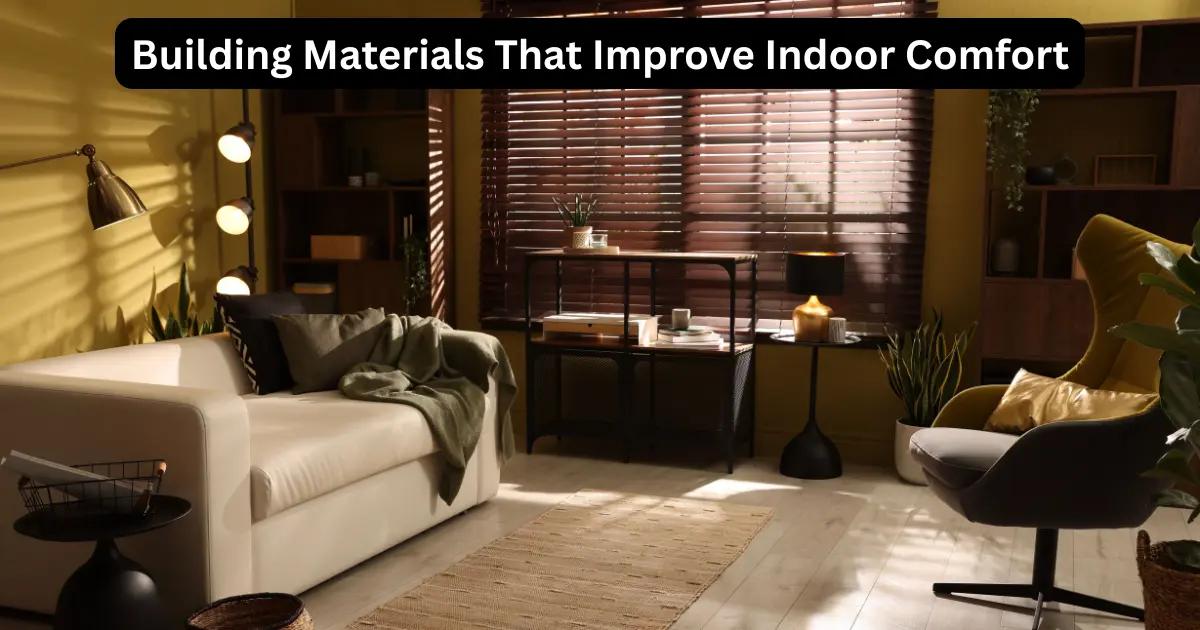
When planning a new home or renovation, most people focus on aesthetics and layout, but the building materials indoor comfort relationship is equally critical to your daily quality of life. The materials you choose for walls, floors, ceilings, and windows directly impact temperature stability, noise levels, air quality, and humidity control—factors that determine whether your home feels like a sanctuary or a source of constant frustration. Indoor thermal comfort refers to the condition of mind that expresses satisfaction with the thermal environment, and achieving it requires strategic material selection that goes far beyond basic insulation. This comprehensive guide explores comfort-enhancing building materials that regulate temperature, reduce noise, manage moisture, and improve air quality, helping you make informed decisions that create a healthier, more pleasant living environment year-round.
What Makes a Building Material 'Comfort-Enhancing'?
A comfort-enhancing building material actively contributes to one or more aspects of indoor environmental quality rather than simply serving as a structural element. These materials possess specific physical properties that influence how your home responds to external conditions and internal activities. Understanding these properties helps you identify which materials will deliver the most significant improvements for your specific comfort challenges.
The primary characteristics that define comfort-enhancing materials include thermal resistance (measured as R-value), which determines how well a material prevents heat transfer; thermal mass, which describes a material’s ability to absorb and store heat energy; acoustic absorption, indicating how effectively it dampens sound; moisture buffering capacity, showing its ability to absorb and release water vapor; and low VOC emissions, meaning it doesn’t release harmful chemicals into your indoor air.
Materials that excel in multiple categories provide compounding benefits. For example, natural cork offers excellent thermal insulation, sound dampening, and moisture regulation simultaneously. Similarly, rammed earth walls provide thermal mass, acoustic benefits, and humidity control. When evaluating materials for temperature control, you’re essentially looking at how they manage heat flow—either by resisting it (insulation) or by storing and releasing it strategically (thermal mass).
The concept of comfort in architecture extends beyond mere temperature control to encompass all sensory experiences within a space. This holistic approach considers how materials affect sight, sound, touch, and even smell. A room with excellent temperature control but poor acoustics or off-gassing materials will never feel truly comfortable, which is why the best building approaches integrate multiple comfort-enhancing materials working in concert.
Insulation Materials for Temperature Control
Insulation materials for homes represent the first line of defense against temperature fluctuations and energy waste. These materials work by trapping air in tiny pockets, creating a barrier that slows heat transfer between your conditioned indoor space and the outside environment. The effectiveness of insulation is measured by its R-value, with higher numbers indicating better thermal resistance—a critical metric when comparing options.
Fiberglass batt insulation remains the most common choice due to its affordability and ease of installation. Available in R-values ranging from R-11 to R-38, fiberglass works well in standard wall cavities and attic spaces. However, it requires careful installation to avoid gaps that dramatically reduce performance, and it offers minimal acoustic benefits compared to denser alternatives. Modern formulations use reduced formaldehyde binders, addressing earlier health concerns.
Spray foam insulation provides superior air sealing along with insulation, making it exceptionally effective for temperature control. Closed-cell spray foam offers R-values of R-6 to R-7 per inch and creates an airtight barrier that prevents drafts and moisture infiltration. Open-cell spray foam, with R-values around R-3.5 per inch, costs less and provides excellent sound dampening while still offering good thermal performance. The air-sealing properties of spray foam often reduce the load on your HVAC system significantly, leading to long-term energy savings.
Mineral wool (rock wool or slag wool) delivers exceptional fire resistance alongside R-values of R-3.3 to R-4.2 per inch. This material excels in acoustic applications, making it ideal for walls between rooms or in media spaces. Unlike fiberglass, mineral wool maintains its insulating properties when wet and doesn’t settle over time, ensuring consistent long-term performance.
Cellulose insulation, made from recycled paper products treated with fire retardants, offers an eco-friendly option with R-values around R-3.5 per inch. When dense-packed into wall cavities, cellulose provides excellent air sealing and superior sound dampening compared to fiberglass. Its ability to absorb and release moisture without losing insulating value makes it particularly suitable for humid climates.
Natural insulation materials including sheep’s wool, hemp, and cork are gaining popularity among environmentally conscious builders. Sheep’s wool insulation naturally regulates humidity, absorbing up to 30% of its weight in moisture without feeling damp or losing thermal performance. Cork insulation combines R-values of R-3.6 to R-4.0 per inch with natural antimicrobial properties and excellent acoustic performance, though at a premium price point.
Thermal Mass Materials That Regulate Indoor Climate
While insulation prevents heat transfer, thermal mass materials absorb, store, and slowly release heat energy, creating a natural temperature stabilization effect that reduces daily temperature swings. These materials work best in climates with significant temperature differences between day and night, where they absorb excess heat during warm periods and release it when temperatures drop.
Concrete and concrete masonry provide affordable, readily available thermal mass with excellent durability. A 6-inch concrete wall can absorb substantial heat during the day and release it over 8-12 hours, moderating indoor temperatures without mechanical intervention. Polished concrete floors combine thermal mass benefits with attractive aesthetics and easy maintenance, making them increasingly popular in modern home design. When paired with radiant floor heating systems, concrete floors provide exceptional comfort by maintaining consistent, even warmth.
Brick and stone masonry offer similar thermal mass benefits with traditional aesthetic appeal. Interior brick walls or stone features absorb heat from sunlight streaming through windows during the day, then radiate that warmth back into living spaces during cooler evenings. The specific heat capacity of stone varies by type, with granite and limestone offering particularly effective thermal storage.
Rammed earth and adobe represent ancient building techniques experiencing renewed interest for their exceptional thermal performance. These materials combine clay, sand, and stabilizers compressed into thick walls (typically 12-24 inches) that provide both structural support and massive thermal storage. Homes built with rammed earth maintain remarkably stable indoor temperatures, often staying within a 10-degree range despite much larger outdoor temperature swings.
Phase change materials (PCMs) represent cutting-edge thermal mass technology, absorbing or releasing large amounts of heat energy as they transition between solid and liquid states at specific temperatures. Integrated into wallboard, ceiling panels, or specialized thermal storage systems, PCMs can store 5-14 times more heat per unit volume than conventional materials like concrete. While more expensive than traditional thermal mass, PCMs work effectively in thinner applications where space is limited.
The key to maximizing thermal mass effectiveness lies in strategic placement. Thermal mass materials should be located where they receive direct or indirect sunlight in heating seasons, allowing solar gain to charge the thermal battery. In cooling-dominated climates, thermal mass works best when shaded from direct sun but exposed to cool night air through ventilation, allowing it to release stored heat and provide cooling during the following day.
Acoustic Materials for Noise Reduction
Sound control significantly impacts comfort, yet acoustic building materials often receive insufficient attention during construction. Unwanted noise from traffic, neighbors, mechanical systems, or between rooms creates stress and disrupts sleep, making acoustic planning essential for true comfort. Effective sound control requires understanding two distinct approaches: sound absorption (reducing echo and reverberation within a space) and sound blocking (preventing sound transmission between spaces).
Acoustic insulation materials like mineral wool and dense cellulose excel at absorbing sound energy within wall and ceiling cavities, preventing noise transmission between rooms. Mineral wool batts with densities of 6-8 pounds per cubic foot provide Sound Transmission Class (STC) ratings of 45-52 when properly installed in standard wall assemblies—sufficient to reduce normal conversation to a faint murmur. For superior performance, consider double-stud walls with staggered framing and mineral wool insulation, achieving STC ratings above 60.
Mass-loaded vinyl (MLV) adds significant sound-blocking capability without requiring thick walls. This dense, flexible material (typically 1-2 pounds per square foot) can be installed within wall cavities, under flooring, or as a barrier layer in ceilings. MLV works by adding mass that resists vibration, making it particularly effective against low-frequency sounds like bass music or traffic noise that penetrate standard construction.
Acoustic drywall incorporates viscoelastic polymers between gypsum layers, damping vibrations more effectively than standard drywall. Products like QuietRock or SilentFX achieve STC ratings 10-15 points higher than conventional drywall of similar thickness. While more expensive, acoustic drywall provides superior sound control without increasing wall thickness—valuable in renovations or space-constrained projects.
Resilient channels and sound isolation clips decouple drywall from framing, preventing sound vibrations from traveling through structural elements. This simple installation technique can improve wall or ceiling STC ratings by 5-10 points. For maximum effectiveness, combine resilient mounting with acoustic insulation and multiple layers of drywall, creating assemblies that block even challenging low-frequency sounds.
Acoustic ceiling tiles and panels address reverberation and echo in rooms with hard surfaces. Materials like fiberglass, mineral fiber, or perforated wood absorb sound energy, reducing noise levels and improving speech intelligibility. In open-plan homes or rooms with high ceilings, strategic placement of acoustic panels dramatically improves comfort by controlling the cacophony that hard surfaces create.
Moisture-Regulating Materials for Humidity Control
Humidity levels profoundly affect comfort perception—air that’s too dry causes respiratory irritation and static electricity, while excessive humidity promotes mold growth and creates a clammy, uncomfortable atmosphere. Moisture-regulating materials passively buffer indoor humidity, absorbing excess moisture when levels rise and releasing it when air becomes too dry, maintaining the ideal 40-60% relative humidity range without mechanical intervention.
Clay plasters and earthen finishes provide exceptional moisture buffering capacity, capable of absorbing and releasing significant water vapor based on ambient humidity levels. A clay-plastered wall can moderate humidity swings by 10-15%, creating more stable conditions that feel comfortable across a wider temperature range. Clay’s hygroscopic properties also help prevent condensation on cold surfaces, reducing mold risk in bathrooms and kitchens.
Natural wood finishes contribute meaningful moisture regulation, particularly when used extensively for paneling, flooring, or ceiling treatments. Wood can absorb moisture equal to 12-20% of its dry weight, buffering daily humidity fluctuations. Softwoods like pine and cedar offer greater moisture storage capacity than hardwoods, though all wood species provide some benefit. Avoid vapor-impermeable finishes like polyurethane that seal wood’s pores; instead, use breathable oils or waxes that preserve moisture-regulating properties.
Lime plaster and lime-based finishes combine moisture regulation with natural antimicrobial properties. Lime’s high pH inhibits mold and bacteria growth while allowing water vapor to move freely through wall assemblies. This breathability prevents moisture accumulation within wall cavities—a common cause of hidden mold and structural damage. Lime plaster works particularly well in bathrooms and basements where humidity control is critical.
Hempcrete and other bio-based materials offer remarkable moisture management alongside insulation benefits. Hempcrete walls can absorb and store large quantities of moisture without degrading, then release it slowly as conditions change. This dynamic moisture buffering creates exceptionally stable indoor humidity levels, reducing reliance on mechanical dehumidification and improving overall comfort.
Unfaced mineral wool insulation allows water vapor to pass through wall assemblies while providing thermal insulation, preventing the moisture trapping that occurs with vapor-impermeable materials. This breathability is particularly important in older homes or mixed-climate regions where seasonal vapor drive direction changes, making traditional vapor barriers problematic.
Air Quality-Improving Building Materials
Indoor air quality directly impacts health and comfort, with poor air causing headaches, fatigue, respiratory issues, and long-term health problems. Many conventional building materials emit volatile organic compounds (VOCs), formaldehyde, and other pollutants that accumulate in tightly sealed modern homes. Selecting air quality-improving building materials reduces pollutant sources while some materials actively purify indoor air.
Zero-VOC and low-VOC paints have become standard in health-conscious construction, eliminating the primary source of indoor air pollution in newly finished spaces. Modern formulations perform as well as traditional paints while emitting minimal harmful chemicals. Look for products certified by Green Seal, Greenguard Gold, or similar third-party standards that verify low emissions through independent testing.
Formaldehyde-free wood products address a major indoor air quality concern, as conventional plywood, particleboard, and MDF release formaldehyde gas for years after installation. NAF (No Added Formaldehyde) and ULEF (Ultra-Low Emitting Formaldehyde) certified products use alternative binders that eliminate this off-gassing. While slightly more expensive, these materials dramatically improve indoor air quality, particularly important in bedrooms and spaces with limited ventilation.
Natural linoleum flooring made from linseed oil, cork, wood flour, and natural resins provides a durable, low-emission alternative to vinyl flooring. Unlike vinyl, which can off-gas phthalates and other chemicals, natural linoleum actually improves with age as the linseed oil continues to oxidize and harden. Its natural antimicrobial properties resist bacteria and mold growth without chemical treatments.
Clay and mineral-based paints go beyond low-VOC to actively improve air quality. Clay paints absorb odors and can help regulate humidity while providing beautiful, breathable finishes. Silicate mineral paints bond chemically with masonry substrates, creating exceptionally durable, zero-emission finishes ideal for concrete, brick, or plaster surfaces.
Photocatalytic materials incorporating titanium dioxide actively break down air pollutants when exposed to light. Available as specialized paints, ceiling tiles, and exterior cladding, these materials decompose VOCs, nitrogen oxides, and other pollutants through a catalytic reaction. While not a replacement for proper ventilation, photocatalytic materials provide an additional layer of air purification in high-traffic or polluted areas.
Natural fiber insulation materials like cotton, hemp, and sheep’s wool emit no harmful chemicals and some actively absorb pollutants. Sheep’s wool, for instance, can absorb formaldehyde and other VOCs from surrounding air, acting as a passive air filter within wall cavities. These materials cost more than fiberglass but provide air quality benefits alongside thermal performance.
Window and Glazing Materials for Comfort
Windows represent the weakest thermal link in most building envelopes, yet they’re essential for natural light, views, and ventilation. Modern window and glazing materials dramatically improve comfort by managing heat transfer, controlling solar gain, reducing condensation, and minimizing outside noise infiltration. The right glazing choices can transform windows from comfort liabilities into assets that enhance indoor environmental quality.
Low-E (low-emissivity) coatings reflect infrared heat while allowing visible light to pass through, reducing heat loss in winter and heat gain in summer. Multiple low-E coating formulations optimize performance for different climates: northern climate coatings maximize solar heat gain for passive heating, while southern formulations reject solar heat to reduce cooling loads. Quality low-E windows can reduce heat transfer by 30-50% compared to clear glass, significantly improving comfort near windows and reducing your HVAC system’s workload.
Multi-pane glazing systems create insulating air spaces that dramatically improve thermal performance. Double-pane windows offer R-values around R-3 to R-4, while triple-pane units achieve R-5 to R-7—approaching the performance of a well-insulated wall. The air space between panes is often filled with argon or krypton gas, which conducts heat less readily than air, further improving insulation. Triple-pane windows also significantly reduce exterior noise transmission, providing both thermal and acoustic comfort.
Warm-edge spacers separate glass panes while minimizing heat transfer through the window edge—traditionally a weak point where condensation forms. Modern warm-edge spacers use low-conductivity materials like foam, fiberglass, or specialized polymers instead of aluminum, raising edge temperatures and virtually eliminating condensation problems that plague windows with conventional spacers.
Thermally broken frames prevent heat from conducting through window frames, which can account for 25-35% of total window heat loss. Fiberglass, vinyl, and thermally broken aluminum frames all outperform standard aluminum, with fiberglass offering the best combination of strength, durability, and thermal performance. Wood frames provide excellent insulation but require more maintenance than modern alternatives.
Electrochromic (smart) glass represents the cutting edge of glazing technology, automatically tinting in response to sunlight or user control to manage solar heat gain and glare. While expensive, electrochromic windows eliminate the need for blinds or shades in many applications while optimizing daylight and thermal comfort throughout the day. The technology is particularly valuable in climates with intense sun where glare and overheating are persistent problems.
Laminated glass bonds two glass layers with a plastic interlayer, providing superior sound dampening alongside safety benefits. Acoustic laminated glass can reduce exterior noise by 30-40 decibels, making it essential for homes near busy streets, airports, or other noise sources. The interlayer also blocks 99% of UV radiation, protecting furnishings from fading while reducing solar heat gain.
Flooring Materials That Enhance Thermal Comfort
Flooring directly contacts your feet and significantly influences thermal comfort perception. Cold floors make entire rooms feel uncomfortable regardless of air temperature, while appropriately warm floors create a sense of coziness and wellbeing. Flooring materials that enhance thermal comfort either provide insulation against cold subfloors or work effectively with radiant heating systems to deliver gentle, even warmth.
Cork flooring offers natural warmth underfoot thanks to its cellular structure filled with air pockets. With an R-value around R-1.1 per inch, cork provides meaningful insulation while remaining comfortable to walk on barefoot. Cork’s resilience also reduces fatigue during prolonged standing and provides excellent acoustic dampening, reducing footfall noise between floors. Natural antimicrobial properties resist mold and mildew, making cork suitable for bathrooms and basements.
Engineered hardwood with underlayment combines the beauty of wood with improved thermal performance. Quality underlayment adds insulation value and acoustic dampening while preventing the cold, hard feel of wood installed directly over concrete. Engineered wood’s dimensional stability makes it compatible with radiant floor heating—a combination that delivers both aesthetic appeal and exceptional comfort.
Luxury vinyl plank (LVP) with insulated backing provides warmth, water resistance, and durability at moderate cost. Modern LVP products incorporate foam or cork backing that adds cushioning and thermal insulation, making them significantly more comfortable than traditional vinyl or tile. The material’s water resistance makes it ideal for bathrooms, kitchens, and basements where moisture is a concern.
Carpet and natural fiber rugs deliver immediate warmth and softness underfoot while providing substantial insulation value. Quality carpet with thick padding can achieve R-values of R-2 to R-4, making it the warmest conventional flooring option. However, carpet’s tendency to trap allergens and dust makes it less suitable for people with respiratory sensitivities. Natural fiber options like wool, sisal, or jute offer similar comfort with better air quality and sustainability profiles.
Tile and stone over radiant heating transform traditionally cold materials into supremely comfortable flooring. Ceramic, porcelain, and natural stone have high thermal mass, absorbing heat from embedded radiant tubing and radiating it evenly across the floor surface. This combination provides the durability and easy maintenance of tile with warmth that makes walking barefoot comfortable even in winter. Radiant heating systems work particularly well with materials that have good thermal conductivity, making tile and stone ideal partners for this technology.
Bamboo flooring provides warmth similar to hardwood while offering superior sustainability and moisture resistance. Strand-woven bamboo products achieve hardness ratings exceeding traditional hardwoods, providing durability alongside comfort. Like wood, bamboo works well with radiant heating when properly acclimated and installed with appropriate expansion gaps.
Wall and Ceiling Materials for Year-Round Comfort
Wall and ceiling materials influence comfort through thermal performance, acoustic properties, moisture management, and aesthetic qualities that affect psychological wellbeing. Strategic selection of wall and ceiling materials for year-round comfort creates spaces that feel pleasant regardless of season while reducing energy consumption and maintenance requirements.
Gypsum board (drywall) with improved formulations remains the standard interior finish, but enhanced versions offer significant comfort benefits. Moisture-resistant drywall prevents mold growth in bathrooms and basements, while acoustic drywall reduces sound transmission between rooms. Paperless drywall eliminates the paper facing that feeds mold, providing superior moisture resistance in humid climates. Type X fire-rated drywall adds safety alongside standard finish qualities.
Plaster finishes including traditional lime plaster, clay plaster, and modern gypsum plasters provide superior durability and comfort compared to standard drywall. These monolithic finishes eliminate seams and create thermal mass that moderates temperature fluctuations. Clay and lime plasters actively regulate humidity, absorbing excess moisture and releasing it as air dries. The slight texture and depth of plaster finishes also improve acoustics by diffusing sound rather than reflecting it directly.
Wood paneling and shiplap add warmth, texture, and moisture-buffering capacity to walls and ceilings. Beyond aesthetic appeal, wood surfaces absorb and release humidity, helping maintain comfortable moisture levels. Tongue-and-groove installations create subtle air gaps that improve acoustic performance while allowing wall assemblies to breathe. Cedar and other aromatic woods provide natural pest resistance and pleasant scents without chemical treatments.
Acoustic ceiling tiles address the echo and reverberation problems common in rooms with hard surfaces. Available in mineral fiber, fiberglass, wood, and metal perforated panels, acoustic ceilings dramatically improve speech intelligibility and reduce noise levels. Modern products achieve high acoustic performance while meeting fire safety requirements and aesthetic expectations. Suspended acoustic ceiling systems also conceal mechanical systems and wiring while maintaining access for maintenance.
Radiant ceiling panels provide heating and cooling through embedded water tubing or electric elements, delivering comfort without forced air systems. Radiant ceilings warm or cool surfaces and occupants directly through radiation, creating comfortable conditions at lower air temperatures in winter and higher temperatures in summer. This approach eliminates drafts, reduces dust circulation, and operates silently—addressing multiple comfort factors simultaneously.
Insulated wall panels combine structural support, insulation, and finished surfaces in factory-fabricated assemblies. Structural insulated panels (SIPs) and insulated concrete forms (ICFs) create exceptionally airtight, well-insulated building envelopes that maintain stable temperatures with minimal energy input. The continuous insulation eliminates thermal bridging through framing members, preventing cold spots and condensation that compromise comfort in conventionally framed walls.
Cost vs. Comfort: Which Materials Offer the Best ROI?
Understanding the financial implications of comfort-enhancing materials helps prioritize investments for maximum benefit within budget constraints. Return on investment (ROI) for these materials comes through reduced energy costs, improved health and productivity, increased home value, and enhanced quality of life—factors that vary in measurability but all contribute to overall value.
High-performance windows typically offer the fastest payback among major comfort upgrades. Replacing single-pane windows with quality double or triple-pane units can reduce heating and cooling costs by 25-50%, with payback periods of 8-15 years depending on climate and energy costs. Beyond energy savings, improved windows eliminate drafts, reduce outside noise, and increase home value—benefits that justify premium pricing for quality products. In extreme climates, triple-pane windows with low-E coatings and insulated frames provide the best long-term value despite higher upfront costs.
Spray foam insulation costs 2-3 times more than fiberglass but delivers superior air sealing that dramatically reduces energy consumption. The combination of insulation and air barrier often reduces heating and cooling loads by 40-60%, leading to payback periods of 5-10 years. Spray foam’s durability and permanent air sealing provide value that continues for the building’s lifetime, unlike fiberglass which can settle and lose effectiveness. For new construction or major renovations, spray foam in rim joists, attics, and exterior walls offers exceptional ROI.
Radiant floor heating requires significant upfront investment—typically $10-20 per square foot installed—but provides unmatched comfort and efficiency. Operating costs run 10-30% lower than forced air systems because radiant heat allows comfortable conditions at lower air temperatures. The system’s longevity (50+ years for hydronic systems) and minimal maintenance requirements improve lifetime value. For homes requiring new flooring and heating system replacement, radiant heating offers compelling ROI, especially when paired with a high-efficiency heat source like a modern boiler installation.
Acoustic insulation upgrades cost modestly more than standard insulation but provide immediate, permanent noise reduction benefits. Mineral wool insulation typically costs $0.50-1.50 per square foot more than fiberglass, while acoustic drywall adds $1-2 per square foot. For bedrooms, home offices, and media rooms, these modest investments dramatically improve usability and comfort. Unlike energy-saving measures, acoustic improvements don’t generate measurable financial returns but significantly enhance quality of life—value that’s difficult to quantify but universally appreciated.
Natural and eco-friendly materials like cork, bamboo, and natural insulation typically cost 20-100% more than conventional alternatives. ROI comes primarily through health benefits, environmental impact reduction, and appeal to eco-conscious buyers. Cork flooring costs $5-12 per square foot compared to $3-8 for engineered hardwood, but offers superior comfort, durability, and sustainability. For health-conscious homeowners or those planning to sell to environmentally aware buyers, the premium pays dividends in satisfaction and resale value.
Moisture-regulating materials like clay plaster and lime finishes cost significantly more than drywall—$5-15 per square foot versus $1-3 for standard drywall. However, in humid climates or moisture-prone areas, these materials prevent mold problems that can cost thousands to remediate. The humidity buffering they provide also reduces reliance on mechanical dehumidification, generating modest energy savings. For bathrooms, basements, and homes in humid regions, moisture-regulating materials offer strong ROI through problem prevention.
Thermal mass materials like concrete floors and masonry walls provide excellent long-term value in appropriate climates. Polished concrete flooring costs $3-12 per square foot—competitive with quality tile or hardwood—while providing thermal mass, durability, and low maintenance. In climates with significant day-night temperature swings, thermal mass reduces heating and cooling costs by 10-30% while improving comfort. The material’s longevity and minimal maintenance requirements make it an excellent long-term investment.
How to Choose the Right Comfort-Enhancing Materials for Your Climate
Climate fundamentally determines which comfort-enhancing materials deliver the greatest benefits, as strategies that work brilliantly in one region may prove counterproductive in another. Understanding your climate’s specific challenges—whether extreme cold, intense heat, high humidity, or dramatic temperature swings—guides material selection for optimal comfort and efficiency.
Cold climate priorities (heating-dominated regions with long, harsh winters) emphasize thermal insulation, air sealing, and solar heat gain management. Maximum insulation in walls (R-20 to R-30), ceilings (R-40 to R-60), and foundations (R-10 to R-20) is essential. Triple-pane windows with low-E coatings optimized for northern climates allow solar heat gain while minimizing heat loss. Thermal mass materials like concrete or masonry positioned to receive winter sun provide passive solar heating. Continuous exterior insulation eliminates thermal bridging, preventing cold spots and condensation. Air sealing takes priority over ventilation, with mechanical ventilation systems (HRV or ERV) providing controlled fresh air without excessive heat loss. Radiant floor heating paired with efficient heat sources like condensing boilers or heat pumps delivers superior comfort compared to forced air systems.
Hot, dry climate strategies (cooling-dominated regions with low humidity) focus on rejecting solar heat, maximizing thermal mass, and enabling nighttime cooling. Light-colored, reflective roofing materials reduce solar heat absorption by 40-60%. Windows should have low solar heat gain coefficients (SHGC below 0.30) to reject unwanted heat while still admitting daylight. Thermal mass materials like concrete, brick, or rammed earth absorb heat during the day and release it at night when ventilation brings in cool air. Adequate insulation (R-13 to R-20 walls, R-30 to R-40 ceilings) prevents heat gain without the extreme values needed in cold climates. Whole-house fans or operable windows enable nighttime ventilation that flushes stored heat. Shade structures, overhangs, and vegetation prevent direct solar gain on walls and windows.
Hot, humid climate considerations (cooling-dominated with high moisture levels) prioritize moisture management, dehumidification, and mold prevention. Moisture-resistant materials like cement board, tile, and moisture-resistant drywall prevent mold growth in bathrooms and kitchens. Vapor-permeable wall assemblies allow moisture to escape rather than accumulating within walls. Continuous exterior insulation (R-5 to R-10) keeps wall cavities warm enough to prevent condensation. Windows with low SHGC reject solar heat while low-E coatings reduce radiant heat transfer. Dehumidification becomes as important as cooling, making properly sized air conditioning or dedicated dehumidification essential. Elevated foundations and moisture barriers prevent ground moisture intrusion. Materials that promote air circulation and resist moisture damage—like tile flooring and moisture-resistant cabinetry—prove most durable and comfortable. Regular maintenance of your water heater service and other mechanical systems prevents humidity from condensation and leaks.
Mixed climate approaches (significant heating and cooling seasons) require balanced strategies that perform well year-round. Moderate insulation levels (R-15 to R-25 walls, R-35 to R-50 ceilings) provide good thermal performance without excessive cost. Windows with balanced low-E coatings and moderate SHGC (0.30-0.40) allow beneficial solar gain in winter while limiting it in summer. Thermal mass materials work exceptionally well, absorbing excess heat in summer and cold in winter to moderate temperature swings. Operable windows and whole-house ventilation systems enable free cooling during shoulder seasons. Moisture-regulating materials like wood, clay plaster, and natural insulation buffer seasonal humidity changes. Radiant heating systems can incorporate cooling capability, providing year-round comfort from a single infrastructure investment.
Microclimate considerations within your property also influence material choices. North-facing walls receive little direct sun and benefit from maximum insulation. South-facing walls in heating climates should incorporate thermal mass and windows to capture solar heat, while in cooling climates they need shading and reflective materials. Rooms with large west-facing windows require enhanced solar control to prevent afternoon overheating. Basement and below-grade spaces need moisture-resistant materials and insulation strategies that prevent condensation. Upper floors and attics require superior insulation and ventilation to combat heat buildup.
Future climate considerations are increasingly important as climate patterns shift. Building for slightly warmer, more extreme conditions than historical data suggests provides resilience against changing weather patterns. This might mean specifying higher-performance air conditioning in traditionally temperate regions, adding moisture management features in areas experiencing increased humidity, or enhancing insulation beyond current code minimums to handle more extreme temperature events. Adaptable systems that can accommodate future upgrades—like oversized ductwork for future cooling additions or pre-plumbing for radiant systems—provide flexibility as needs evolve.
The most successful comfort-enhancing material strategies integrate multiple approaches rather than relying on single solutions. A well-insulated, airtight envelope with appropriate thermal mass, quality windows, and moisture management creates a resilient, comfortable home that performs well across varying conditions. By understanding your climate’s specific challenges and selecting materials that address them systematically, you create living spaces that remain comfortable year-round while minimizing energy consumption and maintenance requirements. The investment in appropriate comfort-enhancing materials pays dividends daily through improved quality of life, better health outcomes, and reduced operating costs—benefits that compound over the decades you’ll enjoy your home.
Frequently Asked Questions
What building materials improve indoor comfort the most?
The best building materials for indoor comfort include thermal mass materials like concrete and brick for temperature stability, high-performance insulation such as spray foam or mineral wool, triple-pane windows with low-E coatings, and natural materials like wood and cork that regulate humidity. These materials work together to maintain consistent temperatures, reduce noise transmission, and create healthier indoor air quality. Choosing the right combination of building materials indoor comfort features can reduce energy costs by 30-50% while dramatically improving livability.
What is indoor thermal comfort and why does it matter?
Indoor thermal comfort is the condition of mind that expresses satisfaction with the surrounding thermal environment, determined by factors like air temperature, radiant temperature, humidity, and air movement. It matters because uncomfortable temperatures affect sleep quality, productivity, health, and overall well-being in your home. Proper selection of building materials indoor comfort properties ensures your home maintains stable temperatures year-round without excessive heating or cooling costs.
How do building materials affect indoor air quality?
Building materials directly impact indoor air quality through off-gassing of volatile organic compounds (VOCs), moisture absorption that can lead to mold growth, and their ability to trap or release airborne particles. Low-VOC paints, formaldehyde-free insulation, natural wood products, and breathable materials like lime plaster significantly improve air quality compared to conventional synthetic materials. Materials that resist moisture—such as closed-cell foam, cement board, and metal framing—prevent mold growth that can trigger allergies and respiratory issues.
What is the most insulated building material for homes?
Spray foam insulation offers the highest R-value per inch (R-6 to R-7), making it the most insulated building material commonly available for residential construction. However, vacuum insulated panels (VIPs) can achieve R-values up to R-50 per inch, though they’re more expensive and fragile. For practical whole-wall systems, insulated concrete forms (ICFs) and structural insulated panels (SIPs) provide excellent thermal performance while serving as both structure and insulation.
How can I improve thermal comfort in my existing home?
You can improve thermal comfort by adding insulation to attics and walls, sealing air leaks around windows and doors, upgrading to energy-efficient windows, and installing radiant barriers in hot climates. Adding thermal mass elements like tile or concrete floors can help stabilize temperature swings, while ceiling fans improve air circulation. These upgrades using better building materials indoor comfort features can make rooms feel 5-10 degrees more comfortable without changing the thermostat.
What materials will mold not grow on?
Mold cannot grow on inorganic materials like metal, glass, concrete, ceramic tile, and solid plastic products because they lack the organic nutrients mold needs to survive. However, these materials can still support mold growth if organic matter (dust, dirt) accumulates on their surfaces. For moisture-prone areas, use mold-resistant drywall, cement board, closed-cell foam insulation, and treated lumber to prevent mold problems that compromise both health and comfort.
Which building material prevents heat loss most effectively?
Aerogel insulation prevents heat loss most effectively with R-values up to R-10 per inch, though it’s expensive for whole-home applications. For practical residential use, closed-cell spray foam (R-6 to R-7 per inch) provides the best combination of insulation value, air sealing, and moisture resistance. Combining high-performance insulation with low-conductivity framing materials like wood or insulated concrete forms creates wall assemblies that minimize thermal bridging and heat loss.
What are the key factors that influence comfort in buildings?
The key factors influencing building comfort include thermal performance (temperature and humidity control), acoustic properties (noise reduction), indoor air quality (ventilation and material off-gassing), and lighting quality (natural and artificial). Building materials indoor comfort characteristics address all these factors—insulation and thermal mass control temperature, dense materials reduce sound transmission, low-VOC products improve air quality, and reflective surfaces optimize natural light. A truly comfortable home balances all these elements through thoughtful material selection.
What materials did ancient architects use for comfortable buildings?
Ancient architects used thick stone and adobe walls for thermal mass, which absorbed heat during the day and released it at night to stabilize indoor temperatures. They incorporated natural ventilation through strategically placed windows and courtyards, used lime plaster for breathable walls that regulated humidity, and employed local materials like clay tiles and timber that were well-suited to their climate. These time-tested principles of using building materials for indoor comfort remain relevant in modern sustainable architecture and passive house design.
How do you build an energy-efficient home with superior comfort?
Build an energy-efficient, comfortable home by using continuous insulation with minimal thermal bridging, air-sealing all penetrations, installing high-performance windows (triple-pane in cold climates), and incorporating thermal mass in the right climate zones. Follow Passive House principles or similar standards that prioritize building envelope performance, use heat recovery ventilation for fresh air without energy loss, and select materials based on their lifecycle performance rather than just initial cost. This integrated approach to building materials indoor comfort optimization can reduce energy use by 60-90% while creating superior indoor conditions.
You May Also Like

How Heating Systems Shaped Home Architecture: 100-Year History

Home Maintenance Mistakes That Cause Pest Problems (Fix Now)