Best Time to Visit Japan: 2026 Season-by-Season Guide

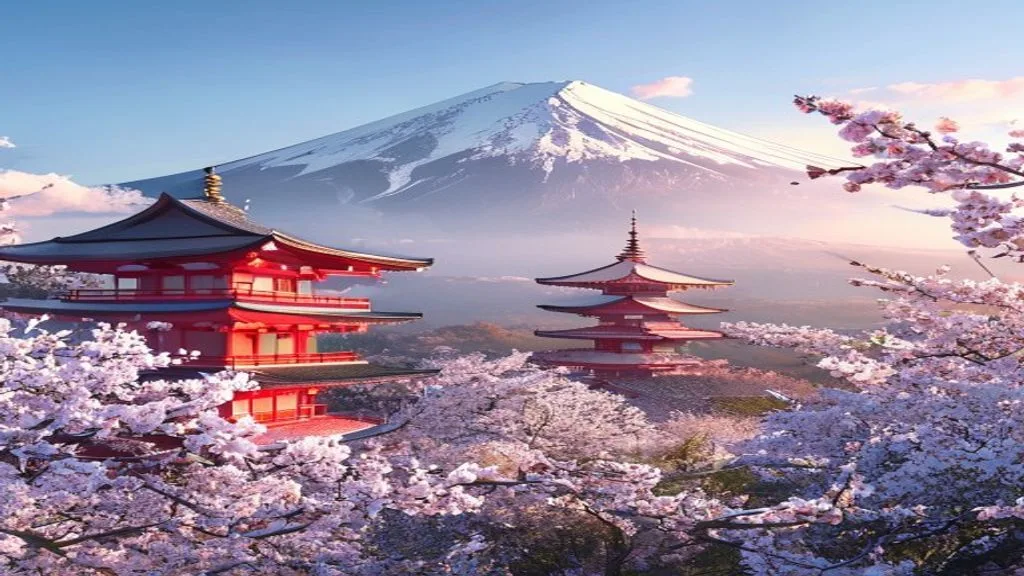
Japan is a year-round destination, but when you go completely changes the trip — from pink clouds of cherry blossom in spring to fiery maples in autumn, powder snow and steaming onsen in winter, and lantern-lit festivals in summer. Timing also decides how much you pay and how many crowds you fight. This in-depth 2026 guide breaks down the best time to visit Japan by month, by season, and by what you actually want to do, with cherry-blossom and autumn-foliage forecasts, the exact dates to avoid, and a festival calendar.
Quick answer
The Short Answer: Best Months to Visit Japan
If you just want the verdict: May (after Golden Week) and October–November are the sweet spots — warm, dry, clear, and far better value than peak cherry-blossom season. Choose late March to mid-April only if seeing sakura is the whole point, and be ready for crowds and higher prices. For skiing, onsen and the lowest prices, January–February win.
Japan Month-by-Month (2026)
| Month | Weather | Crowds / value | Best for |
|---|---|---|---|
| January–February | Cold, snowy in mountains | Low crowds, best value | Skiing, onsen, snow monkeys |
| March–April | Mild, pleasant | Building to peak (sakura) | Cherry blossoms, spring festivals |
| Apr 29–May 6 | Pleasant | Golden Week — packed, pricey | Avoid if you can |
| May (after GW) | Warm, comfortable | Good value, lighter crowds | Best overall — sightseeing |
| June | Warm; rainy in parts | Quiet shoulder | Fewer crowds, gardens |
| July–August | Hot & humid (30°C+) | Busy; Obon mid-Aug | Summer festivals, fireworks, Hokkaido |
| September | Warm; typhoon risk | Quiet backup | Value, fewer tourists |
| October–November | Cool, clear skies | Rising (foliage) | Autumn leaves — best overall |
| December | Cold, clear | Low (avoid New Year) | Illuminations, early ski season |
Cherry Blossom Season (Sakura)
Japan’s most famous season is also its busiest. Peak bloom (full bloom) lasts only about 7–10 days at each location, and timing shifts every year, so build in a few days of buffer and book months ahead.
| Region | Expected 2026 peak bloom |
|---|---|
| Tokyo & major cities | Late March to early April |
| Kyoto / Osaka | Early to mid-April |
| Northern Japan (Tohoku) | Mid to late April |
| Hokkaido | Late April to early May |
Sakura without the stampede
Autumn Foliage Season (Koyo)
Many travellers rate Japan’s autumn colours as beautiful as its cherry blossoms — and the season is far more forgiving, running roughly 6–8 weeks as the colour sweeps from the northern mountains down to the cities.
| Region | Peak foliage |
|---|---|
| Northern Japan & high mountains | Mid-October |
| Kyoto | Mid to late November (most popular) |
| Tokyo area | Late November to early December |
Best Time by What You Want to Do
| Your priority | Best time | Backup |
|---|---|---|
| Cherry blossoms | Late Mar–mid Apr | Late Apr (northern Japan) |
| Autumn foliage | Late Oct–mid Nov | Early December |
| Fewer crowds | January–February | Mid-May to June |
| Pleasant weather | May or Oct–Nov | September |
| Festivals | July–August | Regional festivals year-round |
| Skiing & powder | January–March | Late December |
| Lowest prices | January–February | June / September |
The Four Seasons at a Glance
Spring (March–May)
Mild weather and the nationwide celebration of hanami (blossom viewing). Peak sakura brings crowds and higher prices; May after Golden Week is warm, green and excellent value.
Summer (June–August)
Hot and humid, often above 30°C (86°F), with a rainy spell in June and a typhoon risk later. It’s festival season, though — and the mountains, Tohoku and Hokkaido stay far more comfortable.
Autumn (September–November)
Arguably the best all-round season: cool, low humidity, clear skies, and spectacular foliage. October and November are ideal for temple-hopping, hiking and city sightseeing.
Winter (December–February)
Cold and crisp, with world-class powder snow, magical outdoor onsen, the famous snow monkeys of Jigokudani, and dazzling city illuminations — all with the year’s thinnest crowds and lowest prices.
Dates to Avoid
Japan’s three busiest, priciest periods
Summer Festival Calendar (2026)
| Festival | Where | When |
|---|---|---|
| Gion Matsuri | Kyoto | Throughout July (peaks Jul 17 & 24) |
| Tenjin Matsuri | Osaka | July 24–25 |
| Nebuta Matsuri | Aomori | Early August |
| Awa Odori | Tokushima | August 12–15 |
Region-by-Region: Timing Differs
Japan stretches over 3,000 km, so “the best time” depends on where you go. Tokyo, Kyoto and Osaka follow the classic spring/autumn pattern. Hokkaido (the north) is a summer refuge from the heat and a winter powder paradise, with sakura arriving in late April/May. Okinawa (the tropical south) is warm year-round and best from spring to early summer, before peak typhoon season. If you want blossoms and flexibility, travelling north as spring advances lets you catch the bloom twice.
Practical Tips
- Book early for sakura and foliage. Hotels in Kyoto and Tokyo sell out months ahead for peak weeks.
- Consider a Japan Rail Pass if you’ll cover several regions — it makes chasing the seasons across the country easy.
- Pack for the season: layers and rain gear for spring/autumn; light, breathable clothing for summer; serious warmth for winter.
- Build in buffer days around forecast bloom dates — nature doesn’t read the calendar.
- Watch typhoon season (roughly August–September) if you travel in late summer.
Planning a summer trip in particular? See our companion guide on where to vacation in August, and if you love a bucket-list nature trip, compare it with Norway’s fjords and Northern Lights.
Frequently Asked Questions
The Bottom Line
There is no single best time to visit Japan — only the best time for you. Come in late March or April for the fleeting magic of cherry blossom, October and November for crisp air and blazing maples, winter for powder and steaming onsen, or summer for lantern-lit festivals. If you simply want great weather, thin crowds and fair prices, target May or early November and sidestep Golden Week, Obon and New Year.
Whatever you choose, pin down your dates early, build in a little buffer for the blossom and foliage forecasts, and let Japan’s seasons shape an unforgettable trip.
Best time to visit Japan — quick recap
You May Also Like
Best Time to Visit Cancún: Weather, Seaweed & Crowds (2026)
Best Time to Visit Alaska: Month-by-Month Guide (2026)

Best Time to Visit Costa Rica: Month-by-Month (2026)