Best Time to Visit Iceland: Northern Lights & Summer Guide (2026)

Iceland is a land of fire and ice with two completely different personalities depending on when you go. Come in summer for endless midnight-sun daylight, open highland roads and lush green landscapes; come in winter for the Northern Lights, blue ice caves and cosy hot springs under the snow. Timing shapes not just what you’ll see but what you’ll pay, since prices swing sharply between the summer peak and the quiet shoulder months. This 2026 guide breaks down the best time to visit Iceland for the aurora, the midnight sun, the weather, the crowds and your budget.
Quick answer
The Short Answer: Best Time to Visit Iceland
It depends entirely on what you want to see. For long days, warm-ish weather and full access to the highlands and Westfjords, summer (June–August) is unbeatable. For the Northern Lights and ice caves, you need the dark, cold months (roughly late September to March). And for the best balance of price, weather and daylight, the shoulder months of May, September and October are the sweet spot — September even offers a shot at the aurora and reasonable daylight.
Iceland Month-by-Month (2026)
| Month | Daylight | Weather & crowds | Best for |
|---|---|---|---|
| December–January | ~4–5 hrs | Cold, snowy; festive | Aurora, ice caves, blue hour |
| February | ~7–10 hrs | Cold; low crowds & prices | Aurora + more daylight, value |
| March | ~10–13 hrs | Wintry, brightening | Aurora, ice caves, value |
| April | ~13–16 hrs | Shoulder; thawing | Value; aurora fades mid-month |
| May | ~17–20 hrs | Mild, green; quiet | Best value + long days |
| June | ~21–24 hrs | Mild; busy building | Midnight sun, highlands open |
| July–August | ~18–21 hrs | Warmest; peak crowds/prices | Summer road trips, puffins, whales |
| September | ~12–14 hrs | Cooling; quieter | Aurora returns + value |
| October | ~8–11 hrs | Autumn; low prices | Aurora, ice caves open, value |
| November | ~5–7 hrs | Cold, dark | Aurora, ice caves |
Northern Lights in Iceland: When to Go
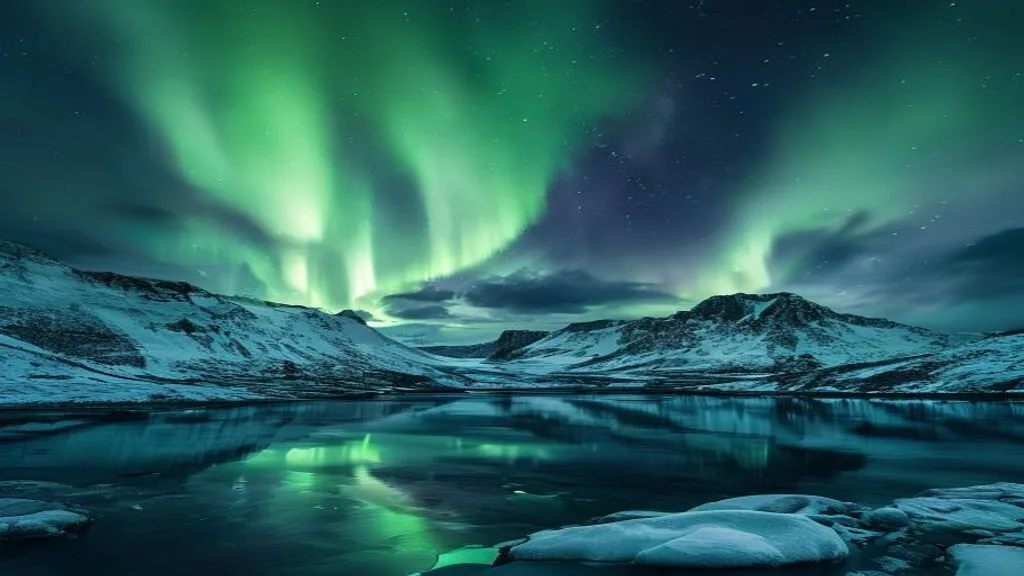
The aurora borealis is the reason many people brave Iceland’s winter — and the timing rules are simple: you need darkness and clear skies. The Northern Lights season runs from late August/September to mid-April, with the deepest darkness (and best odds) from November to January. Many travellers prefer the clearer, more stable weather windows of late September–October and late February–March, which pair good aurora chances with slightly kinder conditions.
2026 is a strong year for the aurora
Chasing the lights across the north? Compare Iceland with our guide to Norway’s fjords and Northern Lights — another top aurora destination in the same strong solar window.
The Midnight Sun & Summer
From late April through mid-August, Iceland barely gets dark, and around the solstice in June the sun dips for only an hour or two — up to 21–24 hours of usable daylight. That makes summer the best time for road-tripping the Ring Road, hiking, and reaching the highlands and Westfjords (whose mountain roads only open once the snow clears, usually June). Temperatures are mild, averaging 10–15°C (50–59°F), the landscape is green, and puffins and whales are around. The trade-off: summer is the busiest and most expensive season, and the bright nights make the aurora invisible.
Ice Caves & Winter Adventures
Iceland’s famous blue ice caves are a winter-only wonder: natural caves under the glaciers are only safe to visit when the cold has stabilised them, roughly November to March (the season opens around October and closes in late March). Winter also brings snowmobiling, glacier hikes, and steamy soaks in geothermal pools while it snows. The catch is short daylight (as little as 4–5 hours in December), unpredictable weather, and some highland roads closed — though the Ring Road itself is paved and open year-round.
Best Time by What You Want
| Your priority | Best time |
|---|---|
| Northern Lights | Late Sep–Mar (darkest Nov–Jan) |
| Midnight sun | Late Apr–mid-Aug (peak June) |
| Summer road trip & highlands | June–August |
| Blue ice caves | November–March |
| Best value | May, September, October |
| Fewest crowds | February, April, October |
| Puffins & whales | May–August |
Cheapest Time to Visit Iceland
Prices peak hard in summer, so shifting your dates saves real money. The cheapest months are February, April, May and October — of these, May and October give you the most for your money, running well below July prices while flights and most tours still operate normally. The most expensive stretch is June–August, along with the Christmas–New Year holidays.
Sweet-spot months
Ring Road, Highlands & Regions
Iceland’s Route 1 — the Ring Road — circles the island and is paved and open all year, though winter driving demands care and a 4×4 is wise. The highlands (interior F-roads) and the remote Westfjords are a summer-only proposition, opening as the snow melts (typically June) and closing again in autumn. The South Coast and Golden Circle are accessible year-round and pack in waterfalls, geysers and glaciers close to Reykjavik.
Practical Tips
- Book 3–6 months ahead for summer and for aurora-season weekends; Iceland’s limited lodging fills fast.
- Pack for all weather, any season — layers, waterproofs and sturdy boots; Icelandic weather changes hourly.
- Give the aurora several nights and get away from city lights; watch the aurora and cloud forecasts.
- Rent a 4×4 for winter or any highland driving, and check road conditions daily (road.is).
- Budget for high costs — Iceland is pricey; self-catering and the shoulder season help a lot.
Planning more seasonal trips? Compare with the best time to visit Japan and, for sun instead of snow, Hawaii.
Frequently Asked Questions
The Bottom Line
Iceland rewards you in every season — the trick is matching your trip to what you most want to see. Go in summer (June–August) for the midnight sun, open highlands and the full Ring Road; go in winter (roughly late September–March) for the Northern Lights and blue ice caves; and choose the shoulder months of May, September or October for the best mix of price, weather and daylight — with September and October even offering a shot at the aurora.
Whenever you go, book early, pack for four seasons in a day, give the Northern Lights several nights, and build in flexibility for the weather. Do that, and Iceland delivers some of the most dramatic landscapes on Earth.
Best time to visit Iceland — quick recap
You May Also Like

Best Time to Visit Cancún: Weather, Seaweed & Crowds (2026)
Best Time to Visit Alaska: Month-by-Month Guide (2026)

Best Time to Visit Costa Rica: Month-by-Month (2026)