
Why Historic Restaurants Continue to Attract Travellers

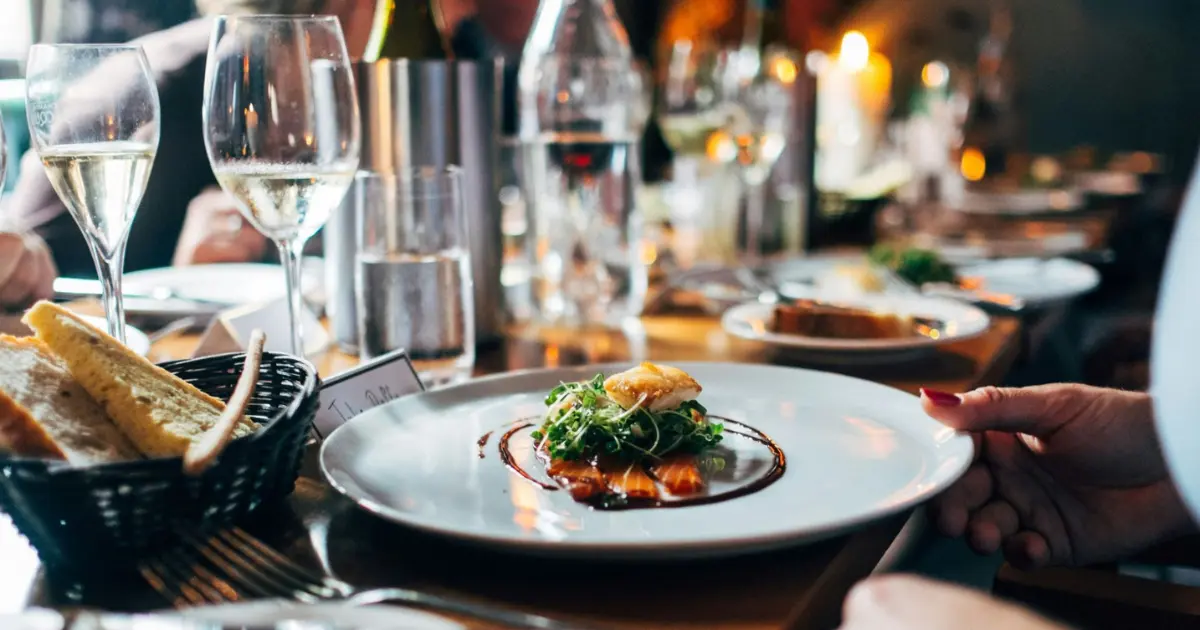
Travellers rarely remember every meal they eat on holiday, but they often remember where they ate it. A quiet breakfast before a hike, coffee overlooking the ocean, or dinner inside a century-old building can become one of the defining memories of a trip. Historic restaurants create those moments because they offer something newer places often cannot. They have stories, character, and a connection to the places around them.
Kirk and Paula Coult understand that better than most. The hospitality entrepreneurs have opened seven restaurants across Colorado, Whistler, and Kauaʻi, including Kiahuna Sunrise Cafe, located in the restored Plantation Gardens building at Kiahuna Plantation. Throughout their careers, they’ve seen how historic restaurants offer something many newer establishments can’t replicate: a genuine sense of place that becomes part of the travel experience.
As more travellers look for meaningful experiences instead of simply visiting popular attractions, historic restaurants continue to stand out. They’re not just somewhere to eat. They help people understand the history, culture, and personality of a destination.
History Gives Every Meal More Meaning
A great meal becomes even more memorable when it’s served somewhere with a story.
Historic restaurants often occupy buildings that have welcomed visitors for generations. They may have started as family homes, inns, plantation houses, train stations, or community gathering places. Every generation leaves its mark, giving the building a character that can’t be recreated with modern design.
“We’ve learned over the years that people don’t only remember what they ordered,” Kirk Coult says. “They remember sitting on a garden patio with family or watching the sun come up before starting their day. Those are the moments that stay with them.”
That connection between place and memory is one reason historic restaurants continue attracting visitors long after newer competitors open nearby.
Travellers Are Looking for Authentic Experiences
People have more travel information than ever before. They can compare hotels, restaurants, and attractions with a few taps on their phone. Because of that, many travellers are becoming more selective about how they spend their time.
According to Expedia traveller research, authentic local experiences remain one of the biggest priorities when planning a trip. Instead of choosing places that feel familiar, many people now look for experiences they couldn’t have anywhere else.
Historic restaurants naturally fit that trend. The architecture, surroundings, and local history all become part of the experience. Instead of feeling like another stop on the itinerary, the restaurant becomes part of the destination itself.
Character Can't Be Built Overnight
Many restaurants try to create a vintage atmosphere with reclaimed wood, antique decorations, and nostalgic design. Those details can certainly add charm, but genuine history is difficult to imitate.
Original stonework, mature gardens, handmade architectural details, and buildings that have stood for decades all tell a story that can’t be manufactured.
“You can renovate a dining room or redesign a menu,” Coult says. “What you can’t recreate is a place that’s already been part of people’s lives for years. Guests recognise that authenticity the moment they walk through the door.”
That’s why so many historic restaurants develop loyal followings that span generations. People return because they enjoy feeling connected to a place with a history of its own.
Great Hospitality Keeps Historic Buildings Alive
History may attract first-time visitors, but hospitality is what encourages them to return.
Guests still expect excellent food, friendly service, and a comfortable atmosphere. A beautiful building means very little if the experience doesn’t match the setting.
The most successful historic restaurants understand that balance. They preserve the character of the building while continuing to improve the guest experience through thoughtful menus, attentive service, and strong relationships with local suppliers.
“A historic building gives you a wonderful starting point,” Coult says. “What keeps people coming back is how you make them feel every time they visit.”
Breakfast Creates Some of the Best Travel Memories
Breakfast is often the most relaxed meal of the day. People aren’t rushing home from work or trying to fit dinner between activities. Instead, they’re planning the day ahead, enjoying their surroundings, and spending time with the people they’re travelling with.
That slower pace helps people notice the little things. The sound of birds in the garden. The morning light coming through old windows. The conversation happening around the table.
“Every destination has restaurants,” Coult says. “The ones people remember years later are usually the ones that couldn’t exist anywhere else.”
Those simple moments often become the stories people tell long after they return home.
Historic Restaurants Help Preserve Local Identity
Historic restaurants benefit more than visitors. They also help preserve the identity of the communities where they operate.
Older buildings often represent important parts of local history. Restoring them instead of replacing them allows those stories to continue while giving residents and visitors another reason to spend time there.
Historic restaurants also encourage people to explore the surrounding area. Visitors who stop for breakfast often continue shopping at nearby stores, visiting local attractions, or spending more time in the neighbourhood, creating benefits that extend well beyond one business.
How to Find Great Historic Restaurants While Travelling
Finding memorable restaurants usually takes a little extra effort, but it’s almost always worth it.
Look Beyond Star Ratings
Reviews matter, but don’t stop at the overall score. Read what people say about the atmosphere, the building, and the experience. Those details often reveal far more than the menu.
Learn the Story
Many historic restaurants share the history of their building on their website or menu. Spending a few minutes learning that story can make the visit much more meaningful.
Ask Local Residents
Locals usually know which restaurants have become part of the community’s history. Those recommendations often lead to places that don’t appear in every travel guide.
Visit in the Morning
Breakfast and brunch usually offer a quieter atmosphere. You’ll have more time to appreciate the surroundings before the day’s crowds arrive.
Choose Places with Local Connections
Restaurants that work with local coffee roasters, bakeries, farmers, and producers often provide a stronger sense of place. Those partnerships help create an experience that’s unique to the destination.
The Places People Remember Are Rarely Ordinary
Most people don’t return from holiday talking about the fastest meal they ate. They remember the café where they watched the sunrise, the old building filled with history, or the breakfast that turned into a two-hour conversation because nobody wanted to leave.
Historic restaurants continue attracting travellers because they offer more than food. They give visitors a chance to experience the personality of a destination through its architecture, traditions, and hospitality. Long after the trip is over, those are often the places that remain part of the story.
You May Also Like

Best Time to Visit Cancún: Weather, Seaweed & Crowds (2026)

Best Time to Visit Alaska: Month-by-Month Guide (2026)

Best Time to Visit Costa Rica: Month-by-Month (2026)