Angel Dust Hazbin Hotel: Complete Character Guide 2026

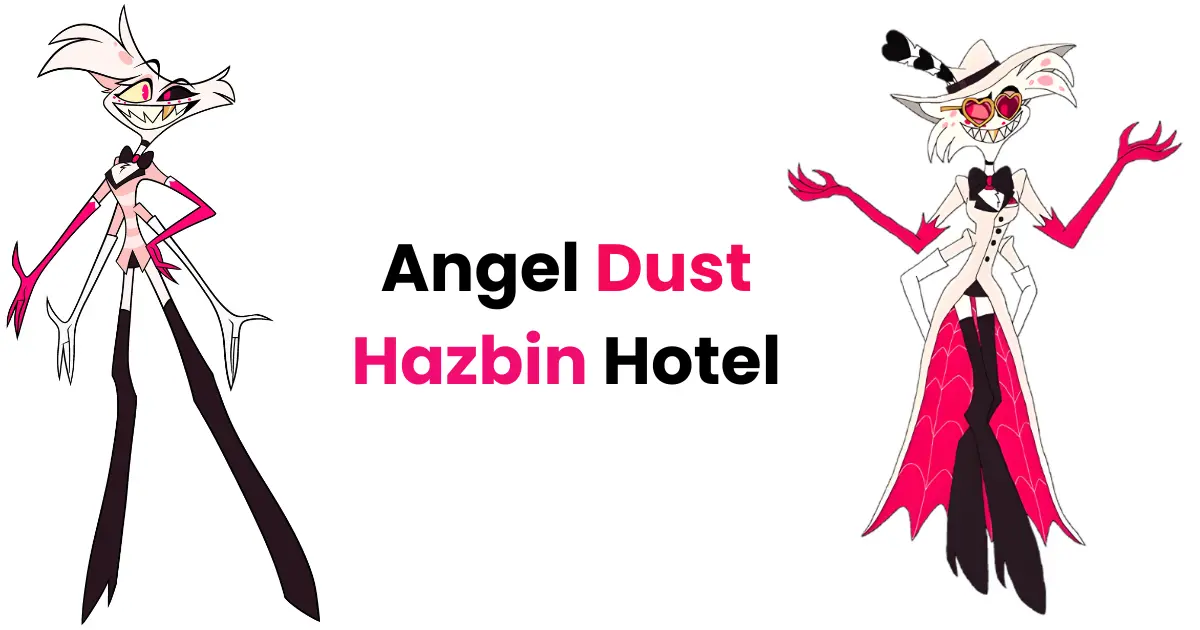
Angel Dust Hazbin Hotel is one of the main characters in Vivienne Medrano’s adult animated series, serving as a spider demon and drag queen performer who resides at Charlie’s rehabilitation hotel. Originally a human named Anthony from 1940s New York, he died from a drug overdose in 1947 and became a powerful spider demon in Hell. Furthermore, Angel Dust works as an adult film star under the abusive overlord Valentino while struggling with addiction and trauma.
This flamboyant character represents significant LGBTQ+ representation in animation, performing drag while maintaining his male identity with he/him pronouns. Additionally, his complex personality balances surface-level confidence with deep vulnerability and protective instincts toward friends like Alastor and developing romantic feelings for Husk. Meanwhile, his spider abilities include enhanced agility, combat skills, and supernatural strength that make him formidable in Hell’s dangerous environment.
The character has gained massive popularity within the Hazbin Hotel fandom, inspiring extensive merchandise, fan art, and cosplay communities. Notably, Blake Roman currently voices Angel Dust in the series, taking over from Michael Kovach who performed the role in the original pilot episode.
TL;DR
- Angel Dust is a spider demon and drag queen performer who died as Anthony in 1947 from a drug overdose
- He maintains male identity with he/him pronouns while performing drag, representing important LGBTQ+ visibility
- Currently voiced by Blake Roman, he works under abusive overlord Valentino while developing romance with Husk
- His spider abilities include enhanced combat skills, agility, and supernatural strength in Hell’s environment
- The character has massive fan popularity with extensive merchandise, fan art, and cultural impact
Who is Angel Dust in Hazbin Hotel?
Angel Dust serves as one of the main characters in Hazbin Hotel, an adult animated musical series created by Vivienne Medrano. This charismatic spider demon brings both comedy and emotional depth to the show through his flamboyant personality and complex backstory. Moreover, Angel Dust represents a crucial element in the series’ exploration of redemption and second chances in Hell.
The character functions as a drag queen performer who maintains his male identity while expressing himself through feminine presentation and performance art. Additionally, Angel Dust works in the adult entertainment industry under the control of the overlord Valentino. His spider-themed design features multiple arms, pink and white fur, and distinctive heterochromatic eyes that reflect his demonic nature.
As a hotel resident at Charlie’s Happy Hotel, Angel Dust participates in the ambitious demon rehabilitation project aimed at reforming Hell’s inhabitants. Furthermore, his presence at the hotel demonstrates the show’s commitment to representing diverse characters struggling with addiction, trauma, and personal growth. The character’s journey illustrates the challenges of overcoming destructive patterns while building meaningful relationships.
Angel Dust’s connection to Charlie’s redemption hotel project extends beyond simple residency, as he becomes emotionally invested in the community formed within the hotel walls. Consequently, his interactions with other residents like Alastor and developing romantic feelings for Husk showcase his capacity for genuine care despite his troubled past. The character’s evolution throughout the series demonstrates that even the most damaged souls can find hope through connection and support.
Character Quick Facts
The voice acting for Angel Dust has evolved since the series’ inception, with Blake Roman currently providing the character’s distinctive voice in the main series. Previously, Michael Kovach voiced Angel Dust in the original pilot episode, establishing the character’s memorable speaking style and mannerisms. This vocal performance captures Angel Dust’s New York accent and theatrical delivery that fans have come to love.
Angel Dust's Human Life as Anthony
Before becoming the spider demon known as Angel Dust, this beloved character lived as Anthony, a human man navigating the challenging landscape of 1940s New York City. His mortal existence was deeply rooted in the Italian-American community, where family connections and cultural traditions shaped his early experiences. Anthony’s human life provides crucial context for understanding his demonic personality and the circumstances that led to his arrival in Hell.
Anthony belonged to an Italian-American mob family that wielded significant influence in New York’s underworld during the mid-20th century. This family background exposed him to violence, criminal activities, and the harsh realities of organized crime from an early age. Consequently, his upbringing in this environment contributed to his complex relationship with authority and his survival instincts that persist in his demonic form.
Life as a Performer and Sex Worker
During his human years, Anthony worked as a drag performer in New York’s underground entertainment scene, showcasing his theatrical talents and flamboyant personality. Additionally, he engaged in sex work to support himself financially, a profession that reflected both the limited opportunities available to LGBTQ+ individuals in the 1940s and his own survival strategies. These experiences shaped his confident, performative nature that fans recognize in his demonic incarnation.
His career as a performer allowed Anthony to express his true self in an era when such expression carried significant social risks. Furthermore, his work in the sex industry connected him to various criminal networks and dangerous individuals who would ultimately influence his fate. The combination of these professions created a lifestyle filled with both excitement and constant peril.
Drug Addiction and Tragic End
Anthony struggled with severe drug addiction throughout his human life, a battle that consumed his final years and ultimately led to his demise. His addiction problems stemmed from the pressures of his dangerous lifestyle, family expectations, and the emotional toll of living authentically in an unaccepting society. These substances provided temporary escape from his harsh reality but created a destructive cycle that he couldn’t break.
Anthony died in 1947 from a drug overdose, ending his 34-year human existence
The circumstances surrounding Anthony’s death reflect the tragic consequences of addiction combined with the dangerous world he inhabited. His overdose in 1947 marked the end of his mortal journey and his transformation into the spider demon that fans know today. This timeline places his death during the post-World War II era, when New York’s criminal underworld was experiencing significant changes and upheaval.
Understanding Anthony’s human backstory helps explain many of Angel Dust’s characteristics, from his New York accent to his survival instincts and his complex relationship with substances. Moreover, his human experiences with performance, sexuality, and family dynamics continue to influence his interactions with other characters like Alastor and his developing feelings for Husk in the hotel setting.
Physical Appearance and Design
Angel Dust stands as one of the most visually distinctive characters in Hazbin Hotel, combining spider demon characteristics with flamboyant drag queen aesthetics. His design reflects both his demonic nature and his vibrant personality through carefully crafted visual elements. Creator Vivienne Medrano developed Angel’s appearance to immediately communicate his profession, personality, and supernatural origins to viewers.
Spider Demon Characteristics
Angel Dust possesses four arms as his most prominent spider-like feature, allowing him enhanced dexterity and combat capabilities. His body displays white fur covering most of his form, contrasted by striking pink accents that appear on his chest fluff and various markings. These pink highlights create visual interest while maintaining his spider demon identity throughout the series.
The character’s arachnid nature manifests through his elongated limbs and graceful movements that mirror spider locomotion. Furthermore, his multiple arms serve both practical and aesthetic purposes in animation, enabling complex gestures and expressions. This design choice reinforces his supernatural status while distinguishing him from other demon characters in Hell’s hierarchy.
Distinctive Fashion Elements
Angel’s signature accessories include a prominent gold tooth that gleams when he smiles, adding both charm and edge to his appearance. His footwear consists of tall boots that extend well up his legs, creating a dramatic silhouette that emphasizes his height. Additionally, he wears long gloves that cover his arms, contributing to his sophisticated and theatrical presentation.
These fashion choices reflect his background in entertainment and his desire to maintain an glamorous appearance despite his circumstances. The gold tooth specifically serves as a status symbol while hinting at his involvement in New York’s criminal underworld. Meanwhile, his boots and gloves create clean lines that enhance his already striking figure during animated sequences.
Drag Queen Aesthetic
Angel Dust’s design heavily incorporates drag queen aesthetics through his makeup, posture, and overall presentation style. His eye makeup features dramatic styling with long lashes and bold colors that emphasize his expressive nature. This aesthetic choice reflects both his human background in performance and his current profession in Hell’s adult entertainment industry.
The character’s flamboyant style extends to his body language and movement patterns, which mirror classic drag performance techniques. His confident poses and theatrical gestures communicate his comfort with being the center of attention. These design elements work together to create a character who embodies both strength and femininity without compromising either aspect.
Design Evolution and Creator Vision
Vivienne Medrano refined Angel Dust’s appearance significantly from the original pilot to the full series production. The evolution focused on improving animation efficiency while maintaining his core visual identity. Early designs featured more complex patterns and details that were streamlined for television production without losing the character’s essential appeal.
Medrano’s design philosophy emphasized creating a character who could be both comedic and sympathetic, requiring visual elements that supported emotional range. The pink and white color scheme provides warmth and approachability, while his spider features maintain an edge of danger. This balance allows Angel to function effectively in both dramatic and humorous scenes throughout the series.
The character’s final design successfully communicates his complex personality through visual storytelling, making him instantly recognizable among other major Hazbin Hotel characters. His appearance tells viewers about his profession, his confidence, and his supernatural nature without requiring exposition. This visual efficiency demonstrates Medrano’s skill in character design and her understanding of animated storytelling principles.
Gender Identity and Representation
Angel Dust represents a male character who performs drag professionally, maintaining his masculine gender identity throughout Hazbin Hotel. The series consistently uses he/him pronouns when referring to Angel, establishing clear boundaries between his drag performances and his core gender identity. This distinction provides important representation in adult animation, where LGBTQ+ characters often face oversimplification or stereotyping.
Creator Vivienne Medrano has clarified that Angel’s feminine presentation stems from his work as an adult film performer and drag artist rather than indicating transgender identity. His character demonstrates how gender expression can be fluid and performative without changing underlying gender identity. Furthermore, this portrayal challenges traditional masculinity concepts while respecting the distinction between drag performance and gender identity.
The character’s representation has sparked extensive fan discussions about LGBTQ+ visibility in animated media. Many viewers appreciate seeing a male character who embraces femininity without shame or apology. Additionally, Angel’s confident attitude toward his appearance and profession provides positive representation for sex workers and drag performers in mainstream entertainment.
Character Pronouns
Adult animation has historically struggled with nuanced LGBTQ+ representation, often relying on harmful stereotypes or one-dimensional portrayals. Angel Dust breaks this pattern by presenting a complex character whose sexuality and gender expression serve the story rather than existing purely for shock value. His relationships, particularly with other major characters like Alastor, demonstrate how diverse personalities interact within the show’s narrative framework.
Fan communities have embraced Angel’s representation while engaging in thoughtful discussions about gender performance versus gender identity. These conversations highlight the importance of accurate terminology when discussing LGBTQ+ characters. Moreover, the character’s popularity demonstrates audience appetite for authentic, well-developed queer representation in animated content.
The series treats Angel’s gender expression as natural and unremarkable within the Hell setting, avoiding the need for excessive explanation or justification. This approach normalizes diverse gender presentations while allowing the character to exist as more than just his identity markers. Consequently, Angel functions as both representation and entertainment, achieving the balance many creators struggle to maintain.
Voice Acting and Performance
The voice acting behind Angel Dust has undergone significant evolution throughout the character’s development. Michael Kovach originally voiced Angel Dust in the 2019 pilot episode, establishing the character’s distinctive New York accent and flamboyant delivery style. However, when Hazbin Hotel transitioned to a full series production with Amazon Prime Video, Blake Roman took over the role, bringing his own interpretation to the beloved spider demon.
This voice actor transition sparked considerable discussion within the fan community. Many viewers initially expressed concern about the change, given Kovach’s memorable performance in the pilot. Nevertheless, Roman’s portrayal has gradually won over audiences through his nuanced approach to Angel’s emotional range. His performance captures both the character’s theatrical bravado and vulnerable moments with equal skill.
Blake Roman’s performance style emphasizes Angel Dust’s theatrical nature while maintaining authenticity in dramatic scenes. Roman delivers Angel’s quips and one-liners with perfect comedic timing, yet transitions seamlessly into more serious emotional territory. Furthermore, his vocal work reflects Angel’s complex personality layers, from confident sex worker to traumatized abuse survivor.
The voice acting choices significantly impact how audiences perceive Angel Dust’s character development. Roman’s delivery emphasizes Angel’s Italian-American heritage through subtle accent work and speech patterns. Additionally, his performance highlights Angel’s drag persona without relying on exaggerated stereotypes, creating a more authentic representation of queer identity in animation.
Behind-the-scenes insights reveal the careful consideration given to Angel’s vocal characterization. Voice directors worked closely with Roman to ensure consistency with the character’s established personality while allowing room for growth. Moreover, the recording process involved extensive collaboration between Roman and series creator Vivienne Medrano to maintain Angel’s authentic voice throughout emotional story arcs.
The performance also incorporates Angel’s musical moments, as Roman demonstrates strong singing abilities in the character’s featured songs. His vocal range allows Angel to express vulnerability through ballads while maintaining the character’s signature sass in upbeat numbers. Consequently, the voice acting serves both narrative and musical storytelling elements within the series structure.
Fan reception of Roman’s performance has evolved from initial skepticism to widespread acceptance and praise. Social media discussions frequently highlight specific line deliveries that showcase Roman’s understanding of Angel’s character psychology. Furthermore, his ability to balance comedy and drama has earned recognition from both critics and longtime Hazbin Hotel fans who appreciate the character’s complexity.
Personality and Character Development
Angel Dust’s surface personality presents a confident, flirtatious performer who uses sarcasm as both entertainment and armor. His drag persona embodies theatrical confidence, delivering witty one-liners and provocative commentary that masks deeper emotional complexities. However, this performative exterior serves as a protective mechanism against vulnerability and past trauma.
Beneath the flashy exterior, Angel’s hidden vulnerabilities reveal themselves through subtle character moments and trauma responses. His experiences with abuse create defensive behaviors that manifest as hypersexuality and emotional detachment. Furthermore, these coping mechanisms demonstrate how trauma shapes his interactions with others, particularly in intimate or threatening situations.
Protective Instincts and Relationships
Angel’s protective nature emerges most clearly in his relationships with friends and chosen family at the Hazbin Hotel. Despite his own struggles, he consistently shows genuine care for Charlie’s rehabilitation goals and demonstrates loyalty to those who treat him with respect. Additionally, his protective instincts extend to fellow residents, particularly when they face similar threats or vulnerabilities.
The character’s relationship dynamics reveal complex emotional intelligence hidden beneath his provocative exterior. Angel recognizes manipulation and abuse patterns, often warning others about dangerous situations. Consequently, his street-smart awareness helps protect vulnerable characters while highlighting his own growth from victim to protector.
Self-Destructive Patterns and Coping
Self-destructive tendencies manifest through Angel’s relationship with drugs, dangerous sexual encounters, and emotional sabotage of healthy relationships. These behaviors stem from internalized trauma and learned survival mechanisms from his human life and early afterlife experiences. Moreover, his addiction serves as both escape and self-punishment, creating cycles that reinforce negative self-perception.
Character Complexity
His coping mechanisms include humor deflection, emotional walls, and deliberate provocation of conflicts to maintain familiar chaos. These patterns demonstrate how trauma survivors often recreate familiar dynamics even when seeking change. Nevertheless, the series portrays these behaviors with nuance, avoiding both glorification and oversimplification of addiction and abuse recovery.
Character Growth Arc
Throughout the series, Angel’s character development follows a realistic recovery trajectory with setbacks and gradual progress. His growth appears in small moments of vulnerability, increased trust in healthy relationships, and occasional glimpses of hope for genuine change. Therefore, his evolution challenges both himself and viewers to recognize that healing requires time and support.
The character’s journey from purely defensive to cautiously optimistic demonstrates authentic character progression that resonates with audiences facing similar struggles. Angel begins questioning his self-worth and considering possibilities beyond survival mode. His interactions with other complex characters like Alastor further highlight his capacity for growth and change.
Key growth indicators include his willingness to accept help, moments of genuine emotional expression, and gradual reduction in self-sabotaging behaviors. These developments occur alongside continued struggles, creating a realistic portrayal of recovery that avoids oversimplified redemption narratives while maintaining hope for positive change.
Relationships and Storylines
Angel Dust’s relationships form the emotional core of Hazbin Hotel, revealing layers of trauma, hope, and gradual healing. His complex interpersonal dynamics showcase how past abuse shapes present connections while demonstrating the possibility for genuine growth through supportive relationships.
Abusive Relationship with Valentino
The relationship between Angel Dust and Valentino represents one of the series’ most harrowing portrayals of abuse and exploitation. Valentino serves as Angel’s overlord and boss, controlling every aspect of his existence through manipulation, violence, and psychological torture. This dynamic illustrates how abusers maintain power through cycles of punishment and false affection.
Valentino exploits Angel’s vulnerabilities while reinforcing his dependence through drugs, threats, and isolation tactics. The overlord’s control extends beyond their professional relationship into personal territory, monitoring Angel’s activities and relationships outside work. Furthermore, Valentino uses Angel’s past trauma against him, weaponizing his insecurities to maintain dominance.
Angel’s responses to Valentino reveal classic trauma bonding patterns, including fear, compliance, and occasional attempts at defiance that result in severe consequences. These interactions demonstrate how abuse victims often struggle with conflicting emotions toward their abusers. Additionally, the relationship shows how exploitation can become normalized when survival depends on maintaining the abuser’s approval.
Developing Romance with Husk
Angel’s relationship with Husk represents his first genuine romantic connection built on mutual understanding rather than exploitation or transaction. Initially, Husk rejects Angel’s advances, recognizing them as performative behaviors rather than authentic interest. However, their bond develops as both characters reveal their vulnerabilities and shared experiences with addiction and trauma.
Husk’s gruff exterior masks his own pain, creating common ground with Angel’s defensive mechanisms. Their relationship progresses through small moments of genuine care, honest conversations, and mutual respect for boundaries. Unlike Angel’s other relationships, this connection allows him to experience intimacy without performance or fear of exploitation.
The romance between Angel and Husk demonstrates healthy relationship development, including consent, communication, and emotional support. Their interactions show Angel learning to trust someone who sees beyond his facade while respecting his healing process. Moreover, Husk’s patience and understanding provide Angel with a safe space to explore authentic emotional expression.
Friendship with Charlie and Hotel Residents
Charlie’s unwavering optimism initially clashes with Angel’s cynicism, yet their friendship becomes a cornerstone of his rehabilitation journey. Charlie sees potential in Angel when he cannot see it in himself, offering unconditional support without judgment or expectation of immediate change. This relationship teaches Angel about genuine kindness and selfless care.
Angel’s interactions with other hotel residents create a chosen family dynamic that contrasts sharply with his biological family’s dysfunction. Vaggie’s protective nature toward Charlie initially creates tension with Angel, but eventually evolves into mutual respect and understanding. These friendships provide Angel with examples of healthy boundaries and supportive relationships.
The hotel environment allows Angel to practice vulnerability in a relatively safe space, learning to accept help without feeling indebted or manipulated. His relationships with fellow residents demonstrate how shared struggles can create bonds of understanding and mutual support. Consequently, these connections help Angel develop emotional skills he never learned in his dysfunctional family environment.
Family Connections and Protective Nature
Angel’s relationship with his family, particularly his sister Molly, reveals his capacity for genuine love and fierce protectiveness. Despite his own struggles, Angel maintains deep concern for his sister’s wellbeing and safety. This protective instinct demonstrates that beneath his trauma and addiction, Angel retains fundamental caring qualities.
His family history involves organized crime connections that continue to influence his present circumstances and relationships. Angel’s protective nature extends beyond family to include friends and fellow hotel residents, showing his willingness to sacrifice for those he cares about. These protective instincts often conflict with his own survival needs, creating internal tension and moral complexity.
The series explores how family trauma shapes Angel’s understanding of love, loyalty, and sacrifice. His protective behaviors sometimes manifest as self-destructive choices when he believes protecting others requires personal sacrifice. Nevertheless, these relationships highlight Angel’s capacity for selfless love despite his own pain and limitations.
Complex Dynamics with Other Characters
Angel’s interactions with Alastor create fascinating tension between two characters who use performance and manipulation for different purposes. While Alastor maintains control through calculated charm and hidden agendas, Angel’s performances stem from trauma and survival necessity. Their dynamic illustrates different approaches to self-protection and power.
Cherri Bomb’s friendship with Angel represents his connection to his past life and ongoing struggles with destructive behaviors. Their relationship demonstrates how some friendships can both support and enable harmful patterns. Additionally, Angel’s interactions with various demons and sinners throughout Hell reveal his adaptability and street-smart survival skills.
These complex relationships showcase Angel’s emotional intelligence and ability to read others, skills developed through necessity in dangerous environments. His interactions range from genuine vulnerability to calculated manipulation, depending on the situation and perceived threat level. Ultimately, these varied dynamics highlight Angel’s multifaceted personality and his ongoing journey toward authentic connection and healing.
Powers and Abilities
Angel Dust possesses a unique combination of spider-related demonic abilities that reflect his arachnid nature and supernatural status in Hell. His multiple arms grant him extraordinary multitasking capabilities, allowing him to wield multiple weapons simultaneously or perform complex combat maneuvers. These additional limbs can appear and disappear at will, providing tactical advantages in both combat situations and everyday activities.
Furthermore, Angel demonstrates remarkable supernatural flexibility that exceeds normal anatomical limitations. His joints bend in ways that would be impossible for living beings, enabling him to escape restraints and navigate tight spaces with ease. This flexibility combines with his enhanced agility to create a fighting style that emphasizes evasion and unpredictable movement patterns.
Combat Skills and Fighting Style
Angel’s combat proficiency stems from his background in organized crime during his human life and his experiences surviving Hell’s dangerous environment. He excels at firearms handling, particularly with automatic weapons and handguns, demonstrating expert marksmanship under pressure. His preferred fighting style incorporates rapid-fire attacks with precise targeting, making him formidable in ranged combat scenarios.
Additionally, Angel’s acrobatic abilities allow him to perform complex aerial maneuvers during combat. He can leap great distances, wall-crawl using his spider-like attributes, and execute spinning attacks that utilize all of his limbs simultaneously. These skills make him particularly effective in close-quarters combat where his flexibility provides significant advantages over less agile opponents.
Pros
- Multiple arms for weapon handling
- Supernatural flexibility and agility
- Expert marksmanship skills
- Acrobatic combat maneuvers
- Spider-like wall-crawling abilities
Cons
- Emotional vulnerabilities affect performance
- Addiction issues impact focus
- Self-destructive tendencies
- Limited magical abilities
- Overconfidence in dangerous situations
Supernatural Strength and Physical Capabilities
Despite his slender appearance, Angel Dust possesses considerable supernatural strength that surpasses normal demon capabilities. His strength manifests most clearly when he’s protecting others or defending himself against larger opponents. This power allows him to handle heavy weapons with ease and deliver devastating physical attacks when necessary.
Moreover, Angel’s regenerative abilities enable him to recover from injuries that would incapacitate other demons. While not instantaneous, his healing factor helps him bounce back from physical trauma relatively quickly. His enhanced reflexes complement these abilities, allowing him to react to threats with lightning-fast responses that often surprise his enemies.
Angel also demonstrates web-spinning capabilities that reflect his spider demon nature. These webs can be used for transportation, creating temporary barriers, or ensnaring opponents during combat. The webs possess considerable tensile strength and can support significant weight, making them versatile tools in various situations.
Limitations and Vulnerabilities
Angel’s most significant limitation stems from his emotional vulnerabilities and ongoing trauma from his abusive relationship with Valentino. When triggered by memories or similar situations, his combat effectiveness diminishes considerably. These psychological wounds create openings that skilled opponents can exploit, particularly those who understand his emotional triggers.
His addiction issues also impact his abilities, sometimes causing him to prioritize obtaining substances over strategic thinking. This dependency can cloud his judgment during critical moments and make him more susceptible to manipulation by those who control his access to drugs. Additionally, Angel’s self-destructive tendencies sometimes lead him to take unnecessary risks that put himself and others in danger.
Unlike some other demons in Hell, Angel possesses limited magical abilities beyond his physical spider-related powers. He cannot perform complex spells or manipulate reality like more magically inclined demons such as Alastor. This limitation means he must rely primarily on physical combat and weapons rather than supernatural manipulation of his environment.
Finally, Angel’s overconfidence in certain situations can become a liability. His tendency to use humor and bravado as coping mechanisms sometimes prevents him from accurately assessing genuine threats. This behavioral pattern can lead to situations where he underestimates opponents or fails to retreat when tactical withdrawal would be the wiser choice.
Cultural Impact and Fan Reception
Angel Dust has emerged as one of the most beloved and culturally significant characters within the Hazbin Hotel fandom. His complex portrayal resonates deeply with viewers who appreciate nuanced character development beyond surface-level entertainment. The character’s popularity stems from his authentic representation of trauma, recovery, and self-acceptance themes that many fans find personally meaningful.
LGBTQ+ Community Reception and Representation
Within LGBTQ+ communities, Angel Dust represents groundbreaking visibility for gay male characters in animation. His portrayal goes beyond stereotypical representations, showcasing both vulnerability and strength in ways that resonate authentically. Many fans praise how the character addresses real issues like workplace harassment, addiction, and finding one’s voice within oppressive systems.
However, discussions about his representation remain nuanced and ongoing. Some community members appreciate the realistic portrayal of trauma and recovery, while others debate whether certain aspects of his characterization perpetuate harmful stereotypes. These conversations demonstrate the character’s cultural significance and the importance fans place on authentic LGBTQ+ representation in media.
Merchandise Phenomenon
The commercial success of Angel Dust merchandise reflects his massive fan appeal across multiple demographics. Plushies featuring his distinctive spider design consistently rank among the most popular Hazbin Hotel collectibles. These soft toys capture his expressive features and unique aesthetic, making them highly sought-after items at conventions and online retailers.
Clothing lines featuring Angel Dust designs range from subtle references to bold graphic prints. Fans particularly gravitate toward items that incorporate his pink and white color scheme or feature his memorable quotes. Additionally, accessories like pins, keychains, and jewelry allow supporters to display their appreciation for the character in everyday settings.
Angel Dust merchandise sales consistently outperform other Hazbin Hotel characters, indicating his exceptional fan appeal
Creative Community Engagement
The fan art community has embraced Angel Dust as a frequent subject for creative expression. Artists explore various interpretations of his character, from comedic scenarios to emotional character studies. These artistic works often delve deeper into his backstory, relationships, and personal growth journey than the original series has time to explore.
Cosplay enthusiasts face unique challenges and rewards when portraying Angel Dust. His distinctive spider anatomy requires creative solutions for additional arms and legs, leading to innovative costume designs. Many cosplayers appreciate the character’s flamboyant style and expressive personality, which allows for dynamic performance opportunities at conventions and events.
Furthermore, fanfiction writers have created extensive works exploring Angel’s relationships, particularly his developing bond with Husk and his complex dynamic with Valentino. These stories often address themes of healing, friendship, and finding family among chosen companions.
Internet Culture and Meme Status
Angel Dust’s memorable quotes and expressive reactions have spawned countless internet memes across social media platforms. His sarcastic one-liners and dramatic expressions translate perfectly into reaction images and viral content. Platforms like TikTok, Twitter, and Instagram regularly feature Angel Dust content, from voice impressions to dance trends inspired by his character.
The character’s presence in meme culture extends beyond simple humor, often addressing serious topics through his lens of dark comedy and resilience. This approach allows fans to discuss difficult subjects like mental health and recovery while maintaining the character’s signature wit and charm.
Moreover, Angel Dust’s influence reaches beyond the immediate Hazbin Hotel fanbase, with references appearing in broader animation and LGBTQ+ online communities. His impact demonstrates how well-developed characters can transcend their original medium to become cultural touchstones for important social conversations.
Merchandise and Collectibles
The popularity of Angel Dust Hazbin Hotel has generated a thriving merchandise market that spans official products and fan-created items. Collectors and fans actively seek authentic memorabilia featuring the beloved spider demon, driving demand for high-quality products that capture his distinctive design and personality.
Official Angel Dust Plushies and Figures
A24 and VivziePop have released several official Angel Dust collectibles through their merchandise partnerships. The most popular items include detailed plushies that showcase Angel’s pink and white color scheme, complete with his signature bow tie and striped blazer design. These Angel Dust plush toys typically range from $25 to $45, depending on size and retailer availability.
Additionally, limited edition figures capture Angel’s dynamic poses and expressions with remarkable accuracy. Manufacturers like Youtooz have produced collectible vinyl figures that feature Angel in various outfits and emotional states. These figures often sell out quickly upon release, making them valuable additions to any Hazbin Hotel collection.
Clothing and Accessory Lines
Official Angel Dust merch extends beyond collectibles into wearable fashion that allows fans to express their appreciation for the character. T-shirts featuring Angel’s memorable quotes and artistic renderings have become staples of the merchandise line. Furthermore, accessories like pins, keychains, and patches enable subtle displays of fandom in everyday settings.
The clothing designs often incorporate Angel’s signature pink and white color palette while maintaining sophisticated aesthetics suitable for various age groups. Many items feature his iconic spider motifs and art deco-inspired patterns that reflect the show’s Hell-based setting and 1930s aesthetic influences.
Limited Edition Collectibles
Exclusive Angel Dust items frequently appear at conventions and through special promotional events. These limited edition collectibles include signed artwork, convention-exclusive variants, and anniversary commemorative pieces. Collectors prize these items for their rarity and connection to specific moments in the show’s development and fan community growth.
Special releases often coincide with major Hazbin Hotel milestones, such as episode premieres or character birthdays. These strategic launches create excitement within the fan community while providing collectors with unique items that appreciate in value over time.
Where to Buy Authentic Merchandise
Fans should purchase official Angel Dust merchandise through verified retailers to ensure authenticity and quality. The primary sources include the official Hazbin Hotel store, A24’s merchandise platform, and authorized convention vendors. Additionally, established retailers like Hot Topic and BoxLunch carry licensed Hazbin Hotel products in their animation sections.
Online marketplaces require careful verification, as counterfeit items frequently appear on platforms like eBay and Amazon. Authentic products typically feature official licensing information, high-quality materials, and accurate character representations that match the show’s art style and color specifications.
Popular Fan-Made Items and Custom Products
The creative fan community produces impressive custom Angel Dust products that complement official merchandise offerings. Independent artists create handmade plushies, custom artwork, and unique accessories through platforms like Etsy and artist alley booths at conventions. These fan-made items often explore different artistic interpretations while respecting the character’s core design elements.
Custom products frequently include personalized items like phone cases, stickers, and jewelry that incorporate Angel’s aesthetic into everyday objects. Many fans appreciate these unique pieces for their artistic quality and the personal connection they provide to the character and broader Hazbin Hotel universe.
However, buyers should understand the distinction between fan art and official merchandise when making purchases. While fan-created items offer artistic value and community connection, they lack the official licensing and quality guarantees associated with authorized products from other Hazbin Hotel characters and merchandise lines.
Frequently Asked Questions
Is Angel Dust a girl or guy?
Angel Dust is a male character who uses he/him pronouns. While he performs drag and expresses himself through feminine presentation, he maintains his male identity. This representation showcases important LGBTQ+ visibility by depicting a character who performs drag while being secure in his gender identity.
What was Angel Dust's sin that sent him to Hell?
Angel Dust died from a drug overdose in 1947 when he was human named Anthony from 1940s New York. His struggles with addiction and the circumstances of his death are what led to his transformation into a spider demon in Hell.
Who is Angel Dust's boyfriend or crush?
Angel Dust is developing romantic feelings for Husk, another character at Charlie’s rehabilitation hotel. Their relationship represents one of the emotional storylines in the series as Angel Dust shows his capacity for genuine care and connection.
Who is the current voice actor for Angel Dust?
Blake Roman currently voices Angel Dust in the main Hazbin Hotel series. He took over the role from Michael Kovach, who voiced the character in the original pilot episode. Roman captures Angel Dust’s distinctive New York accent and flamboyant personality.
What is Angel Dust's job in Hazbin Hotel?
Angel Dust works as an adult film star under the control of the abusive overlord Valentino. Additionally, he performs as a drag queen and is a resident at Charlie’s rehabilitation hotel, participating in the demon redemption project.
What was Angel Dust's human name and background?
As a human, Angel Dust was named Anthony and lived in 1940s New York. He died in 1947 from a drug overdose, which transformed him into a powerful spider demon in Hell with his current appearance and abilities.
How does Angel Dust represent LGBTQ+ visibility in animation?
Angel Dust provides important LGBTQ+ representation by being a male character who performs drag while maintaining his gender identity. His character challenges stereotypes and showcases the diversity within the LGBTQ+ community through authentic representation in adult animation.
What are Angel Dust's spider demon abilities?
Angel Dust possesses several supernatural abilities including:
- Enhanced agility and acrobatic skills
- Combat expertise making him formidable in fights
- Supernatural strength beyond normal demon capabilities
- Multiple arms that aid in his spider-themed abilities
How old is Angel Dust in the series?
Angel Dust died in 1947 as a human, making him over 75 years old in Hell-time by the series’ current timeline. However, as a demon, his physical appearance and capabilities don’t reflect traditional aging.
What kind of Angel Dust merchandise is available?
Angel Dust’s popularity has spawned extensive merchandise including:
- Plush toys featuring his spider demon design
- Clothing and accessories with his iconic imagery
- Art prints and posters from official and fan sources
- Collectible figures and other memorabilia
What is Angel Dust's relationship with Valentino?
Angel Dust works under Valentino, an abusive overlord who controls him in the adult entertainment industry. This relationship represents one of the darker aspects of Angel Dust’s story, highlighting themes of exploitation and the struggle for independence.
How does Angel Dust's character develop throughout the series?
Angel Dust’s character arc shows significant growth from a surface-level confident performer to revealing deep vulnerability and protective instincts. His time at Charlie’s hotel helps him build meaningful relationships and demonstrates his capacity for genuine care, particularly in his developing romance with Husk.
What makes Angel Dust's design unique in Hazbin Hotel?
Angel Dust’s spider-themed design features pink and white fur, multiple arms, and distinctive heterochromatic eyes. His flamboyant appearance combines demonic elements with drag queen aesthetics, creating a visually striking character that reflects both his supernatural nature and performance background.
You May Also Like
Vox Hazbin Hotel: Complete Character Guide & Analysis
Alastor Hazbin Hotel: Complete Guide to the Radio Demon
Hazbin Hotel Guide: Cast, Episodes & Where to Watch