Alastor Hazbin Hotel: Complete Guide to the Radio Demon

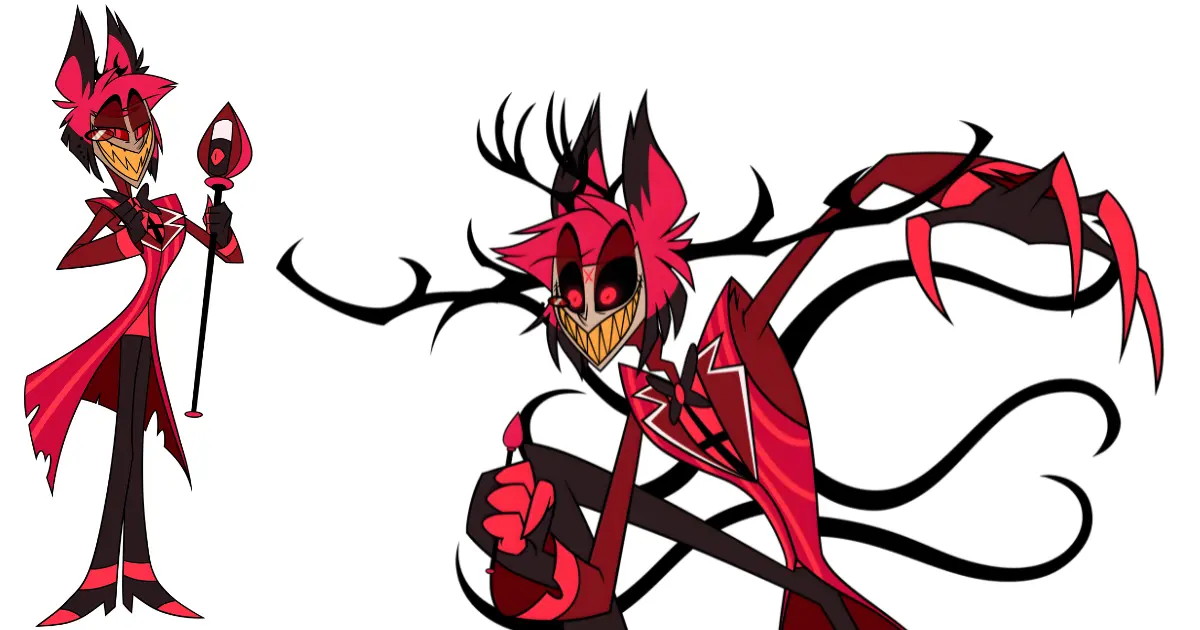
Alastor Hazbin Hotel is the enigmatic Radio Demon who serves as both benefactor and potential threat to Charlie’s rehabilitation project in Hell. Known for his perpetual smile, deer-like appearance, and radio-based powers, Alastor was a 1930s New Orleans radio host and serial killer who became one of Hell’s most feared overlords after his death. Furthermore, his mysterious motivations and charismatic yet dangerous personality make him a central figure in the animated series.
This powerful demon combines old-fashioned charm with terrifying abilities, including reality manipulation through radio frequencies and shadow tentacle summoning. Additionally, his complex relationships with other characters reveal layers of manipulation beneath his gentlemanly facade. Edward Bosco originally voiced the character in the pilot, while Amir Talai took over for the main series.
Created by Vivienne Medrano, Alastor’s distinctive red and black design draws inspiration from 1930s aesthetics and deer imagery. Moreover, his transatlantic accent and vintage mannerisms perfectly capture his radio host background while masking his cannibalistic and sadistic nature.
TL;DR
- Alastor is the Radio Demon, a powerful Hell overlord who was a 1930s New Orleans radio host and serial killer in life
- He possesses radio-based magic, reality manipulation, shadow control, and voodoo abilities while maintaining a permanent smile
- His mysterious motivations for helping Charlie’s hotel project mask potentially sinister intentions beneath his charismatic facade
- The character features distinctive deer-like design elements, vintage clothing, and is voiced by Amir Talai in the main series
Who is Alastor in Hazbin Hotel?
Alastor stands as one of Hell’s most enigmatic and powerful overlords in the animated series Hazbin Hotel. Known throughout the underworld as the Radio Demon, this formidable entity commands respect and fear from demons across Hell’s Pride Ring. His reputation precedes him wherever he ventures, marking him as a force that even other overlords approach with caution.
The mysterious demon operates as both benefactor and potential threat to Charlie’s hotel rehabilitation project. While he offers his assistance to the Happy Hotel’s mission of redeeming souls, his true motivations remain shrouded in uncertainty. Consequently, his presence creates an atmosphere of tension and intrigue that permeates every interaction within the hotel’s walls.
Alastor's Distinctive Demonic Appearance
Alastor’s visual design combines deer-like characteristics with vintage 1930s aesthetics, creating an instantly recognizable silhouette. His tall, slender frame towers over most other characters, while his permanent smile serves as both his most distinctive feature and most unsettling trait. This unchanging grin never falters, regardless of his emotional state or the circumstances surrounding him.
The demon’s red and black color scheme dominates his entire appearance, from his crimson hair to his dark suit and bow tie. Furthermore, his antler-like protrusions and deer ears reinforce his connection to woodland creatures, though these features carry sinister undertones. His monocle and vintage clothing style reflect his 1930s origins, while his sharp claws hint at his predatory nature.
Character Design Elements
The Radio Demon's Fearsome Reputation
Hell’s hierarchy places Alastor among the most feared and respected demons in the Pride Ring. His supernatural abilities and ruthless efficiency in eliminating threats have cemented his status as an overlord worthy of both admiration and terror. Other demons speak his name in hushed tones, understanding that crossing the Radio Demon often results in swift and brutal consequences.
The demon’s mysterious benefactor role at the hotel adds layers of complexity to his character. While he provides invaluable assistance through his reality-warping powers and extensive connections, his underlying agenda remains unclear. This ambiguity keeps both characters and viewers questioning whether his help comes with hidden costs or ulterior motives.
Moreover, Alastor’s charismatic personality masks his dangerous nature beneath layers of old-fashioned charm and theatrical flair. His ability to maintain composure while wielding devastating power makes him particularly unpredictable. This combination of sophistication and savagery establishes him as one of Hazbin Hotel’s most compelling and complex characters.
Alastor's Human Life and Death
Before becoming Hell’s infamous Radio Demon, Alastor lived as a charismatic radio host in 1930s New Orleans, Louisiana. His human existence revolved around the golden age of radio broadcasting, where his distinctive transatlantic accent captivated audiences across the airwaves. During this era, radio personalities wielded significant cultural influence, and Alastor leveraged his natural charm to build a devoted following throughout the Deep South.
The broadcaster’s professional success masked a deeply disturbing secret life that would ultimately define his eternal fate. Behind his polished on-air persona, Alastor operated as a methodical serial killer who targeted individuals he deemed deserving of death. His victims typically included those he considered morally corrupt or socially harmful, suggesting a twisted sense of justice that guided his murderous activities.
Historical records from the 1930s indicate that Alastor’s killing methods were both calculated and brutal. Furthermore, his radio career provided the perfect cover for his nocturnal activities, as his public reputation remained untarnished while he pursued his dark obsessions. The duality between his respected professional image and his heinous crimes created a psychological profile that would later manifest in his demonic form.
Alastor’s death occurred in the late 1930s, marking the end of his mortal existence and the beginning of his supernatural transformation. While the exact circumstances surrounding his demise remain shrouded in mystery, his subsequent arrival in Hell confirmed his classification as a sinner demon. This categorization places him among souls who committed grave sins during their human lives, earning them eternal damnation in the Pride Ring.
Upon his arrival in Hell, Alastor underwent a dramatic transformation into his current deer-like demon form. This metamorphosis reflected both his human nature and the circumstances of his death, creating the distinctive appearance that would become synonymous with terror throughout Hell’s hierarchy. His antlers, deer ears, and predatory features serve as permanent reminders of his mortal sins and supernatural evolution.
Character Development Note
The transition from human broadcaster to demonic overlord represents one of the most dramatic character arcs in the Hazbin Hotel universe. Moreover, his retention of radio-themed powers suggests that his mortal profession left an indelible mark on his supernatural abilities. This connection between his human career and demonic powers demonstrates how past experiences shape one’s existence in the afterlife.
Powers and Abilities
Alastor’s supernatural abilities position him as one of Hell’s most formidable overlords, combining his mortal broadcasting expertise with demonic magic. His powers manifest through radio-based reality manipulation, allowing him to bend the fabric of existence through broadcast frequencies and electromagnetic interference. These abilities demonstrate how his human profession as a radio host evolved into otherworldly capabilities that define his demonic identity.
Radio Magic and Reality Warping
The Radio Demon wields reality manipulation powers through his mastery of broadcast frequencies and electromagnetic fields. Furthermore, his ability to manifest radio static and interference serves both offensive and defensive purposes during supernatural confrontations. Alastor controls these frequencies with precision, creating distortions in reality that can disorient enemies or alter the physical environment around him.
His dimensional manipulation abilities allow him to access pocket dimensions and create spatial anomalies through radio wave technology. Additionally, these powers enable him to broadcast his presence across multiple planes of existence simultaneously. The integration of his mortal broadcasting skills with demonic magic creates a unique power set that distinguishes him from other Hell overlords.
Shadow Tentacle Summoning
Shadow tentacle summoning represents one of Alastor’s most visually striking abilities, manifesting dark appendages that emerge from his shadow or surrounding darkness. These supernatural constructs possess incredible strength and reach, allowing him to attack multiple opponents simultaneously or manipulate objects at great distances. The tentacles respond to his mental commands with frightening precision and speed.
Moreover, his shadow control abilities extend beyond simple tentacle manifestation to include shadow travel and concealment techniques. Consequently, he can merge with shadows to move undetected or escape dangerous situations. This mastery over darkness complements his other supernatural abilities and enhances his reputation as an unpredictable adversary.
Voodoo Magic and Supernatural Abilities
Voodoo magic practices form another cornerstone of Alastor’s supernatural arsenal, reflecting his Louisiana origins and cultural background. His supernatural abilities include curse casting, spirit summoning, and ritual magic that draws upon traditional voodoo practices. These powers manifest through symbolic gestures, incantations, and the manipulation of spiritual energies.
Additionally, his voodoo-based magic allows him to influence minds, create illusions, and communicate with otherworldly entities. The combination of voodoo traditions with his demonic nature creates a potent magical foundation that enhances all his other abilities. This cultural connection to his mortal life demonstrates how personal history shapes supernatural development in the afterlife.
Physical Enhancement and Demonic Transformation
Enhanced physical capabilities include superhuman strength, speed, and agility that far exceed normal demonic standards. His demonic transformation abilities allow him to assume more powerful forms during combat situations, dramatically increasing his size and destructive potential. These transformations reveal his true demonic nature while maintaining his distinctive deer-like characteristics.
During transformation sequences, Alastor’s strength increases exponentially, enabling him to overpower even formidable opponents with ease. Similarly, his speed enhancement allows for near-instantaneous movement across battlefields. The physical manifestation of his power serves as both intimidation and practical advantage in supernatural conflicts.
Pros
- Reality manipulation through radio frequencies
- Versatile shadow tentacle summoning
- Traditional voodoo magic integration
- Exponential strength during transformations
- Multi-dimensional presence capabilities
Cons
- Powers may be limited by certain supernatural contracts
- Transformation abilities require significant energy expenditure
- Voodoo magic effectiveness depends on ritual preparation
The synergy between Alastor’s various abilities creates a comprehensive power set that establishes his dominance in Hell’s hierarchy. Ultimately, his combination of radio magic, shadow manipulation, voodoo practices, and physical enhancement makes him one of the most versatile and dangerous entities in the Hazbin Hotel universe. These powers reflect both his human origins and his evolution as a supernatural overlord.
Personality and Character Traits
Alastor Hazbin Hotel exhibits a complex personality that blends theatrical charm with underlying menace. His perpetual smile serves as both trademark and mask, concealing the true depths of his sinister nature. The Radio Demon maintains old-fashioned mannerisms that reflect his 1930s origins, speaking with refined eloquence while executing the most brutal acts.
Furthermore, his charismatic presence draws others into his sphere of influence through calculated charm. However, this magnetism masks unpredictable tendencies that can shift from jovial to threatening within moments. The duality creates an atmosphere of constant tension around his character interactions.
Theatrical Mannerisms and Social Facade
Theatrical behavior defines Alastor’s social interactions through exaggerated gestures and dramatic flourishes. His gentleman-like demeanor includes formal speech patterns, courteous greetings, and elaborate bows that harken to bygone eras. These mannerisms create an illusion of civility that effectively disguises his predatory instincts.
Additionally, his old-fashioned vocabulary and references demonstrate cultural attachment to his mortal period. The character consistently employs vintage expressions and outdated social customs that seem charming yet unsettling. This temporal disconnect emphasizes his refusal to adapt to modern Hell’s evolving social dynamics.
Hidden Sadistic Nature and Cannibalistic Instincts
Beneath the polished exterior lies Alastor’s sadistic core that finds genuine pleasure in others’ suffering. His cannibalistic background from his human life continues to influence his demonic behavior patterns. The character derives entertainment from psychological manipulation and physical torment of those around him.
Moreover, his dangerous instincts manifest through subtle threats disguised as friendly conversation. The Radio Demon enjoys creating fear while maintaining plausible deniability about his intentions. This psychological warfare demonstrates his sophisticated approach to intimidation and control.
Pros
- Charismatic and entertaining personality
- Strategic thinking and manipulation skills
- Maintains composure under pressure
- Theatrical flair adds dramatic appeal
Cons
- Unpredictable and potentially violent
- Hidden sadistic tendencies
- Cannibalistic background
- Manipulative relationship approach
Entertainment and Chaos Obsession
Entertainment serves as both motivation and methodology for Alastor’s actions throughout the series. His love of chaos stems from viewing Hell’s conflicts as personal amusement rather than serious concerns. The character actively seeks opportunities to create dramatic situations that satisfy his need for spectacle.
Consequently, he observes others’ struggles with detached fascination, treating their pain as performance art. This voyeuristic tendency reveals his fundamental disconnect from empathy and emotional connection. The Radio Demon prioritizes his own entertainment value over genuine relationship building or moral considerations.
Mysterious Motivations and Hotel Agenda
The true reasons behind Alastor’s involvement with the Hazbin Hotel project remain deliberately obscured throughout the narrative. His stated support for Charlie’s rehabilitation mission contradicts his established character patterns and demonic nature. This inconsistency suggests hidden agendas that serve his personal interests rather than altruistic goals.
Furthermore, his mysterious motivations create ongoing tension within the hotel’s group dynamics. Other characters question his sincerity while remaining dependent on his powerful assistance. The ambiguity surrounding his true intentions adds layers of complexity to every interaction and decision within the storyline.
Alastor’s personality represents the perfect fusion of charm and menace, creating one of animation’s most compelling antagonistic figures.
Relationships with Other Characters
Alastor’s relationships within the Hazbin Hotel universe reveal the complex web of power dynamics, manipulation, and hidden agendas that define his character. Each connection serves specific purposes in advancing his mysterious objectives while maintaining his carefully crafted facade of helpful benefactor.
Charlie Morningstar: Benefactor and Potential Manipulator
The relationship between Alastor and Charlie Morningstar represents one of the series’ most intriguing dynamics. Charlie views him as a powerful ally who can help achieve her rehabilitation goals for the hotel. However, Alastor’s true motivations remain deliberately obscured, creating tension between genuine assistance and calculated manipulation.
Moreover, their interactions demonstrate a careful balance of mutual benefit and underlying suspicion. Charlie needs his supernatural abilities and influence to make the hotel project viable. Meanwhile, Alastor gains access to Hell’s royal family while positioning himself at the center of a potentially transformative experiment.
The Radio Demon consistently supports Charlie’s initiatives while subtly steering situations toward outcomes that serve his interests. This dual nature makes their partnership both essential and precarious for the hotel’s future success.
Vaggie: Antagonistic Distrust and Protective Instincts
Vaggie’s relationship with Alastor epitomizes suspicion and protective concern for Charlie’s wellbeing. She recognizes the potential danger he represents while feeling powerless to prevent his involvement in their lives. This creates ongoing tension that permeates their every interaction.
Furthermore, Vaggie’s distrust stems from her understanding of demonic nature and power structures in Hell. She perceives Alastor’s assistance as transactional rather than altruistic, correctly identifying the threat he poses to Charlie’s safety and autonomy.
Their antagonistic dynamic serves as a constant reminder of the risks inherent in accepting help from such a powerful and unpredictable entity. Consequently, Vaggie remains vigilant against potential betrayal while grudgingly acknowledging his contributions to the hotel’s operations.
Husk: Ownership Contract and Demonstrated Power
The relationship between Alastor and Husk demonstrates the Radio Demon’s capacity for complete dominance over other supernatural beings. Their connection reveals the darker aspects of Alastor’s power through a binding ownership contract that strips Husk of his autonomy and freedom.
Additionally, this contractual relationship showcases Alastor’s strategic thinking and long-term planning abilities. He acquired Husk’s soul during a moment of weakness, transforming a former overlord into a reluctant servant who must obey his commands regardless of personal preferences.
The dynamic between them illustrates the consequences of making deals with powerful demons while highlighting Alastor’s willingness to exploit others’ vulnerabilities for personal gain. This relationship serves as a warning to other characters about the true cost of accepting his assistance.
Niffty: Protective Employment and Loyalty
Niffty’s relationship with Alastor presents a more benevolent aspect of his character while maintaining clear power differentials. As her employer, he provides protection and purpose while benefiting from her enthusiastic service and unwavering loyalty to his cause.
Their interaction demonstrates Alastor’s capacity for inspiring genuine devotion through a combination of charisma and strategic kindness. Niffty views him as a protective figure who rescued her from less favorable circumstances, creating emotional bonds that transcend simple employment arrangements.
However, this protective relationship still operates within Alastor’s framework of control and manipulation. Even his seemingly positive connections serve his broader objectives while maintaining the hierarchical structures that define his interactions with other characters.
Cannibal Town and Rosie: Strategic Alliances
Alastor’s connections to Cannibal Town and its leader Rosie reveal his extensive network of influence throughout Hell’s various districts and communities. These relationships demonstrate his political acumen and ability to maintain alliances across different demonic factions.
The friendship with Rosie particularly showcases a rare glimpse of genuine camaraderie in Alastor’s social interactions. Their shared history and mutual respect create one of the few relationships where he appears to operate without hidden agendas or manipulative intent.
These connections provide Alastor with valuable resources, information, and support when needed for his various schemes. Consequently, his relationship network extends far beyond the hotel, positioning him as a significant player in Hell’s broader political landscape.
Voice Acting and Performance
The vocal performance behind Alastor Hazbin Hotel has undergone a significant transition that shaped the character’s distinctive audio identity. Edward Bosco originally brought the Radio Demon to life in the pilot episode, establishing the foundational vocal characteristics that would define this iconic character. His portrayal captured the essence of a 1930s radio broadcaster with theatrical flair and sinister undertones.
Subsequently, Amir Talai assumed the role for the main series, maintaining the established vocal identity while adding his own interpretive nuances. This transition demonstrates the importance of vocal consistency in animated character development, particularly for a character whose entire persona revolves around radio broadcasting and audio manipulation.
The most distinctive aspect of Alastor’s voice acting lies in his transatlantic accent, a cultivated speaking style popular among radio personalities of the early 20th century. This accent choice reinforces his background as a human radio host from the 1930s era. Furthermore, the voice carries an artificial quality that mirrors the broadcasting technology of that time period.
Radio static effects serve as a crucial audio element that distinguishes Alastor’s speech from other characters in the series. These electronic distortions occur naturally during his dialogue, creating an otherworldly quality that emphasizes his supernatural radio-based powers. The static intensifies during moments of emotional stress or when he exercises his demonic abilities.
Voice actors achieve these effects through a combination of performance techniques and post-production audio processing. The transatlantic accent requires precise articulation and specific vowel pronunciations that were characteristic of early radio broadcasting. Additionally, the performers must maintain consistent vocal patterns that suggest both charm and underlying menace.
The vocal performance brings authenticity to Alastor’s 1930s radio host background through careful attention to period-appropriate speech patterns and broadcasting conventions. Radio hosts of that era developed distinctive vocal styles designed to capture and maintain listener attention across audio-only mediums. These techniques translate effectively to animation, where voice acting carries the primary responsibility for character development.
Both voice actors have successfully captured the duality inherent in Alastor’s character through their vocal choices. The cheerful, entertaining radio host persona contrasts sharply with moments of genuine threat and malevolence. This vocal range allows the character to shift seamlessly between charming entertainment and terrifying displays of power.
The radio static effects also serve narrative functions beyond simple character identification. These audio distortions often foreshadow dramatic moments or indicate when Alastor’s true nature emerges beneath his polished exterior. Consequently, the voice acting becomes an integral part of the storytelling process rather than merely character portrayal.
Character Design and Visual Elements
Vivienne Medrano drew extensive inspiration from 1930s aesthetics when designing Alastor Hazbin Hotel. The character’s visual elements reflect the golden age of radio broadcasting through carefully selected design choices. Medrano incorporated deer imagery throughout Alastor’s appearance, creating a unique blend of human and animal characteristics that reinforces his predatory nature.
Furthermore, the design team studied vintage photographs and illustrations from the 1930s to ensure authentic period details. This research influenced everything from clothing patterns to facial structure proportions. The artistic direction deliberately evokes the era when radio entertainment dominated American culture.
Iconic Color Palette and Vintage Style
The red and black color palette serves as Alastor’s primary visual signature throughout the series. These colors create immediate visual impact while reinforcing themes of danger and sophistication. Additionally, the vintage clothing style features period-accurate details including pinstripe patterns, bow ties, and tailored coats.
Consequently, the color choices work harmoniously with the character’s personality traits. Red suggests both passion and violence, while black adds elegance and mystery. The vintage clothing style complements these colors by providing authentic 1930s context for the character’s backstory.
Symbolic Design Elements
The microphone staff represents Alastor’s connection to radio broadcasting while functioning as a supernatural weapon. This design element combines practical storytelling with symbolic meaning. Moreover, the staff’s vintage microphone design reinforces the 1930s aesthetic throughout action sequences.
Alastor’s permanent grin creates an unsettling visual contrast with his actions and dialogue. The smile never changes regardless of his emotional state or intentions. This fixed expression adds psychological depth to the character design while creating memorable visual recognition.
The deer antlers provide immediate identification of Alastor’s demonic nature and hunting instincts. These antlers grow larger during moments of intense power or anger. Therefore, they serve both decorative and narrative functions within the character design framework.
Design Evolution Process
Early concept art showed Alastor with more human features and less pronounced supernatural elements. The design team gradually enhanced his demonic characteristics through multiple iterations. Initially, the deer elements were more subtle, but they became more prominent as the character developed.
The transition to final animation required adjustments for movement and expression capabilities. Animators needed to ensure that Alastor’s permanent smile could convey different emotions through subtle changes. Additionally, the antlers required careful positioning to avoid interference with other characters during scenes.
Color saturation and contrast levels underwent refinement to ensure visual clarity across different viewing platforms. The animation team tested various red and black combinations to achieve optimal visual impact. These technical considerations influenced the final color specifications used throughout the series.
Physical Specifications and Proportions
Alastor’s height measures approximately seven feet tall, making him one of the tallest characters in the series. This imposing stature reinforces his powerful presence and supernatural nature. The height difference creates visual hierarchy during character interactions and establishes dominance in group scenes.
His physical proportions follow an elongated design philosophy that emphasizes his otherworldly nature. The character features unusually long limbs and fingers that enhance his unsettling appearance. These proportional choices distinguish Alastor from more human-like characters while maintaining animation feasibility.
The design specifications ensure consistency across different animation teams and episodes. Every visual element follows documented guidelines that maintain character recognition. Consequently, Alastor’s appearance remains consistent whether he appears in close-up shots or wide establishing scenes.
Fan Reception and Cultural Impact
Alastor Hazbin Hotel has achieved remarkable popularity within both the Hazbin Hotel fandom and the broader animation community. The Radio Demon consistently ranks as one of the most beloved characters despite his villainous nature. Fan polls regularly place Alastor among the top three favorite characters from the series.
The character’s popularity extends beyond traditional animation circles into mainstream internet culture. Social media platforms showcase thousands of posts featuring Alastor fanart, demonstrating his widespread appeal. Moreover, his distinctive design and personality have attracted fans who typically avoid villain characters.
Fan Art and Creative Expression
Artists worldwide create extensive Alastor fanart that explores different interpretations of the character. These artistic works range from faithful recreations to creative reimaginings that place him in various scenarios. Furthermore, the fan art community has developed distinct styles that capture his essence while adding personal artistic flair.
Cosplay enthusiasts frequently choose Alastor for conventions and events due to his striking visual design. The character’s iconic red coat, antlers, and perpetual smile create instantly recognizable costume elements. Additionally, cosplayers appreciate the challenge of recreating his supernatural features through creative makeup and prop work.
Fan fiction featuring Alastor spans multiple genres and explores various character dynamics. Writers examine his relationships with other characters while developing original storylines. These creative works often delve deeper into his backstory and motivations than the official series has revealed.
Why Alastor Resonates with Audiences
Several factors explain why Alastor captivates audiences despite his clearly villainous nature. His charismatic personality combines old-fashioned charm with genuine menace, creating a compelling contradiction. This duality allows viewers to appreciate his entertainment value while recognizing his dangerous nature.
The character’s mysterious background generates intense curiosity among fans who want to understand his origins. Questions about who Alastor was before he died and his human identity fuel extensive speculation and discussion. This mystery element keeps audiences engaged and invested in learning more about him.
Alastor’s voice acting by Edward Bosco contributes significantly to his appeal through distinctive vocal delivery. The performance captures both his theatrical nature and underlying menace effectively. Consequently, memorable quotes and catchphrases have become popular among fans who frequently reference them.
His moral ambiguity allows viewers to appreciate him without fully endorsing his actions. Fans recognize that Alastor operates by his own code rather than pure malice. This complexity makes him more interesting than straightforward villain archetypes.
Memes and Internet Culture
The Radio Demon has spawned countless memes that spread across social media platforms and online communities. His perpetual smile and theatrical mannerisms provide endless material for humorous content creation. These memes often play with the contrast between his polite demeanor and sinister nature.
Popular meme formats feature Alastor’s expressions and quotes in various contexts unrelated to Hazbin Hotel. Internet users apply his dramatic reactions to everyday situations, creating relatable content. Additionally, his vintage aesthetic appeals to users who enjoy retro-themed humor and nostalgia.
Merchandise demand reflects Alastor’s cultural impact, with fans seeking plushies, clothing, and collectibles featuring the character. Official Alastor Hazbin Hotel plush toys sell quickly when released, demonstrating commercial viability. Independent creators also produce unofficial merchandise that caters to fan demand.
The character’s influence extends to other creative works as artists and writers draw inspiration from his design and personality. His impact on internet culture demonstrates how well-crafted animated characters can transcend their original medium. Therefore, Alastor serves as an example of successful character design that resonates with diverse audiences across multiple platforms.
Merchandise and Collectibles
The popularity of Alastor Hazbin Hotel has generated substantial demand for official merchandise across multiple product categories. Fans actively seek collectibles that capture the Radio Demon’s distinctive vintage aesthetic and theatrical personality. Moreover, the character’s commercial appeal drives both official releases and independent creator offerings.
Official Alastor Plush Toys and Features
Alastor Hazbin Hotel plush toys represent some of the most sought-after collectibles in the franchise. These plushies typically feature his signature red coat, bow tie, and perpetual grin with careful attention to detail. Furthermore, official plush versions include his distinctive antlers and microphone staff as key identifying elements.
High-quality plush toys incorporate his color scheme of red, black, and beige tones accurately. The materials used ensure durability while maintaining the character’s elegant appearance. Additionally, some premium versions include sound chips that play his iconic radio static effects.
Action Figures and Collectible Items
Collectible action figures showcase Alastor’s articulated design with moveable joints and accessories. These figures often include interchangeable hands, facial expressions, and his signature microphone staff. Consequently, collectors can pose the figures in various theatrical stances that reflect his dramatic personality.
Premium collectibles feature detailed sculpting that captures his sharp teeth, vintage hairstyle, and elegant posture. Some limited releases include special effects pieces like translucent tentacles or radio wave accessories. Therefore, these items appeal to both casual fans and serious collectors seeking display-worthy pieces.
Clothing and Accessories
Apparel featuring Alastor designs ranges from subtle references to bold character portraits across various clothing types. T-shirts, hoodies, and jackets often incorporate his radio-themed motifs and vintage color palette. Meanwhile, accessories like pins, patches, and jewelry allow fans to display their appreciation more discretely.
Popular clothing designs include his famous quotes, silhouettes, and art deco-inspired patterns that reflect his 1930s aesthetic. High-quality prints ensure the designs maintain their vibrancy through multiple washes. Additionally, some items feature glow-in-the-dark elements that highlight his supernatural nature.
Where to Purchase Authentic Merchandise
Official Hazbin Hotel merchandise is available through VivziePop’s official store and authorized retailers like Hot Topic and BoxLunch. These sources guarantee authenticity and quality while supporting the creators directly. However, fans should verify seller credentials when purchasing from third-party platforms.
Online marketplaces like Amazon and eBay offer both official and fan-made items, requiring careful verification of product authenticity. Independent artists sell unique interpretations through platforms like Etsy and conventions. Nevertheless, official channels provide the most reliable source for licensed products.
Limited Edition and Convention Exclusives
Convention-exclusive items often feature special variants, alternate color schemes, or unique packaging that increases their collectible value. These limited releases typically debut at major events like San Diego Comic-Con or Anime Expo. Subsequently, they become highly sought-after items in the secondary market.
Limited edition merchandise may include signed prints, special edition plushies, or exclusive artwork not available through regular retail channels. Pre-orders for these items often sell out within minutes of announcement. Therefore, dedicated collectors monitor official social media accounts and newsletters for release information and purchasing opportunities.
Frequently Asked Questions
Who was Alastor before he died?
Before becoming the Radio Demon, Alastor was a 1930s New Orleans radio host who lived a double life as a serial killer. He used his charming radio personality to mask his cannibalistic and sadistic nature, eventually dying and becoming one of Hell’s most feared overlords.
What is Alastor's full name in Hazbin Hotel?
While his full human name hasn’t been officially revealed in the series, he is universally known as Alastor, the Radio Demon. His title reflects both his radio host background and his terrifying reputation as one of Hell’s most powerful overlords.
Is Alastor good or evil in Hazbin Hotel?
Alastor exists in a moral gray area. While he assists Charlie’s hotel rehabilitation project, his true motivations remain mysterious and potentially sinister. His charismatic facade masks manipulative tendencies, making him neither purely good nor entirely evil, but rather a complex character with hidden agendas.
Who voices Alastor in Hazbin Hotel?
Edward Bosco originally voiced Alastor in the pilot episode, while Amir Talai took over the role for the main series. Both voice actors capture his distinctive transatlantic accent and vintage radio host mannerisms perfectly.
What are Alastor's powers and abilities?
Alastor possesses numerous supernatural abilities including:
- Radio-based magic and reality manipulation
- Shadow tentacle summoning for combat
- Voodoo abilities and dark magic
- Reality warping through radio frequencies
- Teleportation and dimensional travel
How tall is Alastor in Hazbin Hotel?
Alastor stands approximately 7 feet tall, making him one of the tallest characters in the series. His imposing height, combined with his deer-like antlers, creates an intimidating presence that reinforces his status as a powerful Hell overlord.
Why does Alastor always smile?
Alastor’s permanent smile is both a character trait and a psychological weapon. He believes that smiling shows power and control, never letting others see weakness or vulnerability. This unchanging grin has become his most distinctive and unsettling feature.
What is Alastor's relationship with Charlie?
Alastor serves as a mysterious benefactor to Charlie’s hotel project, offering his assistance while maintaining unclear motivations. Their relationship is complex, with Charlie being cautiously grateful for his help while remaining wary of his true intentions and manipulative nature.
Who had a crush on Alastor in Hazbin Hotel?
Several characters have shown romantic interest in Alastor, though he appears to be asexual and shows little interest in romantic relationships. His charismatic personality and powerful status make him attractive to others, but he typically uses this attention for manipulation rather than genuine connection.
What inspired Alastor's design?
Creator Vivienne Medrano drew inspiration from 1930s aesthetics, deer imagery, and vintage radio culture. His red and black color scheme, antler-like protrusions, and period-appropriate clothing all reflect his radio host background and demonic transformation.
Where can I find official Alastor merchandise?
Official Alastor merchandise including plushies, figures, and apparel can be found through the official Hazbin Hotel store and licensed retailers. Popular items include Alastor plush toys, art prints, and clothing featuring his distinctive design elements.
What is Alastor's backstory in New Orleans?
Alastor’s New Orleans backstory reveals him as a charismatic radio host who used his position to hunt victims. His connection to the city’s rich cultural heritage, including voodoo traditions and jazz music, influences his demonic abilities and aesthetic in Hell.
Why is Alastor called the Radio Demon?
The title “Radio Demon” reflects both his human career as a radio host and his supernatural abilities that manifest through radio frequencies. His powers often involve radio static, vintage broadcasts, and reality manipulation through electromagnetic waves, making the name perfectly fitting for his character.
You May Also Like
Vox Hazbin Hotel: Complete Character Guide & Analysis
Angel Dust Hazbin Hotel: Complete Character Guide 2026
Hazbin Hotel Guide: Cast, Episodes & Where to Watch