Car Finance Claims Explained: Check for Hidden Costs

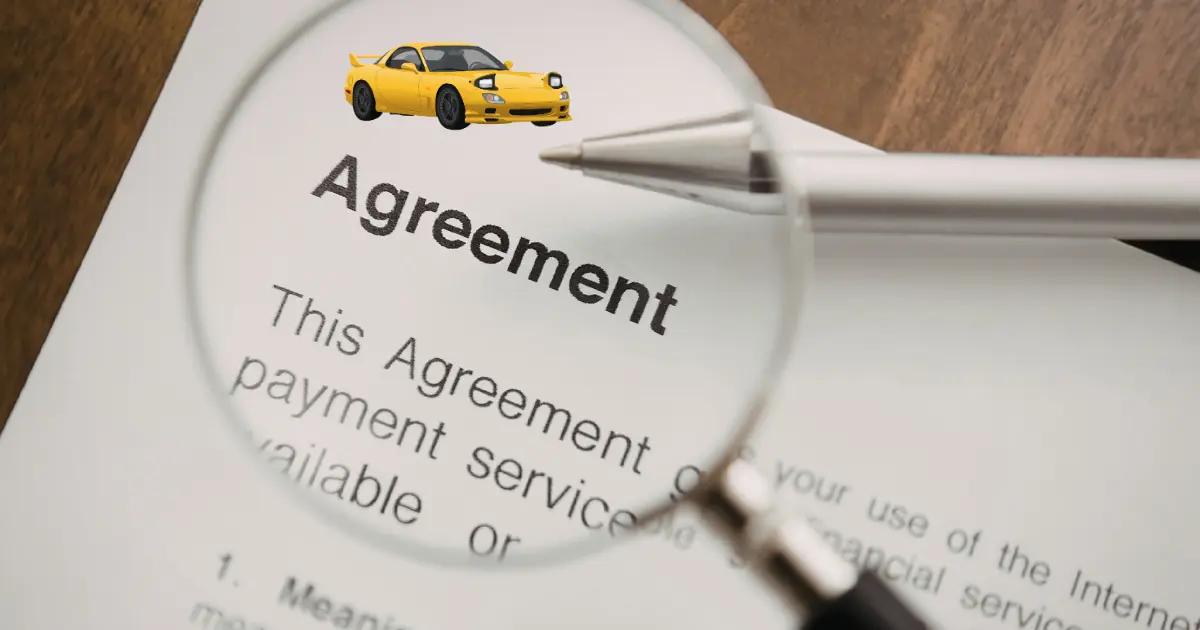
If you financed a car between 2007 and 2021, you might be owed thousands of pounds without even knowing it. Car finance claims have surged dramatically in recent years as drivers discover they were charged hidden costs and undisclosed commissions on their vehicle finance agreements. What was once a quiet corner of consumer rights has exploded into a nationwide investigation, with the Financial Conduct Authority (FCA) estimating that millions of drivers could be affected by mis-selling practices in the car finance industry.
The issue centers on discretionary commission arrangements where car dealers and finance brokers received secret payments for arranging your loan—often inflating your interest rate to boost their own profits. Many drivers who took out Personal Contract Purchase (PCP), Hire Purchase (HP), or conditional sale agreements are now rechecking their old paperwork and discovering they paid far more than necessary. Understanding car finance claims and whether you qualify for compensation has become essential for anyone who financed a vehicle in the past 15 years.
What Are Car Finance Claims and Why Are They Trending?
Car finance claims are legal complaints filed by consumers who believe they were mis-sold a car finance agreement or charged hidden costs without proper disclosure. These claims have become one of the fastest-growing areas of consumer compensation in the UK, following in the footsteps of the Payment Protection Insurance (PPI) scandal that saw billions paid back to consumers.
The trend began accelerating in 2021 when the FCA launched a formal investigation into discretionary commission arrangements in the motor finance industry. This investigation revealed widespread practices where car dealerships and brokers had financial incentives to sell customers more expensive finance deals. The higher the interest rate they convinced you to accept, the larger their commission payment—a clear conflict of interest that was rarely disclosed to buyers.
Several landmark court cases have further fueled the surge in car finance claims. In October 2023, the Court of Appeal ruled in favor of consumers in cases involving undisclosed commission arrangements, establishing legal precedent that lenders had a duty to inform customers about these payments. This ruling opened the floodgates for compensation claims, with some estimates suggesting the total payout could exceed £16 billion across the industry.
The sheer scale of potential mis-selling has caught public attention. Major lenders including Black Horse (part of Lloyds Banking Group), Santander Consumer Finance, Close Brothers, and Moneybarn have all faced scrutiny. Thousands of drivers are now investigating whether their agreements contained similar issues, driving the unprecedented wave of car finance compensation claims.
The Hidden Commission Scandal: What Lenders Didn't Tell You
At the heart of most car finance claims lies a practice called discretionary commission arrangements (DCAs). Under this system, car dealers and finance brokers had the power to adjust the interest rate on your loan within certain parameters set by the lender. Crucially, their commission was directly linked to the interest rate they secured—the higher the rate, the more money they made.
Here’s how the scandal unfolded: When you visited a car dealership and discussed financing options, the salesperson acted as an intermediary between you and the finance company. While they appeared to be helping you find the best deal, they actually had a financial incentive to sell you the most expensive option. If the lender’s base rate was 6%, the dealer might have discretion to offer you anything between 6% and 12%. Choosing the higher end meant a larger commission for them—sometimes thousands of pounds on a single sale.
The problem wasn’t just that dealers earned commission (which is standard practice in many industries), but that this arrangement was rarely disclosed to customers. Most buyers had no idea that the person helping them “find the best finance deal” was actually being paid more to give them a worse deal. This fundamental conflict of interest violated the principle of informed consent that underpins fair financial transactions.
The FCA found that these practices were endemic across the industry. Between 2007 and 2021, millions of car finance agreements were sold with discretionary commission arrangements. Internal documents from lenders revealed that dealers routinely maximized interest rates to boost their earnings, with some dealers making more profit from the finance arrangement than from selling the actual vehicle.
What makes this particularly egregious is that many customers specifically asked dealers to help them find the “best rate” or “most affordable option,” trusting that the dealer was acting in their interest. In reality, the dealer’s financial incentives were directly opposed to the customer’s best interests—a textbook case of mis-selling that has formed the basis for thousands of successful car finance refund claims.
Common Hidden Costs in Car Finance Agreements
Beyond undisclosed commissions, several other hidden car finance costs have emerged as grounds for compensation claims. Understanding these can help you identify whether your agreement contained problematic terms.
Inflated Interest Rates: The most common issue is simply paying a higher interest rate than necessary due to discretionary commission arrangements. If you were offered 10.9% APR when you could have qualified for 7.9%, that difference represents thousands of pounds in unnecessary payments over a typical four or five-year agreement.
Undisclosed Administration Fees: Some finance agreements included substantial administration or arrangement fees that were buried in the small print or not clearly explained at the point of sale. These fees, sometimes exceeding £500, were often added to the total amount financed, meaning you paid interest on the fees themselves.
Payment Protection Insurance (PPI) Add-ons: While the main PPI scandal has passed, some car finance agreements from the earlier period included PPI or similar insurance products that were inappropriately sold or not properly explained. If you were told insurance was mandatory when it wasn’t, or if the policy was unsuitable for your circumstances, this could form part of a claim.
Negative Equity Rollovers: When trading in a car that still had outstanding finance, some dealers rolled the negative equity (the difference between what you owed and the car’s value) into your new finance agreement without clearly explaining the implications. This practice inflated your new loan amount and interest payments significantly.
Optional Extras Presented as Mandatory: Some agreements included charges for paint protection, fabric protection, gap insurance, or extended warranties that were presented as required parts of the deal when they were actually optional. If these weren’t clearly identified as optional purchases, they could constitute mis-selling.
Early Settlement Penalties Not Disclosed: Many PCP and HP agreements include substantial penalties for early repayment, but these weren’t always clearly explained. If you were led to believe you could settle early without significant cost, only to discover hefty charges later, this lack of disclosure could support a claim.
Balloon Payment Surprises: PCP agreements include a final balloon payment (the Guaranteed Future Value) if you want to keep the car. Some customers claim they weren’t adequately informed about this substantial final payment or the alternatives available, leading to financial difficulty when the agreement ended.
How to Check Your Old Car Finance Agreement for Issues
Reviewing your old car finance paperwork might seem daunting, but following a systematic approach makes it manageable. Here’s how to check your car finance agreement for potential issues that could qualify you for compensation.
Gather Your Documents: Start by locating all paperwork related to your car purchase and finance agreement. This includes the finance agreement itself, any pre-contract information you received, correspondence with the dealer or lender, and your payment records. If you’ve lost these documents, you have the right to request copies from the finance company under data protection laws.
Identify the Agreement Type: Determine whether you had a PCP (Personal Contract Purchase), HP (Hire Purchase), or conditional sale agreement. This information should be clearly stated on your contract. Different agreement types have different characteristics, but all can potentially involve mis-selling issues.
Check the Interest Rate: Look for the APR (Annual Percentage Rate) stated in your agreement. Compare this to typical rates offered at the time you took out the finance. If your rate seems unusually high given your credit profile, this could indicate discretionary commission inflation. You can use historical interest rate data or car finance claim calculators available online to assess whether your rate was reasonable.
Look for Commission Disclosure: Search your paperwork for any mention of commission payments to the dealer or broker. The key question is: were you clearly informed that the dealer would receive commission, and that this commission was linked to the interest rate you were charged? If there’s no clear disclosure, or if the disclosure was buried in dense legal text, you may have grounds for a claim.
Review All Fees and Charges: Make a list of every fee mentioned in your agreement—arrangement fees, administration charges, documentation fees, and any other costs. Were these clearly explained before you signed? Were they presented as optional or mandatory? Unexplained or misrepresented fees strengthen a potential claim.
Examine Add-on Products: Identify any insurance products, warranties, or protection packages included in your finance. Were these optional? Were the costs clearly stated? Were you given adequate information to make an informed decision about whether you needed them?
Check for Affordability Assessment: Responsible lenders should have assessed whether you could afford the repayments. If you were sold finance that was clearly unaffordable based on your income and expenses at the time, this could indicate irresponsible lending.
Compare What You Were Told vs. What You Got: Try to recall what the dealer told you verbally about the finance deal. Were you promised “the best rate available” or told that certain fees were unavoidable? If the written agreement contradicts what you were told, this discrepancy could support a mis-selling claim.
Who Qualifies for Car Finance Compensation?
Not everyone who financed a car will qualify for car finance compensation, but the criteria are broader than many people realize. Understanding whether you meet the eligibility requirements is the first step toward making a successful claim.
Time Period: Most successful claims involve agreements taken out between 2007 and 2021. This is when discretionary commission arrangements were most prevalent. The FCA banned these arrangements in January 2021, but agreements signed before this date could still be affected. You typically have six years from when the agreement ended, or three years from when you discovered (or should have discovered) the issue, to make a claim.
Agreement Type: You may qualify if you had any of the following finance types: Personal Contract Purchase (PCP), Hire Purchase (HP), conditional sale agreements, or personal loans specifically for car purchase arranged through a dealership. Both new and used car finance agreements can be affected.
Evidence of Mis-selling: You’ll need to demonstrate that something was wrong with how your finance was sold. The strongest cases involve undisclosed or inadequately disclosed commission arrangements, but other mis-selling factors include unsuitable finance products, unaffordable lending, misrepresented terms, or pressure selling tactics.
Lender Still Operating: Your claim is against the finance company (the lender), not the dealership. The lender must still be in business for you to pursue compensation. Major lenders like Black Horse, Santander Consumer Finance, Close Brothers, and Moneybarn are all actively handling claims. If your lender has ceased trading, you may still be able to claim through the Financial Services Compensation Scheme.
You Suffered Financial Loss: To receive compensation, you must have suffered a financial detriment. This is usually straightforward with commission-related claims—if you paid a higher interest rate than necessary, you’ve clearly lost money. The loss doesn’t need to be catastrophic; even modest overpayments can qualify for refunds.
Credit Profile: Interestingly, your credit score at the time of the agreement can actually strengthen your claim. If you had good credit but were charged a high interest rate, this suggests the rate was inflated for commission purposes rather than reflecting your credit risk. Conversely, if you had poor credit, you might have been sold unsuitable finance or charged excessive rates even accounting for risk.
No Previous Settlement: If you’ve already received compensation for the same issue through a previous claim or settlement, you typically cannot claim again for the same agreement. However, if new information has come to light (such as the recent court rulings on commission disclosure), you may be able to revisit a previously rejected claim.
It’s worth noting that you don’t need to have experienced financial hardship or defaulted on payments to qualify. Even if you paid off your agreement in full without difficulty, you can still claim if you were mis-sold the finance or charged hidden costs. The question is whether you paid more than you should have, not whether you could afford it.
Types of Car Finance Affected: PCP, HP, and Conditional Sale
Understanding the different types of car finance and how each can be affected by mis-selling is crucial for evaluating your potential claim. Each finance structure has unique characteristics that can create specific opportunities for hidden costs and undisclosed commissions.
Personal Contract Purchase (PCP): PCP agreements are the most common type of car finance in the UK and represent the majority of PCP claims currently being processed. Under a PCP, you pay monthly installments based on the car’s depreciation rather than its full value, with a large optional final payment (balloon payment or Guaranteed Future Value) if you want to keep the vehicle.
PCP agreements are particularly susceptible to mis-selling because of their complexity. Many customers don’t fully understand the three-way choice at the end of the agreement (return the car, pay the balloon payment to keep it, or trade it in for a new PCP). Dealers often earned substantial commissions on PCP deals, and the complexity made it easier to hide inflated interest rates and fees. Common issues include undisclosed commission arrangements, balloon payments not clearly explained, mileage restrictions not adequately highlighted, and condition requirements that led to unexpected charges.
Hire Purchase (HP): HP agreements are more straightforward than PCP—you pay monthly installments over a fixed period, and once you’ve made all payments, you own the car. Despite this simplicity, HP agreements are still frequently subject to mis-sold car finance claims.
The main issues with HP agreements involve discretionary commission arrangements where dealers inflated interest rates, administration fees that weren’t clearly disclosed, and payment protection insurance inappropriately added to agreements. Because HP agreements typically involve higher monthly payments than PCP (since you’re paying off the full value), even small percentage increases in interest rates can result in substantial overpayments over the agreement term.
Conditional Sale Agreements: Similar to HP, conditional sale agreements involve paying for the car in installments, with ownership transferring once all payments are made. The key difference is that with conditional sale, you have more rights as a “conditional owner” during the agreement period.
Conditional sale agreements face the same mis-selling risks as HP agreements, particularly regarding undisclosed commissions and inflated interest rates. These agreements were common for used car purchases and customers with less-than-perfect credit, making them targets for aggressive commission-driven sales practices.
Personal Loans Arranged Through Dealerships: Some car buyers took out personal loans arranged through the dealership rather than traditional car finance. If the dealership acted as a credit broker and received commission for arranging the loan, similar disclosure requirements apply. Undisclosed commission on these loans can form the basis of compensation claims.
Across all these finance types, the fundamental issue remains the same: if you weren’t clearly informed about commission arrangements that influenced the interest rate or terms you received, you may have been mis-sold the finance. The specific structure of your agreement determines the calculation method for compensation, but the principle of adequate disclosure applies universally.
Real Examples: What Hidden Costs Look Like
Understanding abstract concepts of mis-selling becomes much clearer when you see concrete examples. Here are real-world scenarios (with details anonymized) that illustrate what hidden car finance costs actually look like in practice.
Example 1: The Inflated Interest Rate
Sarah purchased a £15,000 used car in 2018 with a PCP agreement. She had excellent credit (score above 800) and was offered a 9.9% APR. She assumed this was the best rate available and signed the agreement. Years later, when reviewing her paperwork during the mis-sold car finance update investigations, she discovered that customers with similar credit profiles were typically offered rates between 4.9% and 6.9% at that time. The dealer had used discretionary commission arrangements to inflate her rate, earning a larger commission. Over her four-year agreement, this inflated rate cost her approximately £2,400 in unnecessary interest. She successfully claimed and received a refund of this amount plus interest.
Example 2: The Hidden Administration Fee
James bought a new car in 2015 with an HP agreement. His monthly payments were £320, which he could afford. When he received his finance agreement documents, he noticed a £495 “arrangement fee” had been added to the total amount financed. This fee was never mentioned during the sales process, and he was never given the option to pay it upfront rather than financing it. Because the fee was added to the loan amount, he paid interest on it throughout the five-year term. The total cost of this undisclosed fee, including interest, was approximately £650. James filed a claim and received compensation for the fee plus interest charges.
Example 3: The Commission That Wasn’t Disclosed
Emma purchased a £22,000 car in 2017 with a PCP agreement at 11.9% APR. She specifically asked the dealer to find her “the most competitive rate possible.” The dealer assured her this was the best rate available for her credit profile. Three years later, she obtained her credit file and discovered her credit score at the time was very good. She also learned through freedom of information requests that the dealer received a commission of £1,850 for arranging her finance—and that this commission was directly linked to the interest rate. Had she been offered the lender’s standard rate for her credit profile (7.9%), the dealer’s commission would have been only £600. The £1,250 difference in commission represented the dealer’s incentive to inflate her rate. Emma’s successful claim resulted in a refund of approximately £3,200 in overpaid interest.
Example 4: The Rolled-In Negative Equity
Michael traded in his old car, which still had £4,000 of outstanding finance, when purchasing a new vehicle for £18,000 in 2016. The dealer offered to “take care of everything” and arranged a PCP agreement. Michael’s monthly payments seemed reasonable at £285. Only later did he realize the dealer had rolled the £4,000 negative equity into his new finance agreement without clearly explaining this. His new agreement was actually for £22,000 (the new car plus the old debt), and he was paying interest on the old car’s debt as part of his new agreement. This wasn’t clearly disclosed in the sales process. Michael successfully argued this constituted mis-selling due to inadequate disclosure and received compensation for the additional interest charged on the rolled-in debt.
Example 5: The Mandatory Add-Ons That Weren’t
Lisa purchased a used car in 2019 with an HP agreement. During the sales process, she was told that paint protection (£395), fabric protection (£295), and gap insurance (£450) were “required as part of the finance package.” These costs were added to her loan amount. When she later reviewed her agreement, she discovered these were optional extras, not mandatory requirements. She had been misled into believing she had no choice. Her successful car finance compensation claim resulted in a refund of £1,140 plus the interest she’d paid on these amounts.
These examples illustrate the various forms that hidden costs and mis-selling can take. The common thread is lack of transparency—customers weren’t given the information they needed to make informed decisions about their finance agreements.
Step-by-Step: How to Make a Car Finance Claim
If you believe you were mis-sold car finance or charged hidden costs, following the proper claims process is essential for success. Here’s a comprehensive guide on how to reclaim car finance overpayments.
Step 1: Gather Your Evidence
Collect all documentation related to your car finance agreement. This includes the original finance contract, any pre-contract information or quotations, correspondence with the dealer or lender, payment records, and any notes you made at the time of purchase. If you’ve lost documents, contact the finance company and request copies under your data protection rights (Subject Access Request). Most lenders must provide this information within one month.
Step 2: Identify the Specific Issues
Clearly identify what went wrong with your agreement. Was it undisclosed commission? An inflated interest rate? Hidden fees? Misrepresented terms? Be specific about the mis-selling you experienced. If possible, gather evidence that supports your claim—for example, credit reports showing your score at the time, or information about typical interest rates for similar agreements during that period.
Step 3: Calculate Your Potential Compensation
While exact calculations can be complex, you can estimate your potential compensation using online car finance claim calculators or by comparing what you paid to what you should have paid. For interest rate inflation, calculate the difference between what you paid and what you would have paid at a fair rate. Include all interest and charges that resulted from the mis-selling.
Step 4: Contact the Lender Directly
Before involving third parties, you must give the finance company an opportunity to resolve your complaint. Write a formal complaint letter or email to the lender (not the dealership). Clearly explain: who you are and your agreement details, what went wrong with the sale, why you believe you were mis-sold the finance, what evidence supports your claim, and what outcome you’re seeking (typically a refund of overpaid interest and charges).
Keep your complaint factual and professional. Reference specific regulatory requirements if applicable, such as the Consumer Credit Act or FCA principles. Send your complaint via email and recorded delivery post to ensure you have proof of submission.
Step 5: Wait for the Lender’s Response
The lender has eight weeks to investigate and respond to your complaint. They may request additional information during this period—respond promptly to avoid delays. The lender’s response will either uphold your complaint and offer compensation, partially uphold it with a reduced offer, or reject it entirely. Review their response carefully and check their calculations if they offer compensation.
Step 6: Escalate to the Financial Ombudsman if Necessary
If you’re unhappy with the lender’s response, or if they don’t respond within eight weeks, you can escalate your complaint to the Financial Ombudsman Service (FOS). This is a free, independent service that resolves disputes between consumers and financial companies. You must escalate within six months of receiving the lender’s final response.
Submit your complaint to the FOS online, providing all documentation and explaining why you disagree with the lender’s decision. The Ombudsman will review your case independently and make a binding decision. If they rule in your favor, the lender must comply with their decision.
Step 7: Consider Using a Claims Management Company
While you can handle the entire process yourself for free, some people prefer using claims management companies (CMCs) that specialize in car finance claims. These companies handle the paperwork and negotiations on your behalf in exchange for a percentage of any compensation (typically 20-35% plus VAT).
If you choose this route, ensure the company is authorized by the Financial Conduct Authority to handle claims. Be wary of upfront fees—reputable CMCs work on a no-win, no-fee basis. Remember that using a CMC means you’ll receive less compensation, but it may be worth it if you’re uncomfortable handling the claim yourself or if your case is particularly complex.
Step 8: Keep Detailed Records
Throughout the process, maintain a file with copies of all correspondence, notes of phone calls (including dates, times, and who you spoke with), and any additional evidence you gather. This documentation will be invaluable if your claim is disputed or escalated.
Step 9: Be Patient but Persistent
Car finance claims can take several months to resolve, especially if they’re escalated to the Ombudsman. Don’t be discouraged by delays—the process is designed to be thorough. Follow up regularly if you don’t receive responses within expected timeframes, and don’t accept a rejection without understanding the reasoning and considering whether to escalate.
How Much Compensation Could You Receive?
One of the most common questions about car finance claims is: “How much could I get back?” While the mis-sold car finance average payout varies significantly depending on individual circumstances, understanding the factors that determine compensation amounts can help you set realistic expectations.
Typical Compensation Ranges: Based on successful claims processed to date, most car finance compensation payments fall between £1,000 and £5,000. However, this range is broad, and your specific payout could be higher or lower depending on various factors. Some straightforward cases involving modest interest rate inflation might result in compensation of £500-£1,500, while complex cases involving multiple issues or high-value agreements can exceed £10,000.
Factors That Affect Compensation Amounts: Several variables determine how much you might receive. The difference between the interest rate you paid and the rate you should have paid is the primary factor—a 3% difference on a £20,000 loan over five years results in much more compensation than a 1% difference on a £10,000 loan over three years.
The total amount financed matters significantly. Larger loans mean larger overpayments when interest rates are inflated. The length of your agreement also plays a role—longer terms mean more interest payments, so inflated rates cost more over time. The type and severity of mis-selling affects compensation too—undisclosed commission combined with unsuitable finance recommendations typically results in higher payouts than a single issue.
Whether you completed the agreement or settled early impacts the calculation. If you paid off your finance early, you’ll have paid less total interest, which may reduce compensation. Any previous partial refunds or settlements must be deducted from new compensation to avoid double-recovery.
How Compensation Is Calculated: For interest rate inflation cases, the calculation typically works as follows: determine what interest rate you should have been offered based on your credit profile and market conditions at the time; calculate the total interest you actually paid under your agreement; calculate the total interest you would have paid at the fair rate; the difference between these amounts is your base compensation.
To this base amount, lenders typically add 8% statutory interest per year from the date of overpayment to the date of settlement. This recognizes that you’ve been deprived of this money and could have earned interest on it or avoided other borrowing costs.
For undisclosed fees or unsuitable add-on products, the compensation is usually the full cost of the fee or product, plus any interest you paid on it (since it was added to your financed amount), plus the 8% statutory interest.
Real-World Payout Examples: A customer with a £12,000 PCP agreement at 10.9% APR who should have been offered 7.9% APR over a four-year term might receive approximately £1,800 in overpaid interest plus £400 in statutory interest, totaling around £2,200.
Someone with a £25,000 HP agreement at 12.9% APR who should have been offered 8.9% APR over a five-year term might receive approximately £4,500 in overpaid interest plus £1,200 in statutory interest, totaling around £5,700.
A case involving both interest rate inflation (£2,000 overpayment) and undisclosed add-on products (£800) might result in total compensation of approximately £3,500 including statutory interest.
Industry-Wide Estimates: Financial analysts estimate that the total cost to the car finance industry could reach £16-30 billion if all eligible claims are pursued. With an estimated 10-15 million potentially affected agreements, this suggests an average payout of around £1,600-£2,000 per successful claim. However, averages can be misleading—your specific circumstances will determine your actual compensation.
Tax Implications: Car finance compensation is generally not subject to income tax, as it’s considered a refund of overpayments rather than income. However, if you receive substantial statutory interest as part of your settlement, you should consult a tax advisor, as interest payments can sometimes be taxable depending on total amounts and your tax situation.
Deadlines and Time Limits for Car Finance Claims
Understanding the time limits for making car finance claims is crucial—miss the deadline, and you could lose your right to compensation regardless of how strong your case is. The rules around limitation periods can be complex, but here’s what you need to know.
The Six-Year Rule: Under the Limitation Act 1980, you generally have six years from the date of the breach (when the mis-selling occurred) to bring a claim for breach of contract or negligence. For car finance, this typically means six years from when you signed the agreement. However, this isn’t always straightforward—if you only discovered the mis-selling recently, different rules may apply.
The Three-Year Discovery Rule: There’s an alternative limitation period of three years from the date you discovered (or reasonably should have discovered) that you had grounds for a claim. This is particularly relevant for car finance claims, as many people only recently learned about discretionary commission arrangements through media coverage and FCA investigations.
If you took out finance in 2015 but only discovered in 2023 that you were charged an inflated rate due to undisclosed commission, you might still be within the three-year discovery period even though you’re outside the six-year period from signing. However, you’ll need to demonstrate when you actually discovered the issue and why you couldn’t reasonably have discovered it earlier.
Financial Ombudsman Time Limits: If you’re taking your complaint to the Financial Ombudsman Service, you must do so within six months of receiving the lender’s final response to your complaint. Additionally, the Ombudsman generally won’t consider complaints about events that occurred more than six years ago unless you can show you only recently became aware of the problem or there are exceptional circumstances.
FCA Investigation Impact: The FCA’s ongoing investigation into motor finance commission arrangements has complicated the timeline situation. In September 2023, the FCA announced a formal review and asked firms to pause handling certain complaints while they investigate. This pause has been extended multiple times, creating uncertainty about deadlines.
However, this doesn’t mean you should delay making your claim. Even if lenders are pausing their handling of complaints, you should still submit your complaint to preserve your position and ensure you’re within relevant time limits. The pause affects how quickly claims are processed, not whether you can make them.
When Your Agreement Ended: For some types of claims, the limitation period runs from when the agreement ended rather than when it began. This is particularly relevant for ongoing issues like undisclosed commission that affected you throughout the agreement term. If your agreement ended in 2020, you may have until 2026 to claim, even if you took out the finance in 2015.
Practical Deadlines to Consider: While legal limitation periods provide the outer boundaries, there are practical reasons to act sooner. Lenders must retain records for six years after an agreement ends, but older records may be harder to obtain. Your own memory of the sales process will be clearer if you claim sooner rather than later. The FCA’s investigation and any resulting compensation scheme may have their own deadlines separate from legal limitation periods.
What If You’re Outside the Time Limits?: If you believe you’re outside the standard limitation periods, don’t automatically assume you can’t claim. Consult with a legal advisor or claims specialist who can assess whether any exceptions apply to your situation. The discovery rule, in particular, has been successfully argued in many car finance cases where consumers only recently learned about commission arrangements.
Upcoming Regulatory Changes: The FCA is expected to publish final findings from their motor finance investigation in 2024, which may include new compensation schemes or extended deadlines for certain types of claims. Stay informed about these developments through the car finance claims gov uk resources and FCA announcements.
Action Steps: To protect your position, take these steps now: gather all your car finance documentation and store it safely; make a note of when you became aware of potential mis-selling issues; submit your complaint to the lender even if they’re pausing handling—this preserves your claim date; keep records of all correspondence and submission dates; if you’re approaching any deadline, seek professional advice promptly; and monitor FCA announcements about the investigation and any compensation schemes.
The key message is: don’t wait. While you may have time on your side legally, acting now ensures you preserve all your options and don’t risk missing deadlines due to administrative delays or changing regulations. The car finance claims landscape is evolving rapidly, and early action puts you in the strongest position to receive the compensation you deserve.
As more drivers discover they may have been mis-sold car finance, the importance of understanding your rights and taking action becomes clear. Whether you financed a car five years ago or fifteen, reviewing your agreement for hidden costs and undisclosed commissions could reveal that you’re owed significant compensation. The combination of landmark court rulings, FCA investigations, and growing public awareness has created an unprecedented opportunity for consumers to challenge unfair practices and recover money they should never have paid. By understanding what to look for, knowing your rights, and following the proper claims process, you can determine whether you’re among the millions of drivers who deserve a car finance refund.
Frequently Asked Questions
What are car finance claims and why are they happening?
Car finance claims are compensation requests made by drivers who were mis-sold vehicle finance agreements, typically between 2007 and 2021. These claims arise because dealerships and lenders often failed to disclose hidden commissions and discretionary fees that inflated the cost of finance. The Financial Conduct Authority is now investigating widespread mis-selling practices that may have affected millions of UK drivers, leading to a surge in successful car finance claims.
How much are people getting back for car finance claims?
Successful car finance claims typically result in payouts ranging from £1,000 to £3,000, though some drivers have received significantly more depending on their agreement terms. The average payout varies based on the commission charged, the length of the finance agreement, and the total amount borrowed. Compensation usually includes the hidden commission paid plus 8% statutory interest, which can substantially increase the final settlement amount over time.
Who can make a motor finance claim?
Anyone who took out car finance (including PCP, HP, or lease agreements) in the UK between 2007 and 2021 may be eligible to make a claim. You can claim even if you’ve already paid off the finance or no longer own the vehicle. The key factor is whether you were charged undisclosed commission or weren’t properly informed about the dealer’s financial incentive in your agreement, which applies to millions of drivers across the country.
How do I claim car finance claims without paying upfront fees?
You can make car finance claims yourself for free by contacting your lender directly and requesting a review of your finance agreement for undisclosed commissions. Alternatively, many claims management companies work on a “no win, no fee” basis, taking a percentage (typically 20-30%) only if your claim succeeds. The Financial Ombudsman Service also handles complaints completely free of charge if your lender rejects your initial claim.
How long do motor finance claims take to process?
Motor finance claims typically take between 8 weeks and 6 months to resolve, depending on the lender’s response time and case complexity. Lenders have 8 weeks to investigate and respond to your complaint under FCA rules. If they reject your claim or you’re unhappy with their response, escalating to the Financial Ombudsman can add another 3-6 months to the process, though many claims are settled faster when evidence is clear.
What is car finance compensation actually for?
Car finance compensation reimburses drivers for undisclosed commissions and hidden fees that were secretly added to their finance agreements. Dealerships often received discretionary commission payments from lenders based on the interest rate they sold you, creating a conflict of interest that wasn’t disclosed. This practice meant you likely paid more for your finance than necessary, and compensation aims to refund these excessive charges plus interest.
How are car finance settlements calculated?
Car finance settlements are calculated based on the amount of undisclosed commission charged, plus 8% statutory interest per year from when you made each payment. Lenders must identify the hidden commission in your agreement, refund that amount, and add compensatory interest for the time you were without that money. The calculation also considers whether you were disadvantaged by not knowing about the commission structure when you agreed to the finance terms.
Can I still claim if I've already paid off my car finance?
Yes, you can absolutely make car finance claims even if you’ve completely paid off your agreement or no longer own the vehicle. The mis-selling occurred at the point of sale when commissions weren’t disclosed, regardless of your current situation. You typically have six years from when the finance ended, or three years from when you first became aware of the potential mis-selling, to submit a claim for compensation.
Which lenders are most commonly involved in car finance claims?
Black Horse (part of Lloyds Banking Group), Santander Consumer Finance, Close Brothers, and MotoNovo Finance are among the most frequently named lenders in car finance claims. These major providers handled millions of vehicle finance agreements during the period under investigation. However, the FCA’s investigation covers the entire motor finance industry, so drivers with agreements from any UK lender during 2007-2021 should check their eligibility regardless of the provider.
Do I need a lawyer or claims company to make a car finance claim?
No, you don’t need a lawyer or claims company to pursue car finance claims—you can submit a complaint directly to your lender for free. However, claims management companies can handle the paperwork and negotiation on your behalf if you prefer professional assistance. If you choose to use a claims company, ensure they’re authorized by the Financial Conduct Authority and understand their fee structure before proceeding, as you’ll typically pay 20-30% of any successful settlement.
You May Also Like

Water Taxi Market 2025: Sustainable Growth Forecast & Trends

Visionary Leader Impact: Howard Wilner’s Expert Insights

Planning Rural Sheds Australia: A-Line Building Systems Guide