What Is a Drop Fade? Complete Guide to Drop Fade Haircuts

The drop fade haircut has become one of the most requested styles in barbershops worldwide, and for good reason. This versatile cut combines precision, style, and adaptability in a way that flatters nearly every face shape and hair type. Whether you’re scrolling through Instagram for haircut inspiration or sitting in the barber’s chair trying to explain exactly what you want, understanding what a drop fade is and how it differs from other fade styles will help you achieve the perfect look. This comprehensive guide covers everything from the technical definition to styling tips, maintenance schedules, and how to communicate your vision to your barber with confidence.
What Is a Drop Fade Haircut? (Definition & Key Characteristics)
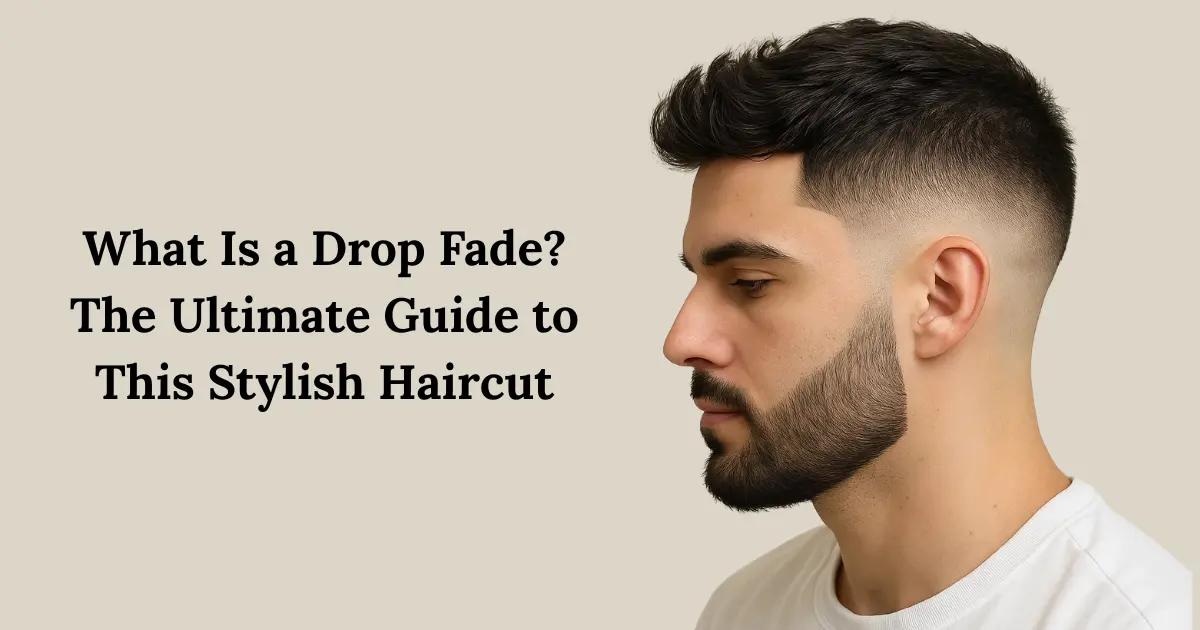
A drop fade haircut is a type of fade where the hair gradually transitions from longer lengths on top to shorter lengths on the sides and back, with the fade line “dropping” down behind the ear following the natural curvature of the head. Unlike traditional fades that follow a horizontal line around the head, the drop fade creates an arc that descends as it moves from the front hairline toward the back, typically ending at or below the occipital bone.
The defining characteristic of a drop fade is this downward arc. When you look at someone with a drop fade from the side, you’ll notice the fade line curves down behind the ear rather than maintaining a straight horizontal path. This creates a distinctive shape that adds dimension and frames the head in a flattering way. The fade itself can range from a subtle gradient to a dramatic skin fade, depending on personal preference.
What makes the drop fade particularly appealing is its versatility. The technique works with virtually any hairstyle on top—from short buzz cuts to longer textured styles, curls, waves, or even pompadours. The drop fade serves as the foundation that keeps the sides and back clean and sharp while allowing the top to be the focal point of the overall style.
Barbers achieve this look through precise clipper work, using multiple guard sizes to create a seamless blend from the longest hair at the top down to the skin or a very short length at the bottom of the fade. The skill lies in creating a smooth transition without any visible lines or patches, following the natural contours of each individual’s head shape.
Drop Fade vs. Taper Fade vs. High Fade: What's the Difference?
Understanding the differences between fade styles is crucial when communicating with your barber. While all fades involve gradually shortening hair, the execution and final appearance vary significantly. The drop fade vs taper fade comparison is one of the most common questions men have when choosing their next haircut.
A taper fade is the most conservative option, featuring a gradual decrease in hair length that typically starts higher on the head and follows a more horizontal line around the entire head. The taper is subtle and professional, making it ideal for corporate environments or those who prefer a more understated look. The fade in a taper is generally less dramatic, often not going down to the skin but instead to a short clipper length.
The drop fade, as mentioned, follows a curved line that drops down behind the ears. This creates more contrast and visual interest compared to a standard taper. The drop fade can be combined with various heights (low, mid, or high), but the distinguishing feature is always that downward arc. This style offers more edge and contemporary appeal while still maintaining versatility for different settings.
A high fade refers to where the fade starts on the head—typically at or above the temples. A high fade can be executed as a drop fade or as a traditional fade with a horizontal line. When someone gets a “high drop fade,” they’re combining the elevated starting point with the curved drop line, creating maximum contrast between the top and sides.
So, is a taper or drop fade better? The answer depends entirely on your personal style, face shape, and lifestyle. Taper fades offer a timeless, professional appearance suitable for conservative environments. Drop fades provide more modern styling options and work exceptionally well for those who want to make a statement with their haircut. Many men find that drop fades complement their facial structure better because the curved line creates natural framing that a straight horizontal fade cannot achieve.
The Burst Fade: A Drop Fade Variation
Another variation worth mentioning is the burst fade, which is essentially a drop fade that only occurs around the ear, creating a “bursting” or semi-circular effect. The burst fade mullet has gained significant popularity, combining the retro appeal of a mullet with the modern precision of a fade. Similarly, the taper fade mullet offers a more subtle approach to this trending style.
Types of Drop Fade Haircuts (Low, Mid, High Drop Fade)
Drop fades come in three primary variations based on where the fade begins on the head. Each offers a different aesthetic and level of contrast, allowing you to customize the look to your preferences and lifestyle.
Low Drop Fade
The low drop fade starts approximately one inch above the ear and gradually drops down as it moves toward the back of the head. This is the most subtle and conservative drop fade option, making it perfect for professional environments or those new to faded haircuts. The low drop fade maintains more hair on the sides compared to mid or high variations, creating a softer transition.
A low drop fade curly hair combination works exceptionally well because it keeps enough length on the sides to balance the volume on top while still providing clean, defined edges. For those with straight hair, a low drop fade straight hair style offers a sleek, polished appearance that’s easy to maintain. The low drop fade with bulk keeps substantial weight on the sides, ideal for men who don’t want too dramatic a contrast.
The modern mullet low fade has become increasingly popular, combining business in the front with party in the back while keeping the sides crisp and contemporary. For Black men, the low drop fade black style works beautifully with natural hair textures, whether you’re rocking waves, curls, or a close-cropped look. The low drop fade v adds an additional design element with a V-shaped neckline that complements the fade’s natural curve.
Another trending variation is the low drop fade blowout, which pairs the subtle fade with voluminous, blown-out hair on top, creating a dramatic contrast between the clean sides and textured crown. The low drop fade haircut curly hair style is particularly flattering for men with natural curl patterns, as it showcases the texture while keeping the overall look structured.
Mid Drop Fade
The mid drop fade begins around the temple area, typically where the head starts to curve. This is the most versatile drop fade height, offering a balanced look that works for both casual and semi-formal settings. The mid drop fade provides more contrast than a low fade while remaining less dramatic than a high fade.
For textured hair, a mid drop fade curly hair style creates an excellent balance between showcasing your natural texture and maintaining clean, sharp lines. The mid drop fade straight hair option works equally well, offering a modern edge to classic straight hairstyles. The drop fade haircut black community has particularly embraced the mid drop fade, as it complements various Black hairstyles from waves to tight curls.
The mid drop fade buzz combines a buzzed top with the mid-level fade, creating an ultra-low-maintenance style that still looks intentional and stylish. For those who prefer keeping hair short overall, the mid drop fade short hair approach maintains minimal length while maximizing the fade’s visual impact. The mid drop fade v adds a sharp V-shaped detail at the nape, while the mid drop fade black style has become a staple in urban barbershops worldwide.
Interestingly, some barbers offer a mid drop fade low variation that sits between the traditional low and mid positions, providing a customized approach for clients who want something in between the standard options.
High Drop Fade
The high drop fade starts at or above the temples, creating maximum contrast between the top and sides. This bold style makes a statement and works best for those confident in their look and comfortable with more frequent maintenance. The high drop fade exposes more of the scalp, creating a dramatic arc that’s impossible to miss.
A high drop fade curly hair combination creates stunning visual contrast, with voluminous curls on top and clean, faded sides. This style has become particularly popular among younger men and those in creative industries where bold personal expression is encouraged. The drop fade haircut curly hair approach, when executed at a high level, can transform your entire appearance.
For Black men, the drop fade curly hair black male style showcases natural texture beautifully while maintaining sharp, precise edges. The high drop fade works exceptionally well with various top styles, from afros to defined curl patterns, creating a modern and fashion-forward aesthetic.
Who Should Get a Drop Fade? (Face Shapes & Hair Types)
One of the most attractive aspects of the drop fade haircut is its universal appeal. Unlike some hairstyles that only flatter specific face shapes or hair types, the drop fade can be adapted to suit nearly everyone. However, understanding how to customize the fade for your unique features will help you achieve the most flattering result.
Face Shape Considerations
For men with round faces, a mid or high drop fade works exceptionally well. The vertical emphasis created by keeping more length on top and fading the sides helps elongate the face, creating the illusion of a more oval shape. Avoid low fades if you have a round face, as they can emphasize width rather than height.
Those with oval faces are fortunate—nearly any drop fade variation will work. This balanced face shape can handle low, mid, or high drop fades equally well. Your choice should be based more on personal style preference and lifestyle considerations rather than face shape limitations.
Men with square faces benefit from low to mid drop fades that soften the angular jawline. The curved nature of the drop fade complements the strong, angular features of a square face without competing with them. Keeping some length on the sides prevents the face from appearing too boxy.
Heart-shaped faces (wider at the forehead, narrower at the chin) look best with low drop fades that maintain balance. Too high a fade can emphasize the width at the temples, while a low drop fade creates harmony between the upper and lower portions of the face.
For oblong or rectangular faces, low drop fades work best as they add width to the sides and avoid further elongating the face. Pairing a low drop fade with a textured, voluminous top creates better proportions.
Hair Type Compatibility
The drop fade haircut short hair works with virtually any hair texture. For men with straight hair, the fade creates clean lines and a polished appearance. The drop fade black waves style has become iconic, with the fade providing the perfect frame for carefully maintained wave patterns.
Curly-haired men have perhaps the most to gain from drop fades. The drop fade haircut black male with natural curls creates a stunning contrast between textured volume on top and clean, faded sides. Whether you have loose curls or tight coils, the drop fade helps manage bulk while showcasing your natural texture. The curly drop fade black male style has dominated social media and barbershop portfolios for good reason—it simply works.
For those with thick, dense hair, drop fades help remove weight from the sides, making the overall style more manageable. Thin hair also benefits, as the fade creates the illusion of fuller hair on top by providing stark contrast with the faded sides.
The drop fade haircut long hair on top creates a dramatic, fashion-forward look. This combination works particularly well for men who want to maintain length for styling versatility while keeping the sides and back manageable. Whether you’re growing out a man bun, slicking back longer hair, or creating textured, tousled styles, the drop fade provides the foundation.
How to Ask Your Barber for a Drop Fade (Communication Tips)
Knowing how to ask a barber for a drop fade can make the difference between walking out with exactly what you wanted and leaving disappointed. Clear communication is essential, and having the right vocabulary helps ensure you and your barber are on the same page.
Start by specifying that you want a drop fade rather than a regular fade or taper. This immediately tells your barber that you want the fade line to curve down behind the ears. Next, specify the height: low, mid, or high. If you’re unsure, ask your barber for their recommendation based on your face shape and the style you’re going for on top.
Discuss how short you want the fade to go. Do you want a skin fade (down to the scalp) or would you prefer to keep a shadow of hair at the shortest point? This detail significantly impacts the final look. A skin fade creates maximum contrast and requires more frequent maintenance, while leaving a slight shadow offers a softer appearance with slightly longer time between cuts.
Bring reference photos. This cannot be overstated—visual references eliminate ambiguity. Save several examples of drop fade haircut styles you like, preferably on people with similar hair types and face shapes to yours. Show your barber multiple angles if possible, including front, side, and back views.
Discuss the top. Your barber needs to know what you’re planning to do with the hair on top to ensure the fade complements it properly. Are you keeping it short and textured? Growing it longer? Styling it back or to the side? The top style influences where the fade should start and how dramatic it should be.
Be specific about the neckline. Do you want a blocked neckline, a tapered neckline, or a V-shape? The drop fade haircut black community often prefers sharp, defined necklines, while others might want something more natural. This detail completes the overall look.
Don’t hesitate to ask questions during the cut. If you’re unsure about something, speak up before your barber moves to the next section. A good barber appreciates clients who communicate clearly and will gladly explain their process or make adjustments based on your feedback.
Step-by-Step: How Barbers Create a Drop Fade
Understanding the technical process behind creating a drop fade helps you appreciate the skill involved and gives you realistic expectations about timing and results. While you won’t be cutting your own drop fade (this is definitely a job for professionals), knowing the process helps you communicate better with your barber.
Step 1: Consultation and Sectioning – The barber begins by discussing your desired outcome and examining your hair type, head shape, and growth patterns. They’ll section off the top hair, typically using clips to keep it out of the way while working on the fade.
Step 2: Establishing the Guideline – Using clippers, the barber creates an initial guideline that marks where the fade will start and how it will drop. This curved line behind the ear is the signature of the drop fade. The barber carefully maps this line around the entire head, ensuring symmetry and proper placement.
Step 3: Creating the Base – The barber uses the shortest clipper guard (or no guard for a skin fade) to establish the bottom of the fade. This creates the foundation from which the fade will gradually blend upward. For a drop fade haircut men typically request, this base often goes down to the skin or a #0 guard.
Step 4: Building the Fade – This is where the magic happens. The barber uses progressively longer clipper guards, working upward from the base. Each pass blends into the previous one, creating a seamless gradient. For a drop fade, the barber must account for the curved line, adjusting their technique as they move from front to back. This typically involves multiple guards (#0, #0.5, #1, #1.5, #2, etc.) depending on how gradual the fade should be.
Step 5: Blending and Detailing – Once the basic fade structure is in place, the barber uses various techniques to eliminate any visible lines. This might involve clipper-over-comb work, using the corners of the clippers for detail work, or employing specialized blending techniques. The goal is a smooth, seamless transition.
Step 6: Refining the Drop – The barber pays special attention to the area behind the ears where the drop is most pronounced. This requires precision to ensure both sides match and the curve is smooth and natural-looking.
Step 7: Lineup and Edge Work – Using trimmers or a straight razor, the barber creates sharp, clean lines around the hairline, sideburns, and neckline. For the drop fade haircut black male clientele, this step is particularly important, as crisp edges are a hallmark of the style.
Step 8: Top Styling – Finally, the barber cuts and styles the hair on top according to your preferences, ensuring it complements the fade and creates a cohesive overall look.
The entire process typically takes 30-60 minutes, depending on the complexity of the fade and the detail work required. Skilled barbers make it look effortless, but creating a perfect drop fade requires years of practice and a deep understanding of hair behavior and head anatomy.
Best Hairstyles That Work with Drop Fades
The versatility of the drop fade means it pairs beautifully with countless hairstyles on top. Here are some of the most popular and stylish combinations that showcase what makes the drop fade so adaptable.
Textured Crop with Drop Fade
The textured crop features short to medium-length hair on top with a choppy, textured finish. When combined with a drop fade, it creates a modern, low-maintenance style that works for professional and casual settings alike. This combination is particularly popular among men in their 20s and 30s who want something stylish but not overly complicated.
Pompadour with Drop Fade
For a more dramatic, vintage-inspired look, the pompadour paired with a drop fade creates stunning contrast. The voluminous, swept-back top contrasts beautifully with the clean, faded sides. This style requires more styling time and product but makes a powerful statement.
Curly Top with Drop Fade
The drop fade haircut curly hair combination has become one of the most requested styles in barbershops. Whether you have loose waves or tight curls, keeping length and texture on top while fading the sides creates dimension and showcases your natural hair pattern. The low drop fade haircut black with curls is particularly striking, allowing the natural texture to be the focal point.
Buzz Cut with Drop Fade
For ultra-low maintenance, a buzzed top with a drop fade offers clean simplicity. The mid drop fade buzz creates just enough contrast to keep the look interesting while requiring minimal daily styling. This works exceptionally well for men with strong facial features or those who prefer spending zero time on hair styling.
Slicked Back with Drop Fade
Medium to long hair on top slicked back with pomade or gel creates a sophisticated, polished appearance. The drop fade keeps the sides clean and prevents the slicked-back style from looking too heavy or dated. This combination works well for both professional environments and evening events.
Faux Hawk with Drop Fade
For those who want edge without full commitment to a mohawk, the faux hawk with drop fade offers the perfect middle ground. The faded sides emphasize the height and texture in the center, creating a bold, contemporary look.
Messy Fringe with Drop Fade
A textured, forward-styled fringe paired with a drop fade creates a youthful, fashion-forward aesthetic. This style works particularly well for men with straight to wavy hair and offers versatility in how you wear the fringe—swept to the side, forward, or slightly tousled.
Mullet with Drop Fade
The modern mullet has made a significant comeback, and when combined with a drop fade, it becomes contemporary rather than retro. The drop fade haircut mullet keeps the sides clean while allowing length in the back, creating a unique, statement-making style that’s gained traction in fashion-forward circles.
Drop Fade Maintenance: How Often to Get Touch-Ups
One of the most common questions about the drop fade haircut concerns maintenance frequency. Unlike longer hairstyles that can go months between cuts, fades require regular upkeep to maintain their sharp, clean appearance.
For most men, a drop fade needs touching up every 2-3 weeks to maintain its crisp look. This timeline can vary based on several factors including how fast your hair grows, how high your fade is, and how particular you are about maintaining sharp lines.
High drop fades typically require more frequent maintenance—often every 1.5-2 weeks—because the contrast is more dramatic and any growth becomes noticeable quickly. The exposed scalp area grows out visibly faster than areas with more hair, making the fade appear less defined as time passes.
Low drop fades can sometimes stretch to 3-4 weeks between cuts, especially if you don’t mind a slightly grown-out look. The lower starting point and more gradual fade means growth is less immediately obvious. However, even low fades will eventually lose their definition and require professional attention.
Mid drop fades fall right in the middle, typically looking their best for about 2-3 weeks before needing a refresh. This makes them a practical choice for men who want style without weekly barbershop visits.
Between professional cuts, you can extend the life of your drop fade by maintaining clean edges at home. Many men invest in quality trimmers to touch up their hairline, sideburns, and neckline between barber visits. However, attempting to touch up the actual fade yourself is not recommended unless you have training—it’s easy to create visible lines or uneven patches that will require professional correction.
For the drop fade haircut short hair on top, you might be able to extend time between cuts slightly since the overall length remains relatively uniform. Longer styles on top might need the top trimmed or shaped between fade touch-ups, which could mean more frequent visits overall.
Budget-conscious individuals should factor in this maintenance requirement when choosing a drop fade. At an average of $25-50 per cut (depending on location and barber expertise), maintaining a drop fade costs approximately $50-200 monthly. Many barbershops offer package deals or membership programs that reduce the per-visit cost for regular clients.
Styling Products & Tools for Drop Fade Haircuts
While the drop fade itself requires professional maintenance, styling the hair on top is something you’ll do daily. Having the right products and tools makes this process easier and helps you achieve the look you want.
Essential Styling Products
Pomade works excellently for slicked-back styles, pompadours, and any look requiring shine and strong hold. Water-based pomades wash out easily, while oil-based versions offer stronger hold but can be harder to remove. For the drop fade black waves style, a light pomade helps define and maintain wave patterns without weighing hair down.
Matte clay or paste is ideal for textured, messy styles where you want hold without shine. These products work particularly well with the textured crop, faux hawk, or any style where you want a natural, lived-in appearance. They’re also excellent for the drop fade haircut curly hair combinations, as they enhance texture without creating crunchiness.
Hair gel offers strong hold and works well for structured styles. Modern gels have come a long way from the crunchy, flaky formulas of the past. Look for gels that offer flexible hold for more natural movement.
Sea salt spray adds texture and volume, particularly useful for men with straight or fine hair who want to create more body. This works beautifully with medium-length hair on top of a drop fade, creating that effortlessly tousled look.
Hair cream or lotion provides light hold with moisture, perfect for curly or wavy hair. These products help define curls without making them stiff, ideal for showcasing natural texture with your drop fade.
Leave-in conditioner is essential for men with curly or textured hair, particularly those rocking the curly drop fade black male style. It maintains moisture, reduces frizz, and keeps curls defined and healthy-looking.
Necessary Tools
Quality comb – A fine-tooth comb helps with precise styling and distributing product evenly. For curly hair, a wide-tooth comb prevents breakage and maintains curl definition.
Brush – A boar bristle brush works well for slicked-back styles and helps train hair to lay in your desired direction. For waves, a wave brush is essential for maintaining pattern and definition.
Hair dryer – While not necessary for all styles, a blow dryer with a concentrator nozzle helps add volume and shape, particularly useful for pompadours or voluminous textured styles.
Trimmers – Investing in quality trimmers allows you to maintain clean edges between barber visits. Look for trimmers with adjustable guards and a sharp blade for precise work.
Styling Tips for Different Drop Fade Styles
For the low drop fade blowout, apply a volumizing mousse to damp hair, then blow dry while lifting at the roots to create maximum volume. Finish with a light hairspray to hold the shape.
When styling a mid drop fade curly hair look, apply leave-in conditioner to damp hair, then use a curl-defining cream. Scrunch gently and either air dry or use a diffuser attachment on your blow dryer to maintain curl pattern without frizz.
For slicked-back styles with any drop fade variation, apply pomade to damp hair and comb back smoothly. Use a blow dryer while combing back to set the style, then finish with additional pomade if needed for hold and shine.
Drop Fade Inspiration: 15+ Style Examples
Visual inspiration is invaluable when considering a drop fade or planning your next variation. Here are detailed descriptions of popular drop fade styles to help you envision possibilities and communicate effectively with your barber.
Classic Low Drop Fade with Textured Top
This versatile style features a subtle low drop fade that starts just above the ear, paired with 2-3 inches of textured hair on top. The top is cut with point-cutting techniques to create natural texture and movement. Style with a small amount of matte clay for a casual, effortless appearance. This works across all hair types and face shapes, making it an excellent starting point for drop fade newcomers.
High Drop Fade with Tight Curls
The high drop fade curly hair style showcases natural curl pattern beautifully. The fade starts high at the temples and drops dramatically behind the ears, creating maximum contrast with the voluminous curls on top. This style works particularly well for Black men with natural hair, allowing the texture to be the focal point while maintaining clean, sharp sides.
Mid Drop Fade with Side Part
A classic side part gets a modern update with a mid drop fade. The part is typically created with a hard line (shaved in), and the hair is styled to one side with pomade for a polished, professional appearance. This style bridges traditional and contemporary aesthetics perfectly.
Skin Fade Drop with Buzz Cut
For ultimate low maintenance, this style features a very short buzz cut on top (typically a #2 or #3 guard) with a skin drop fade on the sides. The contrast is striking despite the minimal length, and daily styling requires literally zero effort. Perfect for active lifestyles or those who prefer simplicity.
Drop Fade with Waves
The drop fade black waves style is iconic in Black barbershop culture. The waves on top are carefully maintained through brushing and product application, while the drop fade provides clean sides that emphasize the wave pattern. The contrast between the textured waves and smooth fade creates a sophisticated, polished appearance.
Long Top Drop Fade
The drop fade haircut long hair on top creates dramatic contrast. Hair on top might be 4-6 inches or longer, allowing for various styling options from slicked back to messy and tousled. The drop fade keeps the overall look balanced despite the length on top, preventing it from appearing too heavy or unkempt.
Drop Fade Pompadour
This vintage-inspired style features significant height and volume on top, swept back from the forehead. The drop fade creates clean sides that emphasize the pompadour’s drama. This style requires more styling time and product but makes a powerful fashion statement.
Afro with Drop Fade
The natural afro gets a modern update with a drop fade around the perimeter. This style maintains the volume and natural texture of an afro while providing definition and shape through the faded sides. It’s a celebration of natural hair with contemporary barbering technique.
Drop Fade Mullet
The drop fade haircut mullet combines retro and modern elements. Short to medium length on top, faded sides, and length in the back create this distinctive style. The drop fade keeps it contemporary rather than dated, and the look has gained significant traction in fashion-forward circles.
Messy Fringe with Low Drop Fade
A textured, forward-styled fringe paired with a low drop fade creates a youthful, casual aesthetic. The fringe can be worn straight forward, swept to the side, or slightly tousled depending on preference. This style works particularly well for men with straight to wavy hair.
Drop Fade with Design
Adding line designs, patterns, or artistic elements to the faded area takes the drop fade to the next level. These designs can be simple lines, geometric patterns, or complex artistic elements. The drop fade provides the perfect canvas for creative expression through hair art.
Curly Frohawk with Drop Fade
This style features curly hair styled upward and toward the center, creating a mohawk-inspired shape without shaving the sides completely. The drop fade provides clean sides while the curly top creates height and drama. It’s bold, stylish, and showcases natural texture beautifully.
Drop Fade with Beard
When coordinated properly, a drop fade that blends into a well-groomed beard creates a cohesive, polished appearance. The fade can transition seamlessly into the beard line, or there can be a defined separation depending on preference. This combination has become increasingly popular as beard culture has grown.
Textured Quiff with Mid Drop Fade
The quiff features hair styled upward and slightly back from the forehead, creating volume and height. When paired with a mid drop fade, it creates a balanced, stylish look that works for various occasions. Use a blow dryer and volumizing product to achieve the lift, then finish with pomade or paste for hold.
Drop Fade with Dreadlocks
Dreadlocks on top with faded sides create a striking contrast between the textured locks and clean fade. The drop fade keeps the overall look neat and defined while allowing the locs to be the focal point. This style works with various loc lengths and thicknesses.
V-Cut Drop Fade
The low drop fade v or mid drop fade v adds a distinctive V-shaped detail at the nape of the neck. This sharp design element complements the curved drop fade line and adds an extra touch of precision and style to the overall look.
Each of these styles can be further customized based on your hair type, face shape, and personal preferences. The drop fade serves as a versatile foundation that adapts to countless variations, which is precisely why it has become one of the most popular and enduring haircut styles for men. Whether you prefer something subtle and professional or bold and fashion-forward, there’s a drop fade variation that will work perfectly for you.
Frequently Asked Questions
What is a drop fade haircut?
A drop fade haircut is a style where the fade line curves downward behind the ear, following the natural contour of the head. Unlike a regular fade that follows a straight horizontal line around the head, the drop fade “drops” down toward the nape of the neck, creating a more dramatic arc. This technique adds dimension and works exceptionally well with various hair types and face shapes.
What is the difference between a drop fade and a regular fade?
The main difference is in the fade line’s trajectory. A regular fade maintains a consistent horizontal line around the entire head, while a drop fade haircut curves downward behind the ears. This creates a more pronounced contrast and follows the natural shape of your head more closely. The drop fade typically provides a more modern, edgy appearance compared to the classic fade.
How do I ask my barber for a drop fade?
Tell your barber you want a “drop fade” and specify the height: low (just above the ear), mid (temple level), or high (higher on the sides). Be clear about how short you want the fade to go at the bottom—skin/bald, a 0.5 guard, or a 1 guard. Bringing a reference photo is always helpful to ensure you and your barber are on the same page about the final look.
Is a taper or drop fade better?
Neither is objectively better—it depends on your style preference and maintenance commitment. A taper is more subtle and grows out more gracefully, requiring less frequent barbershop visits. A drop fade haircut offers a sharper, more defined look with greater contrast but needs touch-ups every 2-3 weeks to maintain its crisp appearance.
What is the difference between a drop fade and a burst fade?
A drop fade curves down continuously behind the ear toward the nape, while a burst fade only “bursts” or fans out around the ear area and doesn’t continue down the back. The burst fade leaves more hair at the nape and is often paired with mohawks or faux hawks. Both styles create visual interest, but the drop fade provides more overall coverage and versatility.
Who should get a drop fade?
The drop fade haircut works for virtually anyone, but it’s particularly flattering for people with round or square face shapes as it adds vertical dimension. It’s ideal for those who want a modern, stylish look and don’t mind regular maintenance. This cut works beautifully with all hair textures—straight, wavy, curly, or coily—making it one of the most versatile fade options available.
Why is it called a drop fade?
It’s called a drop fade because the fade line literally “drops” down behind the ears rather than maintaining a horizontal line around the head. This dropping motion follows the natural curve of your skull from the temple area down to the nape of the neck. The name perfectly describes the visual effect and technique used to create this distinctive style.
Which fade lasts the longest?
Low fades generally last the longest because there’s less contrast between the faded area and the longer hair on top. A low drop fade haircut can look fresh for 3-4 weeks, while high and mid fades typically need touch-ups every 2-3 weeks. The longevity also depends on how fast your hair grows and how crisp you want the fade line to remain.
Which is better: mid-fade or drop-fade?
This comparison mixes two different concepts—”mid” refers to the height of where the fade starts, while “drop” refers to the fade’s shape. You can actually have a mid drop fade, which combines both elements. If choosing between a mid regular fade and a mid drop fade, the drop version offers more dimension and follows your head’s natural contour for a more tailored appearance.
How often does a drop fade need maintenance?
A drop fade haircut typically requires maintenance every 2-3 weeks to keep the fade looking sharp and well-defined. If you prefer a slightly grown-out look or have a low drop fade, you might stretch it to 4 weeks. Regular touch-ups ensure the gradient remains smooth and the contrast stays crisp, which is essential for this style’s signature clean appearance.
You May Also Like
Walk-In Injectables: Beauty on Your Terms
Spider Hoodie: The Perfect Blend of Streetwear Style and Everyday Comfort
What Are Solar Nails? Complete Guide to Solar Nail Systems