Can Sex Shorten Your Period? What Science Actually Says

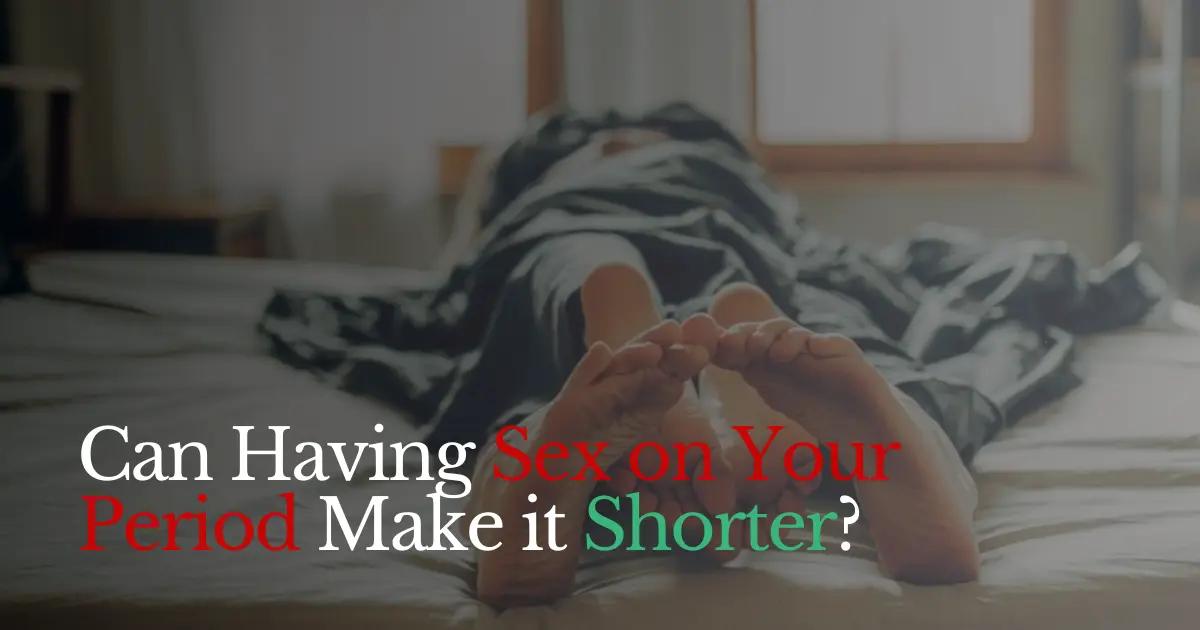
The question of whether sex can shorten your period has sparked curiosity and debate for years, with many people reporting that their menstrual flow seemed to end more quickly after sexual activity. While anecdotal experiences abound, the scientific reality is more nuanced than a simple yes or no. Understanding what happens in your body during menstruation and sexual activity can help you make informed decisions about your health and comfort. This comprehensive guide examines the evidence behind period sex and menstrual duration, explores the biological mechanisms at play, and addresses common concerns with science-backed information.
The Short Answer: Does Sex Shorten Your Period?
The direct answer is that sex may potentially shorten your period slightly, but it’s not a guaranteed or dramatic effect for everyone. The mechanism behind this potential benefit involves uterine contractions triggered by orgasm, which could theoretically help expel menstrual blood more quickly. However, scientific research on this specific topic remains limited, and individual experiences vary significantly based on factors like menstrual flow volume, uterine health, and hormonal patterns.
What we do know from gynecological research is that orgasms cause rhythmic contractions of the uterine muscles. These contractions are similar to—though typically less intense than—the cramping contractions that occur naturally during menstruation to shed the uterine lining. When you experience an orgasm during your period, these additional contractions might accelerate the process of expelling menstrual tissue and blood, potentially reducing the overall duration of bleeding by several hours to a day.
It’s important to note that the effect of sex on period duration is likely modest at best. If your period typically lasts five to seven days, having sex during menstruation probably won’t reduce it to two or three days. The impact is more subtle—perhaps shortening a six-day period to five days, or helping the final day of light spotting end a bit sooner. Additionally, this effect primarily relates to orgasm-induced contractions rather than penetrative sex itself, meaning that any sexual activity resulting in orgasm could potentially have this effect.
The Science Behind Period Sex and Menstrual Flow
To understand how having sex during your period might affect menstrual duration, it’s essential to grasp what’s happening in your body during menstruation. Your period occurs when the endometrium—the nutrient-rich lining built up in your uterus during the menstrual cycle—is shed because pregnancy hasn’t occurred. This shedding process involves prostaglandins, hormone-like substances that trigger uterine muscle contractions to help expel the tissue and blood.
The average menstrual period lasts between three and seven days, with most people experiencing their heaviest flow during the first two to three days. The volume of blood lost during a typical period ranges from 30 to 40 milliliters (about two to three tablespoons), though this can vary considerably. The menstrual cycle duration itself typically spans 21 to 35 days from the first day of one period to the first day of the next.
When sexual arousal and orgasm occur during menstruation, several physiological changes take place. Blood flow increases to the pelvic region, the vaginal walls become engorged, and the uterus undergoes rhythmic contractions during climax. These orgasm-induced contractions are mediated by oxytocin release and involve the same smooth muscle tissue that contracts during menstruation. The theory is that these additional contractions could supplement the natural shedding process, potentially expediting the expulsion of menstrual material.
Research published in gynecological journals has documented that sexual activity during menstruation is safe for most people and doesn’t negatively impact reproductive health. However, specific studies measuring the exact effect of period sex on menstrual duration are scarce. Most evidence remains anecdotal, with many individuals reporting subjectively shorter or lighter periods following sexual activity, while others notice no change whatsoever.
How Orgasms Affect Uterine Contractions
The connection between orgasm and uterine contractions is well-established in medical literature. During sexual climax, the uterus contracts in waves, starting from the top (fundus) and moving downward toward the cervix. These contractions occur at intervals of approximately 0.8 seconds and can continue for several seconds to a minute after orgasm. The intensity and duration of these contractions vary based on factors including arousal level, overall health, and individual physiology.
Oxytocin, often called the “bonding hormone,” plays a crucial role in these contractions. Released during orgasm, oxytocin binds to receptors in the uterine muscle tissue, triggering coordinated contractions. This is the same hormone that causes contractions during childbirth and helps the uterus return to its normal size after delivery. During menstruation, oxytocin-induced contractions from orgasm could theoretically enhance the natural shedding process already underway.
Some people report that orgasms during their period actually provide relief from menstrual cramps. This might seem counterintuitive since both menstrual cramps and orgasms involve uterine contractions, but the mechanism differs. Menstrual cramps result from prostaglandin-induced contractions that can reduce blood flow to the uterus, causing pain. Orgasm-related contractions, however, increase blood flow to the pelvic region and trigger the release of endorphins—natural pain-relieving chemicals—which can temporarily alleviate cramping discomfort.
The question of whether these contractions significantly impact period length depends on several factors. If your menstrual flow is already light or nearing its end, the additional contractions from orgasm might help expel remaining tissue more quickly. However, if you’re in the heavy flow phase of your period, the effect may be less noticeable because there’s simply more material to shed. Individual variation in uterine responsiveness to oxytocin also plays a role in how pronounced this effect might be.
What Actually Makes Your Period Shorter (Evidence-Based Factors)
While the potential for sex to shorten your period exists, it’s far from the only—or even the primary—factor influencing menstrual duration. Understanding the evidence-based factors that genuinely affect period length can help you maintain realistic expectations and identify any concerning changes that warrant medical attention.
Hormonal balance is the most significant determinant of menstrual cycle characteristics, including period length. Estrogen and progesterone levels regulate the buildup and shedding of the endometrial lining. Hormonal contraceptives, particularly those containing synthetic progestin, can substantially shorten periods or even eliminate them entirely. Birth control pills, hormonal IUDs, implants, and injections all work by altering the hormonal environment in ways that typically reduce menstrual flow volume and duration.
Age and reproductive stage significantly influence period patterns. Adolescents who have recently started menstruating often experience irregular cycles with varying lengths as their hormonal systems mature. Similarly, people approaching perimenopause—the transitional phase before menopause—frequently notice changes in period duration, with cycles becoming shorter, longer, or more unpredictable. These age-related variations are normal physiological changes rather than causes for concern in most cases.
Body weight and composition affect menstrual patterns because fat tissue produces estrogen. Significant weight loss, particularly when body fat percentage drops very low, can result in lighter, shorter periods or even amenorrhea (absence of menstruation). Conversely, substantial weight gain can lead to hormonal imbalances that may alter cycle characteristics. Athletes with very low body fat often experience shortened or absent periods due to this mechanism.
Stress levels impact the hypothalamic-pituitary-ovarian axis, which regulates reproductive hormones. Chronic stress can disrupt normal hormonal patterns, potentially affecting period duration and regularity. The stress hormone cortisol can interfere with the production and regulation of reproductive hormones, leading to cycle changes. This is why periods might become shorter, longer, or skip entirely during particularly stressful life periods.
Underlying health conditions can significantly alter menstrual patterns. Polycystic ovary syndrome (PCOS), thyroid disorders, endometriosis, uterine fibroids, and bleeding disorders all affect period characteristics. PCOS, for instance, often causes irregular, infrequent periods, while conditions like von Willebrand disease can lead to heavier, longer periods. Any persistent changes in your menstrual pattern should be evaluated by a healthcare provider to rule out underlying conditions.
Medications beyond hormonal contraceptives can influence period length. Nonsteroidal anti-inflammatory drugs (NSAIDs) like ibuprofen can reduce menstrual flow by decreasing prostaglandin production. Some antidepressants, particularly SSRIs, may affect menstrual patterns. Interestingly, some people wonder “can wellbutrin stop your period?”—while bupropion (Wellbutrin) doesn’t typically stop periods entirely, it can occasionally affect cycle regularity as a side effect, though this is relatively uncommon.
Other Potential Benefits of Period Sex
Beyond the possibility of shortening menstrual duration, period sex benefits extend to several other areas of physical and emotional well-being. Understanding these potential advantages can help you make informed decisions about sexual activity during menstruation based on your personal comfort level and preferences.
Natural pain relief ranks among the most commonly reported benefits. As mentioned earlier, orgasms trigger the release of endorphins—the body’s natural painkillers—which can provide temporary relief from menstrual cramps, headaches, and body aches associated with menstruation. Many people find that sexual activity during their period offers more effective pain relief than over-the-counter medications, though the effect is typically temporary, lasting from 30 minutes to a few hours.
Increased natural lubrication makes sexual activity more comfortable for many people. Menstrual blood acts as a natural lubricant, which can be particularly beneficial for individuals who typically experience vaginal dryness. This additional lubrication can reduce friction and discomfort during penetrative sex, though some people prefer to use additional water-based lubricant for comfort and to minimize mess.
Enhanced libido during menstruation is a reality for some individuals due to hormonal fluctuations. Testosterone levels, which influence sex drive, can peak around ovulation but may also remain elevated or increase slightly during menstruation for some people. Additionally, increased pelvic blood flow during your period can heighten genital sensitivity, potentially making sexual sensations more intense and pleasurable.
Emotional connection and intimacy can deepen when partners engage in period sex. Choosing to be sexually intimate during menstruation requires communication, trust, and acceptance of natural bodily processes. This vulnerability and openness can strengthen emotional bonds between partners. Some people find that their partner’s willingness to engage in period sex reinforces feelings of acceptance and reduces shame or embarrassment about menstruation. For those interested in exploring deeper connections, The Spiritual Connection Behind Menstrual Intimacy offers additional perspectives on this topic.
Stress reduction is another documented benefit of sexual activity in general, which extends to period sex. Sexual arousal and orgasm trigger the release of oxytocin and dopamine, neurotransmitters associated with pleasure, bonding, and stress relief. These chemical releases can improve mood, reduce anxiety, and promote relaxation—all particularly welcome during menstruation when many people experience mood fluctuations or increased stress sensitivity.
For male partners, period sex benefits for men primarily relate to relationship satisfaction and intimacy rather than physical health effects. Many men report that engaging in period sex demonstrates care and acceptance of their partner’s natural cycles, which can enhance emotional connection. However, it’s worth noting that individual preferences vary widely, and open communication about comfort levels is essential for both partners.
Safety Considerations and Myths Debunked
Despite the potential benefits, many people have concerns about the safety of having sex during their period. Addressing these concerns with accurate, evidence-based information helps dispel myths and enables informed decision-making about sexual activity during menstruation.
Pregnancy risk during period sex is a common concern, with many people asking “can sex during period make you pregnant?” While the likelihood is lower than at other times in the menstrual cycle, pregnancy is still possible. Sperm can survive in the female reproductive tract for up to five days. If you have a shorter menstrual cycle (21-24 days) and ovulate early, having sex during your period—particularly toward the end—could result in pregnancy if sperm are still viable when ovulation occurs. The question “how many days after your period can you get pregnant” is relevant here: ovulation typically occurs 12-16 days before your next period, so with shorter cycles, this could be as soon as 7-10 days after your period starts. Even the question “4th day of period can I get pregnant” has a non-zero answer—yes, though the probability is low, it’s not impossible.
Sexually transmitted infection (STI) transmission is actually slightly higher during menstruation. The cervix is more open during your period, potentially providing easier access for pathogens. Additionally, blood can serve as a transmission medium for certain infections. Both partners should be aware that sex during periods can cause infection if either partner has an STI. Using barrier protection like condoms is essential during period sex, just as it is at any other time, to protect against STIs including HIV, herpes, chlamydia, and gonorrhea.
The question “can a man get an infection from period blood” deserves clarification. Period blood itself doesn’t cause infections—it’s simply blood, endometrial tissue, and vaginal secretions. However, if a woman has an STI, the blood can transmit that infection to her partner. Similarly, concerns about whether “is period sex bad for males” are largely unfounded from a medical standpoint. There’s no evidence that contact with menstrual blood causes health problems for male partners, though personal comfort levels and preferences should always be respected.
Hygiene and mess concerns are practical rather than medical issues. Many people wonder “how messy is period sex” and whether it’s worth the cleanup. The amount of blood varies significantly depending on your flow day—sex during lighter flow days (typically days 4-7) involves minimal mess, while heavier flow days (days 1-3) require more preparation. Practical solutions include laying down a dark towel, having sex in the shower, using a menstrual disc (which can be worn during penetrative sex), or choosing positions that minimize flow.
Some people ask “does having sex on your period make you bleed more?” The answer is that you might notice more blood during and immediately after sex due to increased blood flow to the pelvic region and the physical activity itself, but sex doesn’t increase the total volume of menstrual blood your body produces. You’re simply expelling blood that would have come out anyway, potentially at a faster rate.
Religious and cultural considerations influence many people’s decisions about period sex. Various religious traditions have teachings about menstruation and sexual activity. Questions like “why is sex forbidden during menstruation” in certain faiths, or “can we do sex during periods in islam,” reflect genuine concerns about religious observance. The spiritual effect of having sex during menstruation is viewed differently across traditions—some see it as spiritually harmful, while others view it as a natural part of human sexuality. Perspectives vary within religions as well; for instance, the spiritual effect of having sex during menstruation hinduism versus spiritual effect of having sex during menstruation christianity differ, and individual believers may interpret teachings differently. Some people explore questions like “sex on your period spiritual meaning” or even “having sex on your period spiritual meaning witchcraft” when considering their personal beliefs. Ultimately, these are deeply personal decisions that should align with your own values and beliefs.
When to See a Doctor About Period Length
While variations in menstrual cycle duration are normal, certain changes or patterns warrant medical evaluation. Understanding when to seek professional advice ensures that underlying health issues are identified and addressed promptly.
Sudden significant changes in period length should be evaluated. If your periods have been consistently five days for years and suddenly become two days or ten days without an obvious explanation (like starting new medication or significant life changes), schedule an appointment with your healthcare provider. Similarly, if you notice “I had sex on my period and it stopped the next day” repeatedly, this could indicate an underlying issue rather than a simple effect of sexual activity.
Extremely short periods (consistently less than two days) or extremely long periods (consistently more than seven days) may indicate hormonal imbalances, thyroid problems, or structural issues like fibroids or polyps. While occasional variation is normal, persistent patterns outside the typical range deserve investigation.
Very heavy bleeding that requires changing pads or tampons every hour, or bleeding that includes large clots (larger than a quarter), should be evaluated regardless of period duration. This level of bleeding can lead to anemia and may indicate conditions like fibroids, adenomyosis, or bleeding disorders.
Bleeding between periods or after sex (outside of menstruation) requires medical attention. While light spotting can be normal in some circumstances, regular intermenstrual bleeding or post-coital bleeding could indicate cervical issues, polyps, or other conditions requiring treatment.
Absent periods (amenorrhea) for three or more months in someone who previously menstruated regularly warrants evaluation, unless pregnancy, breastfeeding, or menopause explains the absence. Amenorrhea can result from hormonal imbalances, excessive exercise, eating disorders, or underlying medical conditions.
Severe pain that interferes with daily activities, doesn’t respond to over-the-counter pain medication, or is accompanied by other symptoms like fever, nausea, or vomiting should be evaluated promptly. While some cramping is normal, debilitating pain may indicate endometriosis, adenomyosis, or other conditions.
The “7 2 1 rule for menstruation” is a helpful guideline some healthcare providers use: periods lasting more than 7 days, cycles shorter than 21 days, or needing to change menstrual products more than once per hour for several consecutive hours all warrant medical evaluation. This simple rule helps identify potentially problematic patterns.
Practical Tips for Period Sex
For those interested in exploring period sex, practical preparation can enhance comfort and minimize concerns. These evidence-based tips address common questions about timing, positions, and hygiene.
Timing matters for comfort and mess management. Many people find that the later days of their period (days 4-7) offer the best experience, as flow is typically lighter while many of the potential benefits—like natural lubrication and pain relief—remain. However, personal preference should guide your choices, and some individuals prefer sex during heavier flow days when cramp relief is most needed.
Communication with your partner is essential. Discuss comfort levels, concerns, and preferences openly before engaging in period sex. Some partners may have reservations based on cultural background, personal preferences, or simply unfamiliarity. Questions like “do men like period sex” don’t have universal answers—individual preferences vary widely, and open dialogue helps ensure both partners feel comfortable and respected.
Preparation reduces anxiety about mess. Keep wet wipes or a damp washcloth nearby for quick cleanup. Lay down a dark-colored towel or use a waterproof blanket specifically designed for this purpose. Having these items ready eliminates interruptions and reduces stress about potential staining. Alternatively, shower sex eliminates mess concerns entirely while providing a sensual environment.
Menstrual products can be adapted for period sex. While tampons and pads should be removed before penetrative sex, menstrual discs (which sit higher in the vaginal canal than cups) can remain in place during penetration for mess-free period sex. These discs collect blood rather than absorbing it and are designed to be worn during intercourse, though individual experiences with comfort vary.
Position considerations can minimize flow during sex. Positions where the person menstruating is on top give them more control over depth and movement. Positions that keep the pelvis relatively level (rather than elevated) may reduce visible blood flow during the act. However, comfort and pleasure should take priority over mess minimization—remember that any blood that comes out during sex would have been expelled anyway.
Protection remains important. Use condoms to protect against STIs and reduce pregnancy risk. The question “is it safe to have sex while on period” from a contraceptive standpoint has a nuanced answer—while less likely than mid-cycle, pregnancy is still possible, so don’t rely on menstruation as birth control.
Post-sex care is straightforward. Urinating after sex helps prevent urinary tract infections, just as it does during non-menstrual sex. Gentle external washing with warm water is sufficient—avoid douching, which disrupts vaginal pH balance and can increase infection risk. Some people notice that their period seems to end more quickly after sex, while others see no change; both experiences are normal.
Understanding Your Individual Cycle
The question “does sex affect periods cycle” extends beyond duration to encompass timing and regularity. While sexual activity doesn’t typically alter when your period arrives, understanding your individual cycle patterns helps you recognize what’s normal for your body versus what might indicate a problem.
Cycle tracking provides valuable information about your menstrual patterns. Using a period tracking app, calendar, or journal to record cycle length, flow intensity, symptoms, and any factors that might influence your cycle (including sexual activity) helps you identify your personal patterns. Over several months, you’ll develop a clear picture of your typical cycle characteristics.
Individual variation is the norm rather than the exception. While textbooks describe a 28-day cycle as “average,” cycles ranging from 21 to 35 days are all considered normal. Similarly, period duration anywhere from 2 to 7 days falls within the normal range. What matters most is consistency within your own pattern—your “normal” might differ from someone else’s, and that’s perfectly fine.
The question “can sex delay your period but not pregnant” occasionally arises when someone notices their period arriving later than expected after sexual activity. Stress, changes in routine, travel, illness, or simple natural variation are far more likely explanations than sexual activity itself. However, if your period is significantly late and you’ve had unprotected sex, taking a pregnancy test is prudent, as pregnancy remains the most common reason for a missed period in sexually active individuals.
Lifestyle factors influence cycle characteristics more significantly than sexual activity. Sleep patterns, exercise habits, diet, stress levels, and overall health all affect menstrual regularity and characteristics. Making positive lifestyle changes—managing stress, maintaining a balanced diet, getting adequate sleep, and exercising moderately—can help regulate cycles and reduce problematic symptoms more effectively than any single intervention.
Hormonal influences shift throughout your reproductive years. Cycles in your teens and early twenties may differ from those in your thirties, and perimenopausal changes typically begin in the forties. These age-related variations are normal physiological changes. Understanding that your cycle will naturally evolve over time helps you distinguish normal changes from those requiring medical attention.
The relationship between sexual activity and menstrual patterns is complex and highly individual. While sex may potentially shorten your period through orgasm-induced uterine contractions, this effect is modest and not universal. The decision to engage in period sex should be based on personal comfort, partner communication, and individual preferences rather than solely on the hope of shortening menstrual duration. The potential benefits—including pain relief, enhanced intimacy, and natural lubrication—may be more significant for many people than any effect on period length.
Ultimately, understanding your body, communicating openly with partners and healthcare providers, and making informed decisions based on accurate information empowers you to navigate menstruation and sexuality in ways that support your physical and emotional well-being. Whether you choose to have sex during your period or prefer to abstain, both choices are valid and should be respected. What matters most is that your decisions align with your comfort level, values, and health needs.
Frequently Asked Questions
Can sex shorten period duration?
Yes, sex can potentially shorten your period, though the effect varies by individual. Orgasms cause uterine contractions that may help expel menstrual blood more quickly, potentially reducing the overall duration of your period by several hours to a day. However, this isn’t guaranteed for everyone, as factors like natural flow volume, hormonal balance, and individual physiology play significant roles in menstrual duration.
Why does sex make my period shorter?
Sex makes your period shorter primarily through orgasm-induced uterine contractions that accelerate the expulsion of menstrual tissue and blood. These contractions work similarly to the natural cramping your uterus experiences during menstruation, but can be more intense and effective at clearing the uterine lining. Additionally, increased blood flow to the pelvic region during arousal may help facilitate faster shedding of the endometrial lining.
Does having sex on your period make you bleed more initially?
Yes, you may experience temporarily heavier bleeding immediately after sex during your period due to increased blood flow and uterine contractions. This is a normal response and doesn’t mean you’re losing more blood overall—rather, the blood that would have been released gradually is being expelled more quickly. The heavier flow typically subsides within a few hours, and your period may end sooner as a result.
Can sex reduce period days from 7 to 5?
Sex can potentially reduce your period length, though reducing it from 7 days to 5 days depends on your individual body and menstrual characteristics. If you naturally have a longer period with lighter flow toward the end, orgasmic contractions might help clear remaining tissue more efficiently, potentially shortening those final days. However, if you have a heavy flow throughout, the impact may be less noticeable.
Is it safe to have sex during your period?
Yes, having sex during your period is generally safe for most people and carries no inherent health risks. The main considerations are personal comfort, hygiene preferences, and using protection to prevent STIs, as you can still contract or transmit infections during menstruation. You can also get pregnant during period sex, though it’s less likely, so contraception is still recommended if pregnancy prevention is a goal.
What are the side effects of sex during periods?
The most common side effects of period sex include temporary messiness, potential for increased cramping (though many experience relief instead), and slightly higher risk of infection if proper hygiene isn’t maintained. Some people report reduced menstrual cramps and improved mood due to endorphin release during orgasm. There are no serious medical side effects for most healthy individuals, though those with certain conditions like endometriosis should consult their healthcare provider.
Does period flush out sperm?
Menstrual flow does not effectively flush out sperm, and you can still get pregnant from sex during your period. Sperm can survive in the female reproductive tract for up to 5 days, so if you have a shorter cycle and ovulate early, sperm from period sex could still be viable when you ovulate. The menstrual flow exits through the vagina while sperm swim upward through the cervix, so they’re traveling in opposite directions.
How can I naturally shorten my menstrual period?
Besides sex, you can potentially shorten your period through regular exercise, staying hydrated, maintaining a healthy weight, and ensuring adequate vitamin C and iron intake. Orgasms (with or without a partner) can help through uterine contractions, while some people find that hormonal birth control regulates and shortens their cycles. However, sudden changes in period length warrant a consultation with a healthcare provider to rule out underlying conditions.
When should you avoid sex during your menstrual cycle?
You should avoid sex during menstruation if you have an active vaginal or pelvic infection, severe cramping that would make it uncomfortable, or if you’re experiencing abnormally heavy bleeding that concerns you. Additionally, if you have certain medical conditions like severe endometriosis or are recovering from gynecological procedures, consult your doctor first. Otherwise, sex during your period is a personal choice based on comfort and preference rather than medical necessity.
Does sex affect your period cycle timing?
Sex itself does not typically affect when your period arrives or alter your overall menstrual cycle length. Your cycle is primarily regulated by hormones, not sexual activity, so having sex won’t make your period come early or late. However, stress, pregnancy, or hormonal changes related to new sexual activity patterns could indirectly influence cycle timing, and if you notice persistent changes, it’s worth discussing with a healthcare provider.
You May Also Like
How to Improve Accuracy in Health and Fitness Wearable Apps
What is an Essix Retainer? Complete Guide to Clear Retainers
Lost Your Retainer? Here’s What to Do Right Away