Best Brain Booster: 5 Science-Backed Supplements That Work

If you’re struggling with brain fog, difficulty concentrating, or memory lapses, you’re not alone—and you’re probably wondering what is the best brain booster that actually delivers results. The supplement industry is flooded with products making bold claims about cognitive enhancement, but most lack solid scientific backing. This comprehensive guide cuts through the marketing hype to reveal which brain booster supplements are supported by legitimate research, how they work, what benefits you can realistically expect, and which options deserve your attention and investment.
Whether you’re a student preparing for exams, a professional seeking sharper focus, or someone experiencing age-related cognitive decline, understanding the science behind cognitive enhancement supplements will help you make informed decisions about your brain health. Let’s explore the evidence-based options that can genuinely support mental performance.
What Are Brain Boosters (Nootropics)?
The best brain booster supplements fall under the broader category of nootropics—substances that may improve cognitive function, particularly executive functions like memory, creativity, focus, and motivation in healthy individuals. The term “nootropic” was coined in 1972 by Romanian psychologist Corneliu Giurgea, who established specific criteria: a nootropic should enhance learning and memory, protect the brain against physical or chemical injury, improve neuronal firing control, and lack significant side effects or toxicity.
Brain boosters encompass a wide range of substances, from natural compounds found in plants and foods to synthetic pharmaceuticals. They include vitamins, minerals, amino acids, herbal extracts, and specialized compounds designed to cross the blood-brain barrier and influence neurotransmitter systems. Unlike prescription medications for conditions like ADHD or Alzheimer’s disease, most nootropics that work are available over-the-counter and marketed to healthy individuals seeking cognitive optimization.
The appeal of brain boosters has grown exponentially in our information-saturated world where mental performance directly impacts professional success and quality of life. However, it’s crucial to distinguish between supplements with robust scientific evidence and those relying purely on marketing claims. True cognitive enhancement requires understanding both the mechanisms of action and the quality of research supporting each substance.
How Brain Boosters Work: The Science Behind Cognitive Enhancement
Understanding how cognitive enhancement supplements work requires a basic grasp of brain chemistry and function. The human brain operates through complex networks of neurons communicating via chemical messengers called neurotransmitters. Key neurotransmitters involved in cognition include acetylcholine (memory and learning), dopamine (motivation and focus), serotonin (mood regulation), and norepinephrine (alertness and attention).
Effective brain boosters typically work through one or more of these mechanisms: increasing neurotransmitter production or availability, protecting neurons from oxidative stress and inflammation, improving cerebral blood flow and oxygen delivery, enhancing mitochondrial function for better cellular energy, supporting neuroplasticity (the brain’s ability to form new connections), or modulating receptor sensitivity to optimize signaling efficiency.
For example, some supplements for memory and focus work by increasing acetylcholine levels, the neurotransmitter most closely associated with learning and memory formation. Others improve blood flow to the brain, ensuring adequate oxygen and nutrient delivery to support demanding cognitive tasks. Some compounds act as antioxidants, protecting delicate brain tissue from free radical damage that accumulates with age and stress.
The most effective brain boosters often combine multiple mechanisms. They might simultaneously enhance neurotransmitter function while protecting against neurodegeneration, creating synergistic effects that produce more noticeable cognitive benefits than single-mechanism supplements. This is why combination formulas and strategic supplement stacking have become popular among those serious about cognitive optimization.
Top 5 Science-Backed Brain Boosters That Actually Work
After reviewing hundreds of studies and clinical trials, five science backed brain supplements consistently demonstrate measurable cognitive benefits with acceptable safety profiles. These aren’t miracle pills that will double your IQ overnight, but they represent the best available evidence for meaningful cognitive enhancement in healthy adults.
The following substances have been studied in randomized, placebo-controlled trials—the gold standard of scientific research—and have shown statistically significant improvements in various aspects of cognitive function. They represent different mechanisms of action, allowing for potential synergistic effects when combined thoughtfully. Each has a distinct benefit profile, making them suitable for different cognitive goals and individual needs.
What sets these five apart from the hundreds of other supplements marketed as brain boosters is the consistency and quality of research supporting their use. They’ve been tested not just in animal models or test tubes, but in actual human subjects performing real cognitive tasks. The effects are measurable, reproducible, and clinically meaningful—not just statistically significant numbers on a page.
Caffeine + L-Theanine: The Most Researched Combination
When people ask what is the best brain booster with the most robust evidence, the combination of caffeine and L-theanine consistently tops the list. This pairing represents one of the most well-researched and reliably effective cognitive enhancement strategies available without a prescription. Caffeine, the world’s most widely consumed psychoactive substance, blocks adenosine receptors in the brain, reducing fatigue and increasing alertness, focus, and reaction time.
However, caffeine alone can produce jitteriness, anxiety, and an eventual crash as its effects wear off. This is where L-theanine, an amino acid found naturally in tea leaves, becomes crucial. L-theanine promotes relaxation without sedation by increasing alpha brain wave activity and modulating neurotransmitters like GABA, dopamine, and serotonin. When combined with caffeine, L-theanine smooths out the stimulant’s rough edges while preserving and even enhancing its cognitive benefits.
Multiple studies have demonstrated that caffeine plus L-theanine improves attention, task switching, and alertness more effectively than either compound alone. A typical effective ratio is 100mg caffeine to 200mg L-theanine, though some individuals prefer 1:1 ratios. This combination is particularly valuable for tasks requiring sustained attention and is commonly used as brain food for studying or demanding work projects.
The beauty of this combination lies in its accessibility and safety profile. Green tea naturally contains both compounds in beneficial ratios, though supplementation allows for more precise dosing and stronger effects. For students and professionals seeking reliable cognitive enhancement, this represents an evidence-based starting point that’s both affordable and well-tolerated by most individuals.
Omega-3 Fatty Acids (DHA/EPA): Essential for Brain Health
Among the best supplements for brain health and memory, omega-3 fatty acids—particularly DHA (docosahexaenoic acid) and EPA (eicosapentaenoic acid)—stand out for their fundamental role in brain structure and function. DHA comprises approximately 40% of the polyunsaturated fatty acids in the brain and 60% in the retina, making it literally a building block of neural tissue. The brain cannot produce sufficient omega-3s on its own, making dietary intake or supplementation essential.
Research consistently shows that adequate omega-3 levels support memory, learning, and overall cognitive function across the lifespan. These fatty acids maintain cell membrane fluidity, facilitate neurotransmitter function, reduce neuroinflammation, and support neuroplasticity. Studies have found that higher omega-3 intake correlates with larger hippocampal volume (the brain’s memory center) and better cognitive performance in older adults.
For cognitive enhancement, look for supplements providing at least 1000mg combined EPA and DHA daily, with a higher DHA ratio for memory and learning support. Fish oil remains the most common source, though algae-based supplements offer a vegetarian alternative with comparable benefits. The effects of omega-3 supplementation are cumulative rather than immediate, typically requiring 4-12 weeks of consistent use to notice cognitive improvements.
Omega-3s are particularly important for best brain supplements for seniors, as deficiency becomes more common with age and contributes to cognitive decline. They also support mood regulation, making them valuable for anyone experiencing both cognitive and emotional challenges. The safety profile is excellent when taken at recommended doses, with minimal side effects beyond occasional fishy aftertaste or mild digestive upset.
Bacopa Monnieri: Ancient Herb with Modern Evidence
Bacopa monnieri, also known as Brahmi, represents one of the best-studied herbal nootropics, with use in Ayurvedic medicine dating back thousands of years. Modern research has validated many of its traditional applications, particularly for memory enhancement and learning. Multiple systematic reviews and meta-analyses confirm that Bacopa supplementation significantly improves memory formation, recall, and information processing speed.
The active compounds in Bacopa, called bacosides, appear to work through several mechanisms: enhancing synaptic communication, increasing cerebral blood flow, providing antioxidant protection to neurons, and modulating neurotransmitter systems including acetylcholine and serotonin. Unlike stimulant-based brain boosters, Bacopa’s effects develop gradually, typically requiring 8-12 weeks of consistent supplementation to reach full efficacy.
Clinical trials have demonstrated Bacopa’s effectiveness across different populations, from children with learning difficulties to healthy older adults experiencing age-related memory decline. Standard dosing ranges from 300-450mg daily of an extract standardized to contain 50-55% bacosides. This makes it an excellent choice for those seeking brain vitamins for studying or long-term cognitive support rather than immediate stimulation.
Bacopa is generally well-tolerated, with the most common side effects being mild digestive upset that can be minimized by taking it with food. Its safety profile over extended periods makes it suitable for long-term use as part of a comprehensive cognitive enhancement strategy. For students and professionals engaged in continuous learning, Bacopa represents one of the most reliable natural options for supporting memory consolidation and retention.
Rhodiola Rosea: Combat Mental Fatigue
When mental fatigue threatens cognitive performance, Rhodiola rosea emerges as one of the most effective natural solutions. This adaptogenic herb, native to cold regions of Europe and Asia, has been used for centuries to combat stress and enhance mental resilience. Modern research confirms that Rhodiola can significantly reduce mental fatigue, improve attention and accuracy during prolonged stressful work, and enhance overall cognitive function under demanding conditions.
Rhodiola’s active compounds, primarily rosavins and salidroside, work by modulating the stress response system, influencing neurotransmitters like serotonin and dopamine, and protecting neurons from stress-induced damage. Unlike stimulants that can increase anxiety, Rhodiola tends to promote calm focus and mental clarity, making it particularly valuable for high-pressure situations requiring sustained cognitive performance.
Clinical studies have shown that Rhodiola supplementation improves performance on tasks requiring sustained attention, reduces error rates during mentally demanding work, and helps maintain cognitive function during sleep deprivation or other stressful conditions. Typical effective doses range from 200-600mg daily of an extract standardized to 3% rosavins and 1% salidroside, taken in the morning or early afternoon to avoid potential sleep interference.
This makes Rhodiola an excellent choice for professionals facing deadline pressure, students during exam periods, or anyone dealing with chronic stress that impacts mental performance. It’s particularly effective when combined with other brain boosters like caffeine and L-theanine, as it can mitigate stress-related cognitive impairment while other compounds enhance focus and alertness.
Creatine: Not Just for Muscles
Most people associate creatine exclusively with athletic performance and muscle building, but emerging research reveals it as one of the most underrated cognitive enhancers available. Creatine plays a crucial role in cellular energy metabolism by rapidly regenerating ATP (adenosine triphosphate), the primary energy currency of cells. The brain, despite representing only 2% of body weight, consumes approximately 20% of the body’s energy, making efficient energy production critical for optimal cognitive function.
Studies have demonstrated that creatine supplementation improves working memory, intelligence test scores, and mental processing speed, particularly during cognitively demanding tasks or conditions of mental fatigue and sleep deprivation. The effects appear most pronounced in situations requiring rapid information processing or when the brain’s energy demands are elevated, such as during complex problem-solving or learning new information.
Research suggests that vegetarians and vegans may experience more dramatic cognitive benefits from creatine supplementation, as they typically have lower baseline creatine levels due to the absence of meat in their diets. However, even omnivores can benefit from the enhanced brain energy metabolism that creatine provides. Standard cognitive enhancement protocols use 5 grams daily of creatine monohydrate, the most researched and cost-effective form.
The safety profile of creatine is excellent, with decades of research showing minimal side effects at recommended doses. Some users experience mild water retention, but this doesn’t impact cognitive function. For those seeking best supplements for focus and concentration that work through a unique mechanism complementary to other nootropics, creatine represents an evidence-based option that’s both affordable and effective.
What to Look for When Choosing a Brain Booster
Selecting the best brain booster requires evaluating several critical factors beyond marketing claims. First, examine the scientific evidence supporting the specific ingredients and their dosages. Look for supplements containing ingredients studied in human clinical trials, not just animal studies or in vitro research. The dosages used in the product should match those proven effective in research—many supplements contain “pixie dust” amounts of active ingredients that look good on labels but provide no real benefit.
Second, consider ingredient quality and standardization. Herbal extracts should specify standardization to particular active compounds (like 50% bacosides for Bacopa or 3% rosavins for Rhodiola). Third-party testing by organizations like USP, NSF, or ConsumerLab provides additional assurance of purity and potency. Avoid proprietary blends that hide specific ingredient amounts, making it impossible to verify effective dosing or identify potential allergens.
Third, evaluate the formulation strategy. Does the product combine synergistic ingredients with complementary mechanisms of action, or is it just a random collection of trendy compounds? The best formulations are designed by experts who understand neuroscience and pharmacology, not just marketing. Consider whether you need immediate effects (caffeine, L-theanine) or are willing to wait for cumulative benefits (Bacopa, omega-3s).
Fourth, assess safety and transparency. Reputable manufacturers provide clear information about sourcing, manufacturing practices, and potential side effects. They don’t make exaggerated claims about “unlocking 100% of your brain” or other pseudoscientific nonsense. Check for potential interactions with medications you’re taking and consider starting with single-ingredient supplements before trying complex formulas, allowing you to identify what works for your unique biochemistry.
Finally, consider value and sustainability. The most expensive option isn’t always the best, but extremely cheap supplements often cut corners on quality. Calculate the cost per effective dose rather than just the bottle price. Think about long-term sustainability—can you afford and commit to consistent use for the time required to see benefits? For most people, a strategic combination of 2-4 well-chosen, high-quality supplements will outperform expensive “kitchen sink” formulas containing dozens of ingredients at suboptimal doses.
Brain Boosters to Avoid: Overhyped Supplements with Weak Evidence
While identifying what is the best brain booster is important, knowing which supplements to avoid can save you money and disappointment. Ginkgo biloba, despite its popularity and centuries of traditional use, has consistently failed to demonstrate significant cognitive benefits in well-designed studies of healthy adults. While it may offer modest benefits for certain types of dementia, the evidence for cognitive enhancement in healthy individuals is weak at best.
Prevagen, heavily marketed with claims about improving memory, contains apoaequorin, a protein from jellyfish. The problem? Proteins are broken down during digestion and cannot cross the blood-brain barrier intact. The FTC has taken legal action against the manufacturer for deceptive advertising, and independent analyses have found no credible evidence supporting its cognitive benefits. This represents a prime example of marketing triumph over science.
Many proprietary “brain supplement” blends combine dozens of ingredients at doses far below those proven effective in research. These “kitchen sink” formulas look impressive on paper but often deliver little real benefit. Without transparent dosing information, you can’t verify whether you’re getting therapeutic amounts of any ingredient. These products rely on the “more is better” fallacy while often costing significantly more than targeted, evidence-based alternatives.
Huperzine A, while showing some promise in research, has a narrow therapeutic window and potential for side effects including nausea, diarrhea, and insomnia. More concerning, it can interact with medications and has not been adequately studied for long-term safety in healthy adults. Unless specifically recommended by a healthcare provider for a diagnosed condition, it’s best avoided in favor of safer alternatives with better evidence.
Be particularly wary of supplements making claims about “activating dormant brain regions” or “unlocking hidden potential.” The popular myth that we only use 10% of our brain is completely false—neuroimaging clearly shows that we use virtually all parts of our brain regularly. Products leveraging this misconception are marketing to ignorance rather than providing genuine cognitive enhancement. Stick with supplements backed by legitimate neuroscience, not pseudoscientific marketing narratives.
Natural Ways to Boost Brain Function (Beyond Supplements)
While supplements can support cognitive function, the foundation of brain health rests on lifestyle factors that no pill can replace. Quality sleep ranks as perhaps the most powerful natural brain booster available. During sleep, the brain consolidates memories, clears metabolic waste products, and repairs cellular damage. Chronic sleep deprivation impairs attention, working memory, long-term memory formation, and decision-making more dramatically than most people realize. Aim for 7-9 hours of quality sleep nightly, maintaining consistent sleep-wake schedules even on weekends.
Regular physical exercise provides profound cognitive benefits through multiple mechanisms: increasing blood flow to the brain, stimulating the release of brain-derived neurotrophic factor (BDNF) which supports neuron growth and survival, reducing inflammation, and improving insulin sensitivity. Both aerobic exercise and resistance training benefit cognition, with some evidence suggesting that combining both types produces optimal results. Even moderate activity like brisk walking for 30 minutes daily can significantly enhance cognitive function.
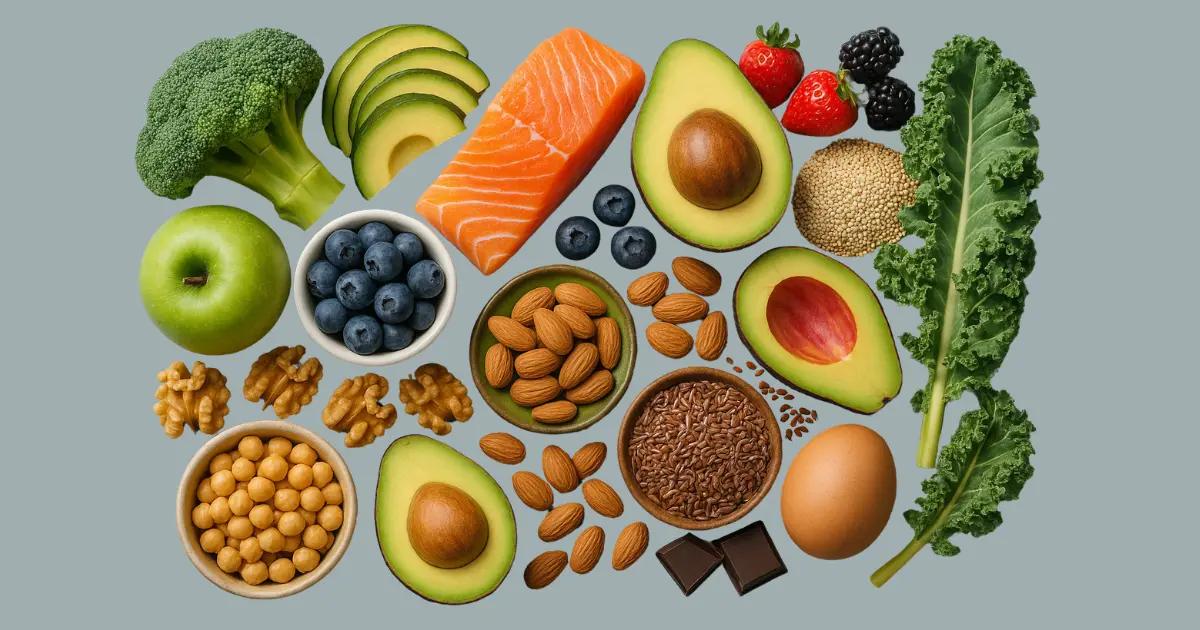
Nutrition fundamentally impacts brain function, making brain booster foods a critical consideration. The Mediterranean diet, rich in vegetables, fruits, whole grains, fish, olive oil, and nuts, has been consistently associated with better cognitive function and reduced dementia risk. Specific foods particularly beneficial for brain health include fatty fish (omega-3s), blueberries (antioxidants), nuts and seeds (vitamin E and healthy fats), dark chocolate (flavonoids), and leafy greens (folate and vitamins). Conversely, excessive sugar and processed foods promote inflammation and impair cognitive function.
Mental stimulation and learning maintain cognitive reserve and neuroplasticity throughout life. Engaging in challenging mental activities—learning new skills, playing musical instruments, studying languages, or solving complex puzzles—strengthens neural connections and may protect against age-related decline. The key is genuine challenge that pushes you slightly beyond your current abilities, not mindless “brain training” games with questionable transfer effects to real-world cognition.
Stress management and social connection profoundly influence cognitive health. Chronic stress elevates cortisol levels, which can damage the hippocampus and impair memory formation. Practices like meditation, deep breathing, and mindfulness have been shown to reduce stress and improve attention and working memory. Similarly, maintaining strong social connections and engaging in meaningful relationships supports cognitive health through multiple pathways, including reduced stress, increased mental stimulation, and enhanced emotional well-being. These lifestyle factors work synergistically with supplements to optimize brain function.
Are Brain Boosters Safe? Side Effects and Precautions
The safety of brain booster supplements varies considerably depending on the specific compound, dosage, individual health status, and potential interactions with medications or other supplements. The science backed brain supplements discussed in this article—caffeine with L-theanine, omega-3s, Bacopa, Rhodiola, and creatine—have generally favorable safety profiles when used at recommended doses by healthy adults. However, “generally safe” doesn’t mean “safe for everyone in all circumstances.”
Common side effects tend to be mild and dose-dependent. Caffeine can cause jitteriness, anxiety, insomnia, and increased heart rate, particularly in sensitive individuals or at high doses. Omega-3 supplements may cause fishy aftertaste, mild digestive upset, or slightly increased bleeding risk at very high doses. Bacopa can cause digestive issues, particularly when taken on an empty stomach. Rhodiola may cause mild stimulation that interferes with sleep if taken too late in the day. Creatine can cause minor water retention but is otherwise remarkably safe.
Drug interactions represent a more serious concern. Supplements affecting neurotransmitter systems can potentially interact with psychiatric medications, including antidepressants, anti-anxiety medications, and stimulants. Omega-3s may enhance the effects of blood-thinning medications. Some nootropics can interact with medications for blood pressure, diabetes, or thyroid conditions. Always consult with a healthcare provider before starting brain booster supplements if you take prescription medications or have diagnosed health conditions.
Special populations require additional caution. Pregnant and breastfeeding women should avoid most nootropic supplements due to limited safety data. Children and adolescents have developing brains with different needs and sensitivities than adults. Older adults may be more sensitive to certain compounds and more likely to be taking medications that could interact with supplements. Individuals with anxiety disorders, insomnia, or cardiovascular conditions should be particularly careful with stimulant-based brain boosters.
Quality and contamination risks pose another safety consideration. The supplement industry is less strictly regulated than pharmaceuticals, leading to occasional issues with contamination, adulteration, or products not containing what their labels claim. Stick with reputable manufacturers that conduct third-party testing and provide certificates of analysis. Be wary of supplements making extreme claims or sold through questionable channels. For those considering prescription cognitive enhancers like modafinil for sale in the US, understand that these require medical supervision and carry different risk profiles than over-the-counter supplements.
The key to safe supplementation is starting conservatively, monitoring your response, and maintaining realistic expectations. Begin with single ingredients at lower doses before progressing to combinations or higher amounts. Keep a journal tracking cognitive performance, mood, sleep quality, and any side effects. Remember that supplements are meant to complement, not replace, the fundamental pillars of brain health: quality sleep, regular exercise, nutritious diet, stress management, and mental stimulation.
Best Brain Booster: Our Evidence-Based Recommendation
After examining the scientific evidence, safety profiles, and practical considerations, determining what is the best brain booster depends on your specific cognitive goals, current health status, and lifestyle factors. However, for most healthy adults seeking reliable cognitive enhancement, we recommend starting with the caffeine plus L-theanine combination as the foundation of a brain-boosting strategy. This pairing offers the strongest evidence base, immediate noticeable effects, excellent safety profile, and affordability that makes consistent use sustainable.
For comprehensive cognitive support addressing multiple aspects of brain health, consider building a stack that includes: 100-200mg caffeine with 200-400mg L-theanine for immediate focus and alertness (taken as needed, typically morning or early afternoon); 1000-2000mg combined EPA/DHA omega-3s daily for foundational brain structure and function support; 300-450mg Bacopa monnieri extract (standardized to 50% bacosides) daily for memory enhancement and neuroprotection; and 5g creatine monohydrate daily for enhanced brain energy metabolism and mental processing speed.
This combination addresses cognitive enhancement through complementary mechanisms: immediate neurotransmitter modulation (caffeine/L-theanine), structural brain support (omega-3s), memory and learning enhancement (Bacopa), and cellular energy optimization (creatine). The total monthly cost for quality versions of these supplements typically ranges from $40-80, making this approach accessible to most budgets while providing evidence-based benefits.
For those dealing with stress-related cognitive impairment or mental fatigue, adding 200-400mg Rhodiola rosea (standardized to 3% rosavins) can provide additional support. Students and professionals engaged in intensive learning might emphasize Bacopa and omega-3s, while those primarily seeking enhanced focus and productivity might prioritize the caffeine/L-theanine combination with creatine support.
Remember that the best brain booster is ultimately the one you’ll use consistently as part of a comprehensive approach to cognitive health. Supplements work best when combined with adequate sleep, regular exercise, nutritious diet, stress management, and ongoing mental challenges. Set realistic expectations—these supplements can meaningfully enhance cognitive function, but they won’t transform you into a superhuman or compensate for poor lifestyle habits. Start with one or two supplements, assess your response over several weeks, and adjust your approach based on results. With patience, consistency, and evidence-based choices, you can optimize your cognitive performance and support long-term brain health.
Frequently Asked Questions
What is the most effective brain enhancer?
The most effective brain enhancer depends on your specific cognitive needs, but citicoline (CDP-choline) consistently ranks among the top evidence-based options. Research shows citicoline improves memory, attention, and mental energy by supporting neurotransmitter production and brain cell membrane health. Other highly effective options include Bacopa monnieri for memory enhancement and L-theanine combined with caffeine for focus and alertness without jitters.
Do brain boosters really work?
Yes, certain brain boosters really work when backed by scientific research, though results vary by individual and supplement quality. Evidence-based compounds like omega-3 fatty acids, citicoline, and Bacopa monnieri have demonstrated measurable cognitive improvements in clinical trials. However, many products on the market lack proper research or contain ineffective doses, which is why choosing the best brain booster requires looking for supplements with published studies and standardized ingredients.
What is the #1 brain supplement?
There is no single “#1 brain supplement” that works universally for everyone, as individual brain chemistry and needs differ significantly. That said, omega-3 fatty acids (particularly DHA) are widely considered foundational for brain health, supported by decades of research showing benefits for memory, mood, and neuroprotection. For comprehensive cognitive support, many experts recommend combining omega-3s with other proven ingredients like citicoline or phosphatidylserine rather than relying on a single compound.
How can I boost brain memory and focus?
You can boost brain memory and focus through a combination of lifestyle habits and targeted supplementation. The best brain booster approach includes getting 7-9 hours of quality sleep, regular aerobic exercise, stress management, and a nutrient-rich diet with plenty of omega-3s and antioxidants. For additional support, evidence-based supplements like Bacopa monnieri for memory, L-theanine with caffeine for focus, and citicoline for overall cognitive function can provide measurable improvements when used consistently.
What can I take for brain fog and focus?
For brain fog and focus issues, L-theanine combined with caffeine is one of the most effective and fast-acting options, promoting alert calmness without the jitters. Rhodiola rosea is excellent for mental fatigue and stress-related brain fog, while citicoline supports mental clarity and sustained attention. If brain fog persists, it’s important to address underlying causes like poor sleep, nutritional deficiencies (especially B vitamins and vitamin D), dehydration, or chronic stress.
Is there any brain supplement that actually works?
Yes, several brain supplements actually work according to peer-reviewed research, though they won’t make you limitless overnight. Omega-3 fatty acids (DHA/EPA), citicoline, Bacopa monnieri, phosphatidylserine, and Lion’s Mane mushroom all have clinical evidence supporting cognitive benefits. The key is choosing supplements with standardized extracts at research-backed doses, being patient (many take 4-12 weeks for full effects), and maintaining realistic expectations about the degree of improvement.
What vitamin cuts dementia risk?
B vitamins, particularly B6, B12, and folate, have shown the ability to reduce dementia risk when taken together, with some studies showing up to 40% risk reduction in individuals with elevated homocysteine levels. These vitamins work by lowering homocysteine, an amino acid that at high levels is associated with brain atrophy and cognitive decline. Vitamin D has also demonstrated protective effects against dementia, with deficiency linked to significantly higher risk of cognitive impairment and Alzheimer’s disease.
What does Mayo Clinic say about brain supplements?
Mayo Clinic takes a cautious stance on brain supplements, noting that while some show promise, most lack sufficient evidence to recommend for cognitive enhancement in healthy adults. They emphasize that no supplement has been proven to prevent or reverse dementia, and that lifestyle factors like diet, exercise, sleep, and social engagement are more reliably beneficial for brain health. Mayo Clinic does acknowledge that certain nutrients like omega-3 fatty acids and B vitamins may support cognitive function, especially in individuals with deficiencies.
What is the best supplement for cognitive function?
The best supplement for cognitive function overall is likely a high-quality omega-3 fish oil providing at least 1,000mg of combined EPA and DHA daily. Omega-3s are essential for brain structure and function, with extensive research supporting benefits for memory, processing speed, and neuroprotection across all age groups. For more targeted cognitive enhancement, the best brain booster strategy often involves stacking omega-3s with citicoline for mental energy and focus, or Bacopa monnieri for memory and learning.
What supplements are good for improving focus and cognitive skills?
For improving focus and cognitive skills, citicoline (250-500mg daily) stands out for enhancing attention and mental energy, while L-theanine (100-200mg) combined with caffeine (50-100mg) provides smooth, sustained focus without anxiety. Rhodiola rosea (200-600mg) helps with mental stamina during demanding tasks, and Lion’s Mane mushroom (500-3,000mg) supports long-term cognitive function and neuroplasticity. For students and professionals, stacking these evidence-based supplements with proper sleep and nutrition delivers the most reliable cognitive enhancement.
You May Also Like

How to Improve Accuracy in Health and Fitness Wearable Apps

What is an Essix Retainer? Complete Guide to Clear Retainers

Lost Your Retainer? Here’s What to Do Right Away